The Sterile Barrier Comes First
A printed paper tube can organize a medical device, but it cannot turn an unsealed product into a sterile one. For devices that require sterility, the tube's role must be separated from the validated sterile barrier that maintains the device's required condition.
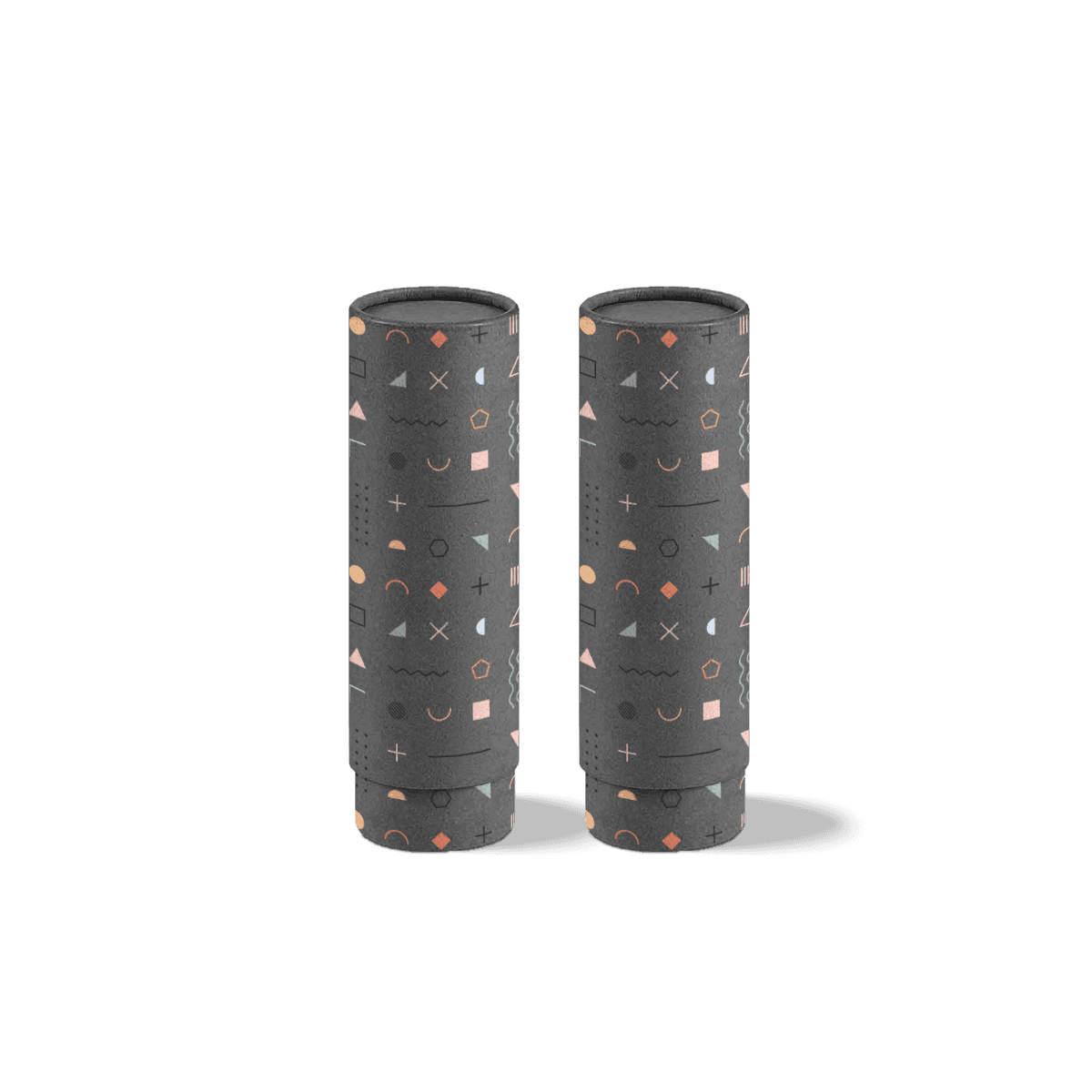
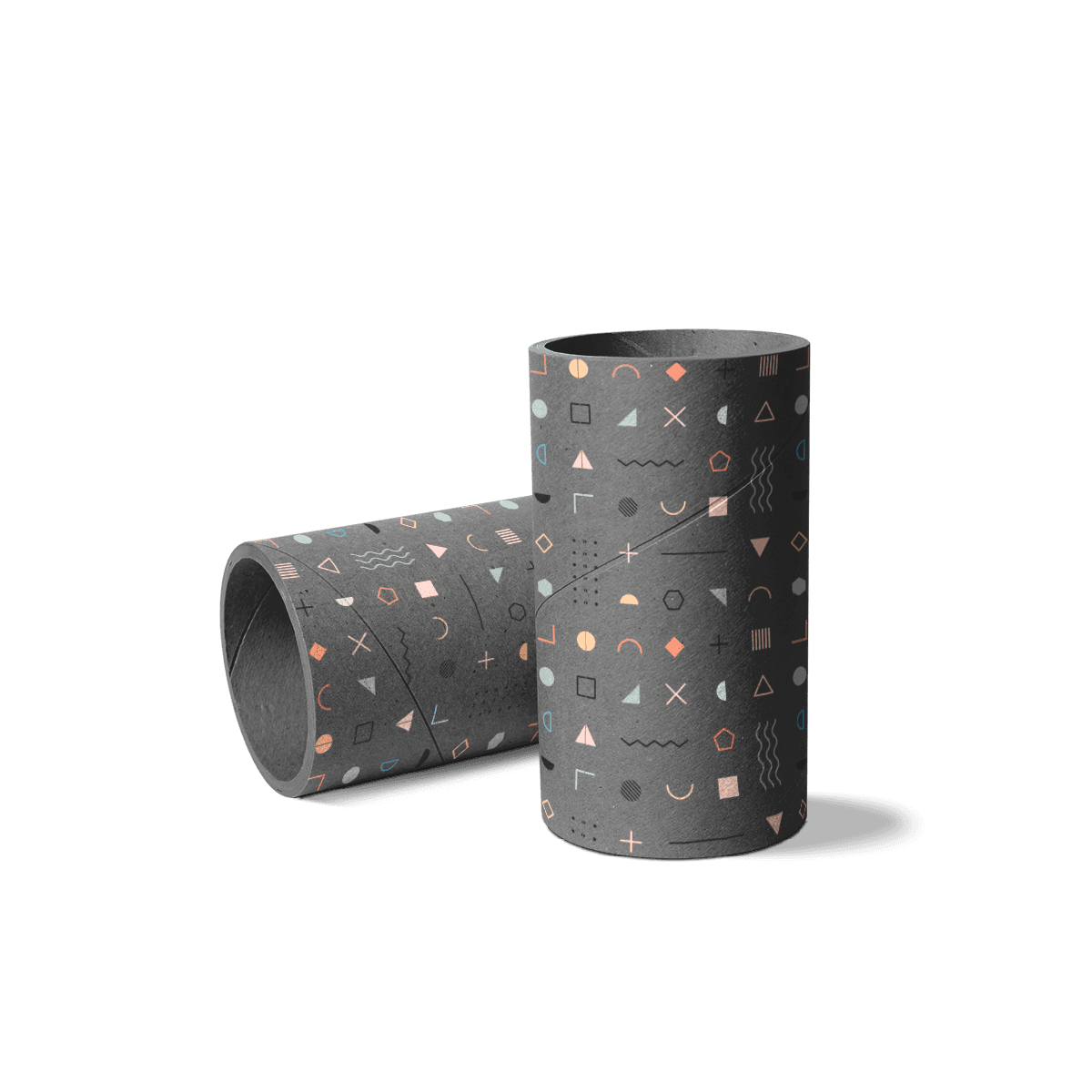
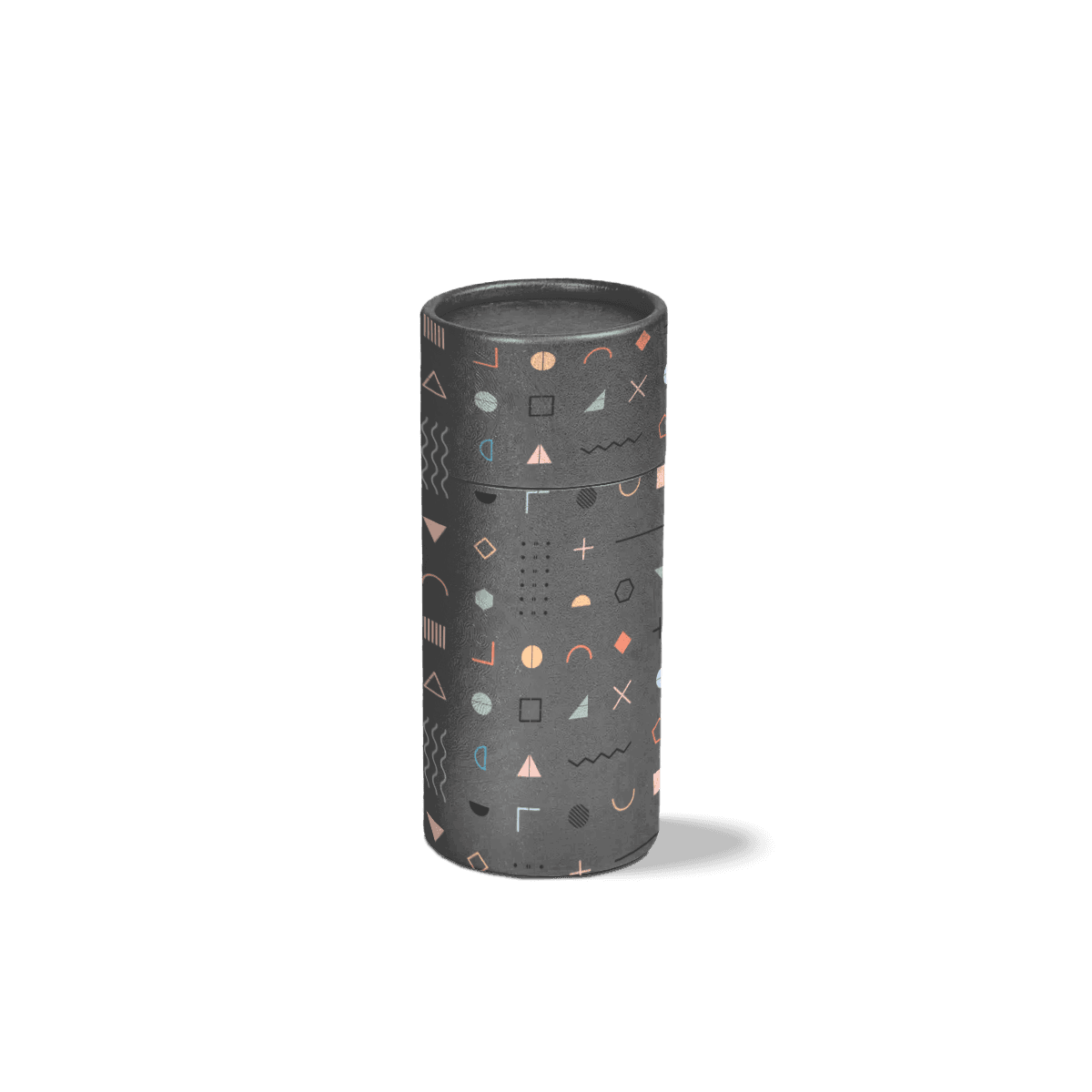
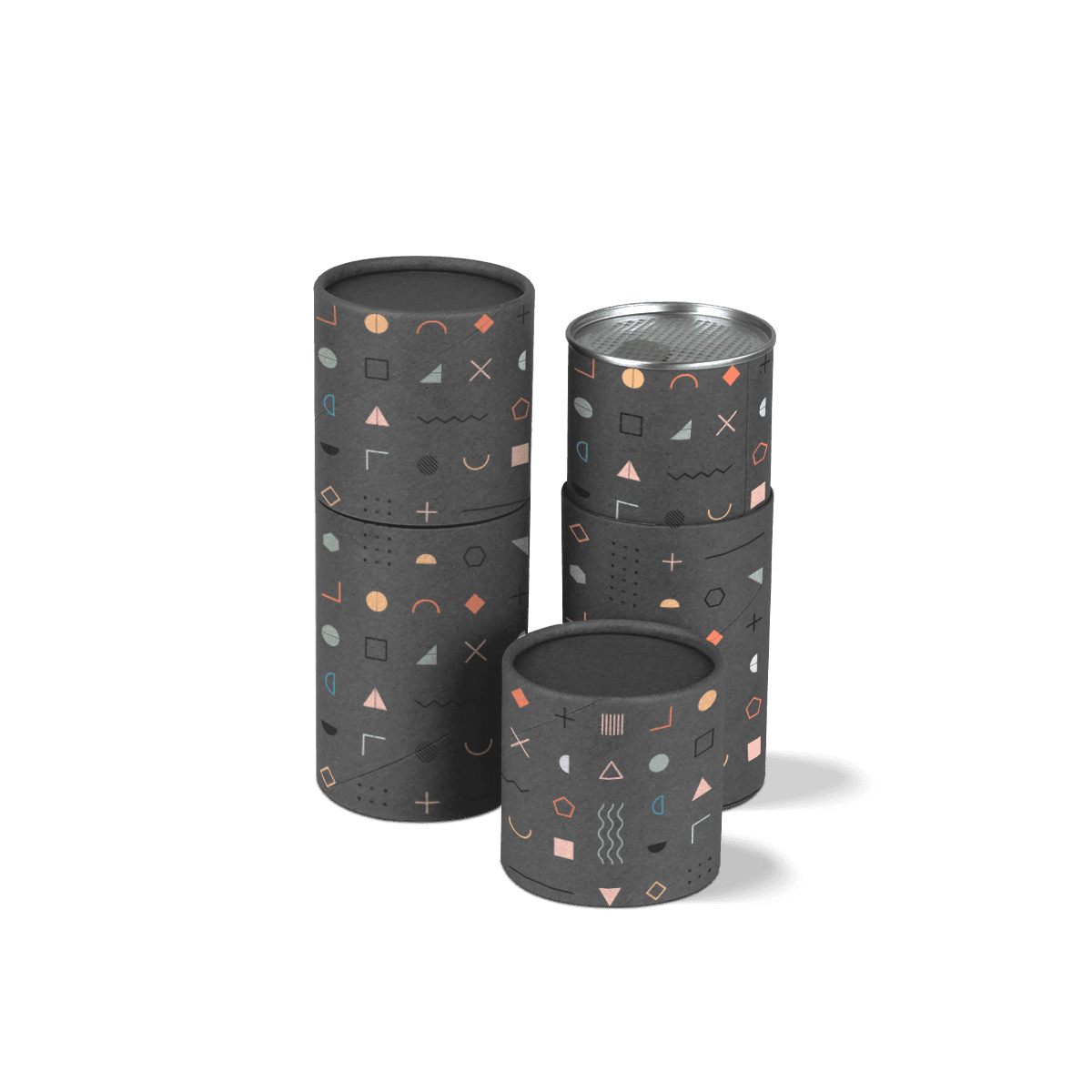
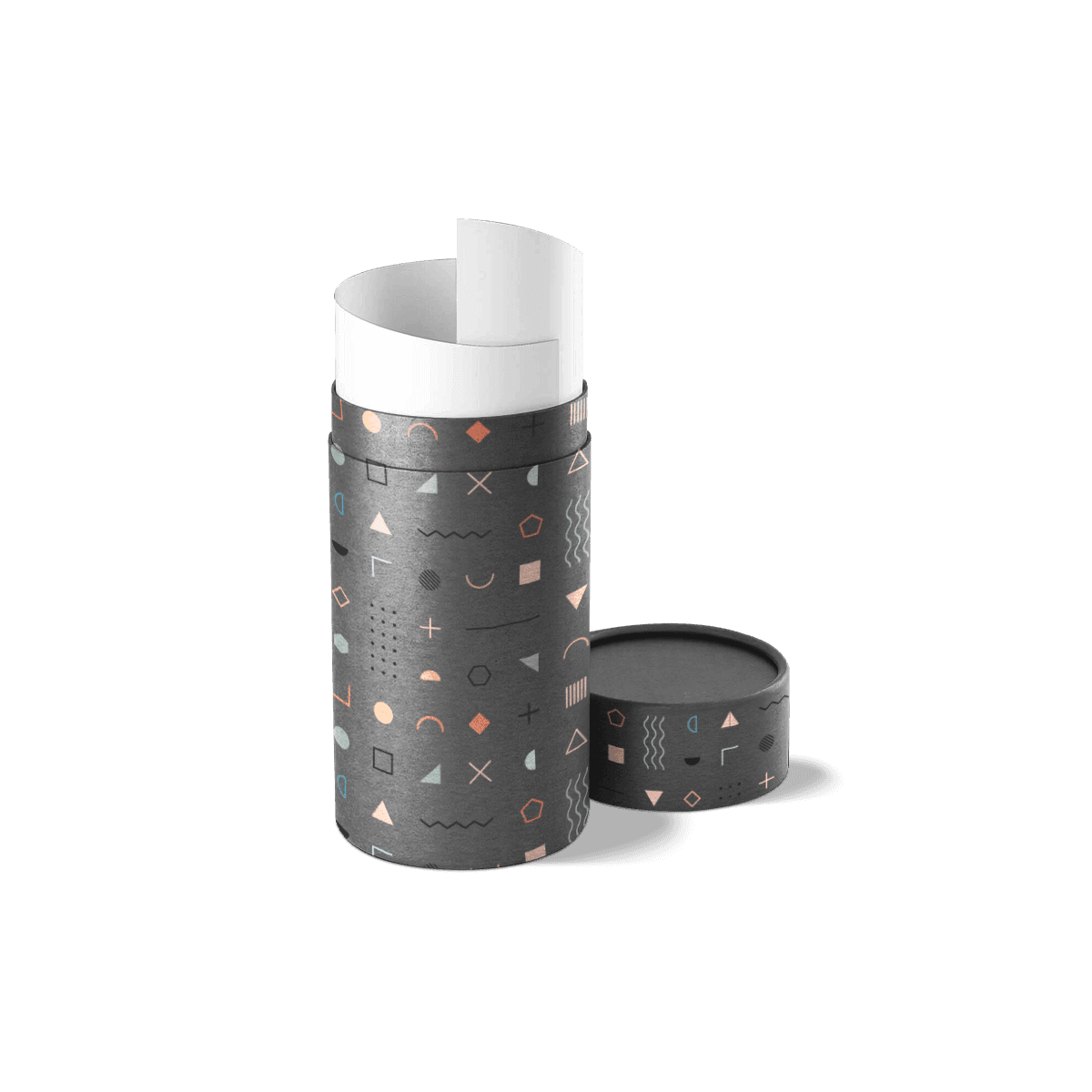
Custom Device Tubes are cylindrical outer packages for elongated medical and wellness products, including applicators, sampling tools, handheld devices, diagnostic accessories and replacement components.
They can protect an existing primary pack, support a slim device during handling and carry product identification without requiring an unnecessarily large rectangular carton.
The distinction between primary and secondary packaging determines the construction.
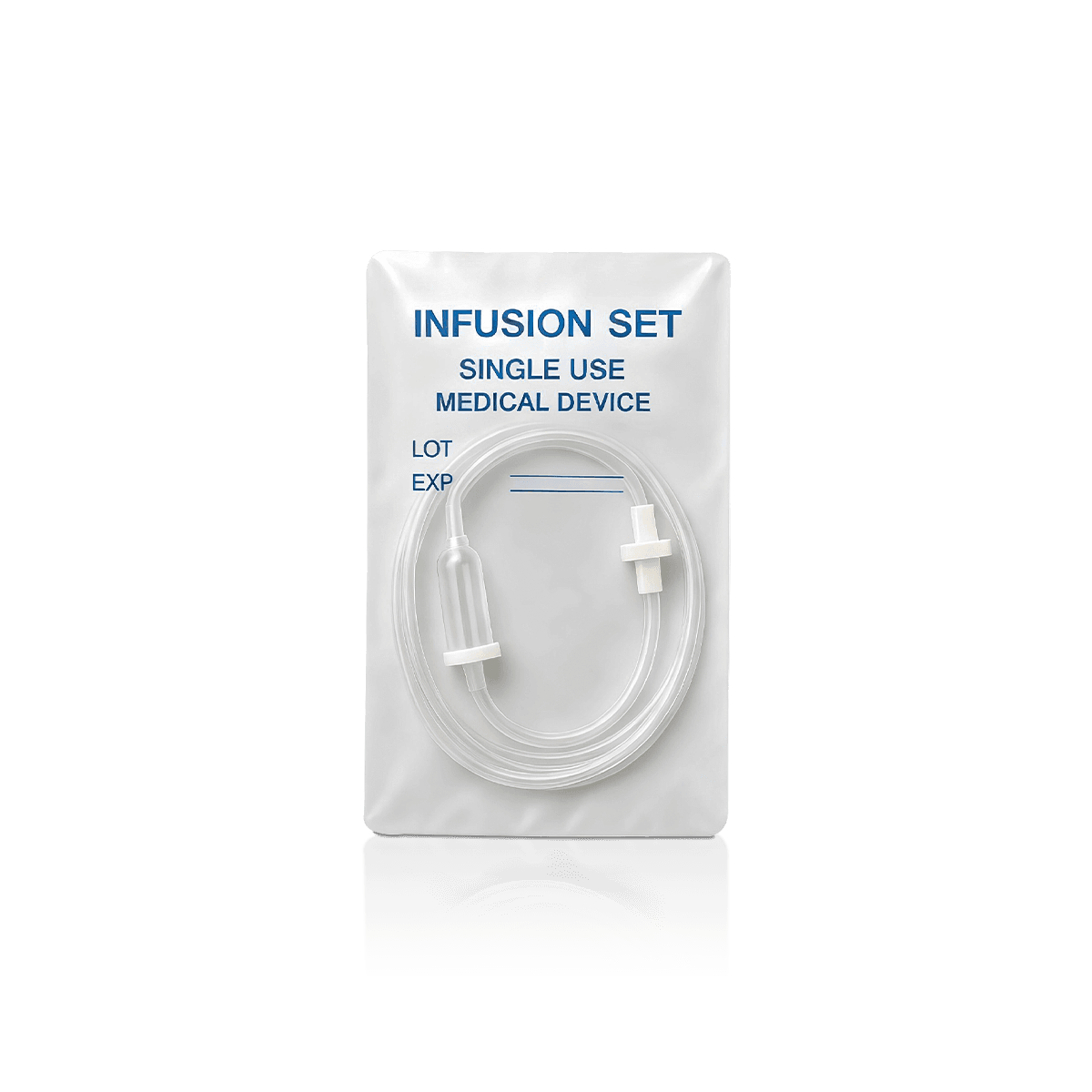
A non-sterile wellness accessory may be packed directly into a suitable protective tube when its material and cleanliness requirements permit. A sterile device requires an appropriate, independently specified sterile barrier. The decorative paperboard tube must not be presented as an equivalent substitute.
For terminally sterilized medical devices, ISO 11607-1 addresses requirements for sterile barrier systems and packaging systems intended to maintain sterility until use.
The device manufacturer remains responsible for determining applicable requirements and validating the complete packaging system.
An outer tube can still perform an important function around a sealed device.
It may prevent unnecessary bending, reduce movement during handling and keep accompanying instructions with the correct product. Its structure must support those tasks without placing damaging pressure on the inner package.
For devices distributed through clinics, retail stores or direct-to-consumer channels, the tube also creates a controlled surface for identification and branded presentation.
The strongest starting point is to establish what the primary pack already does and what the outer tube genuinely needs to add.