Skip to content
Details

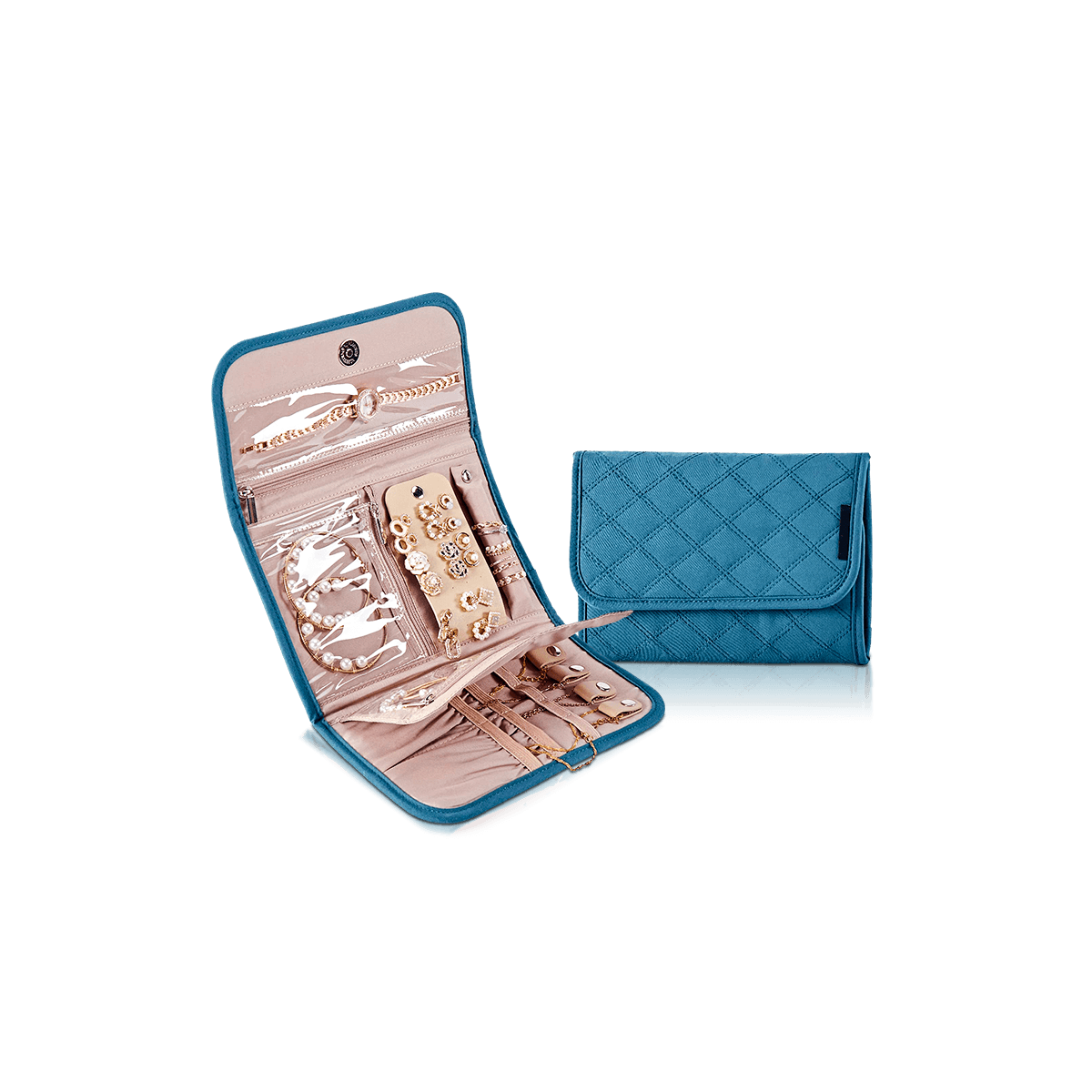
Custom Folding Jewelry Flexible Pouches

Soft fold-over jewelry packs that separate small pieces, control chains and collapse into a compact shape for retail, gifting and travel.

The Fold Must Close Around the Jewelry

A folding jewelry pouch works in two different states. Open, it needs enough area to organize and access the jewelry. Closed, those same pieces have to remain separated while the material folds around them.

That changing geometry is the main design problem.

If compartments, chain tabs or ring holders sit too close to a fold line, jewelry can stack on top of itself as the pouch closes. If every item is pushed toward the outer edges, the closed pack can become bulky and uneven.

Inside jewelry and accessories packaging, folding pouches make sense when soft contact, low storage bulk and portable organization matter more than the hard structure of a presentation box.

Open and Closed Dimensions Are Different

The open footprint determines how much organizing space the pouch has.

The closed footprint determines how it feels in a handbag, gift set, retail pack or ecommerce order.

Both matter.

A pouch that looks beautifully proportioned when spread flat may become too thick once two padded panels overlap. Another design may close neatly but expose chains to the fold because the internal layout was compressed too aggressively.

Develop the internal arrangement and folding sequence together rather than treating the fold as an exterior styling choice.

Fold Lines Need Clear Zones

Jewelry should not sit directly on a primary fold when the closed pack creates pressure at that point.

Ring settings, earring posts, clasps and pendants can produce localized pressure against adjacent pieces or the pouch surface.

Leaving controlled clearance around fold lines gives the contents somewhere to move as the organizer changes shape.
Flat Layout Prevents Tangling

The open pouch should make the jewelry arrangement easy to understand immediately.

Chains need routes. Earrings need pairs. Rings need retention. Small loose pieces need pockets or closures that stop them migrating into another zone.

A folding pouch succeeds when each item has somewhere specific to go before the organizer is closed.

Chains Need Anchor Points

A necklace should not simply be dropped into a soft pocket.

The chain can be held at one or more points while the pendant sits in a separate area. Depending on the construction, small tabs, loops, slots or covered pockets can manage the excess chain.

The aim is to stop the chain crossing itself while the pouch is folded, turned and carried.

Longer necklaces need enough separation between the top retention point and the pendant position. If both are crowded into one small area, the pouch may be compact but the chain still bunches.

Earrings Need Separate Pairing

Studs can sit on a removable card or reinforced internal panel. Hoops and drop earrings need more room because they occupy depth as well as surface area.

Soft pockets can also work, but pairing matters. Two separate earrings wandering through a large shared compartment can still rub against each other or become difficult to locate quickly.

For delicate surfaces, packaging inserts show why retention geometry matters as much as cushioning material.

Rings Need Restraint Without Bulk

A thick padded ring roll can dominate a slim folding pouch.

Smaller ring loops, soft straps or compact retention bands can preserve the flatter profile when the design only needs to carry one or two rings.

The retention method should still stop the piece sliding free when the pouch is opened vertically.

Thickness Builds at Every Fold

Flexible does not automatically mean thin.

Lining, padding, pockets, zipper tapes, snaps and jewelry itself can stack into several layers when the pouch is folded.

That accumulated thickness should be considered before setting the outer dimensions.

Three Panels Behave Differently From Two

A simple fold-over pouch may close once like an envelope. A larger jewelry organizer may use several panels or roll into a compact bundle.

Every added fold creates another layer.

A three-panel organizer carrying earrings, rings and necklaces can become noticeably thicker at one end if the internal components all occupy the same folded position.

Staggering thicker jewelry zones can distribute that bulk more evenly.

Padding Should Follow Contact Risk

Uniform heavy padding can make the organizer unnecessarily bulky.

Soft surfaces are most important where jewelry can press against closures, neighboring pieces or external objects. Other zones may need only a smooth lining and controlled retention.

The pouch should remain flexible enough to fold naturally rather than behaving like a soft exterior wrapped around several rigid interior pads.

Closure Controls Compression

The closure does more than keep the pouch shut. It determines how tightly the folded layers are pulled together.

That affects both jewelry pressure and the shape of the finished pack.

Snaps Need a Consistent Closing Point

A snap closure gives the pouch a defined closed position.

That consistency can work well for compact retail packs because every finished unit closes to roughly the same footprint.

The snap should not force a raised stone, pendant or earring post against the opposite panel. The internal layout needs to keep sensitive pieces away from the main compression path.

Ribbon Allows More Flexibility

A ribbon tie can accommodate slight changes in thickness when different jewelry combinations use the same pouch.

It also creates a gift-like opening.

The trade-off is less exact closure tension. Staff or customers may tie the pouch more tightly than intended, so delicate pieces still need separation inside.

Zippers Create Secure Compartments

A zippered internal pocket can keep tiny pieces from escaping when the pouch is unfolded.

Zipper hardware has to be positioned carefully. Metal sliders and teeth should not sit directly against polished jewelry surfaces unless a lining or panel separates them.

Closure choice is therefore connected to the internal map, not added after it.

Soft Material Still Needs Structure

Fabric and soft-touch materials create a different jewelry experience from rigid board, but softness alone does not control the product.

Microfiber, suede-like fabrics, cotton, satin and other textile constructions can create different hand feel, drape and durability. The exact material should follow the jewelry, intended reuse and brand presentation.

Lining Controls Direct Contact

The interior surface touches the jewelry repeatedly.

That makes texture important for polished metals, plated pieces and delicate finishes.

A soft lining can reduce abrasive contact, but seams, labels, fasteners and decorative hardware also belong in the contact assessment. A smooth fabric means little if a necklace rubs against an exposed snap back.

Outer Material Controls Handling

The outside has a different job.

It may need enough body to fold cleanly, accept branding and survive repeated opening without losing shape quickly.

A very soft fabric can feel pleasant but may collapse around the contents. A more structured textile can create a cleaner folded profile.

The appropriate balance depends on whether the pouch is disposable retail packaging, a reusable travel accessory or part of a premium gift set.

Production Detail Lives in the Seams

Soft jewelry packaging depends heavily on assembly accuracy.

Pocket dimensions, stitch position, fold alignment and fastener placement influence how consistently the finished pouch behaves.

A few millimeters can determine whether a chain tab sits comfortably inside a fold or whether a snap pulls the front panel off-center.

For a custom brief, establish the open dimensions, closed dimensions, jewelry types, compartment layout, closure, materials, logo method and quantity.

MOQ starts from 100 units for US orders.

When the construction is defined, an instant custom packaging quote can be based on the actual pouch rather than a generic jewelry bag.

Custom Packly supports transparent pricing with no hidden charges and US production. standard turnaround is 4–6 days after final artwork and specifications are approved. Complex structures, specialty materials or advanced finishes may require additional time.

Flexible Pouch Does Not Mean Mylar Pouch

The product name can create confusion because Custom Packly also uses “flexible pouches” for laminated packaging used with products such as food, cosmetics and refills.

Folding jewelry pouches serve a different purpose.

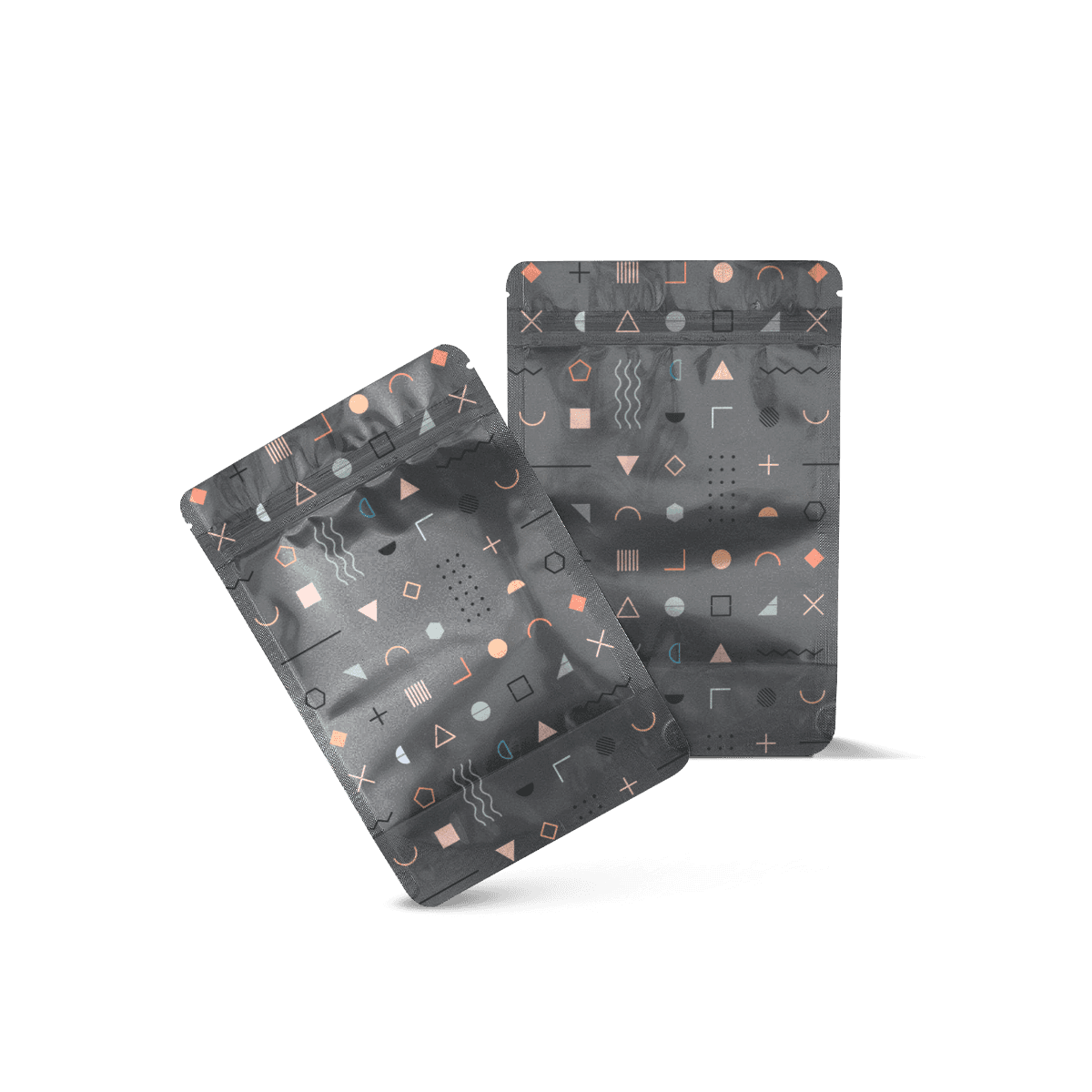
The Flexible Pouches structure focuses on sealed film packs, barrier performance, gussets and product containment. Folding jewelry pouches are soft organizers whose performance depends on textile construction, internal separation and fold behavior.

Keeping that distinction clear matters when specifying materials.

A necklace does not need an oxygen barrier. It needs controlled contact and anti-tangle organization.

Use Film Pouches for a Different Job

A sealed or zip-style film pouch may make sense for small parts, samples or products requiring moisture or barrier properties.

It is not a direct substitute for a folding jewelry organizer intended to hold several wearable pieces in separate positions.

The word “pouch” describes both, but the engineering is different.

Folded Storage Can Replace Box Volume

One advantage of a folding jewelry pouch is what happens before and after it is used.

The pack can occupy little space when stored flat or lightly folded. That can help boutiques, event programs and ecommerce operations carrying larger quantities of empty packaging.

Once filled, the pouch wraps around the jewelry rather than maintaining a fixed empty cavity.

Warehousing and scheduled deliveries can support larger programs when packaging stock needs to be released across different retail or launch dates.

Rigid Boxes Preserve Presentation

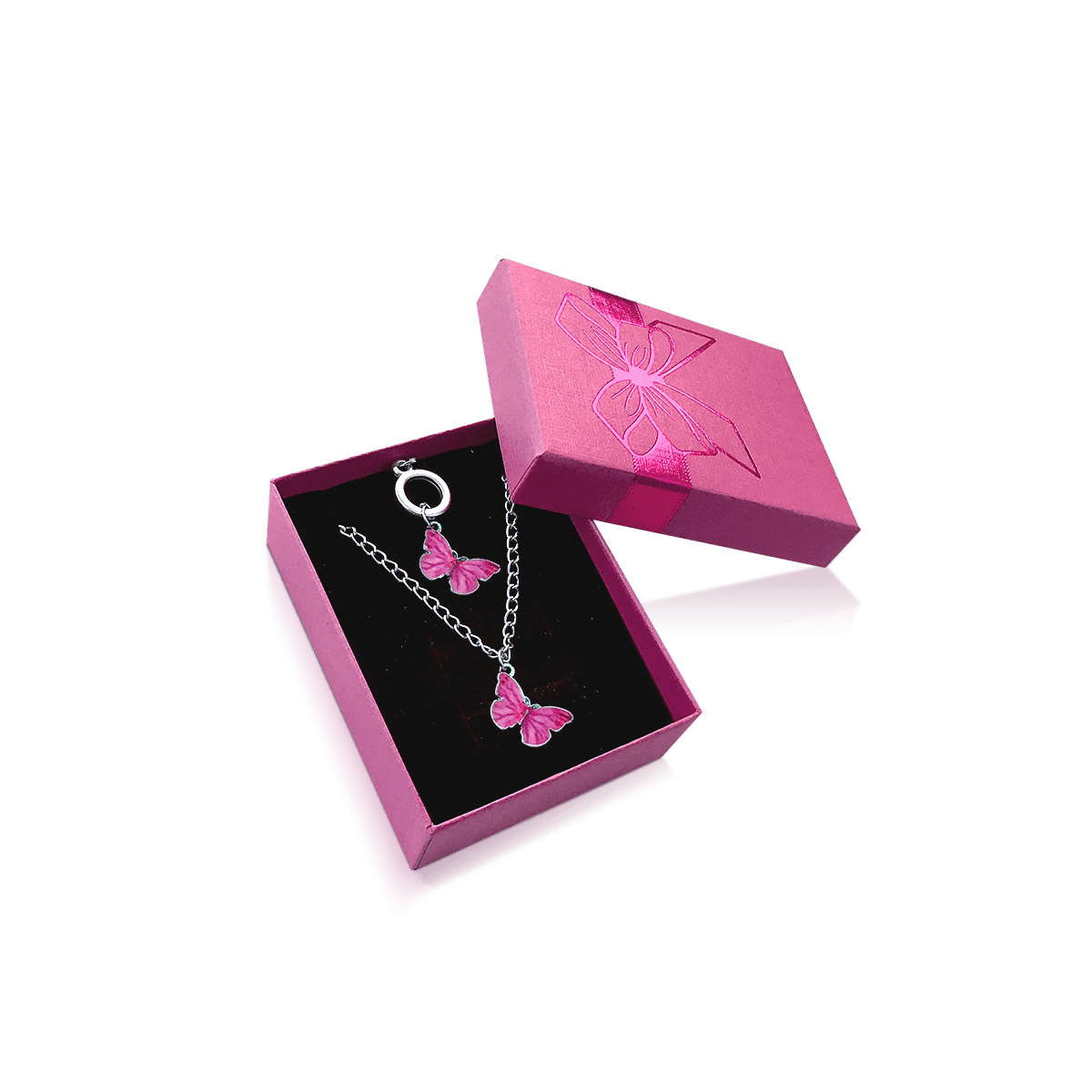
A jewelry gift box gives the product a fixed presentation position and protects that arrangement with hard walls.

That is valuable when the opening moment is central to the sale.

A folding pouch takes the opposite approach. It trades rigid presentation for portability, lower empty-pack volume and continued storage use.

Neither structure is universally better. They solve different packaging jobs.

Tubes Organize in Three Dimensions

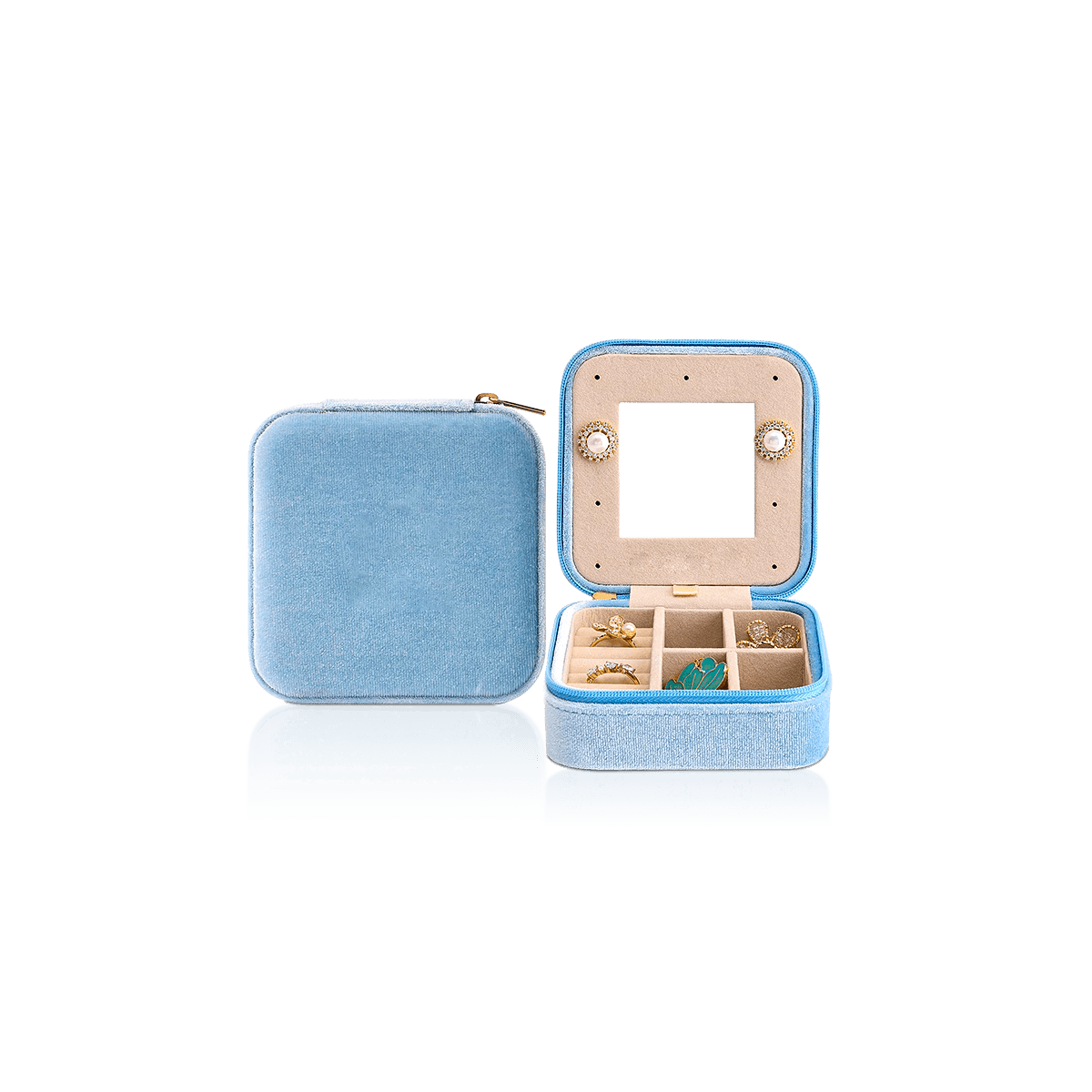
Travel Jewelry Tubes keep compact collections inside a cylindrical shell with controlled inserts and lid retention.

Folding pouches organize jewelry across a flat interior first, then collapse that layout for carrying.

The difference is especially noticeable with necklaces. A pouch can spread a chain across a longer open surface before folding, while a tube has to route the chain inside a circular footprint.

Compartments Should Follow the Collection

A folding pouch for one necklace does not need the same interior as a travel organizer carrying rings, earrings and bracelets.

The internal arrangement should be developed around the actual merchandise mix.

Single-Piece Retail Pouches Stay Simple

A single pendant or bracelet can use a restrained fold-over pack with one main retention area.

Adding four unused pockets merely because the pouch can accommodate them makes the product feel generic and increases sewing, assembly and material.

The simplest interior that controls the piece is often the strongest one.

Travel Sets Need Zoning

A multi-piece organizer benefits from distinct zones.

One panel can handle chains. Another can carry earrings. A small secure pocket can hold loose items. Rings can occupy a compact central retention point.

The fold sequence should then keep those zones from landing directly on top of each other.

Collections Can Share an Outer Footprint

Several jewelry SKUs may use one pouch size while changing the interior attachment or card.

That can work when the product dimensions are close and the folded thickness remains controlled.

Do not force a large bracelet or statement piece into the same footprint merely for packaging consistency. The pouch should change when the jewelry requires it.

Branding Has to Work Folded

A large graphic placed across the open organizer may disappear once the pouch is folded.

Branding should be planned in the state customers see first.

For many retail programs, that means a logo or mark on the closed outer panel and quieter organization inside.

The Exterior Needs a Clear Face

A folding pouch normally has one closed panel that becomes the visual front.

Logo placement should account for flap overlap, snaps, ribbons and stitching. Small marks placed too close to those features can look crowded after assembly.

The artwork should also tolerate normal fabric movement rather than depending on perfectly flat geometry.

Interior Branding Can Stay Secondary

An inner label, printed message or small mark can reinforce the brand without competing with the jewelry layout.

The inside still has a practical job. Chain tabs and pockets should not be relocated solely to create a larger branding zone.

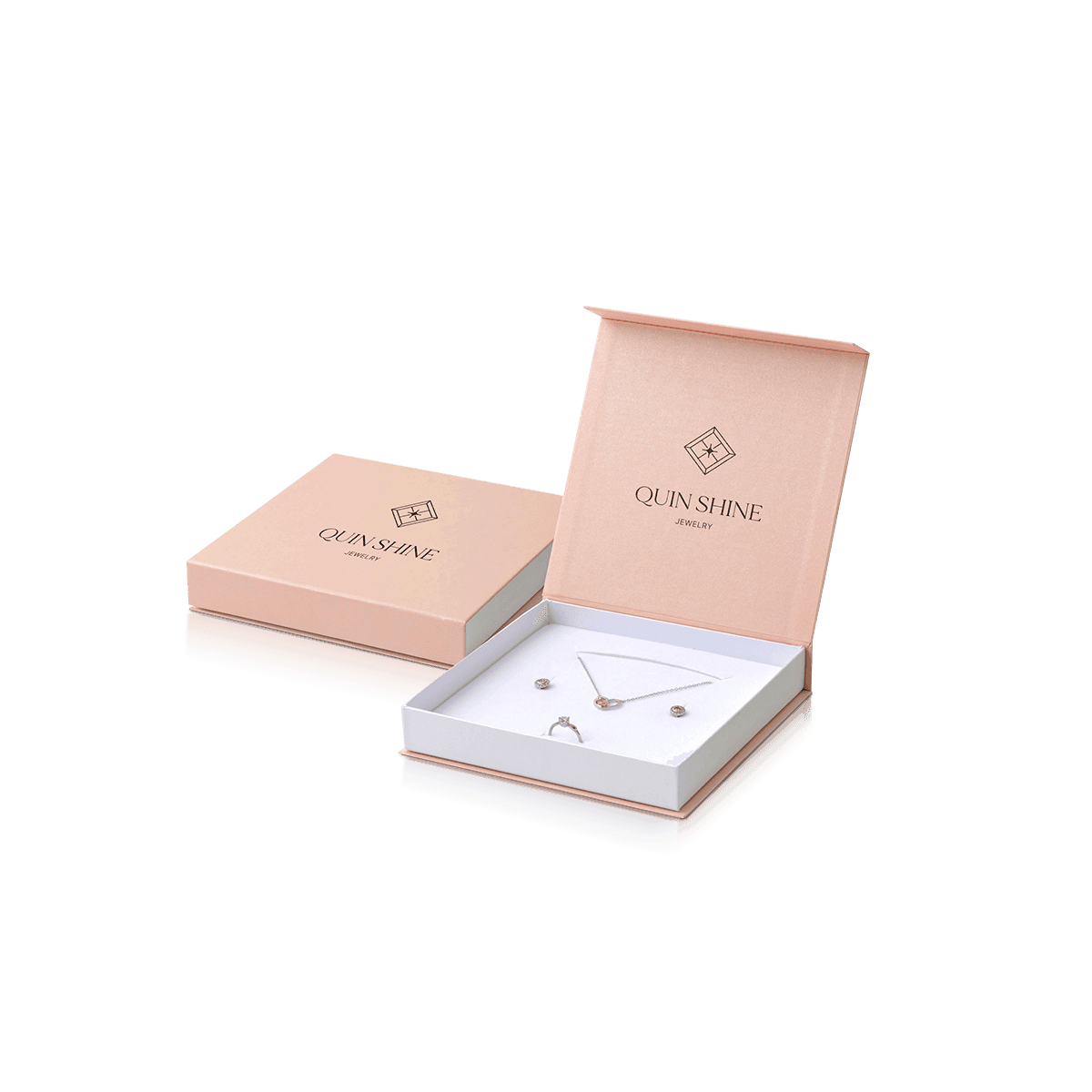
For programs that combine pouches with presentation boxes, custom printed jewelry boxes can carry the more print-intensive retail identity while the pouch handles soft storage.

Test the Pouch by Closing It Full

A folding organizer can look correct when open and fail only when it is packed.

Consider a pouch carrying one necklace, two rings and a pair of earrings. Each piece has its own neat position when the organizer lies flat.

The problem appears after the first fold. The earring panel lands directly on the ring area, and the final flap compresses both beneath the snap.

The fix is not necessarily a thicker pouch.

Moving the ring retention point, staggering the earring positions or reversing the panel sequence can prevent the hard components from stacking.

That is why physical validation belongs at the folding stage. Check the organizer with the intended jewelry inside, close it fully and press it as it may be pressed inside a handbag or shipping pack.

A free 3D mockup can help review external branding and overall proportions. Paid fully custom pre-production sampling can be arranged when the exact fold sequence, stitching and jewelry placement need physical evaluation.

Shipping Still Needs an Outer Pack

A soft folding pouch protects jewelry from direct rubbing and keeps small pieces organized, but it does not create parcel-level crush protection by itself.

For ecommerce orders, the filled pouch normally needs a mailer or shipping box around it.

That outer structure can remain compact because the folding pouch contributes less fixed volume than many rigid presentation packs.

Custom packaging can coordinate the jewelry pouch with the outer shipping structure when the full delivery system needs to be planned together.

The jewelry still needs enough internal control that it cannot tangle simply because the outer shipper is protective.

For US packaging orders, Custom Packly includes free shipping.

Make the Closed Pack the Final Check

The open organizer tells you whether each piece has a place. The closed organizer tells you whether the design actually works.

Check where the jewelry lands after every fold. Check whether hard components stack. Check whether chains remain anchored. Check whether the closure adds pressure in the wrong location. Then reopen the pouch and see whether the jewelry is still presented in the positions you intended.

That closed-to-open cycle is the real product experience.

Custom Packly is an experienced US custom packaging company with extensive customization and 24/7 packaging expert support. Folding Jewelry Flexible Pouches work best when softness and compact storage do not mean loose jewelry. The fold, compartments and closure should act as one organization system from packing through reopening.

FAQs

Bracelets, pendants, charms, anklets and light chain pieces are usually the best fit because they benefit from soft contact and do not always need rigid wall protection.

Yes. They work best as the inner presentation pack placed inside a mailer, carton or gift box so the pouch handles surface protection while the outer pack handles transit pressure.

Choose pouches when lower weight, travel use, softer touch and storage efficiency matter more. Rigid Jewelry Boxes make more sense when the goal is higher perceived value and a more formal gift reveal.

Yes. A well-placed stamp, print or foil mark can create clear brand recognition as long as the artwork is scaled to the pouch material and size.

The best approach is to pair the pouch with a backing card, mini sleeve or simple divider so the item stays organized before the pouch is closed.

Process

How it works

Your Packaging Journey, From Idea to Production and Delivery

01

Tell Us Your Specs

Custom packaging boxes

Tell Us Your Specs

Provide size, quantity, printing, and finishes.

02

Get a Fast Quote

Custom packaging boxes

Get a Fast Quote

Instant transparent pricing, no hidden fees.

03

Design and Approval

Custom packaging boxes

Design and Approval

Artwork checks, revisions, and final sign-off.

04

Produce

Custom packaging boxes

Produce

Expert manufacturing to meet deadlines.

05

Ship to Your Door

Custom packaging boxes

Ship to Your Door

Hassle-free, flexible delivery options.

Get Your Quote for Custom Folding Jewelry Flexible Pouches

Share your product details, size, quantity and artwork needs. We’ll help choose the right packaging style and send a clear quote.