Custom Cardboard Tubes
Custom Printed Cardboard Tube Packaging Built Around Product Fit
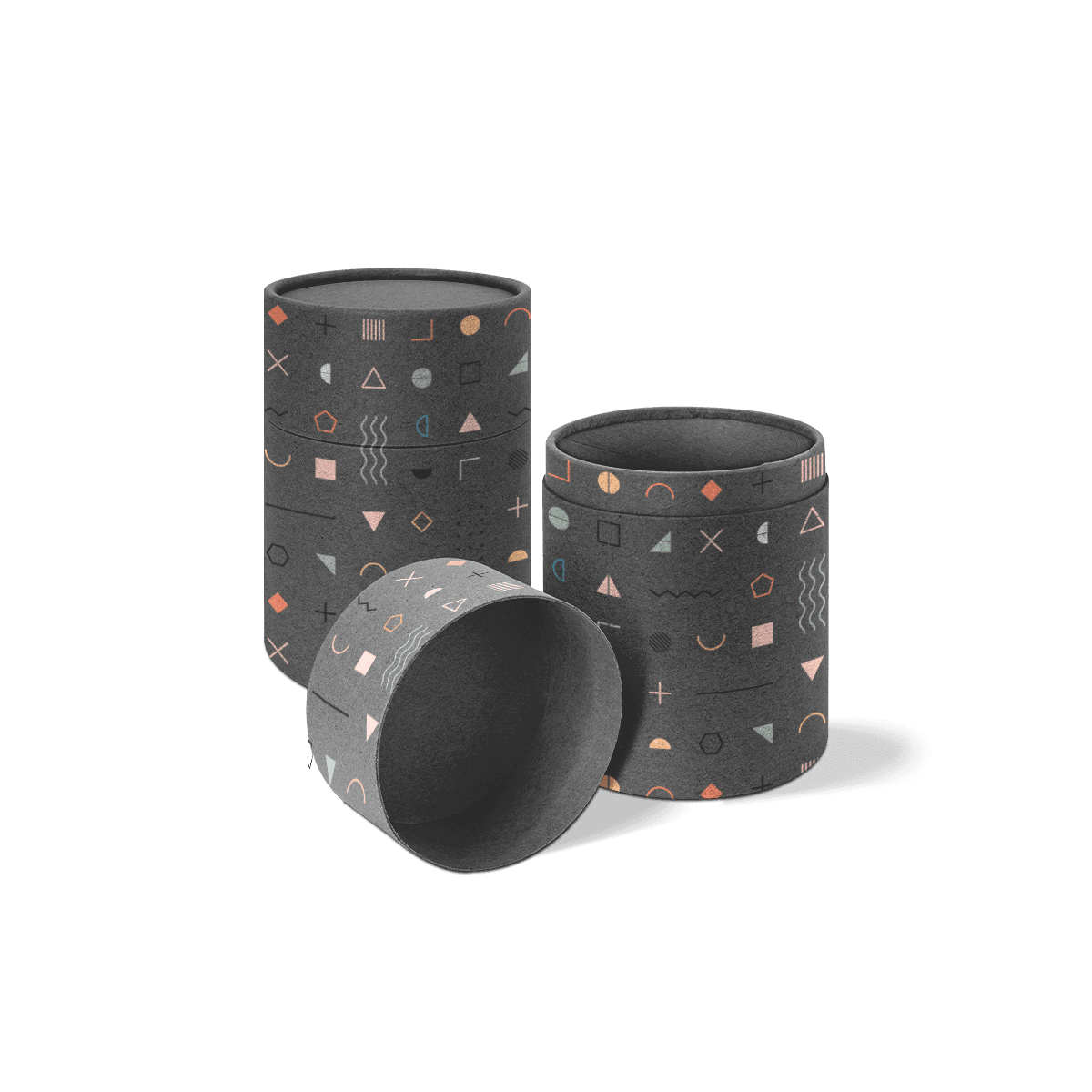
Custom cardboard tubes are rigid cylindrical packages made for round, tall, rolled or compact products. They suit candles, jars, bottles, beauty products, wellness items, accessories, gifts and premium launches.
The value is not the round shape alone. A well-planned tube controls movement. It gives artwork a full curved print area. It also creates a slower opening moment than a folding carton.
Custom Packly makes custom cardboard tubes in made-to-order sizes. Printing, wraps, lids, inserts and finishes are chosen around the product. The MOQ starts from 100 tubes. US production and free shipping are available. Free design support covers the dieline and 3D mockup.
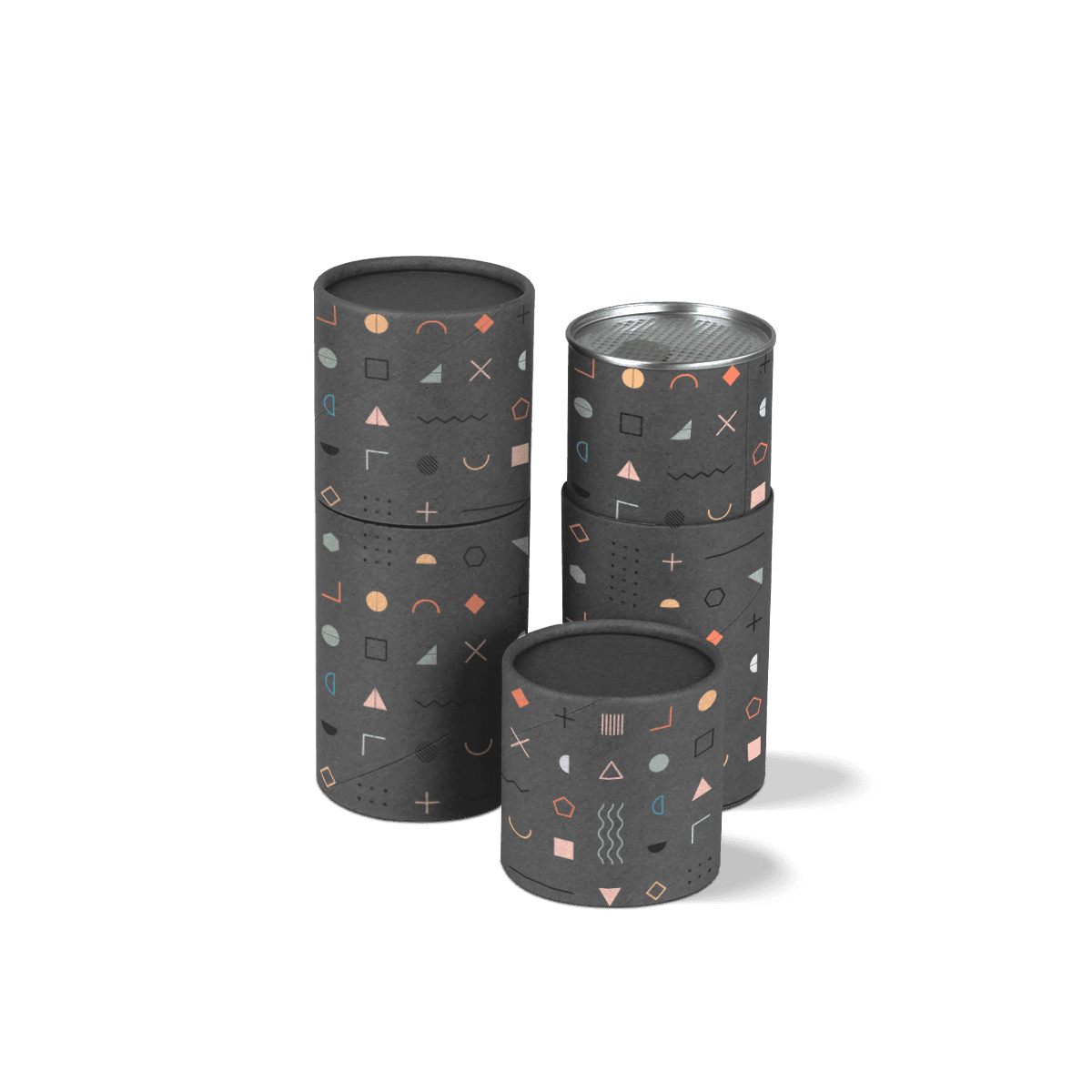
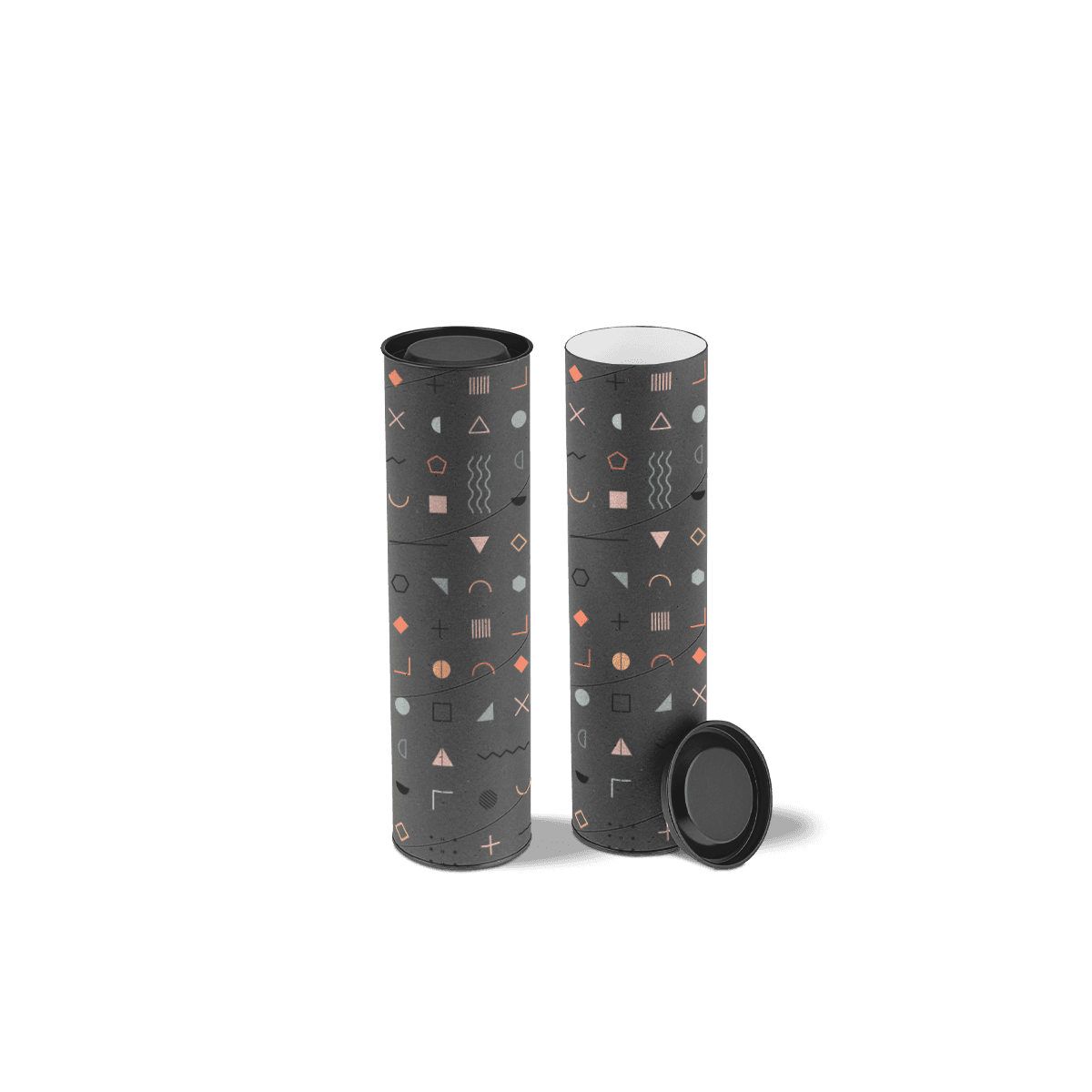
Compare custom tube packaging styles when you are still choosing between retail, kraft, white, telescopic and mailing tubes.
Size Custom Cardboard Tubes From the Inside Out
The correct size starts with the finished product at its widest point. Measure the lid, base, shoulder, label seam, pump, protective wrap and any detail that extends beyond the main body. The largest measurement controls the required internal diameter.
Outside diameter is not usable space. It includes the tube wall, so it can make the package sound larger than it is. Quotes and approvals should state the internal diameter, usable internal height and wall thickness as separate measurements.
Allow for Wrapping, Inserts and Smooth Removal
Measure the product as it will be packed. Tissue, protective film, folded instructions, sleeves and inserts all use space. Their thickness must be included before the final size is approved.
Clearance affects product removal. Too little can scuff a label. It can also trap a glass jar or hold air inside. Too much lets the item rattle. The goal is controlled space, not empty space.
The detailed sizing method for deciding what size cardboard tube your product needs covers the widest-point rule, insert thickness, end depth and usable internal length.
Confirm Height After the Closures Are Fitted
A tube can look tall enough from the outside and still be too short inside. Recessed ends, plugs, shoulder sections and lid overlap can reduce the usable height.
This matters for candles with raised lids, bottles with pumps and jars with seals. Custom cardboard tubes should be approved by the space left after the top and base are fitted. A small allowance can make packing easy. Extra headroom can cause movement.
Match Wall Strength and Closures to the Real Job
Wall strength should match the product weight, tube height, handling risk and shipping method. A short retail tube holding a light accessory does not need the same construction as a tall tube carrying a glass jar.
A stronger wall can help the tube hold its shape. Yet thickness alone does not fix poor fit. A heavy product can still cause damage when it moves. The wall, lid and inner support must work together.
Retail Package or Standalone Mailing Tube
Most premium custom cardboard tubes are product packages, not shipping containers. They can travel inside an outer corrugated box that protects the printed surface and manages delivery impacts.
A tube that ships on its own needs a different design. It may need heavier walls and firm end caps. It also needs support that stops the contents from hitting the ends. Rolled prints and plans may need a mailing tube instead.
State the shipping plan for custom cardboard tubes at the start of the quote. It affects the board, cap style, insert and testing needs.
Choose a Lid That Opens Well and Stays Closed
Slip lids and telescopic covers create a clean two-piece opening. Paper-covered ends can keep the exterior consistent. Friction-fit parts can support quick packing when the tolerance is right.
The best lid is not always the tightest. A hard lid slows packing. It can also frustrate the customer. A loose lid may lift during handling. Custom cardboard tubes need grip, but they must still open with ease.
Design the Printed Wrap for a Curved Surface
Custom cardboard tubes provide a wide wraparound print area, but the artwork must work from several viewing angles. The logo, product name and main message should remain clear without making the customer rotate the tube to understand what is inside.
Instructions, product facts and barcodes need clear space. Keep key details away from seams and lid overlap. Do not hide vital copy when the tube is closed. A clear order works better than filling every inch.
Choose the Print Base Before Finalizing Color
A white outer wrap gives bright color, clean white space and sharp contrast. Kraft creates a warmer brown base that changes how ink appears. Coated stock can support a smoother finish, while uncoated paper creates a softer feel.
CMYK suits full-color artwork and images. Pantone can help control a logo shade or solid brand color. The best choice depends on the art, paper base and color count.
Use Finishes Where They Add Meaning
Matte and gloss change the whole surface. Soft-touch can add a smooth tactile feel. Foil, embossing, debossing and spot UV work best when they draw attention to one or two details.
The curved wall and moving lid affect every finish. Foil or raised detail near an edge may look poor. A flat mockup will not show every risk. Plan finishes on the final tube design.
The Dieline Tool can help organize dimensions and artwork planning. Tube-specific print zones and closure overlap should still be confirmed before production.
Use Inserts to Control Movement Inside the Tube
An insert gives oversized or fragile products a fixed position inside custom cardboard tubes. It can center a jar, support a bottle, protect a pump, separate accessories or create a cleaner reveal when the lid lifts.
The insert must be planned before the final diameter. Adding it later can make the tube too tight, reduce usable height or create a cavity that is hard to load.
Match the Insert to the Product Risk
Paperboard collars and folded supports work well when the product mainly needs centering. Corrugated fitments add more structure for heavier items. Foam can cushion fragile glass or delicate surfaces. Molded pulp may suit products that need shaped fiber-based support.
Choose the insert by function first. Check weight, breakage risk, surface marks and shipping use. Also test how the product comes out. Looks alone are not enough.
A practical comparison of foam, cardboard and molded pulp packaging inserts can help narrow the choice before the tube and insert are developed together.
Plan How the Customer Lifts the Product Out
A product can be secure and still be hard to remove. Deep tubes and close-fit jars can trap air. Finger notches, lift ribbons or raised bases can make access easier.
Good custom cardboard tubes hold the product during handling, then release it without shaking or prying. That balance is part of the unboxing experience.
Choose Custom Cardboard Tubes for the Right Products
Custom cardboard tubes work best when the product shape and presentation goal support a round structure. They should not be selected only because they look different.
Candles, Jars and Bottles
Glass products need firm support. A close wall is not a cushion. Candles, scent bottles and jars often need a base pad, collar or fitted insert.
The tube also needs room for labels, lids and decorative parts. Test product removal with the finished item, not an empty container.
Beauty, Wellness and Gift Products
Skincare jars, bath products, accessories and branded gifts suit custom cardboard tubes. The wrap can carry directions and brand details. An insert can keep the item stable.
Sets may need a divider or platform so each item appears in the intended order. The structure should make packing and presentation easier, not only more decorative.
Dry Goods and Products With Inner Packaging
Tea, coffee, snacks and powders may use a tube around a sealed inner pack. The exact goods may need control for contact, smell and moisture. Confirm those needs before choosing the tube.
Do not assume that every paper tube is suitable for direct food contact or provides the required barrier. Share the product, inner package and performance needs before materials are selected.
Plan Custom Cardboard Tubes for Retail and Fulfillment
A round package affects shelf display, case packing, warehouse space, label direction, barcode placement and packing speed.
For retail, keep the main identity visible from the likely viewing angle. Upright tubes need a stable base. Tubes displayed on their side may need a tray, sleeve or other support so they do not roll out of position.
For e-commerce, place the printed tube inside a suitable shipper. Wraps and finishes can scuff against rough board. A fitted carton or light protective layer may work better than a much heavier retail tube.
Bulk orders need useful case counts and delivery plans. Keep tube bodies, lids and inserts easy to store and reach. Warehousing and scheduled deliveries are available when volume and timing make them useful.
Understand What Changes the Quote
The cost of custom cardboard tubes depends on the full design. Custom cardboard tubes are priced by the parts and work each order needs. Diameter, height, wall construction, lid style, outer wrap, printing, finish, insert complexity, number of artworks and quantity all affect production.
A small tube is not always the cheapest. Setup and handwork still matter. Tall or wide tubes use more board. Tight lids and complex inserts need more work. Foil, embossing, debossing, spot UV and special paper add steps.
Higher quantities can lower unit cost because setup is spread across more pieces. Still, the order must fit your storage and launch plan. Bulk pricing, warehousing and scheduled deliveries are available when they fit the job.
Prepare Complete Quote Details
Send the following details:
- Finished product width or diameter.
- Finished product height and weight.
- Quantity for each size and artwork.
- Retail, gift or shipping use.
- Preferred tube and lid style.
- White, kraft or coated outer wrap.
- Printing and finish requirements.
- Insert or support needs.
- Artwork files or a visual reference.
- Target production timing and ZIP code.
- Product photos or a sample of current packaging.
Complete details help us quote custom cardboard tubes with fewer late changes.
Build a Tube Specification Ready for Production
Custom cardboard tubes work as one system. Product fit, wall, lids, print, finish, insert and shipping all connect. A change to one part may affect another.
Custom Packly provides US production. The MOQ starts from 100 tubes. Typical production takes 6 to 8 business days, based on the order. Free shipping and free design support are available. You can also request sample examples of past work. A fully custom sample can be made as a paid sample.
Send the finished dimensions, weight, quantity, artwork status and shipping plan for your product. The team can then help define the internal size, closure, wall strength and insert before production begins.
FAQs
Related Packaging Styles
Related Industry Packaging
How it works
Simple steps from idea to delivery
Tell Us Your Specs
Tell Us Your Specs
Provide size, quantity, printing, and finishes.
Get a Fast Quote

Get a Fast Quote
Instant transparent pricing, no hidden fees.
Design and Approval

Design and Approval
Artwork checks, revisions, and final sign-off.
Produce

Produce
Expert manufacturing to meet deadlines.
Ship to Your Door

Ship to Your Door
Hassle-free, flexible delivery options.
Get Your Quote for Custom Cardboard Tubes
Share your product details, size, quantity and artwork needs. We’ll help choose the right packaging style and send a clear quote.