Skip to content
Details

Custom Metal-End Tubes

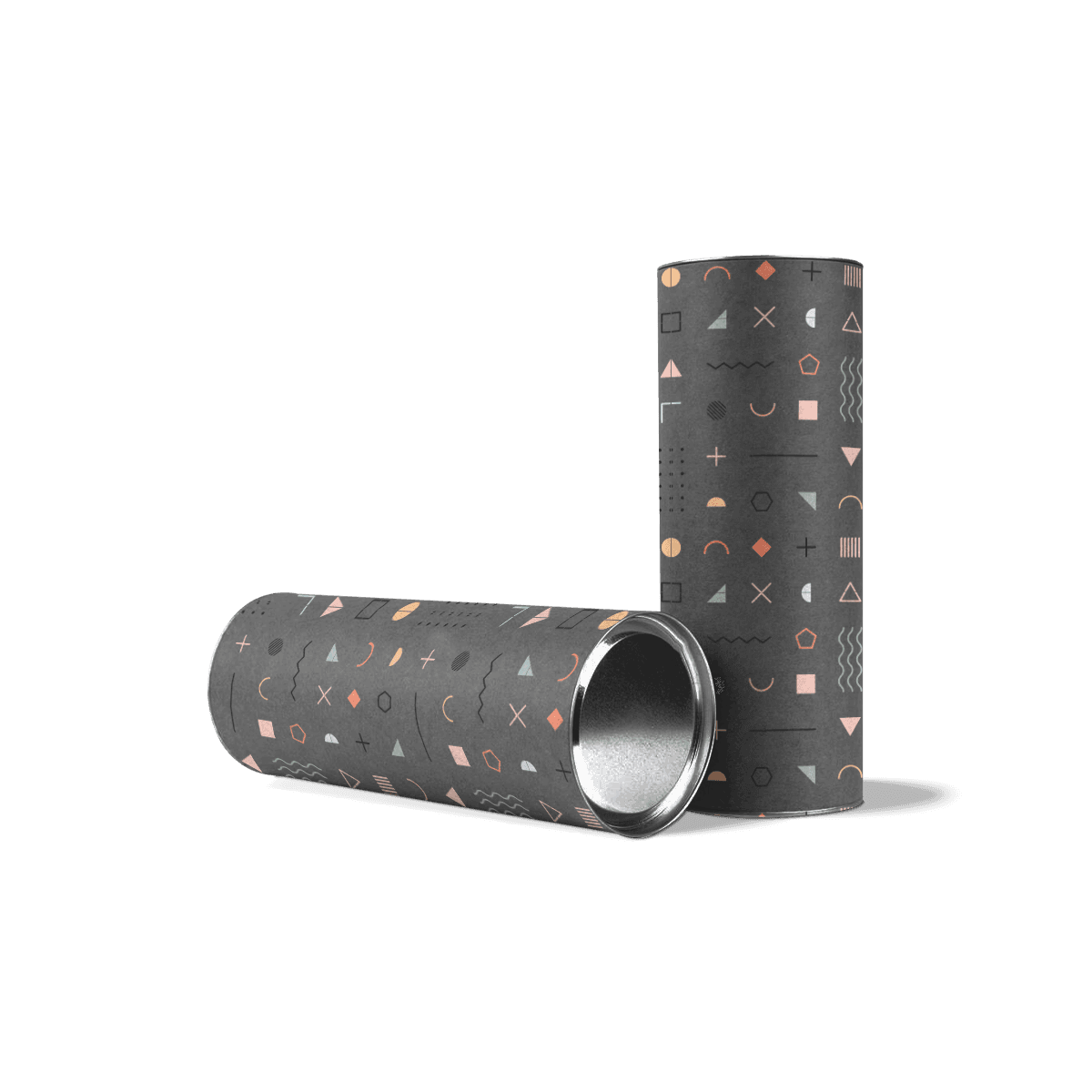
Custom printed paperboard tubes with metal end closures, configurable lids and product-specific interiors for specialty retail products, gifts and secure cylindrical packaging.

The Metal End Changes the Tube

At the mouth of a paperboard tube, a fitted metal component can create a rigid closing edge, provide a removable lid or form a permanently attached end. The precise construction determines how the package is filled, opened and handled.

Custom metal-end tubes combine a cylindrical paperboard body with one or more metal end components. Depending on the approved design, these may include a fixed metal bottom, a removable metal plug, a slip-on cap or another compatible closure.

The combination is used for specialty retail products, gift packaging, cylindrical containers and selected industrial applications where the metal component serves a structural or presentation purpose.

The paperboard wall and metal end perform different jobs. The wound board establishes the tube's cylindrical body, while the end component closes an opening or creates the interface through which the product is accessed.

A metal end does not automatically make the package airtight, tamper-evident or suitable for direct food contact. Those properties depend on the complete construction, including any liner, seal and filling process.

Custom Packly develops metal-end tube packaging around the intended contents, opening method, board construction and printed exterior. Compatible metal components and assembly requirements are established as part of the production specification.

The initial decision is whether the metal component needs to remain permanently attached or be removed by the customer.
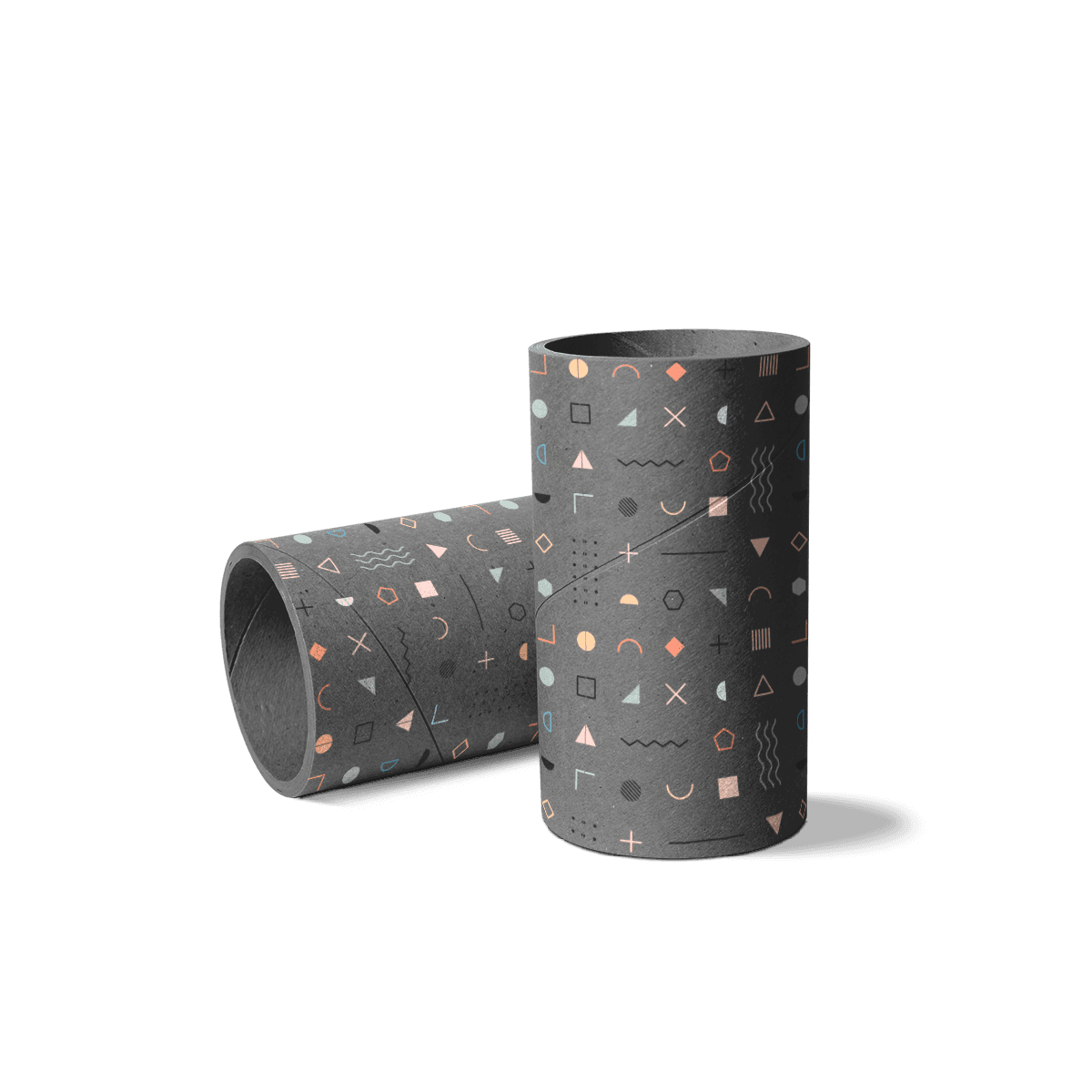
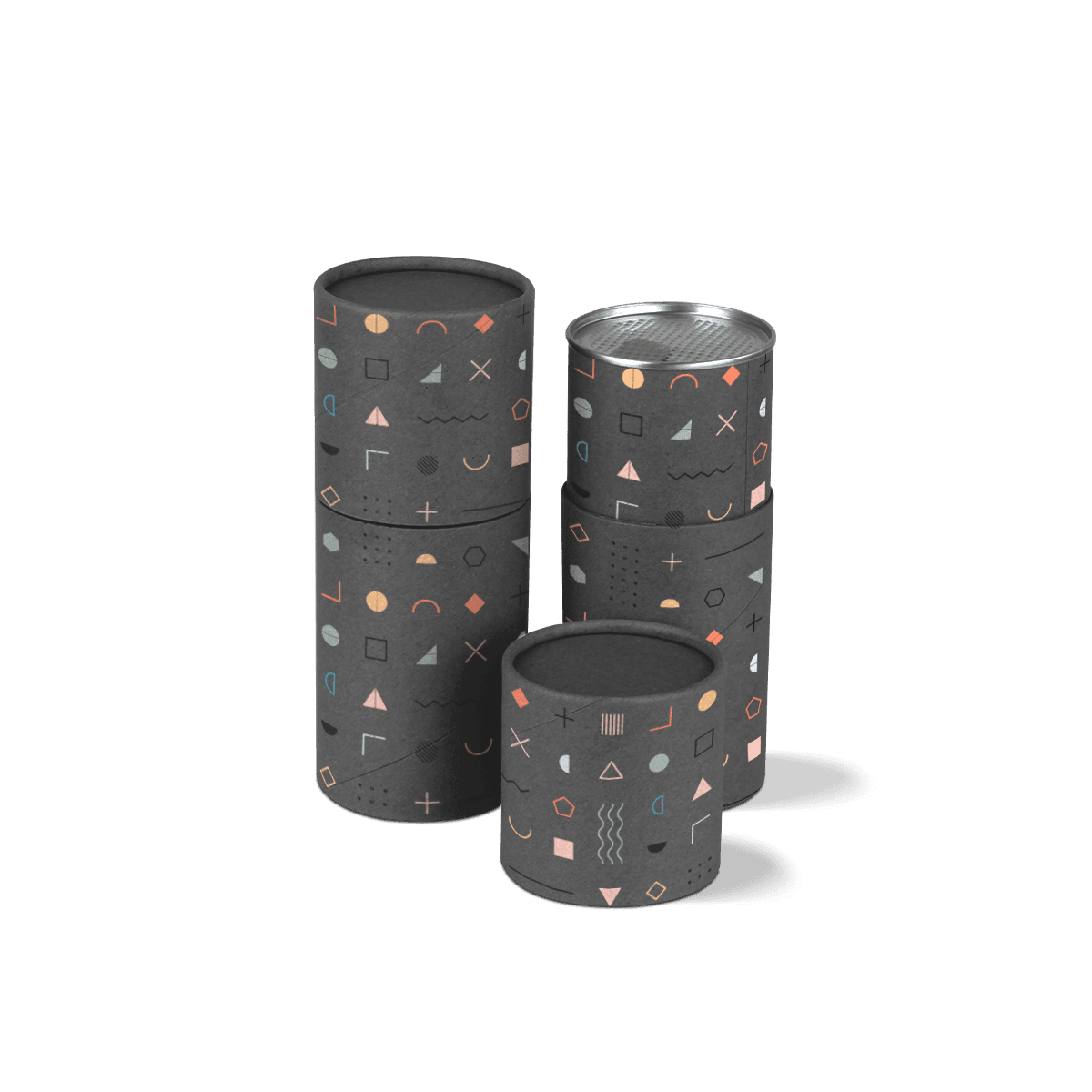
Three Different End Arrangements

Metal-end construction can serve several purposes without changing the basic cylindrical paperboard body.

The appropriate arrangement depends on how the contents enter the tube and what the customer needs to do when opening it.

Fixed Metal Bottoms

A permanent metal bottom closes one end of the tube.

It may be attached through an appropriate mechanical fitting or another manufacturing process compatible with the selected tube construction.

A fixed bottom can create a firm end surface and prevent the contents from leaving through that opening.

Its attachment method must account for the product weight, tube wall and expected handling.

For a package containing a heavy jar, the bottom needs to support the load when the tube is standing and during appropriate handling. A decorative metal finish alone does not establish that capacity.

The bottom should also sit consistently against the tube wall without exposed edges that could interfere with product loading or handling.

Removable Metal Caps

A removable cap allows the customer to open the package without damaging the tube.

Depending on the construction, the cap may fit over the tube's outside diameter or engage with its opening.

A slip-on cap and an inserted plug have different dimensional requirements.

An external cap fits around the outside of the cylindrical body. An inserted plug engages with the internal opening or a compatible ring.

The appropriate choice depends on the tube dimensions, desired opening action and intended reclosure.

A removable metal cap may suit a gift tube, accessory container or presentation pack intended for repeated access.

Its retention must be sufficient for the expected handling without making it unnecessarily difficult to remove.

Metal Rings and Plugs

A metal ring can create a defined opening that accepts a compatible removable plug.

This arrangement introduces two components that must work together: the ring fitted to the tube and the plug used to close it.

The ring establishes the opening geometry, while the plug controls the customer's access.

This construction can suit products requiring a repeat-access closure, subject to the selected materials and assembly method.

However, not every ring-and-plug arrangement is suitable for every product or filling process.

The final configuration must be confirmed against the intended use rather than selected solely for its appearance.

Diameter Is a Component Relationship

The dimensions of a metal-end tube must account for the paperboard body and the metal components separately.

A nominal tube diameter does not establish every dimension needed to manufacture a compatible end.

The relevant measurements depend on whether the component fits inside the opening, around the outside or into a purpose-built retaining ring.

Internal Diameter

The internal diameter determines the space through which the product enters and leaves the tube.

For a cylindrical product, measure its widest finished point.

This includes projecting lids, caps, collars, labels and any protective wrapping used during packing.

An internal liner or insert can reduce the usable opening.

For tubes with an inward-projecting metal rim, the effective opening may also be smaller than the main body's internal diameter.

That distinction matters when a product needs to pass through the completed metal fitting.

A jar that fits comfortably inside the cylindrical body may still catch on the rim during insertion or removal.

The measurements that determine cardboard tube size include the finished product profile, internal diameter and the space occupied by end closures.

Outside Diameter and End Fit

An external metal cap must fit the tube's completed outside diameter.

That measurement can differ from the nominal outside diameter of the unwrapped paperboard body.

Printed wraps, coatings and manufacturing tolerances may affect the finished surface.

A metal component sized for the underlying tube can become too tight after the outer wrap is applied.

Conversely, excessive clearance can make a removable cap unreliable during handling.

The end component and finished tube should therefore be specified as a compatible assembly.

The Finished Internal Height

Metal end components can occupy space inside the tube.

A recessed bottom may reduce the internal height measured from the opening to the usable base surface.

An inserted top closure may create a similar restriction.

The required internal height should accommodate the product, any supporting inserts and the clearance needed for closure engagement.

For a delicate product, the closure should not apply unintended pressure to its highest point.

The assembled outside height also matters when completed tubes must fit into retail displays, master cartons or shipping boxes.

Filling Determines the End Construction

The order in which the tube is filled and closed can determine which metal-end arrangement is practical.

This is particularly important when a permanently attached end forms part of the final package.

A tube that can be filled and closed manually has different production requirements from a composite can that needs specialized seaming equipment.

Filling Through an Open Top

A tube with a factory-fitted bottom and a removable top can be filled through the open end.

This may suit products already enclosed in their own primary packaging, such as a sealed pouch, bottle, jar or protected accessory.

The packing operation involves inserting the product, positioning any required supports and fitting the top closure.

The product must pass through the finished opening without catching on the rim.

An insert should also fit through that opening unless it is installed during an earlier manufacturing operation.

For manual packing, the closure should be practical to install repeatedly without damaging the printed exterior.

Sealing After Filling

Some composite-can constructions are filled while one end remains open and are then closed using a mechanically attached metal end.

Depending on the approved construction, this operation may require specialist seaming equipment.

The filling facility must be able to handle the tube diameter, end component and required closing process.

A supplier cannot simply deliver a tube with a loose metal bottom and assume that the customer's existing packing equipment can attach it.

Before selecting this arrangement, establish whether the filling operation has suitable machinery or whether an appropriate contract-packing process is required.

The actual equipment and closure system need to be confirmed together.

The Packing Sequence

For a specialty retail product, the packing operation might involve placing a fitted platform inside a tube with a fixed bottom, inserting the merchandise and installing a removable cap.

For a compatible machine-sealed construction, the sequence may involve filling through an open end and attaching the final end after filling.

These operations create different handling requirements.

If the product is fragile, the filling direction and the position of the end components can affect the risk of damage.

Custom Packly's free design and structural support can help establish the intended construction. Production feasibility must also be confirmed for the selected metal components and assembly process.

Metal Does Not Establish a Barrier

A metal cap or bottom can close a cylindrical opening without creating a hermetic seal.

For products that require protection against oxygen, moisture or other environmental exposure, the complete packaging system must be specified for that purpose.

The paperboard wall, inner liner, end attachment and opening seal all affect the result.

Secondary Retail Packaging

For a product already contained in a sealed primary container, the metal-end tube can function as secondary packaging.

A glass candle jar, sealed cosmetic container or protected gift item may use the tube primarily for presentation and appropriate physical protection.

In these applications, the product's primary container remains responsible for its contents.

A conventional paperboard interior may be suitable when the tube does not need to perform a specific barrier function.

The final material selection must still account for possible leakage, surface contact and the product's storage conditions.

Direct Product Containment

A tube intended to contain loose food, powder or another product directly requires a different specification.

The inner surface must be suitable for the actual product and its contact conditions.

Where necessary, the complete construction may require a compatible liner, sealing membrane or another appropriate barrier component.

A metal end does not resolve permeability through the paperboard wall or an unsuitable joint.

Food-contact suitability, sealing performance and shelf-life requirements must be established for the complete package.

For products requiring specific barrier performance, the liner, closure and filling process need to be developed and validated together.

Tamper-Evident Opening

A removable metal lid is not automatically tamper-evident.

An appropriate first-opening seal may be necessary when the application requires visible evidence of opening.

The seal could involve a compatible membrane or another approved component, depending on the construction.

Its suitability must be established for the product and intended use.

A decorative metal cap placed over an ordinary paperboard tube should never be represented as a validated tamper-evident closure.

Wall Strength and End Security

The metal component and cylindrical wall must remain compatible under the loads imposed by the contents and handling conditions.

The strength of one component does not compensate for every weakness in the other.

Spiral-Wound Paperboard

A metal-end tube commonly uses a cylindrical body made from wound paperboard layers.

The board specification affects wall stiffness, compression behavior and resistance to deformation.

The end attachment also needs an appropriate wall construction.

A metal component designed for a particular wall thickness may not engage correctly with a significantly thinner or thicker tube.

For packaging where the cylindrical wall itself is the main structural concern, spiral-wound tubes can be specified around the material, dimensions and expected handling.

Pressure at the End

A dense product standing directly on the metal bottom can concentrate weight near the end connection.

The completed construction must transfer that load appropriately through the end and cylindrical wall.

For a relatively heavy bottle or jar, a supporting insert may help position the product and control its movement.

The insert should not interfere with the metal end's attachment.

A stronger metal bottom is not necessarily sufficient if the paperboard wall or joint cannot support the intended load.

For more demanding applications, heavy-walled tubes can address additional wall-strength requirements independently of the selected closure.

Edge Quality

Metal fittings introduce a manufacturing consideration that an all-paper lid does not have.

The finished component should have appropriate edge treatment and secure attachment.

Sharp edges, distorted rims or incorrectly fitted components can interfere with packing and create handling hazards.

The end should also remain seated during ordinary use.

Where end retention is a significant structural requirement, assess the completed tube with its intended contents and handling conditions.

Custom physical sampling may be appropriate when the exact end attachment needs evaluation before production. Fully custom physical samples can be arranged as paid samples.

Retail Products and Specialty Uses

Metal-end tubes can suit several product types, but their construction should follow the actual use rather than assuming that every product needs both metal ends.

The tube may serve as presentation packaging, a secondary protective container or a specialist composite can.

Premium Gifts and Accessories

Gift items, compact accessories and selected promotional products can benefit from a printed paperboard cylinder with a contrasting metal cap.

A removable top can provide repeat access, while a fixed bottom supports the packaged contents.

The interior may use a paperboard platform, protective wrap or fitted insert where the product requires it.

A pen set, for example, may need a support that keeps individual components separated rather than allowing them to move freely inside the cylinder.

For accessories that do not require a metal component, custom cardboard tubes can use other suitable lid and interior arrangements.

Beauty and Personal Care

A metal-end tube can serve as secondary packaging for a sealed cosmetic bottle, fragrance item or other finished personal care product.

The cylindrical body can accommodate a round container, while an insert controls its position.

For cosmetics and personal care packaging, the primary container's weight, closure and potential leakage risks should influence the secondary package.

A metal cap on the outer tube does not replace the product's own secure closure.

The principles behind selecting beauty product packaging help distinguish the requirements of the primary container from its printed presentation packaging.

Specialty Food and Gift Assortments

Metal-end tubes may be used around sealed tea, confectionery and other specialty food products.

The internal arrangement should accommodate the product's actual packaging.

A sealed pouch placed inside a presentation tube has different requirements from a composite can intended to hold loose tea directly.

The latter requires product-specific assessment of the liner, closure and filling process.

Food-contact approval or airtight performance must not be inferred from the tube's metal components.

Industrial Components

Some industrial applications use rigid paperboard tubes with metal end fittings to contain narrow parts or other components.

For these products, appearance may be secondary to end retention, wall strength and appropriate internal restraint.

A metal fitting may suit a particular closing requirement, but it does not establish that the tube can withstand all distribution conditions.

For products whose principal requirement is parcel transportation rather than retail presentation, custom mailing tubes should be considered according to their dispatch and protective requirements.

Print Around the Metal Finish

The metal end and paperboard body can contribute different visual elements to the finished package.

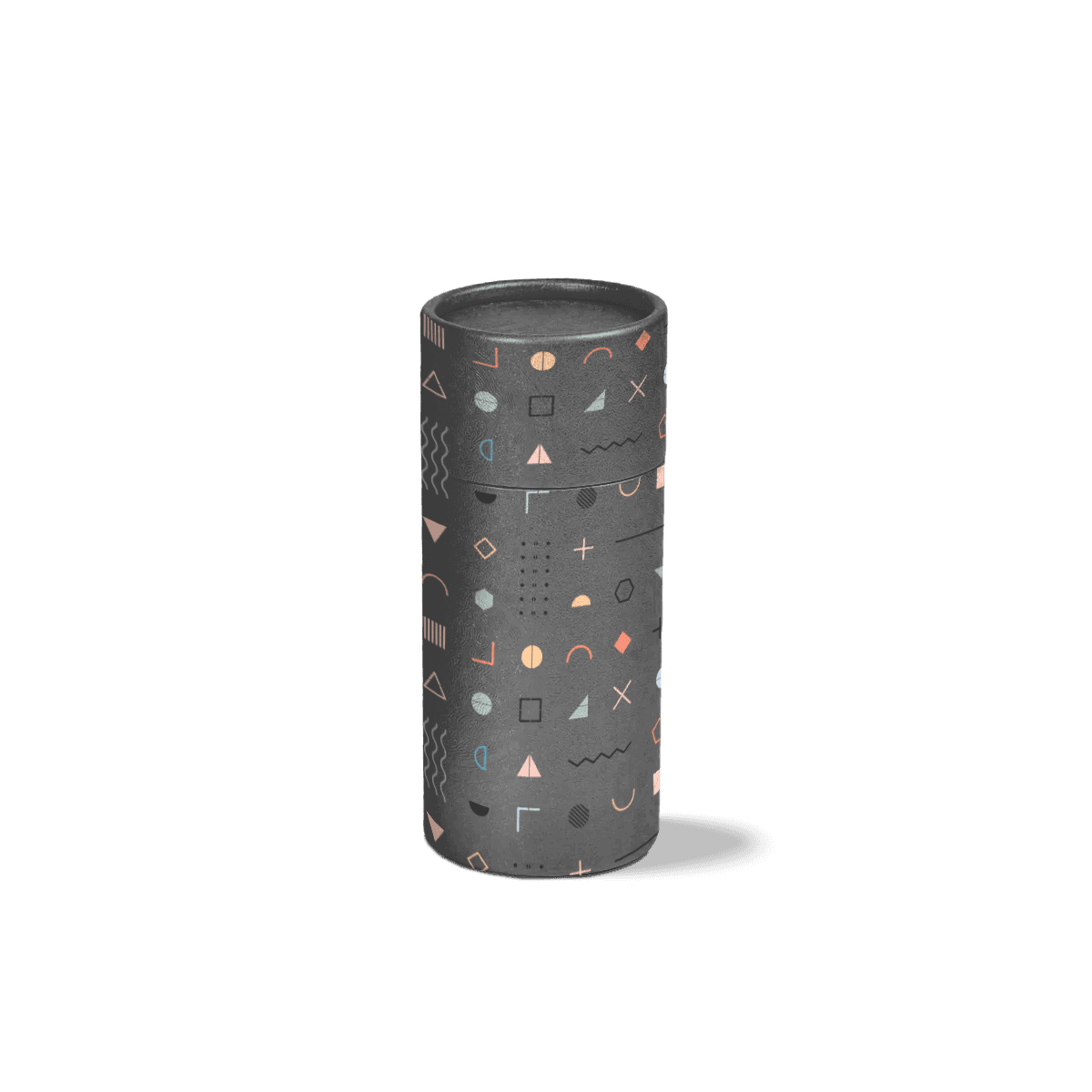
The body supplies the main printable surface. The metal component can create a contrasting edge or closing surface.

The artwork should account for how those materials meet.

The Printed Cylinder

A printed outer wrap can carry the brand identity, product name, artwork and required product information.

Because the tube has no fixed front panel, the design should remain understandable as the package rotates.

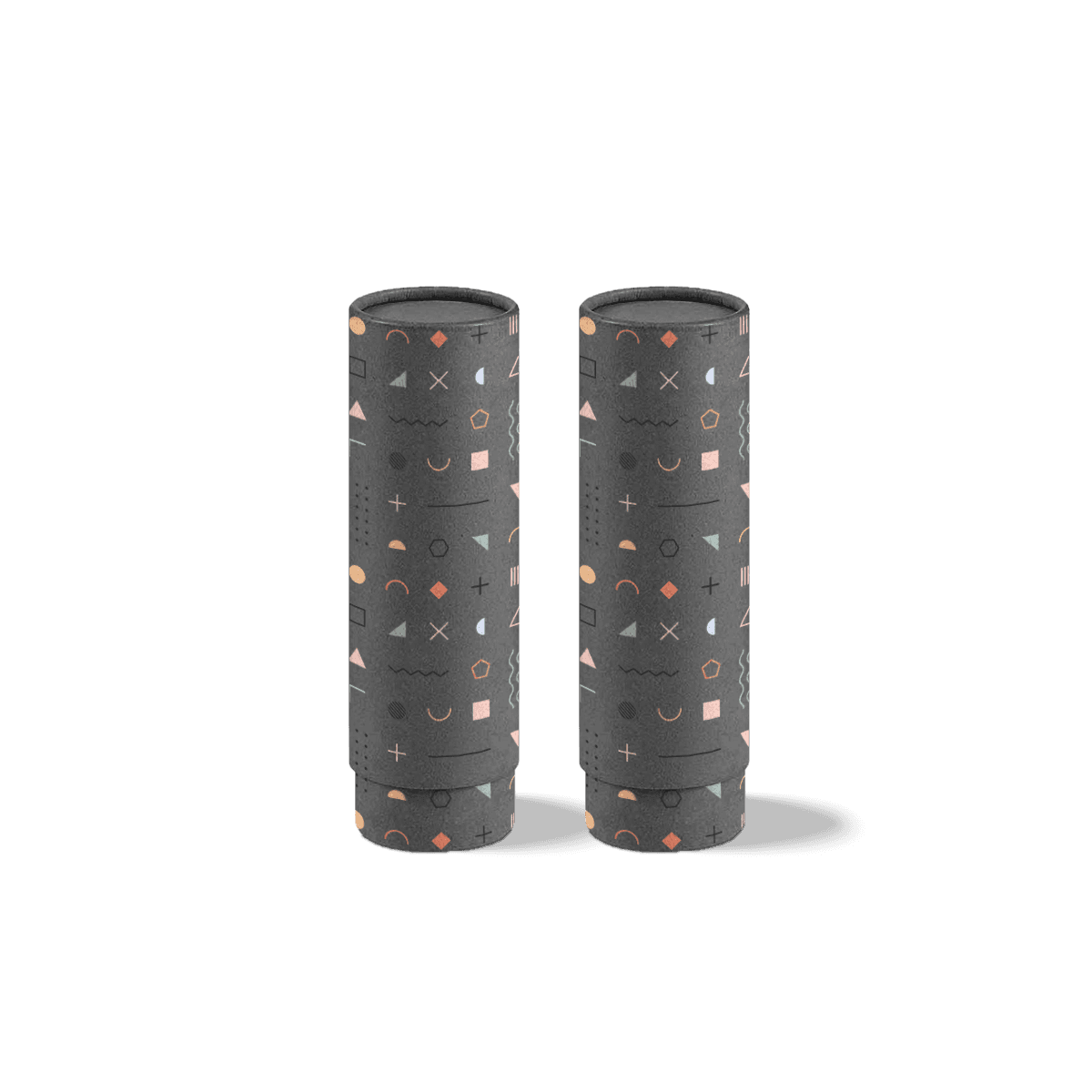
A repeated graphic, continuous pattern or clearly defined primary panel can help maintain recognition from different viewing angles.

The printed wrap must also account for its seam and the area occupied by the metal fittings.

Essential text should remain clear of surfaces likely to be concealed by the cap or affected by the end attachment.

The Metal Rim

A visible metal rim can create a distinct boundary between the printed paperboard and the closure.

The width and position of that rim should be confirmed before artwork is finalized.

An important graphic positioned immediately beside the opening may be partly concealed if the metal fitting overlaps the printed surface.

Where a specialty end finish or decorated metal component is requested, compatibility and production feasibility must be confirmed for the chosen configuration.

Do not assume that printing or embossing can be applied to every metal-end type.

Paper and Surface Finishes

White printed wraps can support bright colors and detailed artwork.

Kraft paper can create a natural brown appearance, while coated stock may suit particular printed finishes.

Premium offset printing can support detailed wrap artwork where the material and production requirements are appropriate.

CMYK can reproduce multicolor designs. Pantone colors can be considered when tighter control of a specific brand color is needed.

Matte, gloss, soft-touch and compatible specialty finishes may be applied to the outer wrap.

The finish should be selected with the end-fitting process in mind.

Raised decoration or heavy coatings immediately beside a mechanically worked edge may interfere with assembly or become damaged during fitting.

Custom Packly provides free design and artwork support, together with free 3D mockups for reviewing the finished cylindrical presentation.

The Full Package Cost

A metal-end tube contains several components that may have separate material and manufacturing requirements.

The paperboard cylinder, printed wrap, metal fitting and any internal components must be considered together.

The choice of end construction can also affect the equipment needed for filling and closing.

A removable-cap presentation tube may involve a relatively straightforward packing operation.

A machine-sealed composite can may require specialist equipment, compatible end components and additional production controls.

Those differences cannot be assessed accurately from the outside dimensions alone.

The complete specification should identify:

  • The paperboard body's internal diameter, length and wall construction.
  • The type and position of each metal component.
  • Whether each end is fixed or removable.
  • Any required liner, membrane or sealing arrangement.
  • The product's finished dimensions and loaded weight.
  • The filling and end-attachment process.
  • The exterior printing and finish requirements.
  • The total production quantity.

Custom Packly's USA MOQ starts from 100 boxes. Metal-end components, specialist tooling and closing processes may impose different minimums, which must be confirmed for the actual project.

Standard turnaround is 4–6 days after final artwork and specifications are approved. Specialist metal components, complex constructions and additional processing may require more time.

US production and free shipping are part of the current service, subject to the confirmed project specification.

Free sample examples of previous work may help establish general material and finish expectations. Fully custom physical samples can be arranged as paid samples.

Once the end configuration and filling requirements are established, request a custom metal-end tube quote for the complete construction.

Custom Packly's packaging team can assist with the specification, with 24/7 support for questions about the project.

Packing Metal-End Tubes for Distribution

A metal-end tube should be assessed as a complete packaged unit before its shipping arrangement is finalized.

Metal fittings can increase the finished diameter or create projecting edges that affect how tubes fit together inside a carton.

Those projections may also rub against neighboring printed surfaces during handling.

End-to-End Contact

When several tubes are packed together, their ends can contact adjacent units.

A raised metal rim may concentrate contact against another tube's printed wrap.

This is especially important for products with soft-touch finishes, decorative foil or other surfaces where visible scuffing would affect presentation.

An appropriate divider or packing arrangement can separate the completed units.

Where metal components project beyond the tube body, the master carton must accommodate their full outside dimensions.

Movement Inside the Shipper

A round package can move or roll if it is loosely packed.

A suitable master carton and internal arrangement should control that movement according to the product weight and distribution conditions.

For fragile products, the tube's own insert should also control movement inside the cylinder.

The metal bottom should not become the only component absorbing impacts from a loose product.

Where a retail tube requires external protection during ecommerce fulfillment, appropriate shipping boxes can accommodate its finished dimensions and protective requirements.

Storage Conditions

The combination of metal, paperboard, adhesives and printed finishes needs to suit the intended storage environment.

Moisture can affect paperboard dimensions and structural behavior. Unsuitable exposure conditions can also affect particular metal components.

The actual metal specification, coatings and storage conditions determine the applicable requirements.

The presence of metal should not be taken as evidence that the complete tube is moisture-resistant.

The End Customers Open Again

For packaging intended to be reused, the removable metal closure must remain practical after the first opening.

A cap that fits correctly during initial packing may experience different handling once the customer begins opening and closing the tube repeatedly.

The finished arrangement should accommodate the expected use.

A removable metal plug needs appropriate engagement with its receiving ring. A slip-on cap should fit the finished cylinder without damaging the printed wrap during ordinary removal.

The customer should be able to grip the closure without using excessive force or pulling on parts of the tube that are not intended to move.

For packaging containing several accessories, the opening also needs sufficient clearance to remove and return the contents.

Where the primary objective is a deep sliding cover and a deliberately controlled reveal, telescopic tubes may suit the intended presentation without a metal-end construction.

A metal-end tube is appropriate when its end component serves a specific purpose in the finished package.

That purpose may be a permanently fitted bottom, a compatible removable closure or a metal fitting selected for the intended construction.

The end is not simply decoration. It determines how the tube is manufactured, how it is closed and how the customer uses it.

FAQs

The main reason is added confidence. Metal ends can improve durability and give the package a more secure, premium feel than a lighter all-paper alternative.

This style is a strong option for that. It suits products that may be reused, stored, or reopened after purchase instead of being discarded right away.

Choose Metal-End Tubes when the end structure itself needs to feel firmer and more finished. Cardboard Tubes with Covers are a better match when you want an all-paper look and a softer presentation style without the hybrid metal detail.

No. They also work well for wellness goods, accessory kits, hotel merchandise, device components, and other specialty items that need a tighter, more polished cylindrical pack.

Plenty. The paperboard body still gives you strong room for printed wraps, finish effects, and clear product messaging on the outside.

Process

How it works

Your Packaging Journey, From Idea to Production and Delivery

01

Tell Us Your Specs

Custom packaging boxes

Tell Us Your Specs

Provide size, quantity, printing, and finishes.

02

Get a Fast Quote

Custom packaging boxes

Get a Fast Quote

Instant transparent pricing, no hidden fees.

03

Design and Approval

Custom packaging boxes

Design and Approval

Artwork checks, revisions, and final sign-off.

04

Produce

Custom packaging boxes

Produce

Expert manufacturing to meet deadlines.

05

Ship to Your Door

Custom packaging boxes

Ship to Your Door

Hassle-free, flexible delivery options.

Get Your Quote for Custom Metal-End Tubes

Share your product details, size, quantity and artwork needs. We’ll help choose the right packaging style and send a clear quote.