Skip to content
Details

Custom Gourmet Product Boxes

Organize jars, tins, packets and specialty foods by weight, height and fragility so a mixed gourmet gift stays composed from packing table to recipient.

Balance the Heaviest Item

Mixed gourmet gifts usually have one component that dictates how the entire box behaves. A glass preserve jar, honey pot, sauce bottle or heavy tin can carry far more momentum than the crackers, tea sachets or wrapped sweets packed beside it.

Design around that concentrated load first. If the heaviest item can slide across the box, a lighter product becomes its impact stop. If it sits high in a shallow insert, it can tip.

Find the Load Center

Map each product at its packed weight and finished dimensions. A balanced gift does not require perfect symmetry, but a very heavy jar placed at one extreme can make the box awkward to lift and more likely to tilt.

Keep Heavy Items Low

Tall heavy products create more leverage when the box moves. Whenever the assortment permits it, seat jars and tins securely near the base rather than raising them on decorative filler.

Weight mapping should include the product as sold, not the empty jar or tin. Filled weight changes the center of gravity and the force an insert must resist during lifting and short-distance movement.
Build From Product Envelopes

A gourmet assortment should be measured as several packed objects, not one approximate pile.

Record the maximum length, width and height of every jar, carton, pouch, packet and wrapped product in the condition in which it will enter the gift box. Include lids, shoulders, seals, folded pouch tops and decorative wrapping.

Include Closures and Shoulders

The body diameter of a jar is not always its largest dimension. A lid may project farther and a bottle shoulder may need more clearance than its base.

Leave Removal Clearance

An insert can hold a jar securely and still make the gift frustrating if the recipient cannot remove it. Leave finger access beside products that sit deep in a tray.

Product envelopes should be recorded after labels, seals and decorative wraps are applied. Small additions can change friction, lid diameter or the clearance needed for clean loading.

Divide by Weight and Shape

Not every product needs an individual cavity.

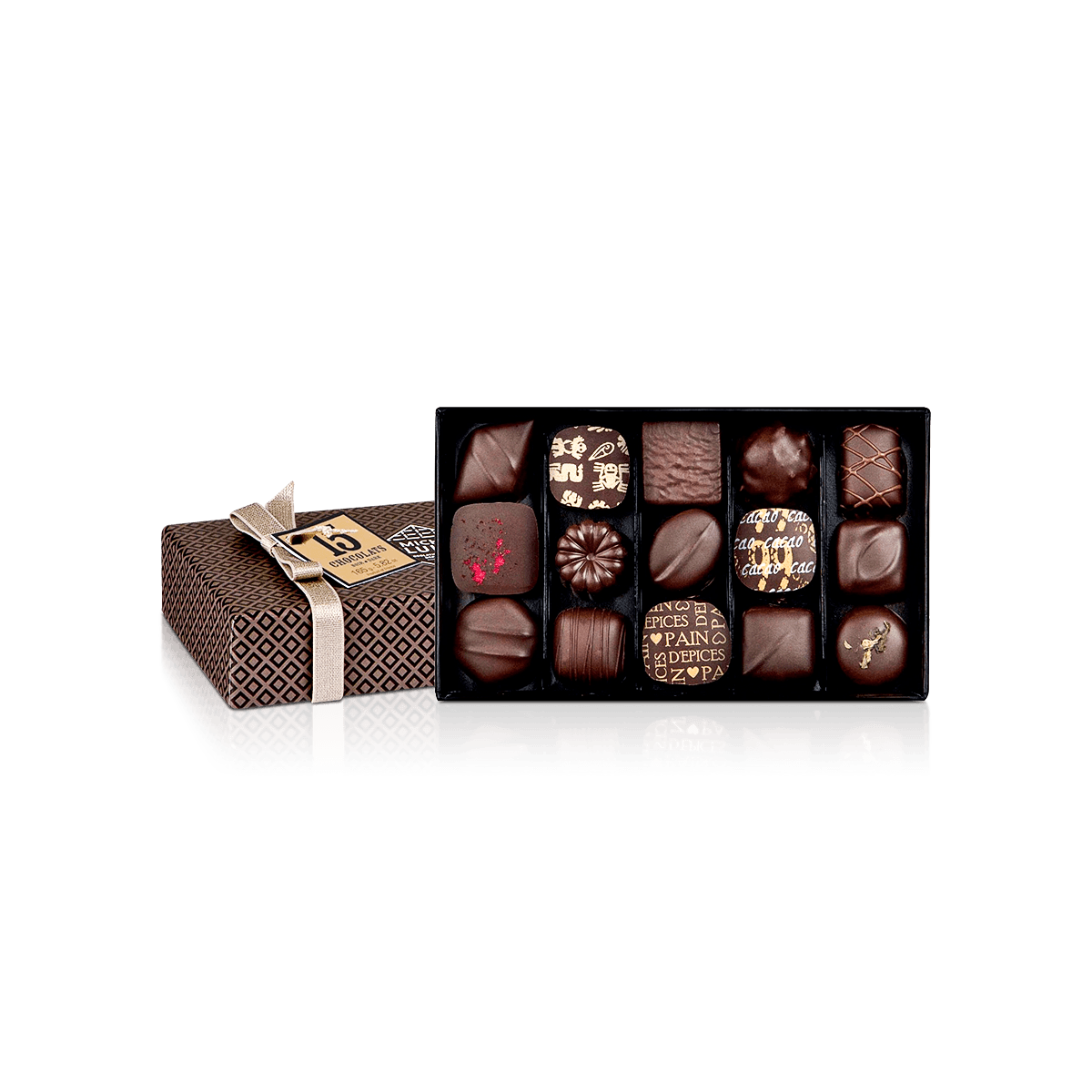
Use partitions where they prevent a real conflict between components. A jar beside a flexible coffee packet may need a firm boundary. Two lightweight boxed products may simply need the correct overall footprint.

Give Glass a Fixed Zone

Glass containers should not rely on tissue or loose filler as their only positional control. A paperboard cradle, divider system or another appropriate fitted support can reduce side movement.

Let Packets Occupy Shape

Flexible products can use spaces that would be inefficient for another rigid item, but do not stuff them into leftover gaps. Give the packet enough room to retain its printed face.

Partitions should also preserve label visibility. A divider that stabilizes a jar but hides most of its front face may protect well while weakening the intended gift composition.

Mixed materials can also create rubbing risk. A metal tin edge beside a printed paper carton may scuff the lighter pack during movement, so separation should reflect surface hardness as well as overall weight.

Reinforce the Load Path

The bottom of a gourmet gift box carries the combined weight of every product, not the average weight of one item.

A rigid lid can look substantial while the base underneath a group of jars still becomes the weak point. Judge structure from the load path upward.

Watch Broad Bases

A large gift box can flex in the middle even when each corner feels firm. Reducing unnecessary footprint or distributing load through the insert can be more effective than simply making every wall thicker.

Avoid Decorative Platforms

Raised presentation decks can make small products look substantial, but they also change how load reaches the bottom. A platform carrying a heavy jar needs real support underneath it.

Load paths become easier to judge when the complete box is lifted from one corner. If the base twists or the insert sags toward the heaviest item, the structure needs more support.

Separate Sealed and Exposed Foods

A sealed jar or wrapped snack puts different demands on the outer box from food that can directly touch the interior.

For sealed products, the gift box can focus primarily on load control, presentation and handling. Direct contact introduces another material decision.

Treat Primary Packs as Products

When honey, preserves, crackers or sweets already have their own appropriate primary packaging, size the insert around that finished pack.

Isolate Direct Contact

If an unwrapped edible item will touch part of the gift packaging, specify that contact surface for the actual use. Do not assume decorative paper, printed wrap, adhesive or coating is suitable simply because the contents are food.

Primary packaging should remain responsible for its own barrier and containment duty. The gift box can organize sealed products without being asked to perform the job of the jar, pouch or wrap.

Pick Structure After Weight

The assortment should decide whether the outer construction is folding paperboard, corrugated or rigid board.

A light tea-and-cookie set may not need a heavy presentation box. Several glass jars can quickly make a light carton inappropriate.

Paperboard for Lighter Sets

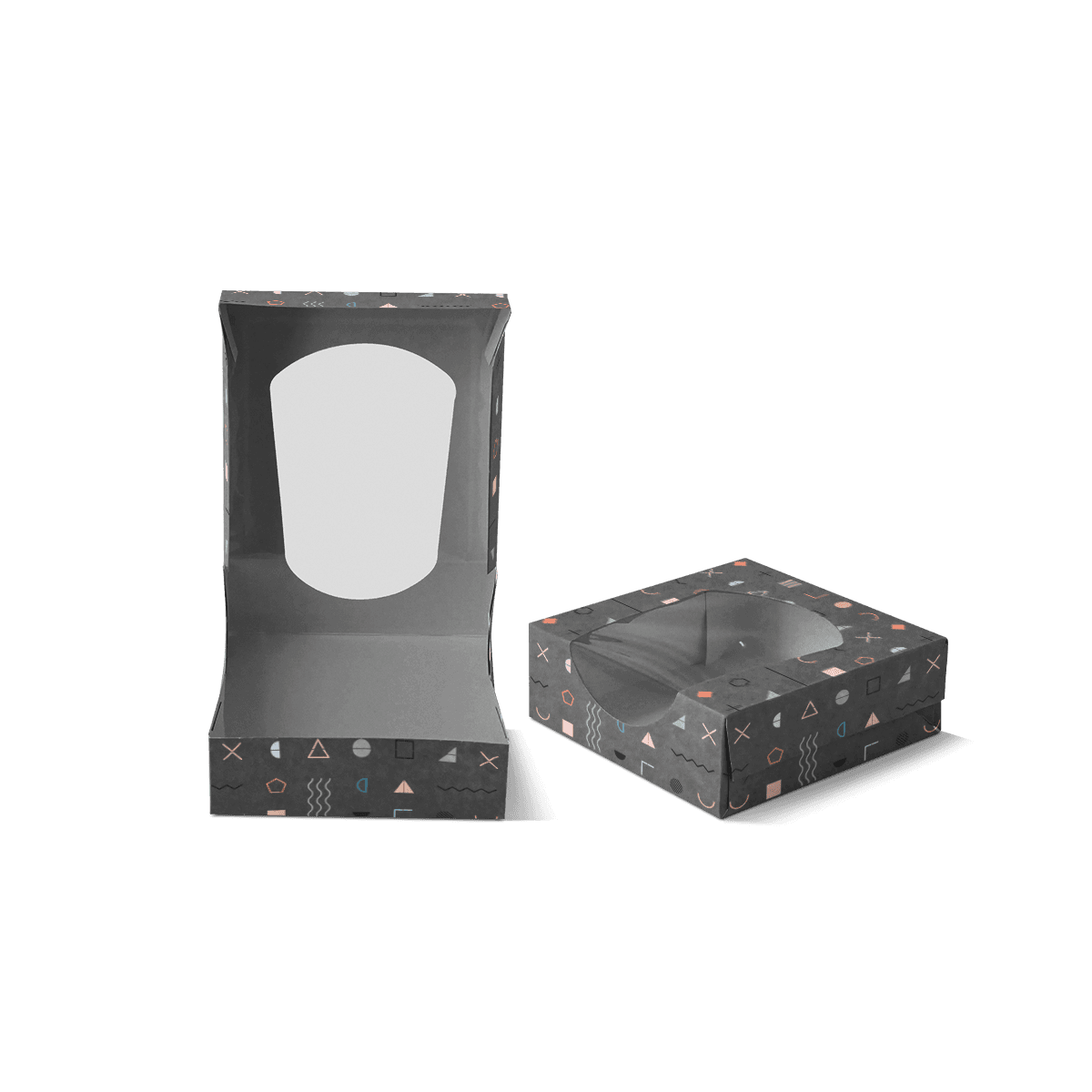
Folding cartons can suit compact gourmet assortments built mainly from lightweight packets, small cartons and wrapped foods.

Rigid Boxes for Presentation

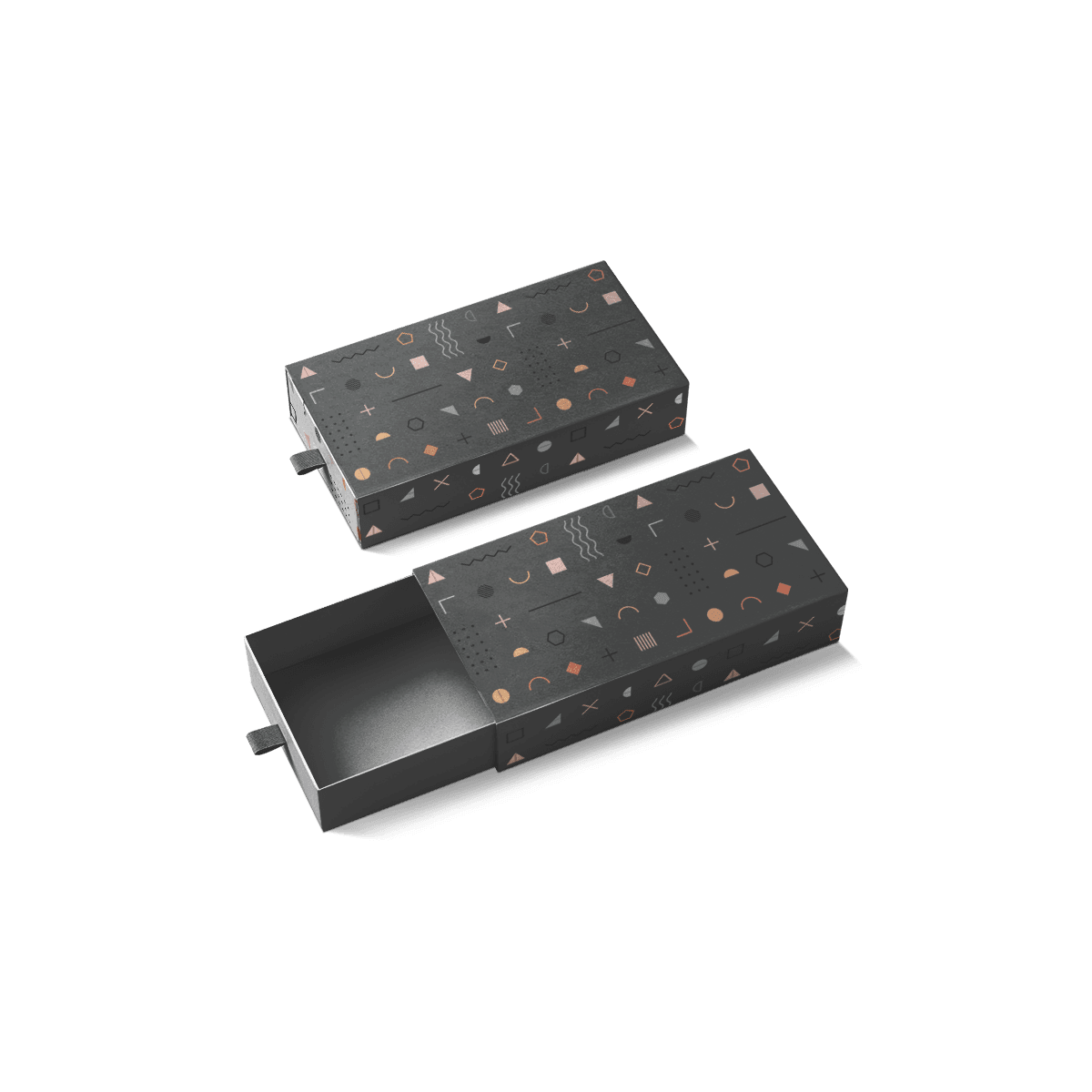
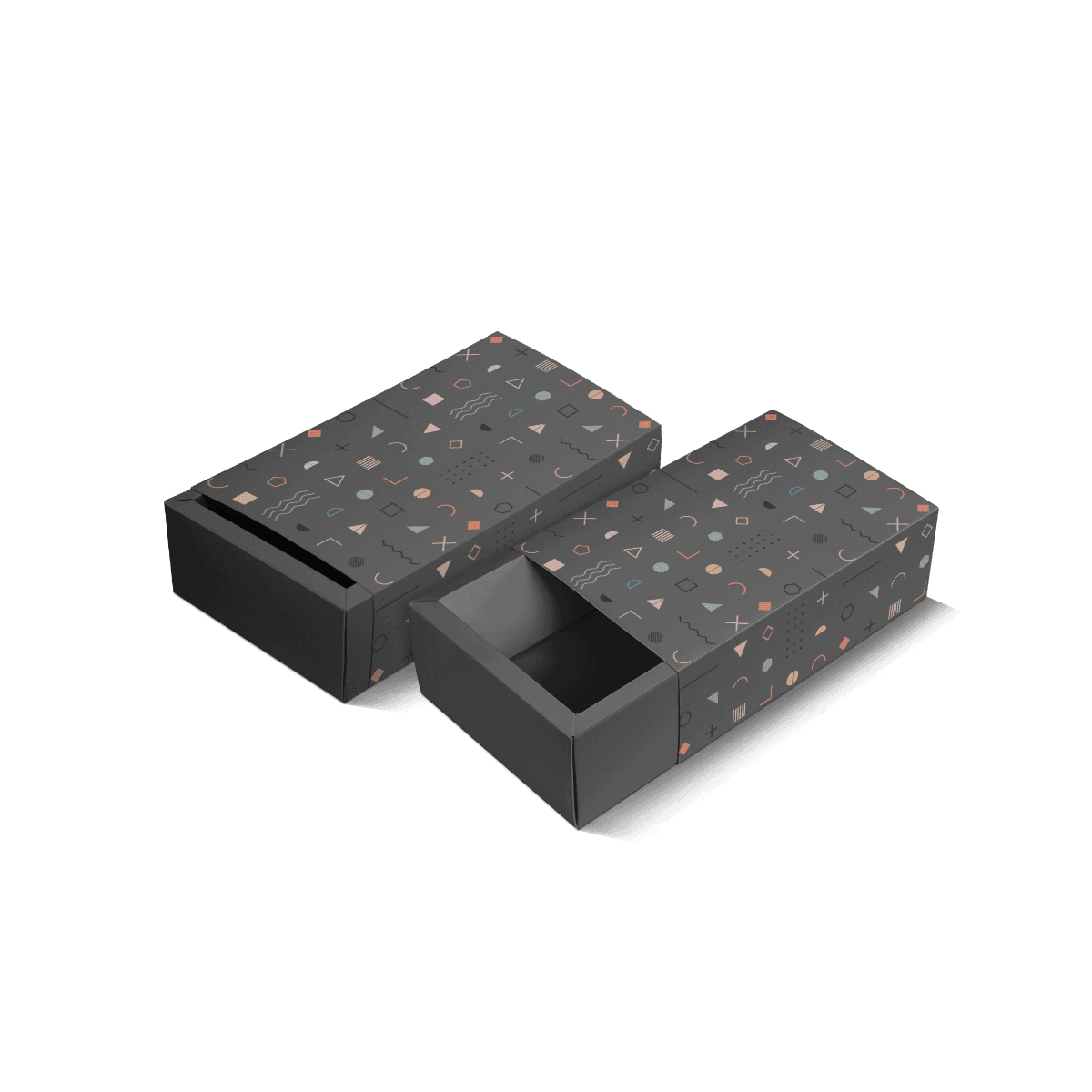
Custom rigid boxes suit higher-value gifts when the box itself forms part of the presentation and the internal structure can support the product weight.

Structure choice should account for storage before packing. Flat paperboard can reduce empty-pack volume, while rigid constructions occupy more space but may support a higher presentation tier.

Curate the First View

Mixed gourmet gifts can easily look like inventory placed in a box.

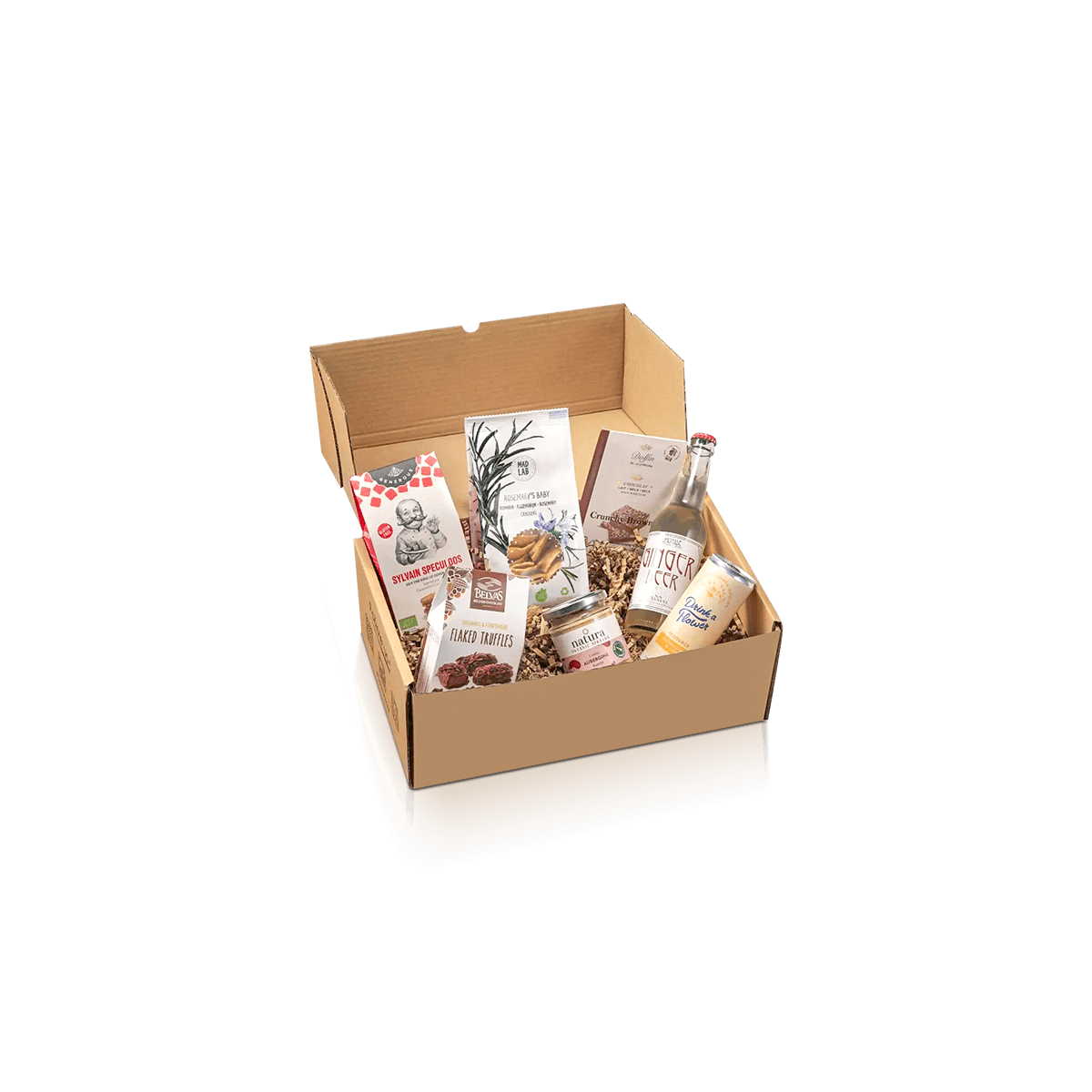
The first-open view should create a clear visual order. Use height, spacing and product orientation to establish a focal item, supporting products and readable brand faces.

Face Labels Intentionally

If the gift contains several branded products, decide which labels should face the recipient. Set those orientations in the packing standard rather than relying on staff to recreate the arrangement from memory.

Keep Cards Out of Products

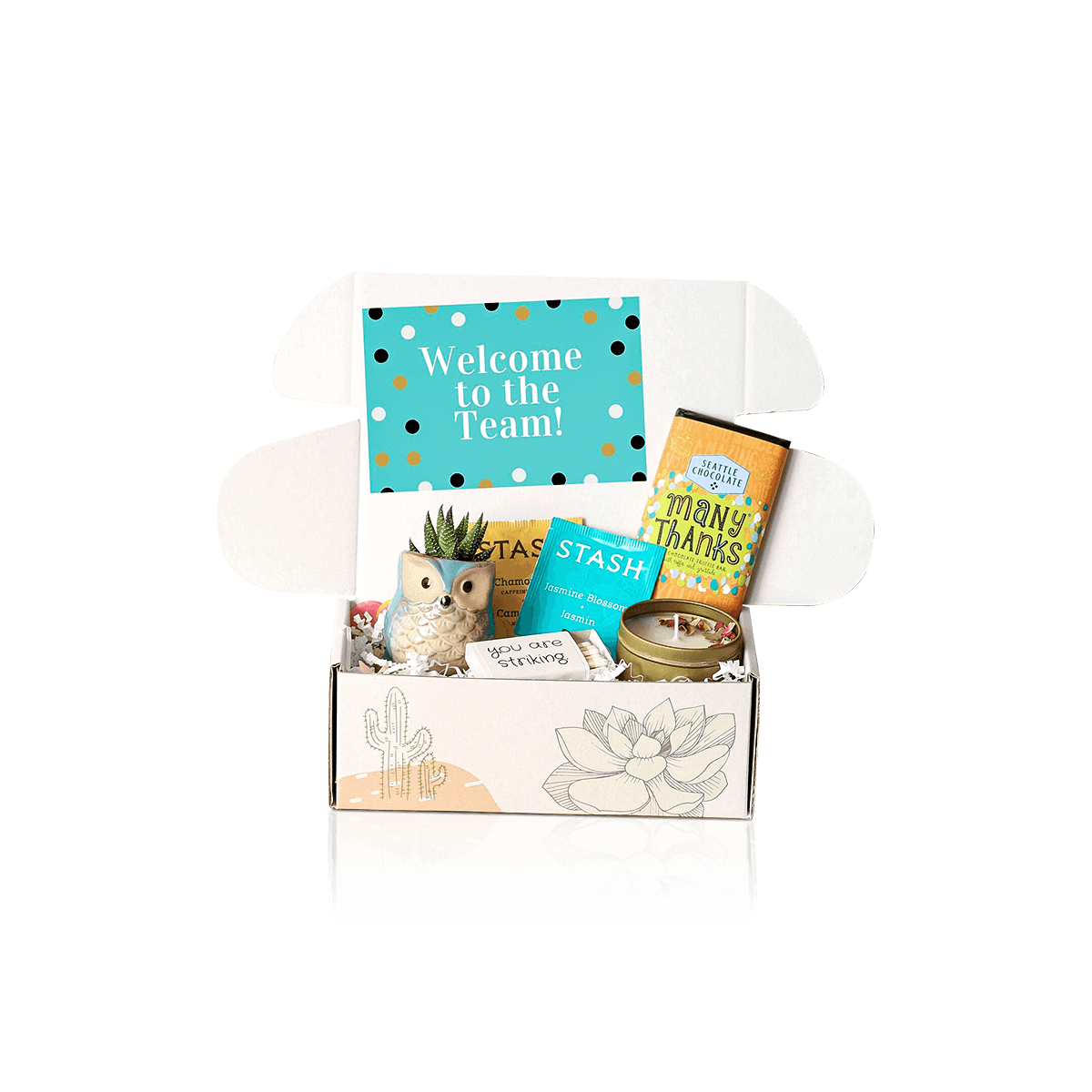
Origin stories, tasting notes, pairing cards and welcome messages can add value, but they need a defined position. For guest-arrival packs containing maps, room materials, toiletries or keepsakes alongside snacks, Welcome Gift Boxes fit that larger arrival job.

First-view planning works best with actual product labels. Supplier photography or blank mockups can hide color clashes, competing logos and height differences that become obvious in the final assortment.

Seasonal Swaps Can Break the Insert

Gourmet gifting often changes by season while the brand wants the outer box to remain consistent.

That works only when replacement products occupy compatible geometry.

Define the Fixed Positions

Identify which items are permanent anchors in the assortment. Stable jar positions can form the fixed part of the insert while seasonal packets occupy more adaptable zones.

Check Every New Supplier Pack

A product name staying the same does not mean its packaging dimensions stay the same. A supplier can change jar shape, pouch gusset or carton proportions.

Seasonal substitutions should be checked before the kitting date. Discovering that a new jar is several millimeters taller after inserts have already been produced can force avoidable packing compromises.

Hospitality Gifts Need Fast Kitting

A hotel or event program may require hundreds of gourmet boxes to be assembled in a short window.

An insert that takes several minutes to erect, multiple ribbons and loosely positioned cards may look good in one prototype but create unnecessary work across a large event.

Hospitality packaging should support the guest experience without making staff preparation harder than the gift justifies.

Count Packing Actions

List every action required to complete one gift, then remove any action that does not improve product control or presentation enough to justify the labor.

Stage Replenishment Sensibly

Warehousing and scheduled deliveries can support appropriate larger repeat programs when the economics favor a larger run but the site cannot efficiently hold the full volume.

Fast kitting benefits from a fixed loading order. Place the heaviest anchors first, then lighter packets, cards and decorative pieces so staff do not repeatedly remove items to reach lower positions.

Kitting plans should include a final count check before the lid closes. A structured loading order makes it easier to spot a missing packet or card without unpacking heavier products that have already been seated securely.

Direct Shipping Changes the Box

A gourmet gift handed to a hotel guest and the same gift sent through a parcel network should not be assumed to need identical outer protection.

The presentation box can organize the assortment while another layer handles carrier impacts, compression and abrasion.

Restrain the Gift Box

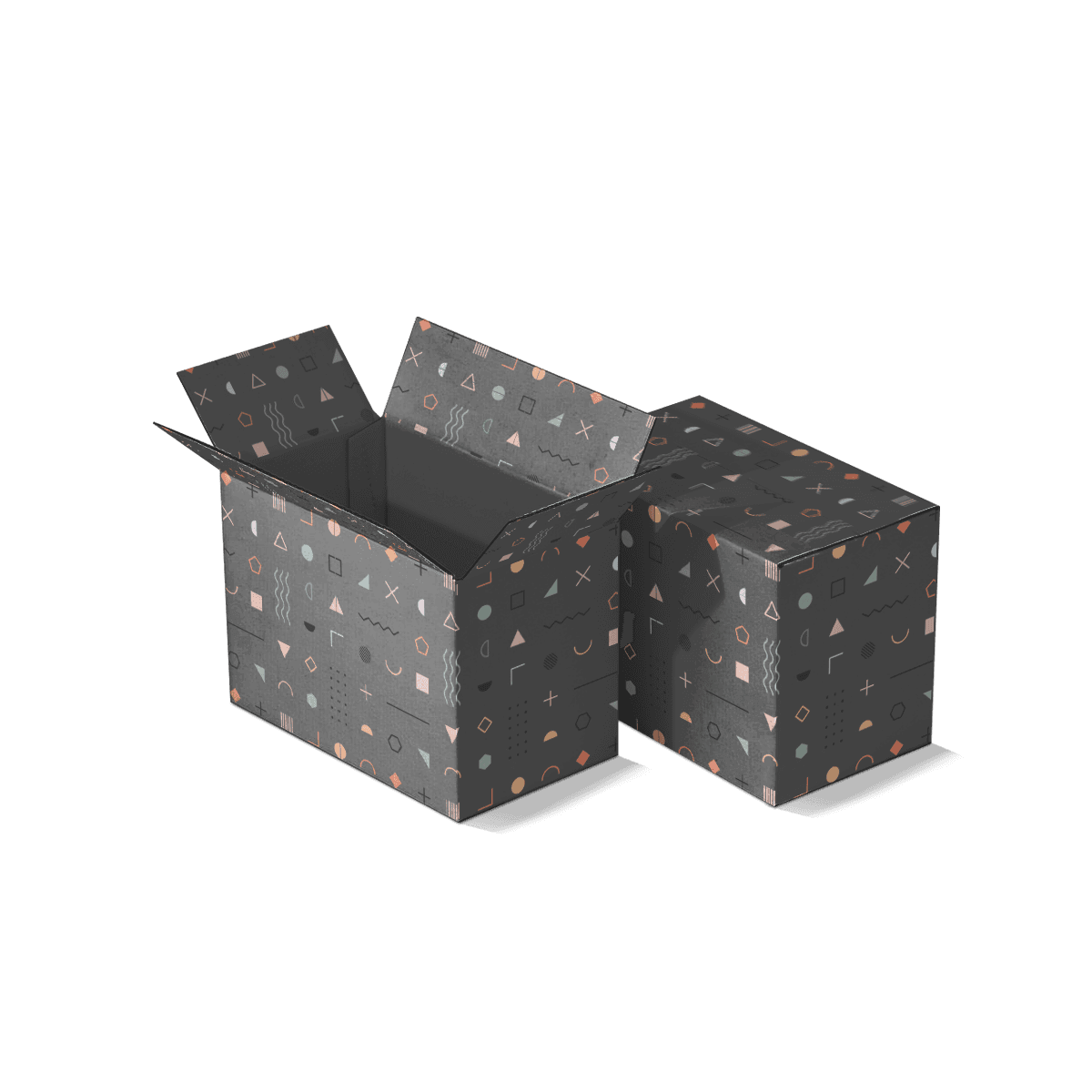
A custom corrugated shipping box can take external handling duty while the inner pack retains its gifting role.

Protect Heavy Products Twice

The outer shipper can restrain the gift box, but the gift box must still restrain its jars and tins. Think in two movement layers: product inside gift box and gift box inside shipper.

For shipped gifts, movement must be controlled twice. First restrain the products inside the presentation box, then restrain the finished presentation box inside the corrugated shipper.

Keep Seasonal Branding Flexible

Holiday dates, conference names and campaign artwork can become obsolete long before the physical structure does.

When the assortment remains stable, keep permanent branding on the expensive structural components and place short-life messaging on elements that can change more easily.

Put Dates on Replaceable Pieces

A sleeve, bellyband, label or card can carry a year, event name or seasonal message while the main box remains reusable across several programs.

Proof the Packed Arrangement

Artwork should be reviewed with the real product layout in mind. Free design and dieline support, artwork review, digital proofing and free 3D mockups can help resolve that relationship before production.

Short-life branding also affects leftover stock. Keeping dates and event names on replaceable pieces reduces the chance that sound boxes become unusable after one campaign ends.

Test the Loaded Lift

The final approval should happen with the full assortment inside.

Lift the box from the base and from any grip point the recipient is likely to use. Carry it across a room. Set it down. Reopen it and inspect the heavy products, flexible packets and smallest items.

Judge the Gift Under Load

A strong gourmet gift should still look composed. Jars remain upright. Tins have not migrated. Packets retain readable faces and the base remains level.

US orders start from 100 boxes, with US production, free shipping and standard 4–6 day turnaround after final specifications and artwork approval. Complex structures, specialty materials and advanced finishes can require additional time.

The loaded-lift check should end with the box reopened on a table. A pack can feel stable in the hands yet reveal shifted labels, tilted jars or collapsed packets once the lid comes off.

After the loaded-lift check, remove the heaviest product and inspect the insert beneath it. Compression, bowing or torn edges can reveal a support problem that is hidden while the jar or tin remains seated. Then reload the item and confirm that staff can place it without forcing the support back into shape. This simple inspection separates a gift that merely survives one presentation from a structure that can be packed consistently across the full run.

FAQs

They are best for curated assortments rather than one-piece items. Common packouts include chocolates, cookies, tea, coffee sachets, preserves, honey, sauces, nuts, crackers and other premium pantry products packed together as a set.

Compartments are usually the better choice. They keep the assortment visually balanced, reduce item movement and make the opening experience look far more intentional.

If the food is wrapped or already sealed, the outer box mainly needs good structure and presentation. If any item may contact the packaging directly, food-appropriate materials or barrier components should be planned into the pack design.

Yes, but the structure should match the route. A gift-ready rigid or folding carton works well for in-person handoff or room placement, while shipped assortments often perform better with corrugated support or an outer mailer.

Gourmet Product Boxes are the stronger option when the box is centered on edible products and mixed food-item organization. Welcome Gift Boxes make more sense when the pack includes broader hospitality items such as toiletries, printed materials, souvenirs or room-use accessories alongside or instead of food.

Process

How it works

Your Packaging Journey, From Idea to Production and Delivery

01

Tell Us Your Specs

Custom packaging boxes

Tell Us Your Specs

Provide size, quantity, printing, and finishes.

02

Get a Fast Quote

Custom packaging boxes

Get a Fast Quote

Instant transparent pricing, no hidden fees.

03

Design and Approval

Custom packaging boxes

Design and Approval

Artwork checks, revisions, and final sign-off.

04

Produce

Custom packaging boxes

Produce

Expert manufacturing to meet deadlines.

05

Ship to Your Door

Custom packaging boxes

Ship to Your Door

Hassle-free, flexible delivery options.

Get Your Quote for Custom Gourmet Product Boxes

Share your product details, size, quantity and artwork needs. We’ll help choose the right packaging style and send a clear quote.