The Cap Sets the Carton Height
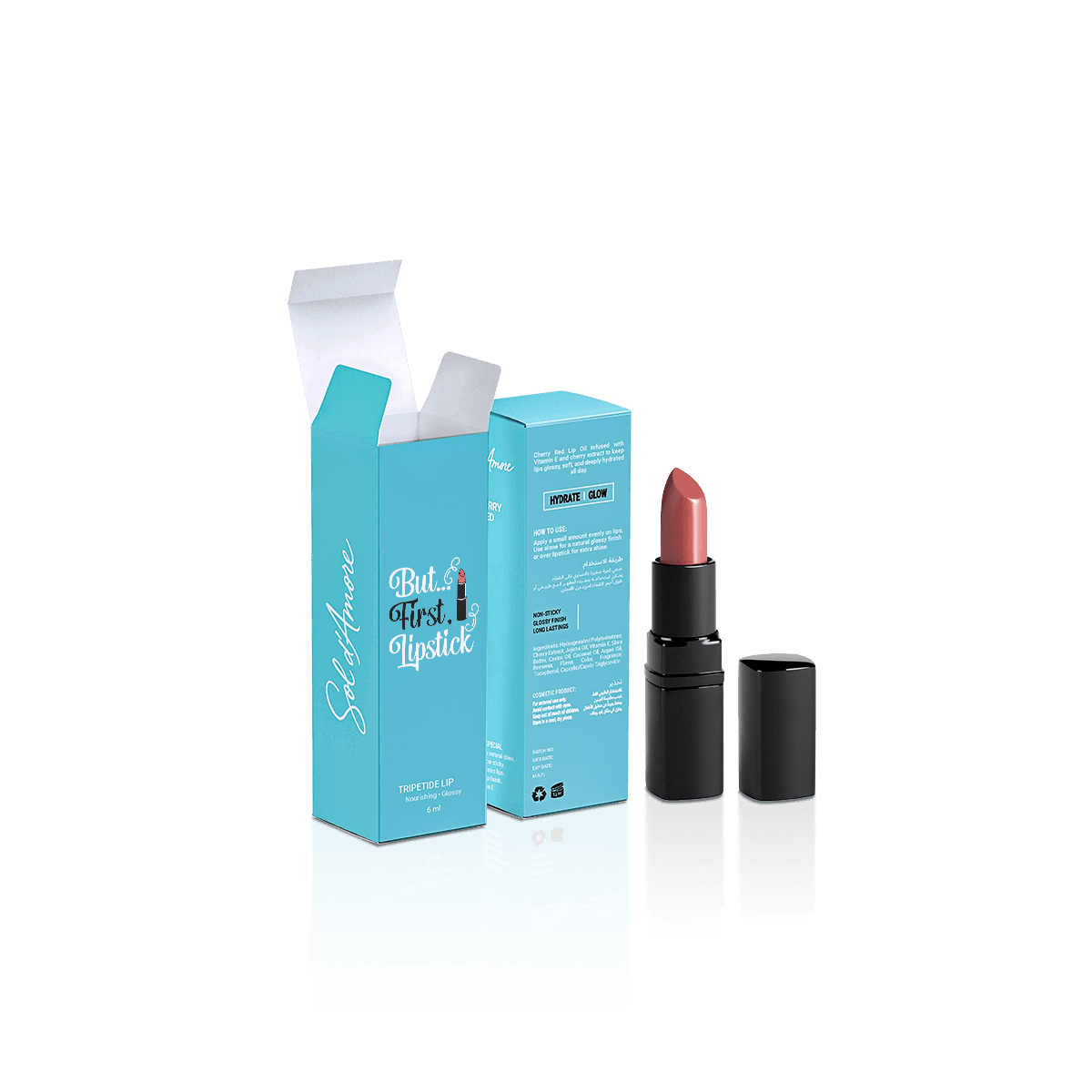
A lip gloss carton has to fit the product as it is sold: tube filled, applicator seated and cap fully closed. Measuring only the liquid chamber or main tube body can produce a carton that is too short, too narrow around the cap or unnecessarily loose elsewhere.
The cap may be wider than the body. Decorative collars can add another projection. Square, faceted and cylindrical tubes can also share the same fill volume while needing very different carton footprints.
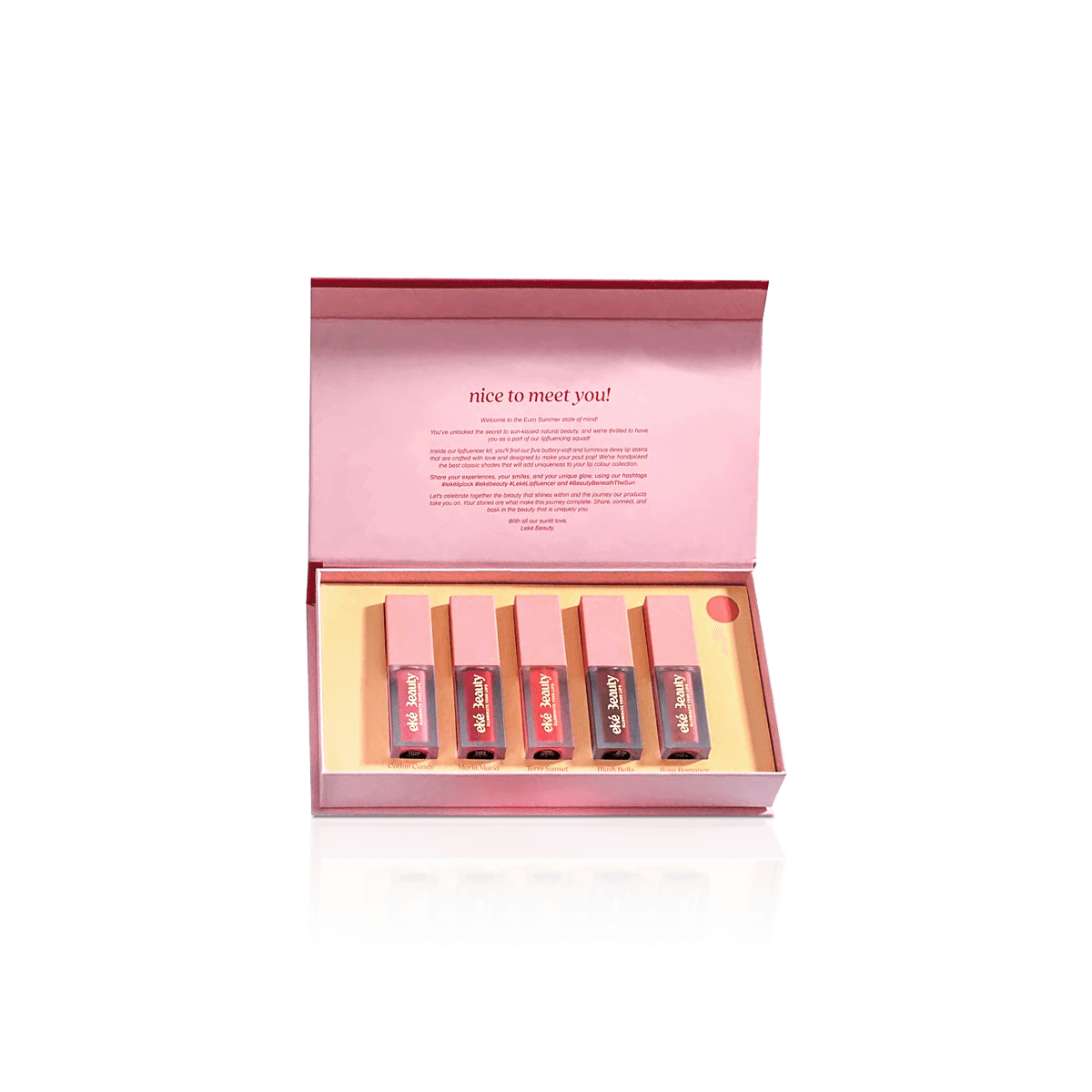
That makes the closed primary container the starting point for Custom Lip Gloss Boxes.
Measure the Sealed Unit
Record the full closed height, maximum width and maximum depth. Measure protruding collars, decorative cap shapes and any part of the container that extends beyond the main tube wall.
For a cylindrical tube, the maximum diameter usually drives width and depth. A square or rectangular gloss tube needs both measurements independently.
Do not add arbitrary space around those dimensions. Clearance should have a job: loading, board allowance, an insert or safe removal.
That product-first logic is central to cosmetics and personal care packaging: the primary container decides what the outer pack must do.
Allow for Loading, Not Slop
A carton can fit correctly on paper and still be unpleasant to pack if the cap catches the opening or rubs against the side panels.
The goal is enough clearance for repeatable loading without giving the tube room to knock around inside.
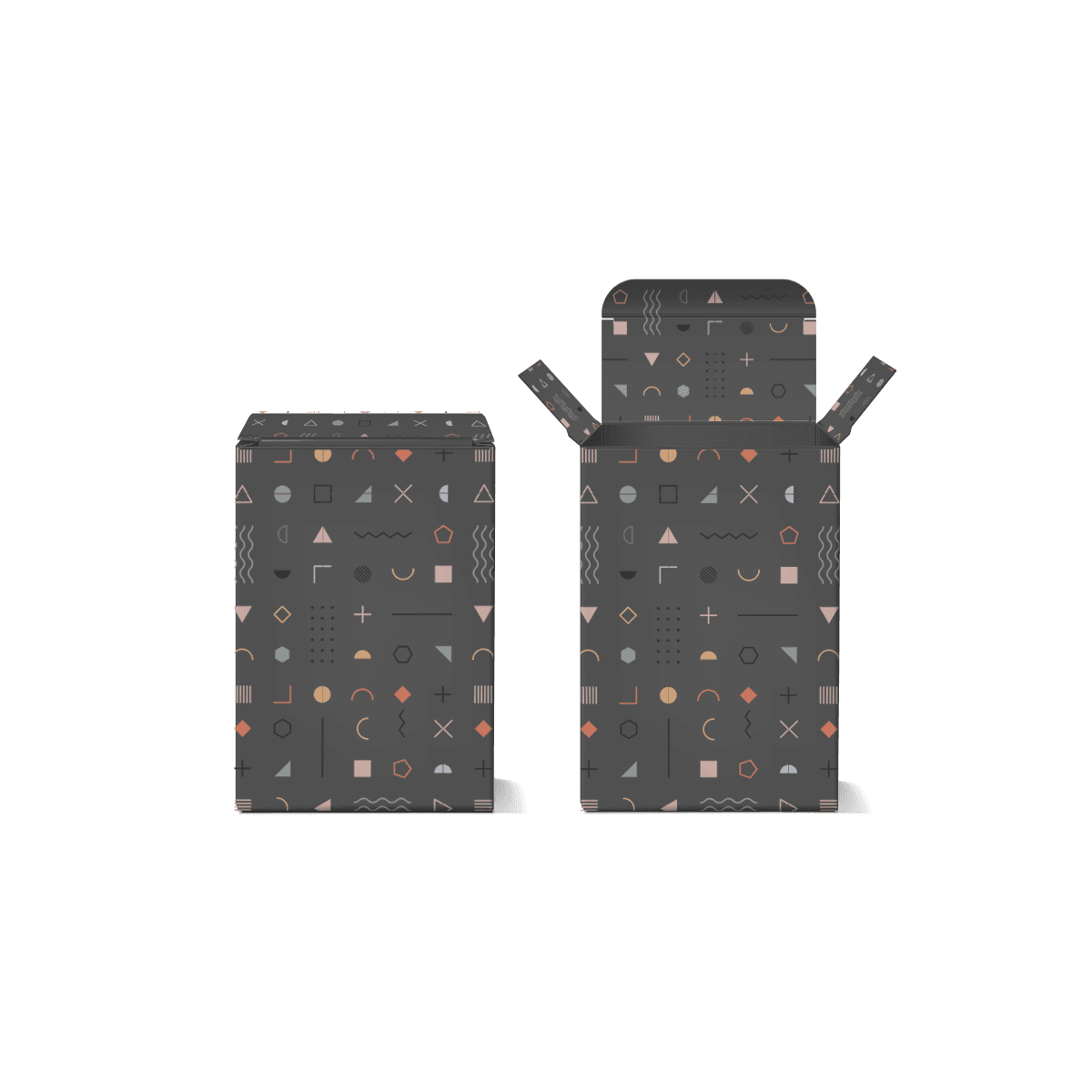
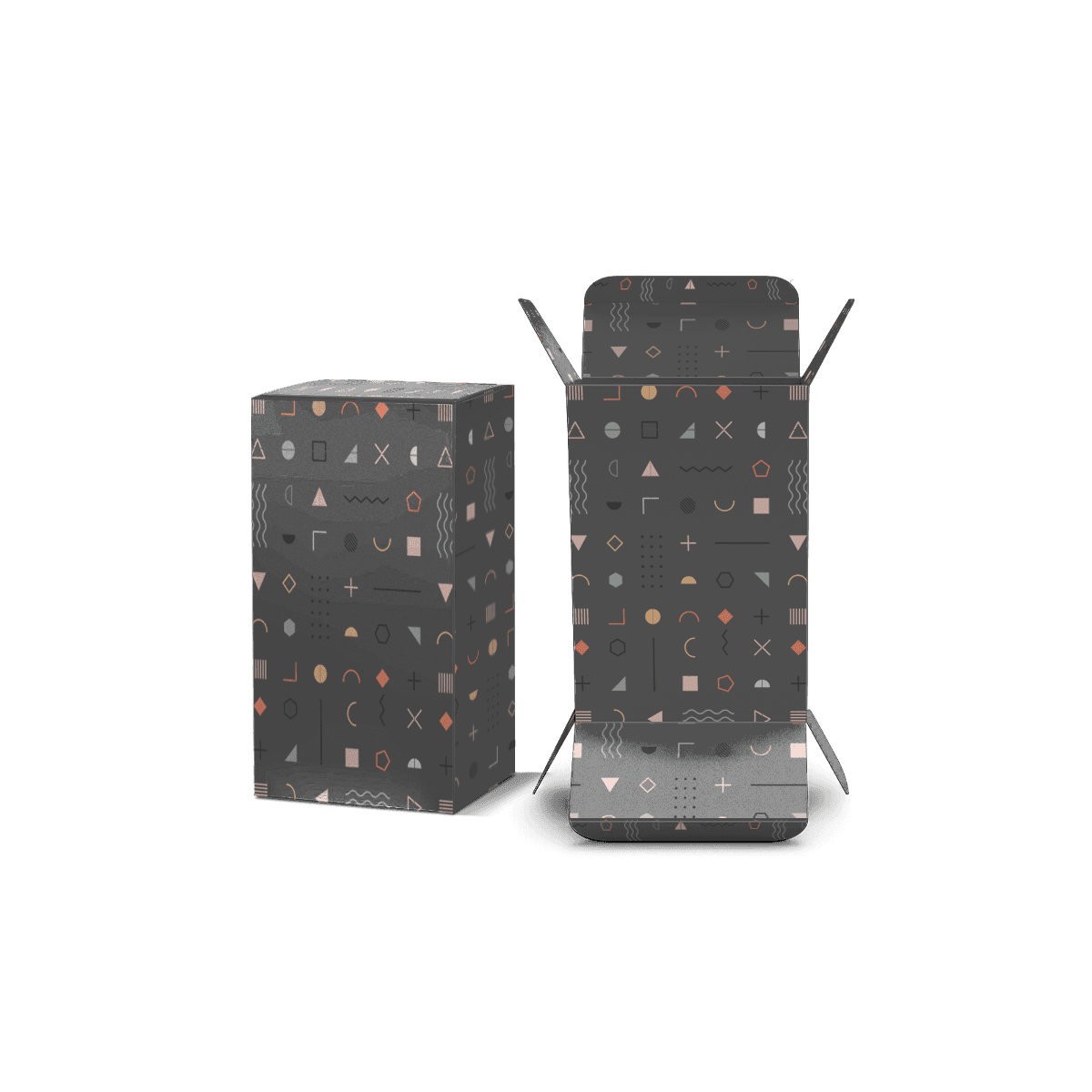
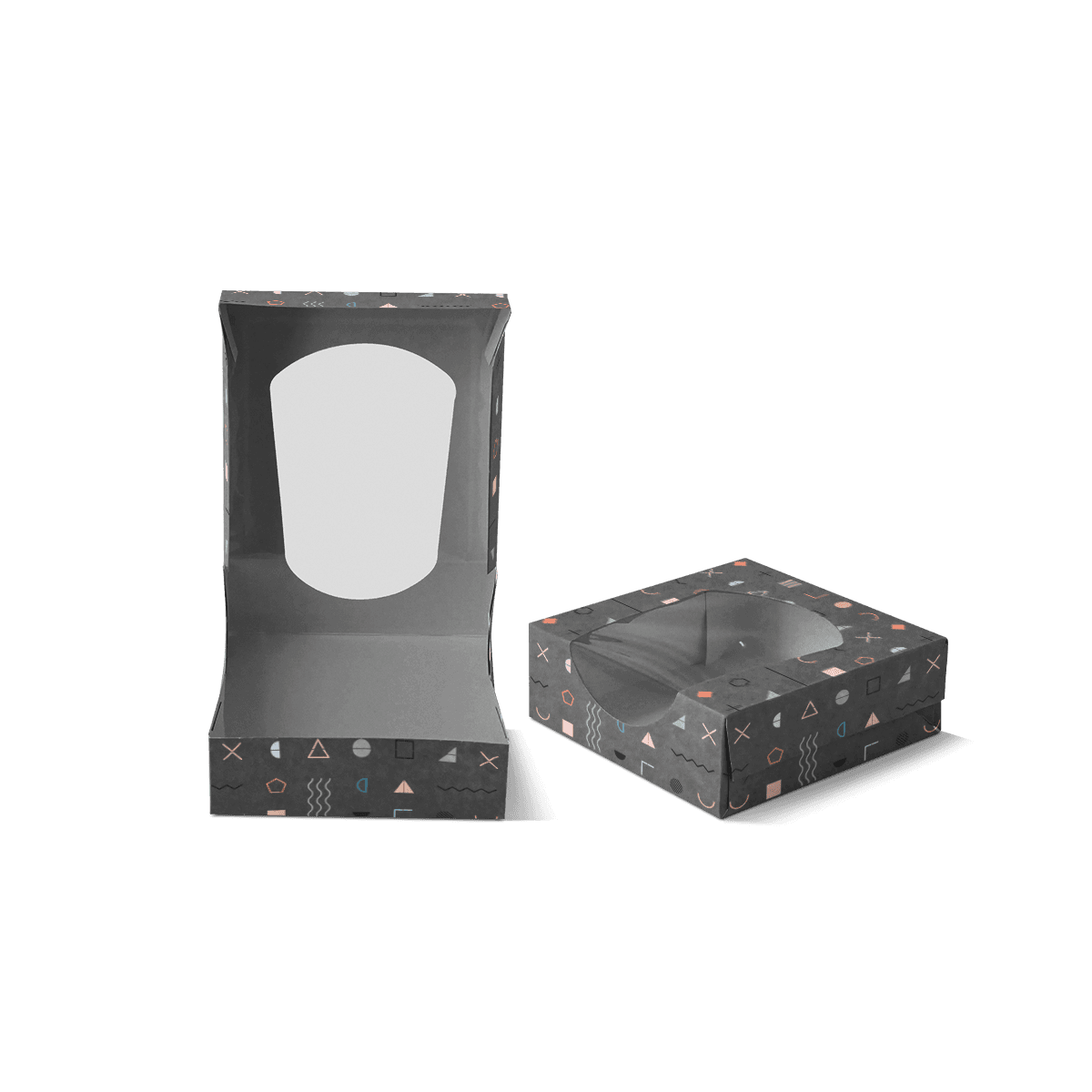
A 3D mockup can confirm proportions and artwork placement. When exact fit is critical, validate the actual closed tube in a finished carton sample.