Skip to content
Details

Custom Lipstick Boxes

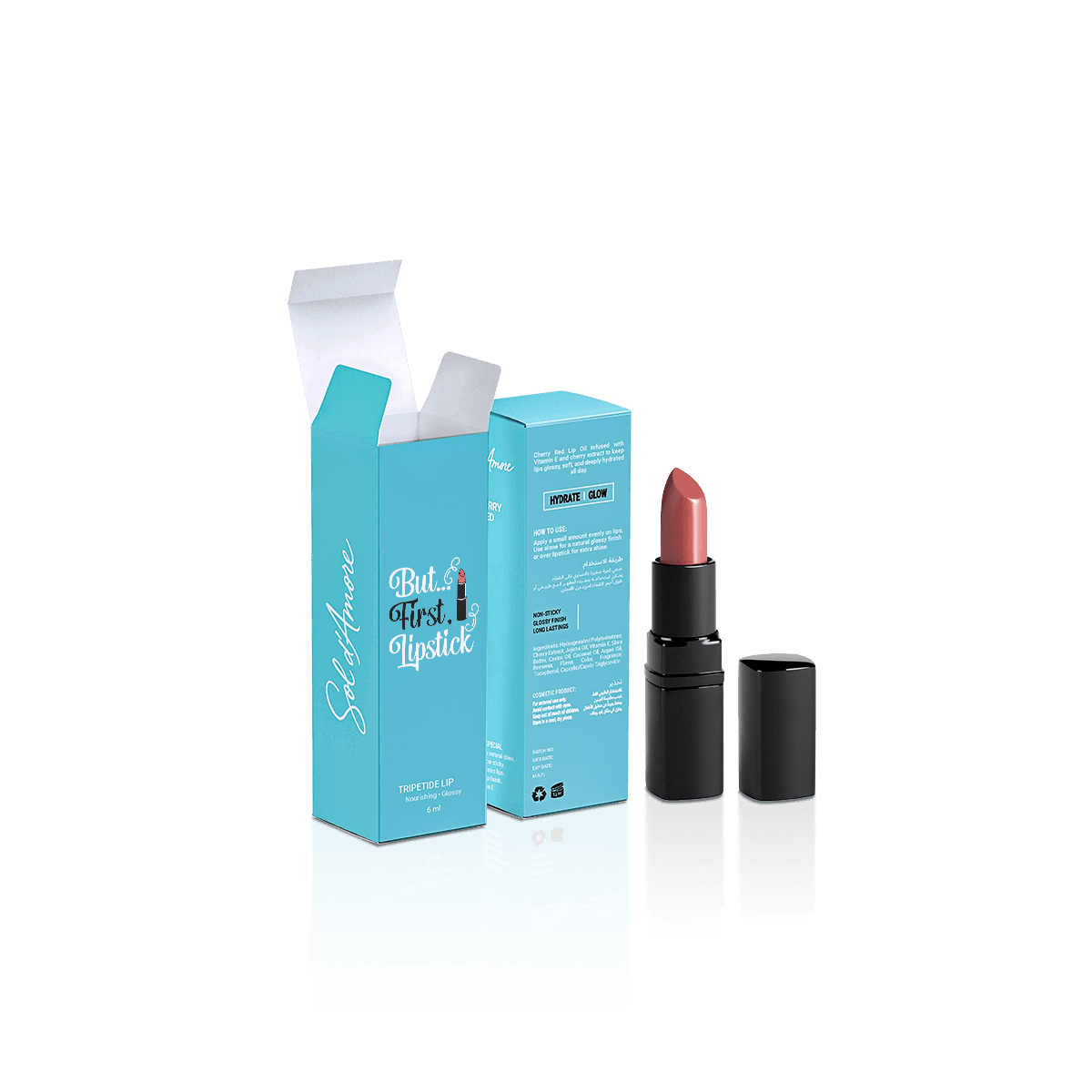
Slim custom cartons planned around the closed lipstick tube, with clear shade identification, efficient panel use and print that stays precise across compact retail packaging.

A Small Carton Has to Carry a Large SKU System

Lipstick boxes do more than contain a tube. In a shade-led line, each carton has to keep the brand recognizable while making the individual variant easy to identify, stock and pick.

That work happens on a very small package. A front panel may need to carry the brand and product name while side and end panels handle shade identity, barcode placement and other supplied product copy.

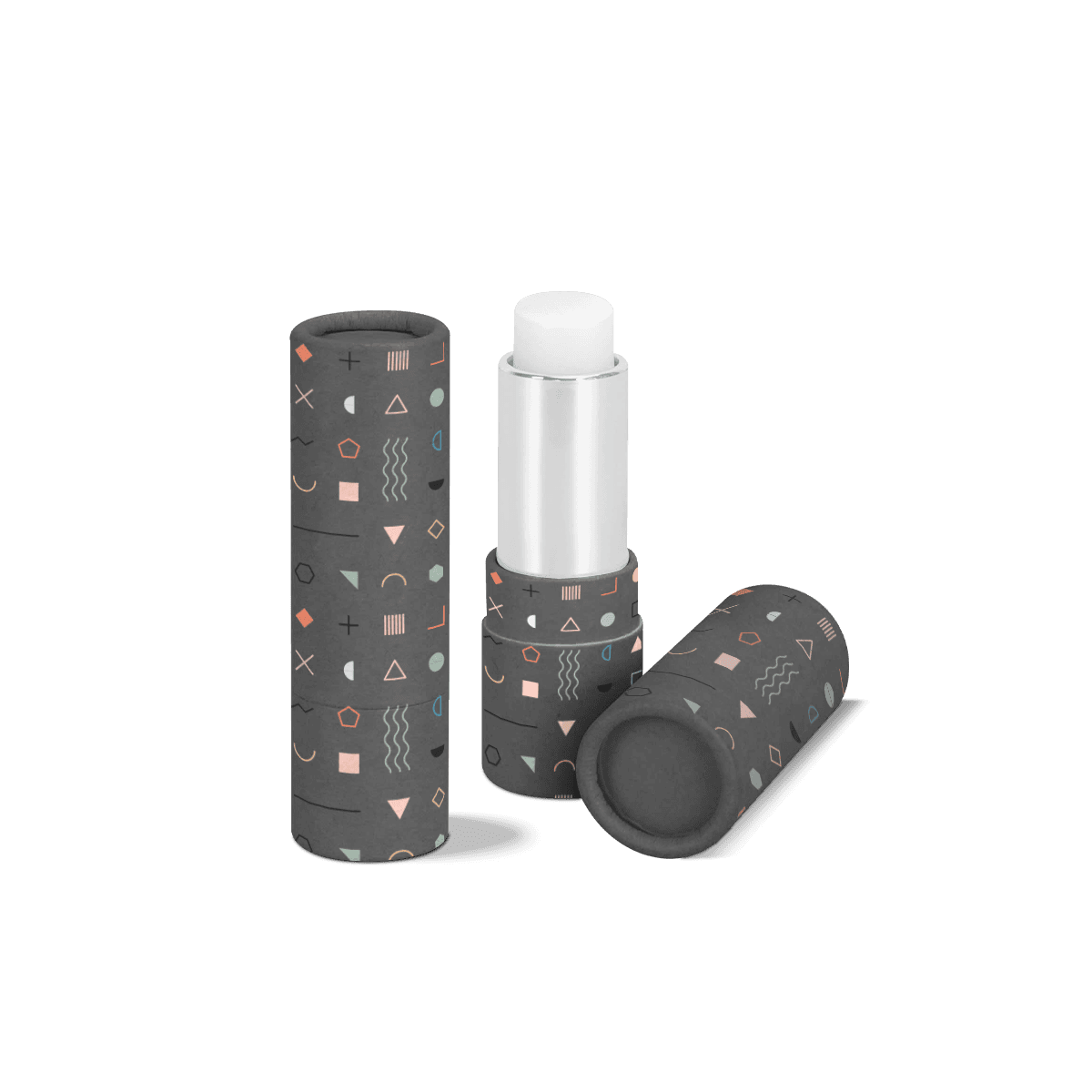
Physical fit still matters because there is little spare space to hide a measurement error. The carton should be planned around the fully closed lipstick tube, including the cap, base and any decorative shoulder or raised logo that changes the physical envelope.

The strongest system therefore connects two decisions early: how the finished tube fits and how each SKU will be recognized when several nearly identical cartons sit together.

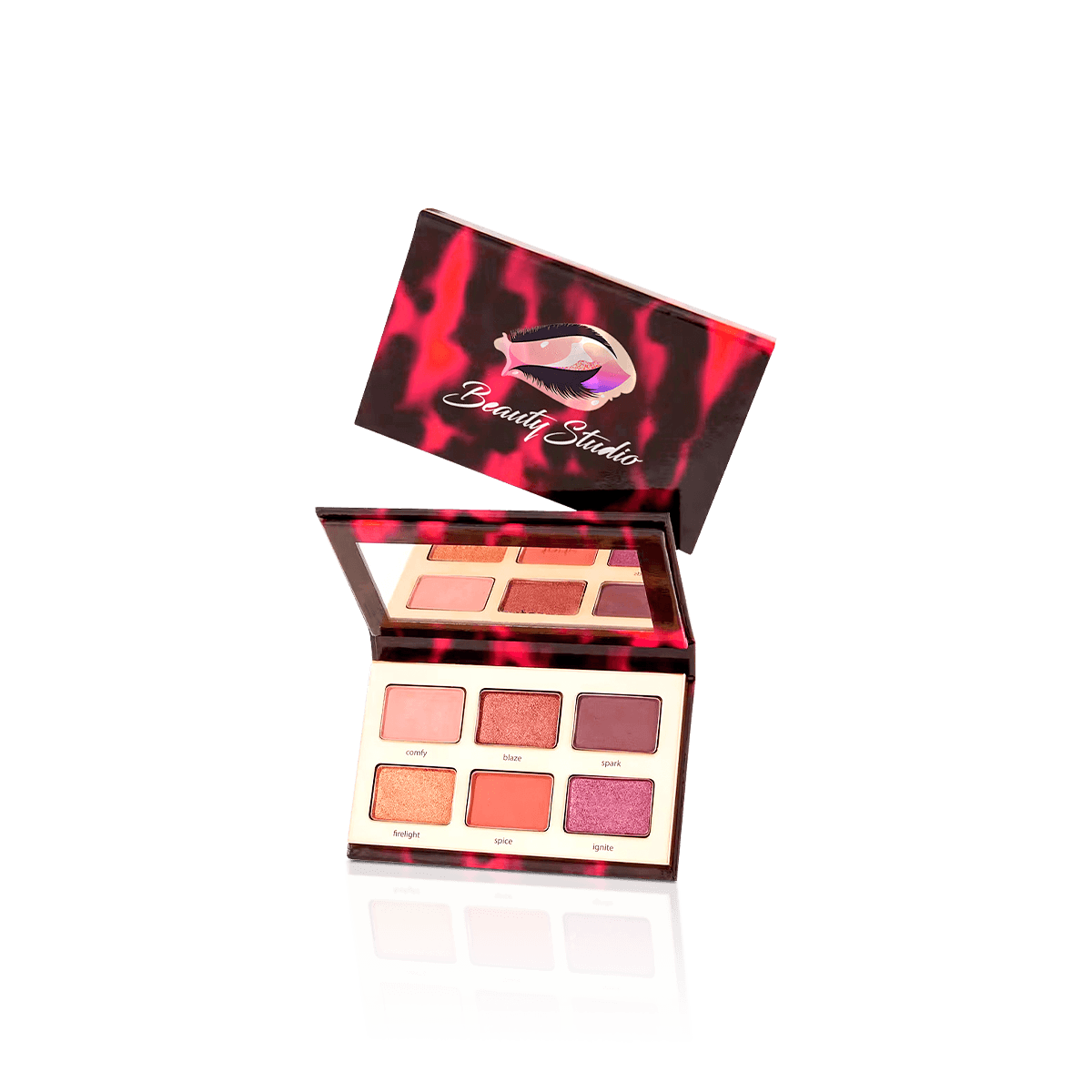
When lipstick sits beside palettes, jars or other beauty products, cosmetics and personal care packaging can keep the brand system coordinated while each product retains its own fit.
The Cap Is Part of the Measurement

Lipstick tubes are often simple in outline, but the cap can create the dimension that controls the carton.

A tube body may appear uniform while the cap is slightly wider. Decorative cases may have square shoulders, stepped profiles or heavier bases. A carton measured from the body alone can therefore feel correct at first and bind at the point where the tube actually reaches its maximum width.

Measure the Product Closed

Use the product in the same condition in which it will be packed and sold.

That means the cap should be fully seated. Any label already applied to the tube should be included. If the primary container has an external decoration that adds thickness, measure over that finished surface rather than the undecorated component.

The box does not need excessive clearance. It needs enough room for reliable loading, closing and removal across production tolerances.

Do Not Let the Top Flap Press the Cap

Height deserves the same attention as width.

If the closed tube nearly touches the inside of the top tuck panel, pressure from packing, stacking or normal handling can transfer directly into the cap. A little intentional headroom is better than forcing the closure to act as a product restraint.

An insert or paperboard collar can control movement when needed, but many lightweight single lipsticks do not require an elaborate internal system.

A Small Fit Mistake Can Reach the Packing Line

Consider a beauty brand changing to a new lipstick case while keeping the same fill product and outer artwork.

The new case looks almost identical to the previous one, so the existing carton dimensions are reused. During packing, however, the replacement cap sits slightly higher and has a fuller shoulder.

The cartons can still be closed, but workers have to push the top flap harder than before. Some packages bow at the upper panels and others feel unusually tight when the customer removes the lipstick.

The problem came from treating the new primary container as cosmetically different rather than physically different.

Rechecking the finished tube dimensions and adjusting the internal carton height restores easy loading, clean panel shape and normal product removal without redesigning the entire package.

For a light retail lipstick carton, Straight Tuck-End Cartons can suit projects where a clean printable structure and straightforward packout matter.

End Panels Keep Shade Checks Visible

Lipstick packaging carries an unusual SKU problem: many boxes can be physically identical while the product inside changes only by shade.

The carton has to help people identify that difference quickly.

A shade name or number hidden on one side panel may work when the box is held in the hand but become difficult to use when several units are packed tightly together in a retail tray or fulfillment bin.

Use the End Panels Deliberately

The top or bottom panel can carry shade information that remains visible when the main faces are partially obscured.

Depending on the merchandising setup, that may include:

  • shade name
  • shade number
  • a controlled color block
  • barcode
  • SKU identifier
  • batch or lot details supplied by the brand

The front panel can then stay cleaner instead of carrying every operational detail.

The exact hierarchy depends on how the lipstick will be stocked and sold. A boutique display, warehouse shelf and ecommerce picking bin do not expose the same surfaces.

Printed Color Should Not Pretend to Be the Formula

A printed shade cue can help identification, but packaging print and lipstick formula are different materials viewed under different conditions.

The carton color should be approved as a brand and SKU-identification device rather than assumed to reproduce the cosmetic formula perfectly.

When several shades depend on controlled printed colors, CMYK and Pantone printing can help determine how color should be specified across the packaging system.

Narrow Panels Need a Content Hierarchy

A lipstick carton may provide four vertical faces, but that does not mean each face has generous usable space.

A logo can become cramped once folds, glue areas, barcodes and product copy are placed on the dieline. Long shade names can create another problem because they have to remain readable on a narrow face without shrinking important text excessively.

The artwork should establish which panel does which job.

One face may carry the main brand and product name. Another can hold product information. A third may handle shade identification and barcode placement. The remaining panel can support secondary brand graphics or other copy supplied for the product.

Trying to make every face a hero panel usually produces clutter.

Across multi-product beauty programs, Folding Carton Cosmetic Boxes can keep the same paperboard logic across several product types while Lipstick Boxes retain narrower tube- and shade-led decisions.

Build the Dieline Around the Retail Orientation

Artwork direction becomes easy to get wrong on a tall, narrow carton because several panels look similar when the box is flat.

Before final art is approved, establish which panel faces forward on shelf, which end opens first and how the carton will be loaded.

A logo that looks upright on the flat file can rotate unexpectedly once the carton is assembled if panel orientation was never confirmed.

For straight tuck structures, the dieline generator can turn approved dimensions into a flat technical layout for artwork planning.

Keep critical text, small logos and shade identifiers clear of crease lines and glue areas. Background graphics can extend through bleed, but information that has to remain readable should sit comfortably inside its panel.

Custom Packly provides design and dieline support plus free 3D mockups, which are useful for checking panel direction before printed production begins.

Board Should Stay Crisp at a Small Scale

Most individual lipstick cartons do not need the mass of rigid board.

A good folding paperboard has a different job: hold a slim rectangular shape, crease cleanly, accept detailed print and retain enough stiffness that the package does not feel flimsy in hand.

SBS is a strong option when the artwork relies on bright color, fine typography or a smooth printed surface. Kraft can create a more natural visual direction, though its base tone changes how light colors reproduce.

The board should also suit the dimensions. Increasing thickness indiscriminately can make tiny folds and tuck areas feel bulky without meaningfully improving the packaging.

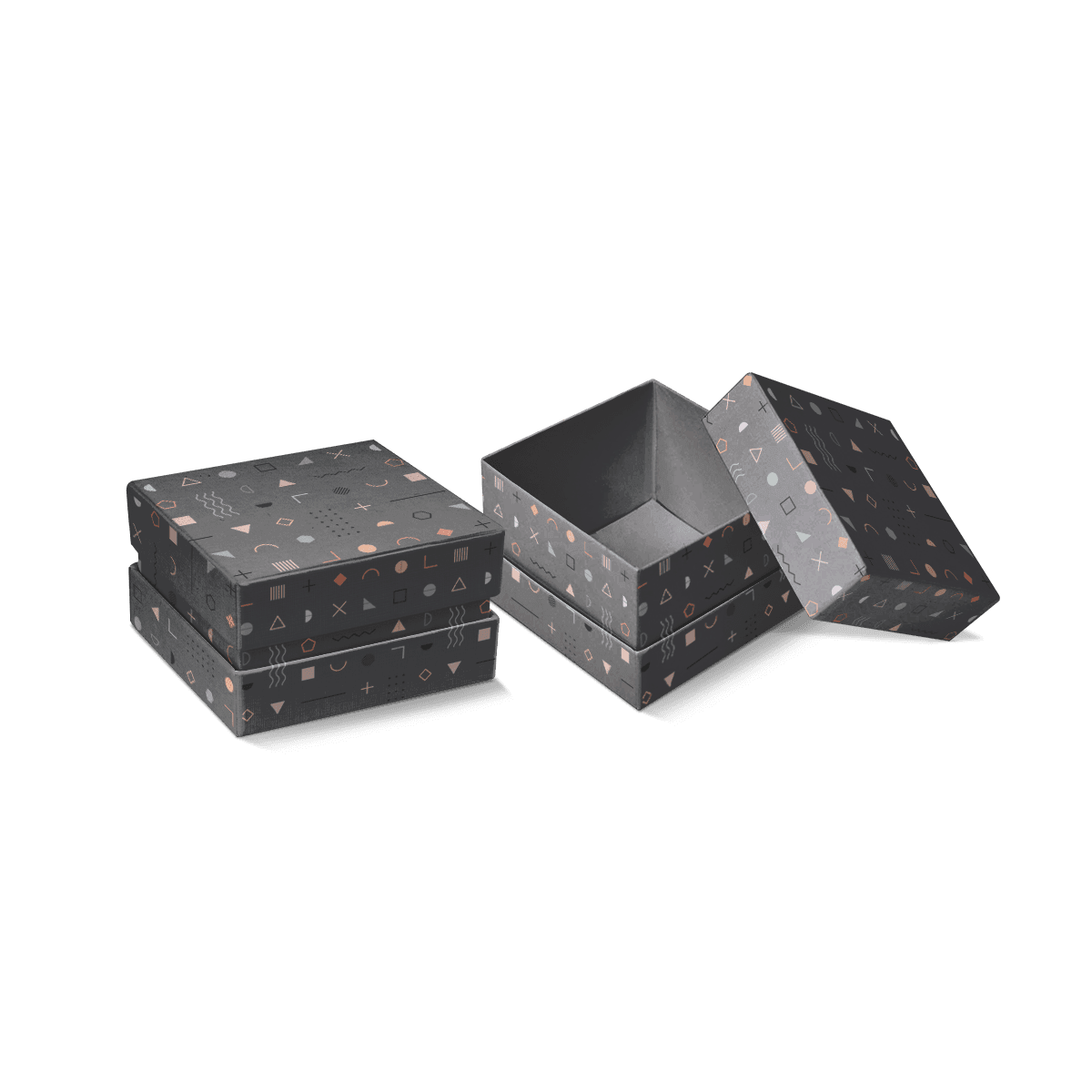
For premium lipstick gift sets rather than individual retail units, Rigid Cosmetic Boxes create a more substantial structure and greater insert depth.

That is a different packaging job. A daily single lipstick carton should not become a miniature rigid gift box simply because the brand wants premium presentation.

Finishes Need Room to Work

A lipstick box offers a small canvas, so decorative finishing usually works best when it is concentrated.

Foil on a compact logo can create a stronger result than covering several narrow faces. Embossing can give a wordmark tactile definition. Spot UV can emphasize a controlled graphic element without making the entire carton visually busy.

Placement matters more than quantity.

Avoid positioning an important foil edge, embossed mark or fine decorative border so close to a crease that the structural fold becomes part of the effect.

The same restraint applies to soft-touch or dark matte surfaces. The carton will be handled during filling, stocking, picking and sale, so a finish should be selected for the actual use environment rather than appearance on a digital render alone.

When lipstick sits beside compacts, palettes and other makeup SKUs, Custom Makeup Boxes can coordinate the visual system without forcing every item into the same structure.

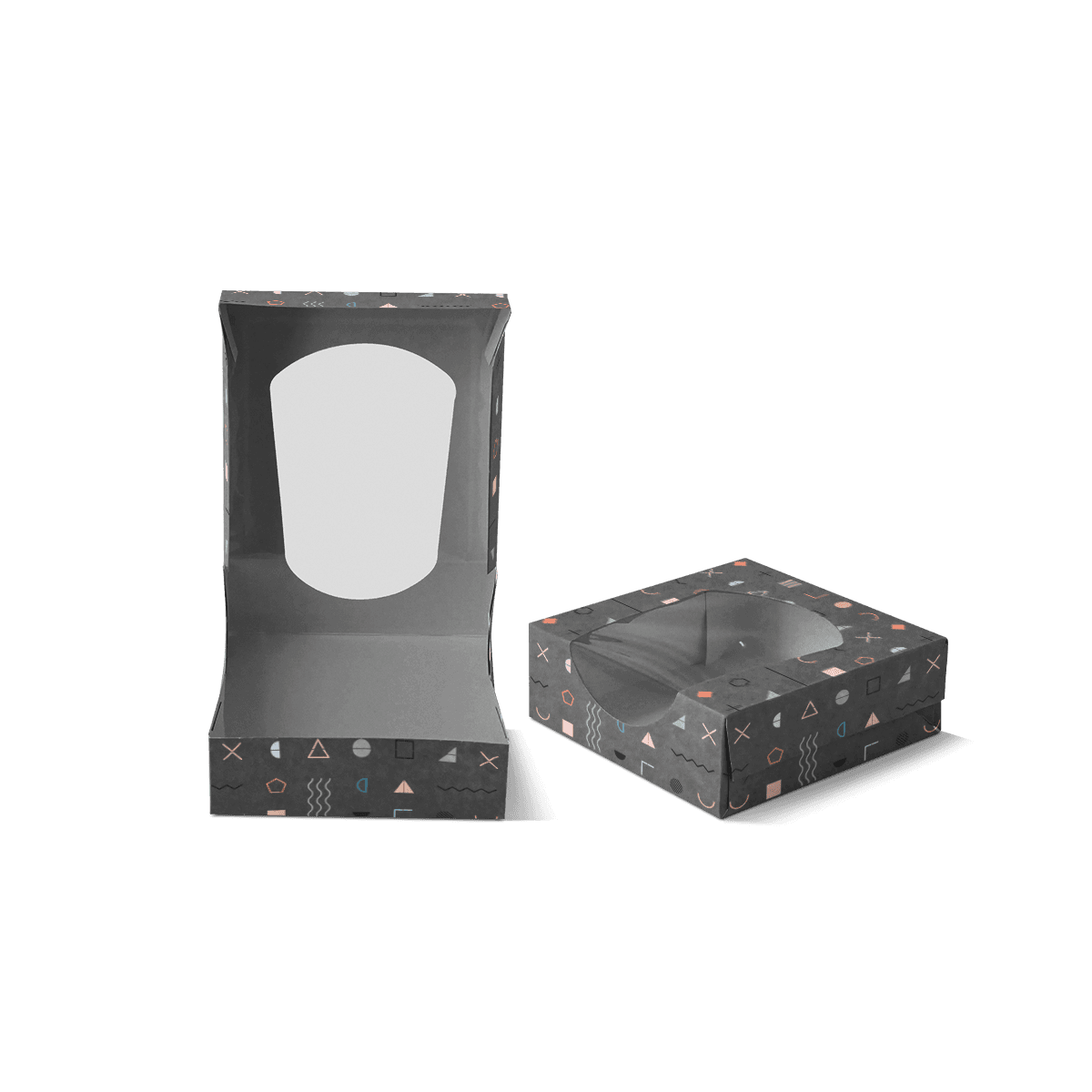
Windows Are Not Automatically Better

A window can show part of the primary container, but the opening removes printable area from an already small box.

That trade-off matters on lipstick cartons.

A window may be useful when the tube itself has distinctive color, shape or decoration that helps sell the product. It adds less value when the visible portion reveals only a generic cap or case.

The window also needs enough surrounding board to keep the panel visually and structurally clean.

If shade recognition is the goal, printed identification may work better than a window when the actual lipstick bullet remains hidden inside an opaque tube anyway.

The feature should therefore answer a real merchandising need rather than being added because beauty packaging is expected to have decorative cutouts.

Single Lipsticks and Sets Need Different Structures

Individual Custom Lipstick Boxes primarily need compact fit, strong artwork hierarchy and efficient retail handling.

Multi-shade sets have a different job.

Once two, four or more lipsticks are presented together, an insert, tray, sleeve or rigid presentation box may become more appropriate because the packaging has to organize several tubes rather than contain one.

For a seasonal lipstick set, Beauty Gift Boxes can give multiple products a coordinated presentation when gift value matters more than single-unit shelf efficiency.

This distinction also prevents the individual lipstick carton from becoming unnecessarily elaborate.

A brand can keep its core shade line in compact paperboard boxes and reserve heavier structures for limited editions, launches or curated sets.

Retail Packs Still Need Shipping Protection

The lipstick carton is secondary product packaging, not the parcel shipper.

A small paperboard box can protect the primary tube from routine shelf handling and give the brand a clean retail surface, but direct-to-consumer orders still need an outer package suited to the shipment.

Several lipstick cartons packed loosely inside a large mailer can rub against each other and arrive with damaged corners even though every individual box was produced correctly.

The fix is not necessarily a thicker lipstick carton. It may be better outer-pack sizing, internal restraint or a better order arrangement.

This distinction matters when a brand sells the same lipstick through stores and online. The unit carton can remain consistent while fulfillment packaging changes around the order.

For shelf-led programs, custom retail packaging can connect the individual carton with the merchandising conditions it has to meet.

Shade Count Changes the Economics

Ten lipstick shades may use one physical carton size but still require ten artwork versions.

That distinction matters when pricing and production are planned.

If all tubes share the same finished dimensions, the same structural dieline may work across the shade line. That can simplify structural development, but each artwork version still needs its own controlled files, proofing and production planning.

Special finishes can create additional variation. If every shade uses a different foil position or radically different artwork, the production system becomes more complicated than a shared carton with controlled color and copy changes.

For launches with several shades, the question is therefore not only “How many boxes do we need?” It is also “How many versions are we producing, and what actually changes between them?”

Custom Packly’s USA MOQ starts from 100 boxes, which can support smaller launch quantities where the packaging specification and artwork split are planned appropriately.

For folding-carton economics, custom tuck box cost factors include dimensions, board, quantity, print coverage, finish requirements and artwork complexity.

Separate Lipstick From Lip Gloss Packaging

Lipstick and lip gloss may sit next to each other in the same beauty line, but their primary containers create different packaging problems.

A traditional lipstick often uses a compact capped tube with a relatively predictable vertical footprint. Lip gloss may use a longer vial, squeeze tube or wand-based container with a different cap-to-body proportion.

That changes carton height, center of mass and the panel space available for branding.

Custom Lip Gloss Boxes should therefore be planned around the gloss container rather than inheriting lipstick dimensions just because both products belong to the same lip line.

The visual identity can stay consistent across both SKUs while the structure changes to fit each product correctly.

That is stronger than forcing mismatched products into one universal carton.

Reorders Depend on Version Control

Lipstick packaging becomes difficult to manage when a successful shade line expands.

The structural specification may stay fixed while names, numbers, barcodes, campaign graphics or finish treatments change. Without disciplined artwork control, two files can look nearly identical while representing different products.

Treat the dieline and the artwork version as separate records.

The production file should make it clear which lipstick tube dimensions belong to the carton and which artwork belongs to each shade. When a primary-container supplier changes the tube, reconfirm the physical fit before assuming the old dieline still applies.

Repeat production is easier when the approved carton, shade files and print references are already organized.

For established lipstick lines, the strongest packaging system is often deliberately boring behind the scenes: one controlled structure where possible, clearly named artwork files and no ambiguity about which shade goes into which box.

FAQs

SBS paperboard is usually the most practical choice because it prints cleanly, folds well, and suits high-volume cosmetic packaging. For elevated collections or gift-driven formats, rigid board may be added for stronger presentation.

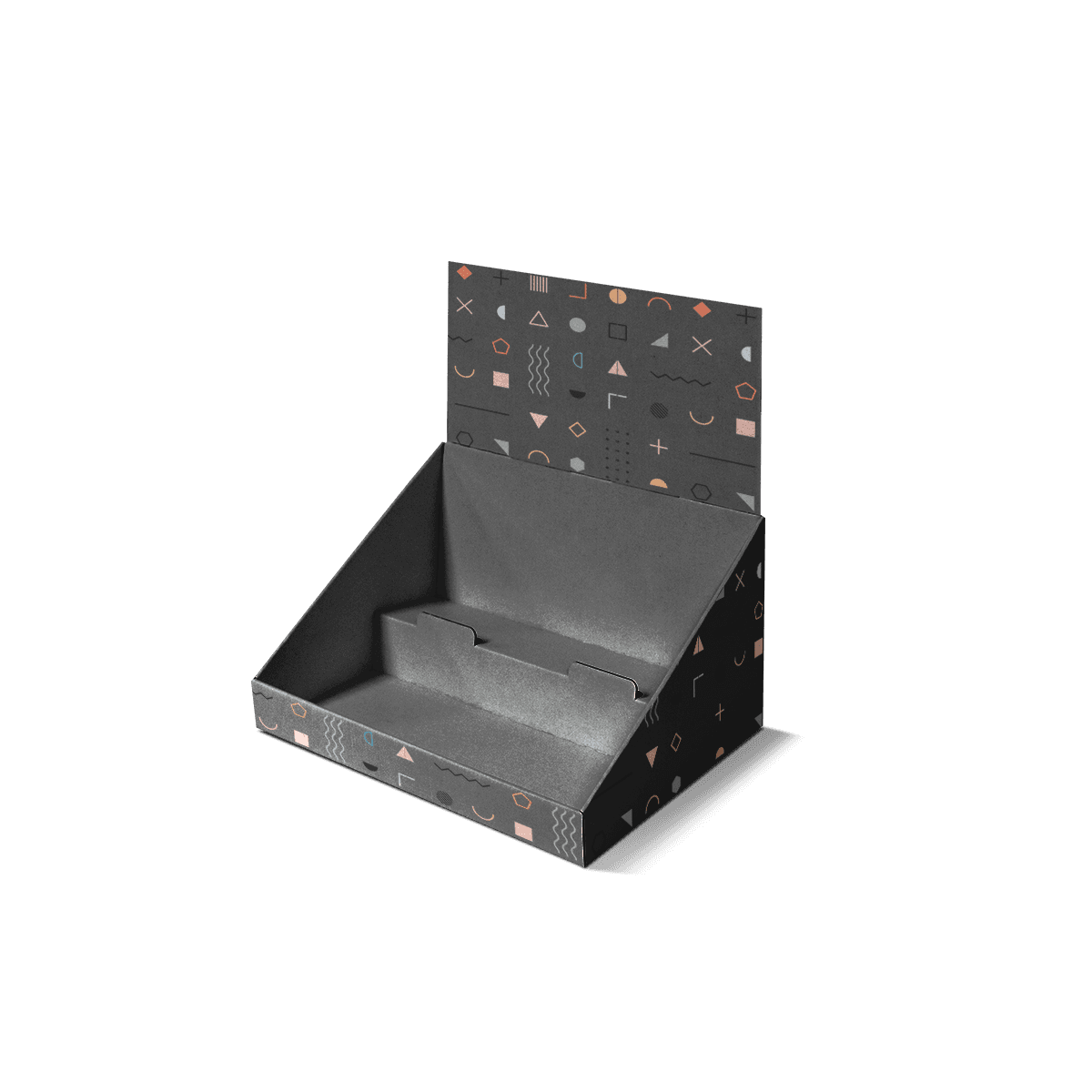
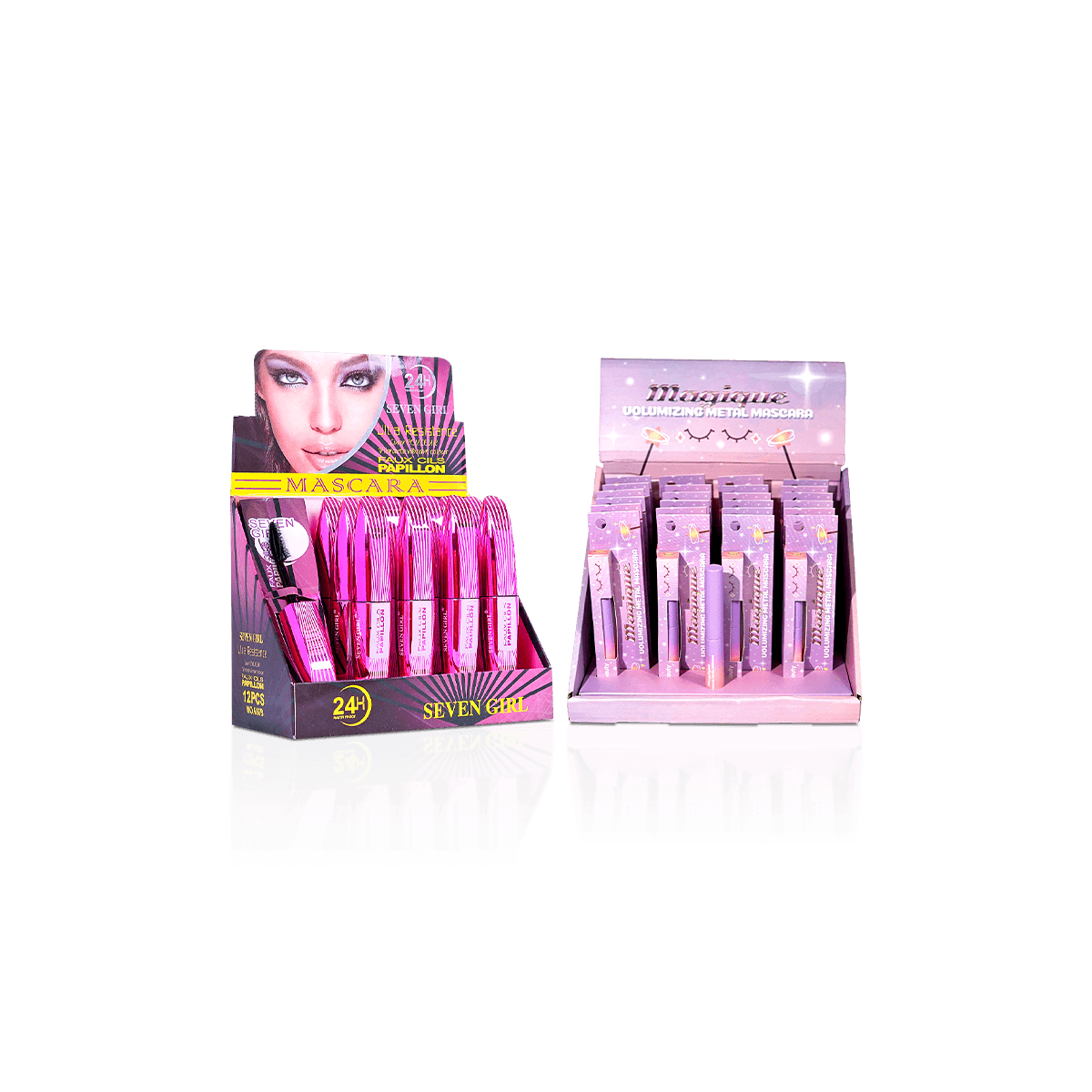
Individual cartons work better when each lipstick is sold as a standalone SKU, while counter display packs make more sense for shade assortments, impulse placement, and faster shelf replenishment. Many brands use both formats together.

Because lipstick lines often expand fast. Early planning keeps shade names, barcode zones, ingredient text, and lot coding from competing for the same limited panel space.

Rigid packaging makes the most sense when the lipstick is part of a collector release, PR send-out, holiday duo, or personalized gift set where the box needs to feel like part of the product experience.

Yes. Lipstick boxes organize small units, reduce direct surface rubbing, and make it easier to batch pack multiple shades into mailers or shipping cartons for e-commerce fulfillment.

Process

How it works

Your Packaging Journey, From Idea to Production and Delivery

01

Tell Us Your Specs

Custom packaging boxes

Tell Us Your Specs

Provide size, quantity, printing, and finishes.

02

Get a Fast Quote

Custom packaging boxes

Get a Fast Quote

Instant transparent pricing, no hidden fees.

03

Design and Approval

Custom packaging boxes

Design and Approval

Artwork checks, revisions, and final sign-off.

04

Produce

Custom packaging boxes

Produce

Expert manufacturing to meet deadlines.

05

Ship to Your Door

Custom packaging boxes

Ship to Your Door

Hassle-free, flexible delivery options.

Get Your Quote for Custom Lipstick Boxes

Share your product details, size, quantity and artwork needs. We’ll help choose the right packaging style and send a clear quote.