Skip to content
Details

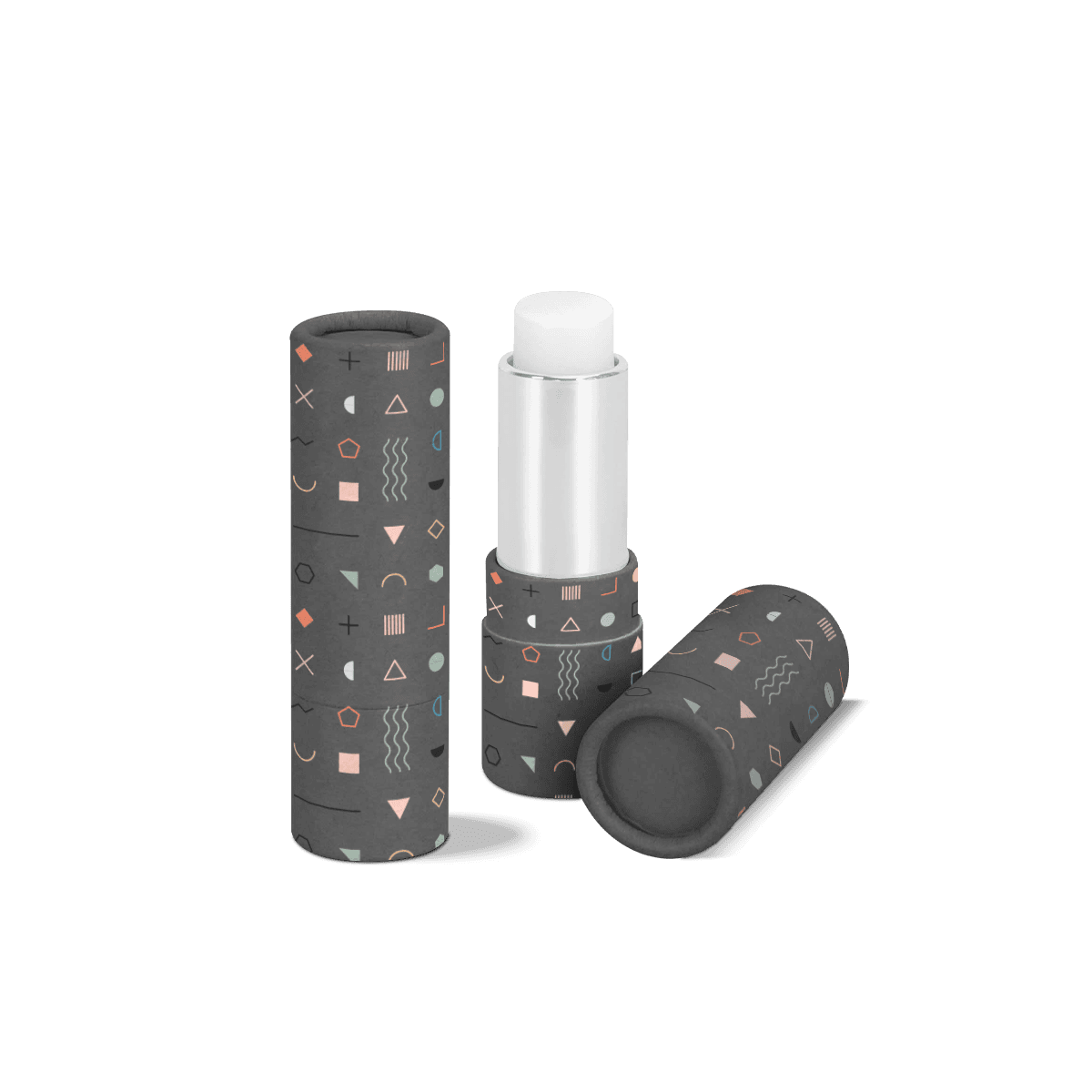
Custom Lipstick Tube Packaging

Custom cylindrical packaging for finished lipstick applicators, with close-fitting interiors, controlled lid removal, premium printed wraps and clear shade identification.

The Case Must Lift Out

A lipstick that sits flush with the opening of its presentation tube can be surprisingly difficult to remove. The customer may need to tip the package upside down or shake it to release the applicator.

The problem is particularly noticeable with smooth cylindrical lipstick cases that have very little exposed surface to grip.

Custom Lipstick Tube Packaging uses a fitted cylindrical outer structure to contain and present a finished lipstick applicator. The outer tube can carry branding, product identification and decorative finishes while the lipstick's primary case retains responsibility for dispensing and protecting the formulation.

The distinction matters because the outer tube should support the finished applicator without interfering with its cap or operating mechanism.

A lipstick that fits inside the cylinder is not necessarily easy to remove.

The internal arrangement needs to balance retention, accessibility and the intended opening experience.

Accessible Case Height

The lipstick should remain accessible once the outer lid is removed.

Its position depends on the internal depth, the height of the finished applicator and any supporting components.

A shallow internal platform can raise a shorter lipstick into an accessible position without requiring the entire outer tube to become unnecessarily short.

The platform must support the applicator without pressing against a vulnerable component.

A separate paperboard support may be appropriate where the finished lipstick case is considerably shorter than the intended presentation tube.

Finger Clearance

The customer needs enough space to grip the lipstick without forcing it against the tube wall.

The appropriate clearance depends on the applicator's shape and surface.

A smooth cylindrical case may need more accessible gripping space than a case with a pronounced collar or textured surface.

For a closely fitted construction, a finger recess or suitable lifting component may be considered.

The retrieval method should suit the complete lipstick case.

A decorative insert that requires the customer to pull on the lipstick's own cap is not appropriate if that action could separate the cap from the applicator.

Controlled Retention

The internal support should prevent unnecessary movement during ordinary handling.

However, retention should not rely on excessive friction against the primary lipstick case.

A tight fit may scratch a decorated applicator or make removal difficult.

The support arrangement should account for the actual material and finish of the lipstick case.

For premium products, the customer should be able to remove the applicator without damaging its surface or disturbing the surrounding presentation.
Shape Around the Closed Applicator

The finished lipstick case determines the required internal dimensions.

The lipstick bullet's diameter, weight or nominal fill quantity does not establish the size of its outer packaging.

The complete applicator includes its cap, base, decorative components and any protruding features.

These parts determine the actual space needed.

Maximum Case Diameter

Measure the widest part of the closed lipstick case.

A decorative collar or raised logo may extend beyond the main cylindrical body.

Some lipstick applicators also have a tapered or irregular profile.

The outer tube's internal diameter must accommodate the largest part of the finished product and any intended support.

For a non-cylindrical lipstick case, the necessary circular clearance may create unused space around the narrower surfaces.

That space should be evaluated against the intended presentation and retention requirements.

Internal Height

The tube's external height is different from its usable internal height.

The base construction, internal platform and lid overlap may all occupy space.

A lipstick that fits into an open cylinder may become too tall once the outer cap is installed.

The correct dimensions should account for the complete assembly.

For products with a decorative top, leave sufficient clearance so the outer lid does not press against the lipstick case.

Unusual Case Profiles

Square, oval and sculpted lipstick applicators introduce different fitting requirements.

An oversized circular tube may accommodate the product but allow it to rotate or move.

Where a distinctive case needs a fixed presentation position, a paperboard support or shaped insert can establish the intended orientation.

The objective is to hold the finished applicator in a predictable position without placing excessive pressure on its decorative surfaces.

Lid Movement Changes the Reveal

The outer lid determines how the customer first accesses the lipstick.

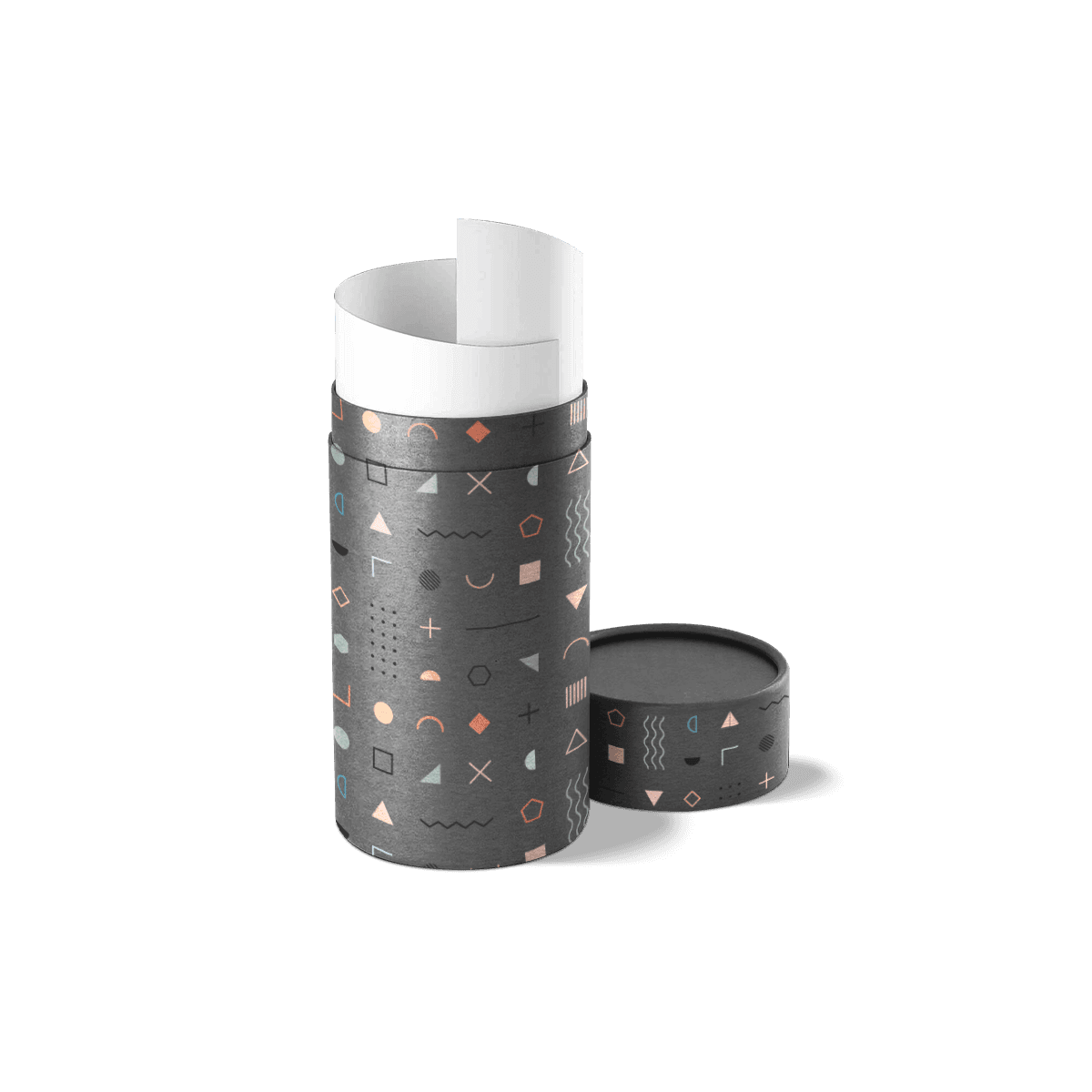
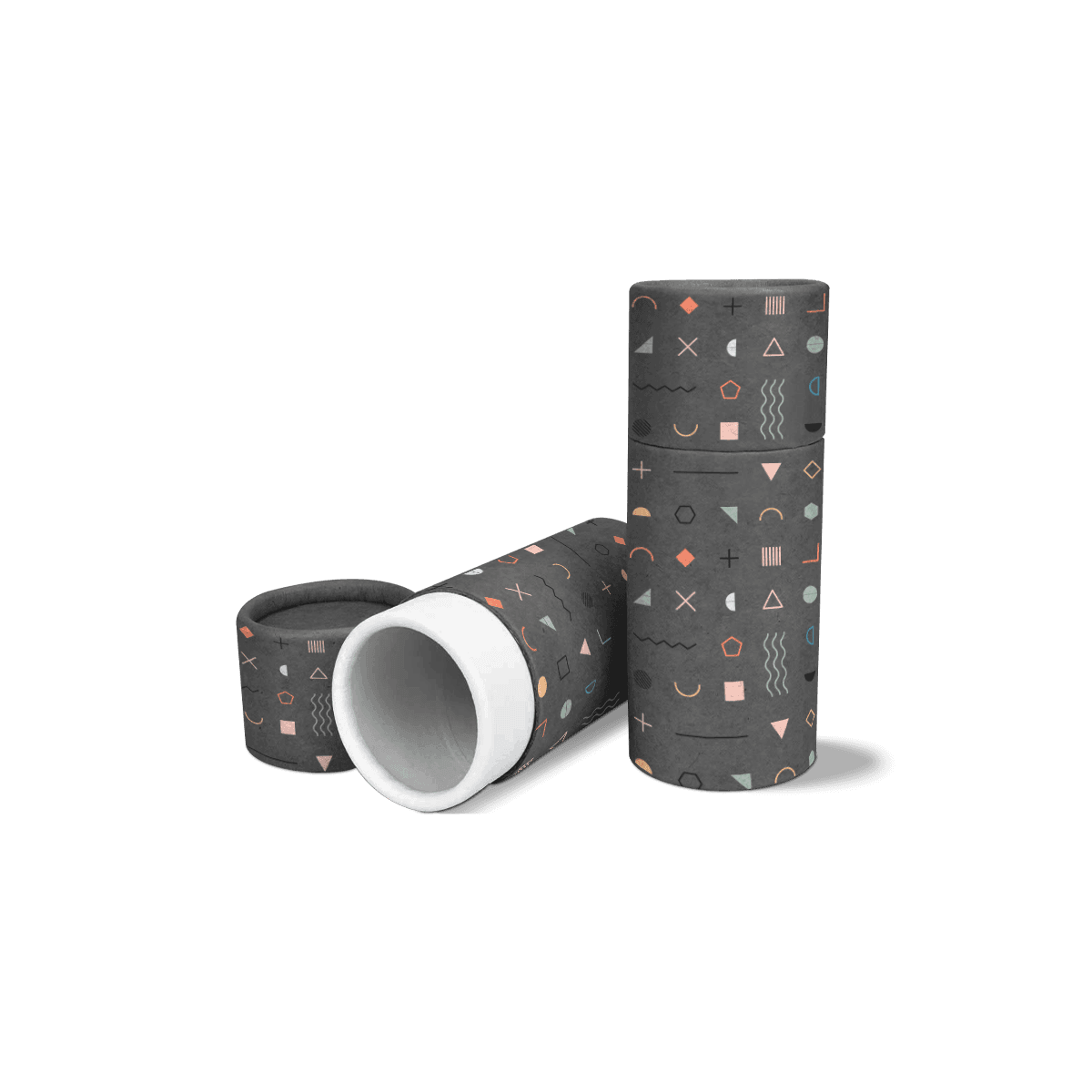
A short lift-off cap and a deeper telescopic cover create different opening experiences, even when the tube body has the same diameter.

The appropriate construction depends on the intended presentation and how frequently the outer package will be opened.

Short Lift-Off Caps

A short removable cap can suit a compact cylindrical package.

Its engagement depth must be sufficient for ordinary handling while allowing comfortable removal.

An excessively tight fit may require the customer to grip the base firmly, potentially deforming the outer wrap.

A loose cap may separate during packing or transport.

The cap should be assessed with the actual finished tube rather than only as an individual component.

Telescopic Covers

A deeper cover can conceal more of the tube body and create a longer opening movement.

For premium lipstick presentation, telescopic tubes can be considered when the desired construction uses a separate sliding lid.

The overlap affects the final appearance, gripping area and usable print surface.

A deeper cap also needs sufficient clearance to move smoothly over the underlying body.

The appropriate engagement depends on the board construction and finished dimensions.

Cap Separation

An outer cap should open without pulling the lipstick applicator out of its internal support.

This can occur when the applicator sits too high or the outer cap contacts its decorative top.

The tube should establish a predictable opening movement.

For a premium presentation pack, that movement should reveal the lipstick while leaving the applicator correctly positioned.

Packaging or Dispensing Mechanism

A branded paper tube around a finished lipstick applicator performs a different function from a container that directly dispenses the cosmetic formula.

The distinction affects the components, manufacturing process and material requirements.

Finished Lipstick Cases

A secondary presentation tube holds a completed lipstick applicator.

The primary case contains the formulation and incorporates the mechanism used to raise and lower the lipstick bullet.

The outer tube therefore does not need its own dispensing mechanism.

Its main structural requirements are product retention, surface protection, cap fit and accessibility.

This construction can suit premium retail presentation, promotional releases and gift-led products.

Direct-Dispensing Tubes

A dispensing tube incorporates the mechanism that moves the cosmetic product.

For manual bottom dispensing, push-up tubes use a movable disc to advance a compatible solid formulation.

A twist-up lipstick case uses a different operating mechanism that converts rotation into the movement of the product carrier.

These constructions require their own component and formulation compatibility specifications.

A printed outer presentation tube should not be described as a functioning twist-up or push-up applicator merely because it has a cylindrical shape.

Primary Case Requirements

For a completed lipstick applicator, the original case must continue to perform its intended function.

The outer packaging should not alter the fit of the lipstick's own cap, apply pressure to its dispensing mechanism or expose the product during removal.

Where the lipstick is intended to remain in its primary case after the outer packaging is discarded, the decorative tube should not introduce an unnecessary extra handling requirement.

The finished applicator determines the appropriate packaging arrangement.

Shade Identity on a Cylinder

A cylindrical package has no fixed front panel.

The customer may pick it up from any direction, and the visible artwork changes as the tube rotates.

For lipstick products, the challenge is to make the brand and shade identifiable without requiring the customer to examine every side.

Visible Shade Names

The shade name should have a consistent, accessible position.

Depending on the tube's dimensions, it may appear on the main wrap, cap or another suitable printed area.

The selected position must remain readable when the package is closed.

A shade name placed too close to the cap overlap may become partially concealed.

For lipstick assortments, consistency across different printed versions helps reduce identification errors during picking and retail replenishment.

Shade Color Cues

A printed color band or other visual identifier can help distinguish individual shades.

However, printed color should not automatically be treated as an exact representation of the lipstick formula.

The final appearance depends on the substrate, printing process and approved color specification.

For brands with several similar shades, the printed identifier should work alongside the product name or other approved identification.

A subtle color difference may be insufficient when the tubes are stored close together or viewed under inconsistent retail lighting.

Cap and Body Rotation

A removable cylindrical cap can rotate relative to the body.

Artwork that relies on permanent alignment between both components may therefore become misaligned during handling.

For example, a logo divided across the cap and body may look complete in a product photograph but lose its intended appearance after the customer replaces the cap.

A self-contained logo, repeated pattern or independent cap treatment is generally more practical for an ordinary rotating closure.

Where precise alignment is essential, the chosen construction must incorporate a suitable positioning mechanism.

The Retail Carton Alternative

A cylindrical presentation tube is not automatically the most practical secondary package for every lipstick.

It occupies a different footprint from a rectangular folding carton and may require a different merchandising arrangement.

The decision should reflect the product's retail position, presentation requirements and packing operation.

A premium cylindrical tube can be appropriate when the outer package is intended to become part of the product's presentation.

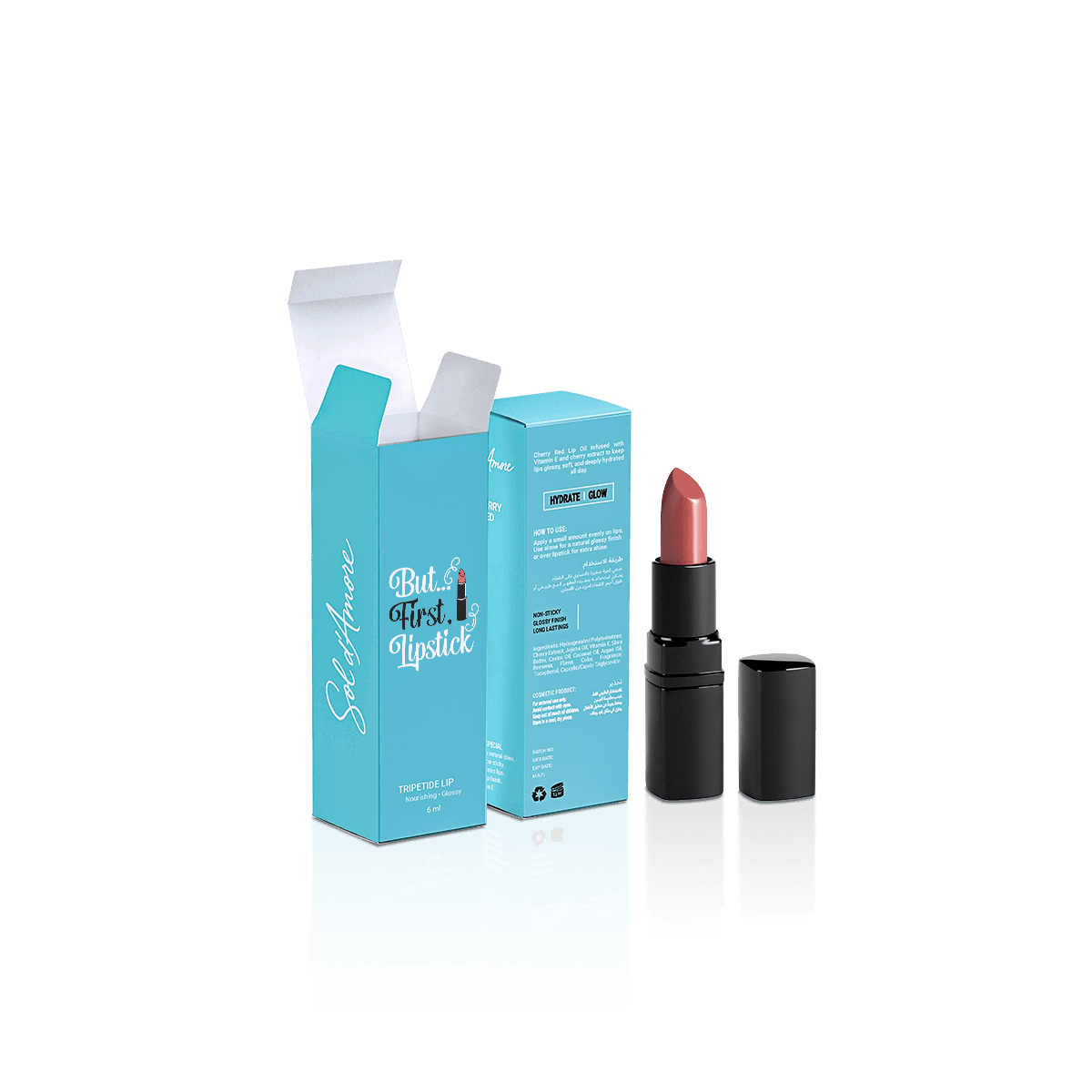
For a large everyday shade assortment, however, rectangular lipstick boxes may offer more predictable shelf positioning, flat storage and printed panel space.

The difference becomes significant when a retailer carries many lipstick shades in a limited display area.

A rectangular carton has defined faces. A cylinder may require a tray or another arrangement to establish its intended orientation.

The tube also introduces separate components such as the removable cap and potentially an internal support.

Those components should contribute enough functional or presentation value to justify their production and packing requirements.

A Printed Surface With Limits

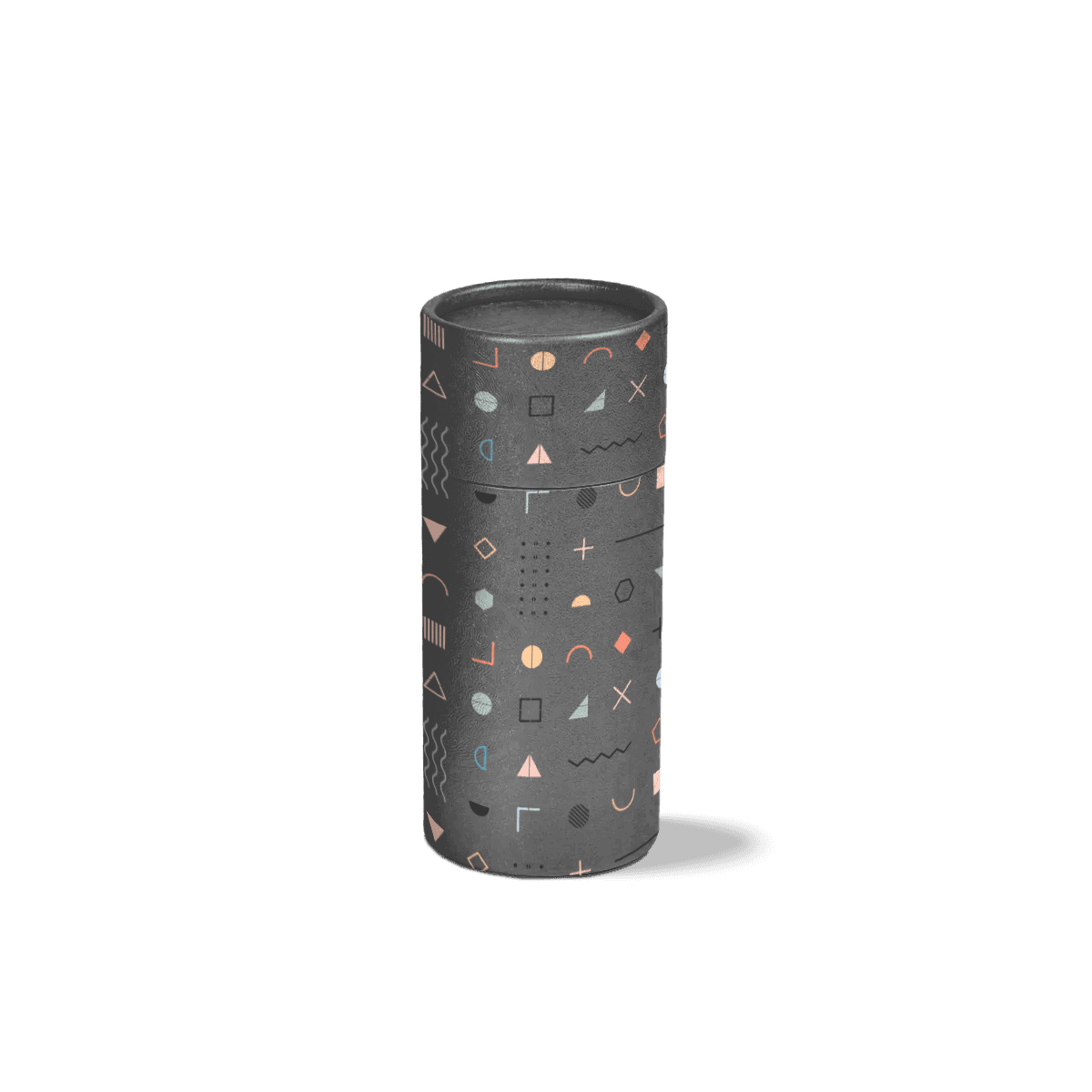
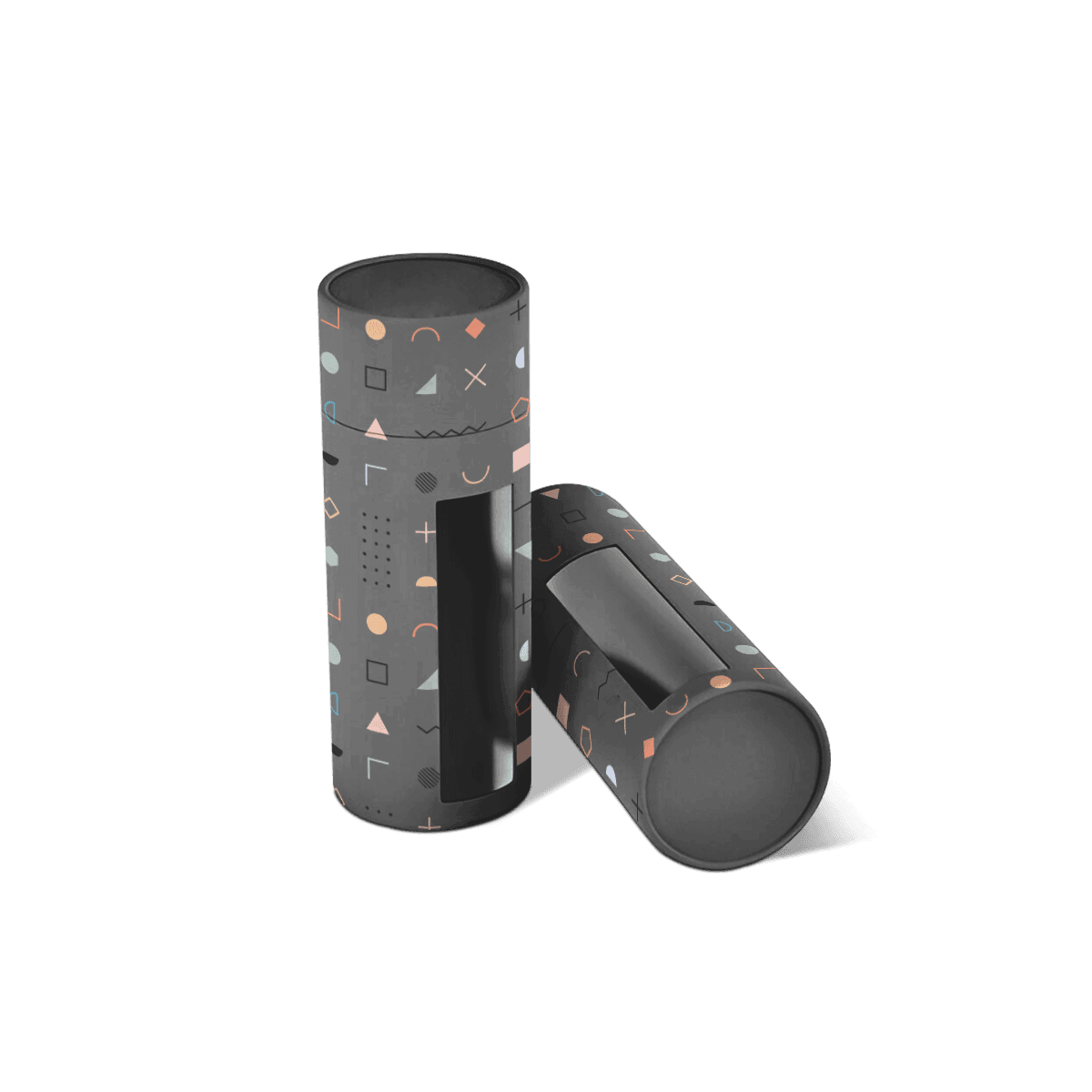
A cylindrical tube creates a continuous exterior that can carry wraparound graphics.

However, the curved surface, vertical wrap seam and moving cap affect how artwork should be arranged.

These physical constraints are especially significant on compact lipstick packaging because a small shift can interfere with text or decorative features.

Wrap Seam Position

The seam should be positioned so it does not interfere with the primary visual design.

A continuous pattern may need artwork adjustments where its ends meet.

Important text should remain clear of the overlap.

The final wrap dimensions must follow the approved tube construction, including the actual circumference and production allowances.

Custom Packly's free design and dieline support can help establish those dimensions before artwork is approved.

Printing on Paperboard

White paperboard supports bright colors and detailed graphics.

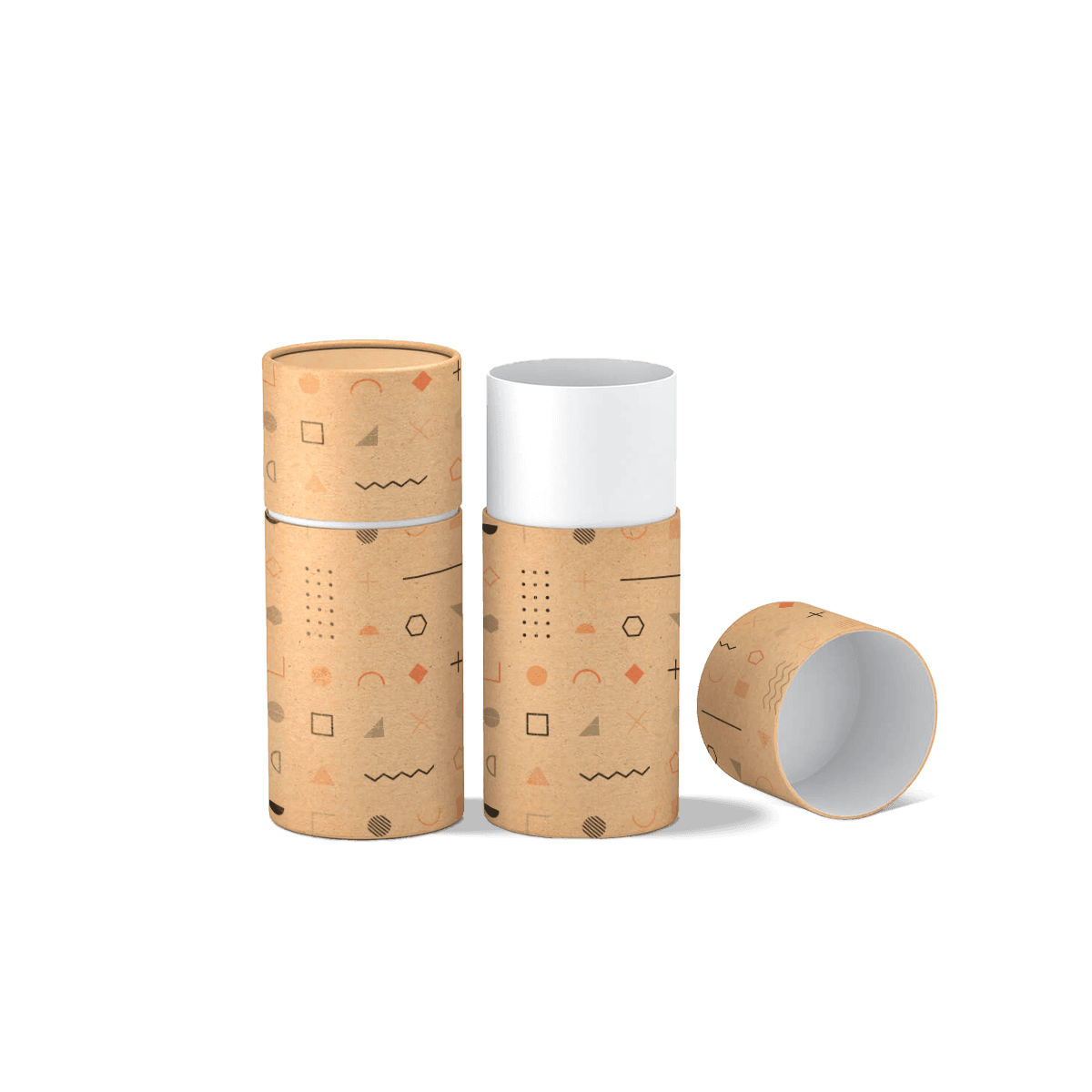
Kraft paper creates a brown base that influences the appearance of printed ink.

Coated stock may be appropriate where the project requires a smoother printed surface.

Premium offset printing can support a refined exterior wrap, while CMYK and Pantone options can be considered according to the artwork and production specification.

For a premium lipstick release, the paper choice should suit the intended color treatment as well as the tube's structural requirements.

Decorative Finishes

Foil stamping, embossing, debossing, matte lamination and soft-touch finishes can create different visual and tactile effects.

Their suitability depends on the actual wrap material and tube construction.

Raised decoration near a moving cap may affect the fit or become damaged through repeated contact.

Foil artwork also needs appropriate positioning around the curved surface and seam.

Decorative finishes should be reviewed on the final assembled geometry.

Custom Packly provides free 3D mockups and digital proofing to support artwork approval. A fully custom physical sample may be arranged as a paid sample when the project requires a physical assessment of the finished construction.

The Complete Packaging Cost

The commercial specification should account for the outer tube, cap, internal support and intended printing.

Two lipstick tubes with identical external dimensions may require different manufacturing operations because of their construction and decoration.

A simple printed tube holding a finished applicator may need relatively few components.

A premium telescopic construction with a fitted platform, specialty wrap and decorative finishes introduces additional material and assembly requirements.

The intended order quantity also influences the production decision.

Custom Packly's USA MOQ starts at 100 boxes. The minimum quantity for a particular lipstick tube construction should be confirmed separately because specialized components, tooling and manufacturing requirements may affect production.

US production, free shipping and 24/7 packaging expert support are part of Custom Packly's USA offer.

The standard turnaround is 4–6 days after final artwork and specifications are approved. Specialty materials, custom components and advanced finishes may require additional time.

Once the intended construction has been established, request custom lipstick packaging pricing using the complete applicator and proposed outer packaging arrangement.

The instant pricing system can establish an initial commercial direction. A specialist tube construction may need individual review before the final production specification is priced.

Packing the Finished Lipstick

The packaging operation should allow the finished applicator to be inserted without damaging either its primary case or the printed outer tube.

This is particularly important for products with delicate decorative surfaces.

Loading Direction

The intended loading direction should reflect the lipstick's shape and support arrangement.

A lipstick with a rounded cap may enter a cylindrical tube differently from one with a flat base.

The internal support should establish the final resting position without forcing the packing team to rotate or repeatedly adjust the applicator.

If a particular orientation is necessary for the presentation, the support should establish that orientation consistently.

Surface Contact

Decorated lipstick cases may have finishes that are vulnerable to rubbing.

An overly tight outer tube can damage the applicator during insertion and removal.

A suitable paperboard support or protective interface may be considered where necessary.

The material should suit the case's actual surface rather than assuming all lipstick applicators tolerate the same contact.

Cap Assembly

The outer cap should close without pressing on the lipstick applicator.

The packing process should establish a consistent final position for both components.

Where an internal platform or support is used, it must remain appropriately positioned during loading.

A correctly assembled tube should not depend on the operator applying excessive force to seat the lid.

Individual Retail and Gift Sets

A lipstick tube may be sold as an individual retail unit or incorporated into a coordinated cosmetic set.

These applications require different external arrangements.

For individual retail sales, the tube must carry the appropriate product identity and function as a complete selling unit.

For gift sets, the lipstick may be one of several products held inside a larger presentation package.

Individual Retail Units

A compact cylindrical tube can create a distinctive retail appearance for a premium lipstick.

Its diameter and height must suit the intended shelf or display arrangement.

The required product labeling should remain accessible.

A barcode may need a suitable label position or another approved arrangement because the curved surface can affect scanning.

The brand's responsible team must establish and approve the applicable cosmetic labeling.

Coordinated Cosmetic Sets

Lipstick tubes may be combined with other products in a gift or promotional set.

The outer packaging should accommodate the completed lipstick tube rather than the bare applicator.

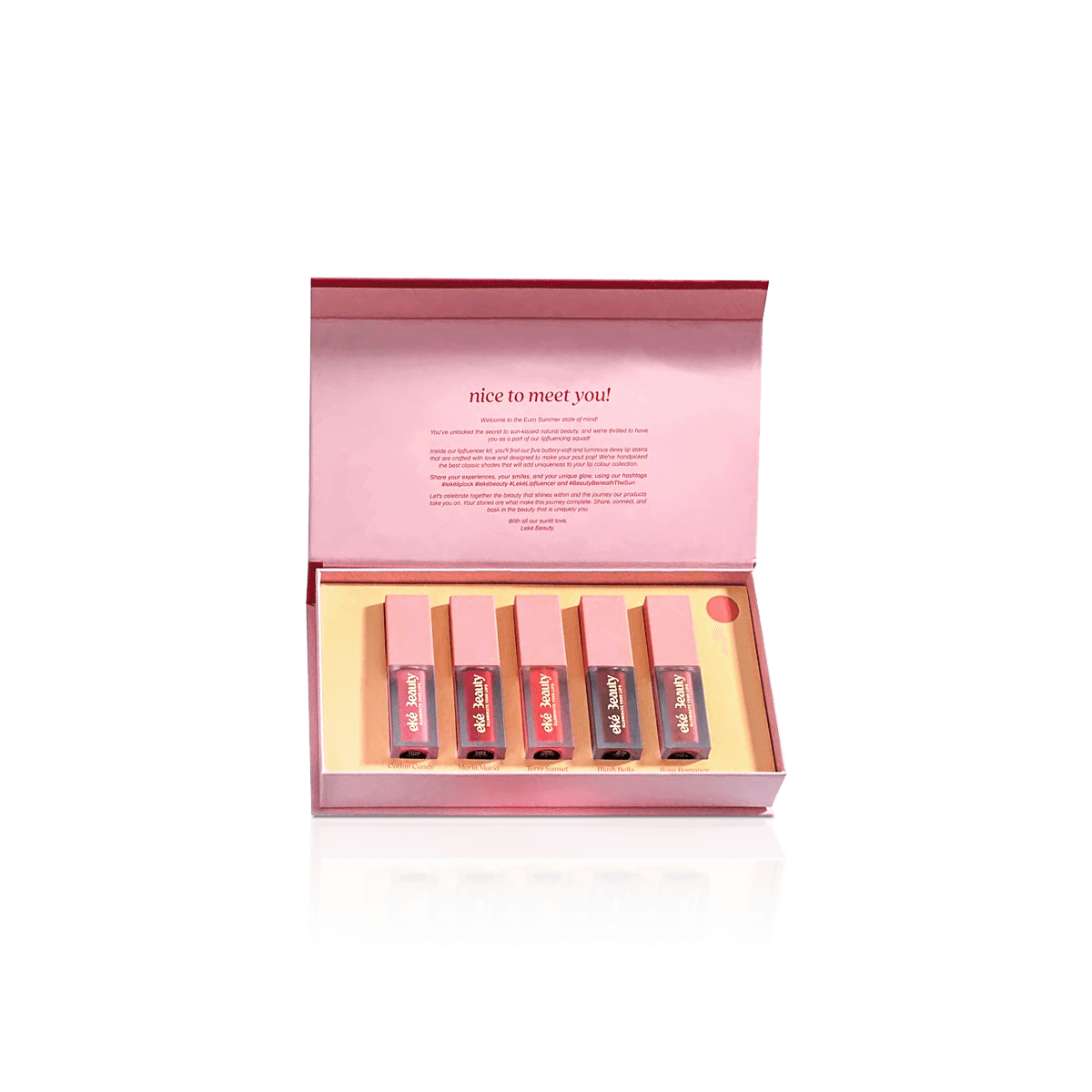
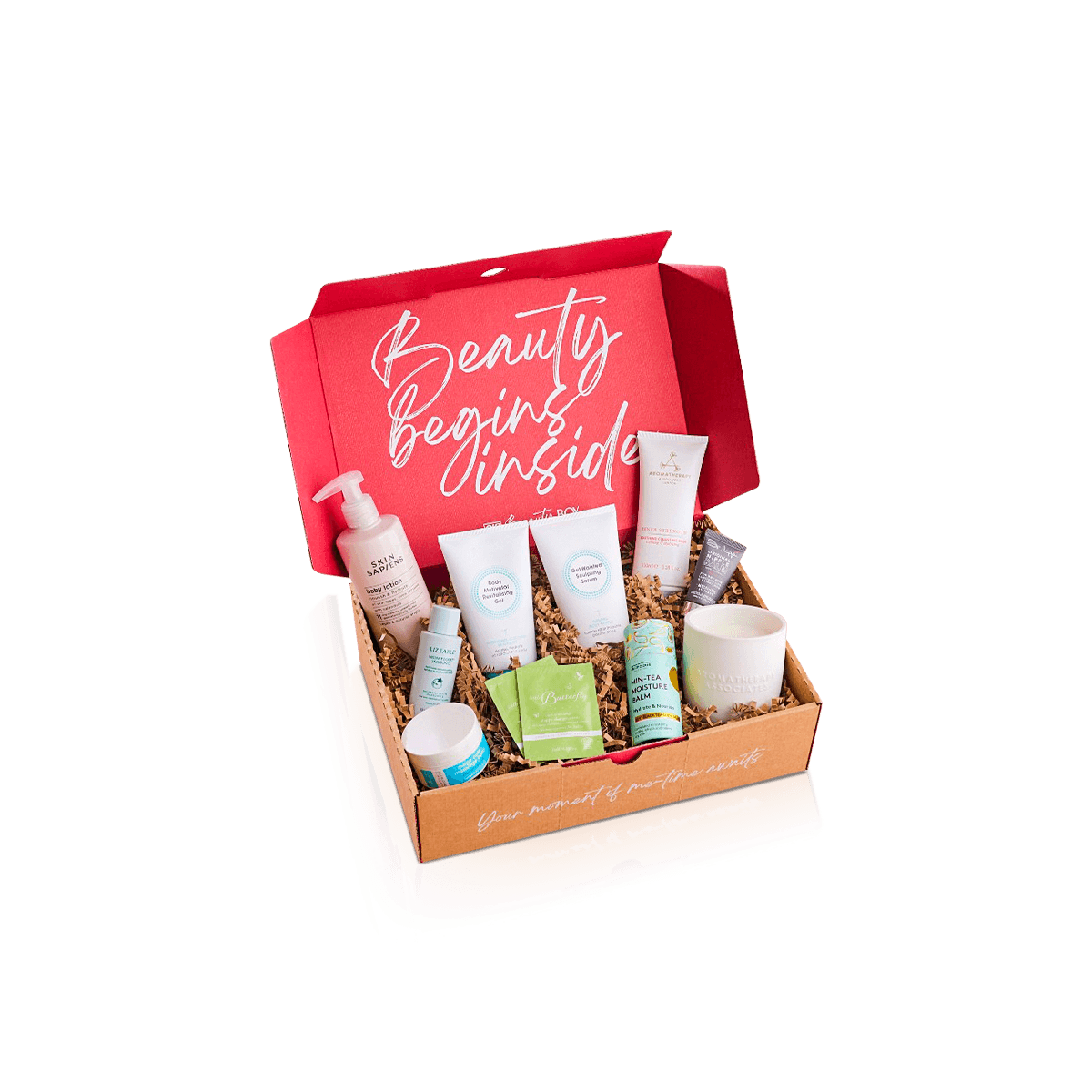
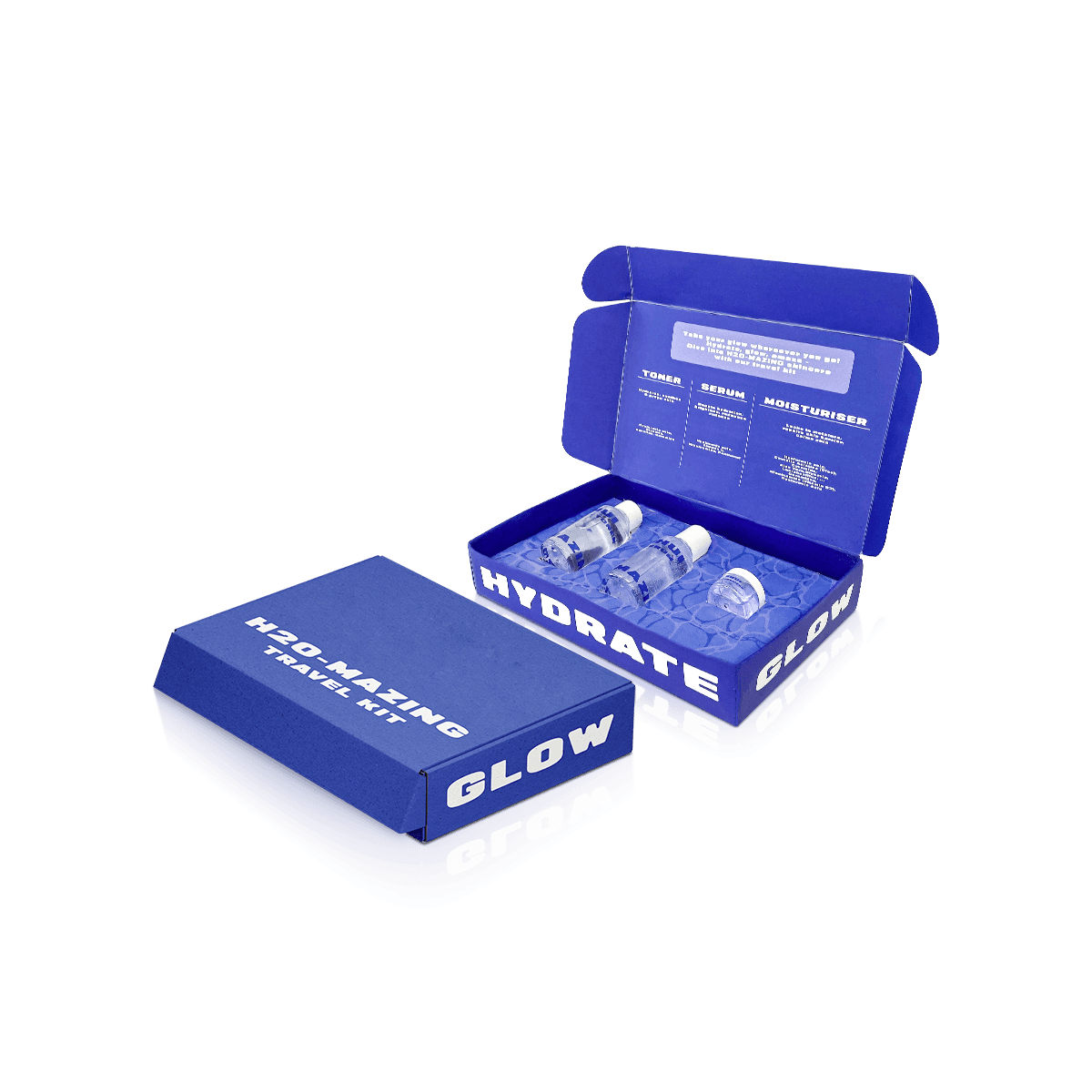
For a coordinated beauty assortment, custom cosmetic packaging can use different structural packages while maintaining consistent artwork and product identification.

A lipstick tube should not be enlarged unnecessarily simply to match the dimensions of other cosmetic products.

The shared visual identity can come from the printed design rather than identical package geometry.

Shade Assortments in Storage

A lipstick brand may produce several shades using the same outer tube construction.

That can simplify the structural specification, but each finished version still needs the correct product identification.

For example, a brand may use one tube diameter and cap construction for several standard lipstick applicators.

The printed shade name, color treatment and product-specific labeling can vary while the physical structure remains consistent.

This arrangement is only appropriate when every applicator is compatible with the shared internal dimensions and support.

A larger limited-edition case may require a separate tube even if its lipstick fill weight is unchanged.

Shade-Specific Identification

Each printed version should be distinguishable during packing and replenishment.

The approved shade name, barcode and any required product identification must correspond to the actual lipstick.

Outer shipping cases should also identify their contents appropriately.

Using a common structural tube does not eliminate the need to manage the different printed versions.

Retail Tray Footprint

Cylindrical lipstick tubes can require a different merchandising arrangement from rectangular cartons.

Their actual outside diameter, including any cap projection, determines how closely they can be positioned.

A display tray should accommodate the finished package without forcing neighboring tubes against one another.

For a large shade assortment, the available retail space may influence the number of units presented for each shade.

Replenishment Accuracy

A common tube construction can support repeat production when the physical specification remains unchanged.

However, artwork versions need to be controlled separately.

A replenishment order should preserve the approved tube dimensions, cap construction and applicable printed identification.

Where larger production quantities justify staged supply, Custom Packly's warehousing and scheduled deliveries can help coordinate the release of finished packaging.

The operational objective is to maintain the intended structure while ensuring that each lipstick shade receives its correct printed tube.

Protection Beyond the Tube

A premium lipstick tube may need additional protection when products leave the packing facility.

The cylindrical structure can support the applicator and its presentation, but it should not automatically be treated as a complete parcel shipping package.

The external shipping arrangement must account for the finished tube's dimensions, cap and decorative surface.

Several cylindrical units packed together can create contact points that differ from those of rectangular cartons.

For highly decorated packaging, an appropriate arrangement may be necessary to limit rubbing during transport.

An outer shipping carton should also protect the lipstick from the expected handling conditions.

Where the finished cosmetic product has temperature-sensitive characteristics, the responsible manufacturer must establish suitable storage and distribution requirements.

An ordinary paperboard tube does not provide temperature control.

The final shipping arrangement should preserve the lipstick's primary case and the presentation tube without placing unnecessary pressure on either component.

FAQs

Both. It works for single units, duo packs, or curated beauty sets when the interior is engineered with the right insert or divider support.

That is one of the strongest use cases. Brands often use color-coded wraps, base labels, or printed bands so each variant stays clear during merchandising and fulfillment.

Choose Lipstick Tube Packaging when the goal is a closed presentation pack around the product with stronger branding space and a more gift-ready look. Push-Up Tubes are the better fit when the package itself is designed to dispense a balm or stick directly from the base.

Yes, if the board thickness and closure style match the product weight and shipping method. For direct-to-consumer orders, fit testing matters as much as graphics.

That is easy to build in. A customizable exterior can include foil, embossing or a cleaner matte wrap for limited editions and beauty campaigns.

Process

How it works

Your Packaging Journey, From Idea to Production and Delivery

01

Tell Us Your Specs

Custom packaging boxes

Tell Us Your Specs

Provide size, quantity, printing, and finishes.

02

Get a Fast Quote

Custom packaging boxes

Get a Fast Quote

Instant transparent pricing, no hidden fees.

03

Design and Approval

Custom packaging boxes

Design and Approval

Artwork checks, revisions, and final sign-off.

04

Produce

Custom packaging boxes

Produce

Expert manufacturing to meet deadlines.

05

Ship to Your Door

Custom packaging boxes

Ship to Your Door

Hassle-free, flexible delivery options.

Get Your Quote for Custom Lipstick Tube Packaging

Share your product details, size, quantity and artwork needs. We’ll help choose the right packaging style and send a clear quote.