Skip to content
Details

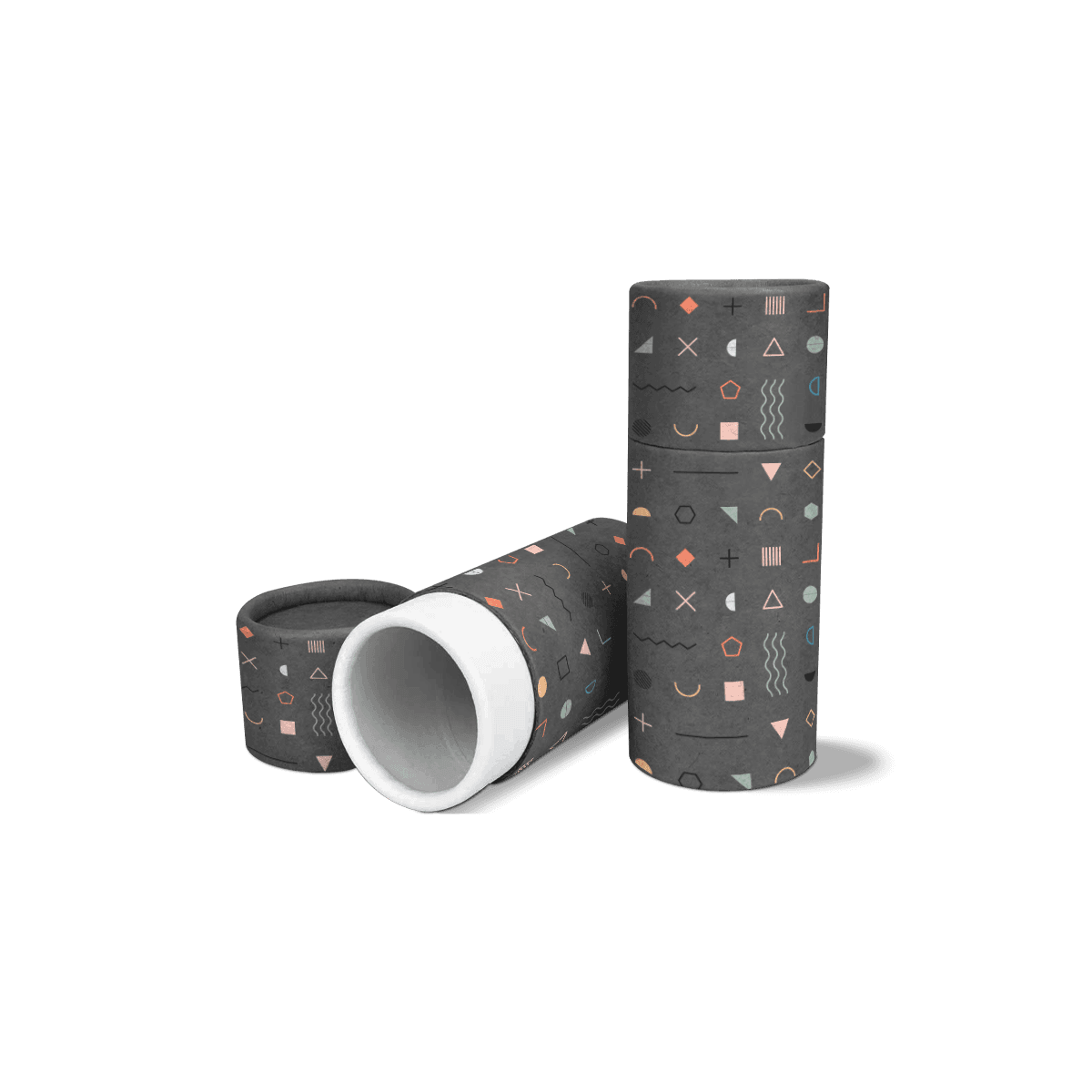
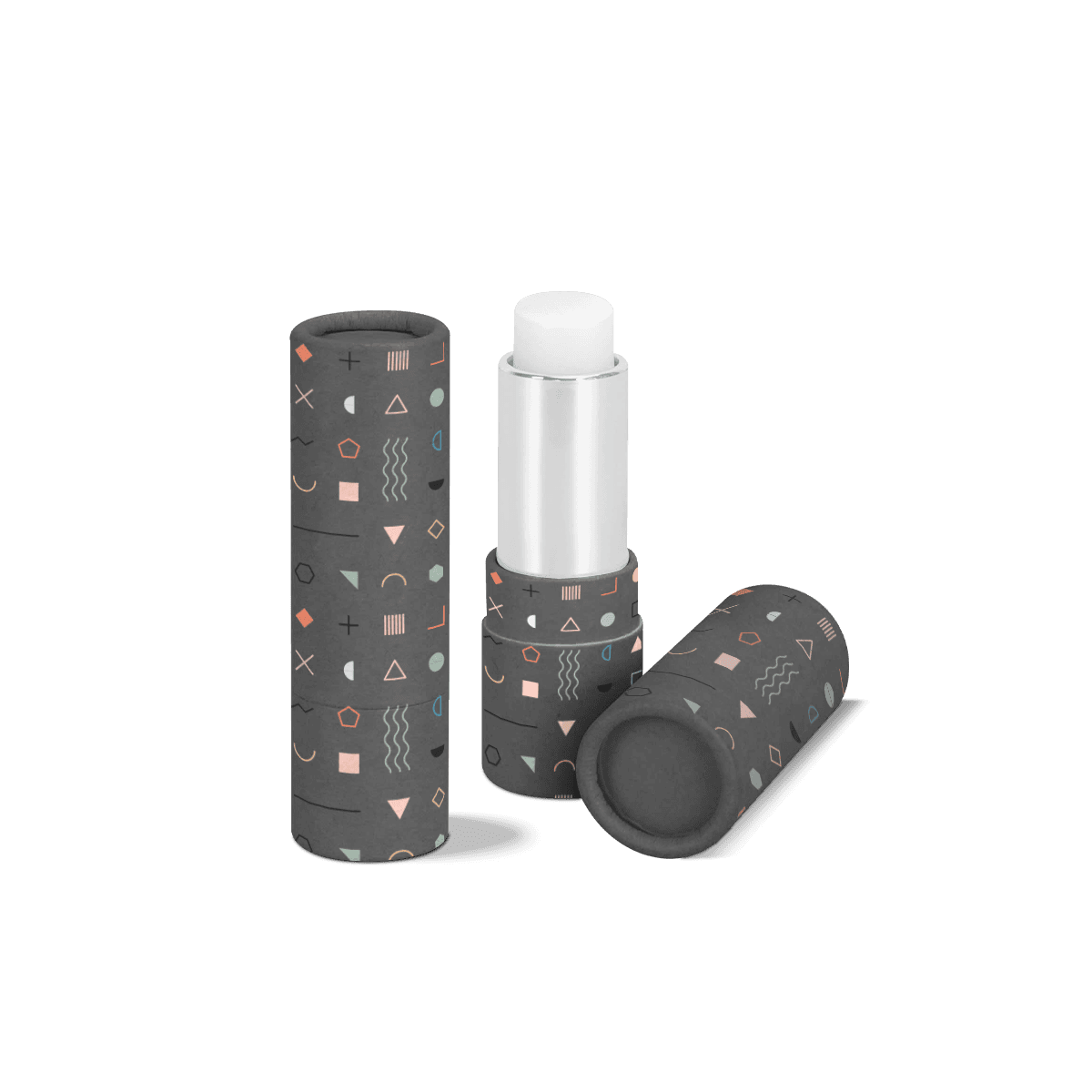
Custom Push-Up Tubes

Custom paperboard push-up tubes for solid deodorants, lip balms and skincare sticks, with controlled dispensing, formula-compatible liners and compact branded presentation.

The Disc Must Hold Position

A solid balm should rise when the customer presses the bottom of its tube and stay in place during application. If the moving disc offers too little resistance, the product may slide back into the package when pressed against the skin. Too much resistance makes the disc difficult to advance.

That balance is the central mechanical requirement of Custom Push-Up Tubes.

These cylindrical paperboard packages use a movable bottom disc to advance a solid product without a conventional rotating mechanism. They can suit compatible lip balms, natural deodorants, solid moisturizers, grooming balms and other stick-form personal care products.

The tube's body, internal liner, moving disc and cap must function together. Changing the product's formula or diameter can affect how the mechanism behaves even when the exterior design remains unchanged.

Disc Friction

The disc needs enough resistance to support the product during use while remaining movable under deliberate finger pressure.

Its fit depends on the internal diameter, disc construction, liner and dimensional tolerances.

An excessively tight disc can make dispensing difficult or deform the product when the customer applies force. A loose disc may move unintentionally during handling or fail to support the stick during application.

The desired movement should be established using the actual filled tube rather than an empty paperboard sample.

Product Retention

The solid product must remain appropriately supported as the disc moves.

A firm stick may behave differently from a softer balm, particularly when the product is exposed to changes in temperature.

The formulation's adhesion to the liner, its internal strength and its connection to the moving base can all affect dispensing.

Increasing disc friction cannot correct every retention problem.

The formula and packaging construction need to be compatible so the product advances without breaking, slipping or becoming unnecessarily difficult to use.
Diameter Changes the Push

Two push-up tubes holding the same product weight may behave differently when their diameters change.

A narrow tube produces a taller stick, while a larger diameter creates a shorter product with a broader application surface.

That difference affects filling, dispensing and how the customer applies the product.

Narrow Balm Tubes

Smaller diameters suit compact applications such as lip balm and selected travel-sized products.

The disc needs to advance consistently despite its relatively small surface area.

The tube should also be comfortable to hold while the customer presses the base.

For narrow constructions, small dimensional variations can affect disc movement and the fit of the surrounding components.

The application surface must suit the intended product. A compact lip balm requires different proportions from a deodorant intended to cover a larger area of skin.

Larger Deodorant Tubes

A larger-diameter tube can accommodate a larger application surface.

However, increasing the diameter also increases the area of the moving disc and changes how the product is supported.

The customer needs to advance the stick without applying excessive force or causing the disc to tilt.

The body must remain sufficiently rigid during the pushing action.

For larger deodorant sticks, the formulation's weight and firmness become particularly important because the movable base supports a more substantial product.

Usable Product Height

A tube's external height does not represent its complete usable filling space.

The moving disc occupies part of the internal length, while the cap may require additional clearance.

The final dimensions must account for these components before the intended fill quantity is established.

For product development, paper tube diameter and usable internal height are separate measurements.

The finished tube should accommodate the required product quantity without interfering with the cap or restricting the disc's intended travel.

Hot Filling Reaches the Paper

Many solid cosmetic formulations are filled while warm and allowed to solidify inside their containers.

That process makes filling temperature a packaging requirement rather than a production consideration that can be resolved after the tubes arrive.

Paperboard push-up tubes need a construction compatible with the actual formulation and its filling conditions.

The liner, adhesive system, moving disc and tube body may respond differently to heat.

No universal hot-fill temperature should be assumed suitable for every paperboard push-up construction.

The First Pour

During filling, the product may enter the tube as a liquid or semi-liquid formulation.

The moving disc and surrounding construction must prevent the formulation from escaping through unintended gaps.

The appropriate filling procedure depends on the actual formula and tube design.

For some constructions, the filling process may require particular preparation or a staged approach. That method must be established by the filling team and confirmed for the selected packaging.

A tube that holds a fully solidified balm is not necessarily suitable for every hot-filling process.

Cooling and Contraction

As a warm formulation cools, its physical properties may change.

Depending on its composition, the product may contract, harden or develop changes at the contact surface between the formulation and the liner.

These changes can affect how firmly the product is retained and how it advances during subsequent use.

The filled tube should be assessed after the formulation has reached its intended finished condition.

The initial appearance immediately after filling does not establish that the product and tube are compatible.

Filling Temperature Limits

The maximum suitable filling temperature must be established for the exact packaging construction.

In a previous Custom Packly inquiry involving paper push-up lip balm tubes, the customer needed samples for shelf testing and confirmation of the maximum suitable hot-fill temperature.

That requirement had to be resolved for the selected construction. It could not be established from the tube's exterior appearance or a generic material description.

For a new formulation, the filling team should establish the intended temperature and cooling process before the production specification is finalized.

The Liner Faces the Formula

The outside of a push-up tube may be made from kraft or white paperboard, but the internal surface has a different responsibility.

It may come into direct contact with the product throughout its intended shelf life and use.

The liner must therefore be suitable for the actual formulation, including its oils, waxes, fragrances and other ingredients.

Oil Resistance

Oil-containing formulations can migrate into unsuitable paperboard.

Visible staining may appear on the outer wrap or near the bottom of the tube if the construction does not adequately resist the formulation.

An appropriate internal barrier may be needed to protect the paperboard.

However, the presence of a liner does not establish that the complete package is suitable for every oil-based product.

The liner, seams, disc and other contact surfaces must be assessed against the actual formulation.

Formula Contact

Material compatibility should account for the complete product composition and intended contact conditions.

A liner suitable for one balm may not be appropriate for another containing different oils, fragrances or active ingredients.

The responsible product manufacturer must establish the necessary compatibility and product-contact requirements.

Where the product is intended for cosmetic use, the complete packaging arrangement must be appropriate for that application.

Decorative paperboard should not be treated as a substitute for a technically suitable internal contact surface.

Liner Friction

The liner affects more than chemical compatibility.

Its surface also influences the movement of the disc and the product.

A change in liner construction can alter the friction between the moving components.

This means that replacing one liner with another may require a corresponding review of the disc fit.

Material compatibility and dispensing performance should be established using the same intended construction.

Cap Clearance During Application

The cap must accommodate the product without contacting or deforming its exposed surface.

This becomes particularly important when the customer advances the stick and then closes the package.

A tube with insufficient cap clearance may damage the product whenever it is stored.

Product Headroom

The filled product should sit at an appropriate starting position relative to the tube opening.

The cap needs enough internal space to close without pressing against the balm or deodorant.

For products with rounded or shaped application surfaces, measure the highest point rather than relying on the product's nominal fill height.

The cap's internal depth must also be considered.

A lid that looks sufficiently tall from the outside may have less usable space because of its construction.

Lid Engagement

The cap needs enough overlap to remain attached during ordinary handling.

An excessively loose lid may separate in a bag or during retail handling. A very tight lid can become difficult to remove and may place unnecessary force on the tube body.

The correct fit depends on the cap construction, wall dimensions and intended handling.

A removable cap should not be described as tamper-evident merely because it fits tightly.

Where initial-opening evidence is required, an appropriate feature needs to be specified separately.

Product Contact at Closure

A soft formulation may become marked if the cap touches the exposed stick.

This can affect presentation and potentially transfer product onto the internal lid surface.

The intended use should establish whether the customer is expected to lower the product before replacing the cap.

For a manual push-up construction, lowering the product may require a different action from advancing it.

The instructions and cap clearance should reflect the actual mechanism rather than assuming that the disc can be reversed as easily as a twist-up component.

The Right Product Consistency

Push-up tubes are most appropriate for products that can retain a usable solid or semi-solid shape during dispensing.

The formulation must have sufficient integrity for the intended application method.

A product that becomes too soft under its expected use conditions may be difficult to dispense cleanly, regardless of the exterior construction.

Solid Deodorants

Compatible solid deodorants can suit a broader push-up tube with an application surface appropriate for underarm use.

The product needs enough structural integrity to remain supported when advanced.

Its formulation may also require oil-resistant internal materials.

For a larger deodorant stick, consider how the customer grips the tube and applies pressure to the base.

The dispensing method should remain practical as the amount of product decreases.

Lip and Body Balms

Solid balms may suit smaller cylindrical packages.

The appropriate diameter depends on the application area and the formulation's firmness.

A lip balm intended for precise application needs different proportions from a broader body balm.

The finish of the exposed product and the available cap clearance also affect the customer's experience.

For compact lip products using a different dispensing or presentation construction, the distinction should be established before selecting the packaging.

Temperature-Sensitive Sticks

Some solid formulations can soften under elevated temperatures.

That behavior may influence whether a particular push-up construction is suitable for the intended distribution and storage conditions.

Sunscreen sticks introduce additional product-specific regulatory and stability requirements.

The responsible manufacturer must establish the applicable requirements for the actual product.

A paper-based dispensing tube should not be assumed suitable for a sunscreen formulation solely because it works with an ordinary cosmetic balm.

Products That Need Another Structure

Loose powders, free-flowing liquids and products that cannot retain an appropriate stick shape generally require a different containment method.

A paperboard push-up construction should not be selected merely because its exterior suits the brand.

Where the product is already enclosed in a separate container, custom tube packaging includes cylindrical structures that serve as protective outer packages rather than direct dispensing mechanisms.

The primary distinction is whether the tube must move and dispense the product or simply hold an existing item.

Paperboard and Exterior Construction

The paperboard body must retain its cylindrical shape while accommodating the movement of the dispensing disc.

Its construction should suit the intended diameter, product weight and handling conditions.

An attractive exterior is insufficient if the tube deforms when the customer presses the base.

Body Wall Strength

The tube wall should remain sufficiently rigid during normal dispensing.

A wall that deforms excessively under hand pressure may alter the disc's fit or interfere with its movement.

The necessary construction depends on the tube's dimensions and the intended product.

Larger diameters and heavier fills may introduce different mechanical requirements from small lip balm tubes.

The appropriate board construction should be established for the complete package.

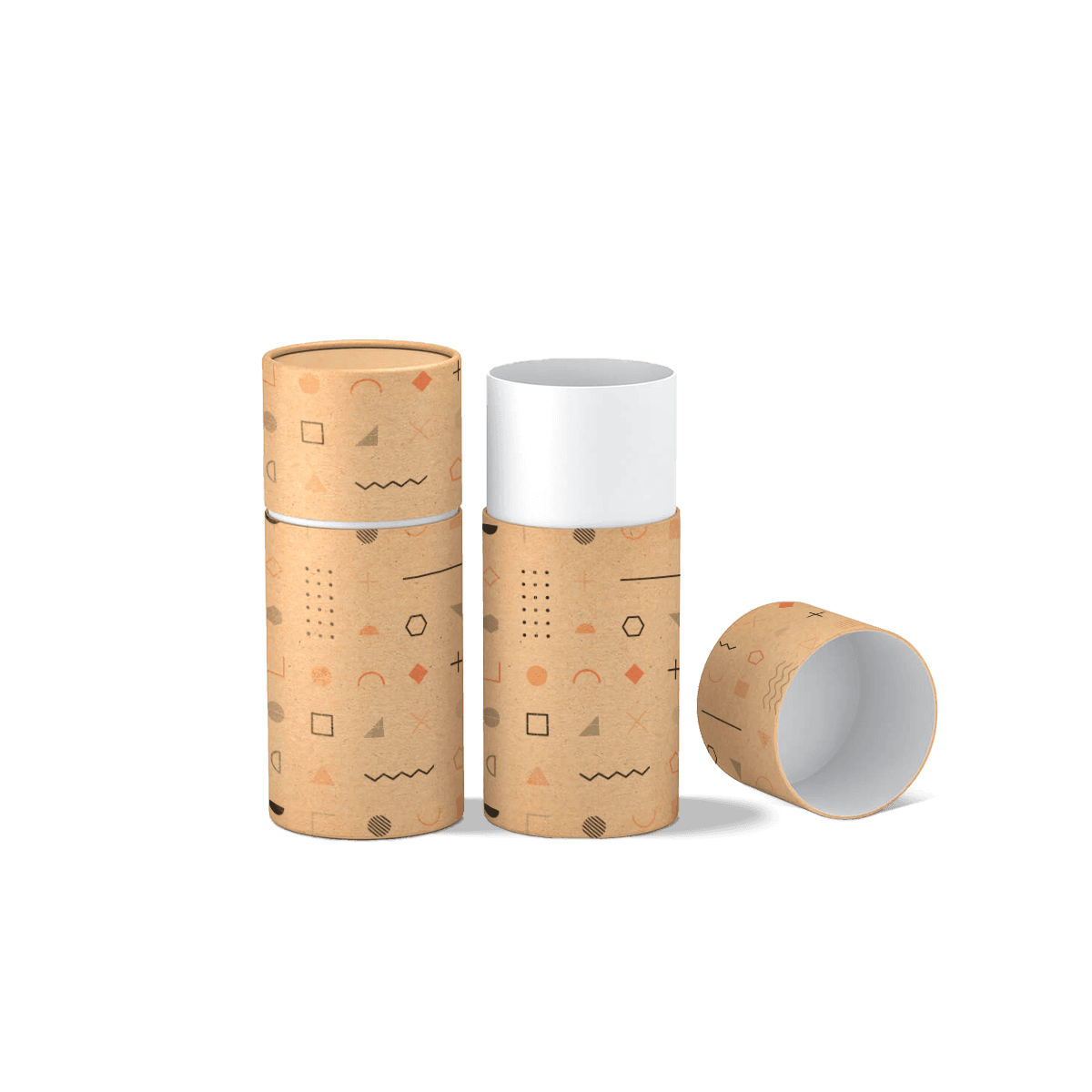
Kraft and White Wraps

Kraft paper creates a natural brown exterior, while white stock supports brighter printed colors and greater contrast.

Either appearance may suit a paper-based personal care product.

However, the exterior wrap does not establish the suitability of the internal liner.

For products where a natural paper appearance is the main consideration, kraft paper tubes can also be considered for appropriate cylindrical packaging applications.

A direct-contact dispensing tube still needs its own suitable liner and movable base.

Recyclable Material Options

Paperboard construction can support brands seeking to reduce reliance on certain conventional packaging materials.

However, the complete tube may contain coatings, liners, adhesives and other components that affect its disposal options.

A paperboard exterior does not automatically make the finished package recyclable, biodegradable or compostable.

Recyclable material options can be evaluated where they satisfy the formulation, filling and dispensing requirements.

Environmental claims should reflect the actual approved construction and applicable recycling conditions.

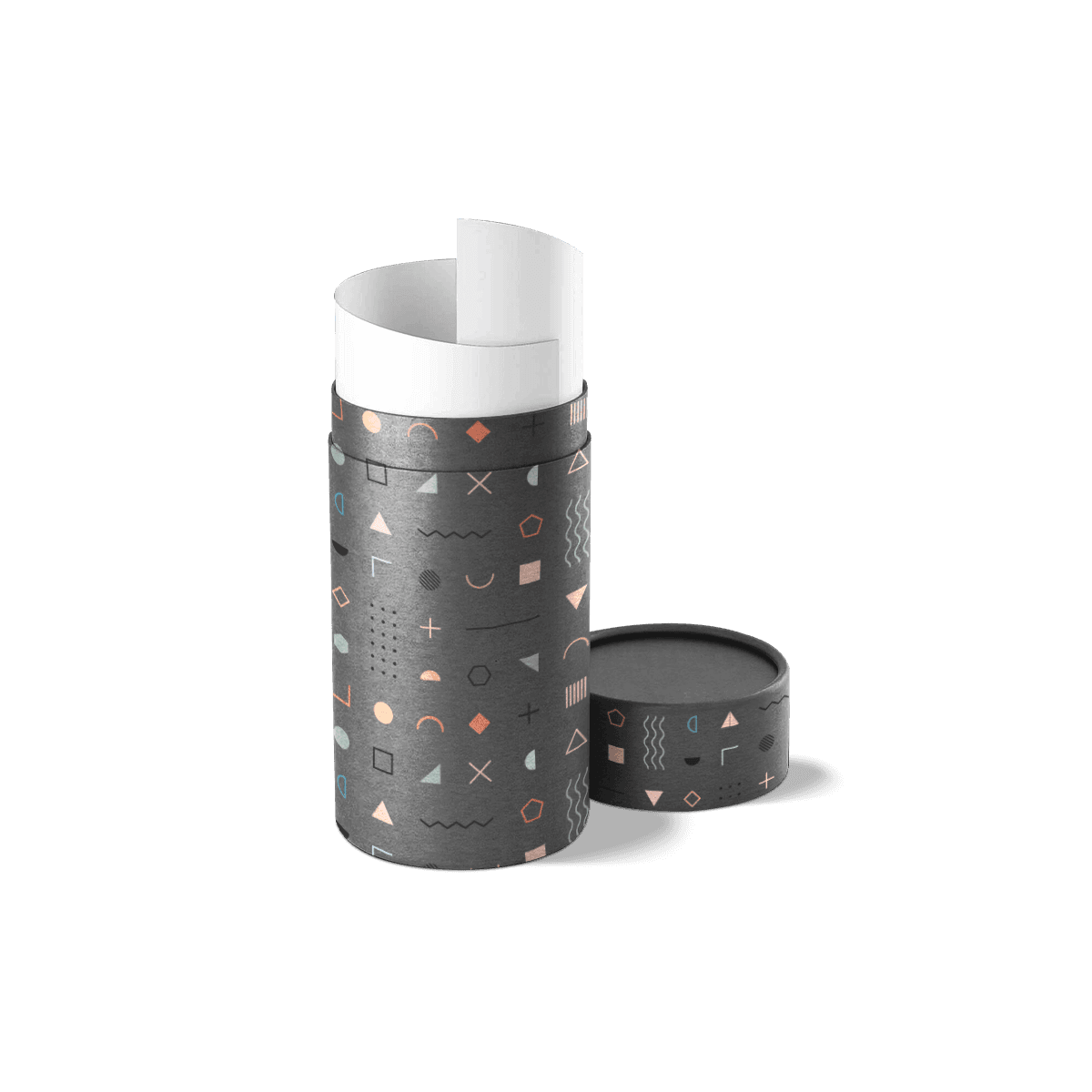
Artwork Around Moving Components

A push-up tube has a continuous curved print surface, a removable cap and an accessible bottom.

The printed design needs to accommodate those features.

The tube's functional construction should be established before the artwork is finalized.

Cap and Body Alignment

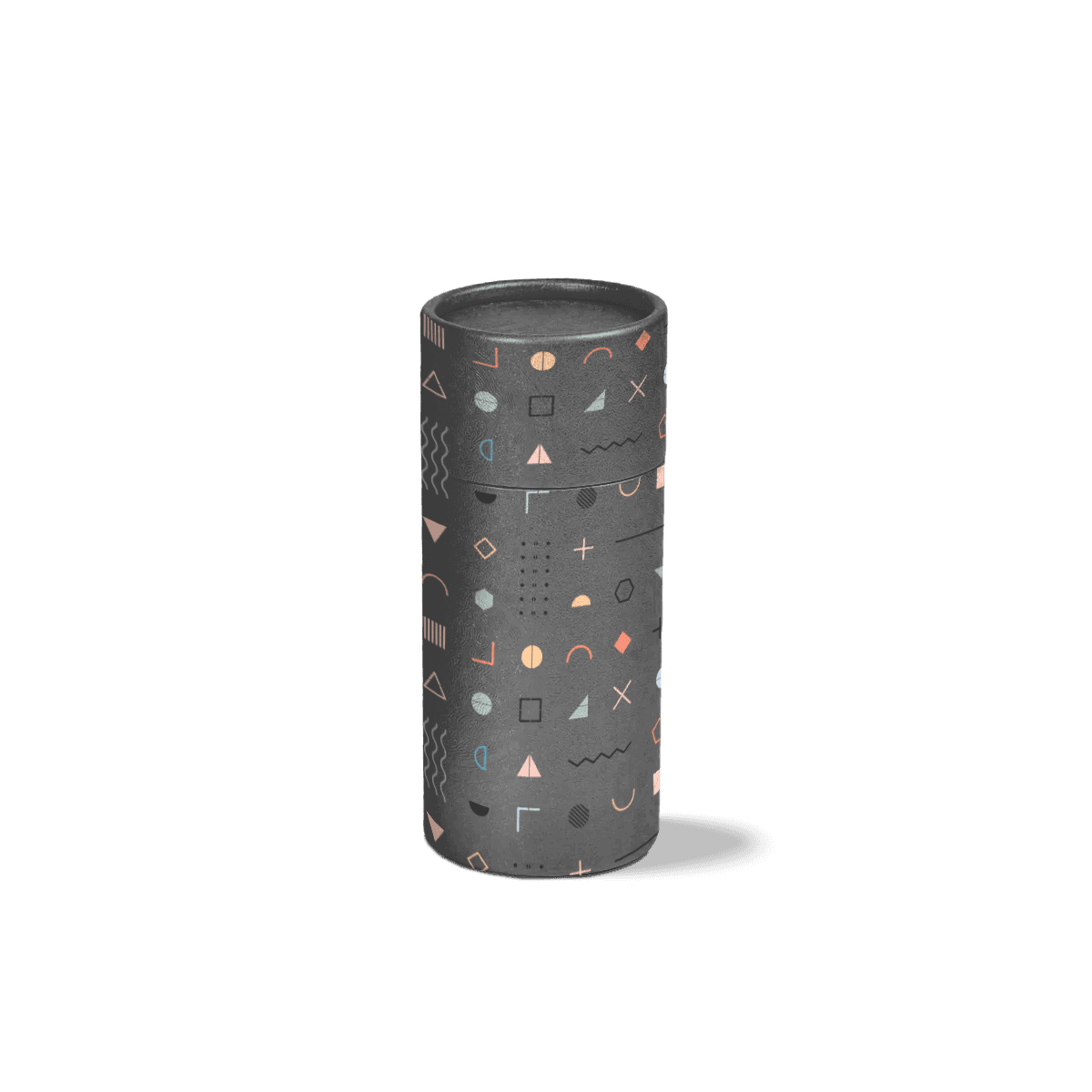
A separate cap may carry part of the visual identity.

However, an ordinary cylindrical cap can rotate relative to the body during use.

Graphics that depend on permanent alignment between the cap and body may therefore become misaligned.

For most constructions, the product identity should remain understandable regardless of the cap's rotation.

A pattern may continue across both components, but its appearance should not depend on an unverified alignment mechanism.

Regulatory and Product Text

Compact tubes can have limited usable space for ingredients, directions, warnings and other required labeling.

The responsible brand must establish the applicable content and approve the final artwork.

Essential text should remain clear of the wrap seam and areas concealed by the installed cap.

A barcode on a narrow cylinder also needs appropriate positioning and verification for the intended scanning conditions.

Where the required information cannot be accommodated appropriately, an additional approved label or secondary carton may be necessary.

Print and Finishes

Custom Packly provides free design support, dieline assistance and prepress review before production.

CMYK printing supports multicolor graphics, while Pantone colors may be considered when a particular brand shade needs controlled reproduction.

Premium offset printing can support the exterior wrap where appropriate for the selected construction.

Matte, gloss, foil and other finishes should suit the actual paper surface.

Decorative treatments must not interfere with the cap fit, moving components or required labeling.

A free 3D mockup can help assess the assembled appearance. The physical dispensing mechanism still needs separate evaluation.

Pricing the Dispensing Assembly

A push-up tube contains functional components that an ordinary cylindrical container may not need.

The moving disc, internal liner, tube body and cap affect its manufacturing requirements.

Changing any of these can alter the commercial specification.

The intended formula and filling process may also determine whether an existing construction is appropriate or a more specialized arrangement is required.

For a new project, the quote should account for the complete dispensing assembly rather than the printed outer tube alone.

The current Custom Packly USA offer includes US production, free shipping, free design support and 24/7 packaging expert assistance.

The general USA MOQ starts at 100 boxes. The minimum for a particular custom push-up tube construction should be confirmed separately because material, component and manufacturing requirements may affect the order.

The standard turnaround is 4–6 days after final artwork and specifications are approved. Specialist liners, custom components or additional compatibility work may require more time.

Free sample examples of previous work can help assess printing, paperboard and general construction.

For a new formula, a fully custom physical sample may be necessary to assess the actual dispensing mechanism. Such samples may be paid.

Once the intended tube construction and formula requirements are established, request custom push-up tube pricing for the complete assembly.

Retail Handling and Shipping

A push-up tube must remain functional after storage, retail handling and distribution.

A package that performs correctly during filling may be exposed to different loads when stacked, transported or carried by the customer.

The appropriate protective arrangement depends on the product and the intended distribution route.

Pressure on the Base

The moving disc should not be exposed to uncontrolled pressure during handling.

If the tube is placed against an object that presses its base, the product may advance unintentionally.

The tube construction and shipping arrangement should reduce the likelihood of that movement.

A protective outer carton or suitable internal support may be necessary for demanding distribution conditions.

Cap Retention in Transit

The removable cap needs to remain attached during ordinary handling and shipment.

A cap that separates can expose the product to unwanted contact or damage.

The complete filled tube should be evaluated under the expected distribution conditions.

The appropriate outer packaging should account for both cap retention and the product's temperature sensitivity.

Case Packing

Cylindrical tubes may need an appropriate packing arrangement to prevent rolling or unnecessary movement inside shipping cases.

The selected case should also protect printed surfaces from excessive rubbing.

For larger retail or ecommerce orders, shipping boxes can be specified around the finished tube dimensions and expected handling conditions.

An individual printed push-up tube should not automatically be treated as a suitable standalone parcel shipper.

The Last Portion of Product

A dispensing tube's performance matters most when the product is nearly finished.

The customer should be able to advance the remaining stick without the disc tilting, becoming trapped or losing its ability to support the product.

For a short remaining portion, the relationship between the disc, liner and tube opening becomes particularly important.

Final Disc Travel

The moving disc has a practical travel limit.

Its geometry and the tube construction determine how close the supported product can approach the opening.

The final position should allow the intended portion to remain accessible.

A disc that stops unnecessarily far from the opening may leave usable product trapped inside the package.

However, increasing its travel should not compromise retention or allow the disc to become detached during normal use.

Residual Product

Some product may remain attached to the disc or internal wall after the stick has been used.

The amount depends on the formulation and packaging construction.

The manufacturer should establish an appropriate relationship between the declared fill, the product's intended use and the amount that can practically be dispensed.

A visually full tube does not establish that all its contents will be accessible.

Practical End-of-Use Design

A smaller, simpler mechanism can be commercially appropriate when it delivers the intended product reliably.

An unnecessarily elaborate construction may increase production requirements without improving dispensing.

The best push-up arrangement maintains controlled disc movement, supports the formula and permits practical access to the remaining product.

For Custom Push-Up Tubes, the final engineering decision is how the disc behaves throughout the product's use, from the first application to the last accessible portion.

FAQs

No. They also suit sunscreen sticks, solid moisturizers, grooming balms, sample-sized wellness products, and other formulas meant for direct application.

Yes. Push-Up Tubes need tighter engineering than a simple outer pack because the inner fit affects how smoothly the product moves and how secure it feels in use.

Choose Push-Up Tubes when the package itself is meant to dispense the product. Lipstick Tube Packaging is the better fit when the tube is used more as branded outer packaging around a lipstick-style item rather than as the dispensing pack.

This style is often considered for that reason. A paper-based tube may reduce reliance on some plastic components, but its liner, coatings and disposal conditions determine its actual environmental performance.

More than many buyers expect. These tubes can carry printed wraps, foil details, color coding, ingredient cues, and other personalized graphics that help smaller SKUs stand out on the shelf.

Process

How it works

Your Packaging Journey, From Idea to Production and Delivery

01

Tell Us Your Specs

Custom packaging boxes

Tell Us Your Specs

Provide size, quantity, printing, and finishes.

02

Get a Fast Quote

Custom packaging boxes

Get a Fast Quote

Instant transparent pricing, no hidden fees.

03

Design and Approval

Custom packaging boxes

Design and Approval

Artwork checks, revisions, and final sign-off.

04

Produce

Custom packaging boxes

Produce

Expert manufacturing to meet deadlines.

05

Ship to Your Door

Custom packaging boxes

Ship to Your Door

Hassle-free, flexible delivery options.

Get Your Quote for Custom Push-Up Tubes

Share your product details, size, quantity and artwork needs. We’ll help choose the right packaging style and send a clear quote.