Skip to content
Details

Custom Eyeliner Boxes

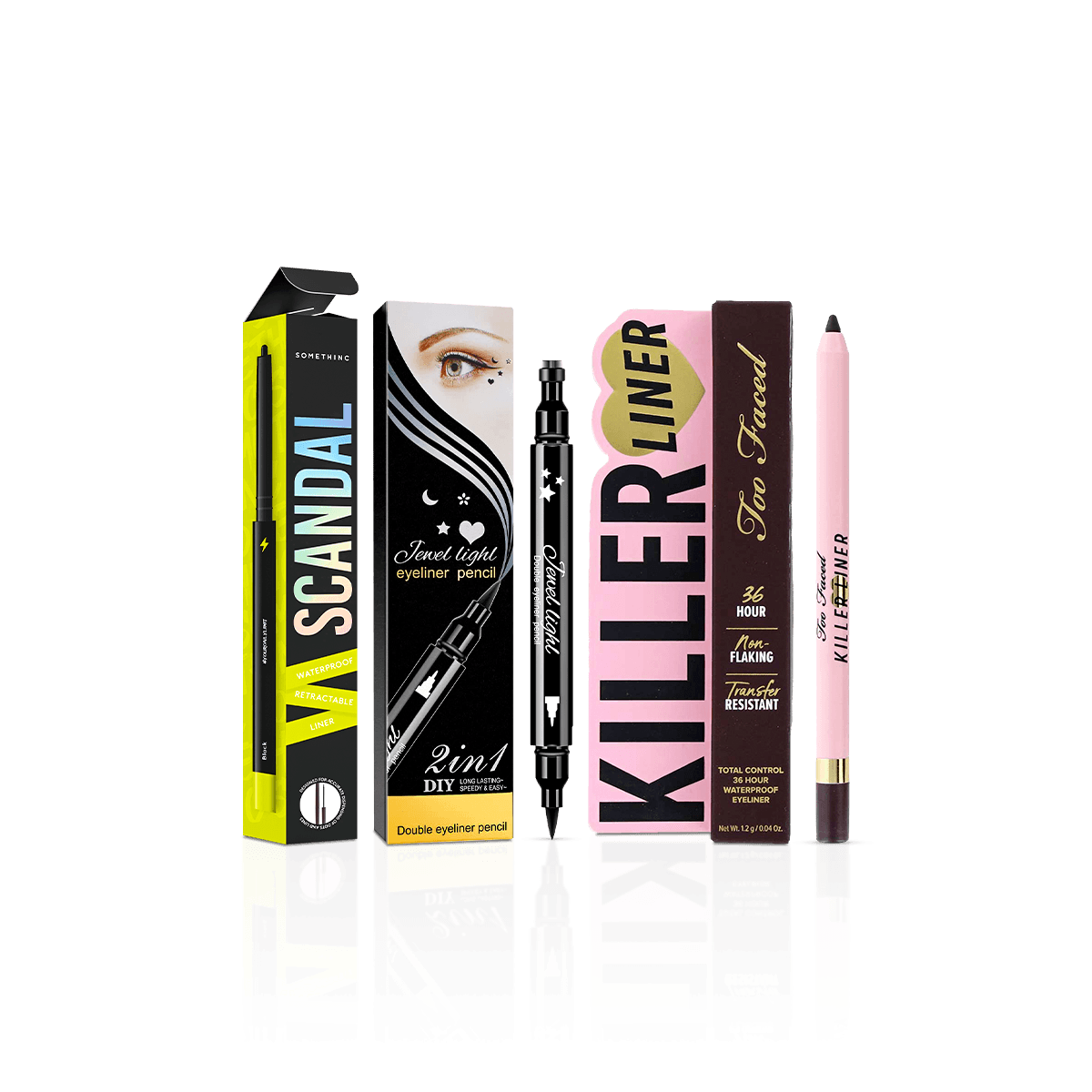
Slim cosmetic packaging specified around pencil, pen, liquid and gel eyeliner containers, with controlled tip clearance, retail orientation and enough panel space for each SKU.

One Name, Four Geometries

“Eyeliner” does not describe one package shape. A wooden or retractable pencil, felt-tip pen, liquid liner bottle and gel pot can all sell under the same product name while needing very different outer cartons.

That distinction should be settled before the dieline.

A pencil or pen creates a long, narrow pack. Liquid eyeliner may have a wider cap, decorative collar or short bottle beneath the applicator. A gel pot creates a compact footprint, and a separate brush can turn one small item into a two-component packing problem.

Custom Eyeliner Boxes should therefore follow the applicator system rather than a standard eyeliner carton size.

Pencils and Pens

Pencil and felt-tip formats usually need a slim carton with enough clearance at both ends for the complete closed product.

The carton should prevent excessive longitudinal movement without pressing against a cap, retracting mechanism or sharpened component.

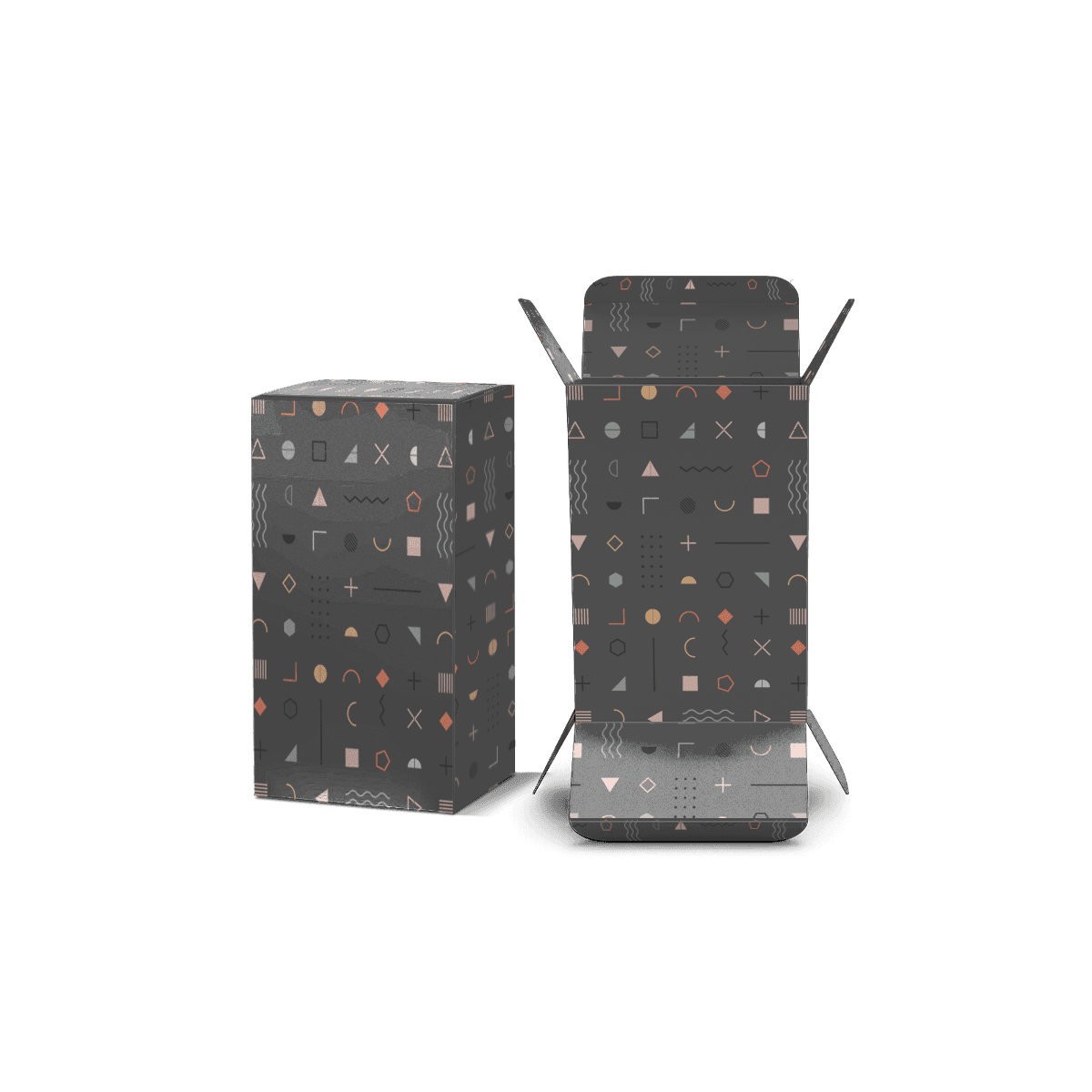
A narrow folding carton often suits this job because the structure stores flat and uses little material while creating several printable faces around a slim product.

Liquid Liners

Liquid eyeliner containers can shift from narrow pen-like bodies to short bottles with long applicator caps.

Measure the widest component, not merely the reservoir.

A cap may set the carton width even when most of the container is much thinner. Decorative shoulders and collars also need clearance so the product can enter the carton without catching against the opening.

Gel Pots and Brushes

Gel eyeliner changes the geometry completely.

A small pot may suit a compact carton rather than a tall narrow one. If a brush is packed with it, the design has to decide whether the brush sits alongside the pot, above it or in a separate insert channel.

Forcing this configuration into a pencil-style carton simply because both products are eyeliner creates wasted space and poor presentation.
Retail Position Changes the Front

Eyeliner cartons can sell upright, lie horizontally, sit in a counter tray or hang from a retail fixture. Each position creates a different primary viewing surface.

A package designed only as a front-facing box may become difficult to identify when the retailer presents it by the end panel.

That makes merchandising orientation part of artwork planning.

Upright Shelf Packs

When cartons stand vertically, the narrow top panel may remain visible during stocking while the larger front panel carries brand and product communication.

Shade, formula or finish identifiers should remain easy to find without requiring staff to pull every unit from the row.

Horizontal Presentation

Long eyeliner cartons may also lie flat.

In that position, a side panel can become the dominant retail face. Artwork should be built around the real orientation rather than treating every side panel as secondary copy space.

Counter Assortments

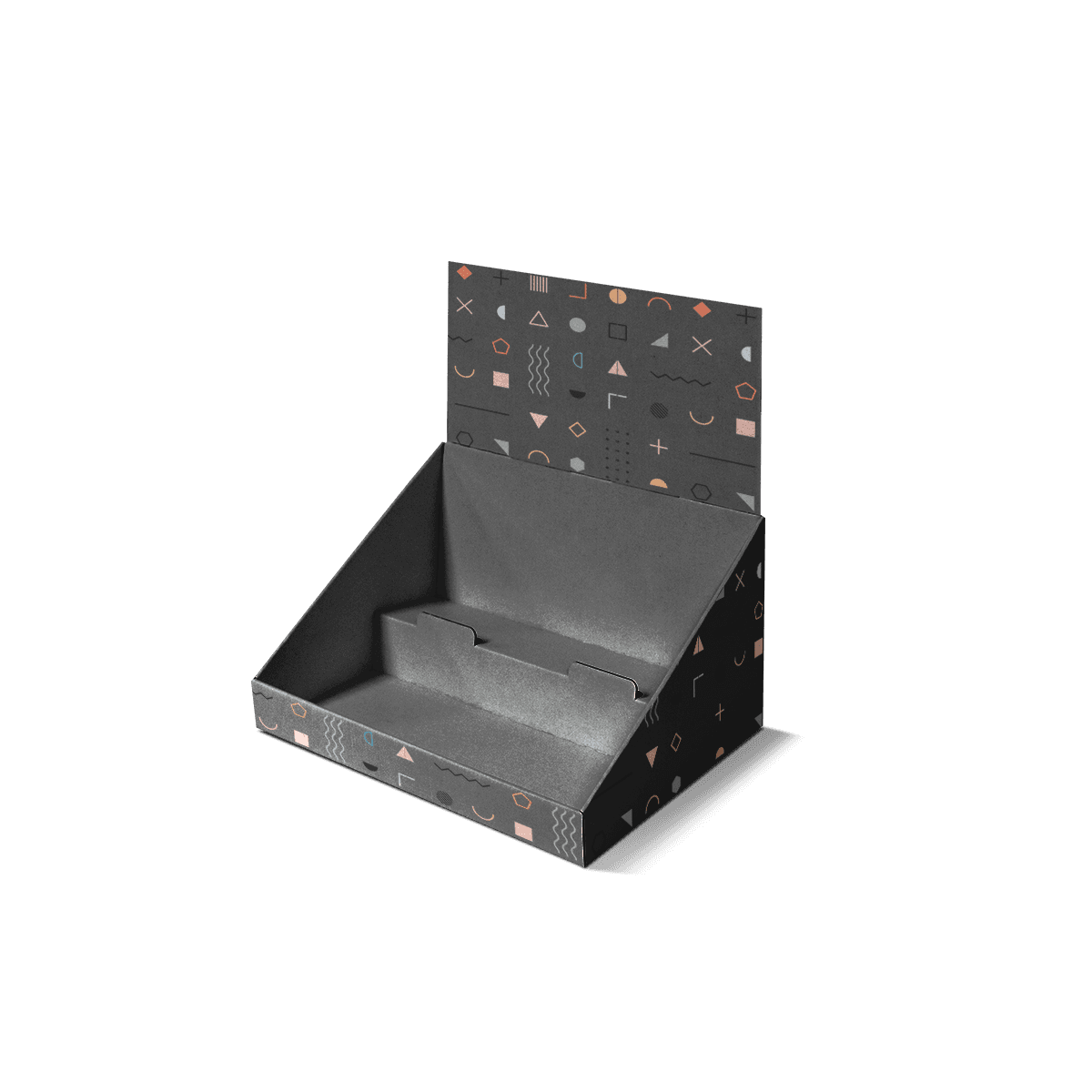
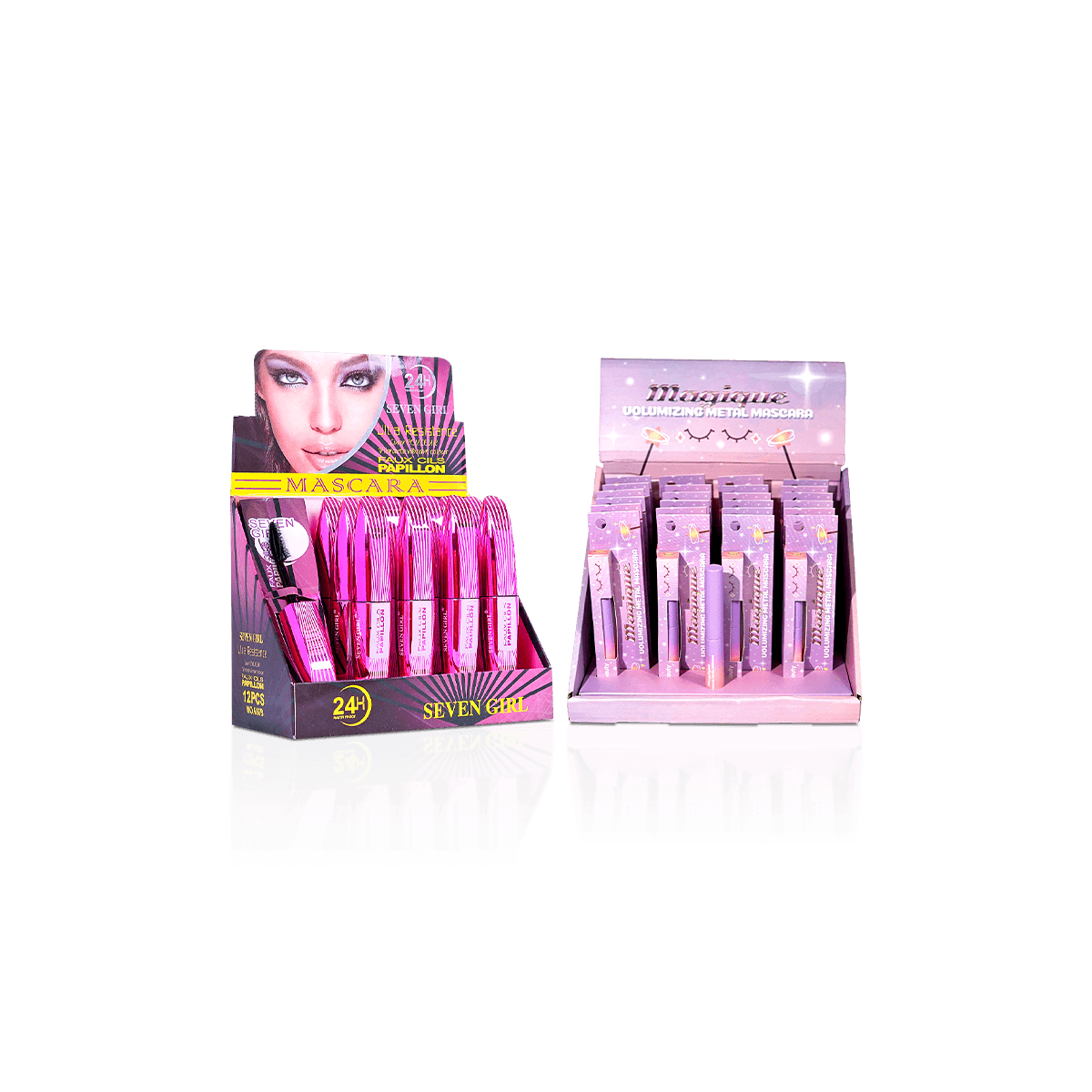
Multiple liners often work as a grouped retail presentation. Display Boxes can organize compact cosmetic units when the sales setup depends on several products being presented together.

Carton height, display lip height and shade-label position should be coordinated so the merchandising unit does not hide the information customers need to choose a product.

Protect the Working End

An eyeliner package has one area that matters disproportionately: the end that controls product application.

For a pencil, that may be a cap or retracting end. For a felt-tip liner, the cap protects the applicator. Liquid liners may use a wand attached to the cap. The carton should restrain the closed product without transferring unnecessary pressure to these components.

This is a different fit problem from protecting the middle of the container.

Leave Functional Clearance

Internal height should account for the entire closed product plus sensible loading clearance.

Do not make the carton so tight that a tuck flap presses directly against a protruding cap. Repeated pressure during packing, case handling or shelf stocking can mark the component or make the carton harder to close cleanly.

At the other extreme, excessive headspace lets a long eyeliner move from end to end.

The correct fit keeps the product contained without making the closure of the primary container part of the carton structure.

Packout Direction Matters

Consider a felt-tip eyeliner loaded cap-first into a narrow carton. The product dimensions appear correct, but the cap edge repeatedly catches the inner edge of a flap during hand packing.

The carton is not technically too small. The loading path is wrong for the internal geometry.

Slightly adjusting clearance, flap interaction or packout direction can let the pen enter straight without rubbing the cap while preserving a close finished fit.

That reduces unnecessary handling during assembly without enlarging the carton more than needed.

Narrow Cartons Can Lose Their Shape

A long eyeliner carton has relatively little depth compared with its height. If the board, crease setup or carton proportions are poorly matched, broad faces can bow or the pack can feel weak when squeezed.

More material is not automatically the answer.

The first check is whether the carton has been right-sized. Extra width around a thin pen creates larger unsupported panels and more room for the item to move.

Paperboard choice, grain direction, panel proportions and crease quality all contribute to how the finished pack behaves.

Custom Packly's packaging capabilities can support decisions involving paperboard, print, finishing and structural setup once the eyeliner dimensions are known.

For most lightweight single units, a properly specified paperboard carton can keep the package compact without moving into rigid construction.

Separate Formula From Shade

Eyeliner assortments may vary by color, finish and applicator type.

Black, brown or colored liners can also exist as pencil, liquid, felt-tip or gel products under the same brand. Packaging needs a system that tells those differences apart without forcing every SKU into a completely different visual identity.

The first distinction should be functional: what product is inside?

The second is the variant.

A customer looking for a liquid liner should not have to decode a shade color first to discover that the neighboring product is a pencil.

Assign Information Zones

Keep the product form, shade name and SKU identifier in predictable positions.

For example, the product type may stay near the main product name while shade identification occupies an end panel used during stocking.

That consistency matters when many narrow cartons sit close together and only part of each package is visible.

Custom retail packaging works best when product identification remains clear through stocking, scanning and shelf presentation rather than only in a flat artwork proof.

A Thin Panel Has No Spare Space

Slim eyeliner cartons create a difficult artwork problem: the amount of required copy does not shrink simply because the package is narrow.

Branding, product type, shade identification, barcode space, ingredient copy and other brand-supplied text still have to fit somewhere.

Trying to solve that by shrinking everything produces weak hierarchy and difficult reading.

Use the Entire Carton

The front panel does not have to carry every message.

Side panels, back panels and end flaps can each take a defined role. The main viewing face can stay focused while secondary text moves to surfaces customers inspect after picking up the product.

Artwork should be placed only after the structural file is settled. A packaging dieline establishes the panel boundaries, folds, cuts, bleed and safe areas that determine where small text can sit reliably.

Respect the Manufacturer's Joint

The glue seam can consume valuable space on a very narrow carton.

Do not place critical text or a tightly centered design across that area without checking how the blank is assembled.

Free design and dieline support can help position artwork around the real structure rather than treating the carton as a continuous rectangle.

Dark Artwork Needs Deliberate Color Control

Eyeliner branding frequently relies on dark artwork, high contrast and fine typography. Those elements can look simple on screen while still needing careful print setup.

A deep black background, fine white type and a metallic logo each behave differently in production.

Brand colors can be planned through CMYK and Pantone printing when consistency across several cosmetic SKUs matters.

The objective is not to make every eyeliner carton black. It is to control whatever color system the brand actually uses.

Premium offset printing can support fine cosmetic artwork across multiple cartons, while a free 3D mockup lets the team inspect how the design wraps around a narrow structure before production.

Finishes Need Enough Surface to Work

A narrow carton does not give every finishing technique equal room.

Large foil areas can overwhelm the small face. Embossing placed too close to a crease may compete with structural folds. Spot UV can work well on a compact logo or product name because the contrast is concentrated.

The most effective finish is the one that survives the scale of the carton.

The difference among matte, gloss, foil, embossing and spot UV should be judged against the actual artwork area rather than selected from a finish list.

A slim eyeliner carton often benefits from restraint because small decorative decisions already occupy a significant share of the visible panel.

Sets Need a Different Interior

A single eyeliner and an eyeliner collection are different packaging projects.

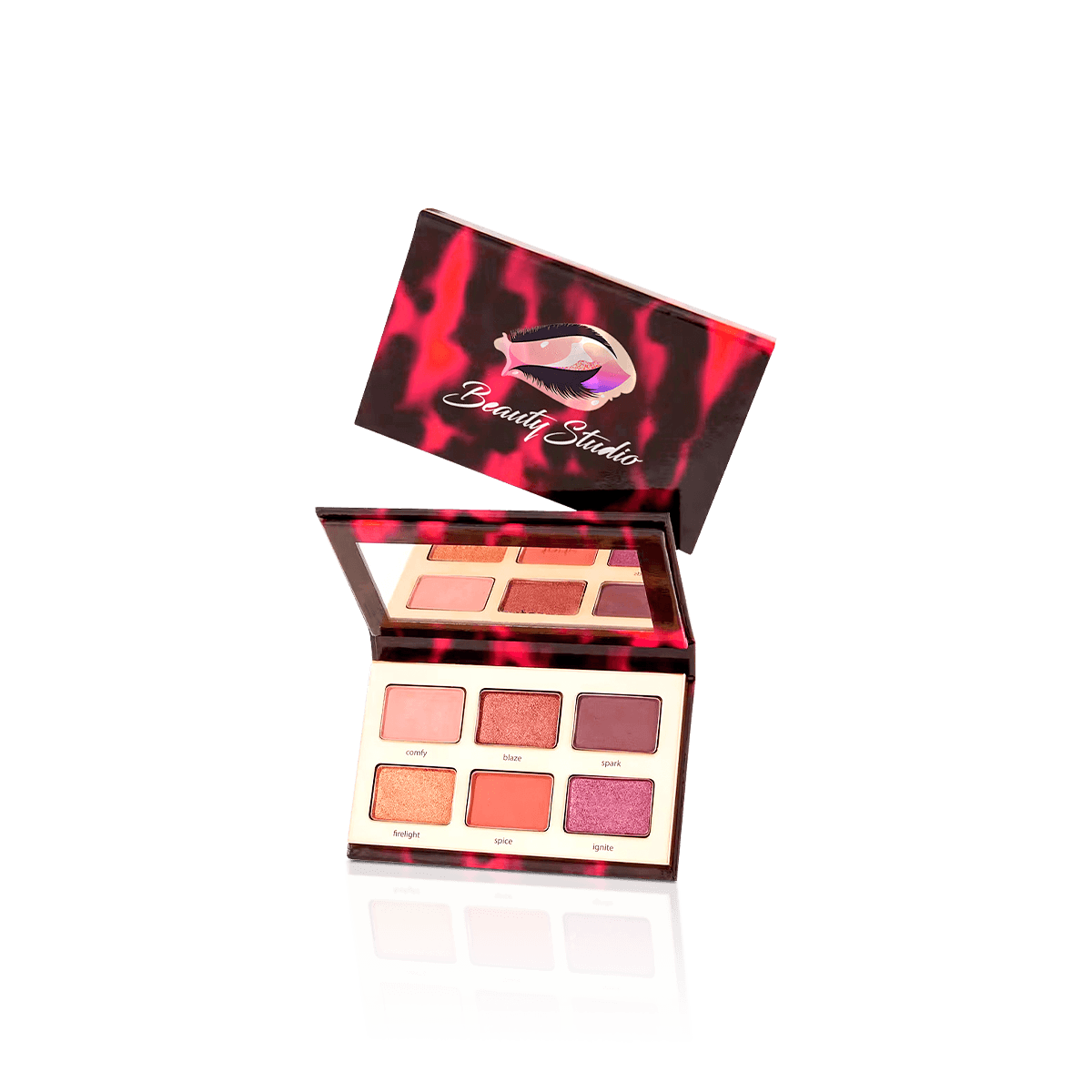
A trio of pencils can sit parallel inside a tray. A liquid liner paired with an eyeshadow or mascara creates mixed product heights. A gel pot with a separate brush requires two distinct cavities.

Once several components share one presentation box, loose packing becomes more noticeable.

An insert can separate applicators, stop products crossing over one another and set the order in which the collection is seen.

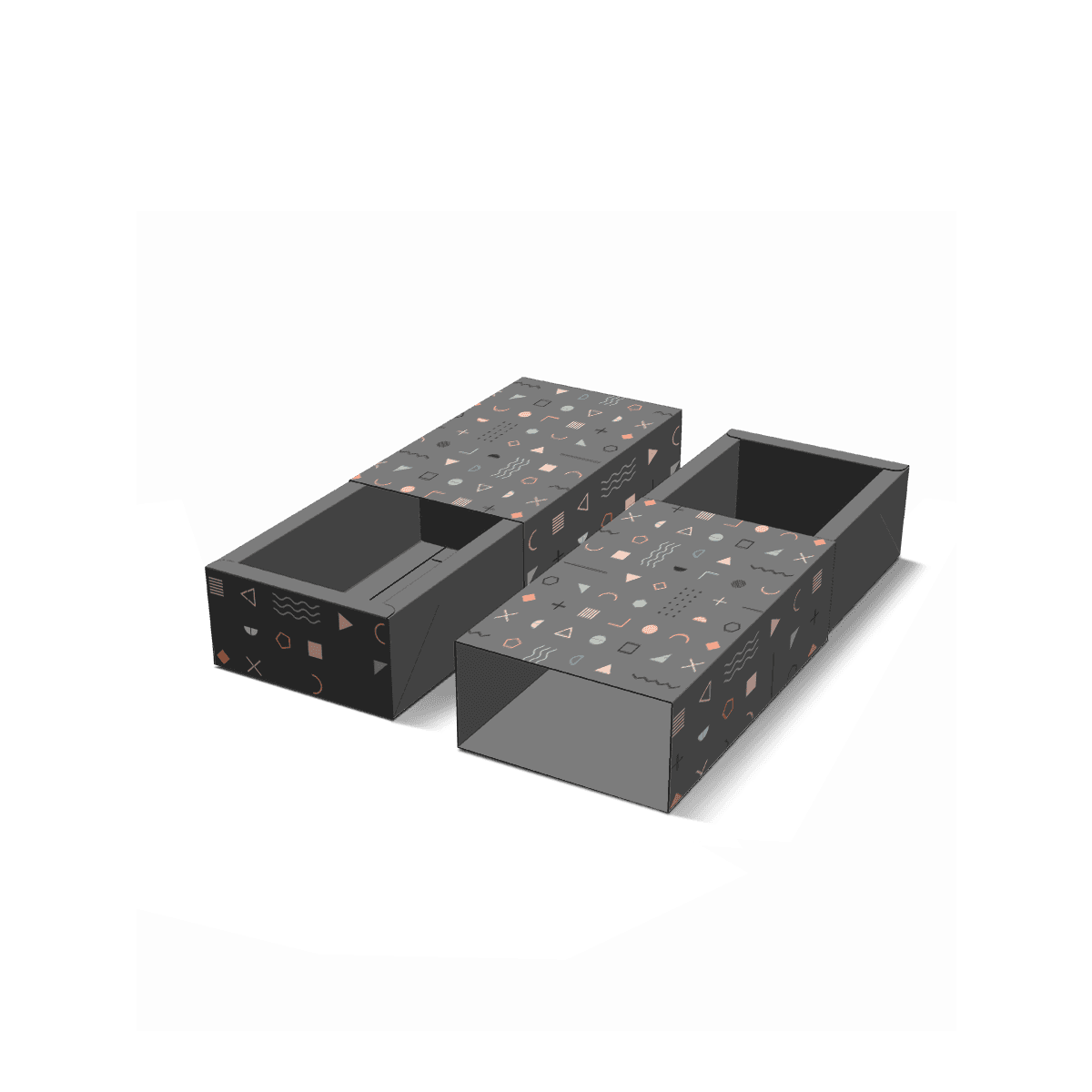
That does not mean every eyeliner set needs rigid packaging. A folding carton with a paperboard tray may be sufficient for a lightweight retail set. Higher-value launches may justify a more substantial presentation when the box itself is part of the release.

The decision should follow product count, weight and opening experience rather than the word “set.”

Parcel Shipping Is a Second Layer

The individual eyeliner carton is usually secondary packaging, not a parcel shipper.

A slim carton can be crushed when it moves freely beside heavier cosmetics inside an oversized mailing box. Multiple liners can also collect at one end of a shipment if the outer pack leaves too much empty space.

The outer package needs to control the finished eyeliner cartons as a group.

That may mean right-sizing the mailer, separating heavy glass products or arranging several slim cartons so they do not carry loads they were never meant to handle.

The principle behind reducing shipping damage through packaging fit applies at both levels: the eyeliner should fit its carton and the carton should fit the shipping pack.

Standardize by Applicator Group

A growing eyeliner line does not necessarily need a unique structure for every shade, but it should not force every product form into one dieline either.

Group SKUs by physical geometry first.

One carton size may cover several felt-tip shades if every pen uses the same container. Another can cover retractable pencils sharing the same dimensions. Liquid bottles with a wider cap may need their own structure. Gel pots belong in a separate dimensional group.

This creates a cleaner production system than standardizing by product name alone.

Within each dimensional group, artwork can change by shade, finish or collection while the core dieline remains consistent.

MOQ for USA orders starts from 100 boxes. Custom Packly also supports US production, premium offset printing, free shipping, free 3D mockups, design and dieline support and bulk or repeat-order coordination.

Standard turnaround is 4–6 days after final artwork and specifications are approved. Complex structures, specialty materials or advanced finishes may require additional time.

For production planning, identify the eyeliner type, exact closed dimensions, cap or collar projections, quantity by physical size and SKU, retail orientation, display or hanging requirements, set inserts, print finishes and artwork status.

The key decision is straightforward: standardize where eyeliner containers are genuinely the same, and separate them where the applicator architecture changes. That keeps the packaging compact, the retail system easier to manage and the structural specification tied to the product inside.

FAQs

Yes, because eyeliner packs are unusually slim. They need tighter panel planning so shade names, claims, and compliance text stay readable without making the carton feel crowded.

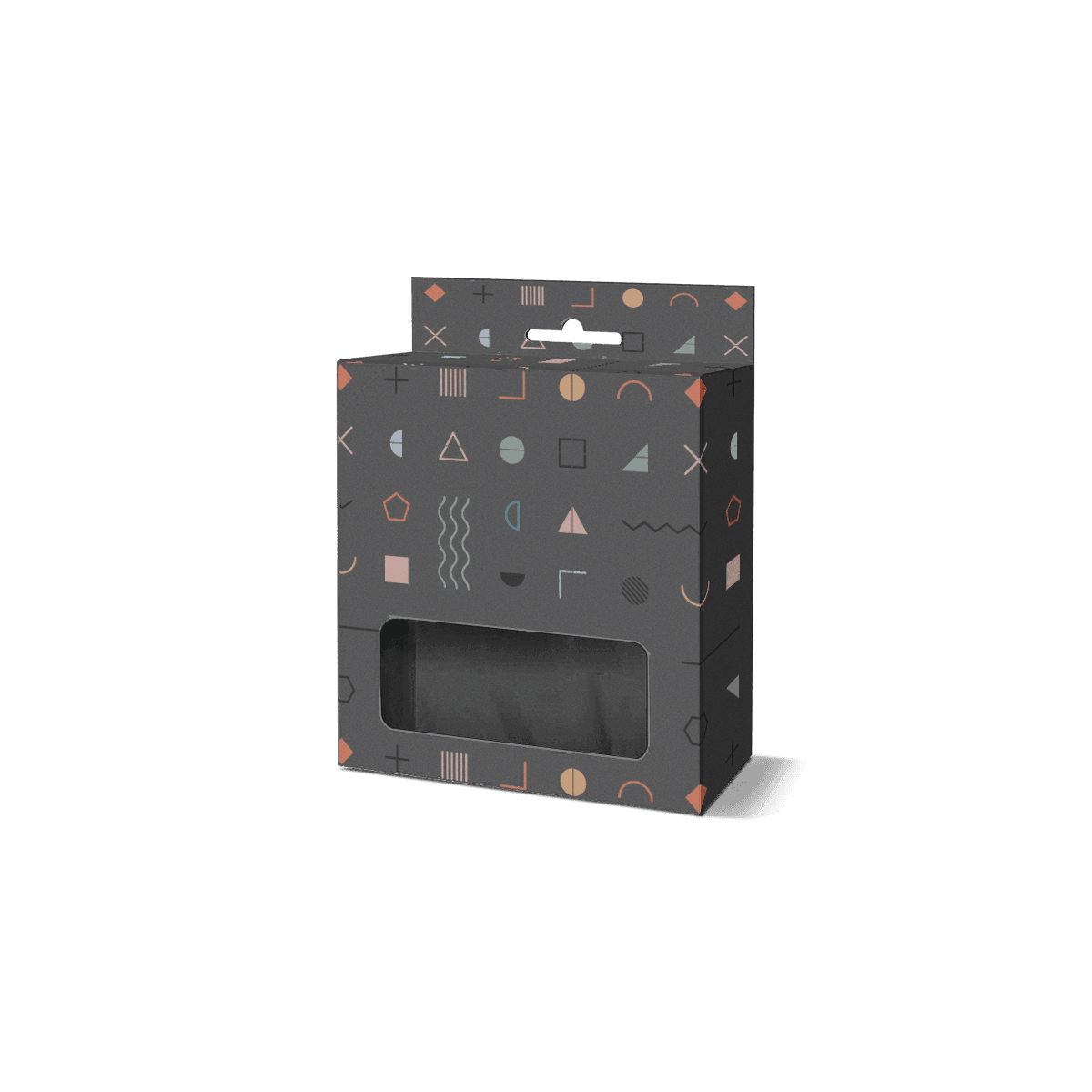
That depends on how the line is merchandised. Shelf-ready cartons work well in trays and grouped assortments, while hang-ready formats make more sense for peg displays where visibility and quick shopper access matter more.

Usually yes, but only when the layout is planned carefully. Side panels, bottom panels, and clear hierarchy are important because the available surface area is limited.

Eyeliner boxes are better for individual unit branding and slim-SKU organization, while mascara display packs work better when the goal is bulk counter presentation for a larger, more visual product format. Some brands combine both approaches across the eye category.

Yes. They help keep small eye products grouped, easier to pick in fulfillment, and better protected when packed with other cosmetics inside a mailer or shipping carton.

Process

How it works

Your Packaging Journey, From Idea to Production and Delivery

01

Tell Us Your Specs

Custom packaging boxes

Tell Us Your Specs

Provide size, quantity, printing, and finishes.

02

Get a Fast Quote

Custom packaging boxes

Get a Fast Quote

Instant transparent pricing, no hidden fees.

03

Design and Approval

Custom packaging boxes

Design and Approval

Artwork checks, revisions, and final sign-off.

04

Produce

Custom packaging boxes

Produce

Expert manufacturing to meet deadlines.

05

Ship to Your Door

Custom packaging boxes

Ship to Your Door

Hassle-free, flexible delivery options.

Get Your Quote for Custom Eyeliner Boxes

Share your product details, size, quantity and artwork needs. We’ll help choose the right packaging style and send a clear quote.