Skip to content
Details

Custom Treat Boxes

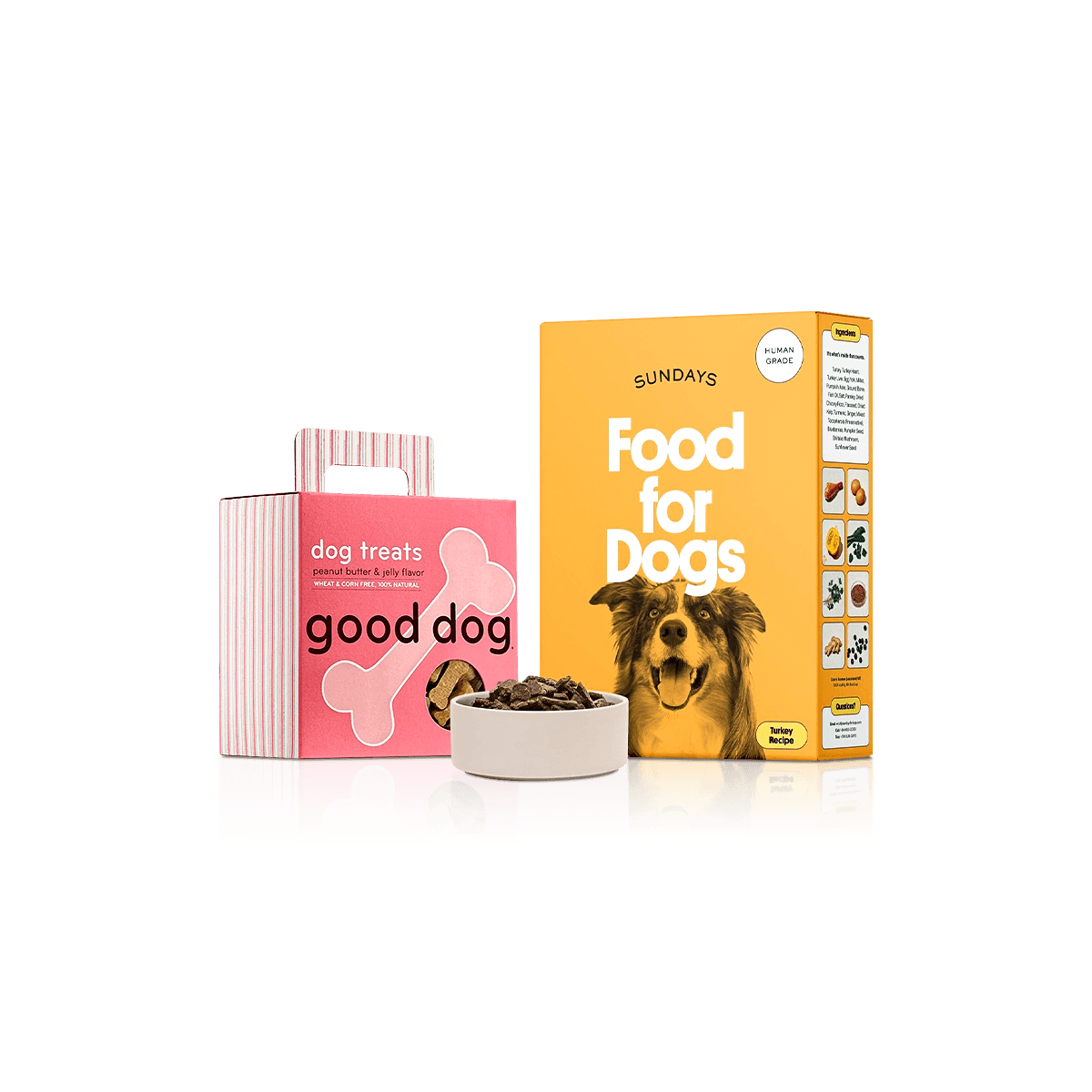
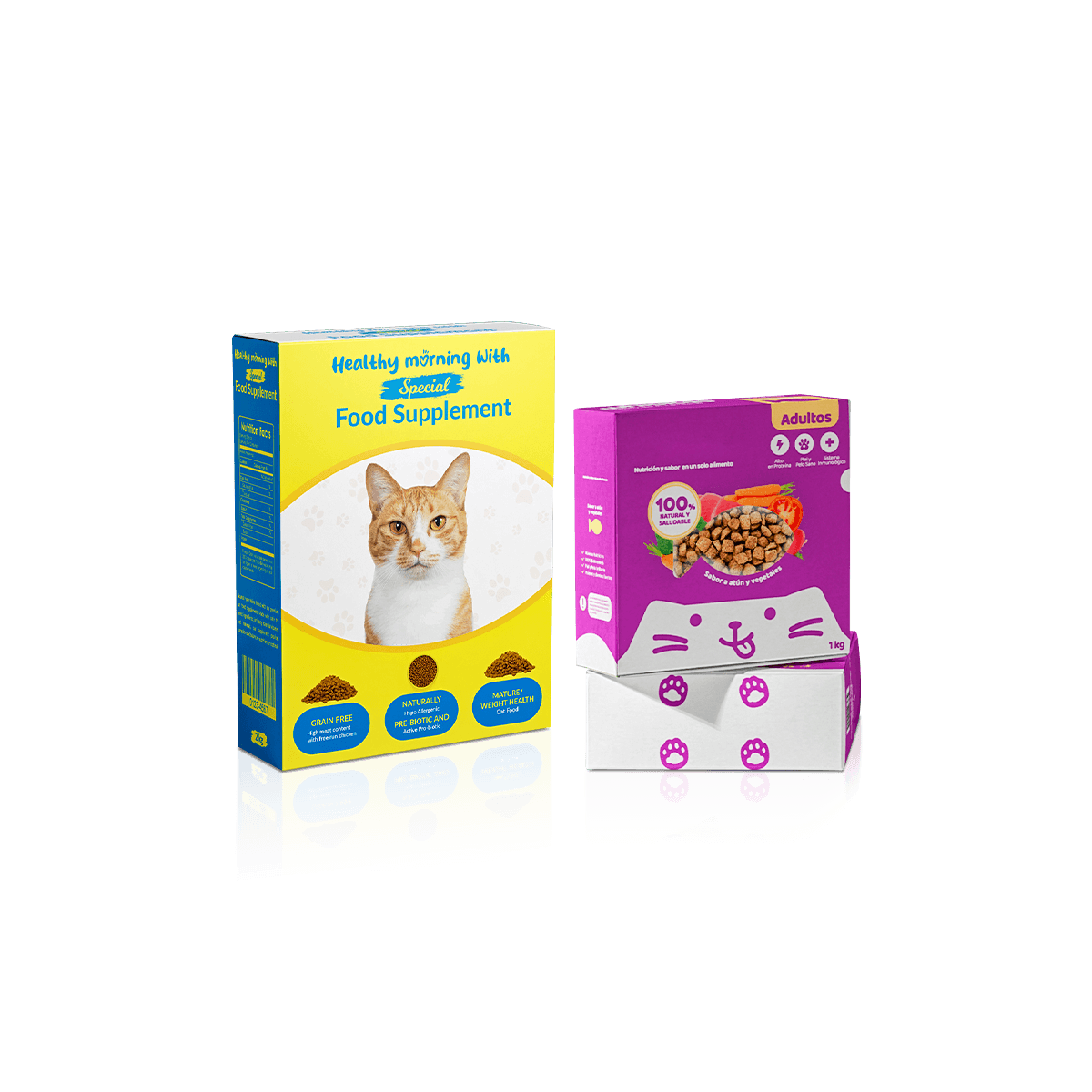
Printed treat cartons for biscuits, wrapped chews and multi-flavor samplers, with organized presentation, practical openings and clear retail identification.

Arrange Treats for Selection

A treat sampler loses much of its appeal when customers open the carton and find biscuits, chew sticks and small snack packs piled together. The assortment may contain everything promised, but the presentation makes individual treats difficult to identify and remove.

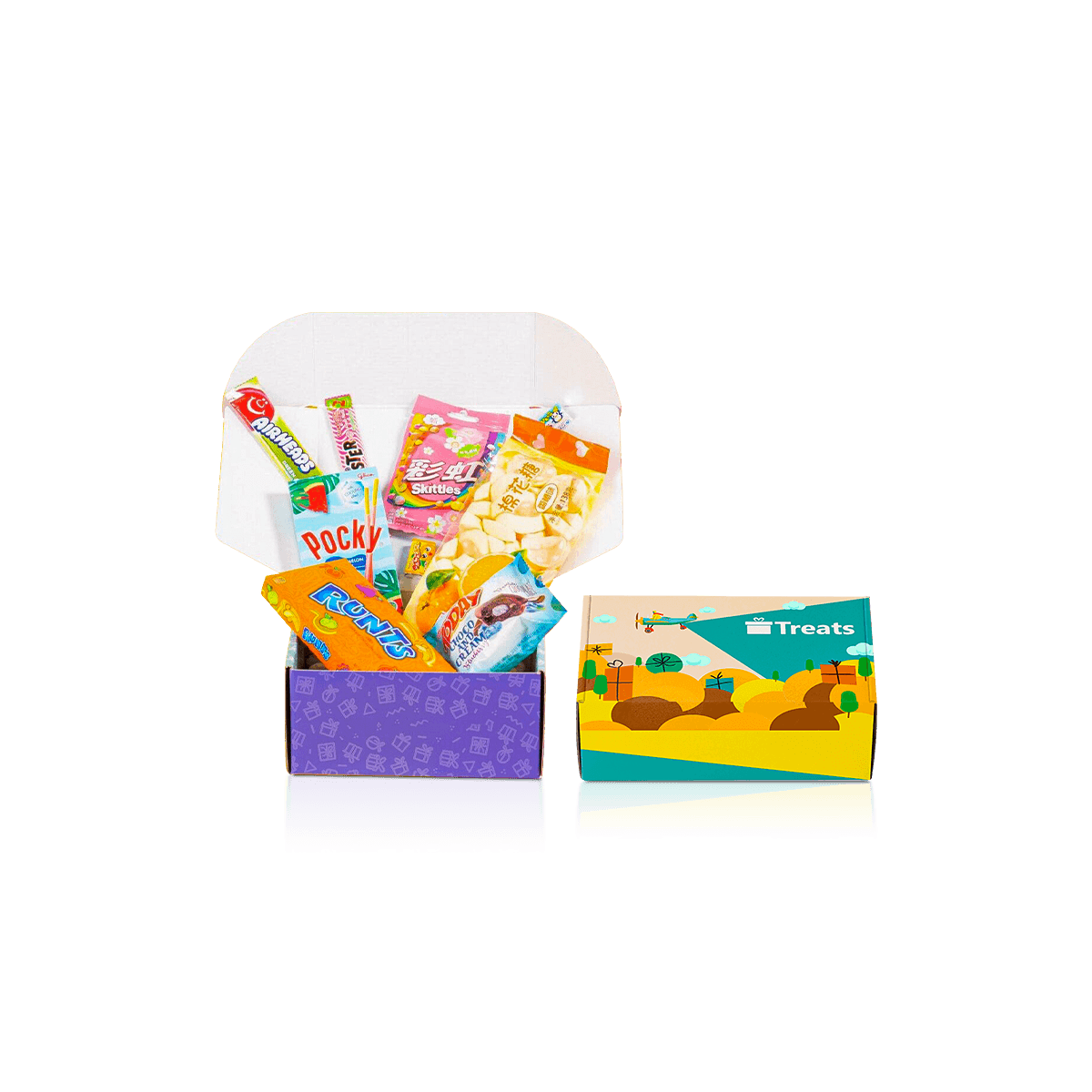
Custom Treat Boxes solve this problem by giving packaged snacks a defined arrangement. They can hold a single sealed biscuit pack, organize several individually wrapped rewards or present a mixed assortment as one retail product.

The right construction depends on how the treats will be selected and used. A carton containing one sealed pouch needs a straightforward opening and appropriate clearance. A gift assortment may need compartments, a shallow tray or a different arrangement that keeps each treat visible.

Custom Packly develops custom sizes, printed cartons and internal components around the intended treat arrangement, helping brands establish a package that works during packing, retail display and customer use.

Everyday Treat Packs

An everyday treat carton generally contains one sealed bag of biscuits, training rewards or other snacks.

A folding carton gives the inner pack a consistent external shape and additional space for branding, product identification and feeding instructions.

The internal cavity should accommodate the filled pouch without excessive compression. Rounded corners, gussets and sealed edges can affect the space required even when the nominal fill weight remains unchanged.

For products that customers repeatedly open throughout the day, the primary pouch's resealability may be more important than a complicated carton closure.

Mixed Reward Samplers

Sampler boxes need a deliberate picking arrangement.

Individually sealed treats can be organized by flavor, texture, size or intended use. The arrangement should make the assortment recognizable without requiring customers to remove every item.

A shallow tray can present the contents together, while compartments can separate products that differ substantially in shape.

The number of individual packs matters, but so does the order in which customers encounter them.

An attractive assortment should remain practical after the first treat is removed.
Biscuit Breakage and Carton Fit

Brittle treats create a different packaging problem from soft training bites or individually wrapped chew sticks.

A carton may arrive without visible damage while the biscuits inside have broken. Extra empty space, pressure from other products or an unsuitable internal arrangement can contribute to this problem.

The outer box should support the protected treat pack without transferring unnecessary pressure to its contents.

Brittle Biscuits

Biscuits and baked rewards can fracture when concentrated pressure reaches individual pieces.

A sealed pouch provides containment, but it does not necessarily stop biscuits from pressing against one another during handling.

The appropriate outer carton depends on the primary pack's construction and how the biscuits are arranged inside it.

A closely fitted carton can limit unnecessary movement. However, excessive compression can make the problem worse, particularly when the filled pouch has an uneven surface.

For assortments containing several biscuit packs, a shallow tray or simple paperboard divider may help separate them from heavier components.

The objective is to support the packaged products, not to press directly against individual biscuits.

Long Chew Sticks

Wrapped dental chews and elongated treats need sufficient length and appropriate end clearance.

The packaging must accommodate the complete wrapped product, including any excess film or sealed ends.

A carton that fits the chew itself but not its wrapper may bend the packaged product or make insertion difficult.

Longer treats may be better arranged side by side rather than stacked across the bottom of a deep carton.

Where several wrapped chews are sold together, a paperboard sleeve or fitted tray can help maintain their intended orientation without requiring a separate compartment for every piece.

Soft Training Rewards

Small, soft training treats generally require less rigid internal restraint than brittle biscuits.

Their packaging requirements often center on portion size, containment and convenient access.

For individually sealed trial portions, a compact printed carton can group several sachets into one retail unit.

For loose treats sold in a resealable primary pouch, adding a carton should serve a clear merchandising or product-organization purpose.

A heavier construction is not automatically beneficial simply because the contents are food.

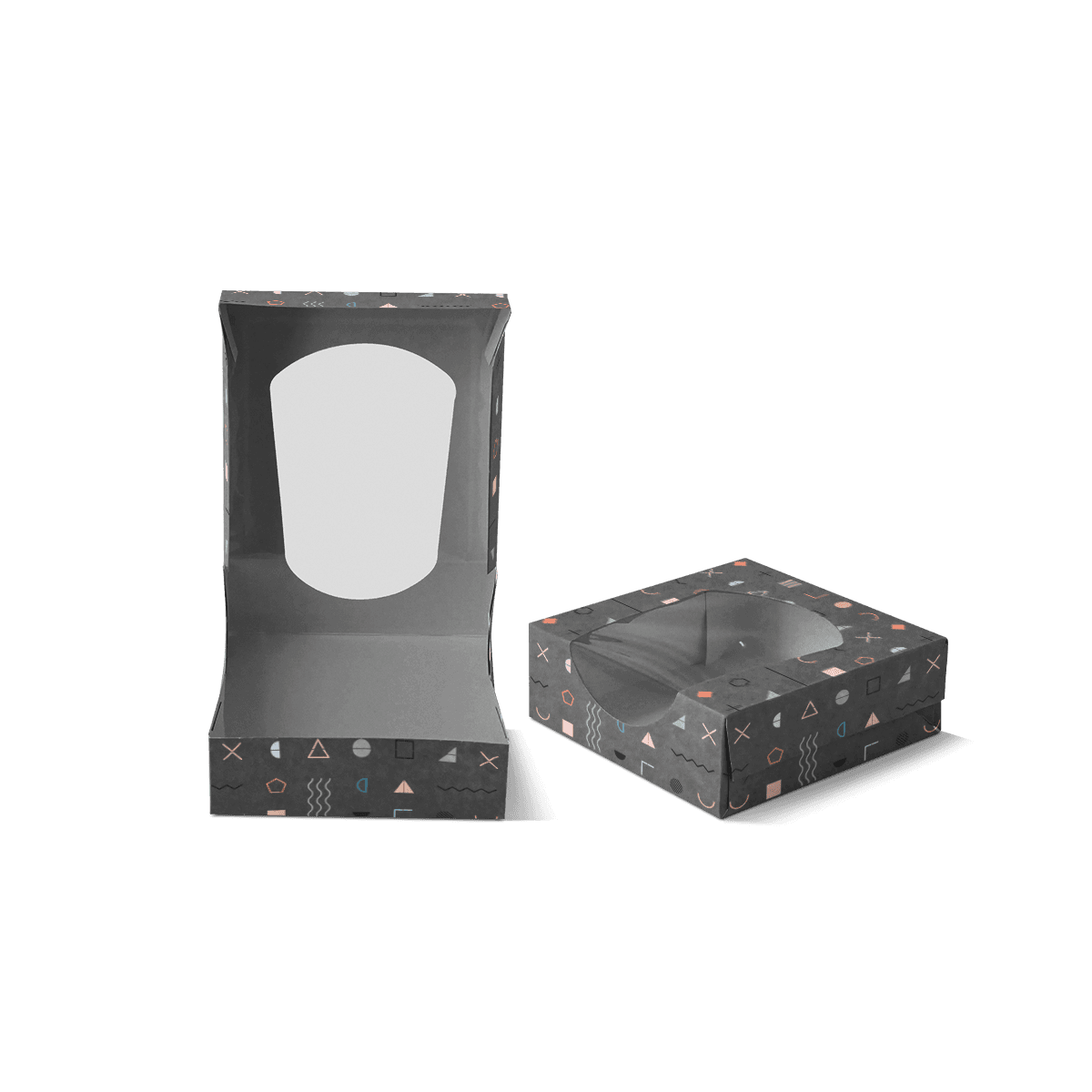
Windows That Show the Treat

A viewing window earns its space when it reveals something customers cannot judge as effectively from printed artwork.

Biscuit shape, chew length, product texture and assortment variety are potential reasons to include one.

However, a window should reveal the actual product rather than an opaque inner wrapper or an empty part of the carton.

For treats enclosed in transparent primary packaging, a carton window can expose the contents while the sealed inner pack continues to provide containment.

An uncovered opening should not be treated as a substitute for an appropriate primary food package.

Window Position

A front window can show the shape and arrangement of packaged treats while leaving enough surrounding paperboard for product identification.

Its position depends on the internal layout.

A window centered over a mixed assortment may show only the uppermost item. A longer opening might reveal more of the assortment, but it also removes more material from the carton.

The appropriate cutout should be established around the visible product, not just the desired decorative shape.

For packs where direct visibility drives the retail presentation, windowed folding cartons allow the opening to be developed alongside the surrounding board and artwork.

Window Film

A clear window patch can cover the die-cut opening, but its purpose must be established separately from the primary package's food-protection requirements.

If the treats already sit inside a properly specified sealed pouch, the window patch may serve mainly as an additional cover for the carton opening.

If the proposed packaging puts food directly against the window material, the complete food-contact construction requires separate technical and regulatory verification.

Custom Packly does not assume that a decorative window, standard paperboard or conventional printing is suitable for direct food contact without confirmation.

For a premium sampler, the final window arrangement should be reviewed with the actual packed products. A 3D mockup helps assess the visual proportions, while an exact physical sample may be appropriate when window alignment and internal positioning are especially sensitive.

Assortment Compartments and Inserts

Treat assortments need enough organization to make the individual products accessible without creating unnecessary packaging.

A compartment is valuable when it separates products with different shapes, prevents heavier components from pressing against lighter ones or helps customers identify individual treats.

It is less valuable when several uniformly shaped sealed pouches already sit neatly inside the carton.

Shallow Compartment Trays

A shallow paperboard tray can present several sealed treat portions in one visual plane.

This arrangement is particularly relevant to trial assortments, seasonal gift packs and mixed-flavor boxes.

The tray should have enough depth to control the products without burying them.

Finger access also matters. A tightly fitted sachet may look attractive but become frustrating to remove if the customer cannot reach its edge.

A small access notch or additional clearance can make the arrangement easier to use.

Separation by Weight

Mixed treat assortments sometimes combine relatively heavy chew packs with lightweight biscuit portions.

Placing them loosely in the same cavity can allow the heavier product to move against the lighter one.

A divider can establish separate spaces, but it must be tall and stiff enough to perform its intended function.

A decorative paperboard partition that collapses under the packed load adds complexity without controlling movement.

For products that already have substantial primary packaging, a simpler arrangement may be sufficient.

Two-Level Presentation

A layered arrangement can work when the assortment contains products that are meant to be discovered in a particular order.

For example, a shallow upper tray might hold individually wrapped treats, while a lower compartment contains a larger sealed pouch.

The upper tray must remain supported and should be easy to remove without disturbing the contents underneath.

Two-level construction introduces additional material and assembly work. It is most appropriate when the presentation or product separation justifies that complexity.

A single-level arrangement is often more practical for everyday treat assortments.

Freshness Belongs Inside the Carton

The outer carton should not be treated as the primary freshness barrier for pet treats.

Moisture-sensitive biscuits, jerky products and other snacks may require a specifically selected inner package to protect them during their intended shelf life.

That package must be assessed against the actual food, its storage conditions and the manufacturer's preservation requirements.

A printed paperboard box alone does not establish moisture resistance, oxygen protection or food-contact suitability.

Sealed Inner Packs

A sealed pouch, individual wrapper or other qualified primary package can handle the food's direct containment.

The carton then performs the separate task of grouping the products, supporting their retail presentation and carrying printed product information.

This arrangement can make sense for assorted treats because different products may require different primary packaging.

Each food-contact component still needs to be assessed for its actual contents and intended use.

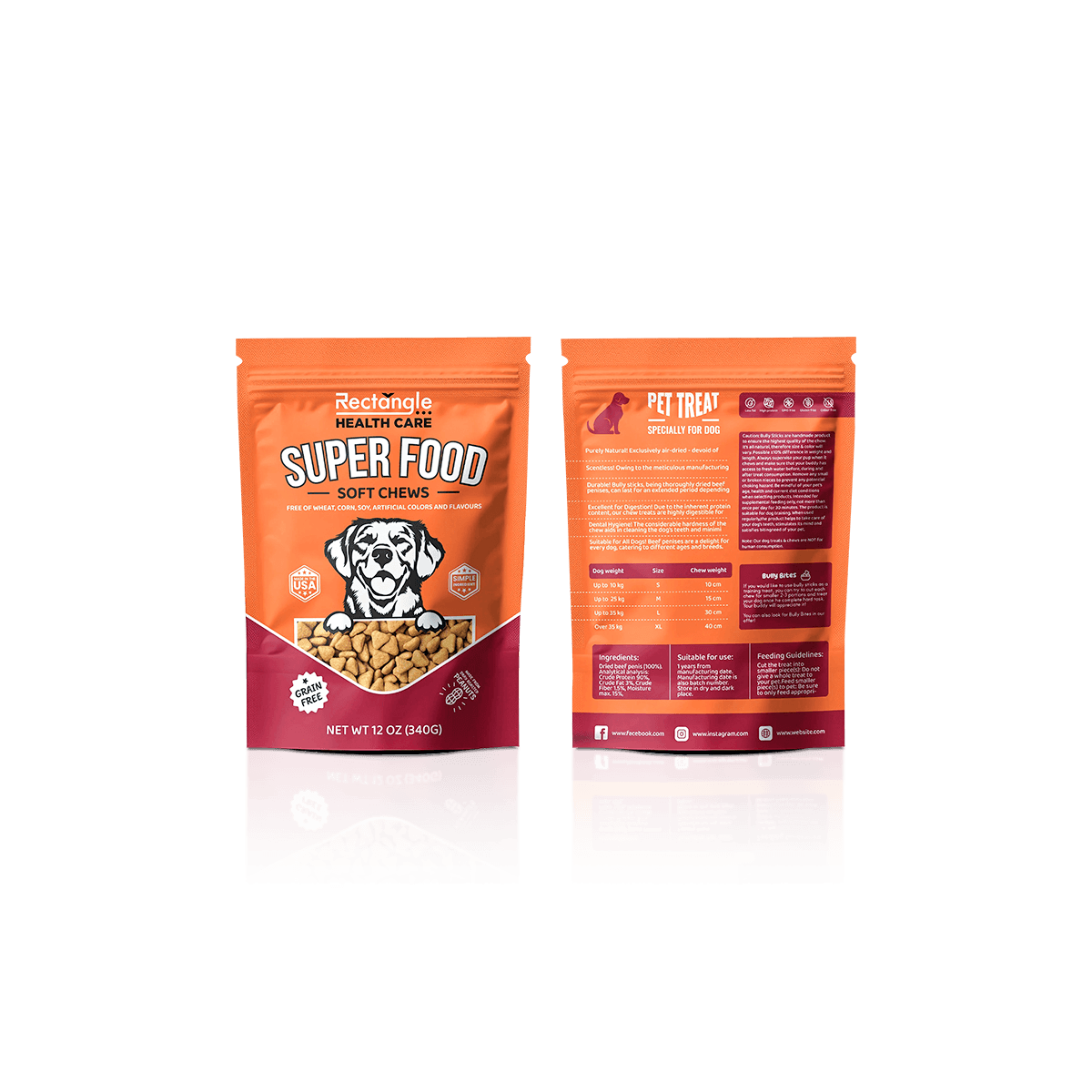
Resealable Everyday Packs

A carton adds less value when the product already has a suitable resealable pouch and does not need additional structural presentation.

For single-product packs that customers open repeatedly, Treat Mylar Bags may be the more practical choice because their barrier construction and closure can be specified around the snack.

A gift sampler, on the other hand, may benefit from a carton around several individually sealed portions.

The deciding factor is the additional function the outer box performs.

Small Treats on Retail Counters

Treat packaging often occupies a small retail footprint.

Trial portions, single wrapped chews and compact biscuit packs can be positioned near checkout counters or grouped in promotional displays.

The individual carton must remain easy to identify and pick up without requiring an unnecessarily large front panel.

For products sold through pet boutiques, grooming salons and other retail outlets, the selling arrangement can influence the carton's proportions.

Individual Retail Cartons

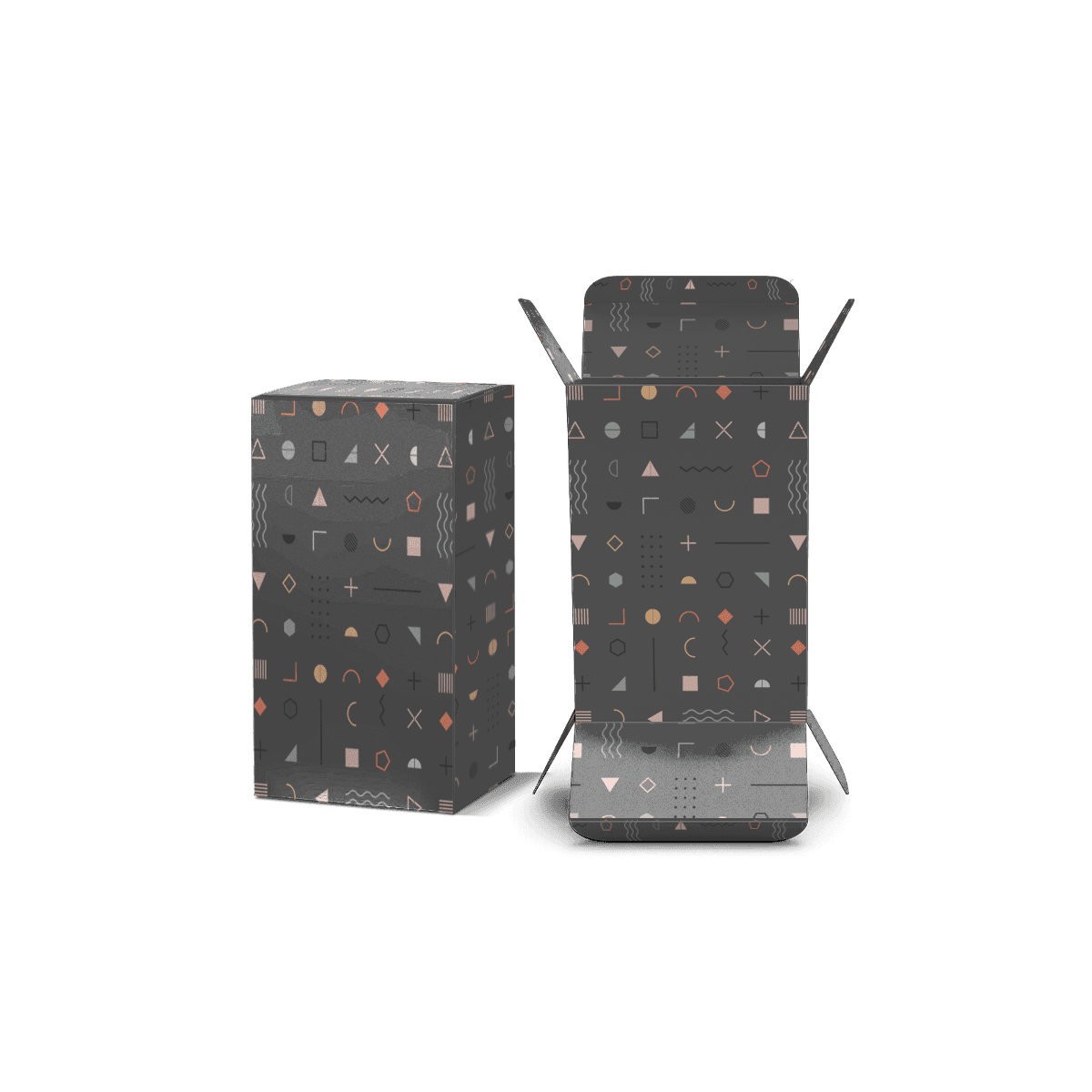
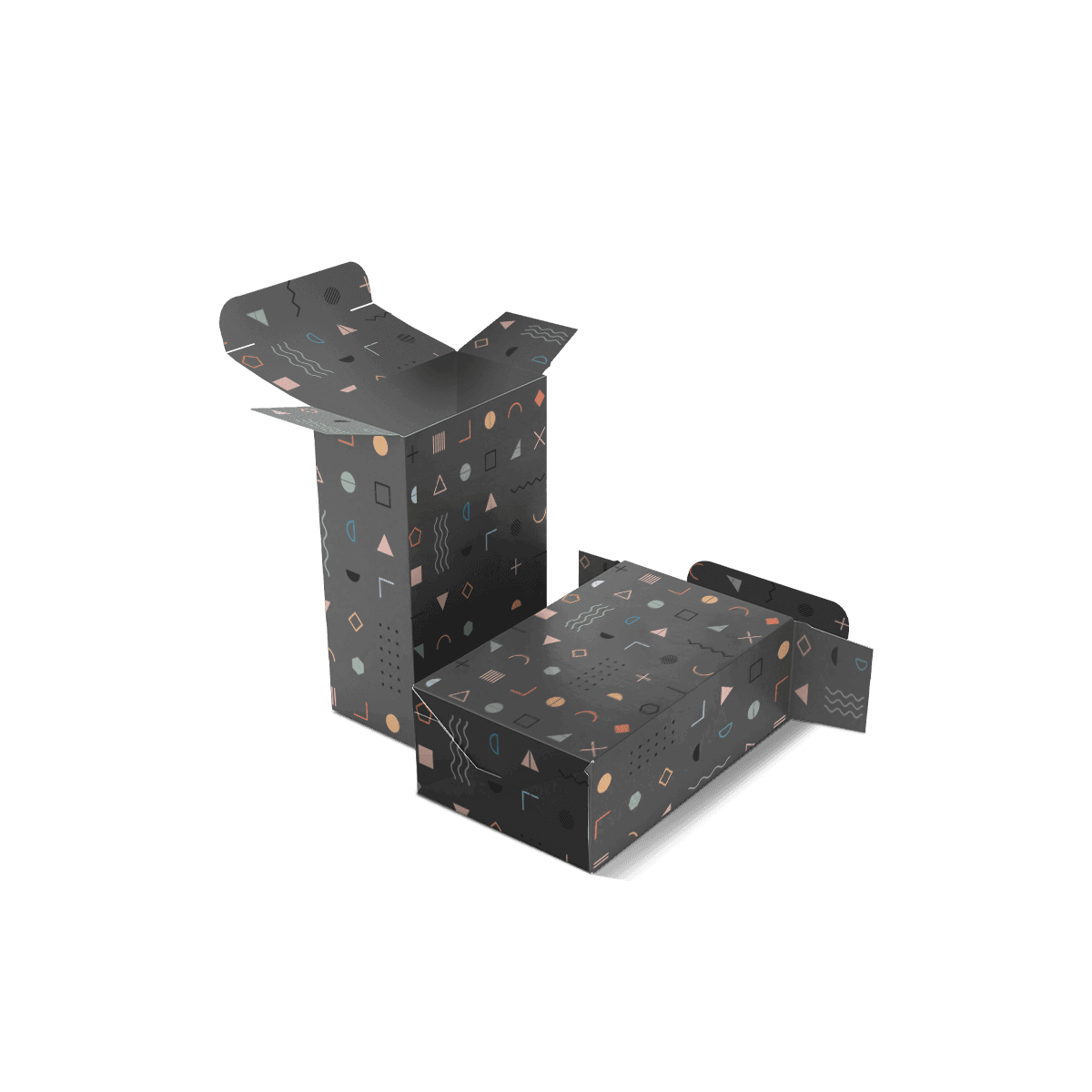
A compact tuck-end carton can work for a single sealed treat pack or a small assortment.

The principal display panel should establish the intended animal, treat type and product identity without forcing customers to rotate the package repeatedly.

If the carton is particularly narrow, important product identification may also need to appear on a side panel.

The finished pack should remain stable in the intended display orientation.

A bottom-heavy arrangement may need additional consideration if the primary contents create an uneven load.

Counter-Ready Multipacks

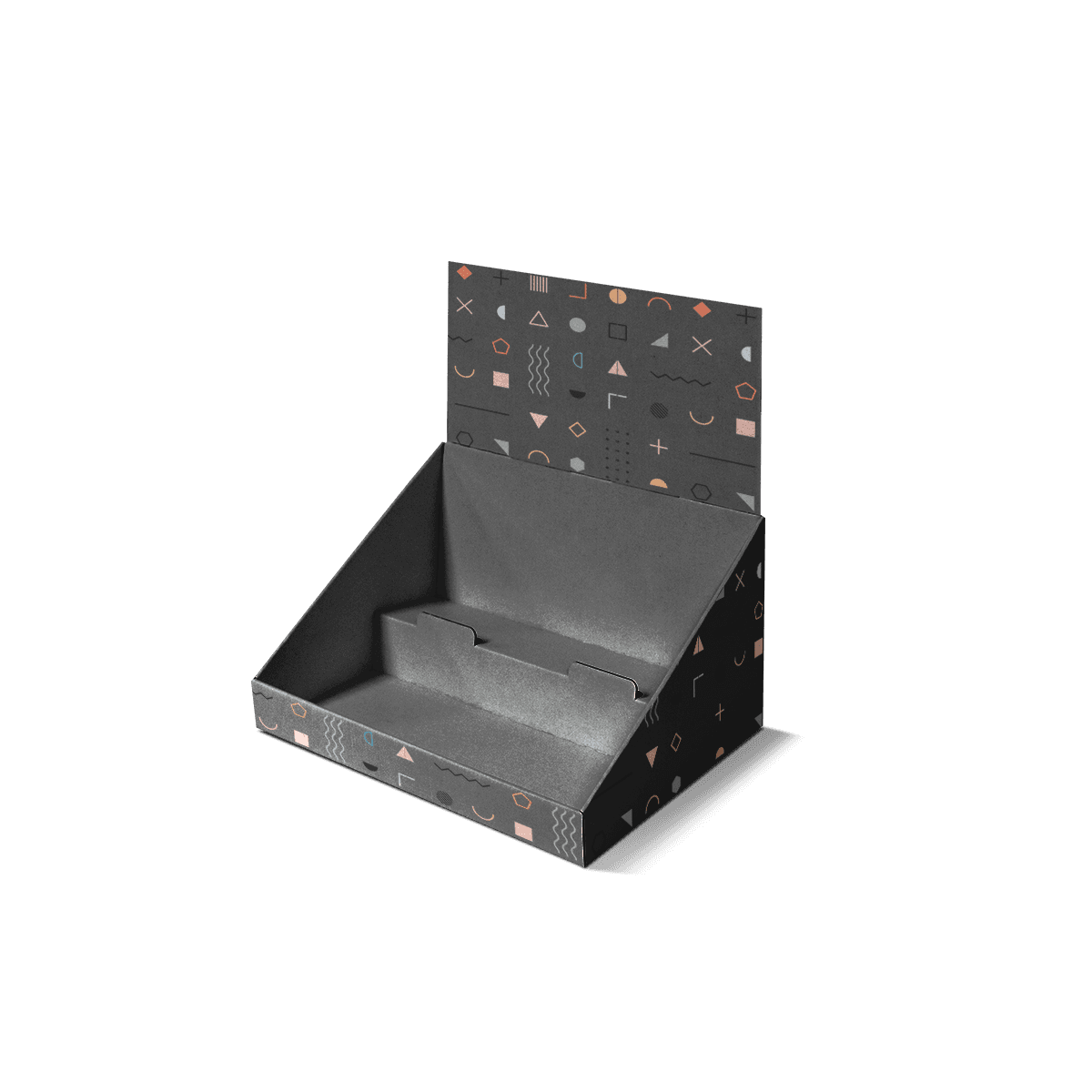
Retailers stocking numerous small treat units may benefit from a shipping case that converts into a display tray.

In this arrangement, the individual treat carton remains the selling unit. The larger display structure organizes those units for stocking and customer access.

For repeat store replenishment, counter-ready display boxes can reduce the need to unpack and arrange each individual unit separately.

The display's front lip should retain the products without concealing important identification.

Its dimensions should also reflect the actual number of retail units and their standing orientation.

Paperboard, Kraft and Carton Closures

The structural requirements of a treat box depend on the contents, carton size and intended handling.

Many lightweight treat cartons can use folding paperboard. Heavier assortments or products with concentrated loads may require additional bottom support.

Material selection should follow the intended product arrangement rather than the appearance of an empty box.

SBS Paperboard

White SBS paperboard is suitable for many printed retail cartons, particularly those using detailed illustrations, bright colors and small product text.

Its smooth printable surface can support premium offset printing and consistent visual presentation across an assortment.

The selected caliper should provide adequate stiffness without making the carton unnecessarily difficult to fold.

A lightweight biscuit pack may need a simpler construction than a carton holding several dense chew products.

Natural Kraft

Kraft paperboard can suit treat packaging that uses restrained branding or wants the natural paper appearance to remain visible.

Its brown surface affects printed color reproduction, so artwork developed for white stock should not be assumed to produce identical results on kraft.

The material should also be assessed for the actual structural requirement.

A natural appearance does not establish food-contact approval, recycled content or the recyclability of the complete finished package.

Custom Packly supports eco-friendly packaging solutions and suitable recyclable material options. The final selection should account for the carton, coatings, window components and other materials used.

Tuck and Bottom Closures

A conventional tuck-end carton is practical for many lightweight, individually packaged treats.

The closure should retain the contents without making the carton difficult to fill or open.

A heavier assortment may require a more supportive bottom construction.

For manual packing, an interlocking bottom may be appropriate. Where production quantities and packing speed justify it, an automatic-bottom structure can reduce repeated assembly steps.

The loading direction matters as well.

A long wrapped chew may enter more easily from the end of the carton, while a shallow sampler may be better packed into an open tray before its cover is fitted.

These decisions should be settled with the actual packed products rather than an empty structural drawing.

Printing for Treat Selection

Printed treat packaging must help customers identify the product quickly.

Flavor, texture, portion count and intended animal are often more important to the immediate purchasing decision than elaborate decorative artwork.

A mixed assortment introduces another requirement: customers should understand which treats are included without having to inspect every individual wrapper.

Flavor and Texture Cues

Different flavors should remain identifiable through clear naming and a consistent visual system.

Color can help distinguish variants, but it should not be the only method of identification.

A shopper should be able to identify the product from its printed name even when several cartons share the same brand appearance.

Texture also matters. A soft training reward, a crunchy biscuit and a long chew serve different purchasing purposes.

The front panel should communicate the relevant distinction without relying on unsupported nutritional or functional claims.

Labeling and Feeding Copy

Pet treat artwork must accommodate the labeling requirements applicable to the finished product.

Federal animal-food labeling rules address product identification, net quantity, ingredients and manufacturer or distributor information. State requirements may also apply. The brand is responsible for verifying the complete labeling and any product claims before production.

For treat assortments, the final labeling arrangement may need to account for both the outer selling unit and its individual contents.

Custom Packly's free design and dieline support can help allocate suitable panel space around the approved wording.

Artwork and prepress review should confirm that important text remains readable and is not interrupted by a crease, closure or glue area.

A digital proof can be used to review the final printed arrangement before production.

Finishes for Gift Packs

A premium gift assortment may justify additional finishing where it improves the intended presentation.

Matte or gloss finishes, selected foil accents, embossing and spot UV can be considered according to the artwork and carton construction.

For everyday treat cartons, clean printing and legible product identification may be sufficient.

Decorative finishing should not interfere with variable coding, important text or the carton's functional folds.

A free 3D mockup can help review how the finished artwork sits on the assembled box before the design is approved.

Treat Packs for Online Orders

A printed retail carton and a parcel shipping box perform different tasks.

The treat carton organizes the selling unit and presents it to the customer. The outer shipping package must protect that unit against the handling conditions expected during delivery.

This distinction is important for fragile biscuits and gift assortments with internal trays.

A retail window, decorative lid or lightweight carton should not be assumed to withstand parcel handling independently.

Individual Treat Orders

A small retail carton may fit efficiently inside a suitably sized mailer.

The outer package should prevent unnecessary movement without transferring excessive pressure to the treat carton.

If cushioning is needed, it should address the actual risk rather than simply occupy empty space.

The same treat carton can serve store shelves and direct online orders when a separate outer package handles parcel protection.

One printed retail carton may serve both channels while the shipping layer changes.

Mixed Pet Shipments

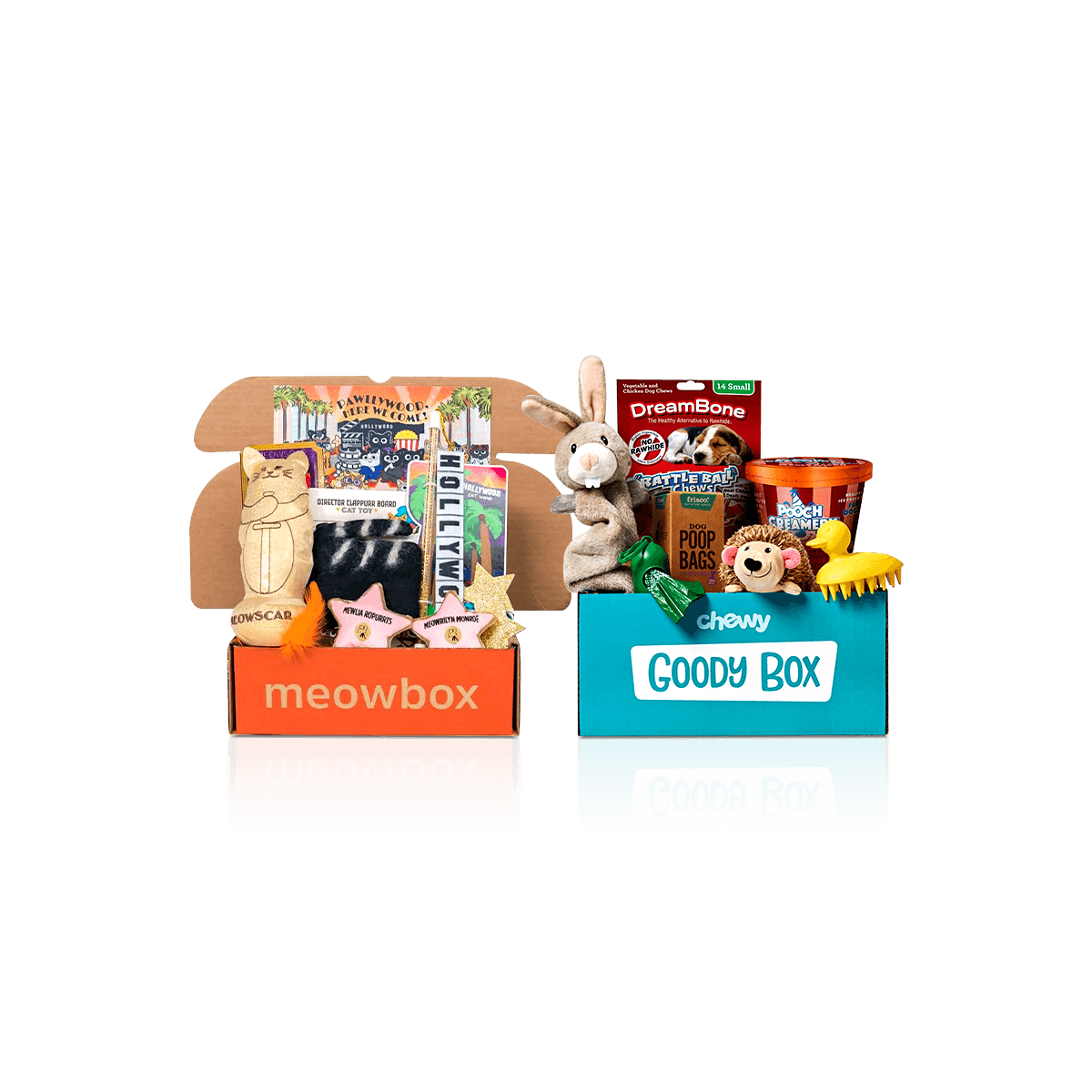
Treats shipped alongside toys, grooming products or other accessories need separation from components that could damage their primary packaging.

A heavy item should not rest directly against a fragile biscuit pack or an unprotected window.

For recurring shipments that contain several pet products, subscription pet boxes can organize the complete assortment rather than requiring the treat carton to handle the entire shipping load.

The packaging should also account for the order in which the customer encounters the products.

A treat gift box can remain the presentation piece while the outer mailer handles parcel protection.

Price the Actual Treat Assortment

The cost of custom treat boxes depends on what the finished package must contain and how it will be produced.

A small folding carton around one sealed biscuit pouch has different manufacturing requirements from a multipack with die-cut compartments, a viewing window and decorative finishing.

The relevant cost decisions include material, structure, finished dimensions, printing, components and order quantity.

For gift assortments, the number of internal pieces can have a meaningful effect on both manufacturing and packing work.

A printed divider may look attractive in a prototype, but it should remain only if it makes the assortment easier to organize, protect or use.

Launch Quantity

Custom Packly's USA minimum order quantity starts from 100 boxes, allowing brands to establish a new carton or seasonal treat assortment without committing to a much larger initial packaging order.

The final quantity should account for the number of selling units rather than the total number of individual treats.

For example, a gift box containing several individually wrapped snacks still requires one outer carton for each completed selling unit.

If several different assortments are being launched, their structures and artwork versions should be identified before pricing.

Production and Sampling

US production and a standard 4–6 day turnaround after final artwork and specifications are approved can support planned retail launches. Complex structures and specialty finishing may require additional time.

Free shipping is included in the USA.

Free sample examples of previous work can help with material and print selection. Fully custom physical samples may be arranged as paid samples when exact compartment fit, window alignment or assembly requires additional validation.

Custom Packly also provides 24/7 packaging expert support for structural and production questions.

Once the assortment arrangement, carton structure and quantity are established, request an instant packaging quote for the intended configuration.

The Box After Unboxing

A treat box may be purchased as a gift, but its usefulness should not necessarily end when the lid is lifted.

Some assortments are opened once and the individually sealed treats are stored separately. Others remain in the original carton as customers select different rewards over several days.

The intended behavior should influence the final opening and internal arrangement.

A tray that looks attractive but makes the remaining treats difficult to reach loses practical value after the first use.

For an assortment intended to remain in its carton, the structure should allow customers to remove individual packs without tearing the remaining compartments or damaging the lid.

For a single everyday treat pack, the primary pouch may be the container customers continue using.

That distinction avoids adding unnecessary opening features to the outer box.

Custom Packly can develop the final treat packaging around the way the product is presented, selected and used. The result should be an assortment that looks organized at first opening and remains practical as customers work through the treats.

FAQs

Treat Boxes are especially useful for biscuits, dental chews, jerky strips, stick treats, lickable multipacks and sampler assortments that benefit from counted organization and stronger shelf presentation.

Treat Boxes are the better option when display structure, flavor communication and multipack organization matter most. Treat Mylar Bags work well for flexible single packs and resealable snack formats where barrier performance leads the decision.

Often they do. The outer box improves structure and branding space, while the inner pack helps manage freshness, containment and cleaner product handling.

The quickest decision points should sit on the front panel first. More detailed feeding notes, size guidance and ingredient-related information fit better on side or back panels.

Yes, when visual confirmation helps the sale. A window can make shape, texture or variety count easier to understand while the box still carries the main brand story and usage details.

Process

How it works

Your Packaging Journey, From Idea to Production and Delivery

01

Tell Us Your Specs

Custom packaging boxes

Tell Us Your Specs

Provide size, quantity, printing, and finishes.

02

Get a Fast Quote

Custom packaging boxes

Get a Fast Quote

Instant transparent pricing, no hidden fees.

03

Design and Approval

Custom packaging boxes

Design and Approval

Artwork checks, revisions, and final sign-off.

04

Produce

Custom packaging boxes

Produce

Expert manufacturing to meet deadlines.

05

Ship to Your Door

Custom packaging boxes

Ship to Your Door

Hassle-free, flexible delivery options.

Get Your Quote for Custom Treat Boxes

Share your product details, size, quantity and artwork needs. We’ll help choose the right packaging style and send a clear quote.