Skip to content
Details

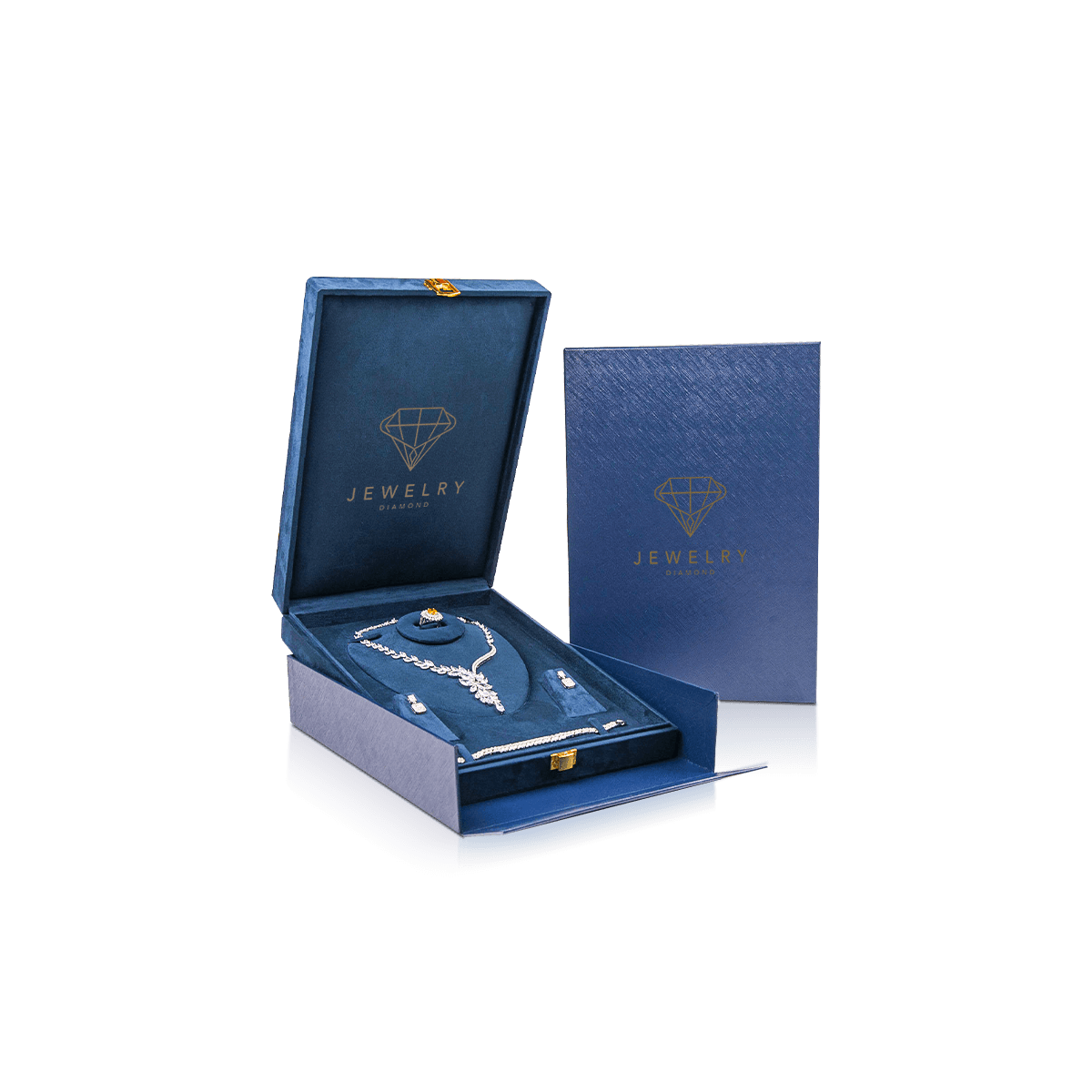
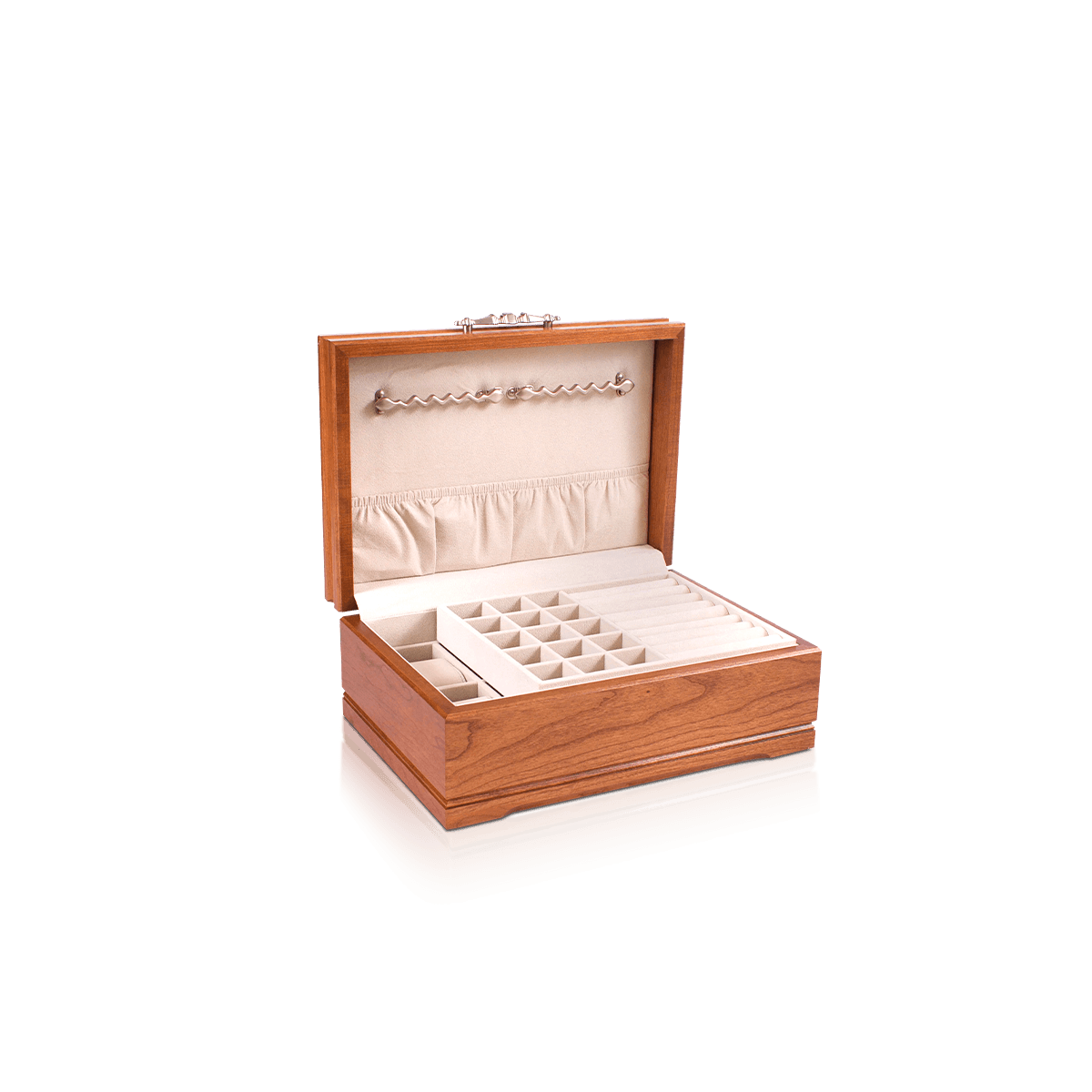
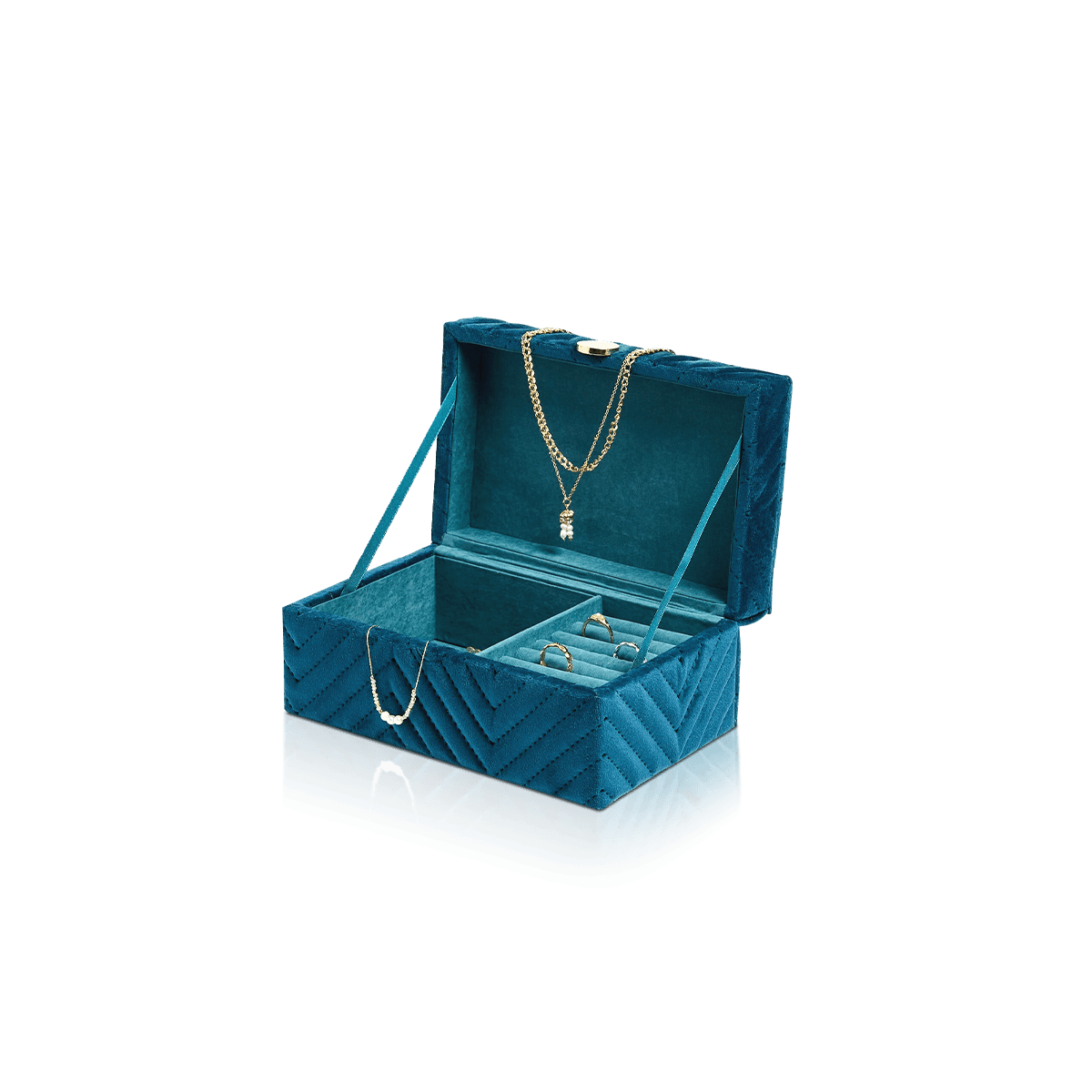
Custom Velvet Lined Boxes

Soft-lined jewelry packaging planned around pile thickness, edge finishing, insert fit, fiber cleanliness and the exact surfaces that touch the piece.

Velvet Changes the Fit Before the Look

A velvet lining adds softness and visual depth, but it also occupies physical space.

That matters inside a jewelry box where a few millimeters can change how a ring stands, how a pendant sits or whether a watch cushion fits cleanly into its cavity.

Custom Velvet Lined Boxes should therefore be dimensioned around the finished lined interior, not around the bare insert underneath it.

A foam or paperboard form may fit correctly before covering. Once velvet, backing material and adhesive are added, the same cavity can become tighter, corners can lose definition and narrow slots can behave differently.

The lining is part of the structure.

Account for the Finished Layer

The insert specification should identify where velvet will be applied and whether it wraps over edges, continues into cavities or covers only the visible top surface.

A ring slot wrapped on both sides loses more usable width than a flat presentation pad.

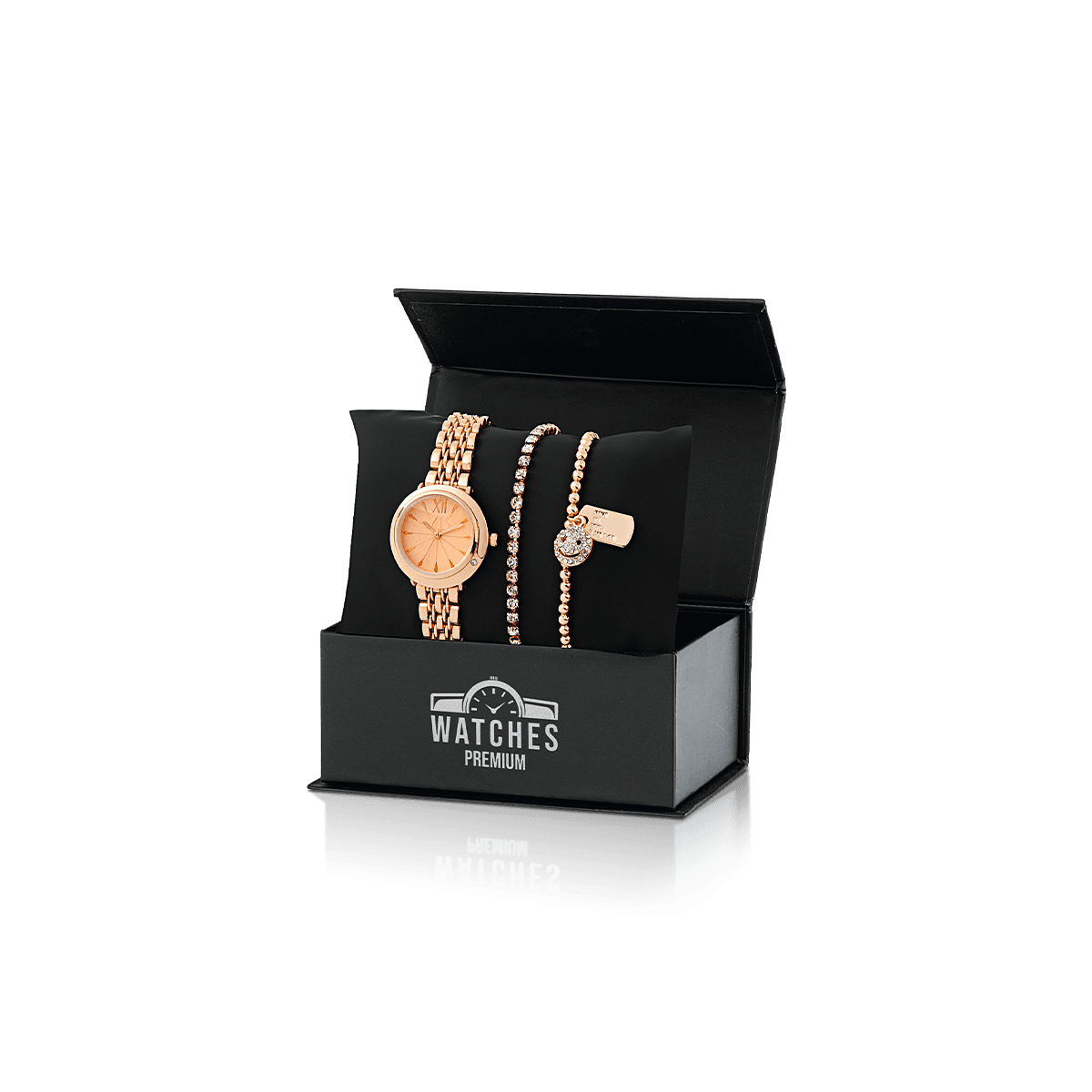
A watch cushion gains thickness around its full perimeter.

A necklace insert with narrow chain channels can lose definition if the lining is too bulky for the cut geometry.

The finished product needs to be checked after lining, not approved from the uncovered insert alone.
“Velvet” Needs a Material Definition

The word velvet can describe different interior constructions in packaging.

One box may use a fabric layer wrapped over foam or paperboard. Another may use a flocked surface that creates a velvet-like pile. A cushion can use one material while the surrounding tray uses another.

Those constructions do not behave identically.

A production brief should state what surface is expected rather than relying only on the word velvet.

Fabric-Wrapped Surfaces

Fabric can create a deep, tactile presentation and can wrap cushions, pads and larger insert faces.

The construction needs clean tension and controlled edges. Excess material can gather in corners or create visible folds around small cavities.

Flocked Surfaces

Flocking can create a soft pile directly on a shaped insert or surface and can preserve small geometry differently from a thicker wrapped fabric.

The visual effect, fiber length and hand feel should be assessed against the jewelry and the intended presentation standard.

Neither option is automatically superior.

The correct choice depends on insert shape, jewelry type, desired texture and how much dimensional tolerance is available.

Put Softness Where Contact Happens

Covering every visible interior surface with velvet is not always necessary.

The strongest reason to use a soft lining is at the points where jewelry touches the package.

A ring shank may contact a slot. A polished pendant rests against a pad. A watch wraps around a cushion. A bracelet can touch both its support and the surrounding cavity.

Those contact zones deserve the most attention.

The surrounding walls can use the same material for visual consistency, but that is a presentation decision rather than a protection requirement.

Different packaging insert materials can form the support underneath the visible lining, while the surface layer controls the jewelry-facing finish.

Soft Does Not Mean Loose

A plush surface should not replace proper retention.

If a pendant can slide several inches across velvet, the material may feel soft but the jewelry is still uncontrolled.

The insert geometry must hold the piece where it belongs. Velvet then creates the intended contact surface around that position.

Pile Direction Can Change the Appearance

Velvet has visual direction.

Brush the pile one way and the surface can appear darker. Move it the other way and the same material may reflect light differently.

That characteristic becomes obvious on broad interior areas.

If multiple insert sections are covered independently, inconsistent pile direction can make matching pieces appear to be different shades.

Set One Orientation

For a multi-part insert, specify the direction of the velvet pile across visible surfaces.

A necklace pad, earring panel and surrounding tray should not look mismatched simply because each fabric piece was applied in a different direction.

This becomes especially important with dark colors and larger presentation boxes where changes in light reflection are easy to notice.

The lining should read as one interior, even when it is assembled from several parts.

Sharp Cavities Need Thin Decisions

Small jewelry details can conflict with thick lining.

A precise ring slot, narrow earring hole or chain channel can lose function if too much soft material is pushed into a tight area.

The problem is not that velvet is unsuitable. The problem is expecting the same lining build to work on every surface.

Do Not Bury a Ring Slot

Consider a ring insert cut to hold a thin band securely.

The bare slot fits correctly. Velvet is then wrapped deeply into both sides of the opening, reducing the usable gap. The ring becomes difficult to insert and the fabric bunches around the shank.

Increasing the slot width is one option, but that should be done intentionally from the finished lining thickness.

Another approach is to change how the material terminates around the functional slot.

The target is a clean soft presentation without turning the lining into a spring that pushes the jewelry out.

Chain Channels Need Definition

Necklace and pendant packaging can require narrow paths to control excess chain.

If the lining rounds those channels too heavily, the chain can climb out and become visible around the focal piece.

The insert shape and lining construction need to be developed together.

Velvet Color Changes the Jewelry Contrast

The interior background influences how quickly the jewelry is seen.

Black or deep navy can create strong contrast around bright metal and stones. Cream, blush or pale gray can produce a softer presentation. Rich green, burgundy or another brand color can make the interior itself a stronger design element.

The correct choice depends on the jewelry.

A lining that looks attractive as an empty swatch may perform differently once the product sits on it.

Jewelry & Accessories packaging spans rings, earrings, necklaces, watches and sets, and each item can occupy a different amount of the visible interior.

Test Metal Against the Background

Yellow gold, white gold, silver-toned metals, pearls and colored gemstones do not all respond visually to the same background.

A dark interior may make one piece stand out but reduce separation around another dark material.

Use the actual jewelry, or a close physical representation, when selecting the interior color.

Do not approve velvet only from a digital color value.

Keep the Edges Clean

The edge where velvet ends is often more revealing than the center of the lined surface.

A clean interior can be weakened by visible adhesive, uneven trimming, frayed material or inconsistent wrap depth.

This matters around insert perimeters, finger notches and small cavities where the customer sees the material transition at close range.

Hide the Cut Intentionally

Where possible, terminate fabric on a hidden face or beneath another insert component rather than leaving a raw visible edge.

If an edge must remain visible, it should look deliberate and repeat consistently.

The same principle applies where the velvet meets paper, wrapped rigid board or another interior material.

Luxury Jewelry Boxes may combine several premium surfaces, while Velvet Lined Boxes place particular emphasis on getting this soft-material transition right.

Adhesive Should Stay Invisible

A velvet interior can reveal poor adhesive control quickly.

Too much adhesive may bleed through or create stiff patches. Too little can allow lifting around corners or cavities.

The correct adhesive system depends on the fabric or flocking method, substrate and construction.

The finished surface should remain visually even and should not show ridges from the attachment underneath.

This is particularly important on broad flat pads where changing surface texture can become visible under angled light.

The adhesive is not a branding feature, but its application affects the final appearance of the lining.

Soft Lining Does Not Guarantee Material Compatibility

Velvet feels gentle, but surface softness alone does not establish long-term compatibility with every jewelry material.

The full interior system can include fabric or flocking, dyes, foam, paperboard, adhesives and other components.

For jewelry that will remain stored inside the box for extended periods, those components should be assessed for the specific product and storage expectations.

Do not make an anti-tarnish claim simply because the insert is velvet.

If tarnish resistance, archival storage or another material-specific requirement matters, it should be specified and validated separately.

This distinction prevents a presentation material from being assigned a protective property that has not been established.

Lid Clearance Includes the Pile

The jewelry may fit the insert correctly and still contact the lid.

This is especially easy to miss with rings, watches and pieces that sit raised above the pad.

Velvet adds a small amount of height to the insert. A cushion can also compress differently after covering.

The finished clearance should be measured from the highest point of the jewelry to the finished inside surface of the lid.

Do Not Rely on Compression

A lid that closes only because the velvet compresses against the product is too close.

The jewelry should not become the mechanism that flattens the interior.

Allow enough space for normal material variation and repeated closing without creating unnecessary box depth.

For illuminated presentation, LED Light Jewelry Boxes introduce another lid-space problem because lighting components and jewelry clearance must coexist.

A velvet-lined box without electronics can keep the lid construction simpler.

Dust and Loose Fibers Are Visible on Jewelry

A dark soft interior can make lint and loose fibers easy to see.

Polished jewelry can also pick up particles during packing or repeated retail handling.

That turns cleanliness into a production and packing issue.

The lining should arrive clean and the packing process should avoid introducing visible debris before the box reaches the customer.

Inspect Under Real Light

A box that appears clean in low warehouse light may look different under a bright jewelry counter or photography setup.

Inspect representative finished units in the lighting environment closest to their actual use.

Look at:

  • loose fibers
  • adhesive marks
  • dust
  • surface dents
  • inconsistent pile
  • fingerprints on surrounding materials
  • fibers attached to the jewelry

A clean soft interior should make the product look more controlled, not create another surface that needs attention at handoff.

Repeated Handling Can Mark the Surface

Velvet changes as it is touched.

Pressure, brushing and repeated product placement can alter the direction of the pile or leave temporary impressions.

That does not automatically mean the material is defective. It means retail use should be considered when choosing the lining.

A presentation box opened once for gifting sees very different handling from one used repeatedly at a jewelry counter.

Retail Samples Need a Duty Cycle

For counter presentation, repeatedly remove and replace the jewelry during sampling.

Open and close the box multiple times.

Handle the insert in the same places staff are likely to touch it.

Then inspect whether the lining still looks acceptable.

A 3D mockup can confirm proportions and color direction. Pile behavior, fiber transfer and tactile quality need a finished physical sample.

Match the Structure to the Lined Interior

Velvet can be used with more than one box structure.

A lift-off rigid box creates one type of reveal. A hinged box keeps lid and base together. A drawer can expose the lined tray horizontally. A magnetic structure can combine soft interior presentation with a controlled closing action.

The lining should not dictate the structure unless its geometry creates a genuine requirement.

Custom Rigid Boxes can support fitted inserts and wrapped presentation structures when the product value and opening experience justify a stronger shell.

For lighter jewelry or less presentation-focused programs, another box construction may be more efficient.

Velvet is an interior specification, not a reason to overbuild the exterior.

Sets Need Consistent Lining Tension

Multi-piece jewelry sets create larger lined areas and more cavity edges.

That increases the opportunity for visible inconsistency.

A necklace, earrings and ring may each occupy a separate support zone while sharing one continuous presentation surface.

If some areas are wrapped tightly and others loosely, the difference can appear as ripples or changes in pile direction.

Set Jewelry Boxes own the layout and retention problem for multiple pieces. The velvet specification adds another requirement: the lining must remain visually continuous across that more complex interior.

The larger the lined area, the more important material direction, edge control and tension become.

Shipping Should Not Crush the Interior

The lined box may protect the jewelry from direct contact while still needing protection of its own during transit.

Pressure on the presentation box can compress cushions, mark velvet or distort the insert position.

An outer mailer or shipping carton should carry courier loads.

The jewelry should also remain retained so it does not drag across the lining during transit.

If a pendant or bracelet can move freely, the soft surface may reduce abrasion but cannot restore the intended presentation position.

Custom Product Packaging can connect the jewelry, insert, presentation box and outer shipping system when the entire route to the customer needs to work together.

Specify the Lining, Not Just the Color

A quote request for “black velvet inside” leaves too many decisions unresolved.

A stronger specification includes:

  • jewelry type and dimensions
  • product contact points
  • insert substrate
  • cavity or slot geometry
  • velvet, flocking or other soft-surface construction
  • lining color
  • pile direction where relevant
  • wrapped surfaces
  • visible edge treatment
  • finished insert height
  • lid clearance
  • exterior box structure
  • quantity by size
  • retail, gifting or ecommerce use
  • expected repeat-order program

Custom Packly's USA MOQ starts from 100 boxes. US production, premium offset printing, free shipping, free 3D mockups, design and dieline support and extensive customization can be applied according to the project.

Standard turnaround is 4–6 days after final artwork and specifications are approved. Complex structures, specialty materials or advanced finishes may require additional time.

Once the box, finished lining and product fit are defined, an instant custom packaging quote can price the actual construction instead of treating velvet as a generic add-on.

Approve the Box After the Jewelry Comes Out

A velvet-lined interior should still look controlled after the product has been inserted, removed and inserted again.

That final check reveals more than an untouched sample.

Look at the cavity edges. Check whether the pile has been badly crushed. Confirm that the product still seats at the intended height. Inspect for loose fibers on the jewelry. Run a finger lightly across broad lined surfaces and see whether the appearance changes in a way the brand accepts.

The purpose of Custom Velvet Lined Boxes is not merely to put a soft material behind the product.

The lining should improve the way the jewelry is held, touched and presented without compromising fit, cleanliness or repeat handling.

When the finished velvet behaves as well as it looks, the interior becomes part of the packaging specification rather than decoration added at the end.

FAQs

They matter most when the product has a high-polish surface, a delicate setting or a presentation moment where touch and visual contrast influence perceived value.

That usually works well when the outer shell stays consistent and only the insert shape and lining color change by SKU. It keeps the collection unified while still fitting different product types.

No. Many brands keep the exterior paper-wrapped or printed and reserve velvet for the interior only. That makes the box easier to brand and maintain while still delivering a softer opening experience.

Use them as the inner presentation pack and place them inside a protective outer mailer or shipper. That approach helps preserve the lining and limits rubbing against harder transit surfaces.

Choose Velvet Lined Boxes when the priority is cushioned contact, stronger perceived value and a more refined reveal. Cardboard Jewelry Boxes are better for faster-turn programs, lighter price points and simpler retail needs.

Process

How it works

Your Packaging Journey, From Idea to Production and Delivery

01

Tell Us Your Specs

Custom packaging boxes

Tell Us Your Specs

Provide size, quantity, printing, and finishes.

02

Get a Fast Quote

Custom packaging boxes

Get a Fast Quote

Instant transparent pricing, no hidden fees.

03

Design and Approval

Custom packaging boxes

Design and Approval

Artwork checks, revisions, and final sign-off.

04

Produce

Custom packaging boxes

Produce

Expert manufacturing to meet deadlines.

05

Ship to Your Door

Custom packaging boxes

Ship to Your Door

Hassle-free, flexible delivery options.

Get Your Quote for Custom Velvet Lined Boxes

Share your product details, size, quantity and artwork needs. We’ll help choose the right packaging style and send a clear quote.