Skip to content
Details

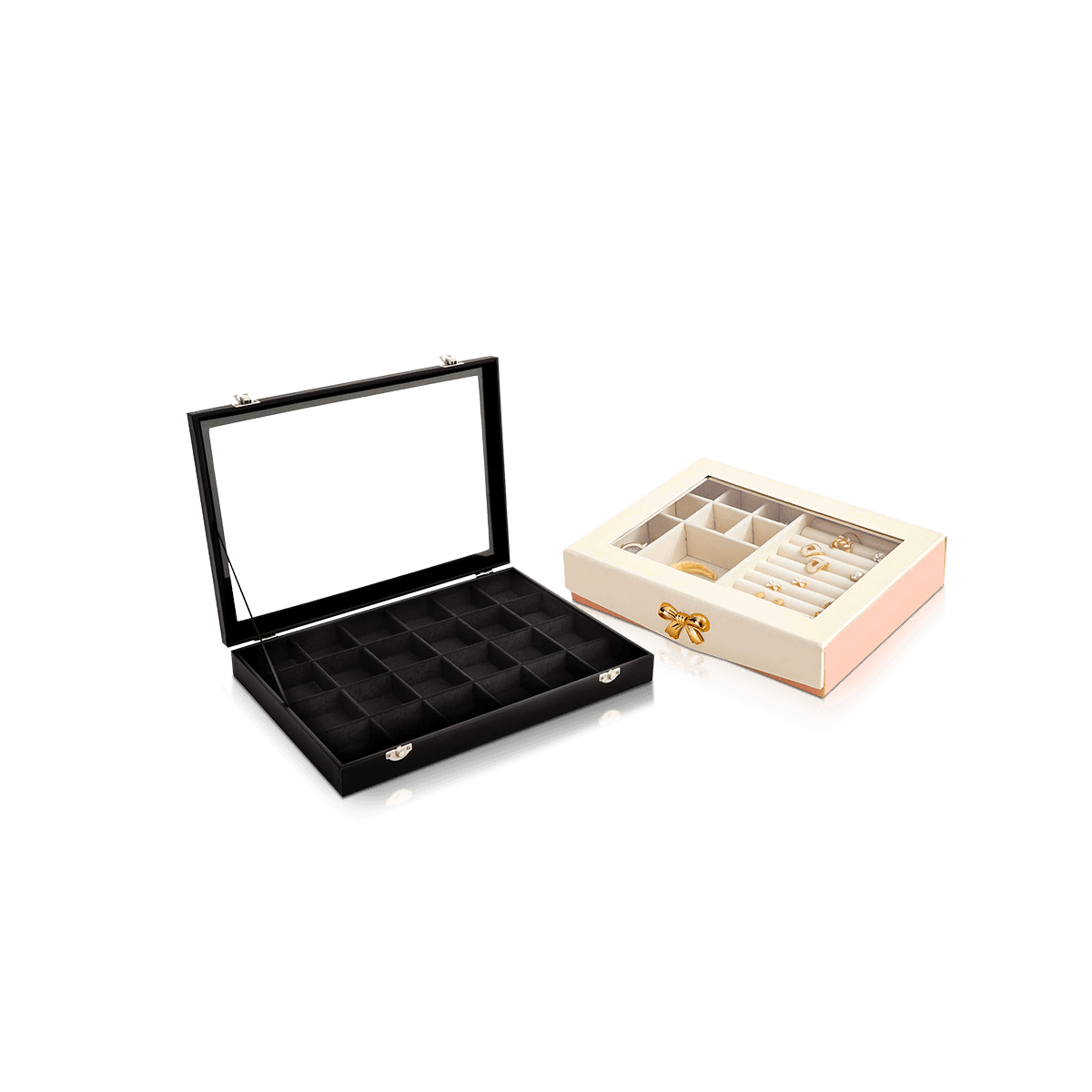
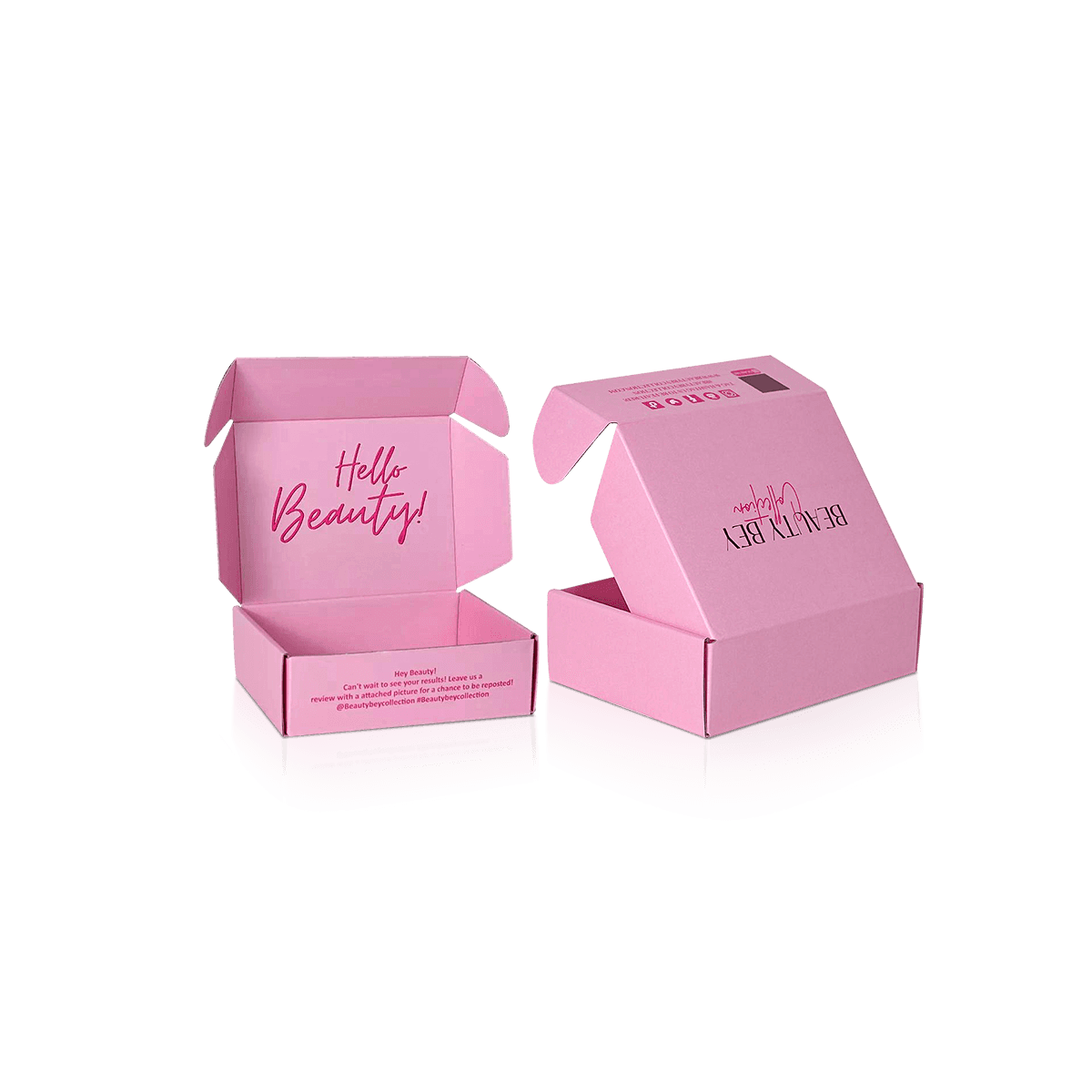
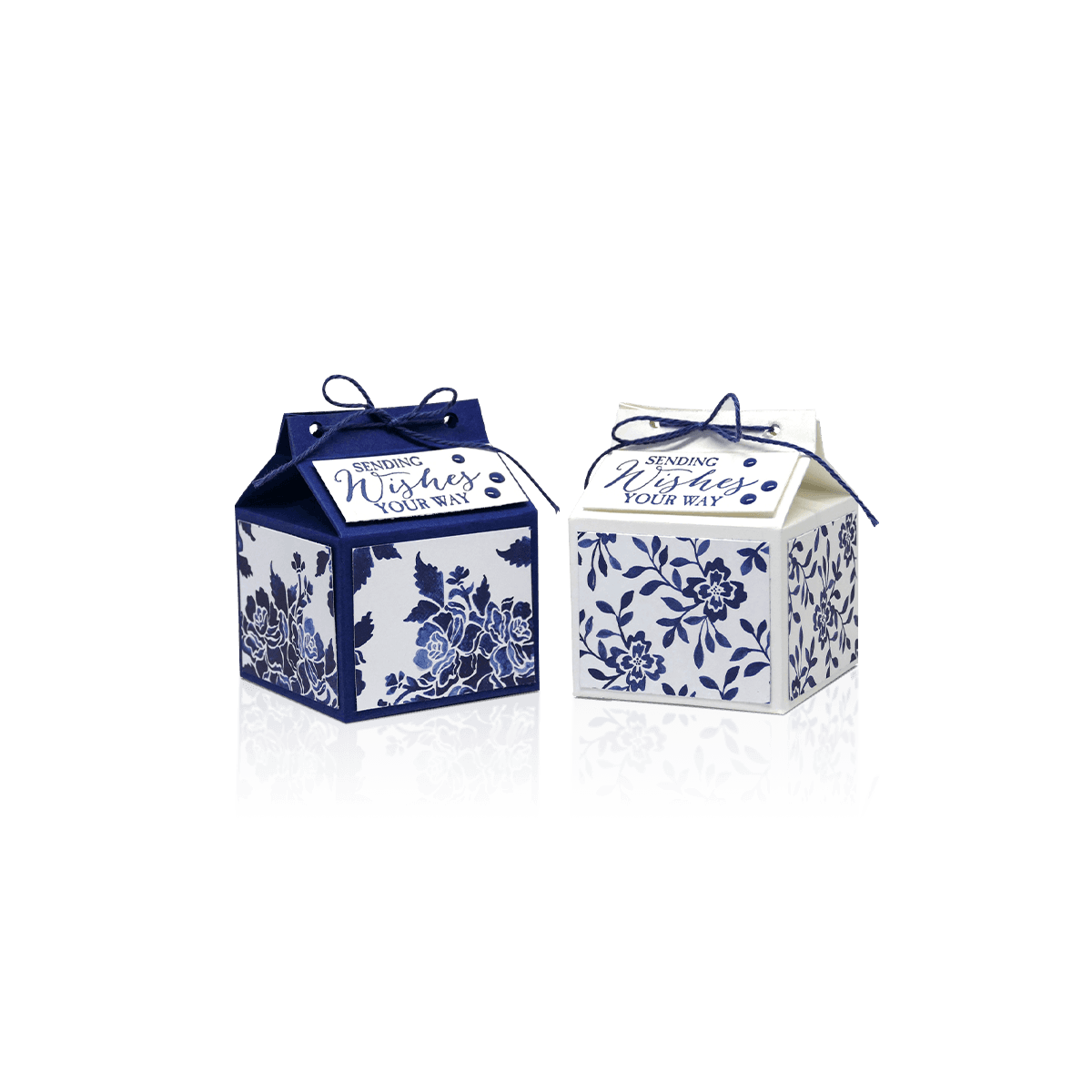
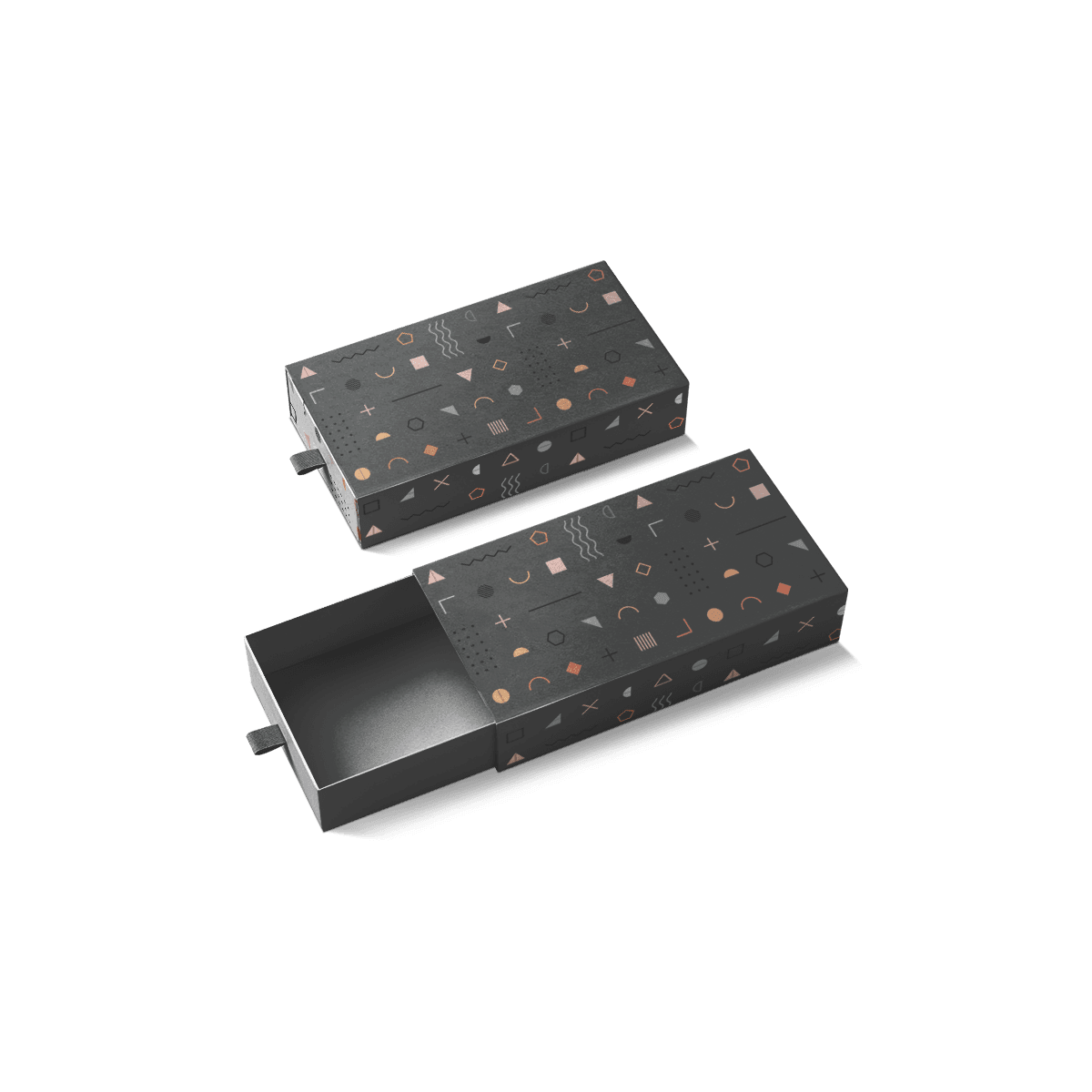
Custom Earring Boxes

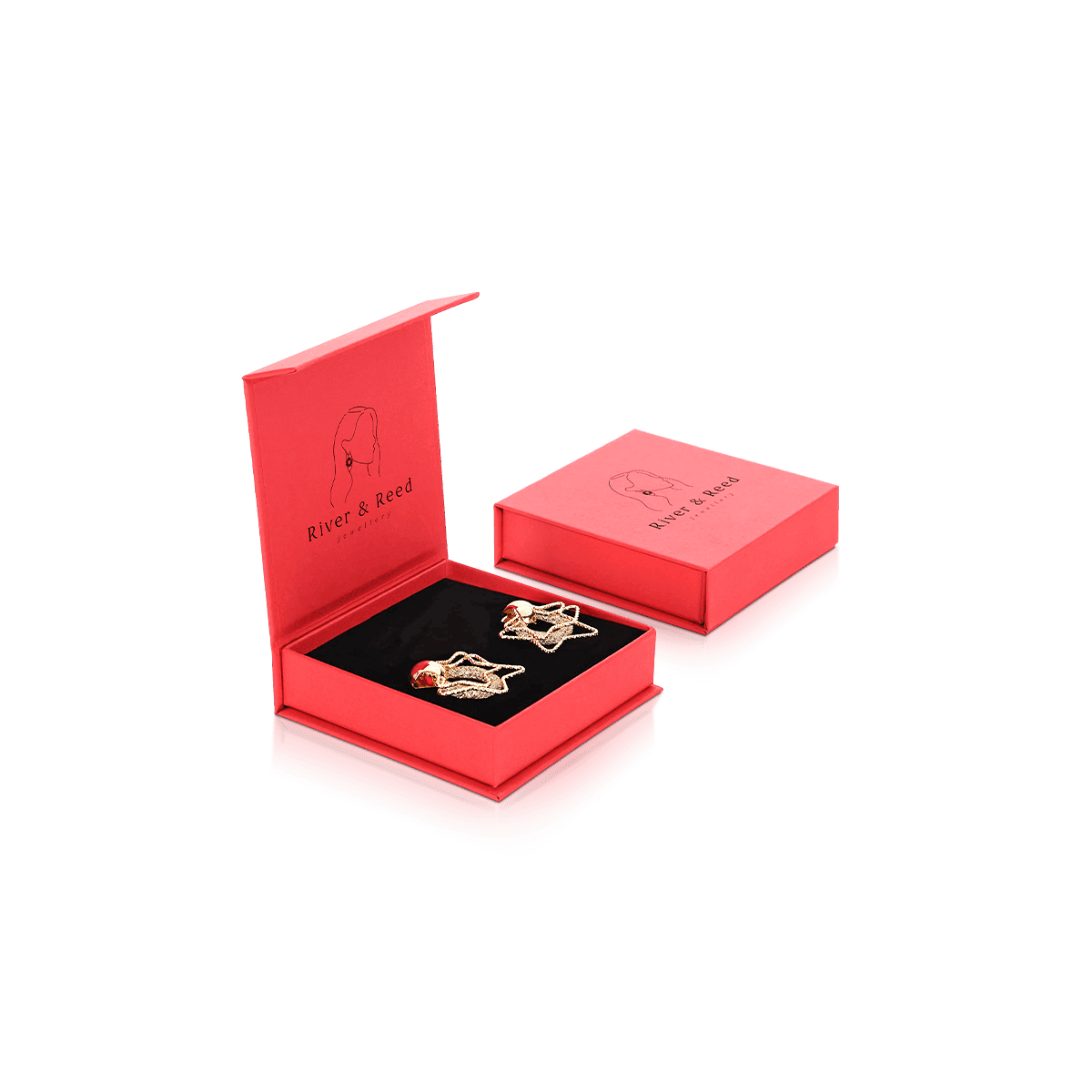
Pair-focused jewelry packaging with controlled spacing, post and backing clearance and inserts built around studs, hoops, huggies and drop earrings.

Clearance Exists Behind the Earring

The visible face of an earring insert is only half of the fit.

Stud posts, butterfly backs, screw backs, hooks and other findings extend behind the presentation surface. If the space behind the insert is too shallow, the jewelry may look perfectly aligned from the front while the posts press into the box wall, backings sit at an angle or the insert bows forward.

Custom earring boxes therefore need to be designed in two directions: the presentation seen by the customer and the hidden clearance required behind it.

In jewelry and accessories packaging, earring packs solve a different structural problem from rings and necklaces. Rings are retained around a shank and necklaces need chain routing. Earrings need two pieces to remain aligned while their front and rear geometry stay clear of the package.

Post Length Changes the Insert Depth

A short stud post needs less rear space than a long post fitted with a substantial backing.

Measure the complete earring as it will actually be packed. That includes the post and backing if the backing remains attached during presentation.

Do not size the cavity only from the decorative front.

If the post reaches the rear wall, normal handling can transfer pressure back toward the earring face. If the backing barely fits, packers may push the insert out of shape to close the box.

The required depth comes from the entire assembly.

Backings Need a Stable Position

Butterfly, screw and other backs should not be free to move around behind the insert.

When backings remain attached, the insert needs enough space for them without allowing the post to shift excessively.

When they are packed separately, give them a defined location rather than leaving tiny components loose beneath the jewelry.

The customer should be able to remove the pair without first searching the bottom of the box for a missing backing.
Pair Spacing Sets the Presentation

Two earrings can each fit individually and still look wrong as a pair.

Spacing controls symmetry, visual balance and whether the pieces can move without touching each other. It should follow the actual earring width rather than a default distance between two holes.

Small studs can sit relatively close together. Large floral studs, cluster earrings and sculptural pieces need more separation. Drop earrings may require enough distance that the hanging components do not swing into one another.

The correct spacing creates a clear pair without wasting the compact proportions that make an earring box practical.

Measure the Full Front Profile

The point where an earring attaches to the insert is not necessarily its widest point.

A statement stud may extend well beyond the post. A hoop can project outward from a narrow fastening point. A drop design can widen below the hook.

Check the maximum left-to-right profile of both earrings when presented together.

This prevents a common mistake: attachment holes are correctly spaced, but the decorative portions overlap.

Symmetry Should Survive Packing

If the pair is meant to appear level, the insert should make that position easy to reproduce.

Packing teams should not need to judge the height and rotation of every earring by eye. Defined holes, slots, cuts or shaped recesses can establish the position automatically.

That matters increasingly as quantities grow.

A presentation that depends on careful manual adjustment during every packout is harder to reproduce across repeat production.

Studs Need Post Relief

Stud earrings create a deceptively simple packaging problem.

Their decorative faces are usually compact, but the rigid post projects directly backward. If the insert behaves like a flat board with no rear allowance, that post becomes the deepest part of the product.

The box should provide a clear relief zone behind the attachment point.

Packaging inserts can be configured differently depending on how much depth, cushioning and retention the jewelry needs.

Do Not Let the Backing Carry the Load

A backing should secure the earring to the insert. It should not become a spacer compressed between the insert and the box wall.

If the cavity is too shallow, pressure applied to the box can transfer directly through the backing and post.

Increasing the box depth slightly or recessing the insert can create a safer rear zone without making the presentation noticeably larger from the front.

Small Studs Still Need Removal Access

A stud can be held so tightly that customers struggle to release the backing.

Leave enough finger access behind or around the insert that the jewelry can be removed without bending the post or pulling hard on the decorative face.

Secure presentation and comfortable removal need to be tested separately.

Hoops Need Diameter, Not Just Width

Hoop earrings occupy space differently from studs.

The attachment point may be small, but the earring continues around an open circular or oval profile. Diameter, thickness and clasp construction therefore matter more than the size of the fastening point alone.

Small huggies may fit into a compact pad. Large hoops can require substantially more presentation area even when they are lightweight.

Do Not Force the Hoop Flat

If the natural earring shape projects forward, the insert should not depend on squeezing it flat against the presentation surface.

That can make the jewelry sit awkwardly and may place unnecessary pressure on the closure.

The cavity and lid depth should respect the natural profile of the hoop.

A deeper insert recess can sometimes maintain a compact outer box while allowing the jewelry to sit naturally.

Clasp Clearance Matters

Hinged hoop closures, latch backs and other fastening systems should be easy to access during packing and removal.

If the insert traps the clasp tightly behind a panel, the customer may have to flex the earring or insert to release it.

The box should hold the hoop in position without turning its closure into the retention mechanism.

Drop Earrings Need a Hanging Zone

Drop and dangle earrings should be treated as vertical products.

Securing the hook or post at the top does not control the lower portion. Chains, stones, beads and decorative elements can swing, cross or strike each other if the insert leaves them completely free.

The package needs a defined hanging area beneath the attachment points.

That space should be long enough for the earring to fall naturally without folding against the bottom edge.

The Longest Drop Sets the Height

Measure from the attachment point to the lowest part of the jewelry.

Do not use only the overall loose earring length if the product sits differently once hooked into the insert.

There should be enough clearance under the drop that the decorative end does not rest under compression.

For designs with flexible chains or tassels, additional movement control may be needed so the two earrings do not cross during handling.

Movement Can Be Limited Without Pinning Everything Down

A lower recess, secondary support point or shaped channel can reduce swinging without making the display look mechanically crowded.

The goal is controlled freedom.

The top keeps the earrings aligned while the lower zone prevents excessive movement. The decorative elements should still hang in the way they were intended to be seen.

A Stud Pair Can Fit and Still Bend

Consider a small rigid box for gemstone studs.

From the front, the pair is centered and level. The insert holes grip both posts correctly and the lid closes without touching the stones.

The problem is behind the insert.

There is almost no space between the butterfly backs and the rigid rear surface. When the insert is pressed during packing or the box experiences compression, the backings push against the posts.

Making the front holes tighter would not solve anything.

The correction is to create sufficient rear relief so the complete post-and-backing assembly sits without loading against the wall. The jewelry remains equally secure from the customer’s viewpoint, but the hidden geometry now has space to function.

That is why earring fit cannot be approved from a front photograph alone.

One Pad Should Not Serve Every Earring

A jewelry brand may want one compact box size across studs, huggies, hoops and drops.

That can work for some assortments, but the insert should not automatically remain identical.

Each earring construction uses space differently.

Stud inserts prioritize post and backing clearance. Hoop inserts need diameter and clasp access. Drop earrings need vertical length and movement control.

The outer box can remain consistent while the insert changes.

That is often a cleaner system than either creating a new exterior box for every product or forcing every product into one generic pad.

Group SKUs by Physical Behavior

Useful insert groups may include:

  • small studs and compact clusters
  • larger statement studs
  • huggies and small hoops
  • medium or large hoops
  • short drops
  • long drops and flexible dangles

Products should share an insert because their geometry behaves similarly, not merely because they belong to the same jewelry launch.

This keeps the structural system manageable without sacrificing fit.

Earring Boxes and Ring Boxes Solve Different Fit Problems

Both packages may be physically small, but the jewelry should not be treated interchangeably.

Ring Boxes need shank retention, stone clearance and control over the ring’s display angle.

Earring boxes need two attachment positions, paired alignment and clearance behind the presentation surface.

A ring slot therefore makes a poor universal small-jewelry insert.

The opposite is also true. A flat earring pad cannot normally present a ring correctly just because both products fit inside the same outer footprint.

Consistent exterior dimensions can help a jewelry brand organize packaging. The product-specific insert is what makes that standardization useful rather than restrictive.

Necklace Packaging Needs More Routing

Necklace Boxes need upper anchors, pendant positioning and a controlled destination for excess chain.

Earring boxes generally need less surface area but more precise pair geometry.

That distinction becomes important for coordinated jewelry sets.

If earrings are sold with a matching necklace, the insert should not simply place both products onto one unrestricted panel. The chain needs its own route while each earring needs its own attachment and clearance.

When several jewelry types must be organized together, the interior should be planned as a multi-product arrangement rather than a larger earring pad.

Rigid or Paperboard Depends on the Sale

Earrings do not need rigid boxes simply because they are jewelry.

Rigid Jewelry Boxes suit fine jewelry, gifting and products where the package is expected to contribute materially to presentation and repeat storage.

Rigid construction can support fitted pads, wrapped surfaces and controlled lid movement in a compact footprint.

Paperboard structures can make more sense for fashion jewelry, promotional drops, ecommerce add-ons and larger retail quantities where flat storage and lighter packaging matter more.

Cardboard Jewelry Boxes can still use die-cut inserts or jewelry cards to keep pairs organized without adopting a heavier rigid structure.

The selling context should determine the outer box. The earring profile determines the insert.

Gift Presentation Can Add Space for Extras

Some earring purchases need more than the pair itself.

A care card, authenticity card, small message or gift note may need to sit inside the package without covering the jewelry.

Jewelry Gift Boxes become relevant when these gifting elements are part of the presentation rather than an occasional addition.

Keep extras physically separate from projecting posts, hooks and delicate decorative surfaces.

A card placed directly over long posts can become another pressure point when the lid closes. A loose note can also shift across the jewelry during shipping.

The interior should give supplementary pieces their own space when they are part of the standard pack.

Small Boxes Reward Simple Branding

Compact earring packaging has limited space for artwork.

Large logos, dense copy and several finish techniques can quickly overwhelm a surface that may only be a few inches across.

A controlled brand mark, disciplined color system and one deliberate finish can be stronger than trying to reproduce every element used on larger packaging.

Custom Printed Jewelry Boxes can carry consistent logo positioning and color coding across different jewelry-box sizes.

Premium offset printing can support fine artwork and repeat color control. Foil, embossing, debossing and spot UV can add emphasis when their scale suits the finished box.

The jewelry still needs to remain the strongest visual element after opening.

The Presentation Box Still Needs Transit Protection

A fitted insert controls the earrings inside their presentation box. It does not turn that small box into a parcel shipper.

For ecommerce orders, place the presentation pack inside an outer structure appropriate for the shipping environment.

The outer package should prevent the earring box from moving freely and protect rigid corners, printed surfaces and lid alignment from direct carrier handling.

Packaging structure and fit can reduce shipping damage when the inner presentation pack and outer transit package each perform their own job.

Avoid making the earring box unnecessarily bulky simply to compensate for weak outer shipping protection.

Build Insert Masters by Earring Type

Repeat ordering becomes easier when the earring insert is treated as a controlled product specification rather than a generic accessory added at the end.

Record the attachment spacing, hole or slot geometry, rear clearance, visible orientation and box depth for each earring group.

If one outer box uses several inserts, give each insert a clear SKU relationship.

A stud pad should not quietly become the default for a new hoop line just because the outside box already exists.

Custom Packly’s US MOQ starts from 100 boxes. US production, free shipping, free 3D mockups and design and dieline support are available, with a standard 4–6 day turnaround after final artwork and specifications are approved. Free sample examples of previous work are available, while a fully custom pre-production sample can be arranged as a paid sample when exact insert fit needs physical validation. Complex structures, specialty materials or advanced finishes may require additional time.

For repeat programs, warehousing and scheduled deliveries can support approved earring-packaging specifications without forcing every quantity to arrive at once.

The useful production master is the pair as the customer should see it: level, separated, easy to remove and with enough hidden clearance for the hardware behind the jewelry.

FAQs

Foam or velour pads are often the best choice because they grip the pair and help keep posts from rattling inside the box.

Earring Boxes are built around pair retention and shorter product depth, while Pendant Boxes need more drop length and chain control.

Yes. Foil stamping, debossing and matte or soft-touch wraps can read clearly on small lids when the artwork is scaled well.

Yes. Many brands use the earring box as the presentation pack and place it inside a mailer or shipper for transit protection.

Not always. Studs, hoops and drop earrings often need different insert depth and spacing, so tailor-made interiors give a cleaner fit.

Process

How it works

Your Packaging Journey, From Idea to Production and Delivery

01

Tell Us Your Specs

Custom packaging boxes

Tell Us Your Specs

Provide size, quantity, printing, and finishes.

02

Get a Fast Quote

Custom packaging boxes

Get a Fast Quote

Instant transparent pricing, no hidden fees.

03

Design and Approval

Custom packaging boxes

Design and Approval

Artwork checks, revisions, and final sign-off.

04

Produce

Custom packaging boxes

Produce

Expert manufacturing to meet deadlines.

05

Ship to Your Door

Custom packaging boxes

Ship to Your Door

Hassle-free, flexible delivery options.

Get Your Quote for Custom Earring Boxes

Share your product details, size, quantity and artwork needs. We’ll help choose the right packaging style and send a clear quote.