Skip to content
Details

Custom Cardboard Jewelry Boxes

Lightweight jewelry packaging that uses efficient paperboard structures, fitted inserts and compact storage without forcing every piece into a heavy presentation box.

A Jewelry Box Can Arrive Flat

Cardboard changes the packaging equation before a ring, pendant or pair of earrings ever goes inside the box.

Unlike a wooden case or conventional rigid setup box, many paperboard structures can be supplied flat or in a compact converted form. That reduces the space taken by empty packaging and makes it easier to keep several jewelry-box sizes in stock for daily retail packing.

For a boutique carrying dozens of lightweight pieces, that storage advantage can matter more than creating a substantial keepsake case for every sale.

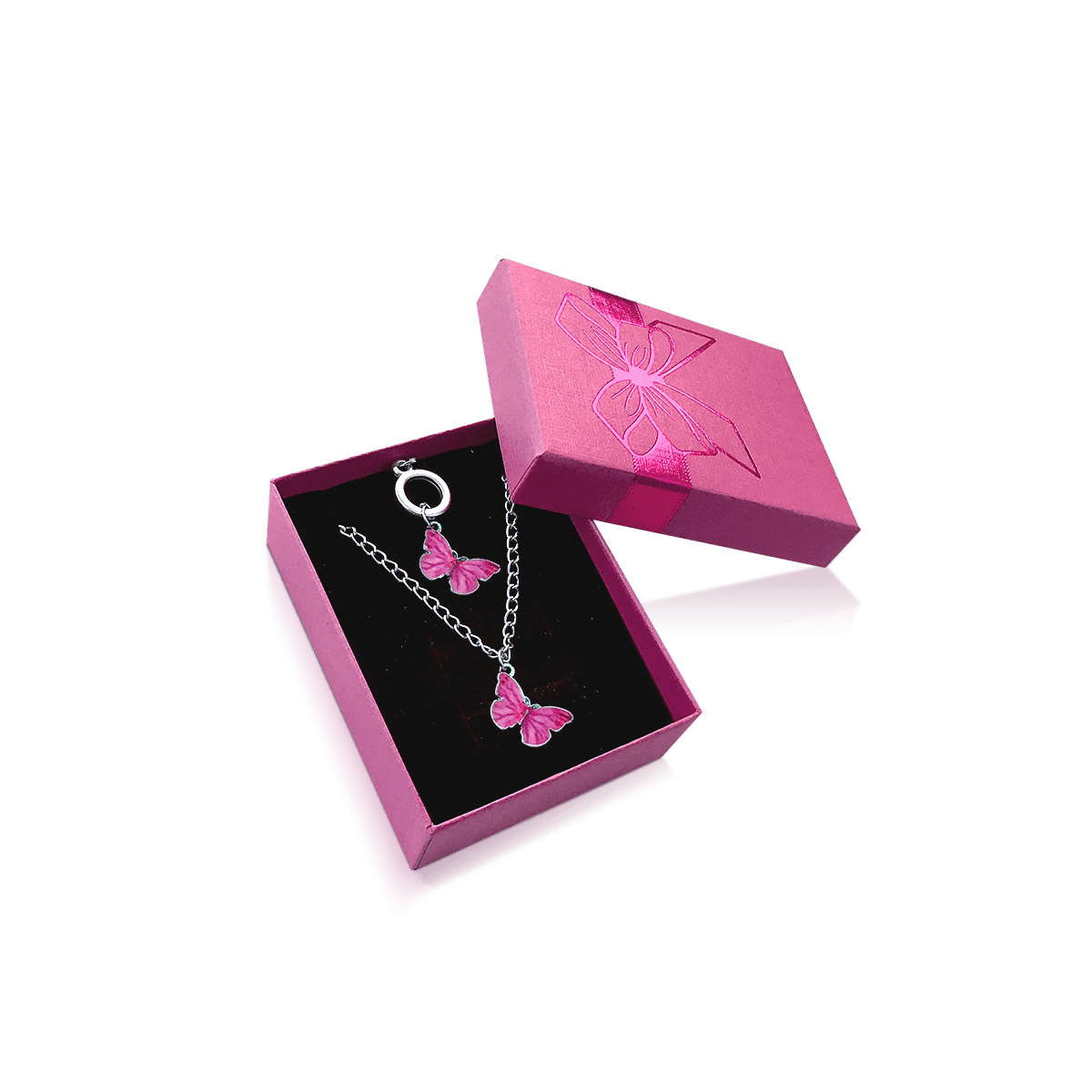
Custom cardboard jewelry boxes work best when the jewelry needs a neat individual pack, controlled positioning and strong branding without the weight and fixed volume of a heavier structure. They can suit earrings, pendants, charms, lighter bracelets, fashion jewelry and gift-ready accessories.

The decision sits inside the larger jewelry and accessories packaging system, where rings, watches, necklaces and sets each create different retention needs.

Count Empty Boxes Before Filled Boxes

Packaging storage is easy to ignore because the finished box is small.

Multiply that box across several sizes and hundreds or thousands of units and empty-pack volume becomes a real operational issue. A paperboard structure that nests or ships flat can reduce that burden substantially compared with boxes that remain fully assembled.

This is especially useful when a jewelry business carries one small box for studs, another for pendants and a third for bracelets.

The structure should still be quick to erect. A flat box that saves warehouse space but requires slow, awkward assembly at the counter merely moves the problem somewhere else.
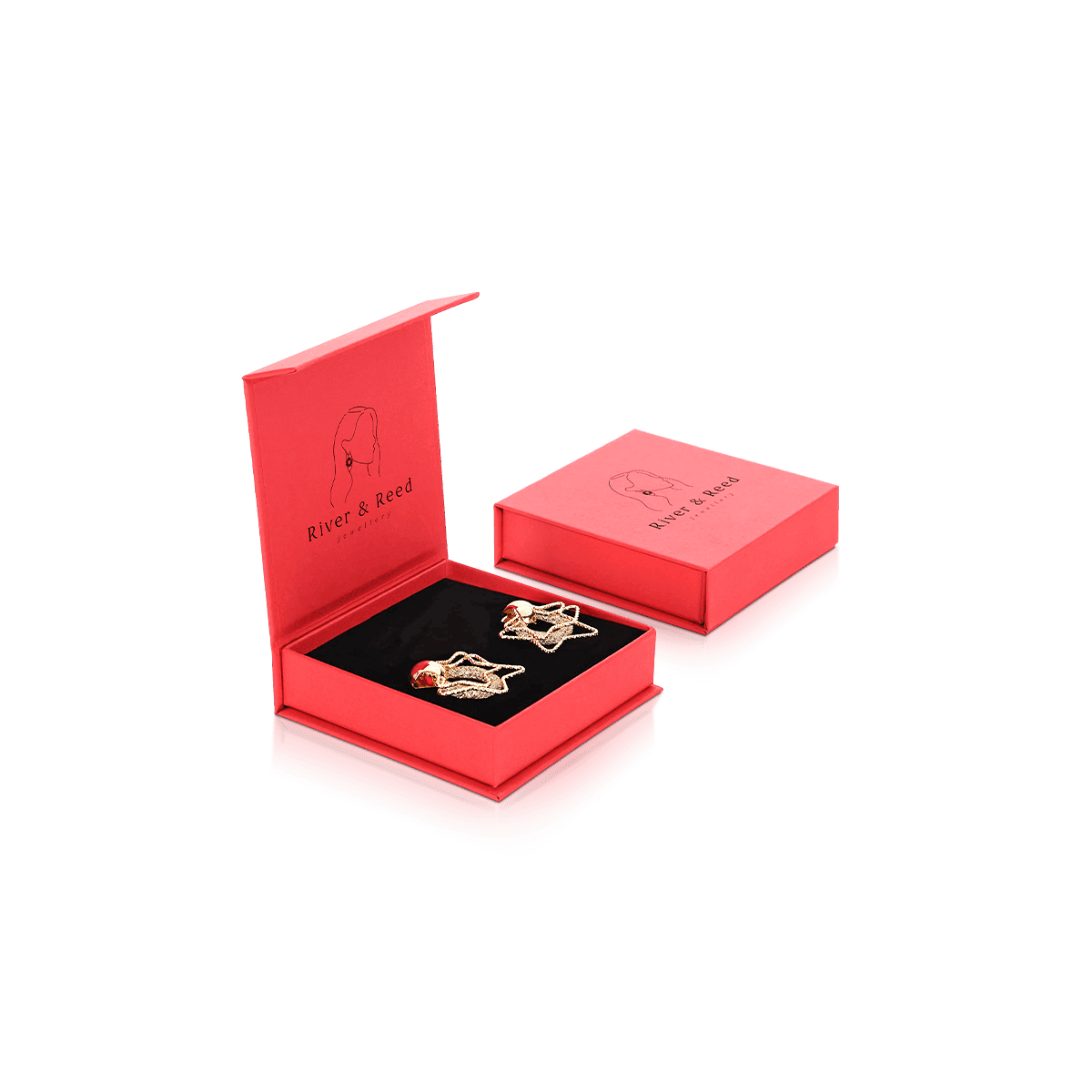
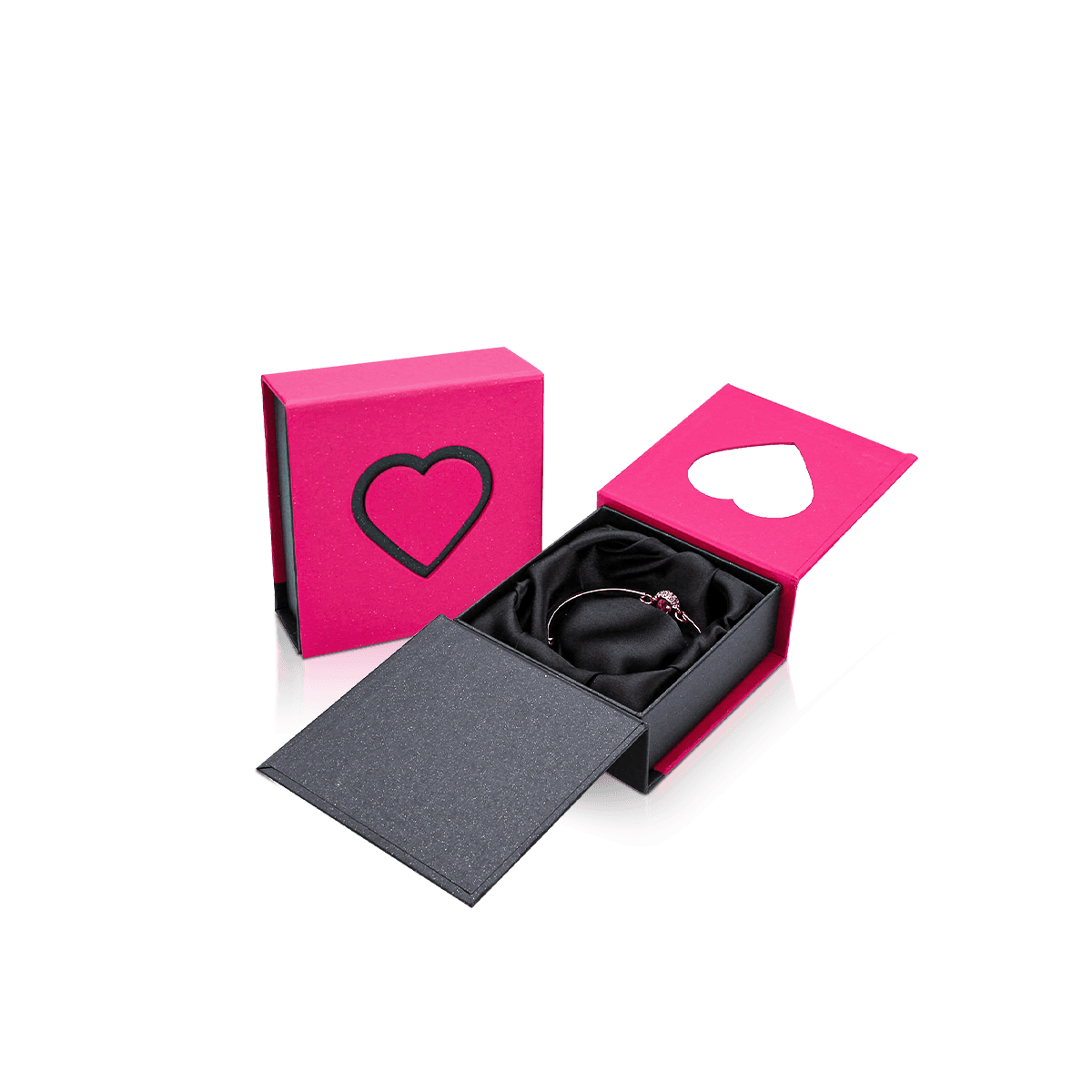
Cardboard and Rigid Board Do Different Jobs

“Cardboard jewelry box” can describe several paper-based constructions in everyday buying language, but paperboard cartons and rigid setup boxes behave differently.

Light folding paperboard can be die-cut, creased, folded and glued into compact jewelry packs. It uses less material mass and works well when print, storage efficiency and fast handling are important.

A rigid jewelry box uses thicker non-collapsing board when substantial walls and presentation weight are part of the purchase experience.

That distinction should stay clear during specification. Increasing the thickness of a folding carton does not eventually turn it into a properly constructed rigid box. Each system is converted differently.

For everyday retail jewelry, cardboard earns its place through efficiency. Rigid packaging earns its place when the outer box itself needs to feel like a substantial object.

Wood Sits Further Along the Same Decision

A wooden jewelry box adds a hard shell, greater weight and a stronger keepsake role.

Cardboard makes more sense when the customer is buying the jewelry rather than buying into the long-term value of the case itself.

That can include fashion accessories, promotional jewelry, entry-level collections, event pieces and large assortments where packaging needs to stay visually polished without becoming disproportionately heavy.

The Insert Carries the Small Product

Small jewelry can make a surprisingly poor match for an empty rectangular box.

A stud earring, thin pendant or charm occupies very little volume. Without an insert, even a correctly sized carton can leave the product sliding across the base or disappearing visually into an oversized cavity.

The outer paperboard creates the box. The insert gives the jewelry its position.

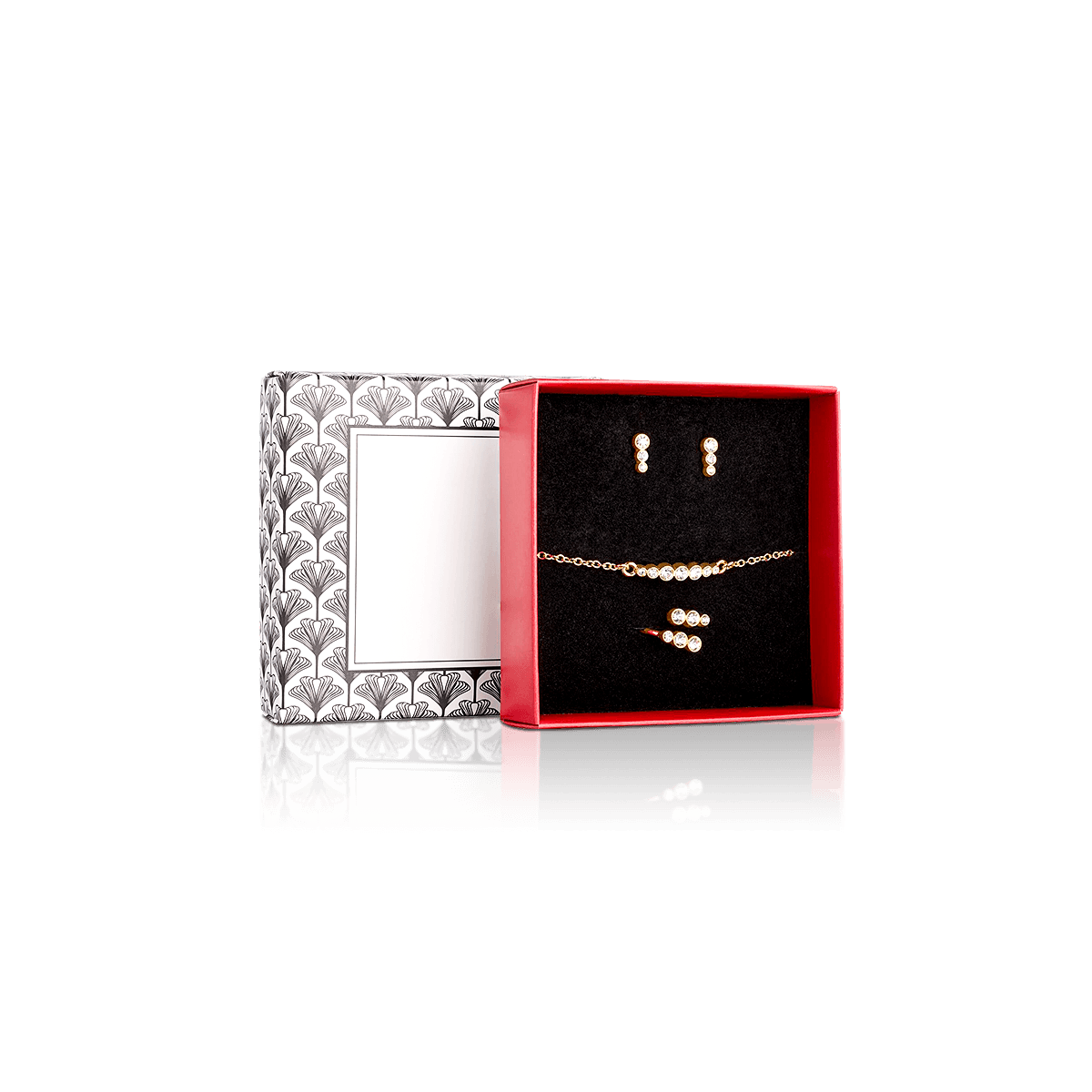
A die-cut card can hold earrings. A slit card can restrain a pendant chain. A folded paperboard platform can raise a small item closer to the opening. Foam may make sense when softer retention or greater depth is needed.

The differences between cardboard, foam and molded pulp inserts matter because the insert should solve the actual movement problem rather than simply fill empty space.

A Card Can Replace a Deep Cavity

For lightweight earrings or pendants, the jewelry may not need to sit at the bottom of a deep box.

An elevated card can bring the piece closer to the lid or opening while creating hidden space underneath for chain length, backs or small components.

That can make a shallower cardboard box look more deliberate and reduce material at the same time.

Chain Control Needs Two Zones

A pendant package often has two separate retention problems: the pendant needs to remain centered while the chain needs somewhere to go.

A single slit at the top of a card may keep the necklace hanging but still allow loose chain to gather visibly behind the pendant.

Routing the chain behind the display card or into a controlled lower space can keep the front presentation clean without using a much larger box.

Box Depth Should Follow the Jewelry Profile

Jewelry dimensions are not only length and width.

The height of the stone, clasp, pendant, earring post or bracelet profile can determine how deep the carton actually needs to be. Add the thickness of the insert and any folded support before setting the internal depth.

Too little depth can make the lid or top panel press into the piece. Too much depth can make lightweight jewelry look lost.

For stud earrings, a shallow box may be enough because most of the product sits close to the card. Hoop earrings can need more vertical room. A pendant with a raised setting may need clearance directly above the central piece even when the chain itself is almost flat.

That is why two products with similar retail value can need very different cardboard boxes.

A paid fully custom pre-production sample can be used when exact insert depth, closure clearance or jewelry removal needs physical validation. Free 3D mockups can establish the proposed proportions and artwork before that physical check.

Structure Can Add Presentation Without Adding Mass

Lightweight packaging does not have to mean a basic top-opening carton.

The opening style can change how the jewelry is presented while retaining the storage and weight advantages of paperboard.

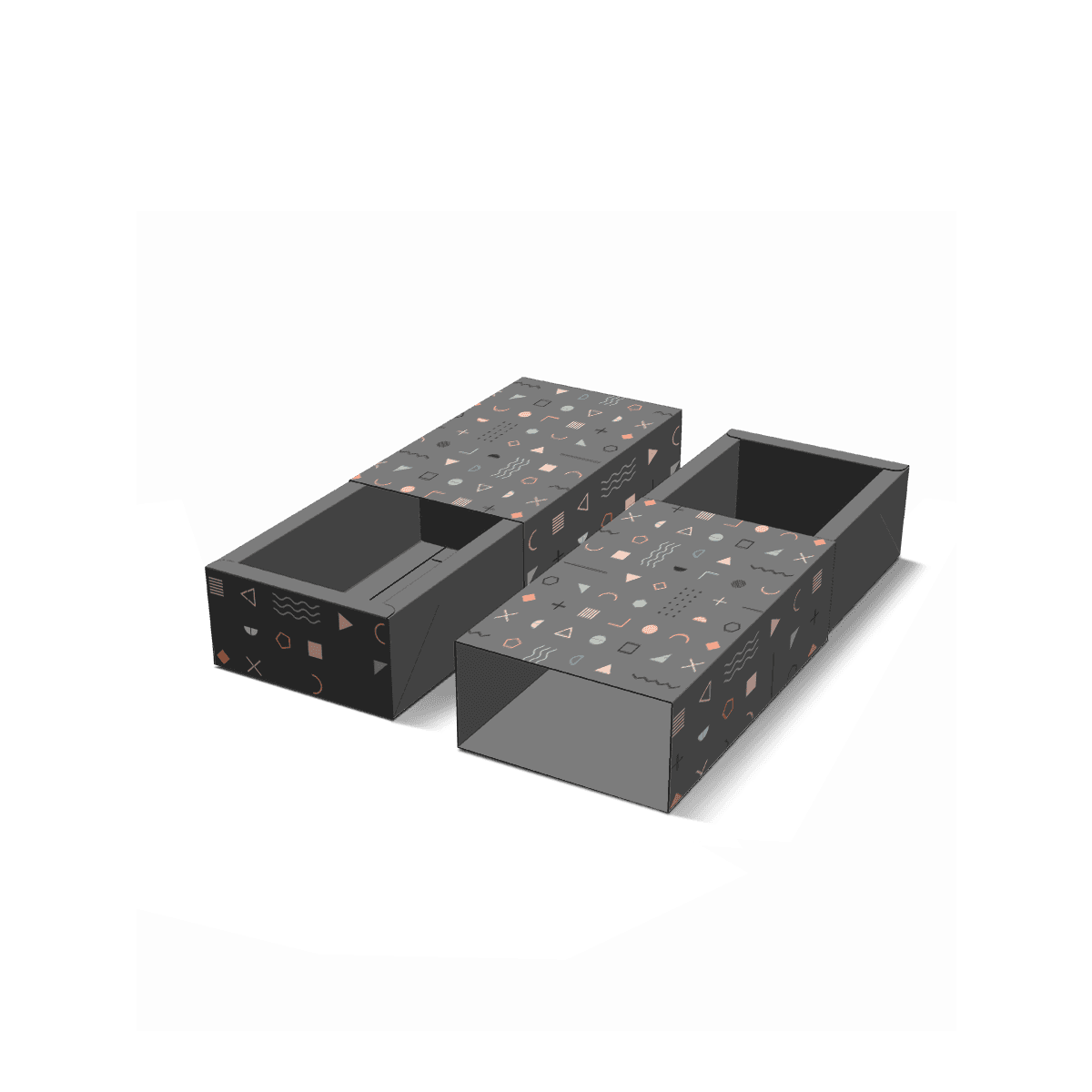
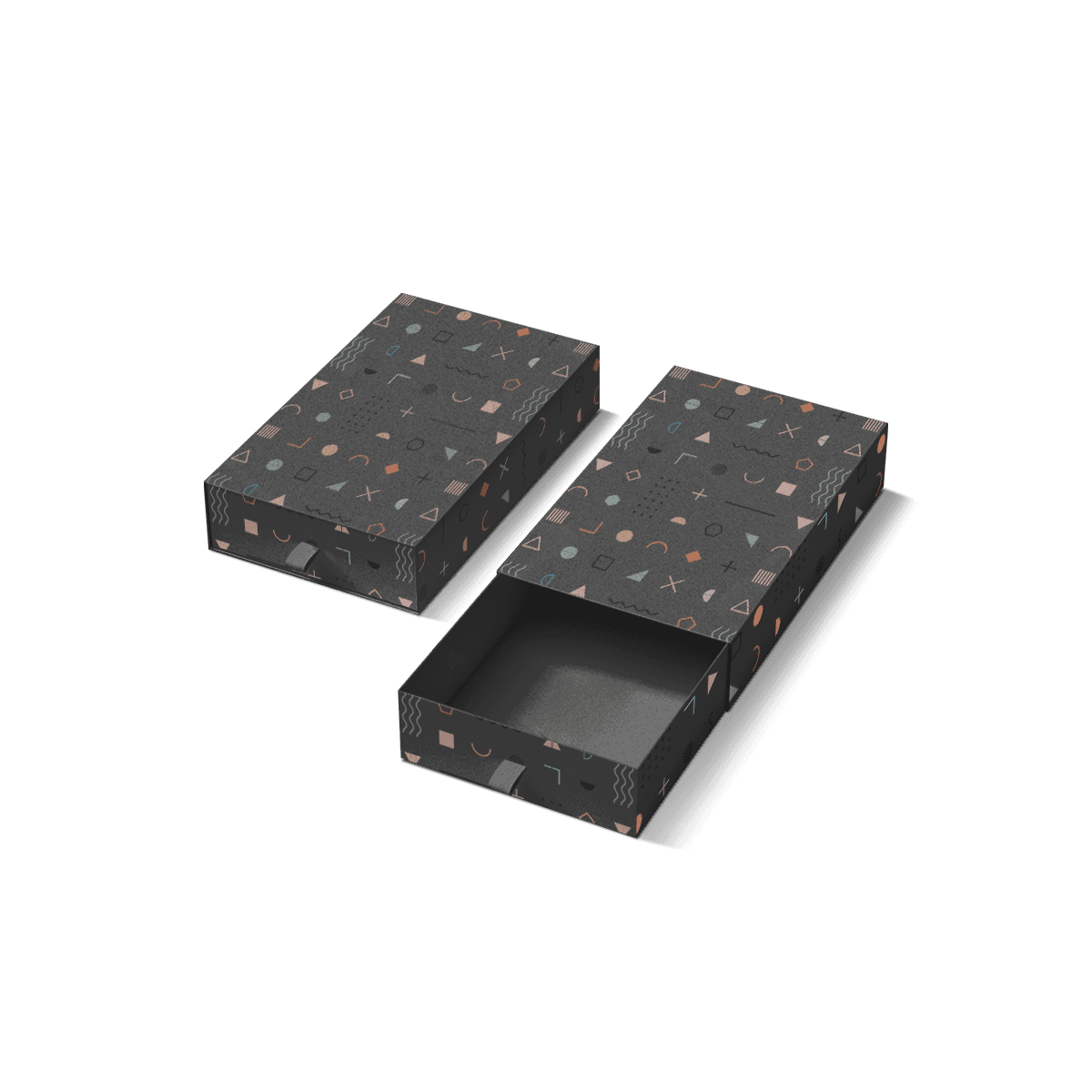
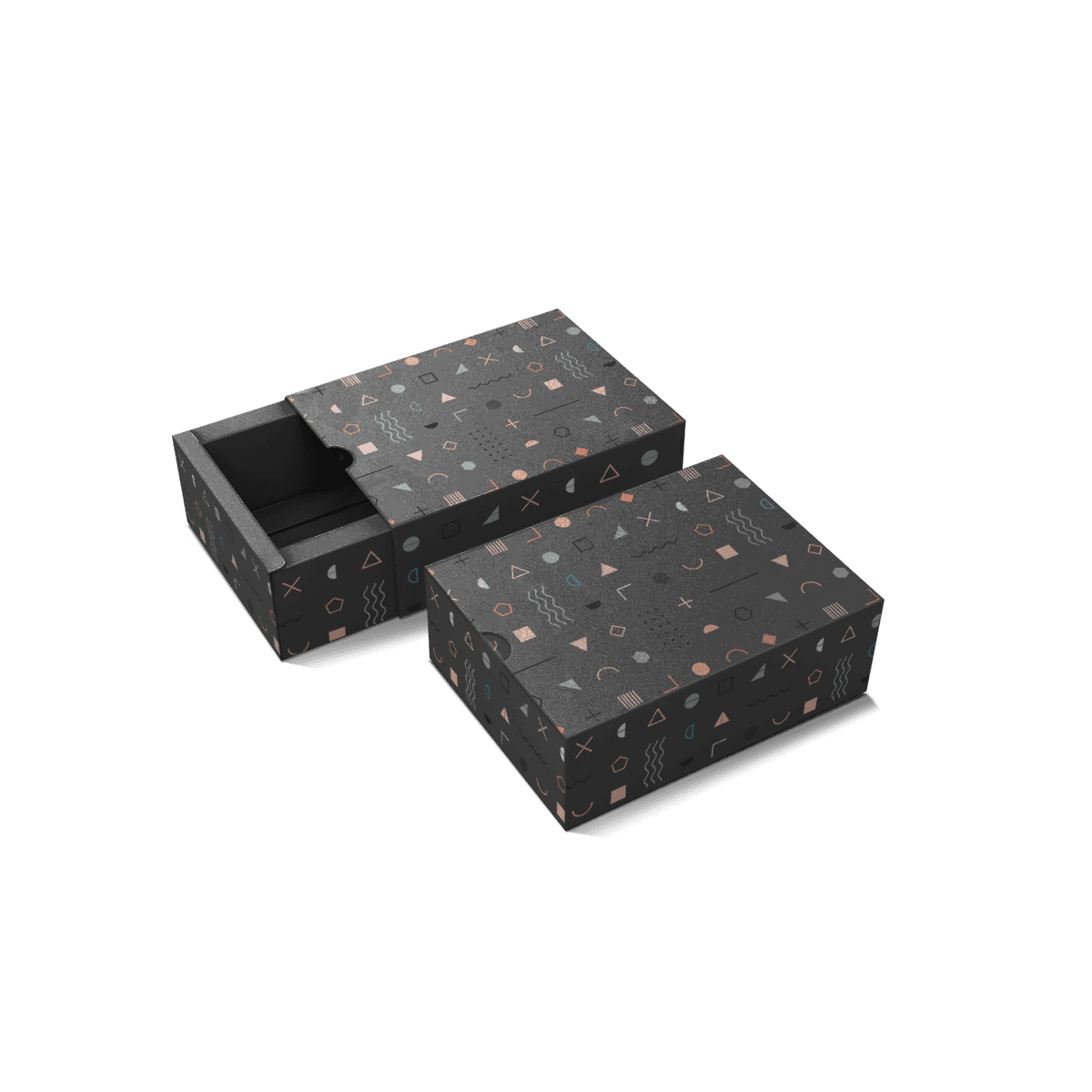
A simple folding carton prioritizes speed and compact packing. A sleeve introduces a sliding reveal. A tray-and-sleeve structure keeps the jewelry visible in an inner platform while the outer sleeve carries branding. A lightweight drawer can create another pull-out interaction where the board and product weight suit the construction.

Sleeve folding cartons suit jewelry packs where a sliding outer cover can add presentation without introducing rigid walls.

A tray and sleeve box gives the insert and jewelry a defined inner stage while a separate sleeve closes around it.

Opening Style Changes Packing Time

A structure should not be judged only after the jewelry is inside it.

Look at how the employee receives the empty box, erects it, inserts the product card and closes the pack.

Consider a boutique using a small tray-and-sleeve box for earrings. The presentation looks strong, but staff must first erect a tray, place an insert, secure the earrings, fold the sleeve and slide both parts together for every sale.

If the same collection moves quickly at the counter, a simpler carton with an integrated insert may remove several touches.

The better structure depends on how much opening theater the jewelry needs and how frequently staff must pack it.

Jewelry Cards and Boxes Should Share Dimensions

A jewelry card should not be treated as an independent piece that happens to go inside the box.

Its width, corner shape, slit position and finished height affect how easily it loads and whether it rotates after packing.

A card that nearly matches the internal width can keep the jewelry facing forward. A card that is much narrower than the box may shift sideways even if the jewelry itself is secured perfectly to it.

Leave enough clearance for practical insertion without creating obvious movement.

For earrings, the posts and backs also need room behind the card. If the card sits directly against the rear wall, the hardware may press into the board or tilt the card toward the front.

The empty volume behind the card is therefore functional, not necessarily wasted space.

Print Should Work Around Small Surfaces

Cardboard gives jewelry brands more direct print area than wood or many fabric-covered cases, but compact boxes still need restraint in the artwork.

A small lid cannot carry a logo, long tagline, decorative border, product name, care message and several finishing effects with equal importance.

Decide what the customer should recognize first.

For a jewelry line sold across multiple small boxes, consistent logo scale and placement can connect rings, earrings, pendants and bracelets even when the physical cartons differ.

When artwork systems, color control and finish placement become the main requirement, custom printed jewelry boxes put those decisions ahead of storage efficiency.

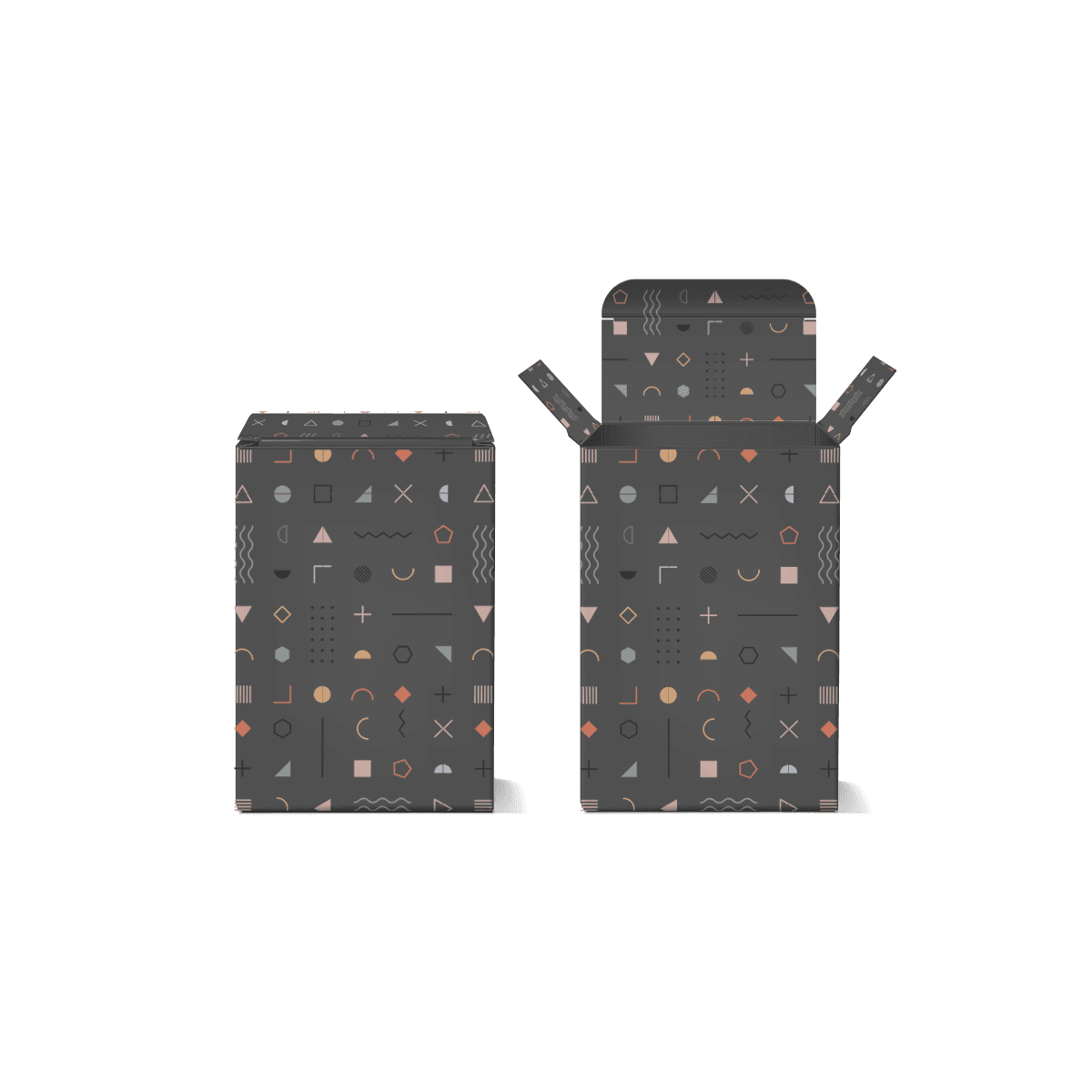
Premium offset printing can reproduce fine typography, patterns and controlled brand color across cardboard jewelry packaging. CMYK works well for multi-color artwork, while Pantone can be considered when a specific brand color needs tighter control.

Foil, embossing, debossing, matte, gloss and spot UV can add emphasis, but a lightweight box should not be overloaded with finishes simply to imitate a rigid presentation case.

Paperboard Inserts Can Become Part of the Artwork

An insert does not have to disappear beneath the jewelry.

When the box opens, a visible card or folded platform can continue the color system from the exterior, carry a small logo or create contrast behind the product.

That makes cardboard particularly flexible for fashion jewelry and seasonal launches where the interior appearance changes with the collection.

The insert still has to perform first.

A dark card can create strong contrast behind bright metal but may show lint, dust or surface marks more readily. A pale insert can feel clean but may reduce contrast with silver-colored pieces. Very dense artwork may compete with a small pendant rather than frame it.

The jewelry should remain the visual focal point.

The Retail Box Is Not the Parcel Shipper

A lightweight cardboard jewelry box can organize and present the piece, but parcel delivery creates loads that usually belong to a separate outer package.

This is especially important with shallow cartons. A jewelry box that holds its shape perfectly at a retail counter may not be intended to resist stacking, crushing or courier handling on its own.

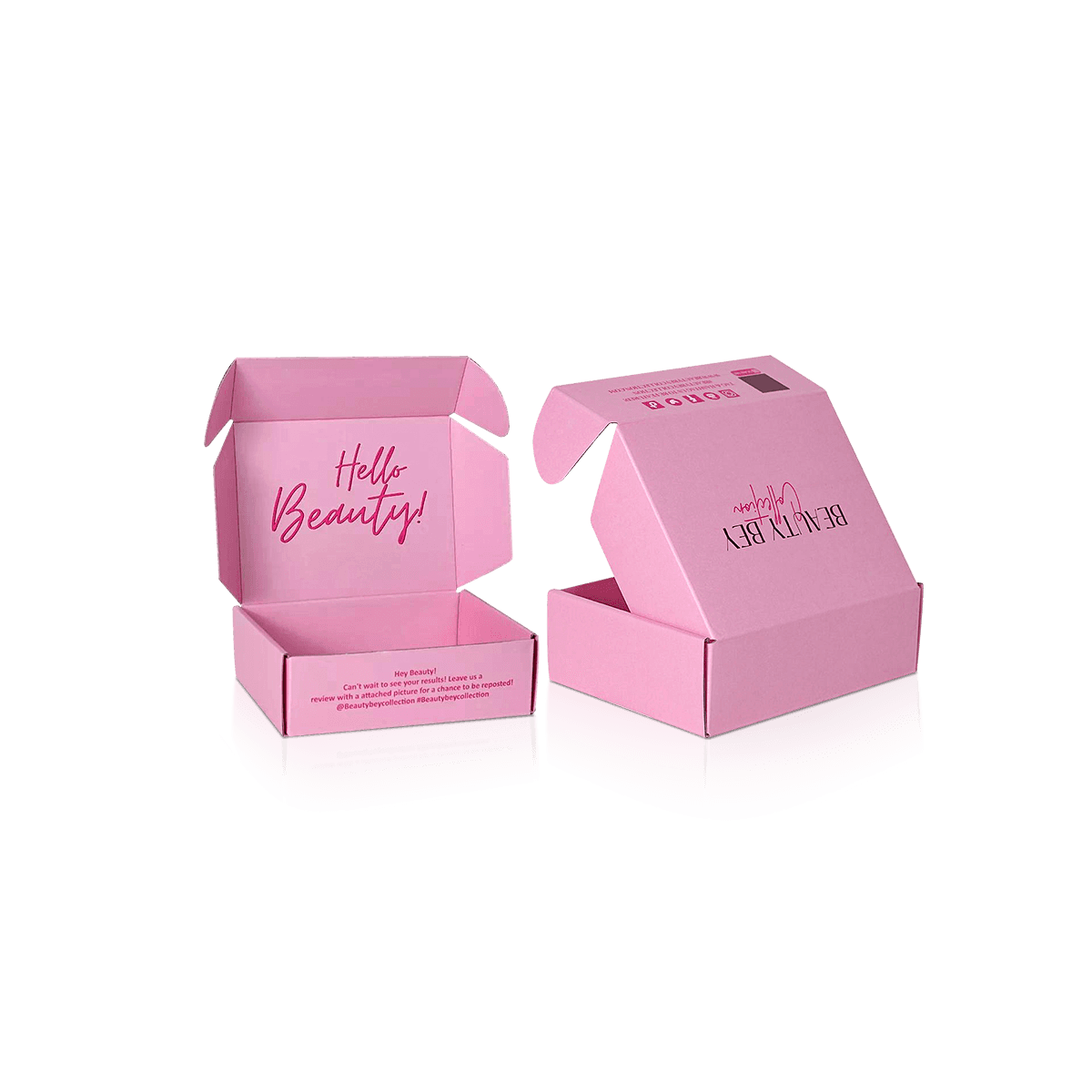
For direct-to-consumer orders, a custom mailer box can carry the transit load while the cardboard jewelry pack handles the branded reveal inside.

Movement between the presentation box and the outer mailer should still be controlled. Oversizing the mailer can allow the small inner box to slide, rotate and strike the walls during handling.

Shipping damage prevention through structure and fit starts with controlling that empty space instead of assuming more outer material will compensate for a loose pack.

One Carton Size Can Support Several Jewelry SKUs

Cardboard becomes especially efficient when several products genuinely fit the same outer dimensions.

A jewelry brand might use one small carton for several stud designs, one medium pack for pendants and another for bracelets. The outer structure stays controlled while different insert cards adapt the box to individual products.

That approach can reduce the number of physical box sizes without forcing unlike jewelry into poor fits.

The important distinction is between changing the insert and changing the box.

If one pendant sits much higher than the rest or a hoop earring exceeds the current carton profile, it may need another depth rather than another improvised card.

Quantity planning should therefore separate outer box sizes from artwork or insert variants.

Custom Packly’s MOQ starts from 100 boxes, which allows smaller jewelry programs to build around a limited number of practical sizes. US production, free shipping and a standard 4–6 day turnaround after final artwork and specifications are approved can support launches and replenishment once the structural specification is ready. Complex structures, specialty materials or advanced finishes may require additional time.

Warehousing and scheduled deliveries can also support larger runs when empty packaging does not need to arrive at the retailer all at once.

Once outer sizes, insert variants and quantities are settled, an instant custom packaging quote can be based on the mix the jewelry program will actually use.

Make Counter Packing the Final Test

Before approving the cardboard structure, run it through the way staff will actually use it: store the empty packs, erect one, load the card or insert, place the jewelry and close the box.

For everyday jewelry, the carton earns its place when that sequence stays fast while preserving compact storage, low package weight and clear presentation.

If layers of thick board, complex hardware and elaborate interior components slow that sequence, a luxury jewelry box may be a more coherent choice for the product tier.

If the carton stays light, the specification can remain disciplined: a jewelry size, an insert or card, a practical opening style and enough print to make the brand recognizable.

The strongest cardboard jewelry package does not apologize for being lighter. It uses that lightness to store efficiently, pack quickly and put more of the packaging effort where the customer sees it: around the jewelry itself.

FAQs

Yes. For earrings, pendants, bracelets and other light pieces, well-creased paperboard with the right insert gives enough structure for counters, shelves and packed orders.

Cardboard is usually the better fit when brands want lower pack weight, easier storage and stronger unit economics for larger runs, while rigid formats suit higher-ticket presentation.

Die-cut cardboard inserts work well for cards and lightweight pieces, while foam pads are better when the item needs extra lift or a snug slot.

Yes. Matte coatings, soft-touch lamination, foil accents and inside print can make a paperboard box feel polished without moving to a heavier format.

Most brands use them as the presentation pack inside a mailer or shipping box so the jewelry stays organized and the outer pack handles transit pressure.

Process

How it works

Your Packaging Journey, From Idea to Production and Delivery

01

Tell Us Your Specs

Custom packaging boxes

Tell Us Your Specs

Provide size, quantity, printing, and finishes.

02

Get a Fast Quote

Custom packaging boxes

Get a Fast Quote

Instant transparent pricing, no hidden fees.

03

Design and Approval

Custom packaging boxes

Design and Approval

Artwork checks, revisions, and final sign-off.

04

Produce

Custom packaging boxes

Produce

Expert manufacturing to meet deadlines.

05

Ship to Your Door

Custom packaging boxes

Ship to Your Door

Hassle-free, flexible delivery options.

Get Your Quote for Custom Cardboard Jewelry Boxes

Share your product details, size, quantity and artwork needs. We’ll help choose the right packaging style and send a clear quote.