Skip to content
Details

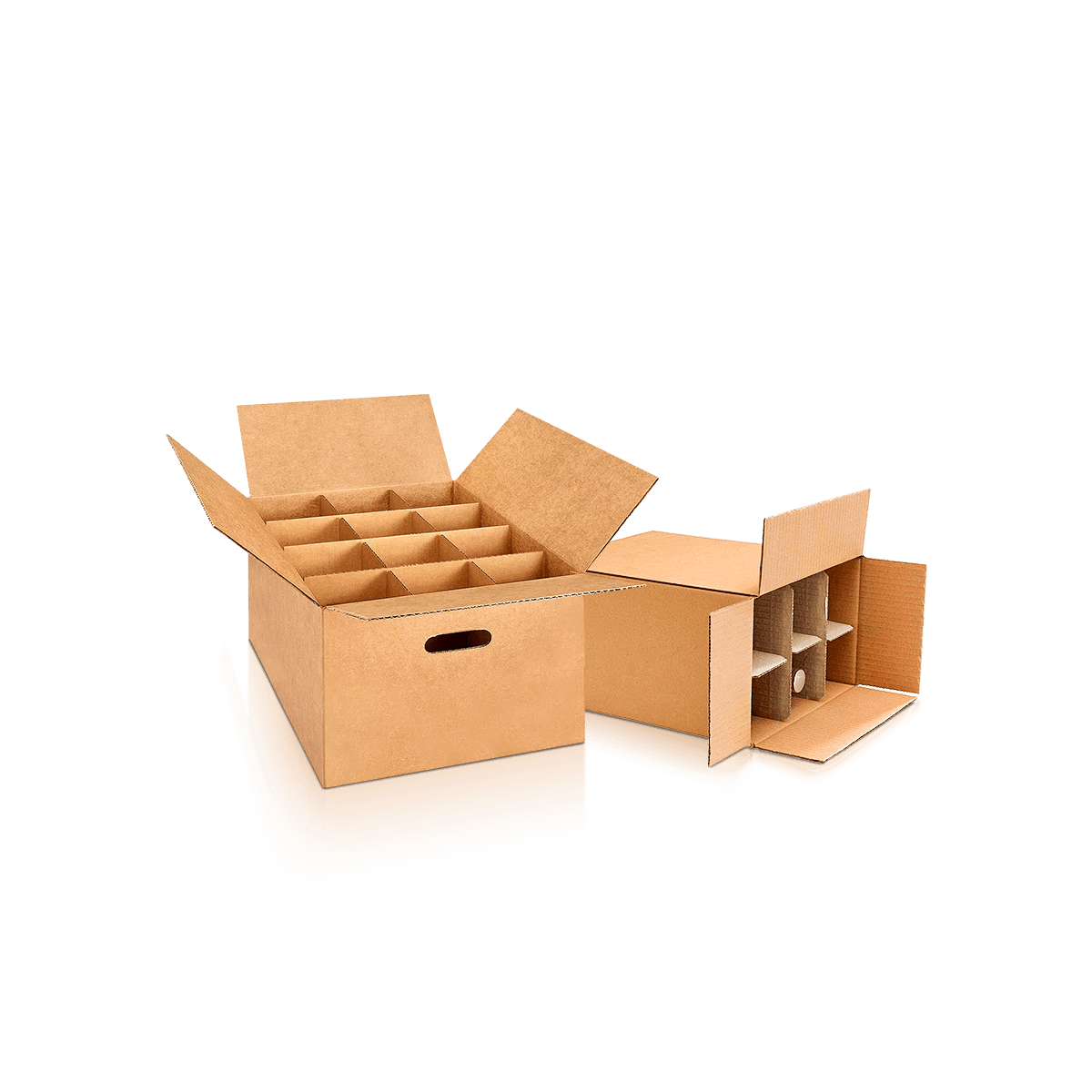
Custom Divider Boxes

Compartmented paperboard and corrugated packaging that separates mixed components, controls contact and makes counted MRO assortments easier to pack and verify.

Cells Should Earn Their Space

Every compartment in Custom Divider Boxes should have a defined reason to exist: separation, count control or predictable placement inside one outer box.

That makes compartment geometry more important than simply maximizing the number of cells.

For MRO packaging, divider layouts can organize fasteners, fittings, bearings, repair components, electrical accessories and maintenance assortments that would otherwise mix inside one cavity.

A useful divider system answers four questions:

  • Which components must stay apart?
  • Which pieces need only organization rather than cushioning?
  • How much movement is acceptable inside each cell?
  • Does every compartment still work after neighboring pieces are removed?

If two items can share space without contact, counting or packing problems, dividing them may add unnecessary material and assembly. If a critical component can strike another piece, one large cavity is too simple.

The grid should follow the contents.
Cell Size Is Not Product Size

A divider cell needs working clearance around the component, but excessive clearance defeats much of the reason for adding partitions.

The correct cell size depends on how the item enters, how it moves and how it is removed.

Insertion Clearance

A component should slide into its assigned cell without catching on divider edges.

Small dimensional tolerances become important when dozens of cells repeat across one grid. A compartment that is only slightly too tight can slow every packing cycle.

For irregular parts, measure the true packed envelope rather than a convenient nominal dimension.

A fitting with a projecting flange or a component inside a protective bag may need more room than the bare part measurement suggests.

Movement Clearance

Separation does not automatically mean restraint.

If a one-inch component sits inside a three-inch cell, the partition may stop it from contacting the next item while still allowing substantial impact against its own walls.

When movement itself creates risk, reduce the cell clearance or add a different form of support.

The principles behind structure and fit for shipping protection still apply inside each compartment.

Removal Clearance

A cell can hold a component correctly and still make it difficult to remove.

Finger space matters when parts sit below the top edge of the divider. Deep narrow cells are especially easy to over-constrain.

If a technician has to pull a delicate connector or sharp edge to lift the component, the layout needs another access point.

Equal Grids Are Often Wrong

Interlocking partitions naturally produce neat rows and columns. That visual order can encourage a false assumption that every cell should be the same size.

Mixed MRO assortments rarely behave that neatly.

A maintenance box may contain one large bearing, four seals, eight bolts and two fittings. Dividing the footprint into fifteen equal spaces would be geometrically clean and operationally poor.

Different cell widths and lengths can use the same outer box more efficiently.

The layout should reflect:

  • component dimensions
  • quantity of each item
  • weight
  • surface sensitivity
  • required separation
  • packing order
  • removal access

The useful objective is not symmetry. It is a compartment map that supports the actual assortment.

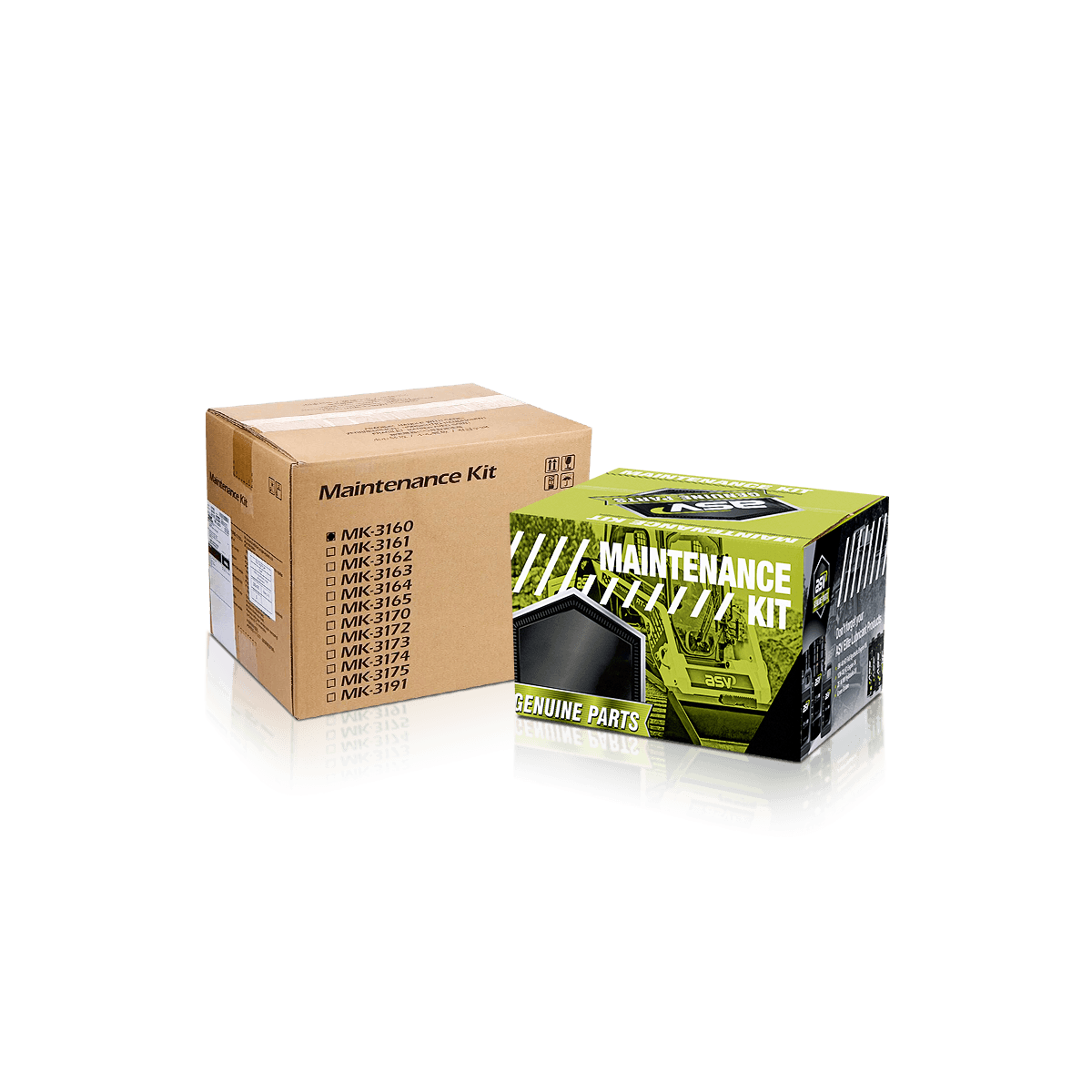
For job-specific collections of parts, Maintenance Kit Boxes can combine divider logic with instructions, service identifiers and point-of-use sequencing.

Divider Height Changes Contact

Partition height should be based on what the divider needs to stop.

A short separator can prevent low-profile items from sliding into each other's space. A taller divider may be necessary when products can tip, roll or lean over the partition.

Full-height dividers are not automatically better.

They use more material, can make removal harder and may create unnecessary assembly if the contents only need low-level separation.

Consider the component's center of gravity.

A tall narrow bottle-like component can lean across a low partition. A flat metal plate may need only a shallow edge to stop lateral movement. A bag of small fasteners may need a taller wall simply to keep loose contents contained.

Divider height should therefore follow the movement mode rather than the overall box depth.

Top restraint matters too. A full-height grid can still allow products to lift vertically if the closed box leaves substantial clearance above the contents.

The Grid Has Its Own Mechanics

Interlocking partitions are typically formed from slotted strips that cross each other to create cells.

The slot pattern controls how square and stable the grid becomes.

If the slots are too loose, walls can lean and cell dimensions can drift during packing. If they are too tight, assembly becomes unnecessarily difficult or the board can buckle around the intersections.

Slot Engagement

Each intersecting strip should seat fully enough to keep the grid aligned.

A partially assembled intersection can leave one row higher than another and make the divider sit poorly inside the outer box.

Outer Fit

The assembled grid should fit the box closely enough to resist wandering but not so tightly that workers have to crush the divider to insert it.

The box and divider dimensions need to be developed together.

Adding partitions after an outer box has already been finalized can create thin unusable edge spaces or force the cells into dimensions that do not match the parts.

Assembly Direction

A large grid may be easier to build outside the box and drop into place. Another divider can be assembled directly inside the carton.

That packing method affects labor.

A clever partition design that takes too long to assemble can be the wrong choice for a high-volume operation.

Corrugated or Paperboard

Paperboard and corrugated partitions solve different levels of separation.

Paperboard can work for lighter items that mainly need organization, counting and surface separation.

Corrugated partitions add thickness and stiffness, making them more suitable when heavier components push against divider walls or the pack faces more demanding storage and transit conditions.

The differences among packaging materials matter because adding a divider changes internal dimensions as well as protection.

A thicker partition consumes more space.

That can be significant in a grid with many cells. Increasing divider thickness by a small amount across several parallel walls can materially change the usable compartment dimensions and the final outer footprint.

Material choice should therefore happen before the grid dimensions are frozen.

Use enough structure for the components. Do not choose thick corrugated merely because it sounds stronger if lighter board already performs the required separation job.

Dividers Are Not Cushioning

A partition primarily separates.

That distinction becomes important with fragile, high-value or impact-sensitive components.

A corrugated divider can stop two metal parts from colliding directly while still allowing each part to strike the base, top or walls of its individual compartment.

Foam Insert Boxes are more appropriate when close retention, cushioning or shaped support is the dominant requirement.

The choice between foam, cardboard and molded-pulp inserts should follow the type of control the component actually needs.

Hybrid interiors can also make sense.

A divider grid can organize most items while one vulnerable component receives a local pad or fitted support.

That is often more efficient than surrounding every ordinary component with foam because one item needs cushioning.

Heavy Parts Need a Floor

Dividers should not be asked to suspend concentrated weight unless the system was deliberately developed for that job.

Dense metal parts usually need their load carried into the base of the outer box.

A divider can stop lateral movement while a bottom pad, corrugated platform or reinforced base takes the vertical load.

This matters when compartments contain items with very different masses.

Imagine a box with eight small plastic components and one steel coupling. If all cells use identical lightweight partition walls, the steel part can distort the grid even though every compartment looks correct when empty.

The adjustment belongs under and around the heavy component rather than across the entire pack.

The outer carton must also match the combined load. A strong internal grid cannot compensate for an outer box that is too weak for the total packed weight.

For demanding transit loads, Shipping Boxes should carry the required distribution strength while the divider focuses on internal separation.

Count Control Is Physical

Divider layouts can make a missing component visible before someone reads a packing list.

A six-cell row designed for six identical parts communicates count differently from one open cavity holding six loose pieces.

That can simplify pack checks in maintenance, repair and assembly operations.

The effect becomes stronger when the printed identifiers and physical cells agree.

A divider system can use:

  • labeled rows
  • cell numbers
  • part codes
  • group names
  • quantity callouts
  • printed orientation marks

The print should support an existing packing process rather than create unnecessary decoration inside the box.

For repeated warehouse picking, Parts Storage Boxes are better suited when individual components remain in long-term shelf positions.

Divider Boxes make more sense when several pieces need to remain intentionally grouped inside one outer pack.

Layers Multiply Capacity

A divided box can use more than one level when the product geometry and handling process justify it.

Layering can increase capacity without making the outside footprint excessively large, but every additional layer changes access and verification.

A lower layer should not be forgotten simply because the upper tray covers it.

Use layered divider systems when:

  • the contents naturally split into stages or groups
  • each layer can be removed cleanly
  • lower products can tolerate the upper load
  • the packing team can verify each level
  • the final box depth remains practical

Pads between layers can help separate components vertically.

The limitation is complexity.

A two-layer pack may be efficient. A five-level system with several loose pads and grids can slow packing, create assembly errors and make receiving difficult.

More capacity per carton is useful only if the pack remains understandable.

Storage and Shipment Differ

A divider system used for static storage faces different forces from one moving through parcel or freight distribution.

In storage, the main concerns may be separation, count accuracy and efficient use of shelf space.

In shipment, vibration, repeated orientation changes and impacts can make loose clearance much more important.

A layout that works perfectly on a shelf can allow every component to hammer against its compartment during delivery.

The same divider can sometimes serve both roles, but that should be proven by the actual packed behavior.

Open shelf access is a different use again. Bin Boxes prioritize repeated front picking rather than maintaining a compartmented assortment inside one closed outer pack.

The operating environment should decide whether the divider system needs storage organization, transit restraint or both.

Flat Parts Save Warehouse Space

Interlocking divider strips can often be supplied flat before assembly.

That is valuable when large quantities of empty partition systems must be stored.

The finished grid may occupy substantial cube once erected, while the same components can remain compact as flat strips.

Assembly labor becomes the trade-off.

A simple two-direction grid can be quick to erect. Large mixed-cell patterns may require more attention because several strip lengths or slot positions can look similar before assembly.

Clear production coding and sensible component differentiation can reduce mistakes.

For recurring programs, the divider specification should identify:

  • strip count
  • strip orientation
  • slot pattern
  • board type
  • assembled cell map
  • corresponding outer box
  • artwork or printed identifiers where used

This is one place where repeat-production control genuinely matters because the outer box and divider have to remain dimensionally compatible.

One Grid Can Serve Variants

A common divider system can sometimes support several product configurations.

The opportunity appears when multiple SKUs use the same outer footprint and differ mainly in which cells are filled.

For example, a standard twelve-cell partition may support six-, eight- and twelve-piece assortments if empty positions are intentional and do not allow neighboring products to move incorrectly.

That can simplify purchasing.

But empty cells should not become uncontrolled voids around heavy components, and workers should be able to distinguish the intended configuration quickly.

Another strategy is to keep the outer carton constant and change only the divider pattern.

For larger recurring programs, bulk custom boxes can coordinate outer structures, divider configurations and quantities by SKU instead of treating the total volume as one specification.

Standardization is valuable when it removes unnecessary variation. It becomes a problem when the common grid stops fitting the individual products properly.

Price the Compartment System

The cost of a Divider Box depends on more than the outer dimensions because the interior introduces its own material and converting requirements.

Useful quote inputs include:

  • outer box dimensions
  • number of compartments
  • required cell dimensions
  • divider height
  • paperboard or corrugated preference
  • total packed weight
  • quantity of each component
  • one layer or multiple layers
  • storage or shipping use
  • printing requirements
  • annual production quantity

Custom Packly's USA MOQ starts from 100 boxes. Free design and dieline support can help turn the proposed component map into an outer box and divider specification. Free 3D mockups can show the overall configuration, while a fully custom physical sample can be arranged as a paid sample when actual cell fit or divider assembly needs physical confirmation.

US production and free shipping support domestic orders. Standard turnaround is 4–6 days after final specifications and artwork approval. More complex structures or specialty requirements can need additional time.

Price the complete outer-box and partition system after the compartment map and quantity are settled.

Read the Empty Grid

Before approving a Divider Box, look at the assembled partition without any products inside it.

The empty grid should make the packing logic understandable.

You should be able to identify where the largest component goes, which cells repeat, where heavier items sit and whether any compartment looks unnecessarily tight or oversized.

Then load the pack and remove the pieces in realistic order.

The grid should remain upright after one cell is emptied. Removing a large item should not cause neighboring partitions to collapse. Small components should not slip under divider walls or migrate into another cell.

That empty-and-partly-empty behavior often reveals more than looking at the pack fully loaded.

A good Divider Box does not merely split one carton into smaller rectangles. It creates a stable compartment system in which each item has enough space, enough separation and a position that still makes sense after the pack starts being used.

FAQs

Because they make one outer pack more controlled. Divider Boxes help separate each item, reduce confusion during packing, and make mixed orders easier to count, verify, and handle.

Divider Boxes are usually better when you need organized separation for several items in one pack and want an efficient paper-based structure. Foam Insert Boxes are often the better choice for delicate parts that need tighter cushioning, snug cavities, or higher-value presentation.

Corrugated dividers make more sense when the contents are heavier, more fragile, or more likely to shift during shipping. Paperboard partitions are often enough for lighter items, display assortments, or packs that do not face rough handling.

That depends on the product mix and box size. Some layouts use only two or three sections while others use a larger grid for counted components, sample assortments, or organized accessory bundles.

Yes. They are useful for shelf organization, internal kitting, and shipment packing because the same divided structure can support sorting, temporary holding, and final pack-out in one format.

Process

How it works

Your Packaging Journey, From Idea to Production and Delivery

01

Tell Us Your Specs

Custom packaging boxes

Tell Us Your Specs

Provide size, quantity, printing, and finishes.

02

Get a Fast Quote

Custom packaging boxes

Get a Fast Quote

Instant transparent pricing, no hidden fees.

03

Design and Approval

Custom packaging boxes

Design and Approval

Artwork checks, revisions, and final sign-off.

04

Produce

Custom packaging boxes

Produce

Expert manufacturing to meet deadlines.

05

Ship to Your Door

Custom packaging boxes

Ship to Your Door

Hassle-free, flexible delivery options.

Get Your Quote for Custom Divider Boxes

Share your product details, size, quantity and artwork needs. We’ll help choose the right packaging style and send a clear quote.