Balance Steam and Heat
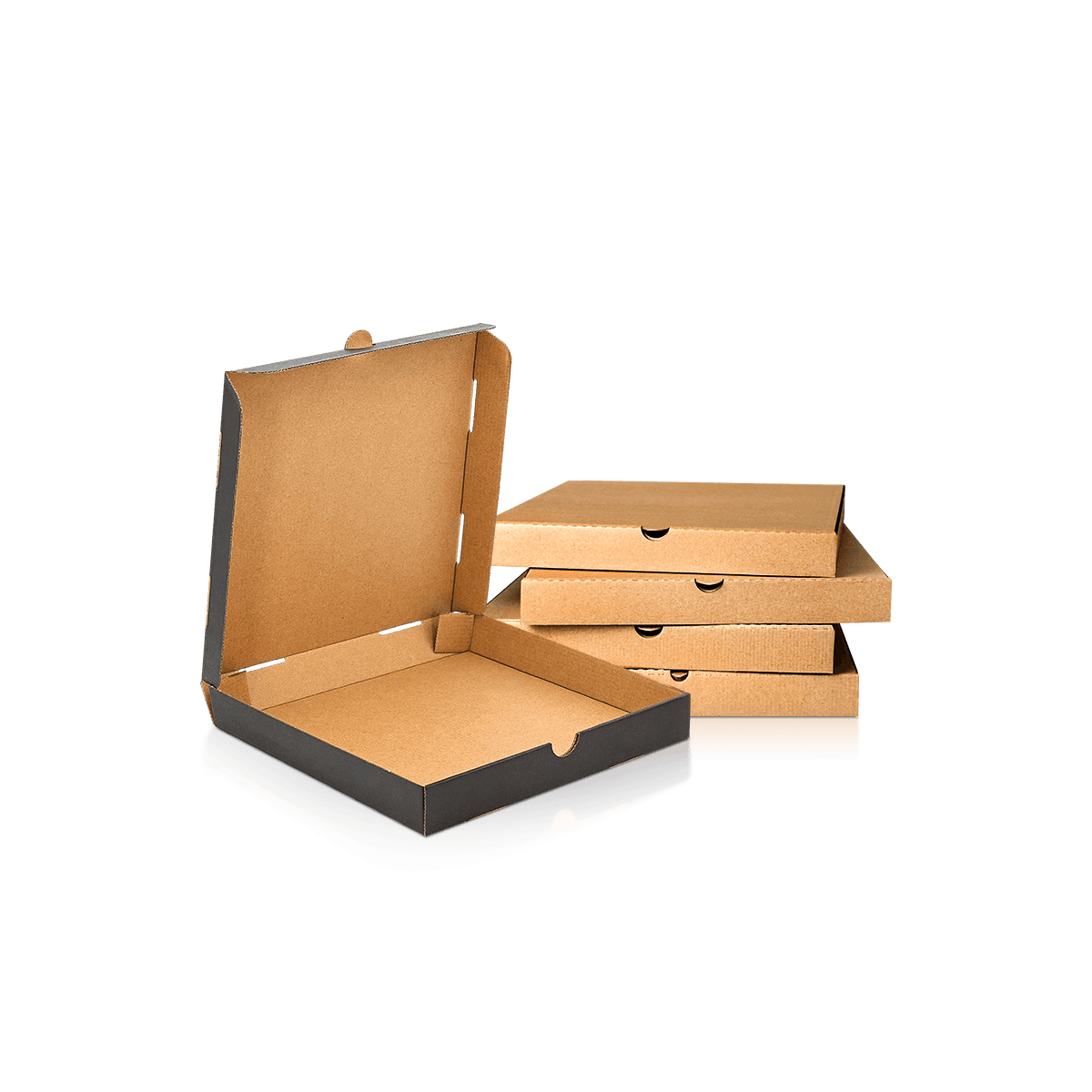
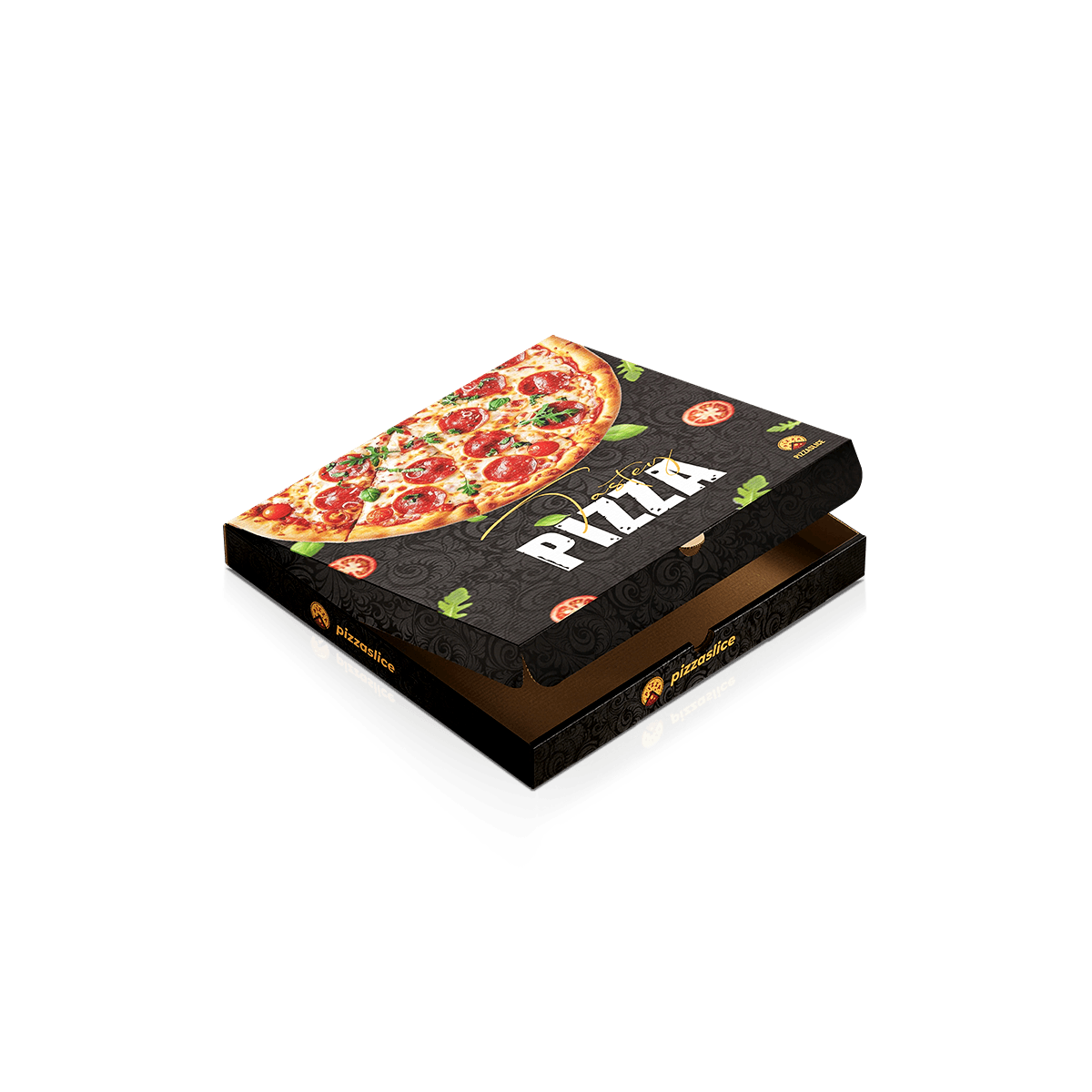
A pizza box has to release enough moisture to protect the crust without letting heat escape too quickly. That tension is the first structural decision because a hot pizza keeps giving off steam after it leaves the oven. Trap too much moisture and condensation can soften the crust and dampen the interior. Vent too aggressively and the food can cool faster during pickup or delivery.
The box therefore needs to be specified around the pizza, the holding time and the delivery route rather than treated as a generic square carton. A thin-crust pizza traveling ten minutes in a delivery bag creates a different moisture load from a deep-dish pie held longer before handoff. The same box can behave differently when several hot boxes are stacked together.
Venting Needs a Purpose
Vent openings work best when they release moisture without weakening the corners, lid or locking points. Position matters. A vent blocked by another box or pressed against the wall of a delivery bag does little work, while excessive open area can reduce heat retention.
Use the actual service routine to judge the vent pattern. Pack a hot pizza, close the box immediately, stack it the way staff normally would and open it after a realistic pickup or delivery interval. Check the underside of the lid, the crust surface and the box corners. That ties validation directly to steam behavior instead of treating sampling as a separate ritual.
Stacks Change the Microclimate
A single box can release heat and moisture differently from a five-box stack. The lower boxes carry more compression and may have less exposed surface area for heat loss. That makes stack height part of the pizza-box specification, especially for busy delivery periods, catering orders and large group orders.