Carry the Filled Food Load
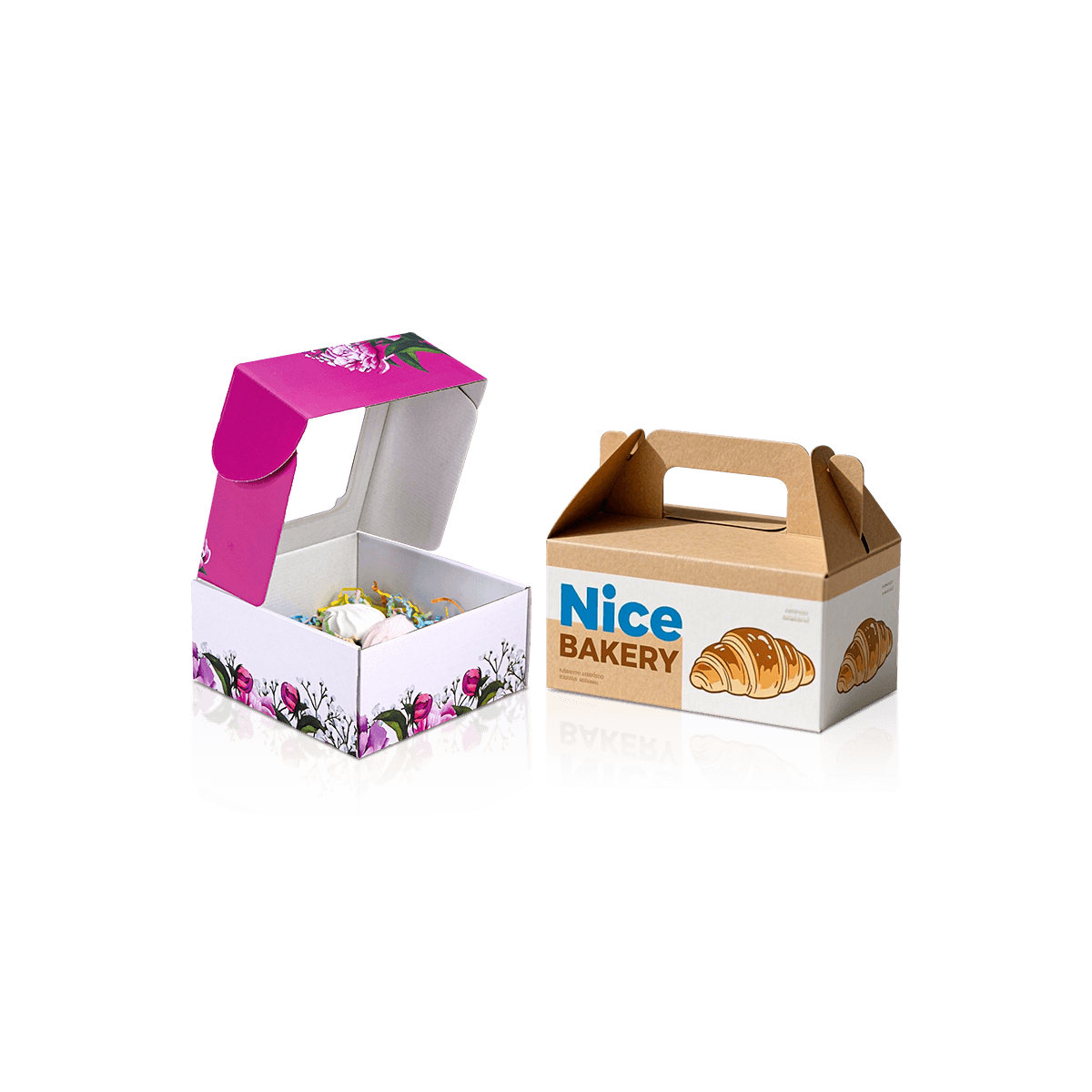
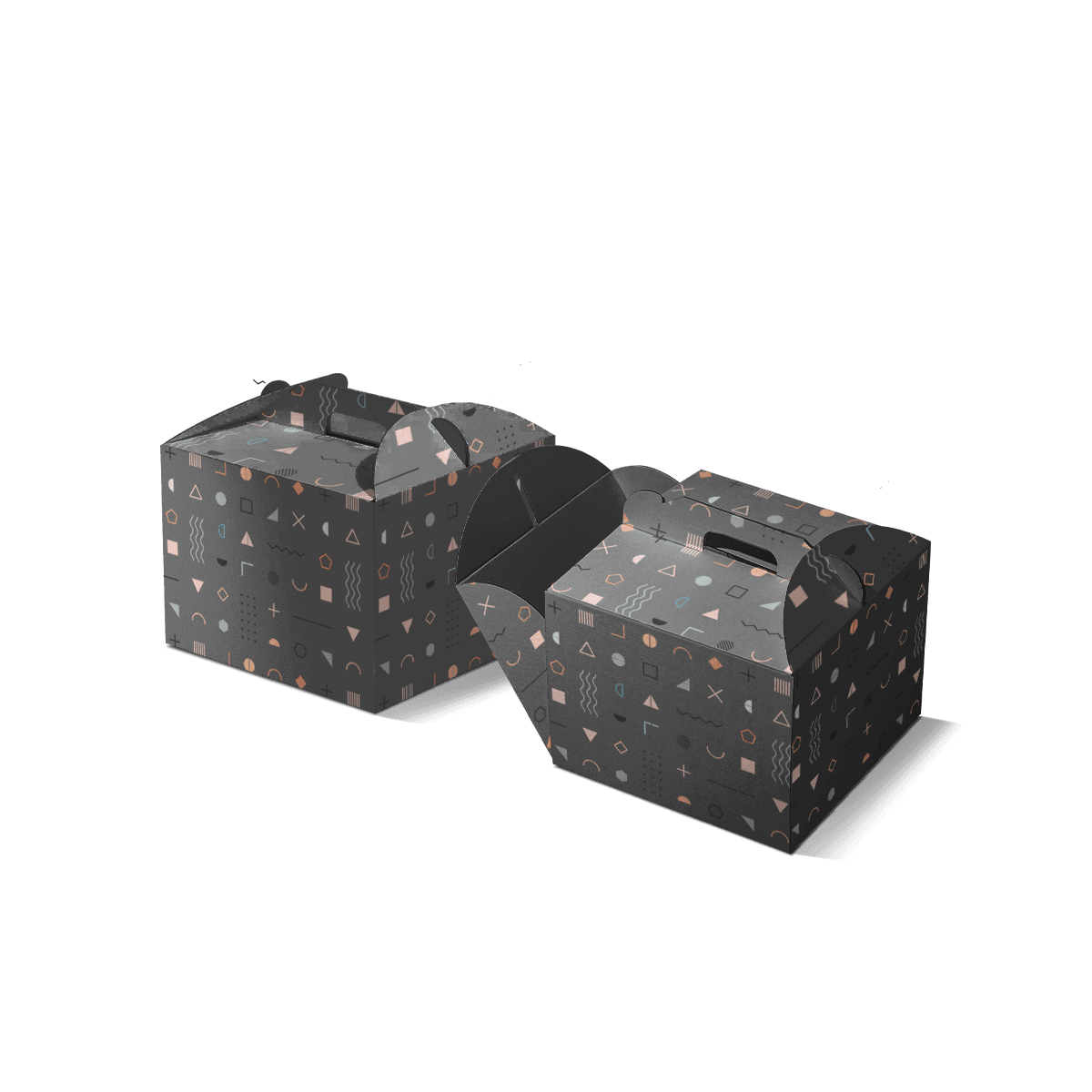
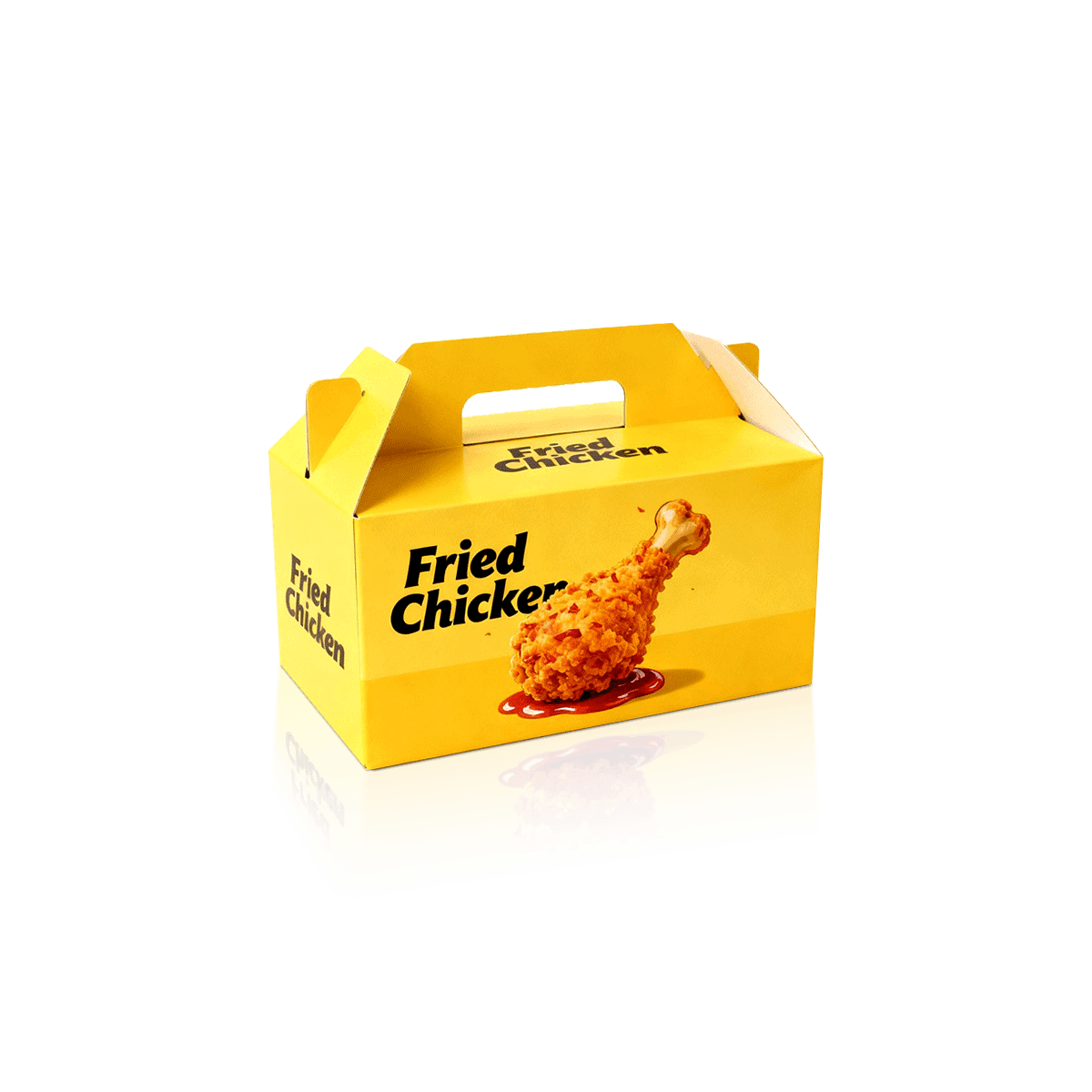
The built-in handle only works when the roof panels, locking points, side walls and base behave as one structure. A gable carton may look secure when empty, then distort once a lunch set, pastry assortment or catered snack pack is lifted by the handle.
The first specification should be the heaviest realistic packed order. Include cups, wrapped food, condiment tubs, napkins or small add-ons that normally travel inside the carton. Their combined weight changes the stress at the handle cutout and the load carried by the bottom.
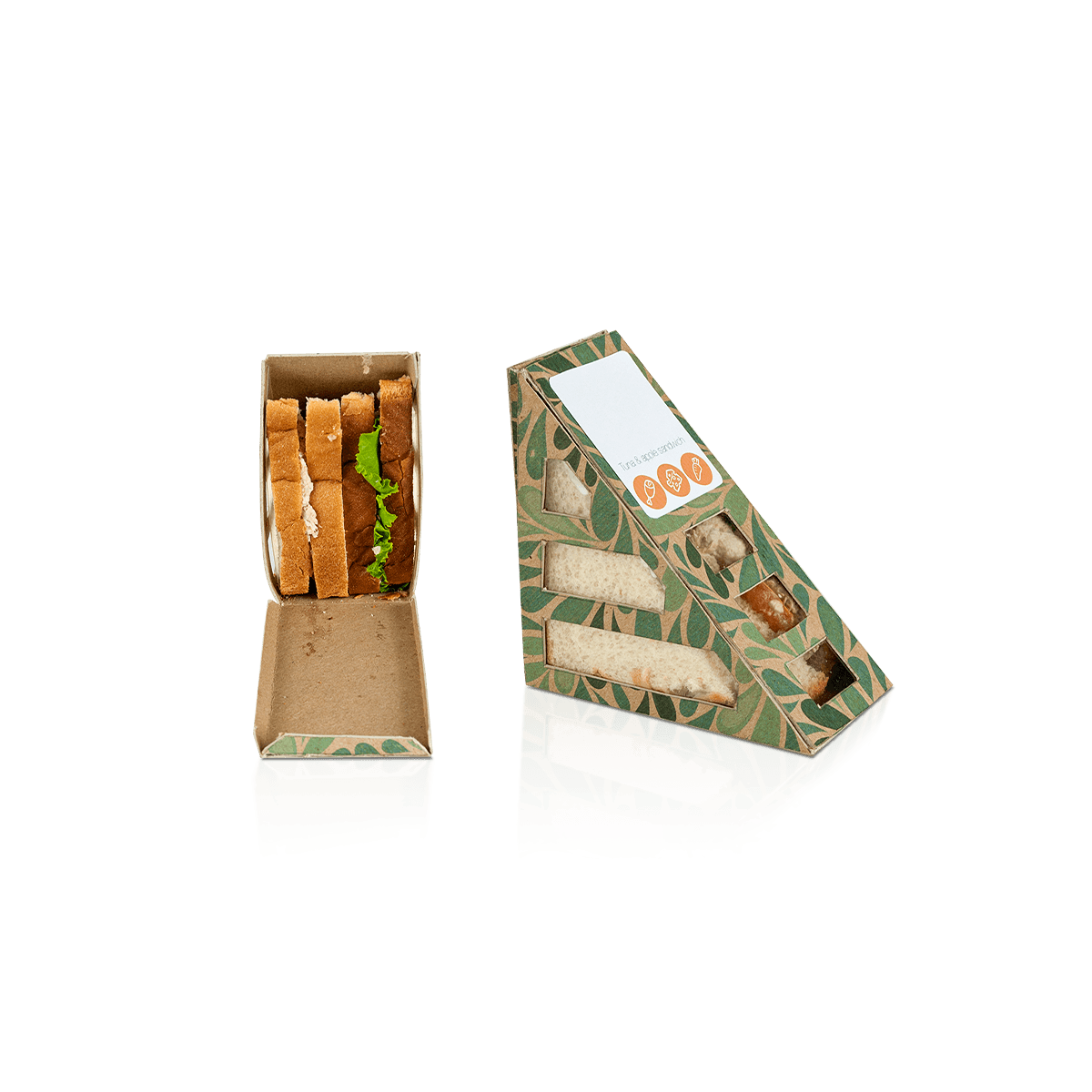
The core custom gable box structure also appears in gifts and retail sets, but food service adds heat, grease, packout and hygiene decisions that change the specification.
Load Path Through the Handle
The grip sits at the top, but the food weight acts downward through the body and base. If the roof panels flex too much, the top can bow inward. If the handle opening removes too much board, the grip area can tear. If the bottom is weak, a strong handle does not rescue the carton.
That means the handle, roof lock and bottom closure should be judged under the same filled load. For a café lunch pack, test the actual containers and sides. For a bakery assortment, use the real count and the heaviest normal mix rather than one lightweight sample.
Base Balance Under Carry
A carried food pack should stay level enough that cups, wrapped pastries and small containers do not migrate toward one side. A compact footprint usually behaves better than a tall narrow carton carrying the same weight because the load sits closer to the center of the base.
If the order needs several items, arrange them on the base before choosing the outside dimensions. The carton should support the packed arrangement instead of asking the contents to find their own position after the handle is lifted.