Skip to content
Details

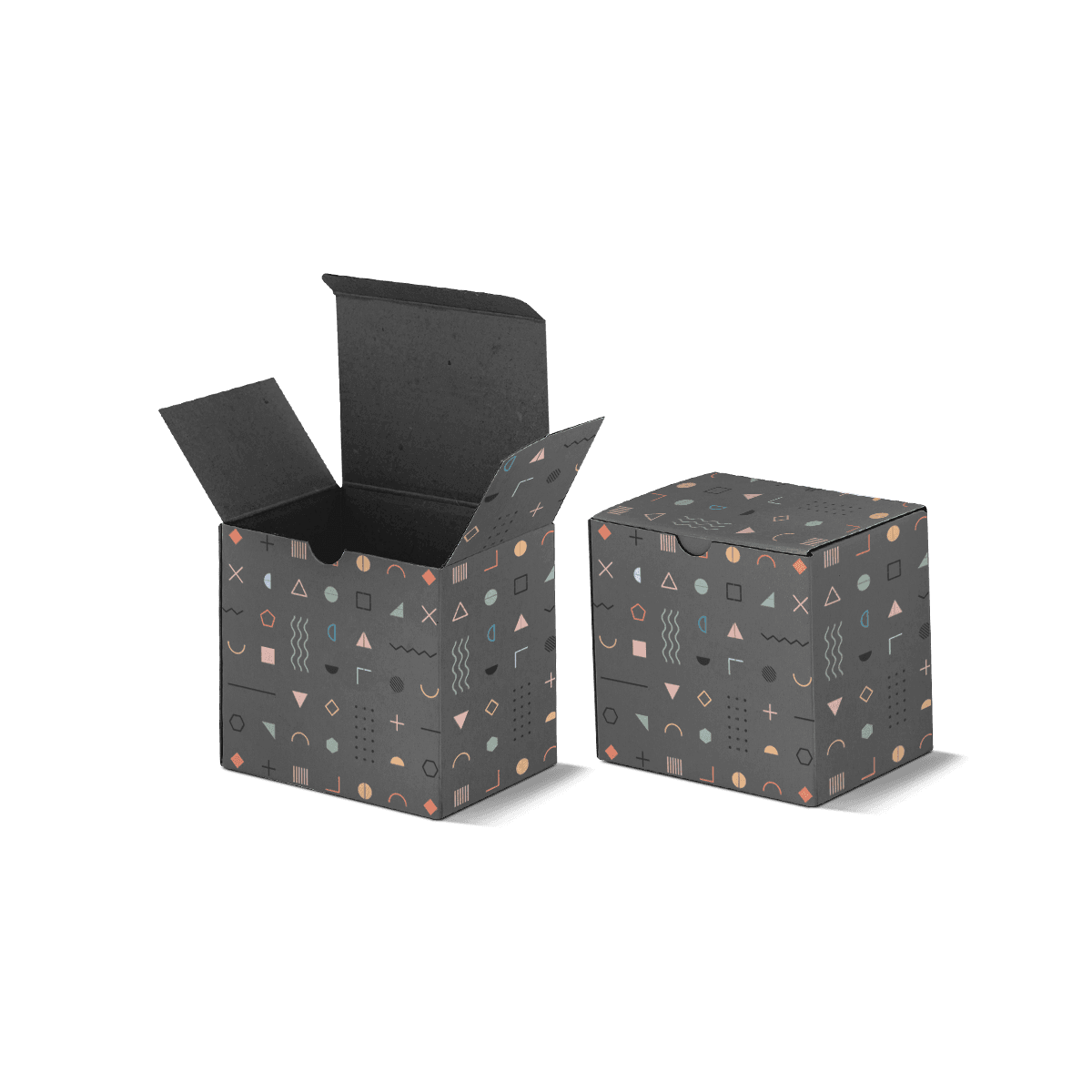
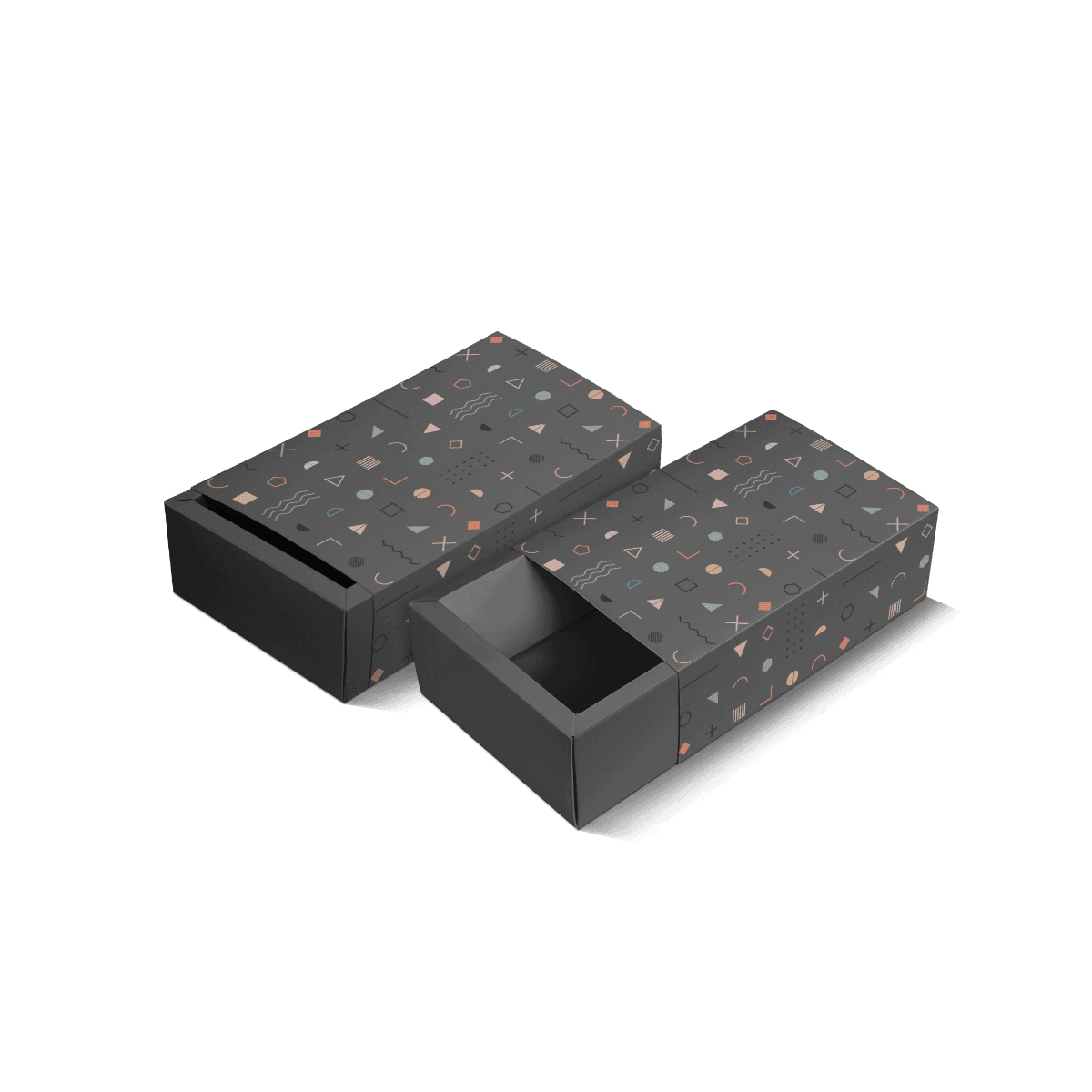
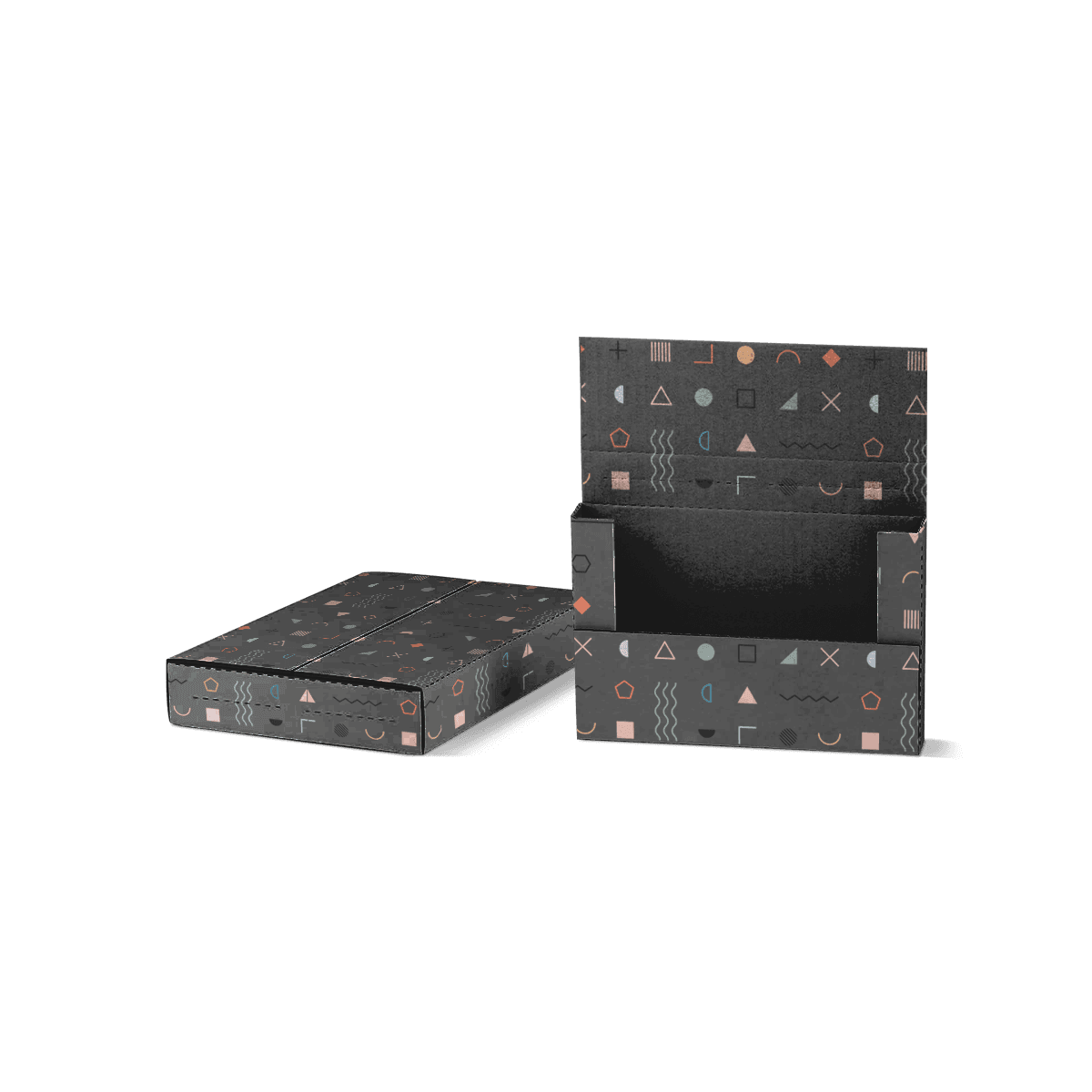
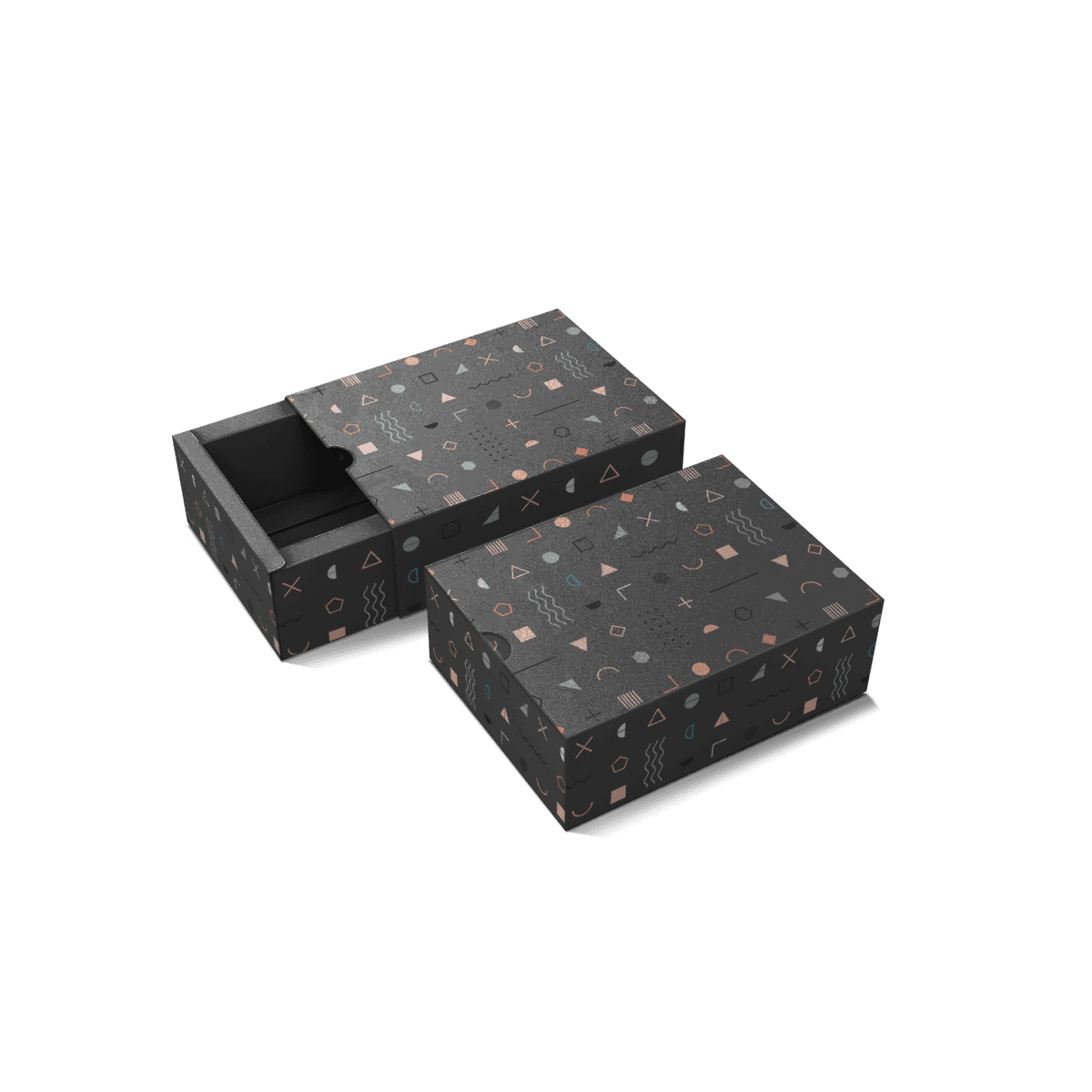
Custom Sandwich Boxes

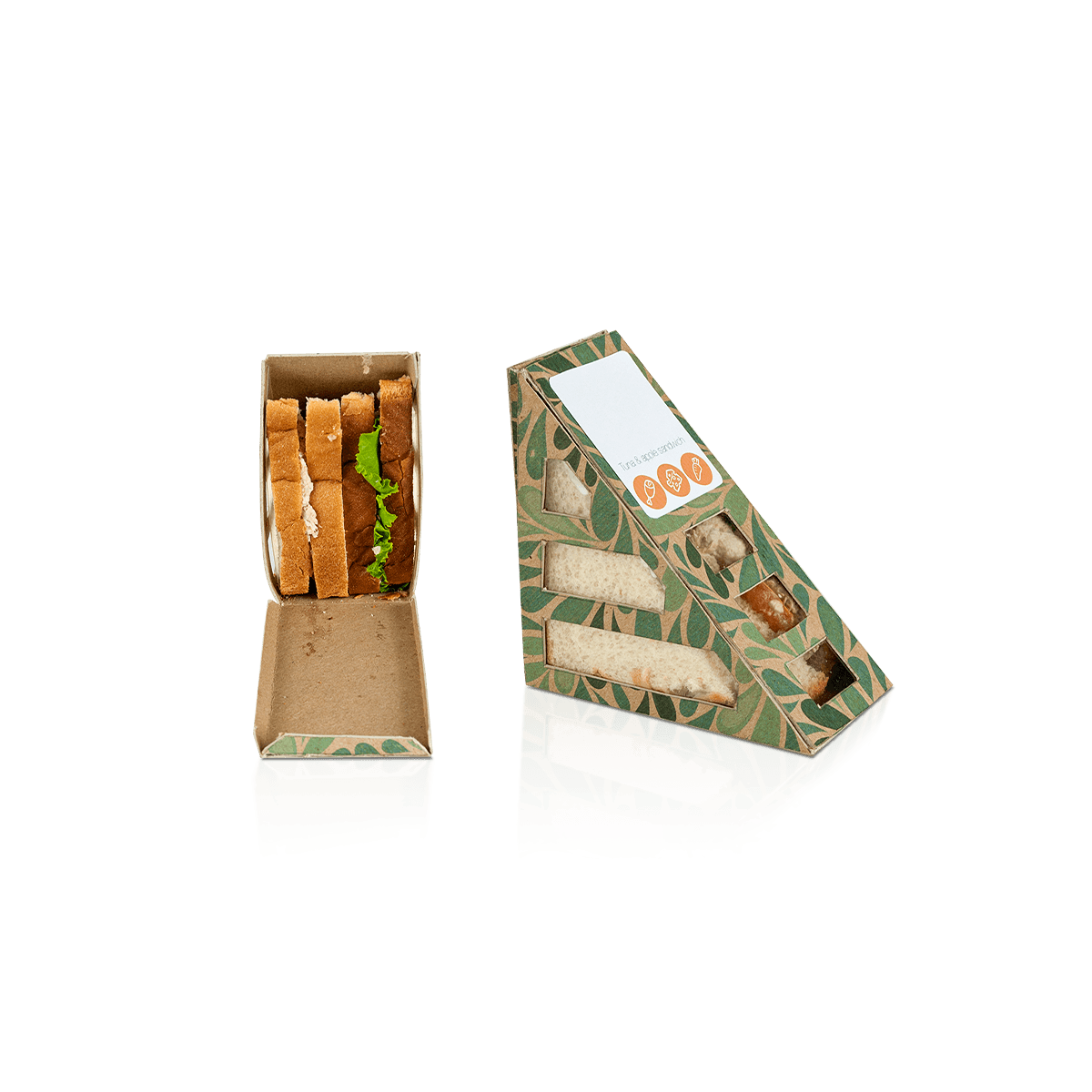
Made-to-order cartons for wedge sandwiches, subs, chilled grab-and-go displays and boxed lunches where visibility, compact shelf fit and clean labeling matter.

Build the Shelf Face

A prepacked sandwich often has to sell before anyone touches the carton. The cut filling, bread layers, label and brand mark all compete for a small amount of visible space in a deli cooler or grab-and-go case. Custom Sandwich Boxes work best when that selling face is decided before the carton dimensions and window are finalized.

For a triangular wedge, the cut edge normally carries the strongest visual cue. Lettuce, meat, cheese and other fillings create the appetite signal, while the carton has to support the sandwich without hiding it or allowing the wedge to slump. A rectangular sub or baguette creates a different display problem because length becomes the dominant dimension.

The orientation matters as much as the outer size. A carton that looks good lying flat may become inefficient when the store wants sandwiches standing upright. Before approving the structure, decide how staff will place the pack in the cooler and which panel customers will see first.

For chilled merchandising, custom retail packaging can coordinate shelf-facing structure, labels and branding around the way the product is actually stocked.

Wedges Need Vertical Stability

A wedge carton should support the sandwich at the base and sides so it remains presentable while standing at an angle or vertically. Too much empty space lets the two halves settle unevenly. Too little space can compress the bread or force fillings toward the cut face.

Measure a finished sandwich after cutting and wrapping, if wrapping is part of normal preparation. Bread thickness, filling distribution and the fold of the wrapper all change the packed dimensions.
Match the Cut Shape

Sandwiches do not share one useful box geometry. Triangular halves, clubs, subs, baguettes, wraps and paninis create different footprints, so simply scaling one carton up and down can produce poor fit.

A triangular wedge carton uses the sandwich's cut geometry to create a compact retail pack. Rectangular cartons make more sense for long subs, baguettes and sandwiches sold whole. Square or shallow rectangular packs can suit club sandwiches, stacked halves or lunch-counter orders that are not merchandised upright.

Subs Need Length Control

Long sandwiches create movement along one axis. An oversized sub carton allows the food to slide from end to end, which can pull a wrapper loose or shift fillings. Internal length should follow the longest finished sandwich rather than the nominal bread length before filling.

The end panels also need enough clearance to close without pushing into the bread. A carton that is only slightly too short can look acceptable while empty and then distort once a loaded sandwich is inserted.

Thick Fills Need Depth

Two sandwiches with the same bread footprint may need different carton depths. A thin deli sandwich and a heavily filled club can differ significantly once lettuce, protein, cheese and sauces are stacked.

Check the deepest normal build rather than an unusually neat sample. The carton should close without flattening the sandwich, but extra depth should not become empty space that lets the food move.

Window Placement Needs Restraint

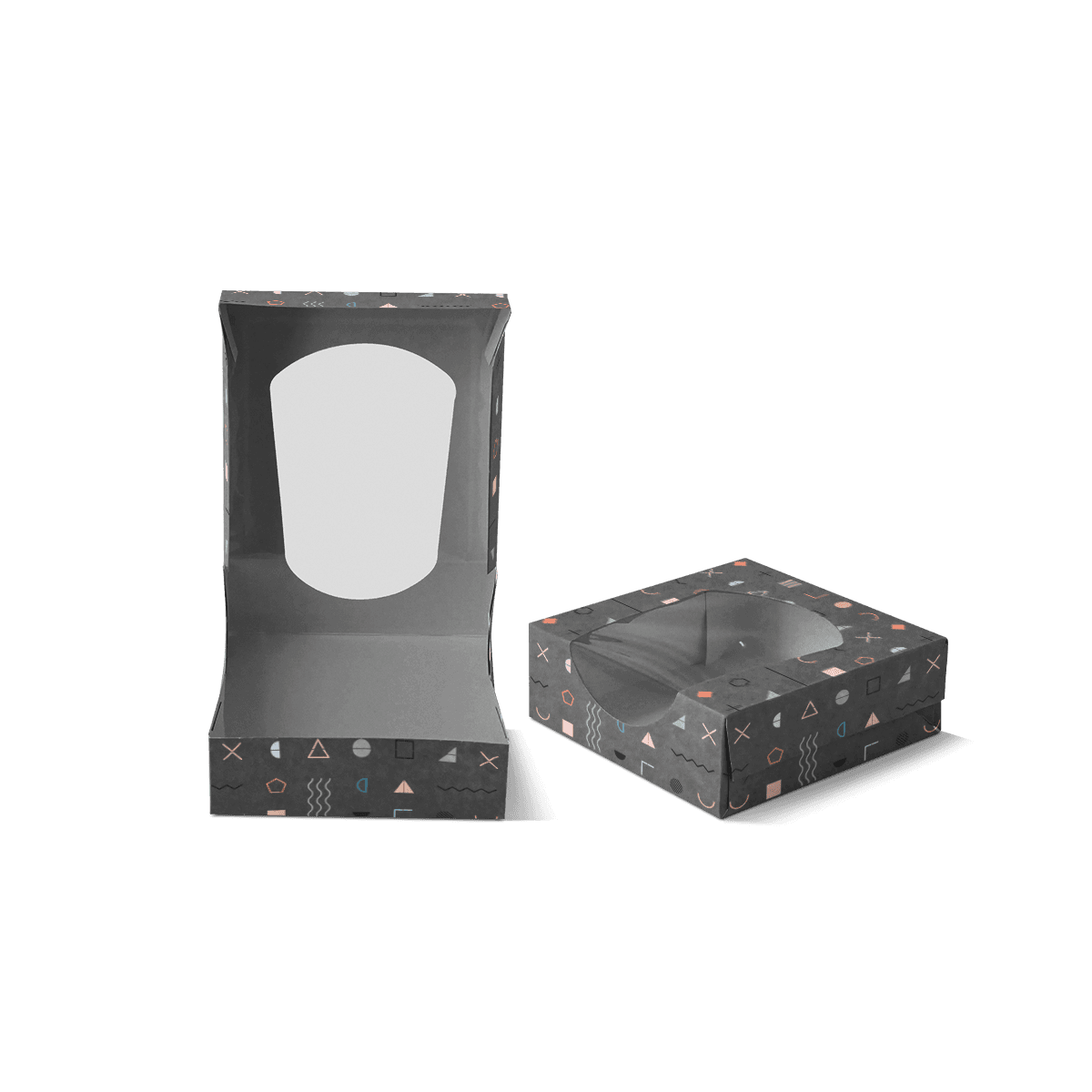
A clear window can make a sandwich easier to identify quickly, but the cutout should earn the board area it removes. Large windows reduce printable space and can weaken a panel if the opening sits too close to a fold, lock or narrow edge.

The strongest window usually frames the part of the sandwich customers actually want to inspect. For wedge packs, that is often the cut face. For long sandwiches, a smaller top or side window may show ingredients without exposing most of the carton.

A sandwich carton that depends heavily on product visibility can borrow structural logic from windowed folding cartons, while the food geometry still determines the final cutout and carton depth.

Window Size Has Trade-Offs

More visibility is not always more effective. A large cutout can leave too little room for branding, product names, pricing and date labels. It can also place the clear patch closer to areas that flex during folding.

A smaller opening can give a cleaner balance between product view and printed communication. Test the carton with the real sandwich inside because an attractive empty window may frame mostly bread once the food is packed.

Film Needs Product Clearance

The sandwich should not be pressed directly against the viewing film simply to maximize visibility. Contact can smear sauces, oils or moisture across the clear area and make the product harder to see.

Leave enough space between the filling and viewing panel for normal variation in assembly. An exact custom physical sample can be worth using when the product sits very close to the window or when the cutout removes substantial board from the front panel.

Give Labels a Flat Panel

Grab-and-go sandwich packaging often carries more changing data than a made-to-order restaurant box. Product names, flavors, prices, date codes, barcodes and ingredient labels may all need a stable position that remains readable after the carton is folded.

Reserve that area before artwork fills the panel. A label applied across a crease can lift or wrinkle. A barcode too close to a corner can become harder to scan once the carton is handled. A window that dominates the front can push essential text onto narrow side panels.

Barcode Zones Need Discipline

Pick one flat, predictable label zone and keep it clear of locking tabs, folds and window edges. If employees apply labels manually, the target area should also be easy to reach without rotating the carton several times.

That discipline becomes more valuable when several sandwich types share the same structural size. Artwork can stay consistent while the applied label identifies chicken, turkey, vegetarian or another recipe.

The same visual hierarchy used by packaging that stands out on store shelves matters in a refrigerated case where several lunch options compete for attention at once.

Moisture Changes in Chilled Hold

A cold sandwich does not create the same steam load as a hot burger, but moisture still affects bread, board and product presentation. Tomatoes, dressings, pickles, sauces and other moist fillings can transfer water toward the bread during storage. Refrigeration can also introduce condensation as temperatures change.

Packaging cannot correct a recipe that releases too much moisture. It can, however, avoid making the problem worse. Board choice, wrapper use, internal clearance and window placement should follow how long the sandwich normally remains packed before purchase.

Any board, coating, ink, adhesive or window material intended for direct food contact should be confirmed for the actual product and use before production. Do not treat kraft, white paperboard or a coating name by itself as proof of suitability.

Grease, moisture, weak sizing and delivery handling are common food packaging mistakes to resolve before a sandwich carton moves into production.

Cold Bread Still Changes

Soft bread can deform under sustained side pressure even without heat. A carton that grips the sandwich too tightly may gradually flatten the edges during refrigerated holding.

A fit check should therefore include the expected hold period, not only the first minute after packing. Inspect the sandwich after it has spent a realistic amount of time in the carton and confirm that the cut face still sits where the window and artwork expect it to sit.

Replenish the Cooler Faster

Shelf efficiency depends on more than the individual carton. Staff need to move packaged sandwiches from prep to refrigerated storage and then replenish the selling case without constantly rearranging packs.

A consistent base depth across several wedge sizes can simplify cooler organization when the sandwiches differ mainly in height or fill. That does not mean every SKU should be forced into one carton. It means the footprint system should be considered as part of the store operation rather than decided one sandwich at a time.

Facings Affect Box Width

A small change in carton width can affect how many sandwiches fit across a shelf. That matters most for high-volume grab-and-go operations where the cooler has a fixed usable width.

Measure the actual fixture before finalizing a large rollout. A carton that gains unnecessary width through generous side clearance can reduce the number of visible packs even though each individual box looks fine.

Shared Depth Simplifies Restocking

When several sandwich cartons can share a common shelf depth, staff can line them up more predictably and replenishment becomes easier. Variable front widths can still distinguish portion sizes while the back edge stays aligned.

This is a genuine reason to coordinate dimensions across multiple SKUs. It is different from forcing every sandwich into one universal size simply to reduce the number of cartons ordered.

Separate Hot From Chilled

A chilled wedge displayed for several hours and a toasted panini packed to order do not ask the same thing from the carton. Heat, steam, grease and serving speed move higher in priority once the sandwich leaves a refrigerated merchandising model.

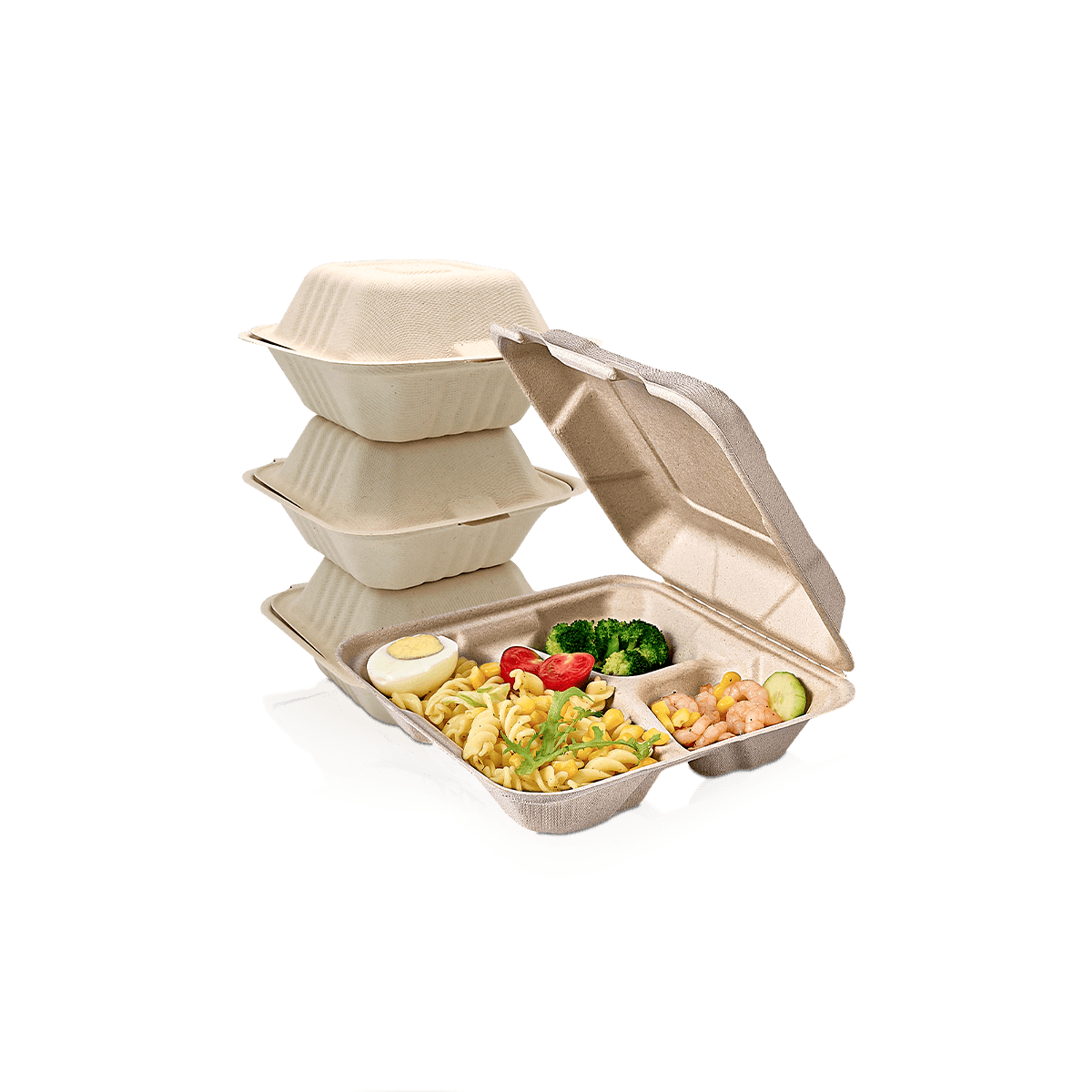
A hot panini or heavily filled sandwich may fit Clamshell Food Boxes better when extra depth and a hinged close matter more than upright shelf display.

This boundary also protects the purpose of a sandwich carton. It does not need to become a deep universal food container simply because the restaurant sells multiple lunch items.

Lunch Sets Need More Space

A sandwich packed with chips, fruit, a cookie, napkins or sauce cups becomes a meal-layout problem rather than a single-product fit problem. Increasing the sandwich carton until everything fits can leave the main food poorly restrained.

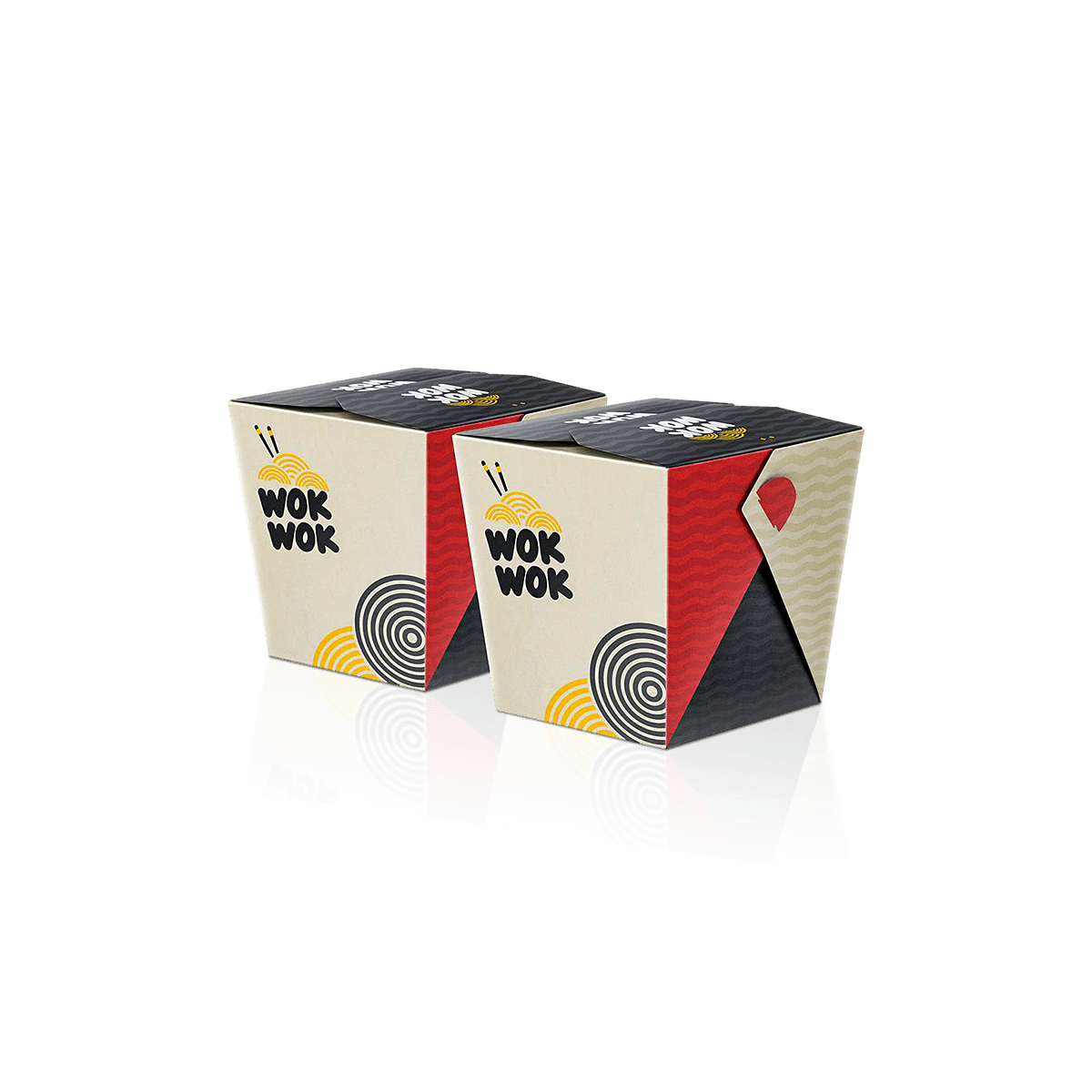
For a sandwich plus sides, sauce cups or utensils, Takeout Boxes can make more sense than stretching one wedge carton into a full meal pack.

Catering teams can still coordinate the visual identity across both packs so a boxed lunch feels consistent without making the structures identical.

Print for Repeated Handling

Sandwich cartons move through prep, refrigeration, restocking and customer handling, so artwork needs to survive more contact than a pack that goes directly from kitchen to bag. The front-facing design should stay legible even when price labels or date stickers are added later.

Keep major brand marks away from areas that employees routinely grip. Give variable labels their own space rather than placing them over core artwork. If several fillings share the same carton, use a consistent brand system with clear visual changes between SKUs.

Premium offset printing can support controlled colors and fine artwork on suitable paperboard. Free design and dieline support can help organize the window, folds, label zone and printed panels before production. A free 3D mockup can also confirm which artwork faces forward in the intended shelf orientation.

Price the Actual SKU Mix

The useful quantity is not simply the total number of sandwiches sold. Pricing needs the carton count for each physical size, window setup and artwork version because those differences can change the production setup.

A deli might sell six recipes but need only two carton structures if several sandwiches share the same packed dimensions. Another operation may need a separate long carton for subs and a triangular pack for wedges even when the branding stays the same.

Custom Packly's USA MOQ starts from 100 boxes, which can support a focused first run without forcing every sandwich type into one physical size. For stable repeat programs, the 4–6 day turnaround can support replenishment planning once final artwork and specifications are approved.

Once sandwich type, dimensions, window direction and quantities by SKU are settled, the instant pricing system can price the actual sandwich mix instead of a generic carton request.

Protect the First View

The final sandwich-box decision should be judged from the customer's side of the cooler. Can the sandwich be identified quickly? Does the cut face remain where it was meant to sit? Is the label readable? Does the carton stand cleanly without leaning into the pack beside it?

Restaurants coordinating deli packs with burgers, bakery items and takeout meals can keep those decisions aligned under Food, Bakery & Restaurants packaging while giving each food its own structure.

For a sandwich carton, presentation is not a decorative layer added after sizing. The orientation, cut shape, window, label panel and cooler footprint are part of the same physical decision. When those elements are resolved together, the package can move from prep bench to refrigerated case without losing the view that made the sandwich worth displaying.

FAQs

Wedge-style and windowed carton formats are usually the best fit for refrigerated grab-and-go programs because they show the product clearly and take up less shelf space than bulkier containers.

Sandwich Boxes are usually better for premade cold sandwiches, upright display and slimmer cooler merchandising. Clamshell Food Boxes are often the better option for bulkier hot sandwiches or items with looser fillings.

Yes. Sandwich Boxes usually offer usable front, top or side panel space for product names, ingredients, allergen notes, pricing and date coding.

Performance depends on the board and barrier choice. Grease-resistant constructions work better for short-hold toasted items, while very hot or heavily sauced builds may need a different structure.

They can serve both, but they are especially effective for premade retail sandwiches, café coolers and boxed lunch programs where speed, visibility and portion control matter most.

Process

How it works

Your Packaging Journey, From Idea to Production and Delivery

01

Tell Us Your Specs

Custom packaging boxes

Tell Us Your Specs

Provide size, quantity, printing, and finishes.

02

Get a Fast Quote

Custom packaging boxes

Get a Fast Quote

Instant transparent pricing, no hidden fees.

03

Design and Approval

Custom packaging boxes

Design and Approval

Artwork checks, revisions, and final sign-off.

04

Produce

Custom packaging boxes

Produce

Expert manufacturing to meet deadlines.

05

Ship to Your Door

Custom packaging boxes

Ship to Your Door

Hassle-free, flexible delivery options.

Get Your Quote for Custom Sandwich Boxes

Share your product details, size, quantity and artwork needs. We’ll help choose the right packaging style and send a clear quote.