Map the Meal Footprint
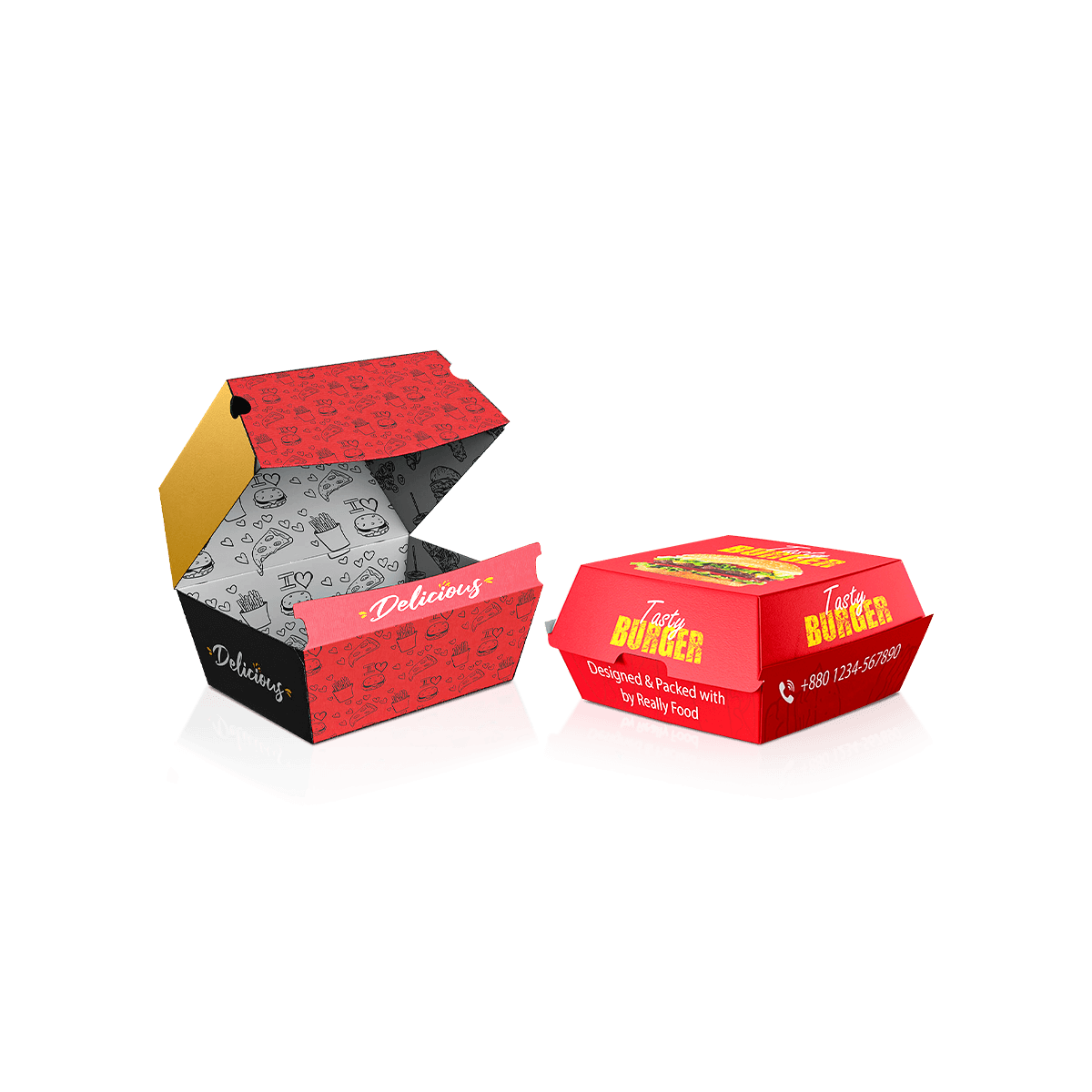
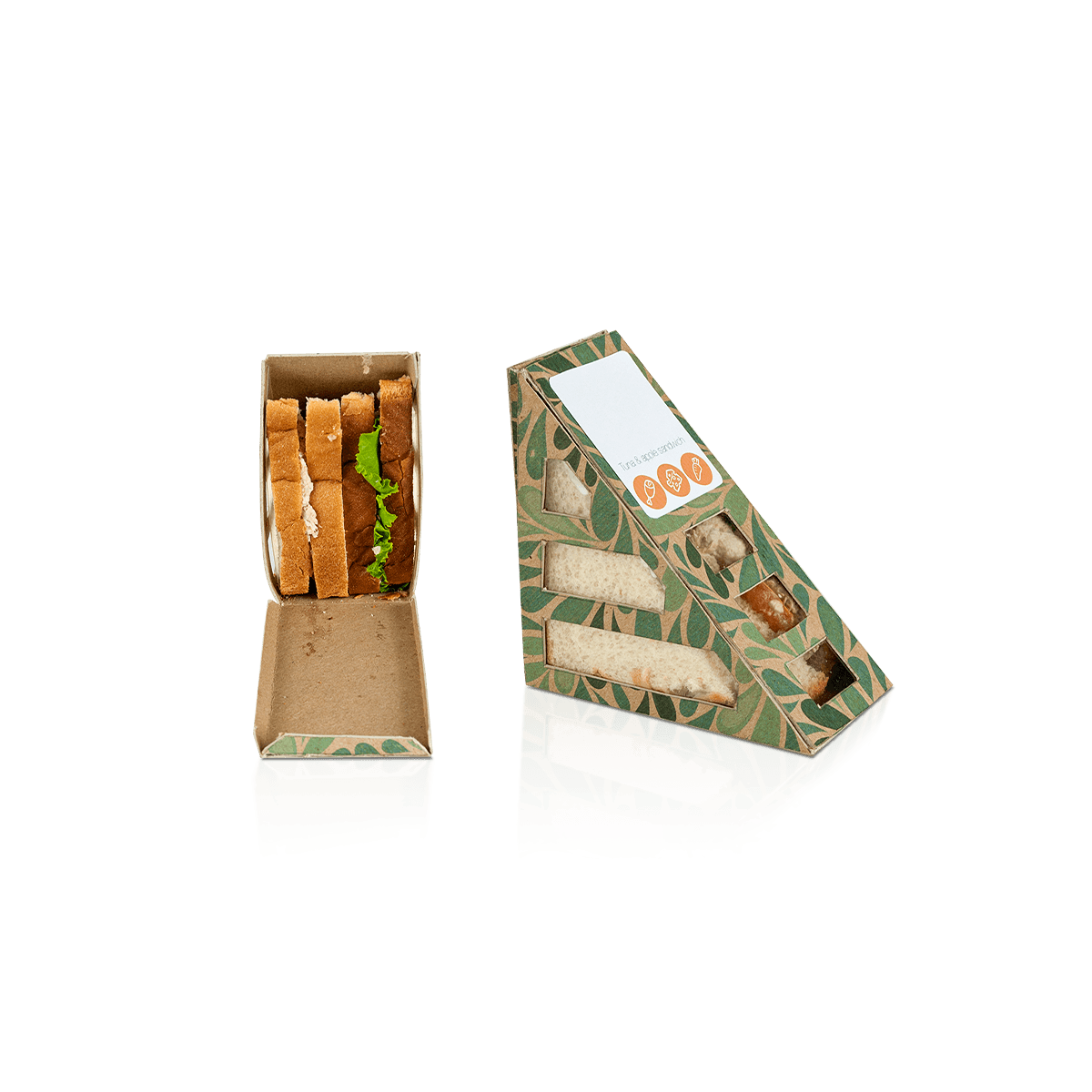
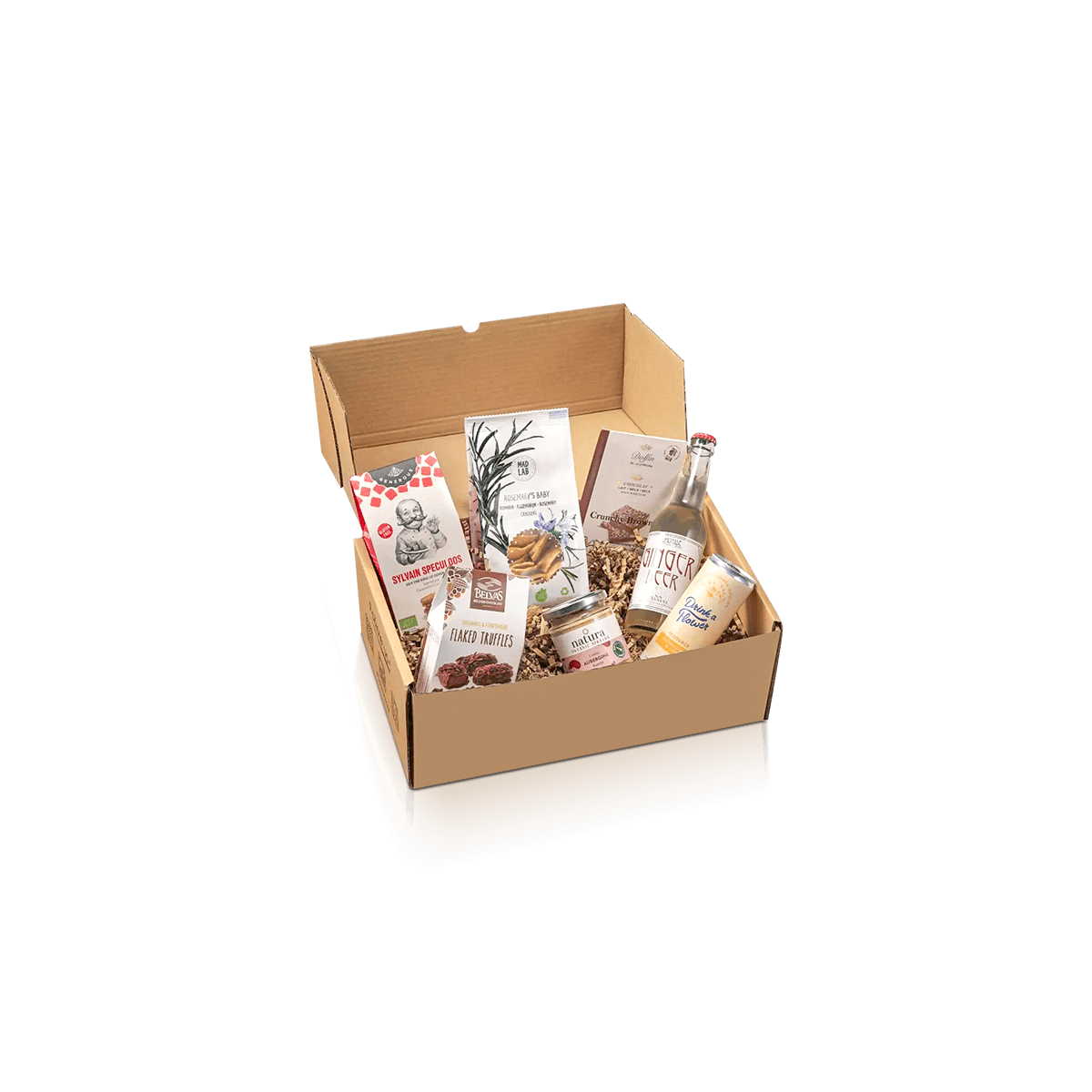
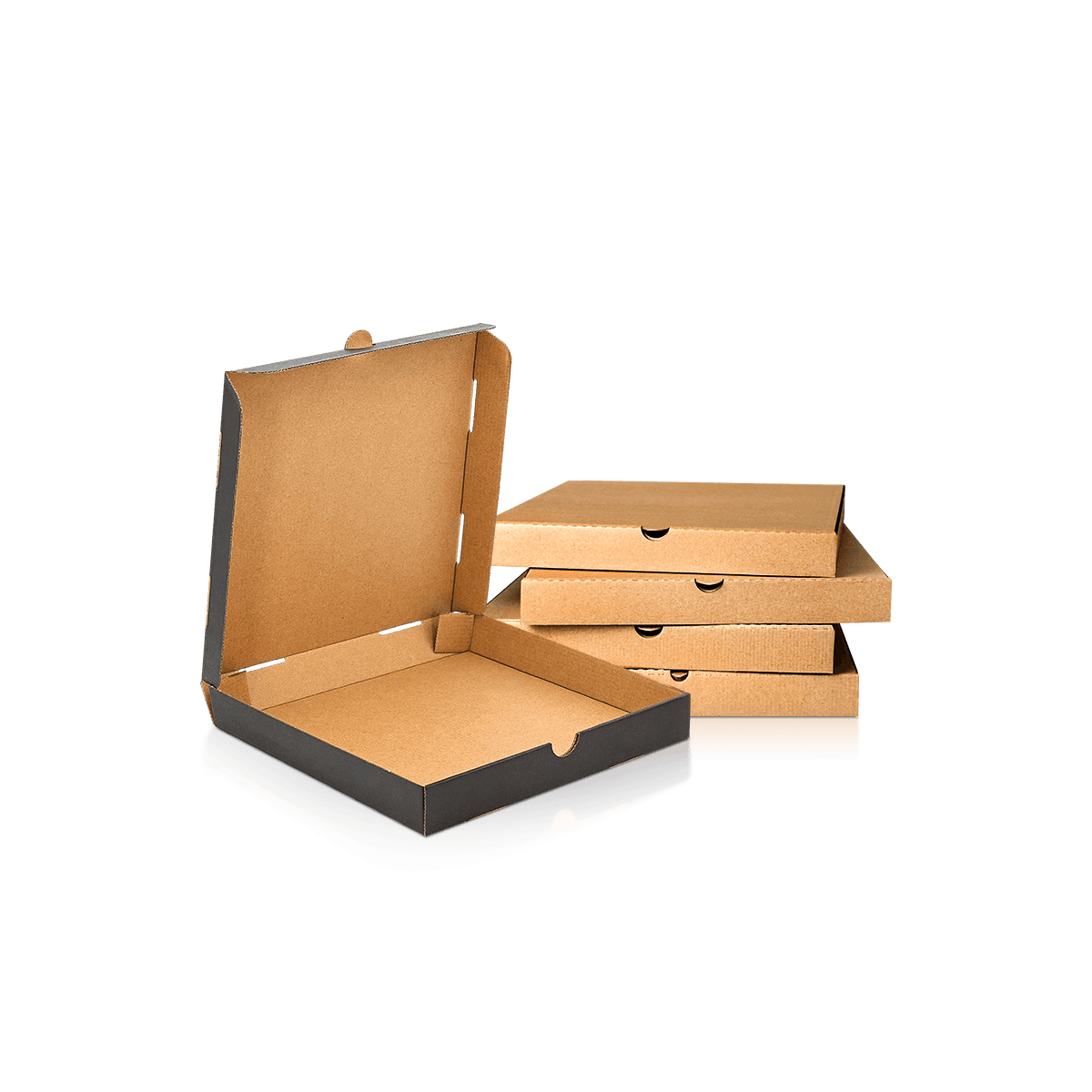
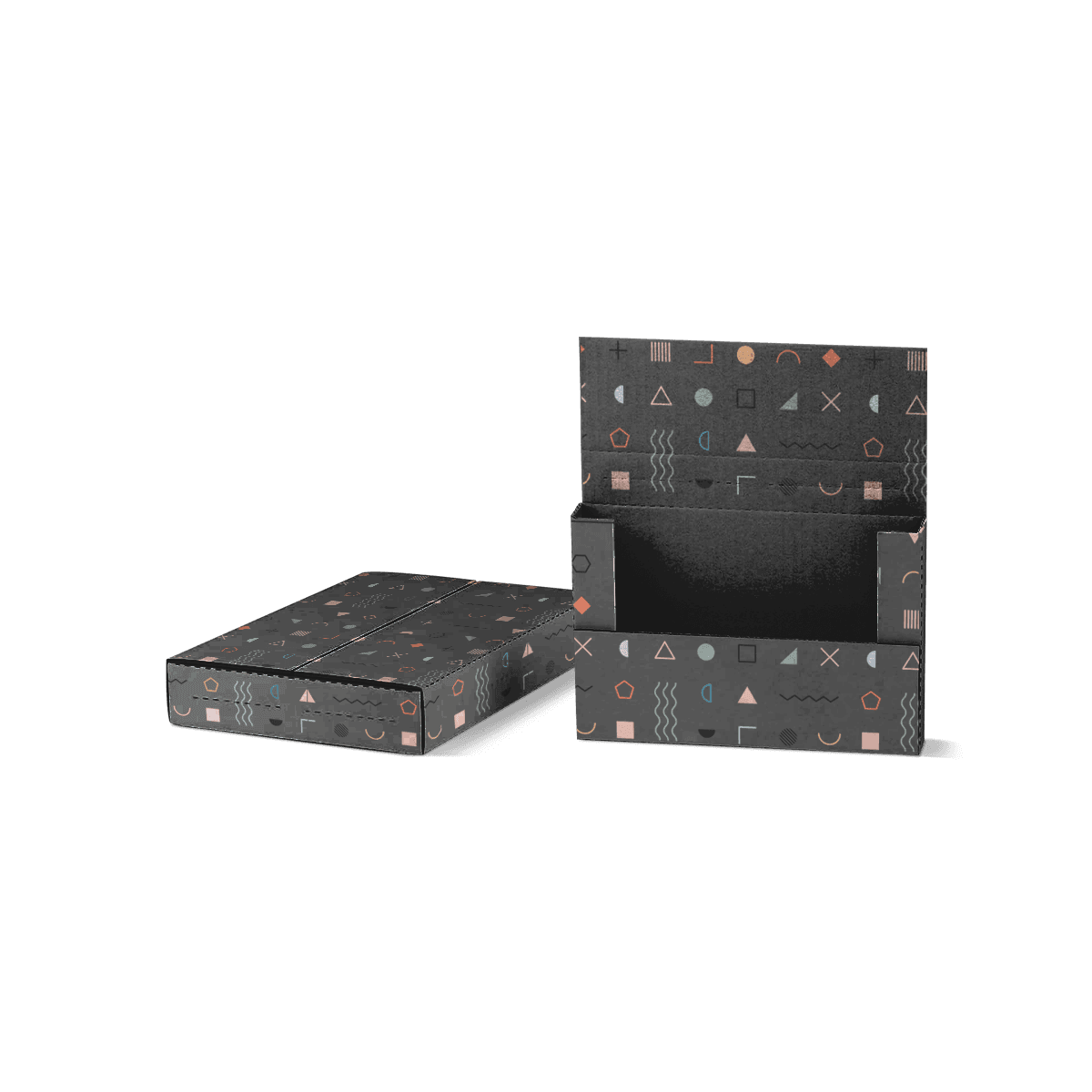
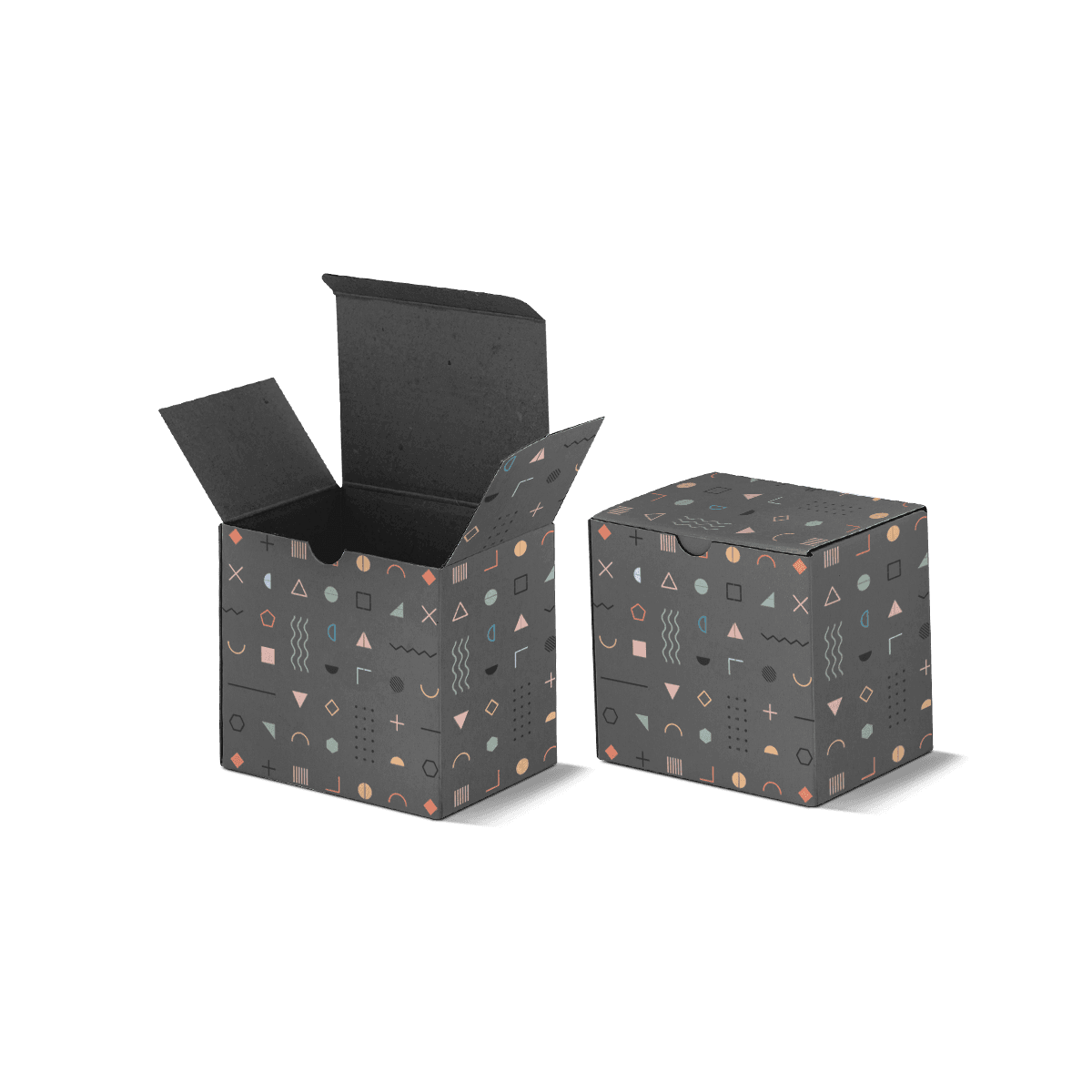
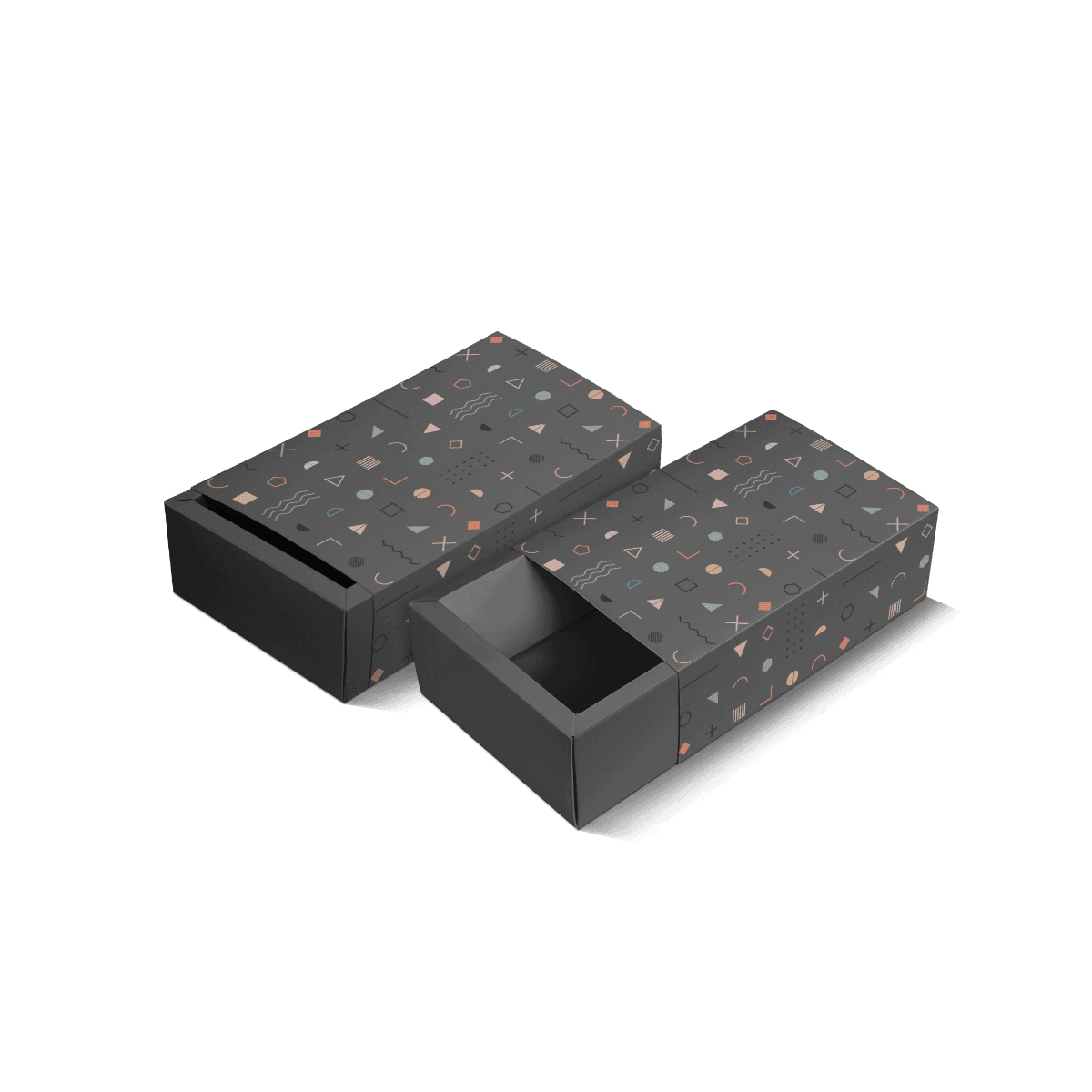
Takeout meals become difficult to package when several foods share one container. A main dish may be heavy and sauced, a fried side needs breathing room and a small sauce cup can tip into everything else. Custom Takeout Boxes should begin with where each component sits during packing and transport, not with a standard carton size.
Lay out the complete serving exactly as it leaves the kitchen. Include the main portion, sides, sauce cups, garnishes, liners and anything else that stays inside the box. That footprint reveals whether the meal needs one open chamber, separate compartments or several individual containers inside the final carry order.
Portion weight matters as much as dimensions. Rice, pasta and dense entrées can load the base differently from salads or fried snacks. A box that comfortably holds the volume of a meal may still flex when the complete serving is lifted from one edge.
Leave Space Between Components
Different foods can interfere with each other before the customer opens the box. Sauce can migrate into fries. A hot entrée can soften a cold garnish. A loose cup can roll into a main dish.
Spacing does not always require a permanent divider. Sometimes the right footprint and container depth are enough. In other meals, a compartment, insert or separate cup position earns its space because it stops one component from damaging another.
Portion Shape Drives Depth
A shallow rice dish, tall pasta portion and stacked entrée do not need the same internal height even when their base footprint is similar.
Set depth from the tallest normal serving after plating into the package. Account for garnish, sauce cups and foods that mound rather than lie flat. Excessive headspace can increase movement while insufficient depth transfers lid pressure directly into the meal.