Skip to content
Details

Custom Hotel Room Service Boxes

Organize entrées, sides, drinks and service items for a level, controlled trip from the hotel kitchen to the guest room.

Meal Stability in Transit

A room-service order can leave the kitchen perfectly arranged and reach the guest with containers pushed into one corner. Corridors, elevators, service carts and door thresholds create repeated starts, stops and turns before the meal reaches the room.

Start with the complete packed meal rather than one food container. Map the entrée, side dishes, dessert, condiments, cutlery and any other components that must travel together.

Stop Lateral Sliding

Large empty areas let containers build momentum when a cart turns or the box is carried by hand. Right-size the interior around the meal combination and interrupt long sliding paths where needed.

Hold the Tallest Component

A lidded soup container, dessert cup or stacked entrée can determine the inside height even when most of the meal sits lower. Measure complete closed containers, including lids, folded tabs and raised rims.

A useful trial uses the heaviest realistic meal rather than an empty carton. Load every container, card and utensil, then push the cart through a turn and over a normal threshold. That exposes sliding and lid interference that a stationary fit check can miss.

The return trip matters too. Empty plates, used containers and loose service items may come back on the same cart. The delivery carrier does not need to manage used food, but the hotel's workflow should make clear what stays with the guest and what staff remove later.
Map the Meal Before Sizing

Room-service packaging works better when the meal arrangement is established before the outside dimensions.

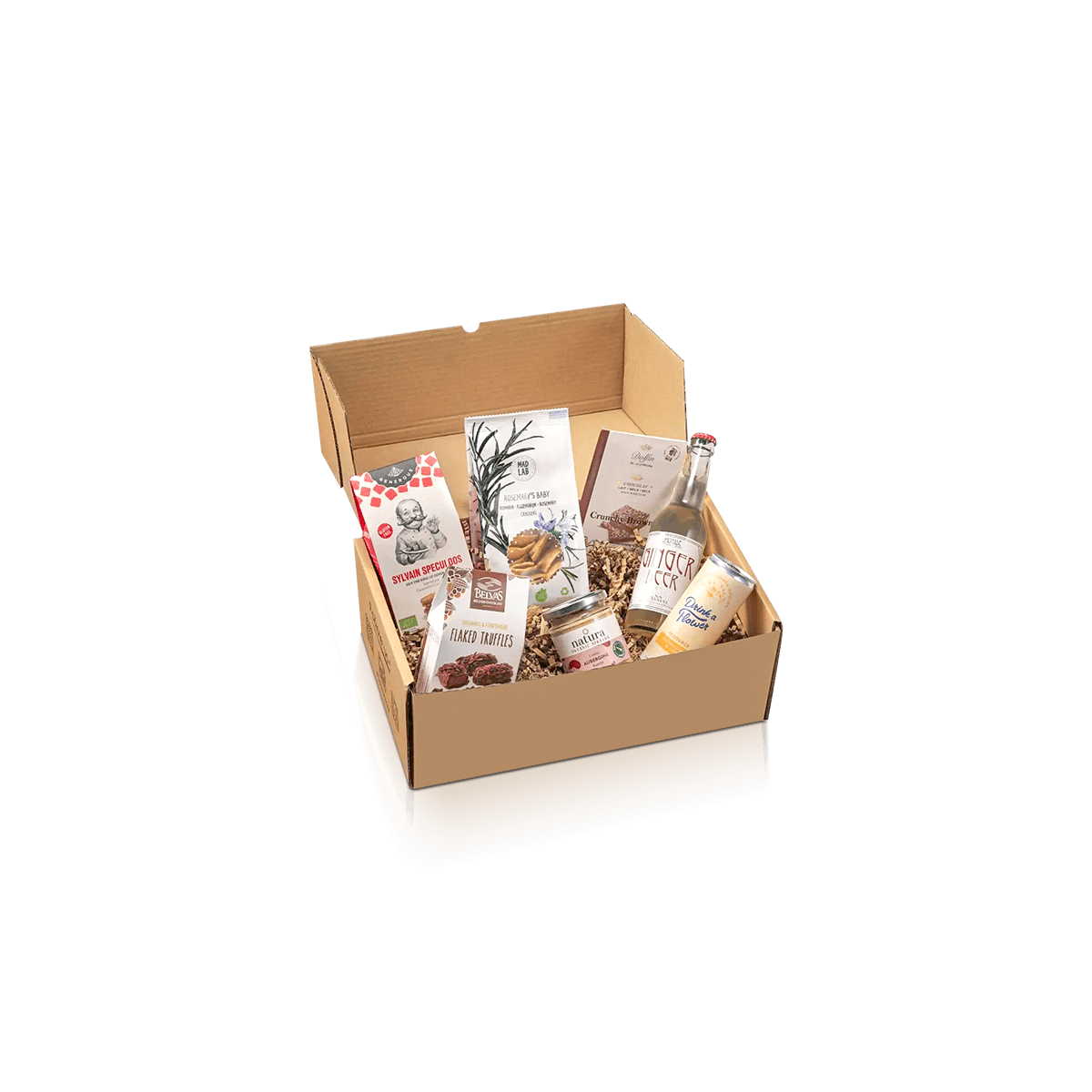
A breakfast order might combine a covered main dish, pastry, fruit cup, coffee accessories and cutlery. A late-night meal may use one larger entrée plus condiments.

Group Stable Components

Items with similar height and handling behavior can share one zone. Flat cartons, wrapped cutlery and napkins can often sit together without complex restraint.

Separate Awkward Shapes

One unusually tall or round component can disrupt an otherwise compact rectangular pack. Instead of increasing the entire box, decide whether it belongs in a separate position.

Meal maps can also reduce packing mistakes. When each component has a repeatable position, staff can see quickly if a side dish, condiment or utensil is missing before the order leaves the kitchen.

A meal map can be printed as an internal packing standard even when the guest never sees it. Fixed positions make training easier and reduce variation between shifts when several employees prepare the same menu combination.

Hot and Cold Need Zones

A single room-service order may contain hot food beside chilled dessert, fruit or a cold beverage.

The outer box does not create temperature control by itself. Its structural job is to keep those components organized and reduce unnecessary contact while the hotel's actual food-service process handles temperature requirements.

Put Distance Between Extremes

A divider or separate compartment can stop a chilled dessert cup from sitting directly against a hot entrée container.

Avoid False Insulation

Thicker paperboard does not automatically make a room-service carrier temperature-controlled. Address thermal requirements with the correct food-service system and let the carton manage organization, carrying and physical separation.

Temperature separation should not create unnecessary complexity. A simple divider may be enough to prevent direct hot-to-cold contact when the actual thermal requirement is already controlled by the food containers and hotel service process.

Zone planning should also reflect the order in which the kitchen finishes each component. If a cold dessert must be loaded long before the hot entrée is ready, its position should remain accessible without disturbing the rest of the meal. A practical carrier works with the service sequence as well as the final arrangement. The aim is to avoid unnecessary hot-to-cold contact while keeping staff from repeatedly unpacking and rebuilding the order. Clear zones can make that process more predictable without pretending the printed box supplies thermal control.

Liquids Need Their Own Defense

Soup, sauces, dressings and beverages change the risk profile of a room-service order.

The printed outer box should not be treated as the primary leak barrier. The first defense is the actual lidded bowl, cup or container holding the liquid.

Seat Lidded Containers Upright

Round bowls placed inside a large rectangular box can rotate and slide unless the surrounding geometry limits movement.

Leave Closure Clearance

Raised lids, tabs and vented container tops need vertical space. The room-service box should close around the finished container rather than pushing downward on its closure.

Liquid risk also changes where paper accessories should sit. Napkins, receipts and cards should not share the lowest zone beside soup or sauce containers when a higher dry position is practical.

The Carry Path Sets Structure

A room-service box may travel on a service cart, on a tray or directly in an employee's hands. That movement pattern should affect the structure.

A broad shallow pack can present a meal cleanly but become awkward to carry through a hotel corridor. A tall narrow pack may be easier to hold yet less stable for several food containers.

Cart Delivery Needs a Base

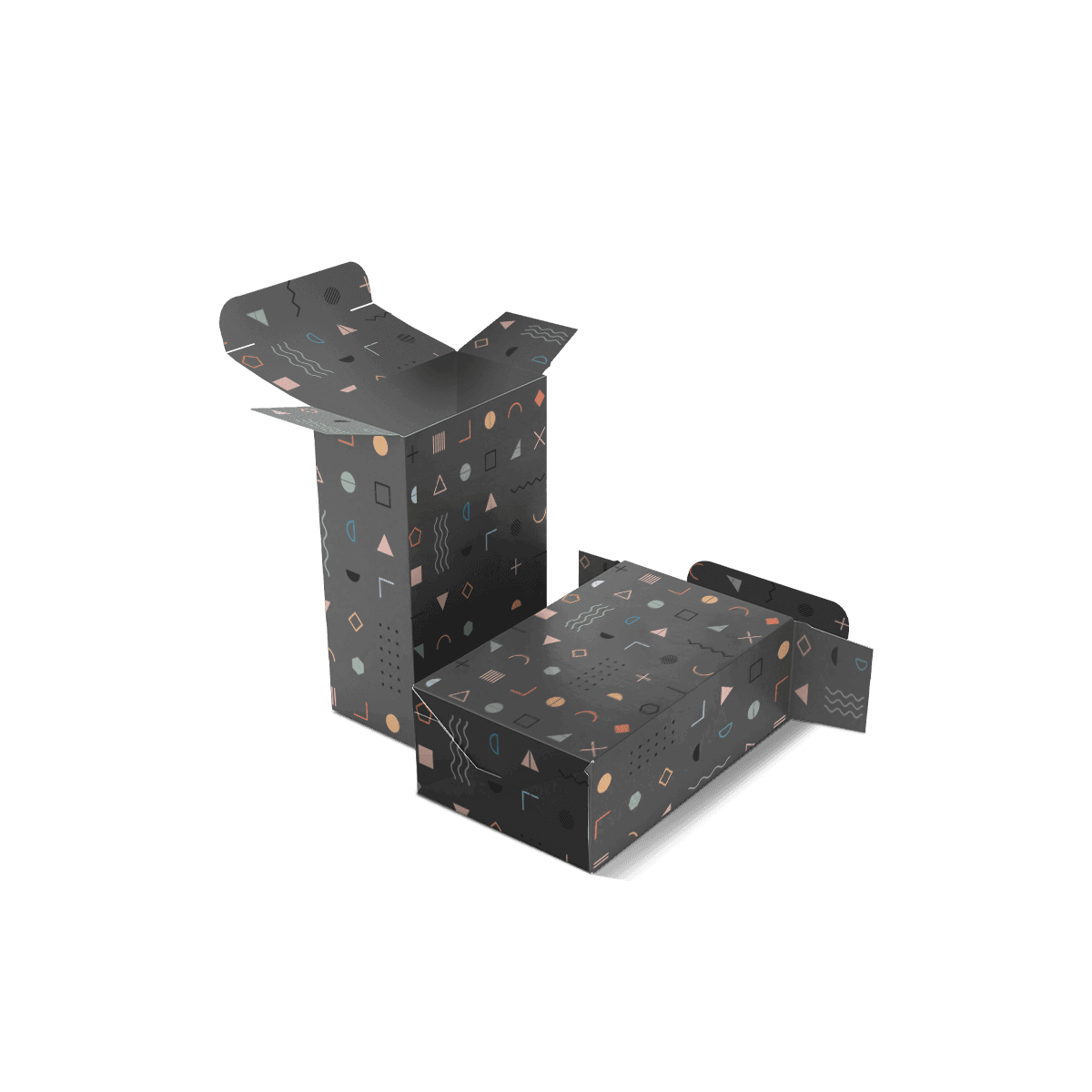
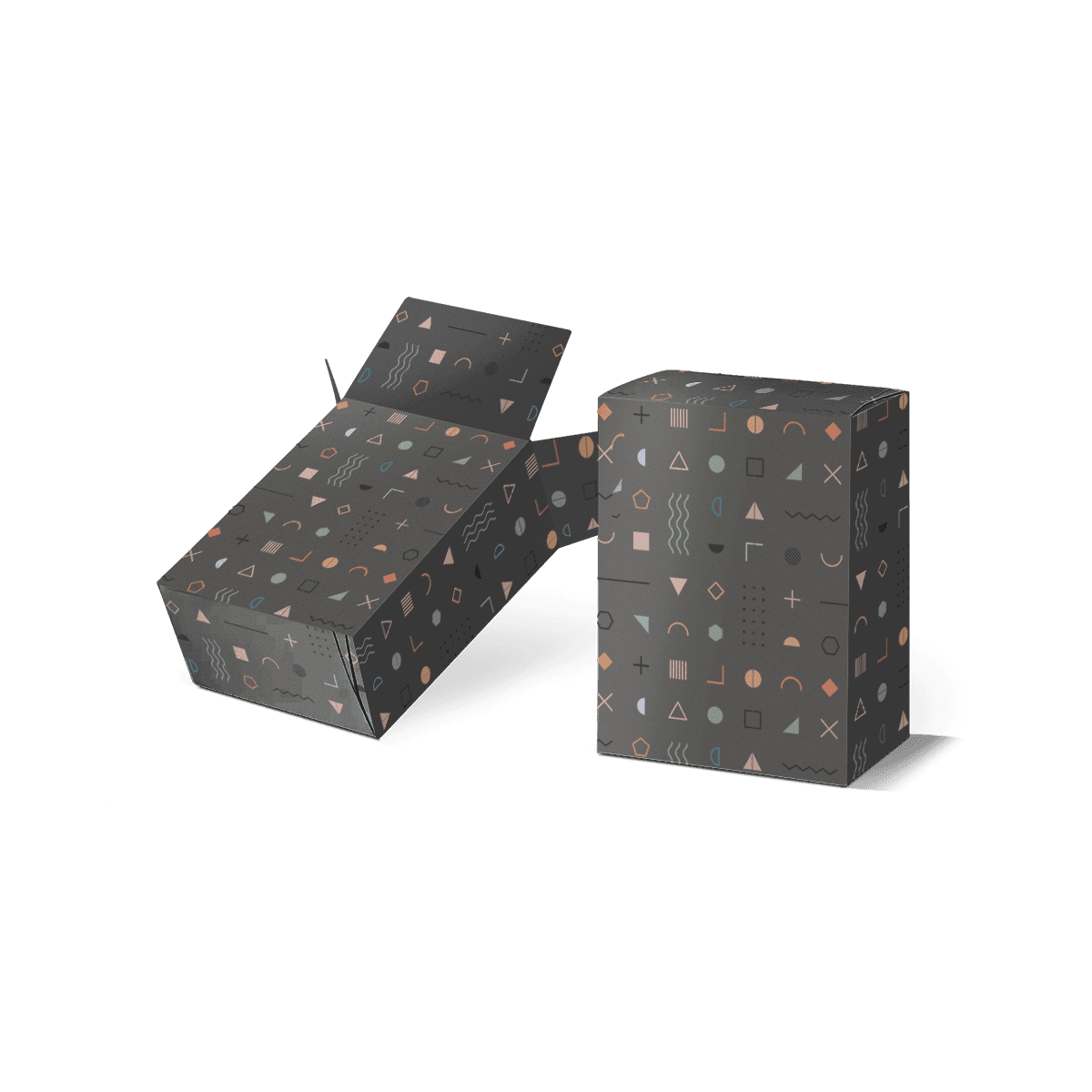
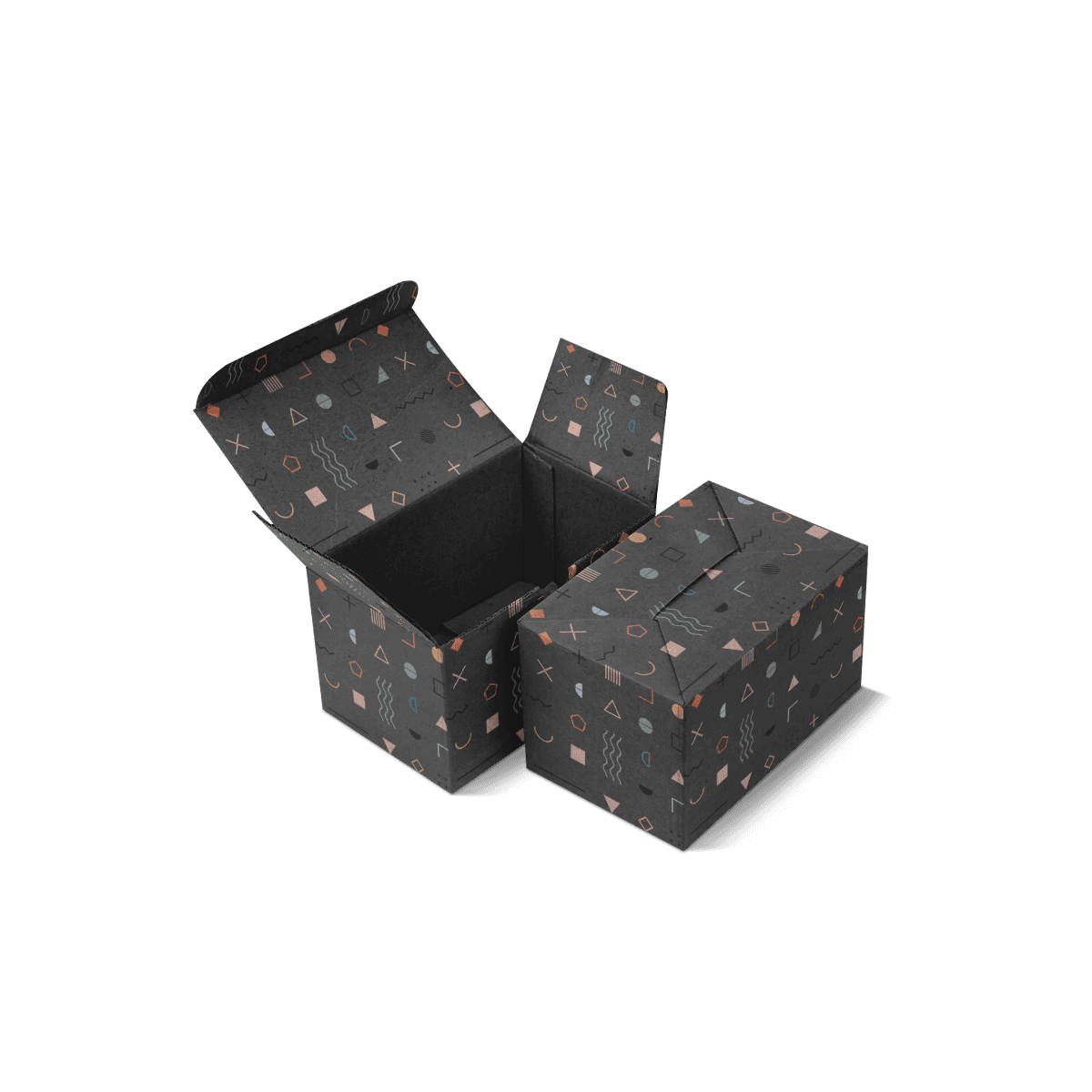
For cart service, the bottom panel should remain flat as the order moves over thresholds and through elevators. Folding cartons can suit lighter room-service assemblies where flat storage and printed branding matter.

Hand Carry Needs Grip

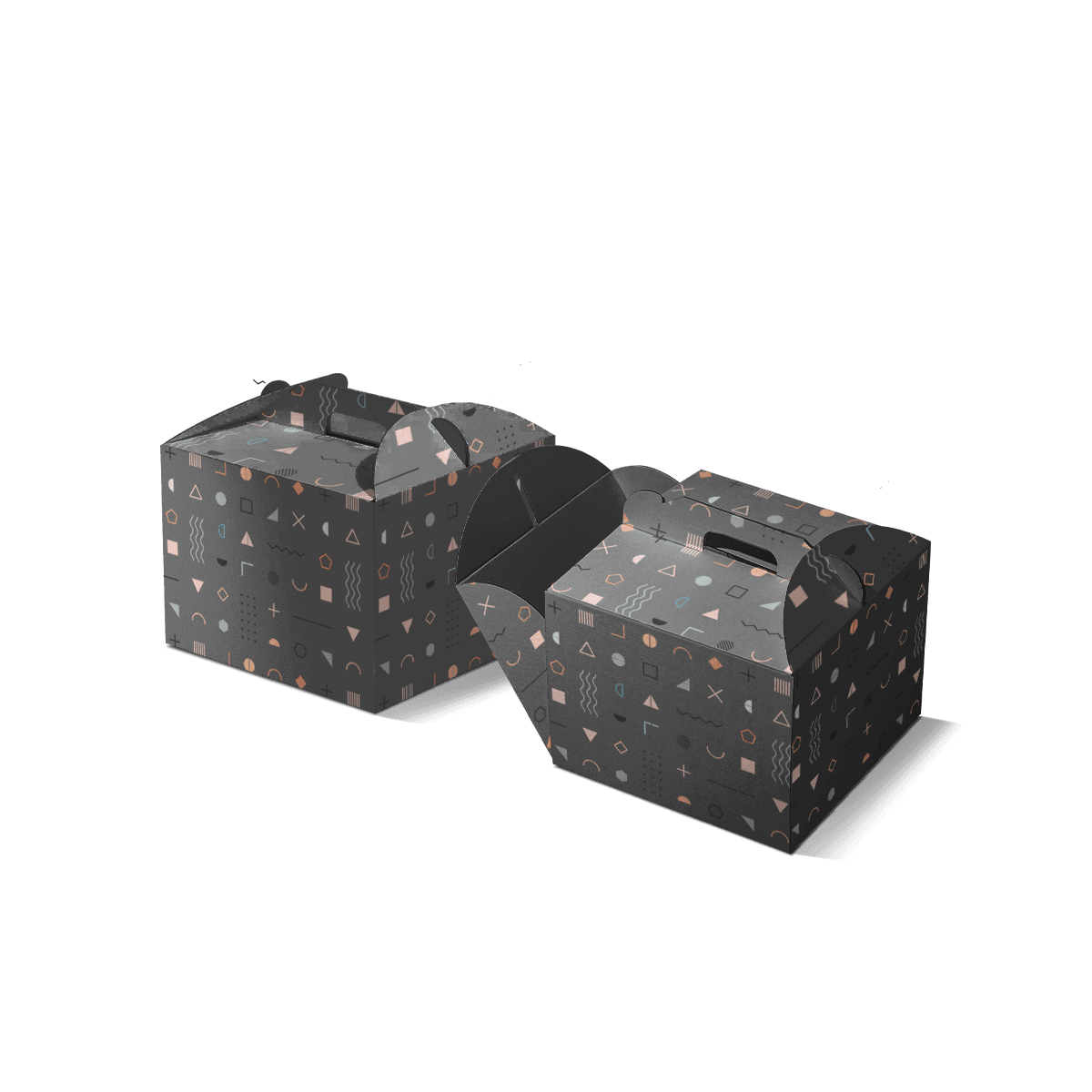
A hand-carried pack needs an obvious, balanced way to lift it. If handles are part of the construction, their position should reflect the loaded center of gravity.

Cart dimensions matter before exterior size is locked. A carrier that projects beyond a cart shelf or forces staff to turn it sideways can create instability even when the interior meal layout is excellent.

Handle placement should be checked after the final meal arrangement is known. Moving one heavy bowl from left to right can shift the balance enough that a centered handle no longer produces a level carry.

Stack Meals Without Crushing

Hotels may prepare several room-service orders at once and stage them before staff leave the kitchen.

That creates a stacking problem even though the final destination is one guest room.

Transfer Load to the Walls

A sound box structure should carry reasonable stacking load through its walls and corners rather than through the food containers inside.

Limit Stack Height Operationally

Packaging design cannot compensate for unlimited stacking. The hotel still needs a sensible service procedure for how many meals are staged together.

Stack testing should use the real closing height. If the top panel rests on a tall bowl, another meal placed on top transfers load into that container rather than through the box walls.

Staging several meals together can expose another issue: labels and room identifiers need to remain visible without unstacking every box. Reserve a consistent external position for temporary order marks so staff can match the correct meal to the correct room while the carriers remain on the cart. This operational detail reduces handling just before delivery, when unnecessary lifting and resorting are most likely to disturb the contents. The box should support accurate service as well as physical stability during the final trip to the guest.

Guest Access Shapes the Interior

Room-service packaging reaches its most important moment after hotel staff leave.

The guest may be opening the meal at a desk, bedside table or small in-room surface. Packaging that requires the entire order to be unpacked before cutlery or condiments can be reached creates unnecessary friction.

Put Service Items First

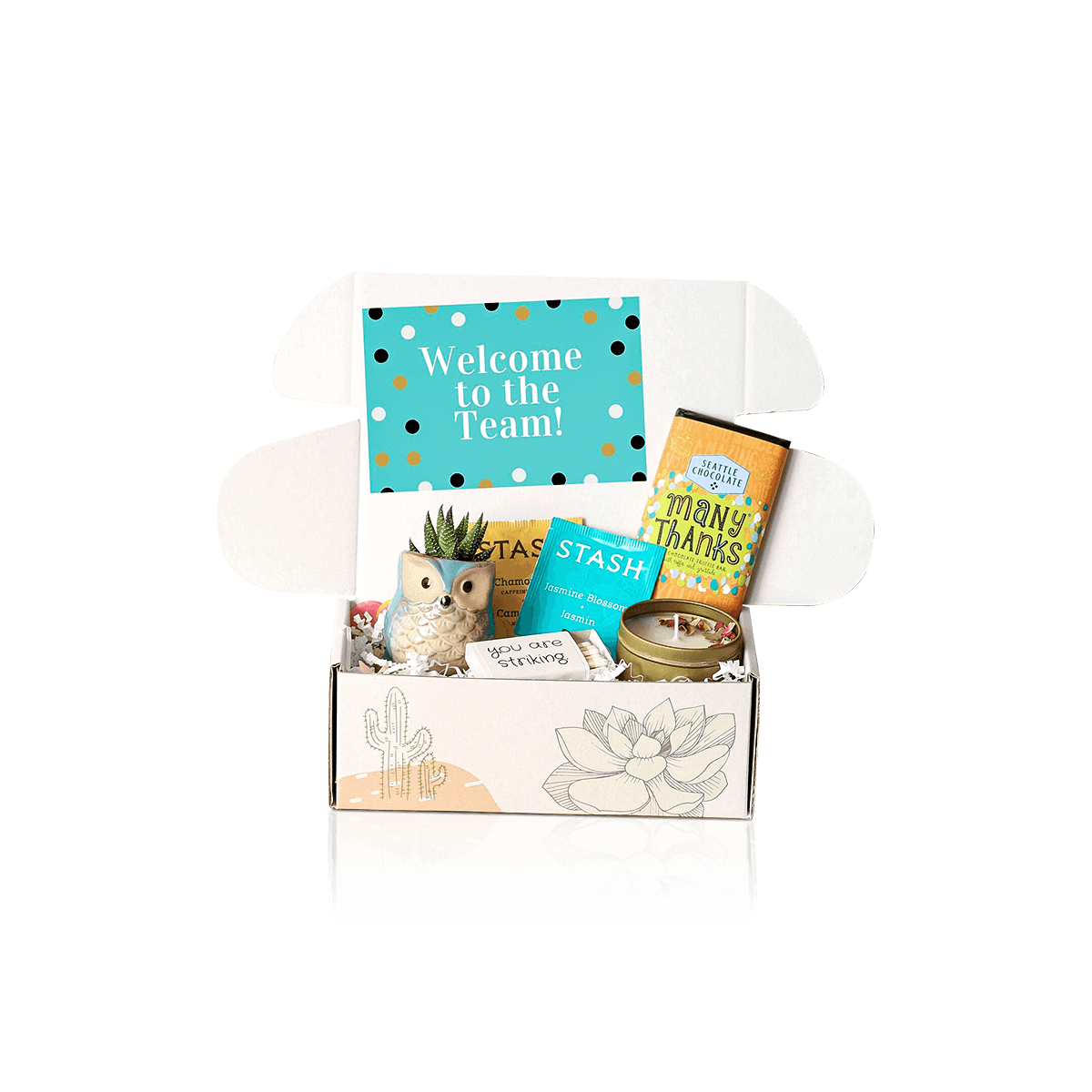
Napkins, cutlery, condiments and a printed card can sit where the guest can reach them without moving hot food.

Make Cleanup Obvious

The box may remain in the guest room after the meal. An interior that keeps used containers together can make the post-meal state less disorderly than several loose packs.

Guest access can be checked with one simple exercise: open the pack on a surface no larger than a typical hotel desk. If the meal requires several loose pieces to be moved elsewhere before eating can begin, the interior sequence needs work.

Guest access should also account for condiments that may be needed before the main container is opened. Placing those items in a visible dry zone keeps the meal organized and reduces unnecessary handling of hot dishes.

Branding Should Serve Hospitality

Room-service packaging is not a retail shelf competing for attention.

The visual job is quieter. The hotel identity should feel deliberate and consistent with the in-room service without turning a meal carrier into promotional clutter. Hospitality packaging can connect that presentation with other guest touchpoints.

Reserve Space for Service Copy

A meal box may need room for an order identifier, room number process, dietary marker, timing note or handling instruction used by hotel staff.

Print Around Contact Areas

Handles, locking tabs and frequently gripped corners experience more rubbing than broad lid panels. Fine artwork belongs where normal handling is less likely to wear or obscure it.

Branding should also survive operational labels. Reserve a practical area for room numbers, timing stickers or dietary marks so temporary service labels do not cover the hotel identity or critical closing features.

Breakfast Creates Different Traffic

Morning room service often combines more small components than a simple entrée order.

Coffee accompaniments, pastries, fruit, cereal portions, condiments and hot dishes can create a fragmented packout.

Small Items Need Boundaries

Condiment packets, tea bags and utensils can migrate under larger food containers during transport. A small compartment or band can keep those items visible.

Bakery Items Need Clearance

Croissants and pastries should not be squeezed into leftover space beside heavier containers. Pastry Boxes handle flaky surfaces, glaze clearance and mixed baked-goods geometry more directly.

Breakfast packout benefits from a fixed small-item zone. Coffee accompaniments, tea bags, sugar packets and utensils can stay together even when the hot entrée changes from one order to another.

Breakfast orders also benefit from a hierarchy of access. The guest may reach for coffee accompaniments, cutlery or a pastry before opening the hot dish. Put those small components where they can be removed without shifting bowls or lifting lids. If the hotel uses several breakfast combinations, preserve the same dry-item zone whenever possible and change only the larger meal positions. A familiar layout helps staff pack quickly and lets returning guests understand the carrier immediately, even when the entrée itself changes from one morning to the next.

Room Service Is Not Takeout

The structures can look similar, but the operational jobs are different.

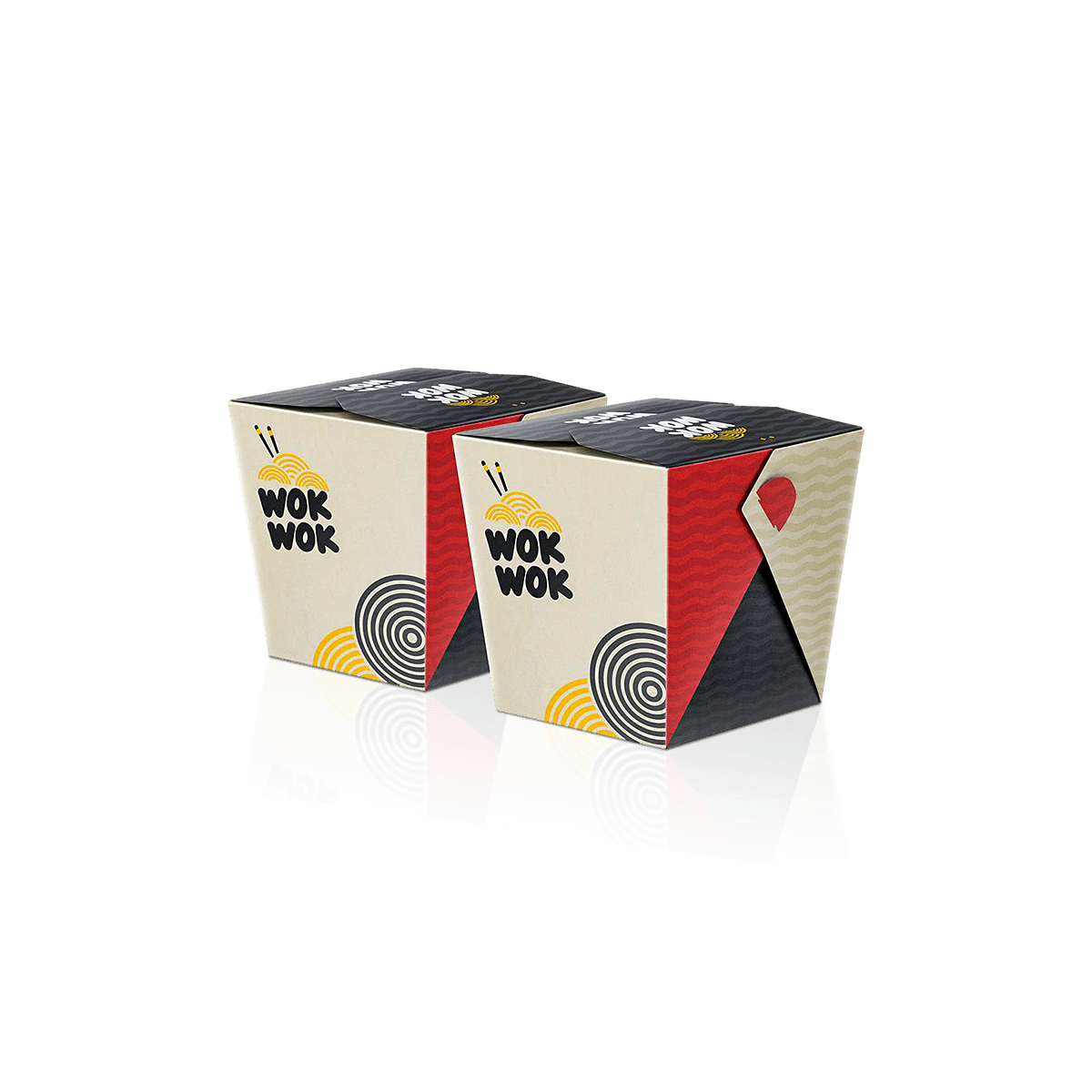
Takeout packaging usually tolerates a customer or delivery driver carrying food outside the restaurant environment. Hotel room service stays inside a controlled property but places greater emphasis on coordinated presentation, service carts and the guest's first view of the complete meal.

Internal Travel Is Predictable

Hotels usually know the route: kitchen, service corridor, elevator, floor corridor and guest room. That predictability makes it possible to design around actual cart dimensions and carrying practice.

Build Around Service Reality

The strongest specification starts with one complete room-service order placed on the table exactly as hotel staff would pack it. Record container footprints, heights and weights, then move the finished pack through the actual route. US orders start from 100 boxes with US production, free shipping, free 3D mockups and standard 4–6 day turnaround after final specifications and artwork approval.

The controlled hotel route creates a chance to right-size more aggressively than unknown parcel delivery. Use that predictability, but keep enough structure for the actual cart, staging and hand-carry conditions observed on the property.

FAQs

A dedicated box works better when the order needs cleaner transport, easier stacking or more controlled presentation. It helps keep the meal grouped together instead of leaving separate pieces to slide around on a tray.

Yes, especially for larger properties, high-volume service windows or guest-safety-focused programs. A tamper-evident feature can add reassurance while also helping staff confirm the order reached the room unopened.

They perform best when each item has a planned place. Separate cavities, insert channels or enclosed sections help prevent leaks, reduce clutter and keep the meal easier for guests to unpack.

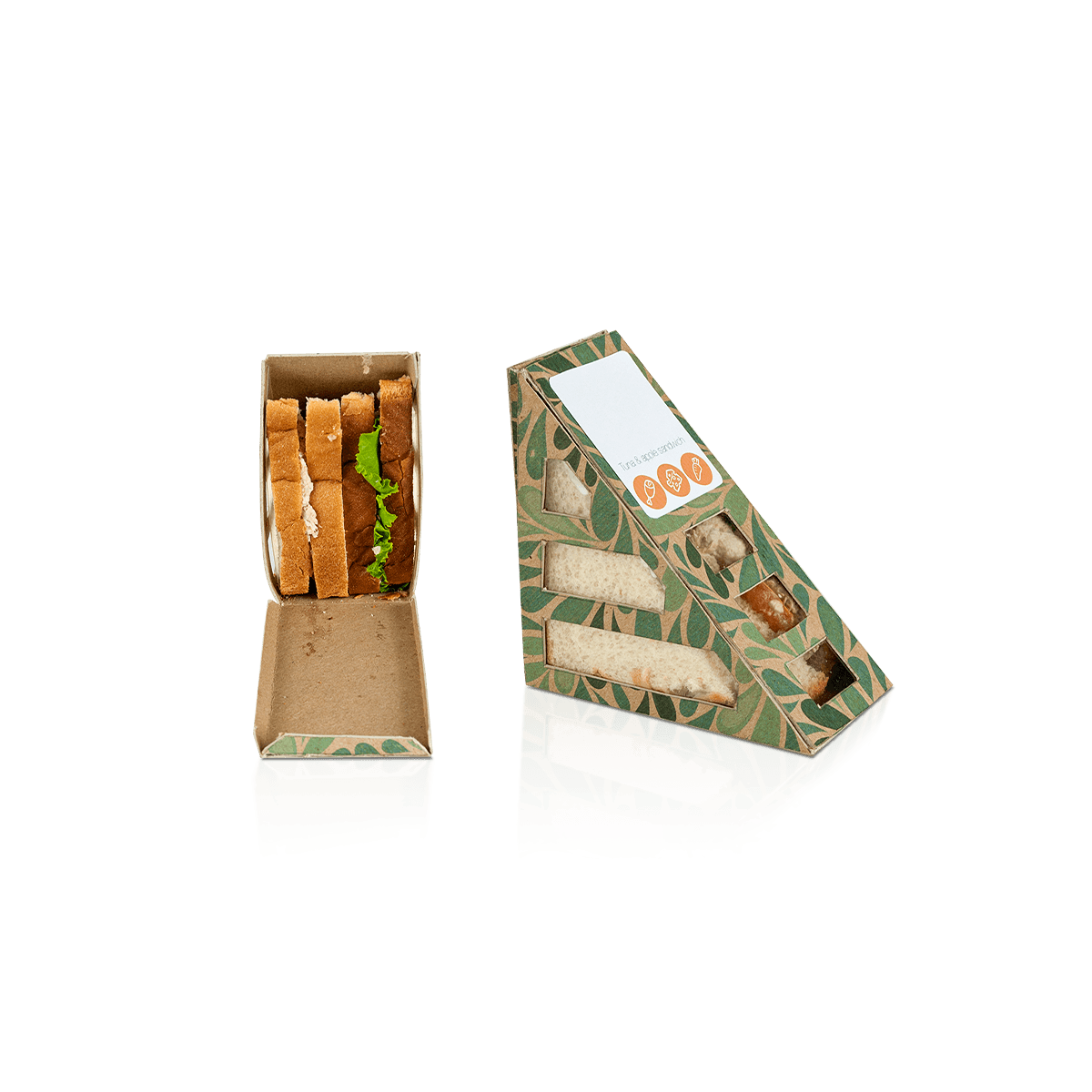
Yes, as long as the board grade, barrier treatment and box depth match the menu format. Hotels often use different structures for pastries, sandwiches, plated breakfasts and chilled meal sets instead of forcing one box to handle every order.

Hotel Room Service Boxes are the stronger choice when the meal is being delivered within the property and needs a more polished in-room dining look. Takeout Boxes are better suited to off-premise pickup or restaurant delivery where outward portability matters more than hotel-style presentation.

Process

How it works

Your Packaging Journey, From Idea to Production and Delivery

01

Tell Us Your Specs

Custom packaging boxes

Tell Us Your Specs

Provide size, quantity, printing, and finishes.

02

Get a Fast Quote

Custom packaging boxes

Get a Fast Quote

Instant transparent pricing, no hidden fees.

03

Design and Approval

Custom packaging boxes

Design and Approval

Artwork checks, revisions, and final sign-off.

04

Produce

Custom packaging boxes

Produce

Expert manufacturing to meet deadlines.

05

Ship to Your Door

Custom packaging boxes

Ship to Your Door

Hassle-free, flexible delivery options.

Get Your Quote for Custom Hotel Room Service Boxes

Share your product details, size, quantity and artwork needs. We’ll help choose the right packaging style and send a clear quote.