Skip to content
Details

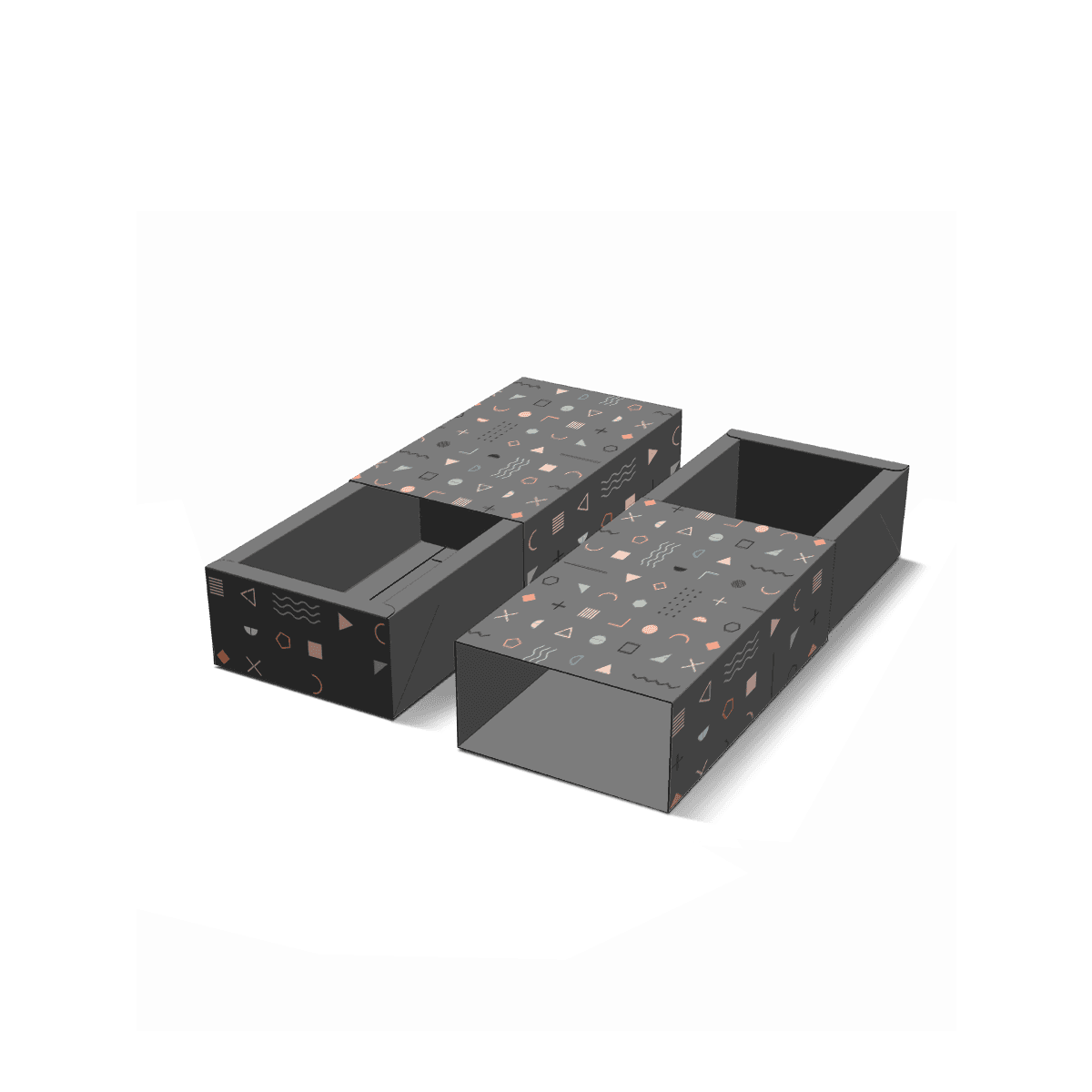
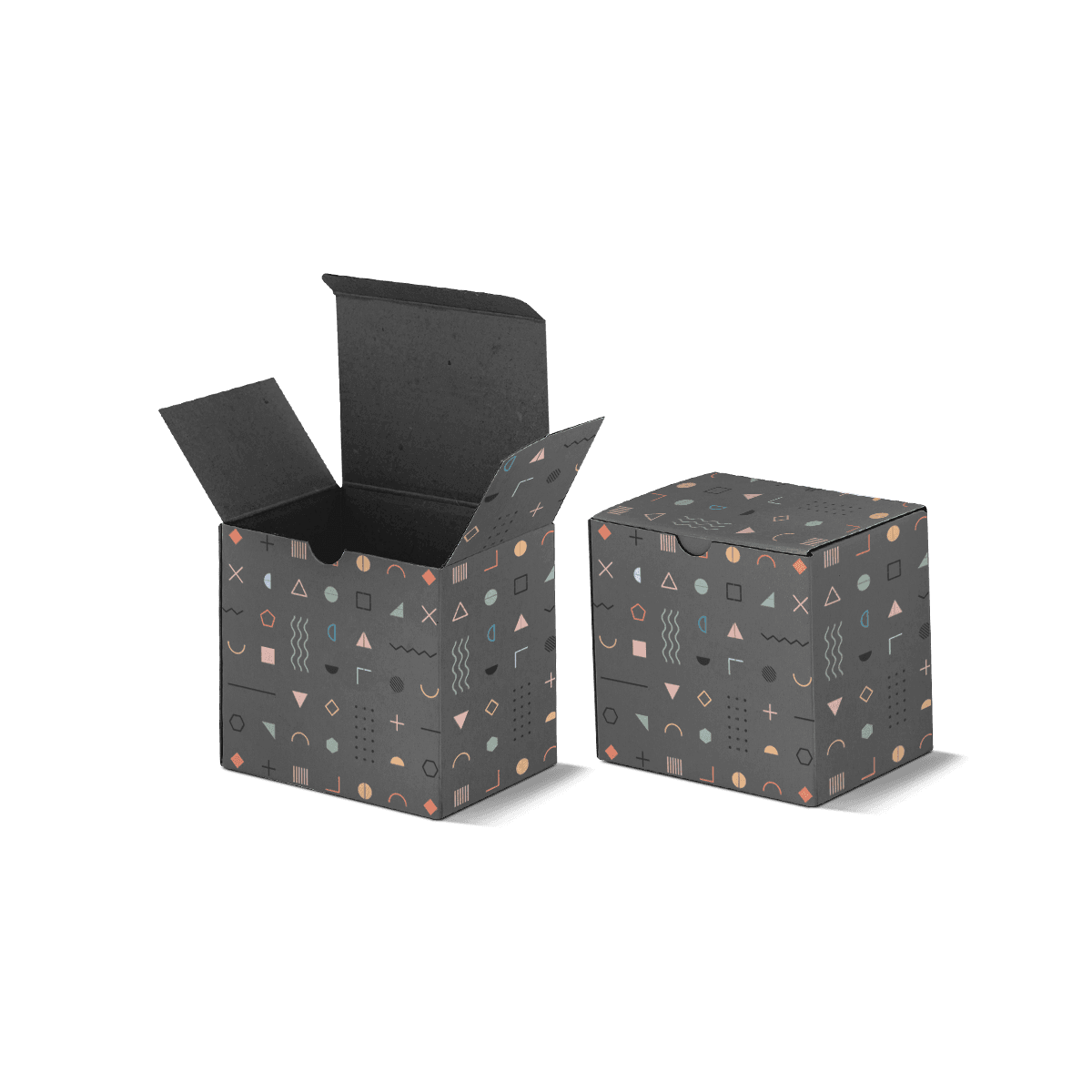
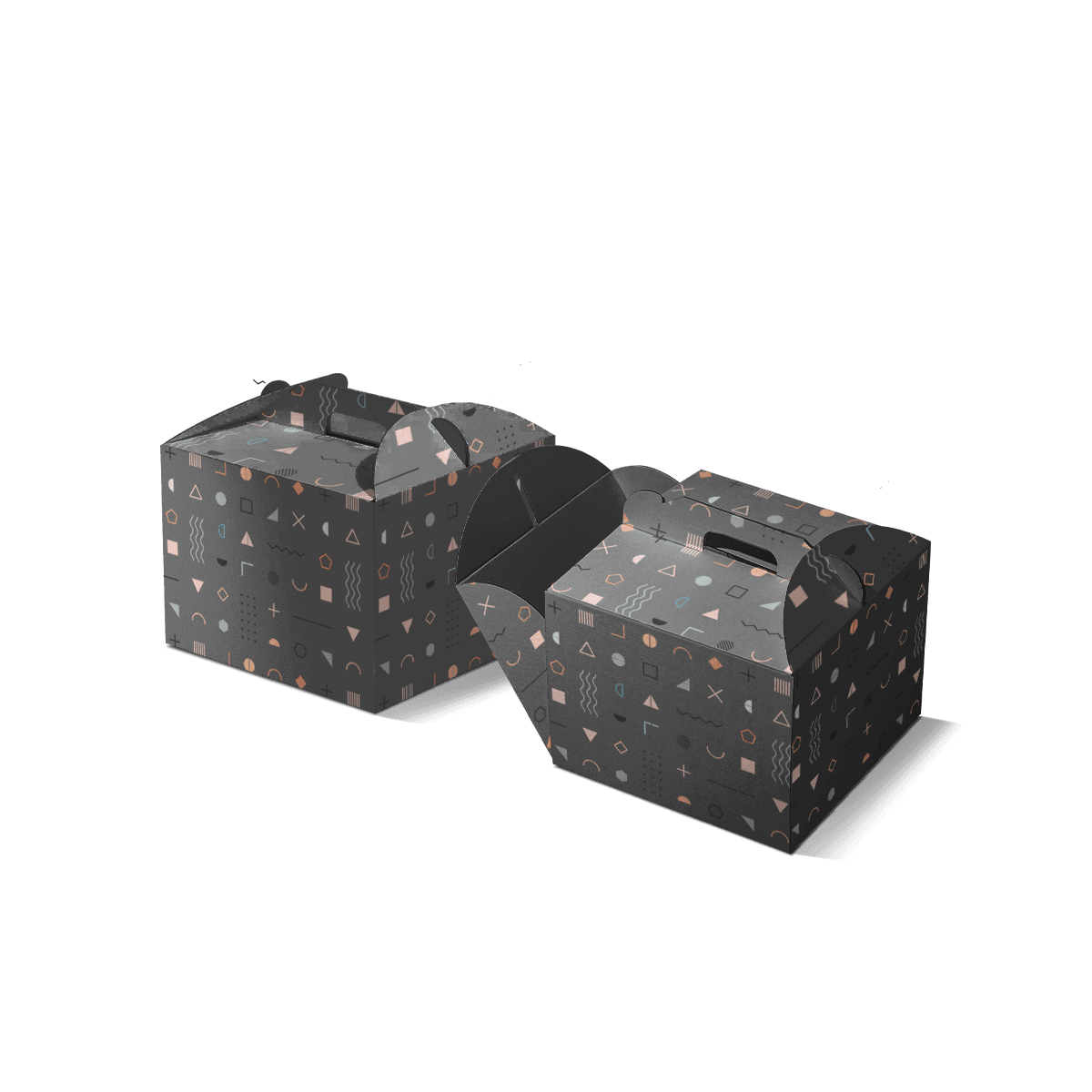
Custom Pastry Boxes

Set the box around pastry height, footprint, surface finish and carry pattern so flaky layers, icing and glaze reach the customer untouched.

Keep the Lid Off the Pastry

A pastry box can damage the product before the customer ever carries it. Croissants, danishes, éclairs and glazed bakes often have high points that rise beyond the base footprint.

Size from the finished pastry height, including icing, fruit, nuts and folded layers. The lid should close without brushing the highest point.

Use the Tallest Real Piece

Mixed bakery production varies. Measure representative finished pastries rather than one unusually neat sample.

Leave Working Headspace

Headspace should prevent contact without creating a large empty chamber that lets products bounce. The right amount follows the tallest product and the way the box is carried.

Height should be checked after the pastry has cooled and been finished, not from the baking tray. Glaze, fruit, piped cream or laminated lift can add enough height to turn a safe-looking lid into a contact point.

Pastry clearance should include the path into the box as well as the closed height. A tall danish can clear the lid once centered but still scrape a front edge if staff have to lower it through a narrow opening at an angle.
The Base Carries the Load

Flaky pastry can be light while a mixed dozen becomes surprisingly heavy. The bottom panel still has to stay flat during counter movement and handoff.

Board stiffness, base geometry and overall footprint should work together. A broad shallow box can flex at the center if the packed weight is concentrated there.

Support the Full Footprint

Set the base around the tray or pastry arrangement rather than letting products bridge unsupported areas.

Watch Large Assortments

As count rises, a structure that works for four pastries may not work for twelve. Recheck the loaded base instead of scaling dimensions mechanically.

Base performance should be judged while the box is lifted from one side as well as from underneath. Counter staff and customers do not always support the full base evenly, and a flexible center can let pastries slide toward one corner.

When the assortment is placed on a paperboard tray, test the tray and carton together. A tray that is stiff on the counter can bend once lifted with several pastries, changing the spacing between pieces before the outer box takes the load.

Mixed Heights Need Zones

One low croissant beside a tall iced Danish creates a different packing problem from a box of identical products.

Group similar heights where possible. A divider or shallow tray can keep tall and low pieces from shifting into one another.

Separate Fragile Toppings

Glaze, fruit and chocolate decoration should not become restraint points.

Keep Dense Items Apart

A heavier filled pastry can move farther during a sudden stop. Give it a more controlled position rather than letting it strike a delicate neighbor.

Mixed-height assortments benefit from a packing map. Putting the tallest items toward one side or corner can create predictable clearance and keep lower pieces visible instead of letting staff rebuild the arrangement for every order.

Mixed zones should also preserve access. A tall item placed directly in front of a low pastry can make the smaller piece hard to remove without reaching across icing or touching neighboring products.

A mixed pastry map should also account for the direction staff remove pieces. If a tall éclair sits across the front edge, it can block access to a lower tart behind it even though both fit comfortably when viewed from the top. Arrange products so the most delicate surfaces can be reached without lifting one pastry over another. This matters for counter handoff and for customers sharing an assortment. An interior can be dimensionally efficient yet still create awkward serving behavior if removal order was never considered during the layout.

Grease Changes the Surface

Butter and oils can mark paperboard and weaken presentation even when the pastry itself remains intact.

Use an appropriate liner, tray or grease-resistant component where the actual product requires it. Do not assume every decorative board or printed surface is suitable for direct food contact.

Isolate the Printed Board

The outer box can focus on structure and branding while another layer handles the immediate pastry contact.

Keep Claims Specific

Material appearance does not prove food-contact suitability, recyclability or barrier performance. Specify the actual construction before making a claim.

A liner should stay flat during loading. If it wrinkles, folds upward or shifts under a pastry, it can create new contact points and make the assortment look untidy even when the outer carton remains clean.

Crumbs and flakes can collect between the liner and the carton during service. The liner shape should therefore be easy to place consistently and should not curl into corners where staff have to adjust it for every order.

Windows Need a Clear View

A window can help customers see glaze, shape and assortment without opening the box.

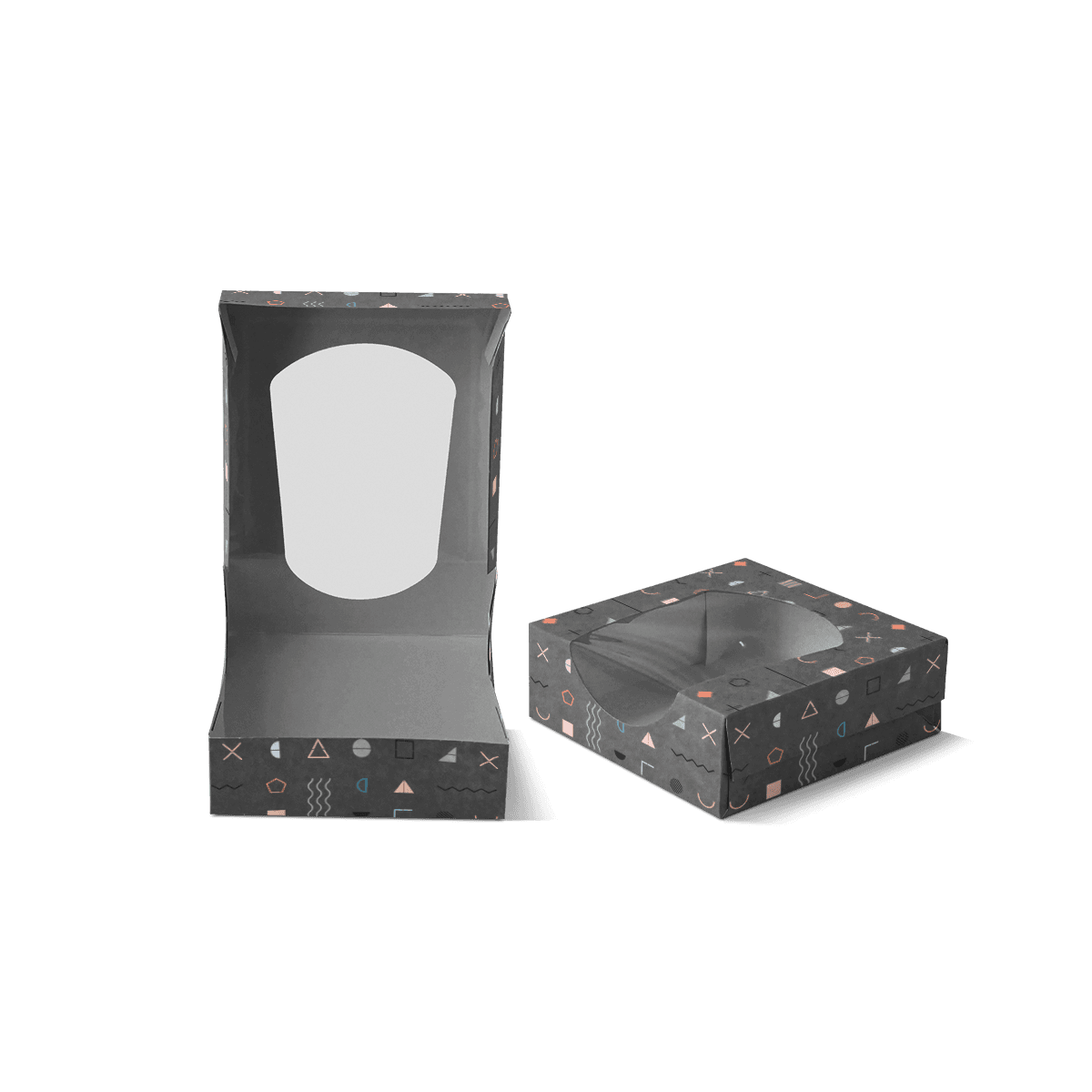
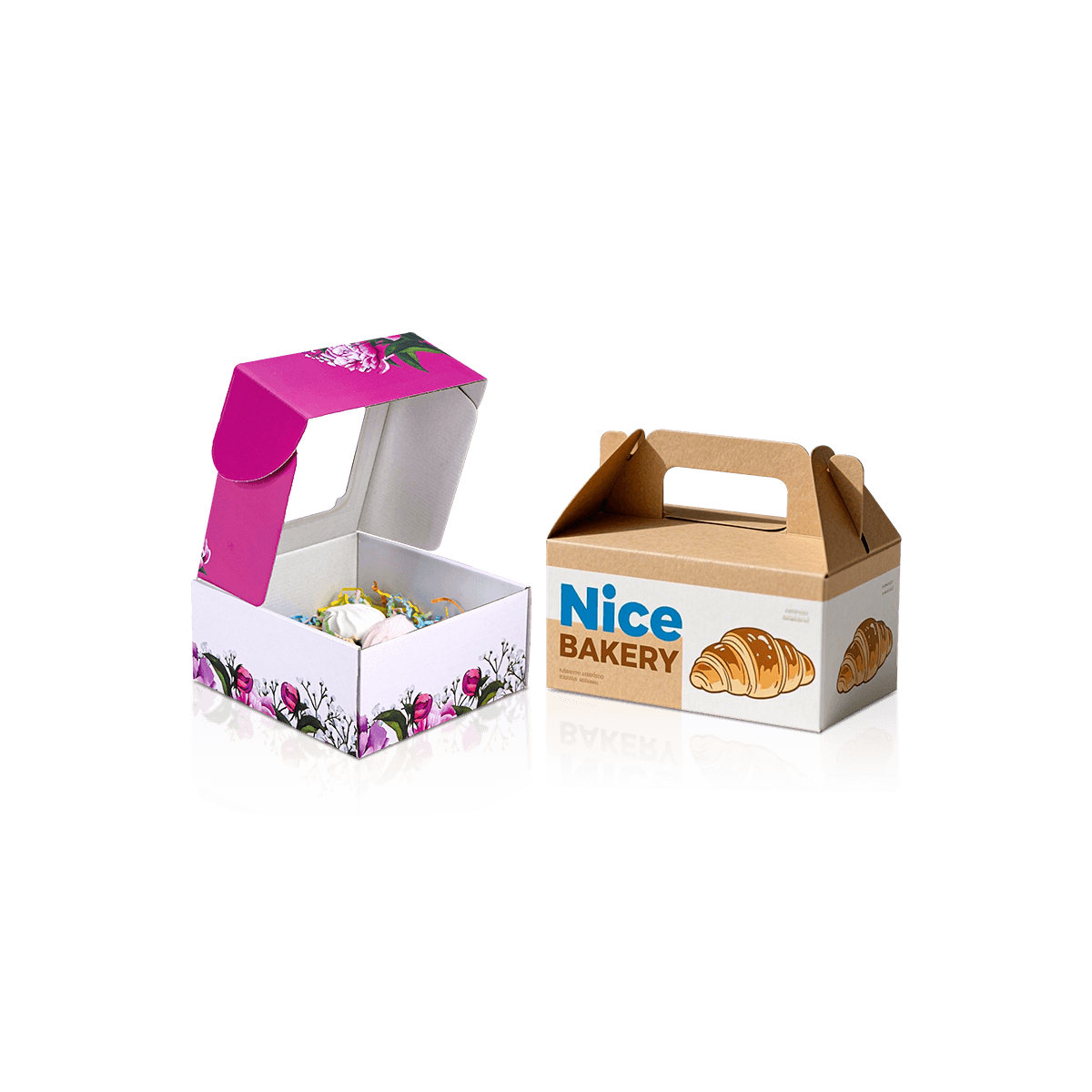
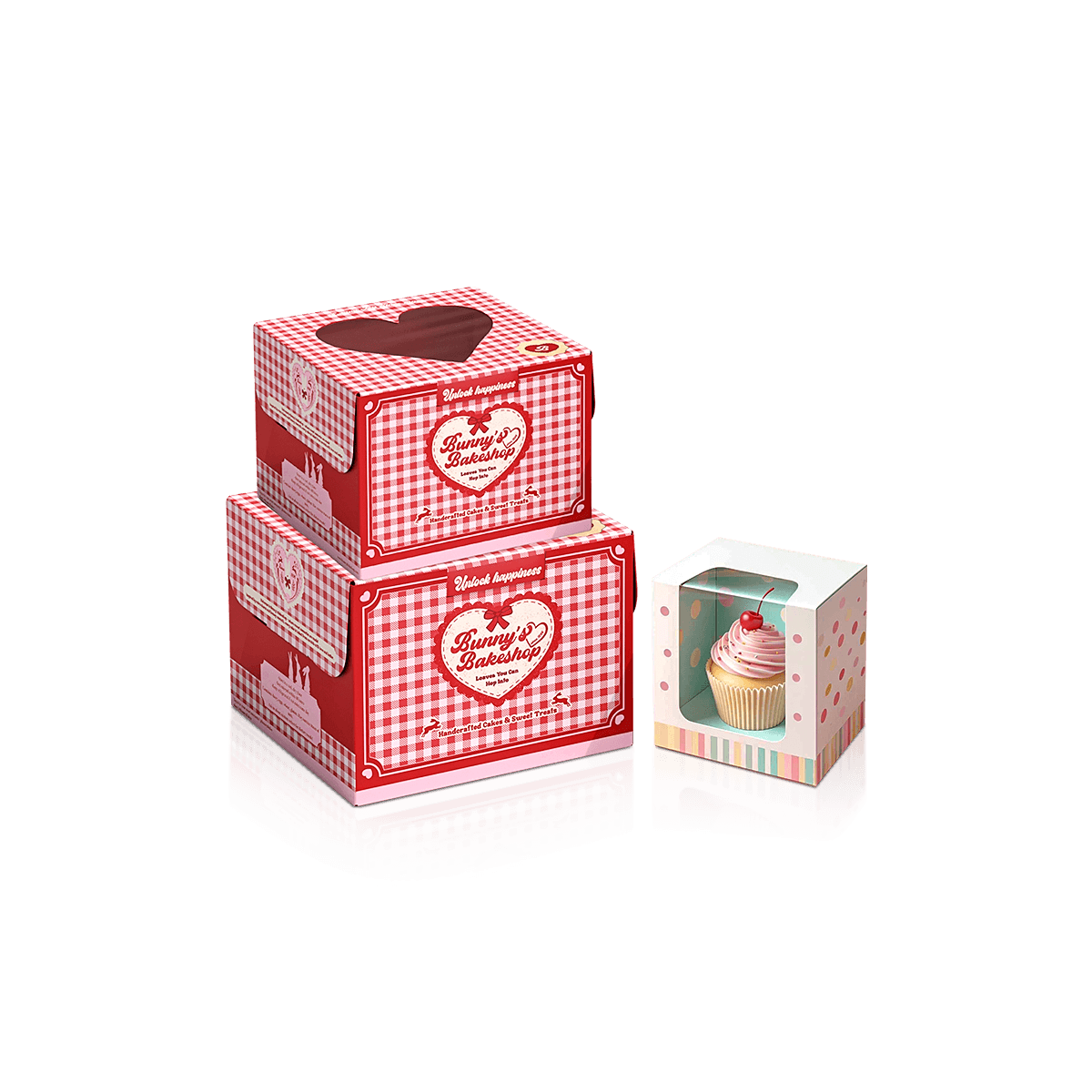
Window Bakery Boxes make sense when product visibility materially improves the sale. The opening should frame the pastries rather than expose empty tray edges.

Protect the Window Border

Leave enough board around folds and corners for the lid to stay stable.

Set the View After Packout

Arrange the products first. Then position the window around what will actually be visible from the selling angle.

The window should also be judged after condensation risk is understood. A clear view is valuable only when the real packing condition keeps the display presentable through the expected handoff period.

Windowed packs should be judged after the normal holding period, not only immediately after loading. Glaze, warm fillings and residual product heat can change the appearance of the clear panel over time. The bakery should see what a customer is likely to see after the box has waited for pickup or sat on a display counter. If the view becomes less attractive, the answer may be a smaller opening, a different packing condition or a closed lid. The window only earns its space when it keeps improving the presentation through the expected handoff.

Packing Condition Comes First

Warm pastries can continue releasing moisture after baking. A tightly closed carton is not a substitute for the bakery's cooling process.

Decide when products enter the box and how long they will remain enclosed.

Cool Before Closing

Where product quality depends on cooling, solve that operational step before asking the carton to compensate.

Treat Venting Deliberately

Vent holes can alter moisture movement, but they should be tied to the product and service method rather than added as a generic bakery feature.

Cooling and closing times should be practical for the bakery's service rhythm. A box that depends on a long open-lid wait at the counter can interfere with rush-hour packing even if the finished product quality is acceptable.

Packing condition also affects window clarity. Warm products can create a less attractive first view if moisture appears on a clear panel, so the bakery should judge the window after the realistic cooling and holding sequence.

Carry Stability Matters

A pastry assortment may look perfect on the counter and shift as soon as the customer walks to the car.

Control open floor space and give taller pieces enough lateral clearance. Bakery Boxes fit more general mixed baked-goods handoffs, while Pastry Boxes can stay tighter around delicate surface finishes.

Check the Tilt

Test normal carrying angles. The pastry should not slide into the wall or another item.

Keep the Box Level

A broad base and practical grip help the customer carry the assortment without tilting it sharply.

Carry tests should include the most awkward realistic assortment, not only a uniform set. A dense filled pastry beside a light croissant can shift the center of gravity and expose movement that a balanced sample hides.

Carry stability improves when the heaviest pieces sit near the center of the footprint rather than all on one side. That simple placement rule can reduce tilt without adding another internal component.

Counter Speed Rewards Simplicity

Bakery staff may erect and fill boxes repeatedly during a rush.

A complex lock or multi-piece insert needs to earn the extra handling time. Flat storage, quick opening and a box that stays open during loading can matter more than decorative complexity.

Reduce Assembly Steps

Remove parts that do not improve clearance, separation or presentation.

Make Sizes Easy to Identify

If several pastry counts use similar boxes, give staff an obvious way to distinguish them at the packing bench.

Staff should be able to open the flat carton, form the base and load the pastry without repeatedly re-squaring the walls. A structure that collapses inward during loading adds friction to every order.

The carton should also stay open reliably while staff load it. Sidewalls that fold inward or lids that fall into the working area force the packer to hold the box with one hand while positioning delicate pastries with the other. That can slow service and increase accidental contact with icing or flaky edges. A simple erection trial during a realistic rush period will show whether the structure supports one-handed loading, label application and closing. Efficient bakery packaging reduces unnecessary motions at the counter without sacrificing the clearance the pastry itself requires.

Print Around the Food

Pastry packaging is viewed close up during pickup and gifting. Keep artwork clear, readable and away from folds or high-contact edges.

Custom retail packaging can coordinate shelf-facing graphics with bakery identity when products move beyond counter handoff.

Reserve Label Space

Ingredients, flavor names, dates and other operational labels need clear panel space.

Proof the Dieline

Artwork should be reviewed on the final structure. Free design and dieline support, artwork and prepress review, digital proofing and free 3D mockups can help resolve placement before production.

Print and labels should stay clear of the areas staff touch most often. Repeated gripping at the lid edge or front lock can scuff fine graphics faster than broad lid panels that remain largely untouched.

Build a Practical Size System

A bakery rarely benefits from a unique box for every pastry.

Group products by real packed footprint, height and count. Separate them when one product changes the handling problem, such as tall icing or a heavy filled item.

Keep Core Counts Stable

Common four-, six- or dozen-count packs can become the repeatable base while seasonal artwork changes independently.

Approve the Handoff

Load the real assortment, close the box and carry it as a customer would. If flaky edges stay clear, glaze remains untouched and the base stays level, the size is doing its job. US orders start from 100 boxes with free shipping and standard 4–6 day turnaround after final specifications and artwork approval.

A practical size system also reduces packing mistakes. Clear size differences help staff choose the correct carton quickly, while near-identical boxes with small dimensional changes can cause overfilling or wasted space during busy periods.

Once the core sizes are selected, store the packing rule with each one: intended pastry count, maximum finished height, acceptable footprint and any liner or tray that belongs with it. That prevents a familiar carton from slowly being used for products it was never approved to carry. Seasonal pastries can still share a standard size when their packed geometry truly matches. If a new bake introduces taller decoration, more weight or a different surface risk, reassess that one condition rather than changing the entire bakery system automatically.

FAQs

SBS paperboard is a strong choice when print quality and a cleaner retail look matter, while kraft stock works well for rustic bakery branding and more natural presentation.

Window packaging usually performs better because shoppers can confirm size, glaze finish, and assortment mix without touching the pastries.

Pastry Boxes are usually the better fit when appearance and separation matter more, because they are easier to size around delicate laminated items, while Bakery Boxes often work as broader carryout formats for mixed baked goods.

For assorted packs, yes. A custom insert tray helps limit shifting, keeps flavors organized, and improves presentation when pastries have different shapes or fillings.

Yes, if the board thickness, closure strength, and internal fit are matched to the pastry weight and pack count so items stay stable in short-range transport.

Process

How it works

Your Packaging Journey, From Idea to Production and Delivery

01

Tell Us Your Specs

Custom packaging boxes

Tell Us Your Specs

Provide size, quantity, printing, and finishes.

02

Get a Fast Quote

Custom packaging boxes

Get a Fast Quote

Instant transparent pricing, no hidden fees.

03

Design and Approval

Custom packaging boxes

Design and Approval

Artwork checks, revisions, and final sign-off.

04

Produce

Custom packaging boxes

Produce

Expert manufacturing to meet deadlines.

05

Ship to Your Door

Custom packaging boxes

Ship to Your Door

Hassle-free, flexible delivery options.

Get Your Quote for Custom Pastry Boxes

Share your product details, size, quantity and artwork needs. We’ll help choose the right packaging style and send a clear quote.