Skip to content
Details

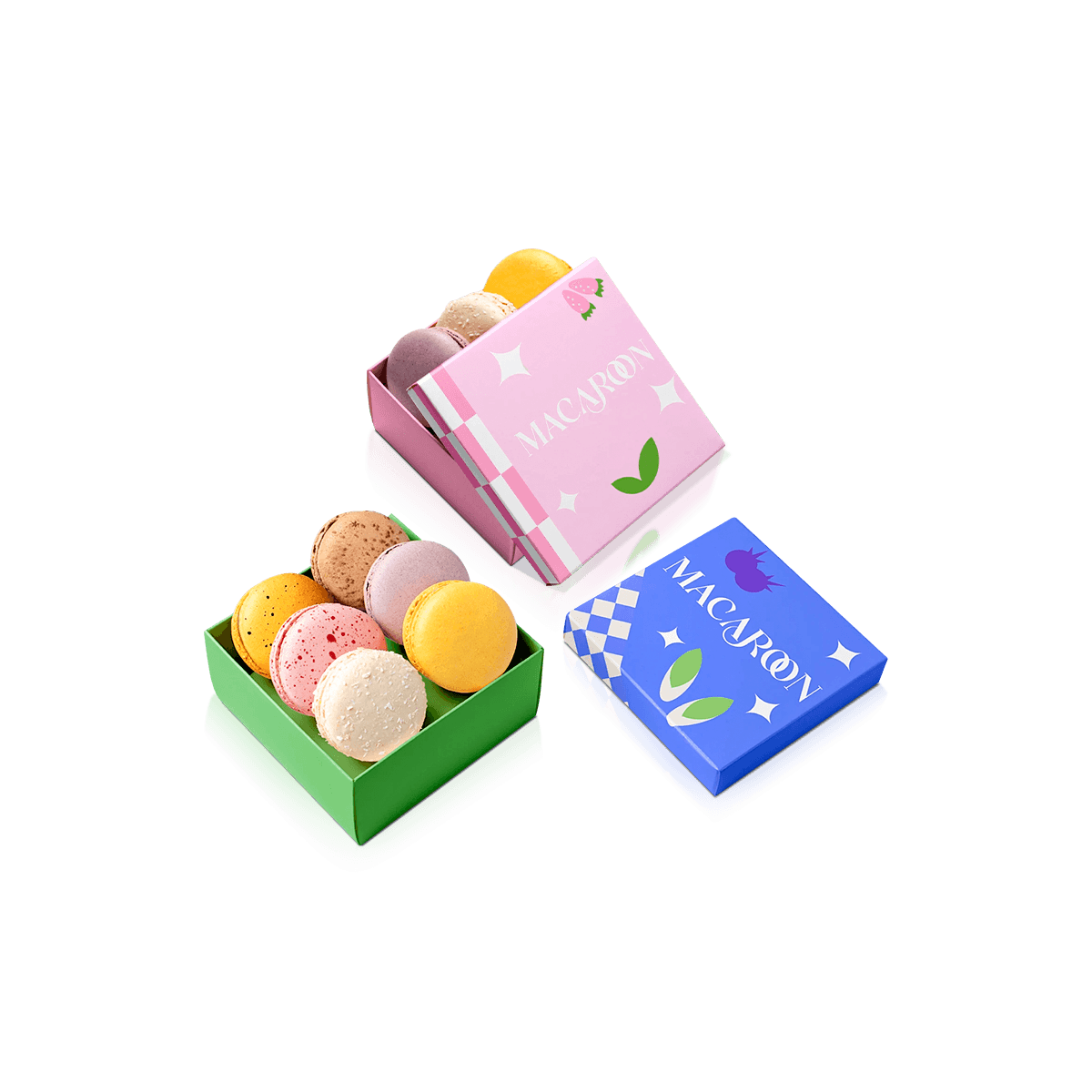
Custom Macaron Boxes

Hold delicate macaron shells in controlled rows with the right contact points, clearance and window geometry for bakery sales, gifting and pickup.

Control Shell Contact

Macarons need restraint without pressure. Their shells can crack where a hard insert grips too tightly, yet a loose row lets pieces slide, rotate and knock together during carrying. The box has to control movement at the strongest part of each macaron without pressing the broad shell faces.

Start with the finished diameter and filled thickness. Include any paper cup, sleeve or separator used in the real packout. The correct support usually acts around the lower edge or side profile rather than squeezing the shell faces.

Support the Stronger Edge

A tray rail, shallow groove or shaped channel can steady the macaron near its edge while leaving the visible shell face clear. The support should not dig into the foot or scrape a decorated surface.

Leave Release Space

The recipient still needs a way to lift each piece. Finger access, exposed upper height or a relief area can make removal easier without loosening the whole row.

Shell strength also changes with size and recipe. A support point that works for a small firm macaron may mark a larger delicate shell, so the insert should be judged with real production pieces rather than a single ideal sample.

The macaron foot deserves its own clearance. If a channel grips too low or a divider edge sits directly against that textured area, normal vibration can create crumbs or visible wear even when the smooth shell face remains untouched.
Set the Orientation First

Macarons can stand upright on edge, lie flat or sit in individual cavities. Each orientation changes the box depth, insert geometry and first-open view.

Choose the orientation before sizing the outside. Upright rows use depth efficiently and show shell color well. Flat presentation can suit decorated tops or very small counts, but it uses more footprint.

Upright Rows Need Side Control

A row of upright macarons behaves like a line of small discs. If the end stop is loose, the entire row can lean and transfer pressure from one shell to the next.

Flat Pieces Need More Footprint

A flat layout can reduce side pressure but increases the base area. It also changes how a window should be placed because the top shell becomes the selling surface.

Orientation also changes packing labor. Upright rows may load quickly when the channel is open and consistent, while flat presentation can require more careful hand placement to keep decorated faces aligned.

Pitch Controls the Row

Repeated spacing matters because one small error is multiplied across the entire pack. Set the center-to-center pitch from the real macaron diameter plus the clearance the shell needs.

Too little pitch creates shell pressure. Too much pitch makes the row look sparse and increases movement.

Check Production Variation

Macarons from one batch will not all be mathematically identical. Review normal diameter and filling variation before locking the tray.

Test the End Stops

The first and last pieces often carry more movement than the middle of the row. End rails should stop drift without crushing the outside shells.

Row pitch should include enough tolerance for normal batch variation without turning the tray loose. The goal is repeatable spacing that does not force staff to sort macarons by tiny diameter differences before packing.

Color assortments often repeat a visual sequence as well as a physical pitch. Fixing both together can make packing more consistent because staff know which flavor belongs at each position and can spot a missing piece before the box closes.

Use Windows With Purpose

Color is often part of the sale for macarons, so a window can be valuable when it reveals the row cleanly.

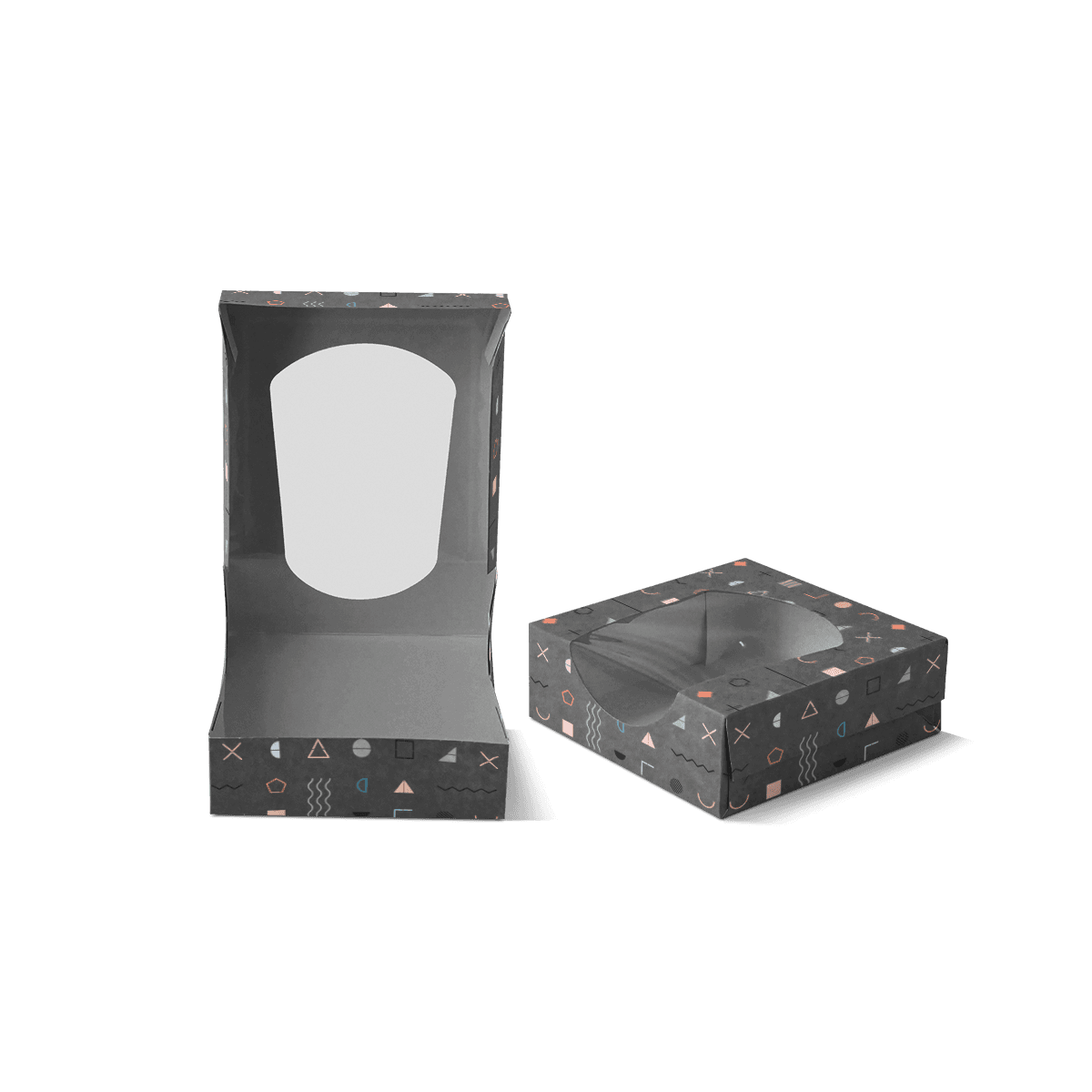
Windowed Folding Cartons can work when the product view deserves space on the lid. The window should frame the macarons rather than expose tray edges and empty gaps.

Keep the Window Off the Support Zone

Do not cut away the board needed around locks, folds or tray-bearing edges.

Match the View to Orientation

An upright row usually benefits from a long narrow reveal. A flat assortment may need a broader top view. Set the product orientation before drawing the opening.

A clear window can expose color variation, so the bakery should decide whether every row will be arranged in a fixed flavor order. Consistent color sequencing can improve the first impression without adding more print.

Window geometry should be reviewed under the lighting and shelf angle in which the macarons will actually be sold. A long opening can make the first row look attractive while leaving the second row hidden or casting a strong edge shadow across lighter shells. Place a loaded sample at counter height and judge the view from the customer's normal position. If the visual payoff is weak, a smaller opening or closed printed lid may be the stronger choice. Product visibility should support the sale without weakening the carton or exposing more tray than macaron.

Sliding Boxes Change Handling

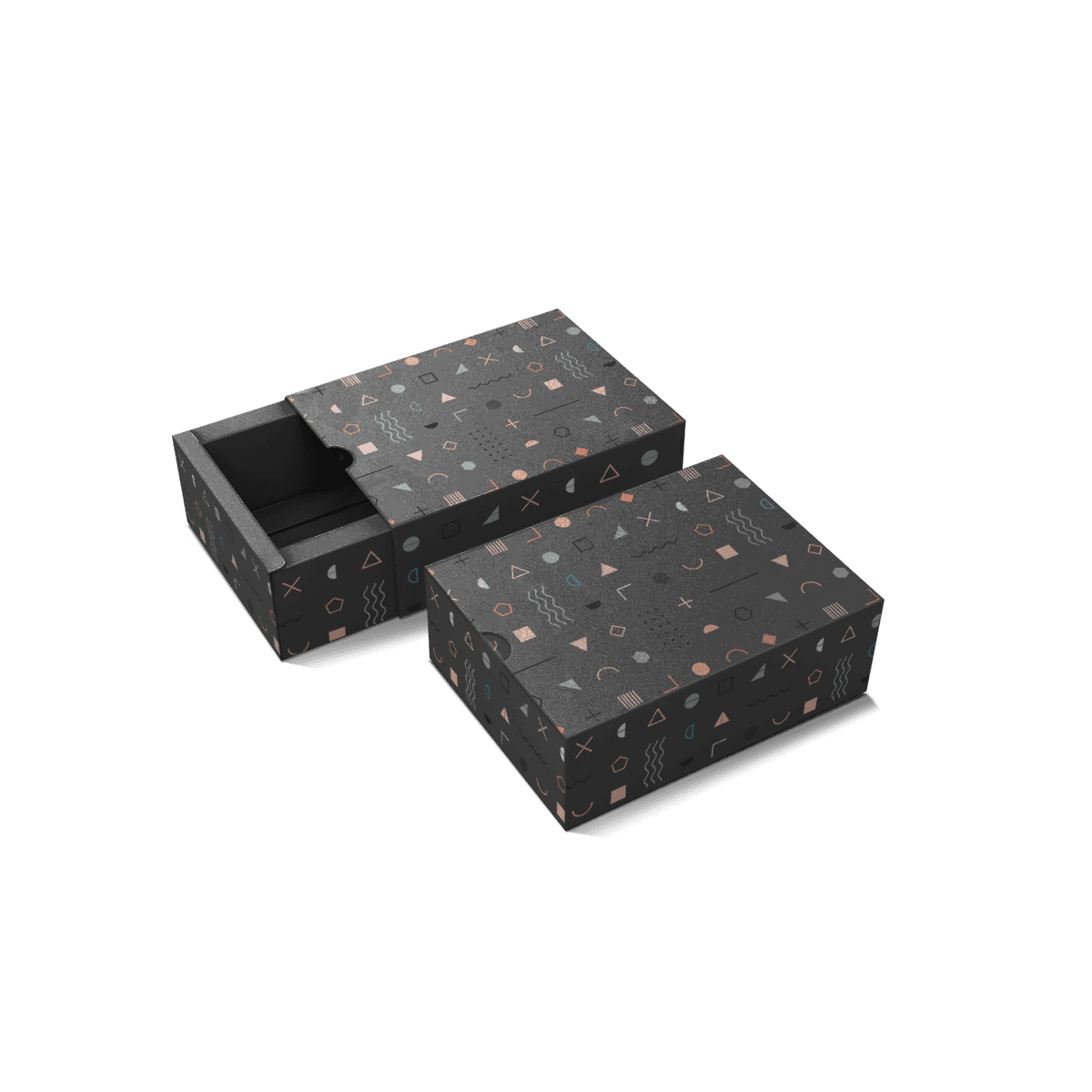
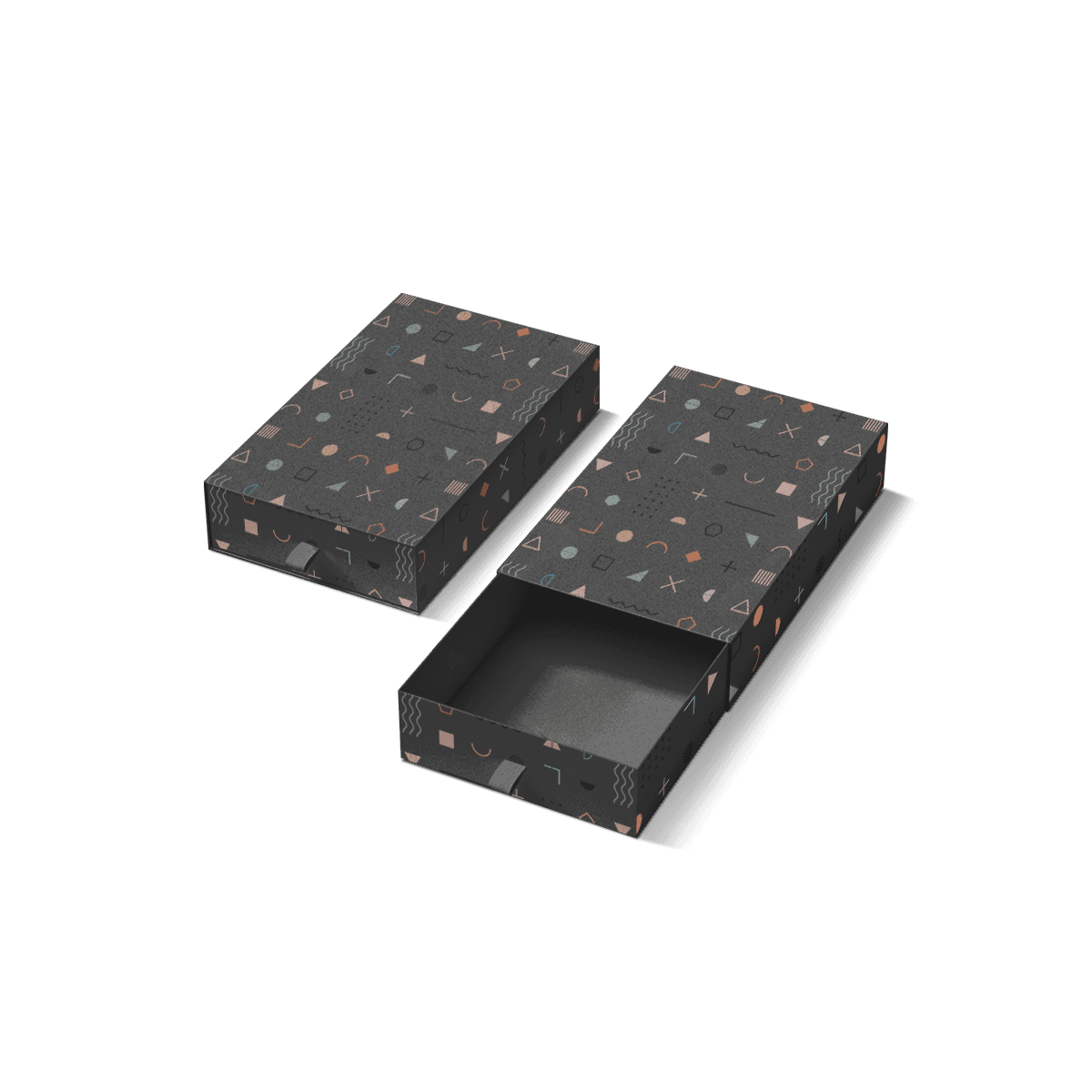
A Tray and Sleeve Box can suit macarons because the tray presents the row while the sleeve controls the exterior branding.

The movement of the tray matters. A very loose sleeve can let the inner tray accelerate and stop abruptly. A very tight sleeve can make staff or recipients tug hard enough to disturb the contents.

Control Slide Resistance

Aim for smooth deliberate travel. The fit should remain practical after print, lamination and normal board tolerances.

Add a Real Pull Point

A thumb notch, ribbon or exposed tray edge can make opening easier without forcing pressure onto the macarons.

Drawer and sleeve systems should be tested after finishing because lamination, wrapped edges and board tolerances can change friction. A smooth prototype made from plain stock may behave differently after the final surface treatment.

Sleeve travel should remain smooth after the box has been loaded to its normal count. Product weight can increase friction between the tray and sleeve, especially if the inner tray bows slightly or a ribbon pull changes the grip angle. Test opening with one hand while the other supports the box as a recipient naturally might. The tray should not release suddenly, stall halfway or require a sharp tug. Controlled movement protects the shell arrangement and makes the opening feel deliberate without relying on an unnecessarily tight fit.

Packout Speed Matters

Macarons are often boxed in repetitive bakery work. A tray that protects well but is slow to load can become a production problem during busy pickup windows.

The insert should accept each piece without requiring the packer to push the shell through a tight opening.

Load Without Shell Pressure

The macaron should settle into position with a controlled hand movement. If staff must squeeze or twist it, the cavity geometry needs revision.

Keep Components Simple

Use only the tray, divider or card that earns its place. Decorative layers that slow every packout should be questioned.

Packout trials should include the real number of pieces per hour. Even a few extra seconds spent aligning a stiff insert can become significant when staff are preparing a large preorder or event run.

A loading trial should include macarons taken from normal production, not only the most uniform pieces selected for presentation. If ordinary pieces jam, tilt or require sorting before packing, the insert tolerance is too narrow for the real process.

Count Changes the Presentation

Two-piece, six-piece and twelve-piece macaron packs are different selling units.

Small counts expose every spacing decision. A two-piece box can look empty if the cavities are too far apart. Larger counts need stronger row discipline so the interior does not drift out of alignment.

Small Counts Need Precision

With only a few pieces, the box footprint should stay close to the product. Excess empty board weakens the gift impression.

Larger Counts Need Repeatability

For recurring sizes, keep a stable tray pitch and change seasonal artwork separately when the macaron dimensions remain the same.

For multiple counts, keep the macaron pitch constant where possible and change only the row length or number of rows. That gives staff a more predictable fit across several selling units.

Events Need Fast Distribution

Macarons are common favors and event gifts because a small count can feel complete without a large box.

Event Favor Boxes fit single treats or compact giveaways when the job is event handoff rather than a bakery retail assortment.

Keep Names and Dates Flexible

Short-life event copy can sit on a sleeve, card or label while the core macaron box stays unchanged.

Stage Before Guest Arrival

Event teams may need dozens or hundreds of packs ready at once. Flat storage, quick loading and clear count control become more important at that scale.

Event distribution can add another handling stage before the guest receives the box. Packs may be stacked in totes, moved across a venue or placed at settings, so the row should stay aligned through that internal movement.

Parcel Shipping Needs Another Layer

A macaron retail box should not be treated as the parcel shipper simply because it closes securely.

For direct shipping, the presentation box may need an outer corrugated carton and suitable cushioning so carrier impacts are managed outside the delicate retail pack.

Stop Internal Movement First

The outer shipper cannot fix loose macarons inside the retail box. Control the row before designing the transit layer.

Keep Chilled Handling Separate

If the product requires temperature management, address that with the actual food-handling and distribution system. Do not imply that a paperboard macaron box supplies thermal control.

If an outer shipper is used, test the complete retail box inside it rather than assuming the shipper alone solves the problem. A rigid outer layer cannot prevent shell contact caused by a loose internal row.

Shipping trials should also check whether the retail box can rotate inside its outer carton. Even if the macaron row is stable, repeated movement of the whole presentation box can create abrupt stops that transfer force back into the insert.

Print Around the Product View

Macaron color already creates visual variety. Artwork can therefore stay disciplined.

A logo, flavor system and restrained pattern can support the product without competing with the shells. Custom retail packaging can keep bakery graphics consistent when several retail packs share one visual system.

Keep Flavor Identification Clear

Use cards, labels or panel copy where flavors change often. Permanent box printing works better for stable information.

Approve the Packing Sequence

The final approval should follow the real order: erect the box, place the tray, load the row, add any card, close and carry. Free design and dieline support, artwork review, digital proofing and free 3D mockups can help before production. US orders start from 100 boxes with free shipping and standard 4–6 day turnaround after final specifications and artwork approval.

Artwork can support packing accuracy by giving staff a clear front direction. When flavor order, window position and opening direction all align, the finished pack becomes easier to assemble consistently during repeat runs.

For repeat bakery runs, keep a simple record of macaron diameter, filled thickness, row pitch, tray orientation and artwork version. Those values matter together. A new flavor may use the same color palette but a thicker filling, while a supplier change can alter cup or liner dimensions without changing the stated product count. Comparing the incoming macaron against the approved packed dimensions before production is faster than discovering the change during assembly. Repeatability comes from preserving the working geometry, not from assuming every future batch behaves like the first.

FAQs

They reduce movement by holding each macaron in a more controlled layout, often with insert support that keeps shells from bumping into each other during carrying and stacking.

Yes. A front window helps customers judge color variety and presentation quickly, which can improve impulse purchases for premium dessert assortments.

Macaron Boxes are usually the better choice when shell protection, row alignment and visual color display matter most. Chocolate Boxes work well for bite-sized pieces but they are not always designed around the height, diameter and fragility of macarons.

A fitted paperboard box with stable inserts is usually enough for counter pickup and short local delivery, especially when the assortment is packed flat and handled as a finished set.

They can be made around your selling format, from small favor packs to larger dozen-count assortments, with personalized artwork and layout planning matched to the count you want to offer.

Process

How it works

Your Packaging Journey, From Idea to Production and Delivery

01

Tell Us Your Specs

Custom packaging boxes

Tell Us Your Specs

Provide size, quantity, printing, and finishes.

02

Get a Fast Quote

Custom packaging boxes

Get a Fast Quote

Instant transparent pricing, no hidden fees.

03

Design and Approval

Custom packaging boxes

Design and Approval

Artwork checks, revisions, and final sign-off.

04

Produce

Custom packaging boxes

Produce

Expert manufacturing to meet deadlines.

05

Ship to Your Door

Custom packaging boxes

Ship to Your Door

Hassle-free, flexible delivery options.

Get Your Quote for Custom Macaron Boxes

Share your product details, size, quantity and artwork needs. We’ll help choose the right packaging style and send a clear quote.