Skip to content
Details

Custom Bakery Boxes

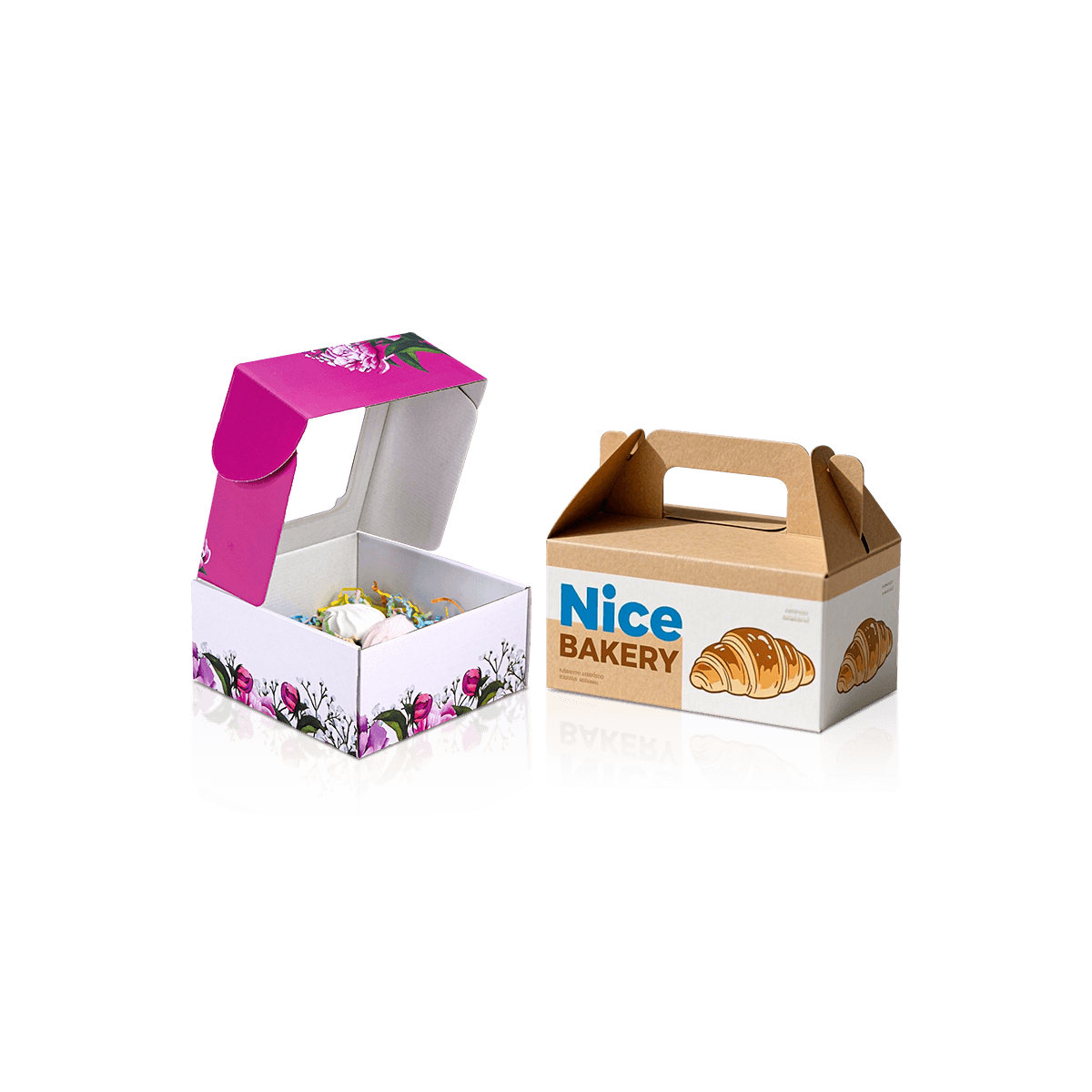
Bakery packaging organized around product behavior, packout speed and repeat sizes, so cookies, pastries, slices and small baked goods do not have to share one compromised carton.

Group Bakes by Handling Behavior, Not Recipe Name

A croissant, brownie and iced slice can sit in the same display case while asking very different things from the carton. The practical way to plan Custom Bakery Boxes is to group products by how they behave during packing and handoff, not simply by menu name.

Firm cookies and brownies tolerate close packing and shallow headspace. Laminated pastries shed crumbs and lose their finish when crowded. Iced slices need clean wall clearance because one touch can mark the top or side. A mixed bakery assortment adds another constraint: the carton has to accept different footprints without letting the smallest pieces slide into the largest ones.

That makes bakery packaging a system problem. The goal is not one box for everything. The goal is a small set of cartons that each handle a recurring packing pattern well.

Mixed service belongs under Food, Bakery & Restaurants when the operation also packs hot meals, sandwiches or takeaway items that need different structures.

Firm Bakes Can Share Space More Easily

Cookies, brownies, bars and some unfrosted slices can often sit side by side without individual cavities. Their main needs are a stable base, enough headspace to avoid lid contact and sensible spacing so edges do not chip during carrying.

A divider only earns its place when products move enough to damage each other or when flavors need physical separation. Adding partitions to every mixed pack slows assembly and consumes interior space.

Delicate Pastries Need Surface Clearance

Croissants, danishes, turnovers and other flaky products can lose visual quality through side contact even when the carton itself stays intact. If those products dominate the order, Pastry Boxes are a better structural direction because the carton can be planned around fragile layers and repeated pastry counts.

The distinction matters in daily service. A general bakery box should handle mixed counter items. A pastry-specific box earns its place when laminated or delicate products become the main load rather than one item among several.
One Carton Size Should Cover a Packing Pattern, Not the Whole Menu

Oversized cartons seem flexible until staff start filling them with small orders. Products drift, tissue gets added to fill empty space and the pack begins to look accidental. At the other extreme, an overly tight carton turns every seasonal item into a sizing problem.

Map the orders that actually repeat. Look at the packed footprint, finished height, typical count and whether products are sold alone or in mixed assortments. Several menu items may share one carton because their packed geometry is similar even if the recipes are completely different.

A practical size set might have one shallow footprint for cookies and bars, one deeper carton for mixed pastries and another structure for large or highly decorated products. The exact set comes from the operation rather than a standard bakery-size chart.

Whole cakes should move into Custom Cake Boxes once the cake board, decorated height and loading path become the controlling dimensions.

Likewise, repeated flat counts of glazed or topped donuts belong in Donut Boxes when row spacing and topping clearance drive the footprint.

This separation prevents the general bakery carton from becoming an awkward substitute for products that have their own physical packing problem.

Counter Speed Starts Before the Product Goes In

Bakery boxes spend much of their working life flat. Staff have to pull one from storage, open it, square the corners, load the food and close it while the next order is already waiting.

That sequence should influence the structure. A carton that looks refined but needs repeated tab adjustments can become frustrating during a rush. Corner locks that resist folding, lids that do not stay aligned and tabs that require two hands all add friction before the food even enters the box.

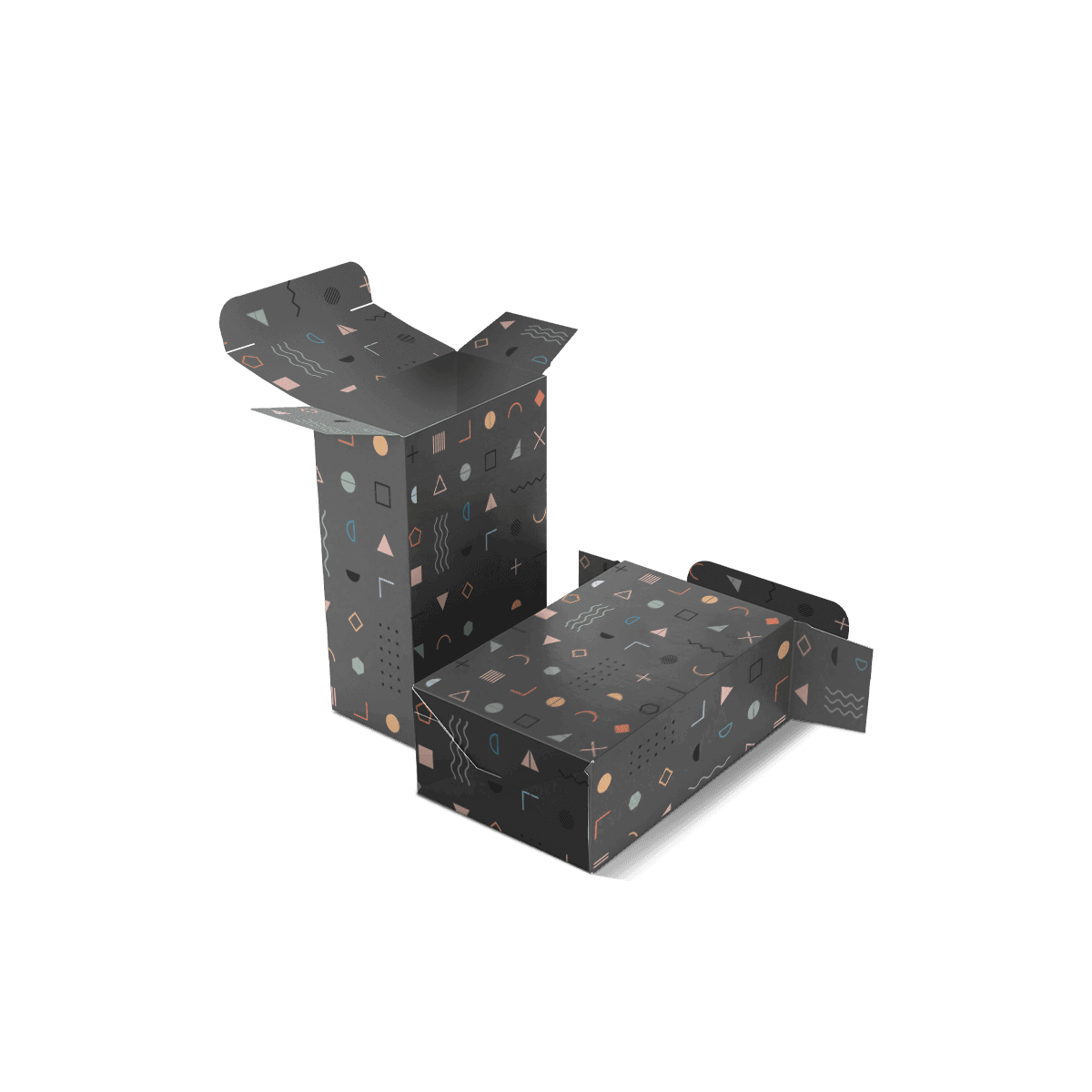
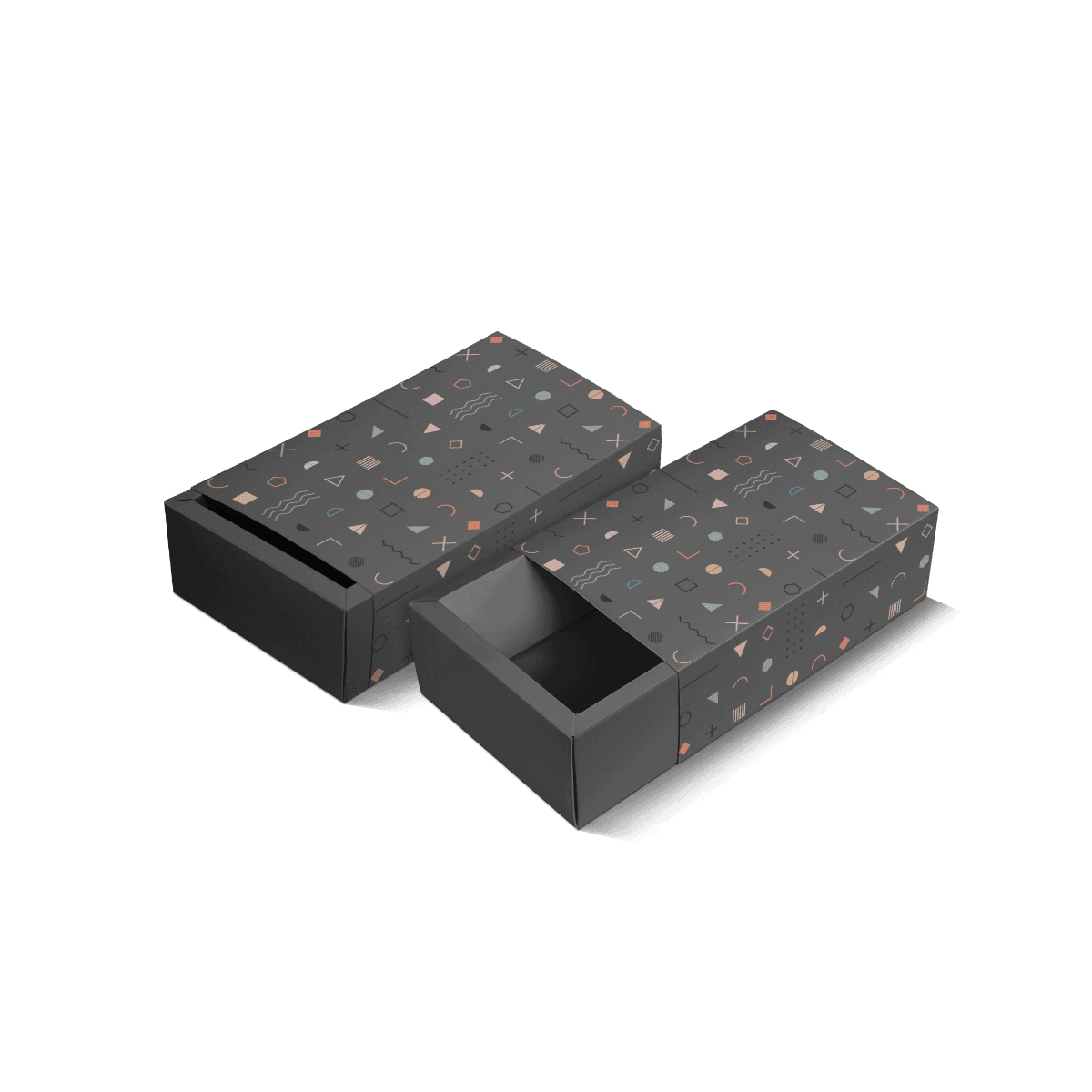
Many bakery packs sit naturally in folding cartons because paperboard structures store flat and can combine print area with efficient counter assembly.

Assembly Should Be Tested at Service Speed

Do not judge assembly only from a carefully folded sample. Have the people who will use the carton build several in sequence and pack them as they would during a busy period.

The practical questions are operational: does the base square quickly, do the corners stay locked, can the lid close without touching the food and can a label be applied without holding the box shut by hand?

If a structure slows staff every time it is used, the labor cost repeats with every order.

Storage Footprint Matters Behind the Counter

Flat-packed cartons still consume shelf and stockroom space. A bakery carrying too many nearly identical sizes creates another problem because staff have to identify the correct carton during service.

Clear size differences, printed size codes or a consistent storage order can make the packaging system easier to run. The aim is fewer ambiguous choices, not the fewest possible carton sizes.

Grease, Butter and Sugar Change the Interior

The interior surface has to suit the messiest product expected to use that carton. Butter-rich pastries, glazed pieces and oily fillings can mark paperboard differently from dry cookies or bread.

Start by asking what actually touches the carton. If food sits on a liner, tray or board, the direct-contact condition differs from a pastry placed straight onto the base. If grease can migrate through the pack during normal holding time, the substrate or interior treatment needs to account for that behavior.

Do not assume that any stock is suitable for direct food contact. The exact board, coating, ink, adhesive and window film should be confirmed for the intended use when food can touch those surfaces.

The practical failures in Food Packaging Mistakes to Avoid Before Ordering Custom Boxes are especially relevant when grease, moisture, sizing and delivery conditions interact.

Loose Sugar and Crumbs Are Also Packaging Inputs

Powdered sugar, sanding sugar, crumbs and flaky pastry layers can collect in corners and around locking tabs. That may not damage the food, but it can make the pack look untidy when opened.

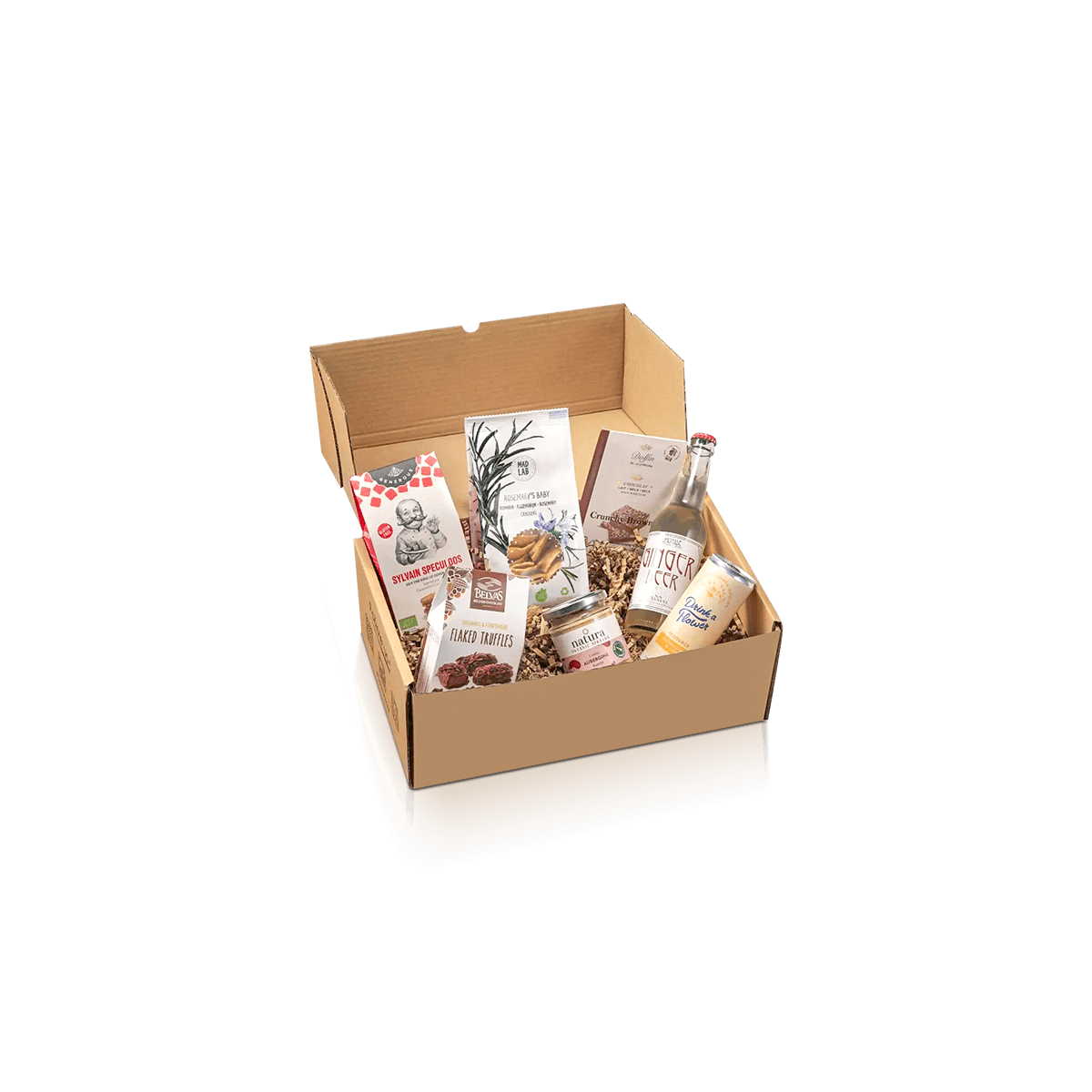
A clean interior geometry with fewer unnecessary ledges is easier to manage during packing and gives loose particles fewer places to collect. For gift assortments, a shallow paperboard pad or divider may also make the arrangement feel more deliberate without creating individual cavities for every piece.

A Window Is a Merchandising Choice, Not a Default

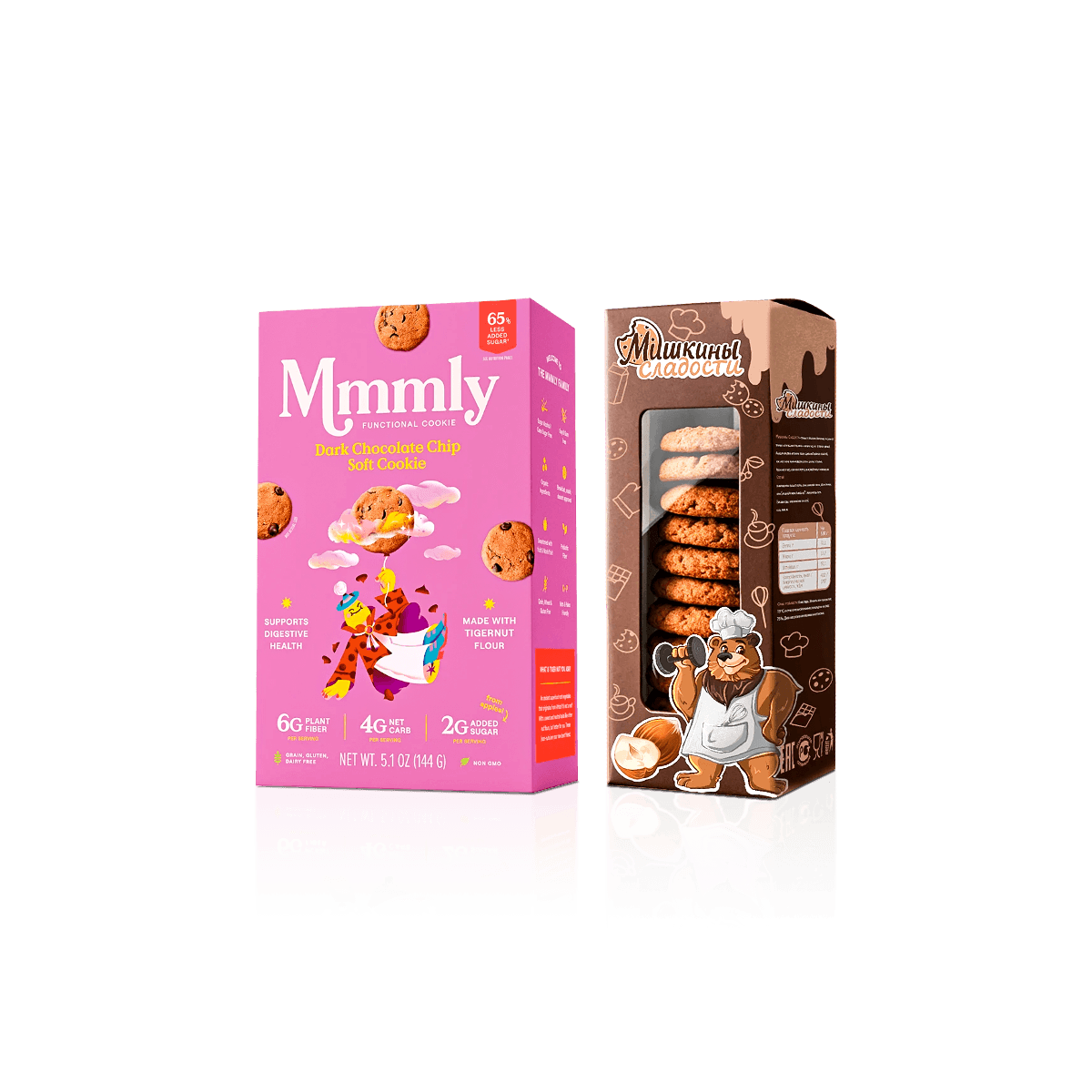
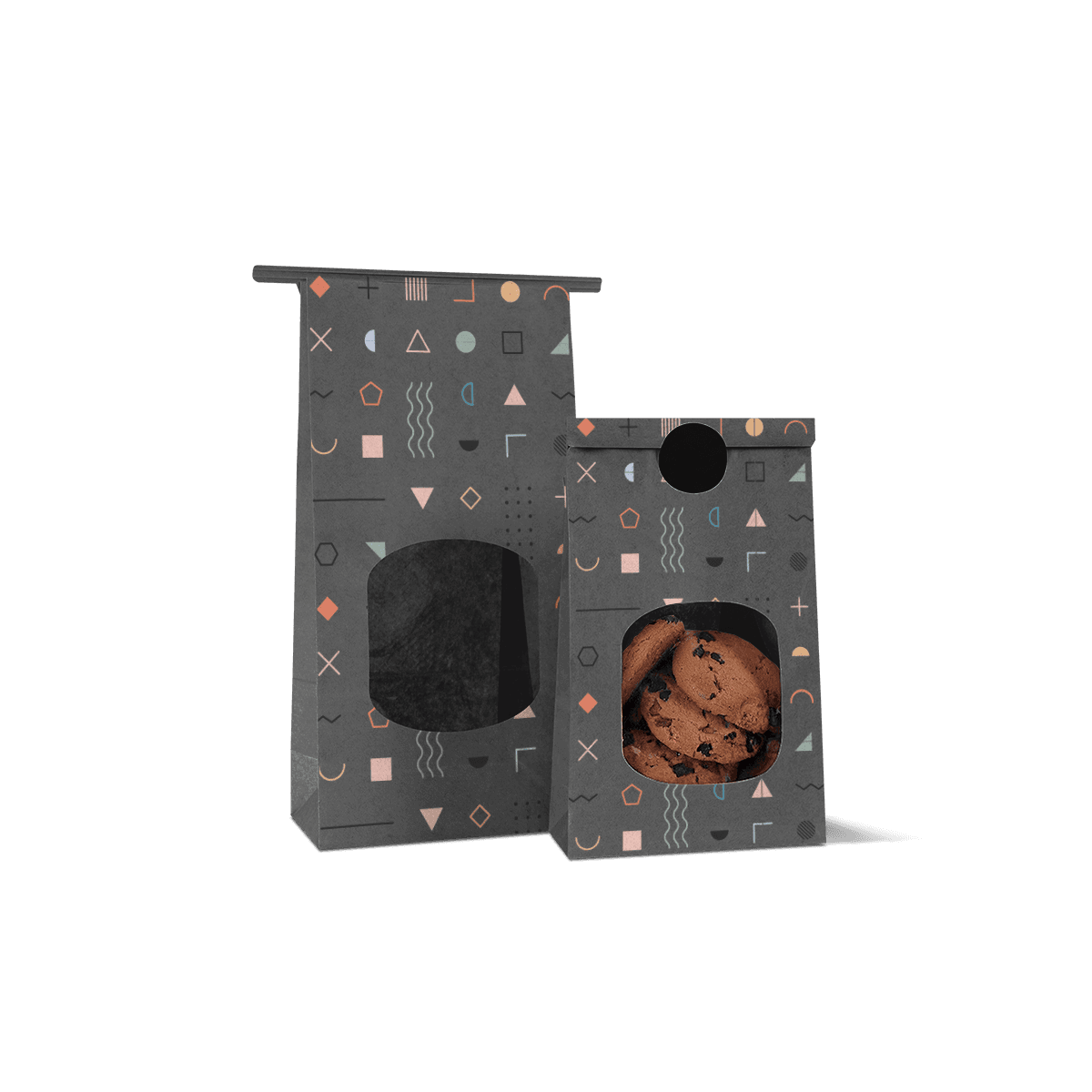
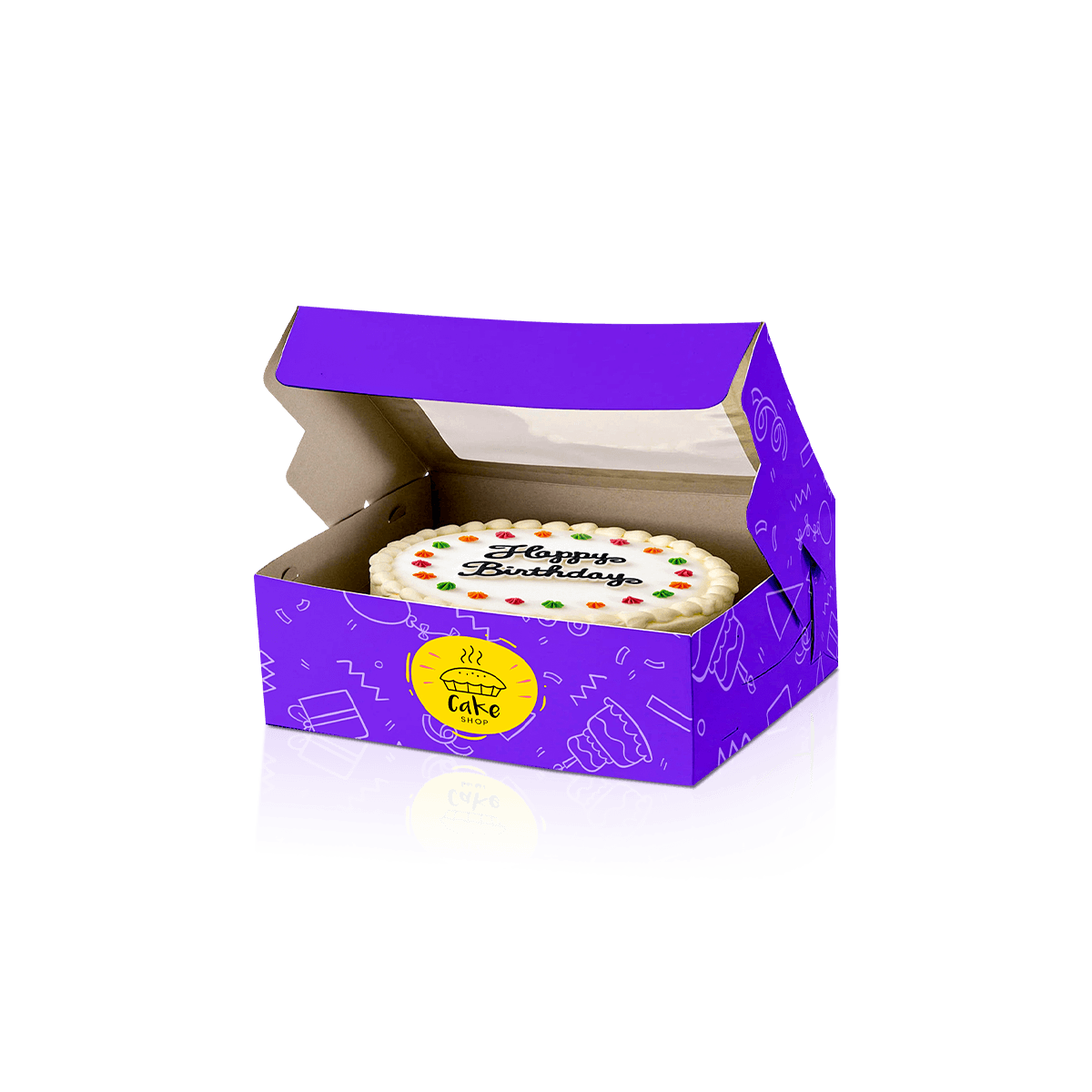
A window helps when the product itself closes the sale. Colorful cookies, decorated brownies, fruit tarts and mixed pastry assortments can benefit from visibility, especially in grab-and-go service.

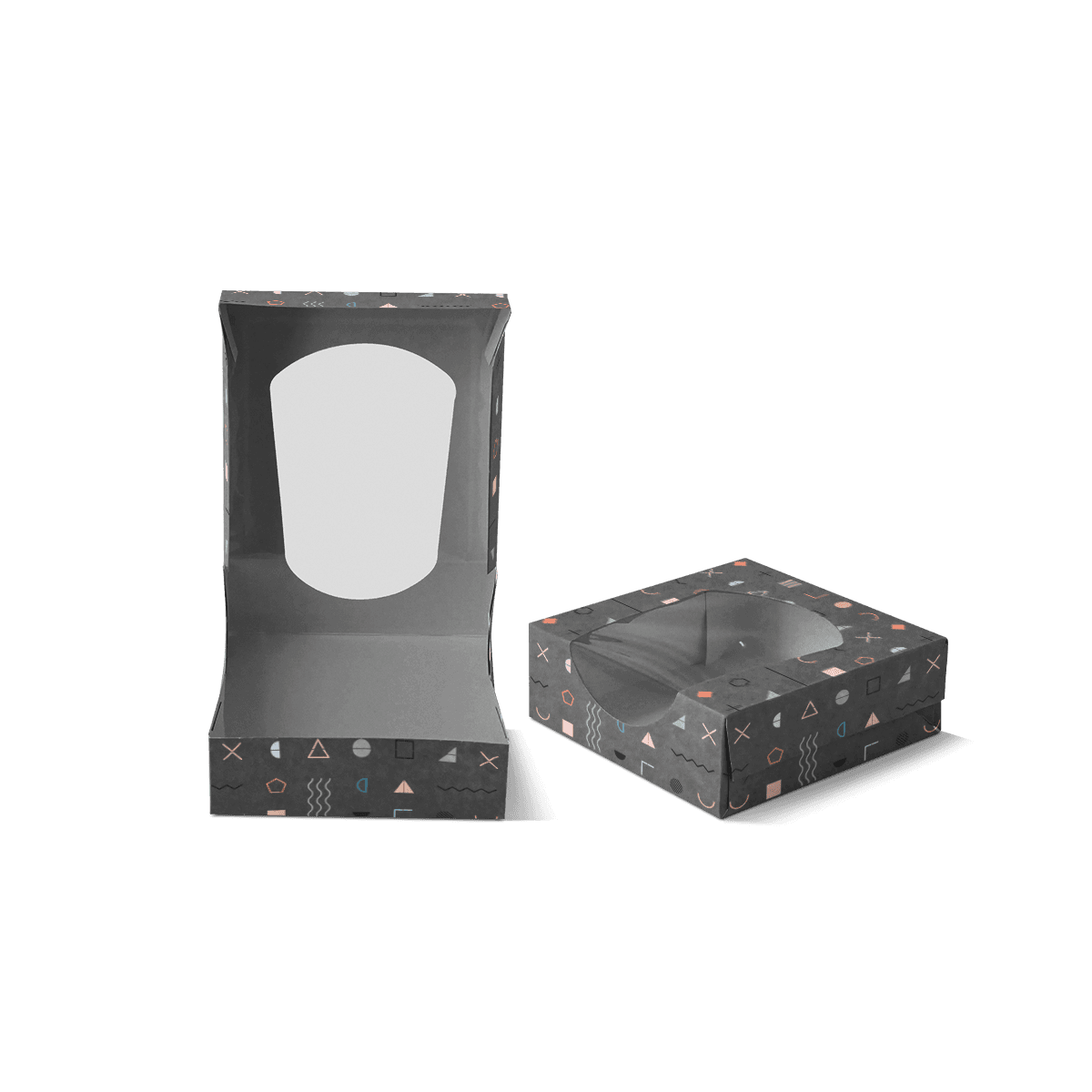
But a window also removes paperboard from a panel, changes artwork space and adds another material interface to the carton. The opening should therefore be sized around what needs to be seen rather than made as large as possible.

If product visibility is the main selling mechanism, Window Bakery Boxes should carry that job instead of turning every bakery carton into a window-first pack.

For preorder pickup, a full printed lid may be more valuable because the order is already sold and the carton needs clear branding, labeling and efficient stacking rather than shelf-facing visibility.

The Base Has to Survive Mixed Loads

Mixed bakery packs often fail at the base before they fail at the lid. A shallow carton filled with dense brownies or several pastries can flex even though each individual item is light.

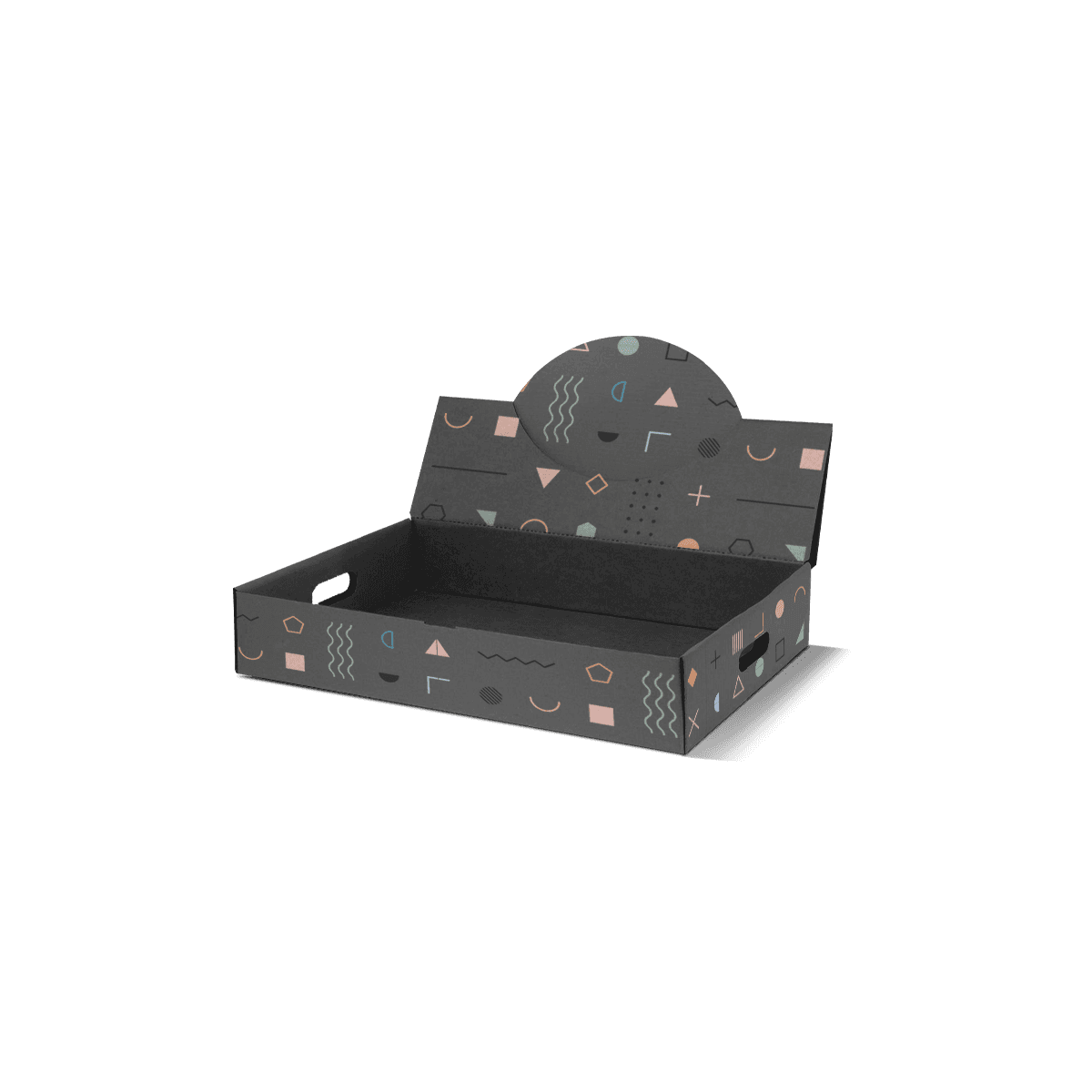
Paperboard works well for many counter orders when the grade and structure match the filled weight. White stock gives a clean surface for bright print. Kraft stock can suit simpler artwork and a natural paper appearance. Corrugated construction may make sense when the footprint becomes large, the load gets heavier or local transport places more demand on the carton.

The decision should come from the filled pack. An empty box can feel stiff in the hand and still bow once the weight is distributed across a broad base.

Stack Pressure Changes the Top Panel Too

A bakery may stack empty cartons, finished orders or both. If packed boxes are placed on top of one another, the lid and sidewalls have to resist enough compression that the upper carton does not press into the food beneath it.

This matters most for decorated items and shallow products with little headspace. The cleanest answer is not automatically thicker board. Sometimes the better correction is more internal height, a stronger corner geometry or a different stacking rule at the counter.

Carryout and Display Ask Different Things

A carton used for immediate counter handoff does not have the same job as one that sits prepacked in a refrigerated case or travels to an event.

Counter orders favor fast assembly, easy labeling and comfortable carrying. Prepacked retail items need the product identity, flavor and selling face to remain clear while the carton sits closed. Catering packs may prioritize stack stability and count control because several cartons travel together.

If the product is dry, light and does not need rigid wall protection, Bakery Paper Bags may be the better handoff for bread, simple cookies or individual pastries.

The box should earn its extra structure. Fragile toppings, mixed assortments, stacking, gifting and cleaner presentation are stronger reasons to use a carton than habit alone.

Print Around Labels, Seals and Handling

Bakery graphics have to coexist with the operational marks added after production. Order labels, flavor stickers, date labels, tamper seals and handwritten notes can all compete with printed artwork.

Reserve those working areas before the artwork is finalized. A logo that looks balanced on an empty dieline may disappear beneath a pickup label. A decorative pattern across every panel can make handwriting difficult to read. A dark lid can also reduce contrast for common white or thermal labels depending on where they are placed.

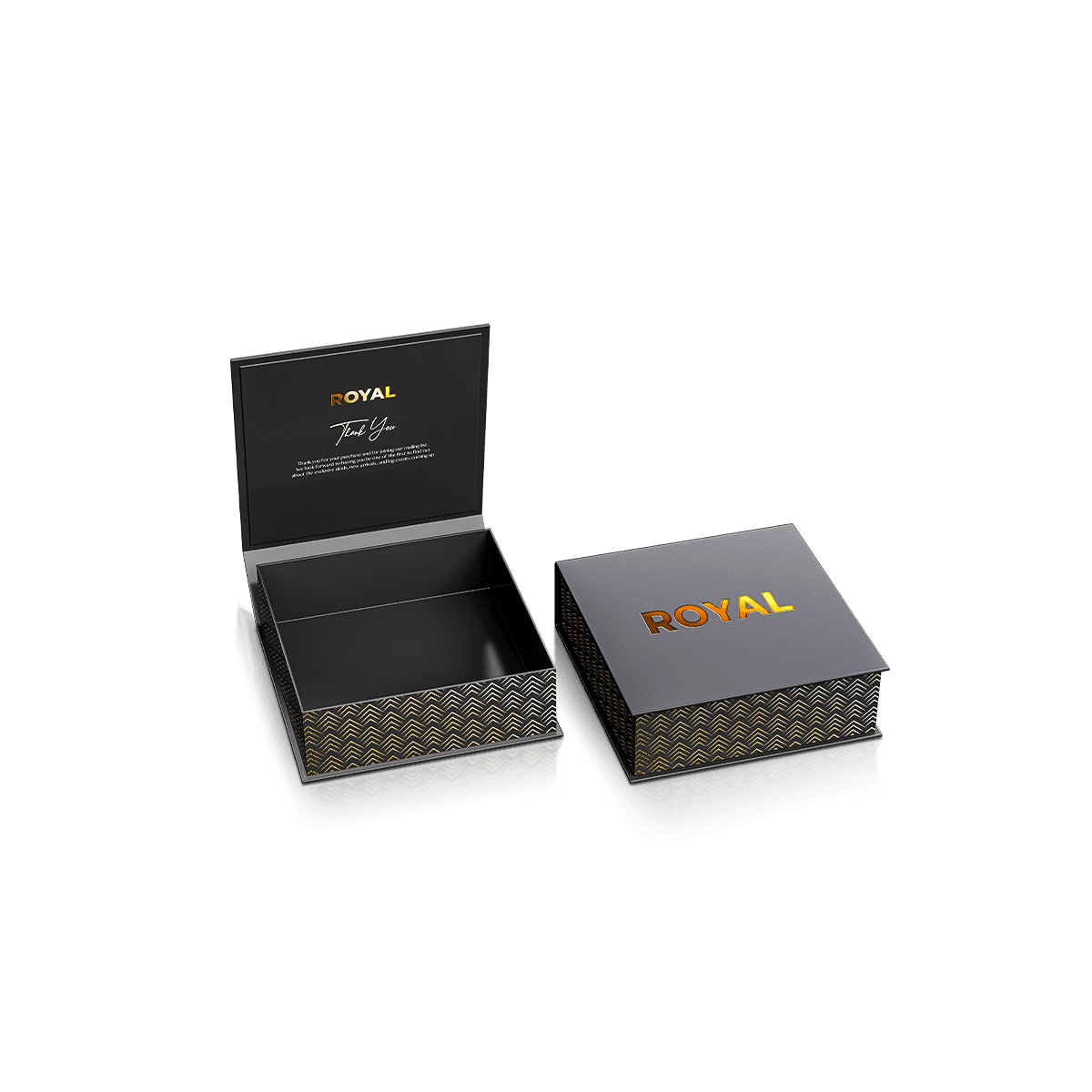
Premium offset printing suits repeat branded runs that need clean graphics and consistent color. CMYK supports multi-color artwork and imagery, while Pantone spot colors can be considered when a specific brand color needs closer control. Matte, gloss, foil, embossing, debossing and spot UV should be used where they improve the intended presentation rather than added automatically.

Free design and dieline support and a free 3D mockup can help settle panel use before production. If the bakery uses cartons, bags and other packs under one identity, a coordinated custom packaging program can align artwork decisions across those touchpoints.

Reduce Box Sprawl Without Forcing a Universal Carton

A bakery with dozens of menu items does not need dozens of custom box sizes. It does need enough separation between packing jobs that staff are not constantly compromising fit.

Build the packaging set from recurring groups. Record the products that share a footprint, the tallest item in each group, the heaviest normal order, grease exposure and the usual handoff method. Then look for sizes that cover several products cleanly without creating large empty zones.

Cupcakes should move to Cupcake Boxes when individual cavities are needed to keep frosted cups upright.

Muffins fit Muffin Boxes when cup count, crown clearance and multipack restraint become the recurring packing problem.

That leaves Custom Bakery Boxes free to do what they are best at: handling mixed counter goods and flexible assortments without pretending every baked item needs the same structure.

Custom Packly's USA MOQ starts from 100 boxes, which can make it practical to introduce one core branded size before expanding the set.

Make the Packing Matrix the Production Brief

The most effective handoff to a packaging supplier is not a long list of pastry names. It is a simple packing matrix that shows which products share a carton and why.

For each planned size, record the internal length, width and height, typical products, normal count, heaviest packed load, direct-contact condition, grease exposure, window need, label position and monthly or seasonal quantity. That turns a mixed bakery menu into a manageable packaging specification.

It also exposes unnecessary boxes. If two cartons serve the same handling job with only a small dimensional difference, they may be candidates for one size. If one product repeatedly needs extra height, a divider or a different loading method, that is a sign it may deserve its own structure instead of forcing the general bakery carton to absorb the exception.

Once the matrix is settled, instant pricing can be based on the actual size mix and quantities rather than an approximate stock-box substitute.

The finished system should be simple enough that staff can choose the right box without stopping to think about it. That is the standard that turns custom bakery packaging from printed inventory into a working part of daily service.

FAQs

A tighter fit, a stable base and optional inserts reduce shifting so frosting, glaze and toppings stay neater in transit.

Window patching is the simplest answer for pastries, cookies and decorated assortments because shoppers can see the product while it stays covered.

Bakery Boxes are better for iced, layered or fragile baked goods. Bakery Paper Bags are usually better for lighter breads or dry items that do not need rigid wall support.

Inserts are useful when the product can slide, tip or touch another item. Cupcakes, brownie samplers and mixed pastry packs usually benefit the most.

Material suitability depends on the exact board and intended contact condition. If food can touch the packaging directly, confirm the specific stock, coating, ink and adhesive before production.

Process

How it works

Your Packaging Journey, From Idea to Production and Delivery

01

Tell Us Your Specs

Custom packaging boxes

Tell Us Your Specs

Provide size, quantity, printing, and finishes.

02

Get a Fast Quote

Custom packaging boxes

Get a Fast Quote

Instant transparent pricing, no hidden fees.

03

Design and Approval

Custom packaging boxes

Design and Approval

Artwork checks, revisions, and final sign-off.

04

Produce

Custom packaging boxes

Produce

Expert manufacturing to meet deadlines.

05

Ship to Your Door

Custom packaging boxes

Ship to Your Door

Hassle-free, flexible delivery options.

Get Your Quote for Custom Bakery Boxes

Share your product details, size, quantity and artwork needs. We’ll help choose the right packaging style and send a clear quote.