Skip to content
Details

Custom Cake Boxes

Cake packaging sized around the board, finished height and loading path, so decorated cakes can be packed and handed off without scraping frosting or flexing the base.

The Box Has to Open Around the Cake

A decorated cake is one of the few bakery products that can be damaged before it is fully inside the carton. Side frosting, piped borders, fruit, chocolate pieces and toppers may extend close to the walls, so the loading path matters as much as the closed dimensions.

Custom Cake Boxes should let staff move the cake board into position without dragging decoration across a wall or forcing hands into a narrow opening. A box that technically has enough internal space can still be awkward if the structure makes the cake pass through a smaller opening before it reaches the base.

That is why the first decision is access. The carton has to open in a way that respects the finished cake, not just fold into the correct outside size.

For mixed pastries and smaller baked goods, Bakery Boxes handle a different packing job because products can usually be placed individually rather than moved as one decorated unit on a board.

Size the Footprint from the Cake Board

The cake board establishes the working footprint. A nominal eight-inch cake may sit on a board that is larger, and decoration can extend beyond the cake itself.

Internal length and width should therefore begin with the actual board used in production. Add enough working clearance for loading without allowing so much empty space that the board can slide during carrying.

The carton should control the board, not squeeze it.

Measure the Finished Board, Not the Nominal Cake

Record the board length and width after any foil wrap, decorative edge or tab is applied. If several board sizes are used for the same cake diameter, specify the largest one that is expected to share that carton.

Round cakes still need a square or rectangular footprint once placed in most folding-carton structures, so the board edges remain the dimensions that matter for fit.

A compact footprint also helps the carton feel more stable in hand. Extra empty area does not automatically create safer transport.

The Tallest Finished Point Sets the Headspace

Height should come from the finished cake, including piped frosting, fruit, chocolate work, candles packed in place or installed toppers when they travel with the cake.

The tallest normal product needs clear space during both closing and carrying. A lid that merely clears the decoration when stationary may still brush it if the top panel bows under stacking pressure.

Do not create excessive height for a rare exceptional cake. When a small group of products is consistently much taller, a separate carton can be more efficient than making every standard cake box deeper.

Check the Loading Path with the Real Board

Place the actual finished cake board into a structural sample or production-intent mockup using the same movement staff use at the bakery.

Watch the corners and side decoration. If the board has to be tilted sharply, if fingers press into the walls or if frosting passes close to an edge, the access needs work even when the internal dimensions look correct.

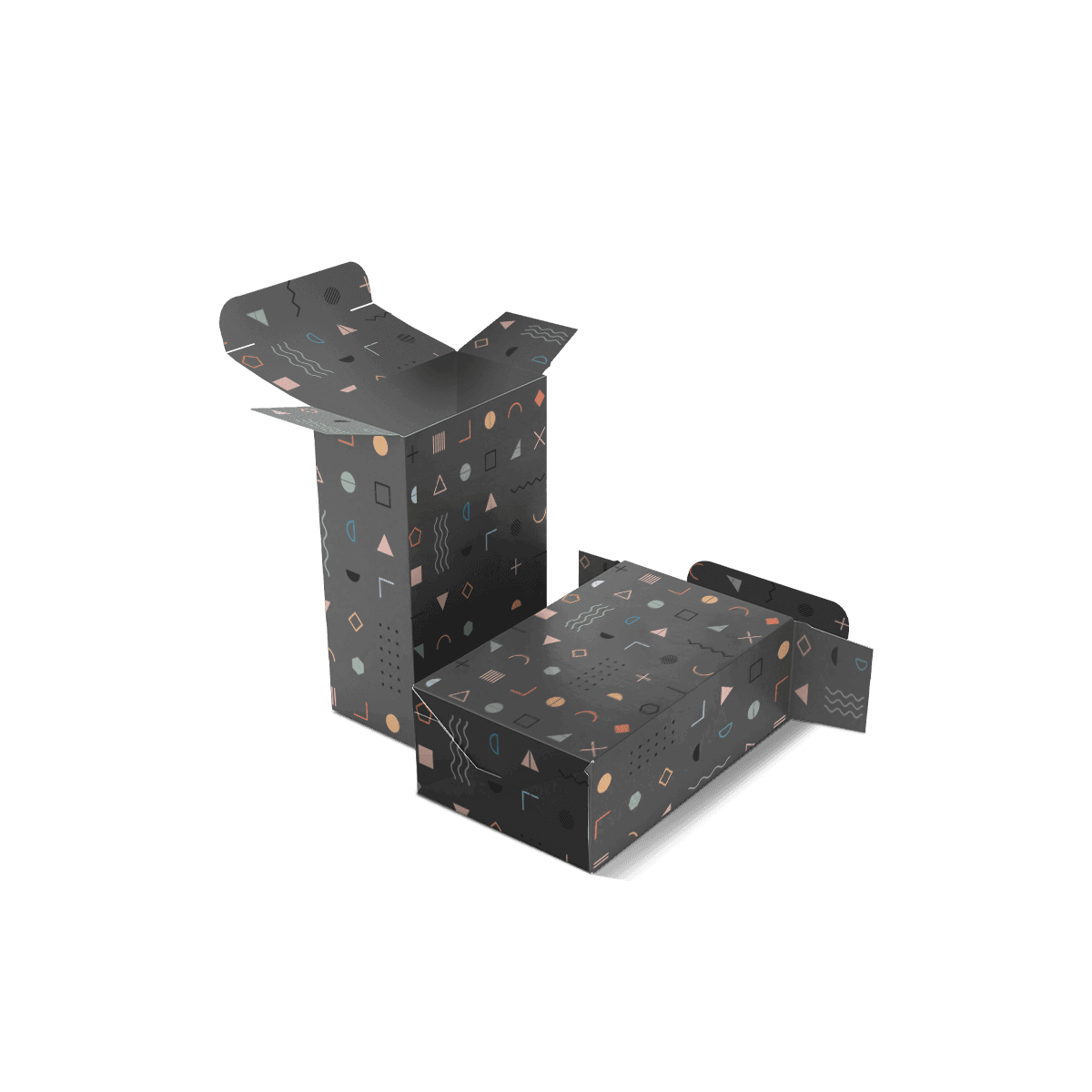
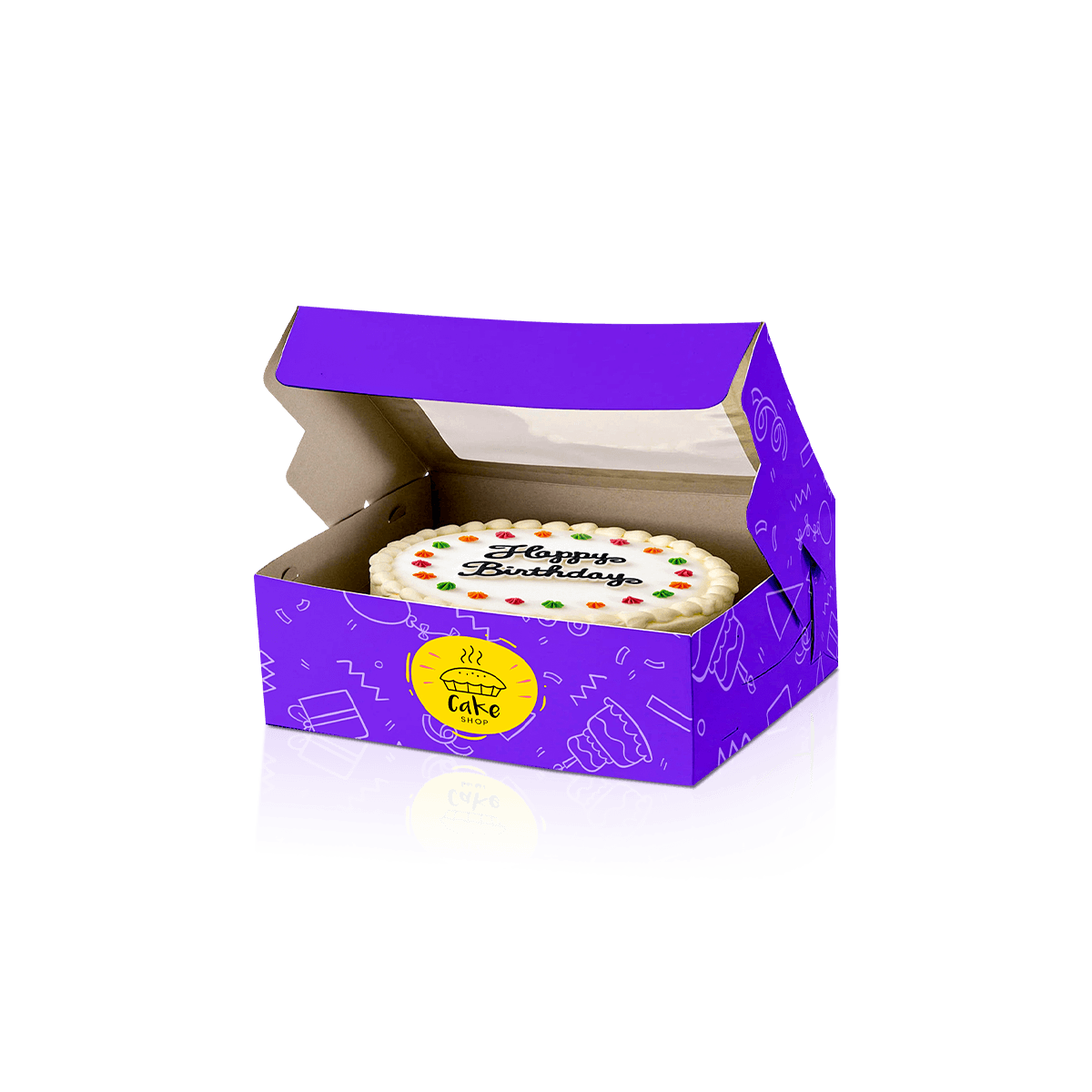
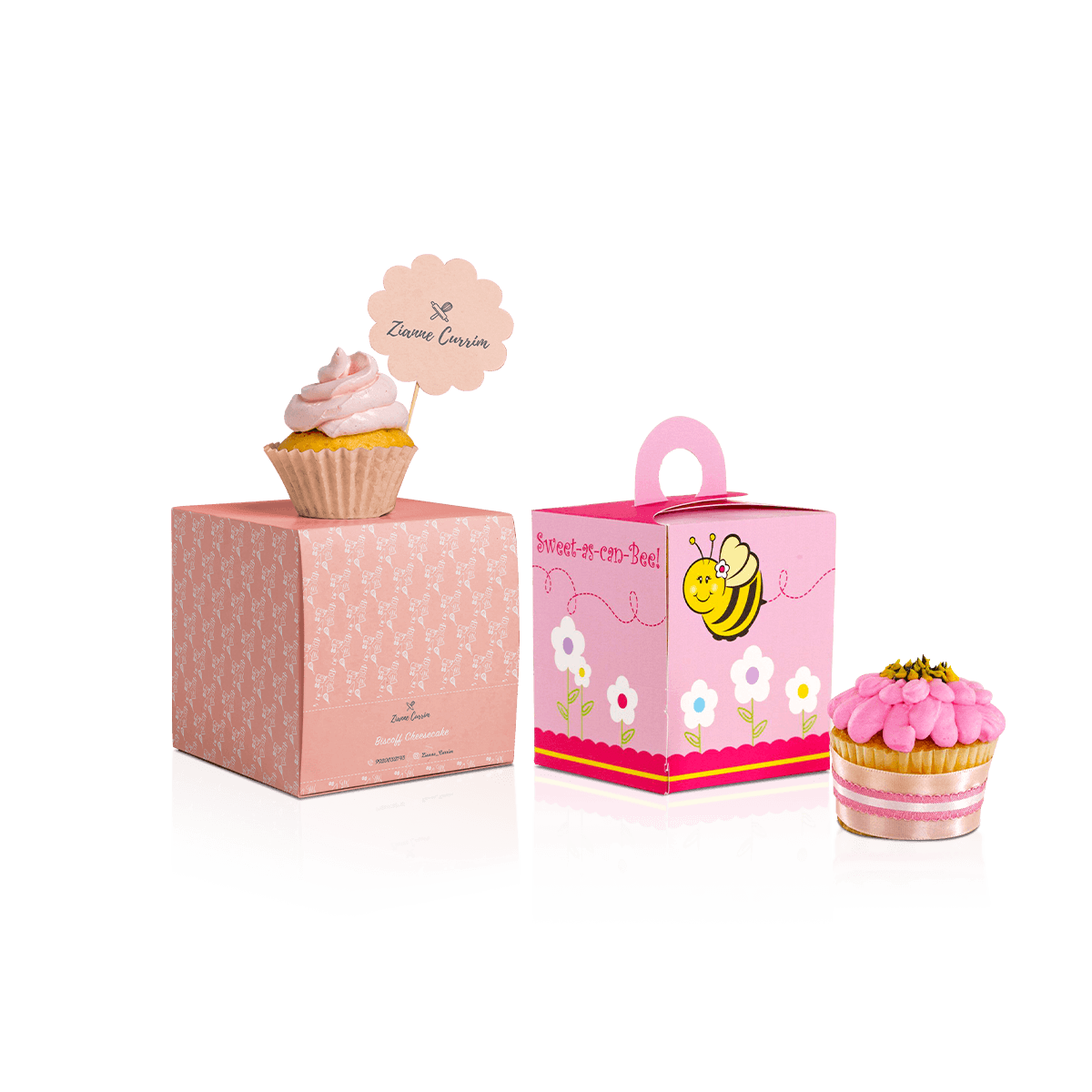
Many cake cartons sit naturally in folding carton structures because paperboard can store flat while still giving bakeries printable walls, lids and locking features.
Base Stiffness Carries the Cake

The base is the primary structural surface in a cake box. The board carries the cake, then the carton base supports that loaded board as staff and customers lift, turn and transport it.

An empty carton can feel firm while a filled carton bows noticeably once weight reaches the center. Evaluate stiffness with the heaviest normal cake that will use that footprint.

Paperboard can work well for smaller or lighter cakes when the grade and structure match the load. Larger footprints, heavier cakes and demanding delivery conditions can justify stronger board or corrugated construction.

The correct material is the one that keeps the board controlled during the real handoff without adding unnecessary bulk to every order.

Handles Change Where the Load Pulls

A handle changes the force path through the carton. Instead of supporting the box mainly from the base, the customer may lift the entire load from panels near the top.

That can be useful, but only if the structure was developed for it. Handle panels, locking points and the base all have to work together so the loaded box does not distort when lifted.

Test the filled carton from the actual handle position. If the walls pull inward or the base sags, adding a stronger handle cutout alone will not solve the problem.

Refrigerated Cakes Add a Moisture Variable

Cold cakes can introduce condensation as they move between refrigerated storage, the counter and warmer air.

Moisture can change the feel and stiffness of paper-based stock, especially during longer pickup or delivery periods. The carton should be evaluated under the temperature transition the bakery actually uses rather than only at room temperature.

If food can contact the carton directly, confirm the exact board, coating, ink, adhesive and any liner or window material for that intended contact condition. A generic material name is not enough to establish suitability.

The practical checks in food packaging mistakes to avoid are relevant when moisture, fit and handling interact during bakery service.

Windows Trade Visibility for Panel Strength

A window can turn a decorated cake into the strongest visual element on the package. It is especially useful for retail pickup areas, refrigerated display or celebration cakes where color and decoration are part of the purchase experience.

But every window removes paperboard from a panel.

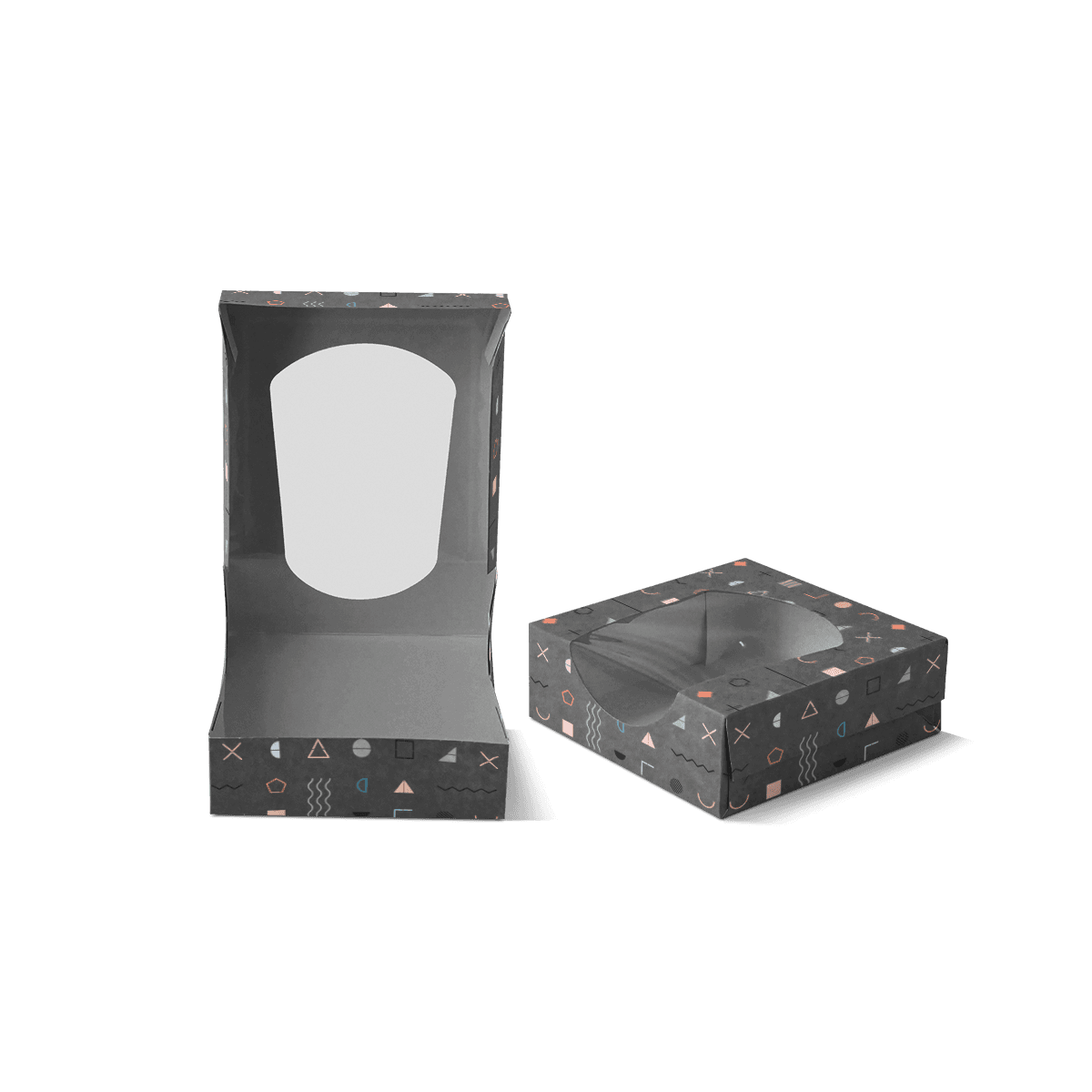
The opening should be large enough to reveal the cake without weakening the lid or sidewall unnecessarily. Keep enough board around folds, locks and corners so the carton still behaves like a box rather than a frame around film.

A top window usually gives the clearest view of a whole cake. Side windows can reveal height but sit closer to frosting and remove material from vertical walls that help resist compression.

Windowed Folding Cartons become relevant when the die-cut viewing panel is a major structural feature rather than a small decorative opening.

For bakery programs where visibility is the central merchandising requirement across several products, Window Bakery Boxes put the product view at the center of the carton decision.

Confirm What Can Touch the Carton

A cake box may contain several layers between the food and the outer carton: a cake board, greaseproof sheet, liner, insert or other support. That changes which surfaces are expected to contact the product.

Map those contact points before choosing stock or coatings.

If the cake remains entirely on a separate board, the base of the carton has a different contact condition from a wall that may brush frosting during loading. If slices, crumbs or icing can touch paper directly, those surfaces need material confirmation for that use.

Do not rely on a broad “food-safe” statement for every possible construction. Suitability depends on the exact substrate, print, coating, adhesive and contact condition.

The Food, Bakery & Restaurants area separates these structural decisions across cakes, pastries, takeout food and other food-service packaging where contact conditions differ.

Print Where Customers Actually See the Box

Cake boxes usually have a few high-value print surfaces rather than equal visibility on every panel.

The lid often becomes the strongest branding face during pickup. Side panels remain visible while the carton is carried. A handle, window or closing tab can interrupt artwork in places that look clear on a flat dieline.

Reserve the operational areas first, then build the graphic hierarchy around them.

A bakery logo can occupy the lid or strongest side panel, while flavor, order identification, handling notes or required labels can use quieter spaces. Seasonal graphics can change without changing the structure when the board size and cake profile remain the same.

Premium offset printing can support repeat branded runs with clean graphics and stable color. CMYK suits multi-color artwork and imagery, while Pantone spot colors can be considered when a specific brand color needs closer control.

Free design and dieline support and free 3D mockups can help check the formed carton before production, especially when a window, handle or tall wall changes how artwork wraps across panels.

One Bakery Usually Needs a Small Size Ladder

A bakery rarely needs one cake box for every cake or a unique carton for every recipe. The practical middle ground is a small set of sizes tied to the cake boards and heights that repeat.

Start with the board footprints that account for most orders. Then identify which cakes need extra headspace and which can share the standard depth.

The goal is a size ladder staff can recognize quickly without forcing small cakes into oversized cartons.

Group Cakes by Board Footprint First

Board size is usually the cleanest starting point because it determines the base and controls lateral movement.

If several cake diameters use the same board, one carton footprint may cover all of them. If two nominally similar cakes use different boards, treating them as one packaging size can create unnecessary sliding or wasted space.

Separate Tall Profiles Only When They Need It

Tall cakes, sculpted finishes and large toppers can justify another height even when the board footprint stays the same.

Keep that extra depth attached to a recurring need. Adding it to every carton increases material use, storage volume and empty headspace without helping ordinary cakes.

Change Artwork Without Rebuilding the Structure

A proven carton geometry can support seasonal, wedding, birthday or corporate artwork without changing the dieline every time.

Keep structural versions tied to physical differences and graphic versions tied to campaigns. That separation makes repeat ordering easier because a new design does not automatically become a new box specification.

Custom Packly's USA MOQ starts from 100 boxes. Once the core board sizes and heights are settled, request an instant custom packaging quote against the actual size mix rather than an approximate stock-box substitute. Standard turnaround is 4–6 days after final artwork and specifications are approved, with free shipping in the USA.

Match the Box to the Handoff

The same cake can move through very different handling conditions after it leaves the packing table.

A customer collecting one cake from a bakery counter may carry it directly to a nearby vehicle. A local delivery driver may stack several orders in a route vehicle. A retail cake may sit in a refrigerated display before anyone lifts it.

The carton should reflect that journey.

Pickup Favors Easy Recognition and Controlled Carrying

For counter pickup, staff need to identify the order quickly and customers need a confident way to lift the carton without touching decoration.

A clear label zone, stable base and sensible hand position often matter more than adding a complex closure. If a handle is used, the loaded lift test should confirm that it does not pull the walls inward.

Local Delivery Puts More Stress on the Base and Walls

Delivery introduces vehicle movement, repeated lifting and the temptation to place other packages nearby.

The cake board should remain controlled laterally and the carton should resist ordinary side pressure without leaning into the decoration. A delivery box does not need to behave like a shipping carton, but it does need enough rigidity for the route it will actually experience.

Whole cakes should remain level. Cupcakes need a different restraint method because each product requires its own position, which is why Cupcake Boxes rely more heavily on insert geometry.

Retail Display Changes the Graphic Job

A cake sold from a refrigerated case needs to communicate before staff touch it.

Product visibility, flavor identification, brand recognition and label placement become more important. Custom retail packaging fits this selling environment when the carton has to work as both protection and a shelf-facing sales surface.

The structural requirement does not disappear. A beautiful display pack still has to carry the board safely once the customer picks it up.

Tall and Tiered Cakes Need Their Own Packing Rule

Tall and tiered cakes should not be forced into the standard cake-box system simply by increasing carton height.

First decide how the cake actually travels. Some tiered cakes move fully assembled. Others travel as separate tiers and are assembled at the venue. Some tall cakes use internal supports or toppers that change the clearance needed during loading and transport.

Record the dimensions in the travel state, not the display state imagined at the event.

For an assembled tall cake, check the complete height, the widest decoration, the board footprint and how staff will lower or slide the cake into the carton. Make sure the walls can open far enough that the decorator is not reaching past finished surfaces.

For separate tiers, each box should be sized around its own board and packed load. That often creates safer handling than one oversized enclosure carrying the complete structure.

The final decision is therefore not “how tall can the box be?” It is “what form should the cake be in while it travels?” Once that is settled, the carton can protect the actual product rather than an assumed version of it.

Custom Cake Boxes FAQs

Yes. You can print your logo on the lid, front panel, side panels or inside panels. You can also add full-color artwork, QR codes, flavor labels, social handles and care notes.

For USA orders, the MOQ starts from 100 boxes. The final quantity setup can vary with size, board, print method, finish and the number of versions being produced.

Cost depends on box size, board type, order size, printing, finish, window patching, inserts and shipping needs. Bulk orders usually reduce the cost per box because setup and print costs spread across more units.

Yes, custom cake boxes are better when you need exact fit, logo printing, stronger board or a more branded look. Stock boxes can work for basic use. But they rarely match your cake size and brand as closely.

Yes. Wholesale ordering is recommended for bakeries that use repeat sizes or need steady packaging supply. It helps control unit cost, keeps branding consistent and supports seasonal or high-volume cake orders.

If cake can contact the carton directly, confirm the exact board, coating, ink, adhesive and any liner or window material for that intended contact condition before production.

Yes. Window panels are available for many cake box styles. A window is useful for decorated cakes, colorful frosting, toppings and retail display because customers can see the product without opening the package.

Corrugated board or thicker paperboard is usually better for heavy cakes, sheet cakes and delivery orders. The best choice depends on cake weight, board size, stacking conditions and how the box will be handled.

Yes. A proof or 3D mockup can be reviewed before production so you can check logo placement, spelling, color direction, window position and panel layout. Revisions should be made before final approval.

Production time depends on order details, proof approval, quantity and finish choices. Many orders can move quickly once the dieline, artwork and material are approved, so it is best to prepare files and specs early.

Process

How it works

Your Packaging Journey, From Idea to Production and Delivery

01

Tell Us Your Specs

Custom packaging boxes

Tell Us Your Specs

Provide size, quantity, printing, and finishes.

02

Get a Fast Quote

Custom packaging boxes

Get a Fast Quote

Instant transparent pricing, no hidden fees.

03

Design and Approval

Custom packaging boxes

Design and Approval

Artwork checks, revisions, and final sign-off.

04

Produce

Custom packaging boxes

Produce

Expert manufacturing to meet deadlines.

05

Ship to Your Door

Custom packaging boxes

Ship to Your Door

Hassle-free, flexible delivery options.

Get Your Quote for Custom Cake Boxes

Share your product details, size, quantity and artwork needs. We’ll help choose the right packaging style and send a clear quote.