Skip to content
Details

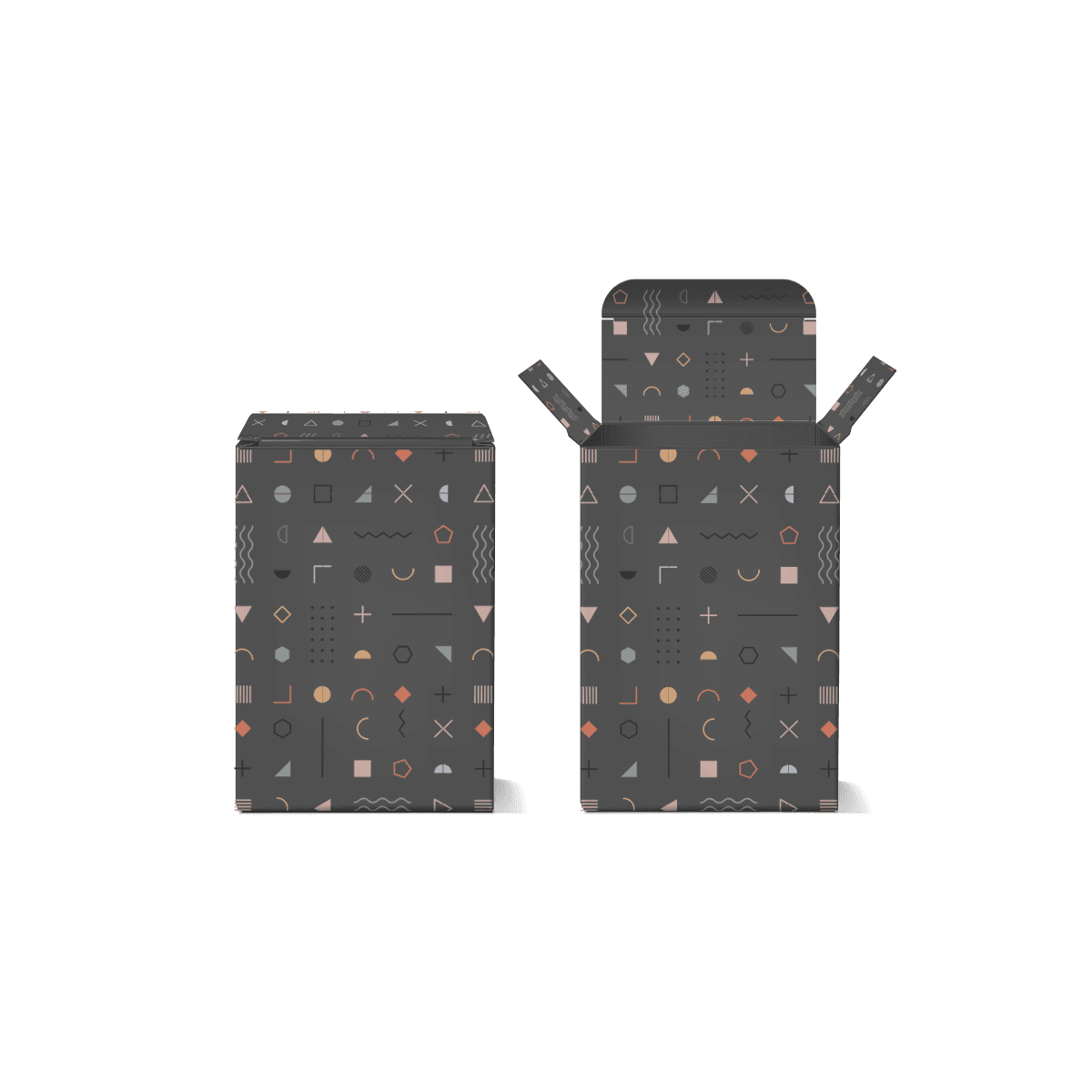
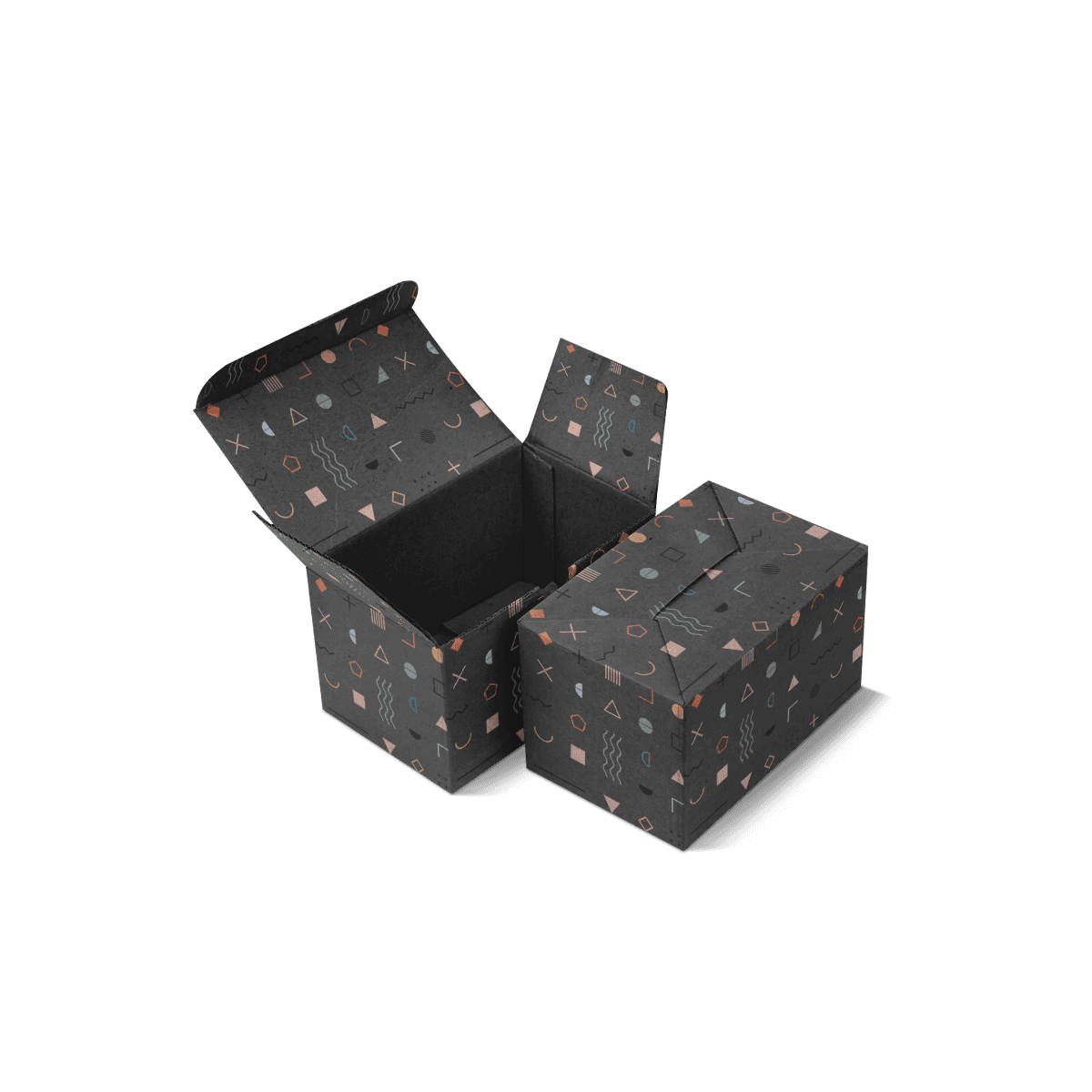
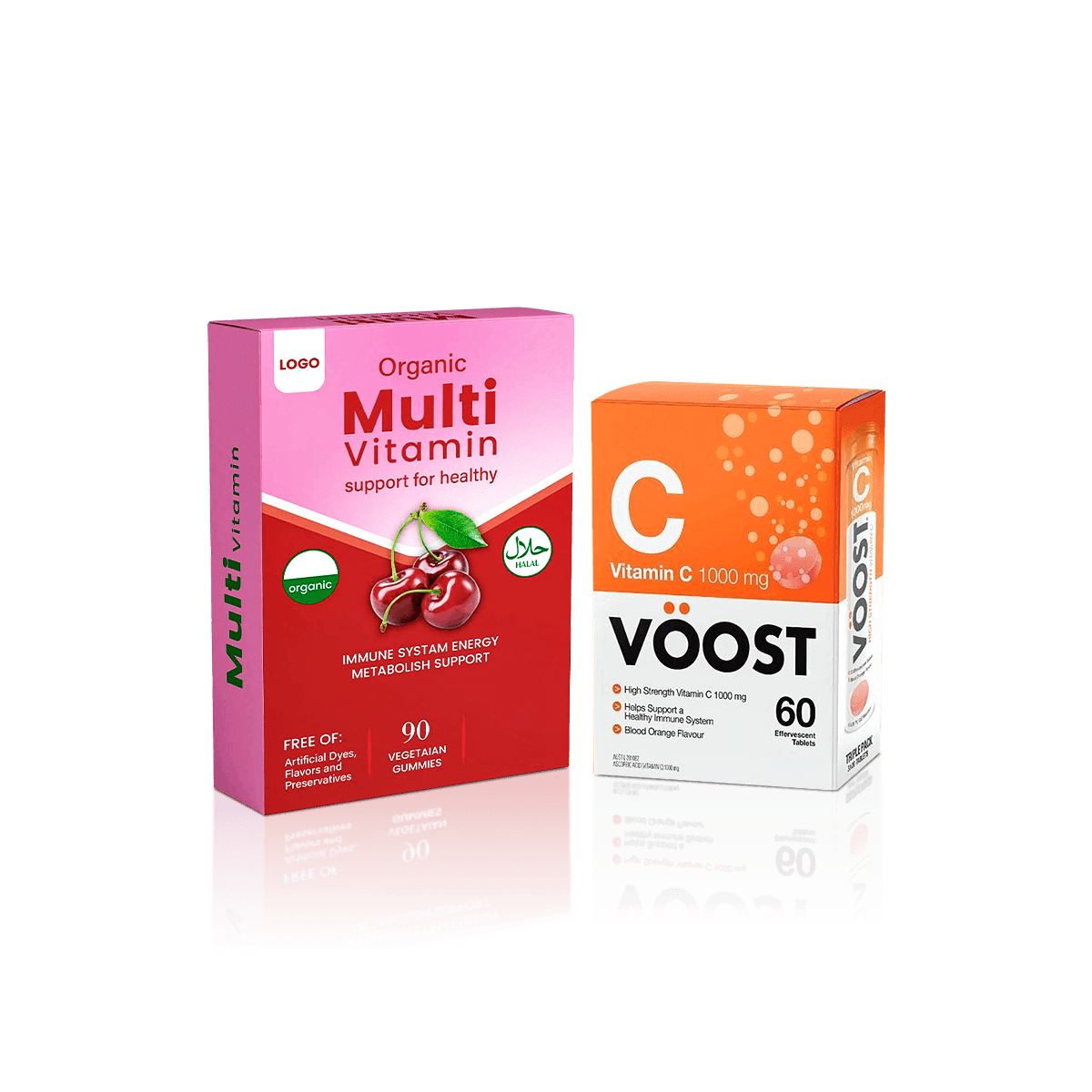
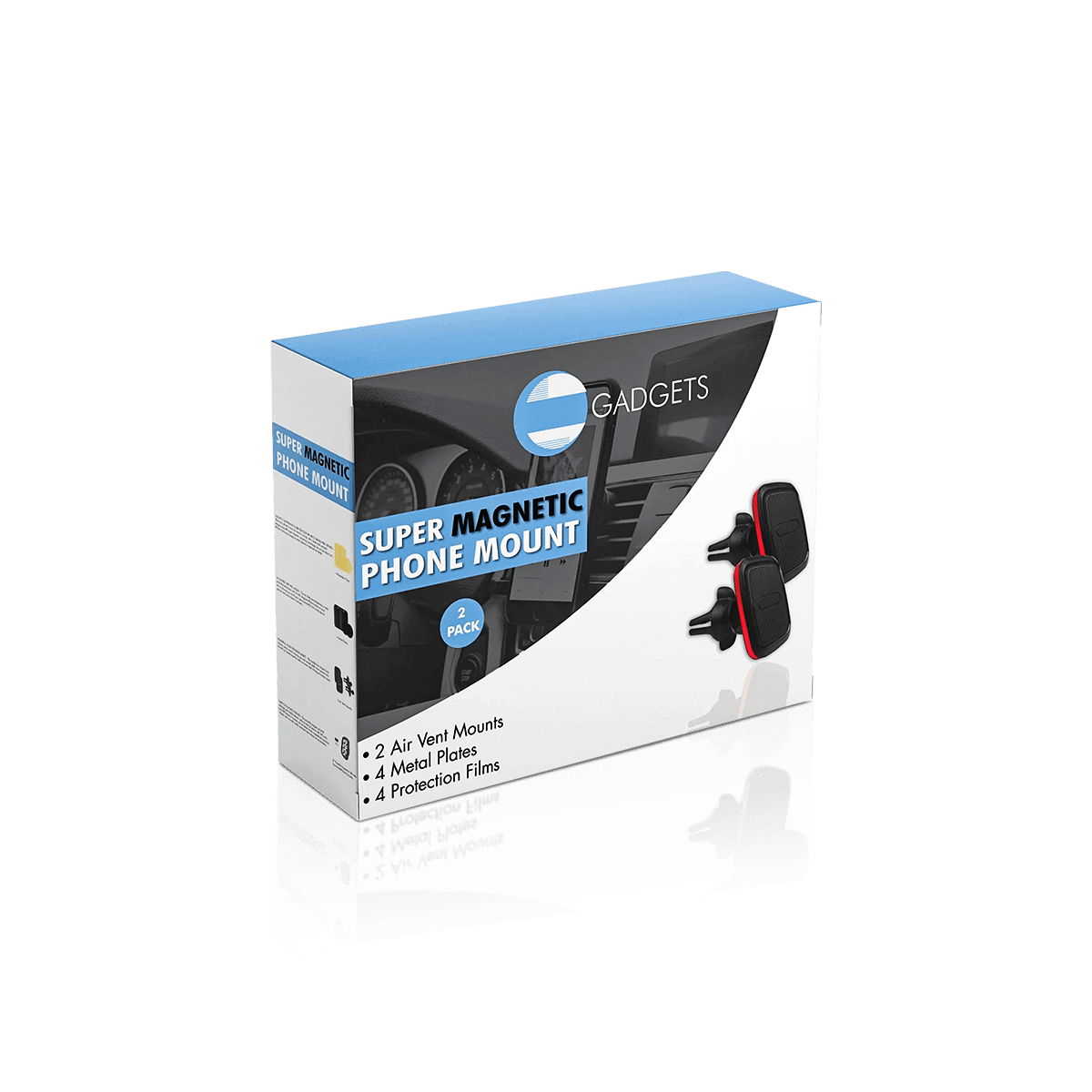
Custom Auto-Lock Bottom Cartons

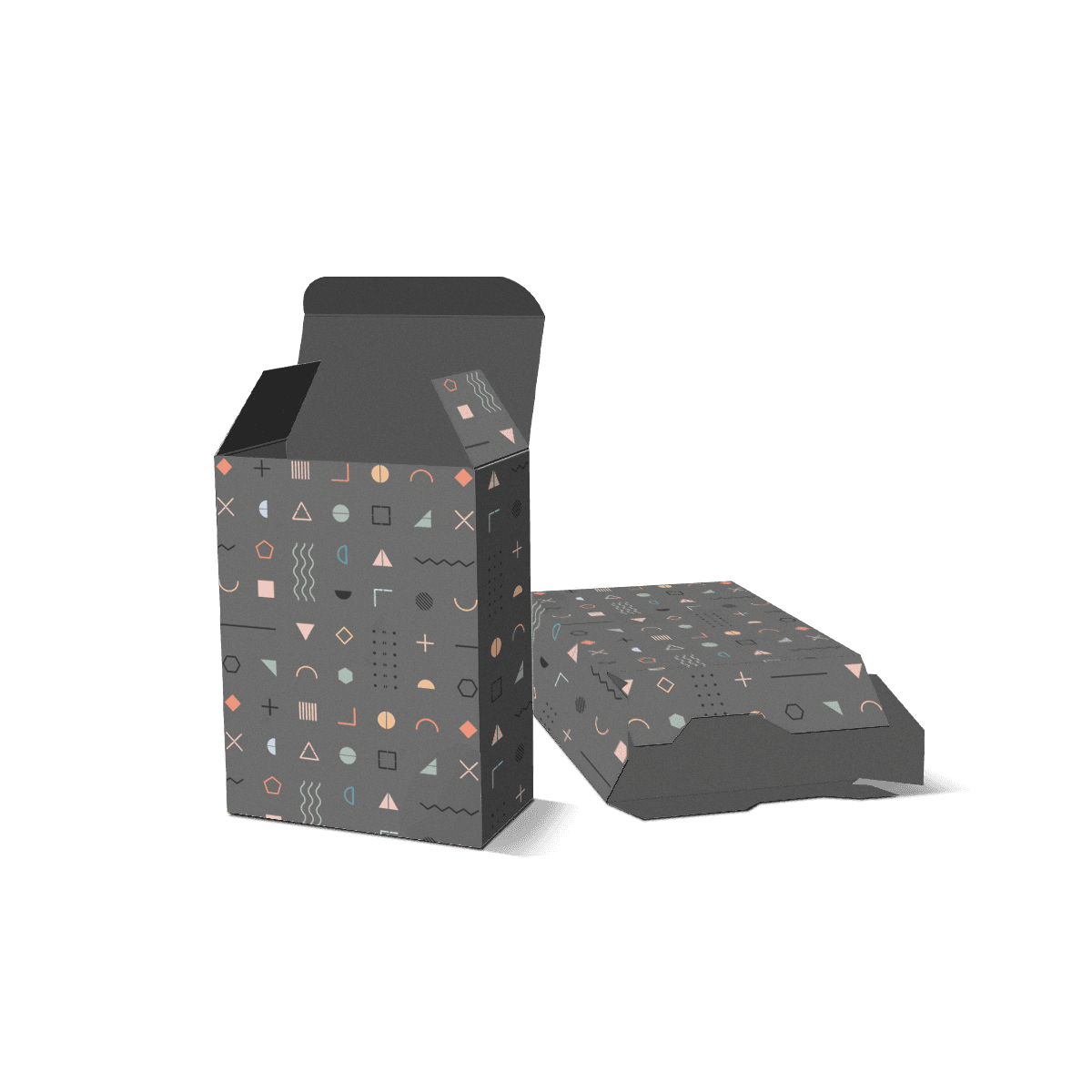
Pre-glued folding cartons that open into a formed base, reducing repeated bottom-folding work in manual and semi-manual retail packing.

Move Labor Off the Packing Table

The main reason to use an auto-lock bottom is not that it looks different on the shelf. It changes where the work happens.

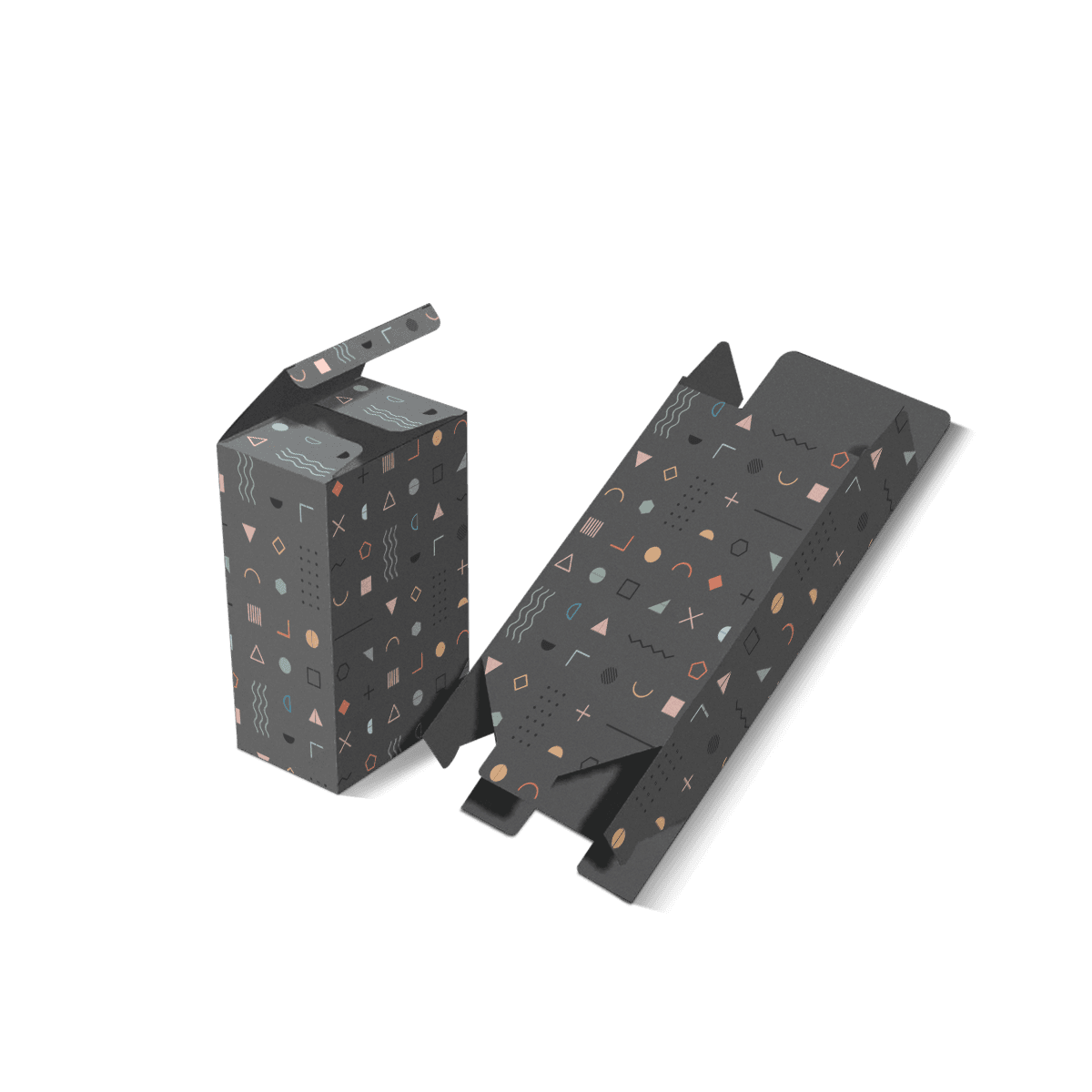
Its bottom panels are folded and glued during manufacturing. When the flat carton is opened into shape, those connected panels move into their working position instead of requiring the packer to build the base flap by flap.

That matters when the same motion is repeated across a hand-packing run. A carton that requires more converting work before it reaches your facility can reduce repetitive assembly after it arrives.

The folding carton structure should therefore be chosen around the complete packing process, not the flat carton price alone.

Factory Gluing Has a Job

The extra glued areas in the bottom are functional. They create the linked geometry that lets the base form as the carton is squared.

This makes the structure different from a manually interlocked bottom, where staff create the load-bearing base during packout.

The trade is straightforward: more converting work happens during carton production so less bottom assembly happens later.

Volume Changes the Economics

For a small product run packed occasionally, saving one manual folding sequence may have little operational value.

For a repeat retail program or a launch with many cartons to fill, that same movement is repeated across the entire quantity.

The relevant cost is therefore not only what one carton costs to manufacture. It is also how the structure affects labor, packing rhythm and the number of handling steps required before the product can be inserted.

The cost of custom tuck boxes changes with structure, board, print, quantity and converting, so packout labor belongs in the decision too.
The Base Forms Under Tension

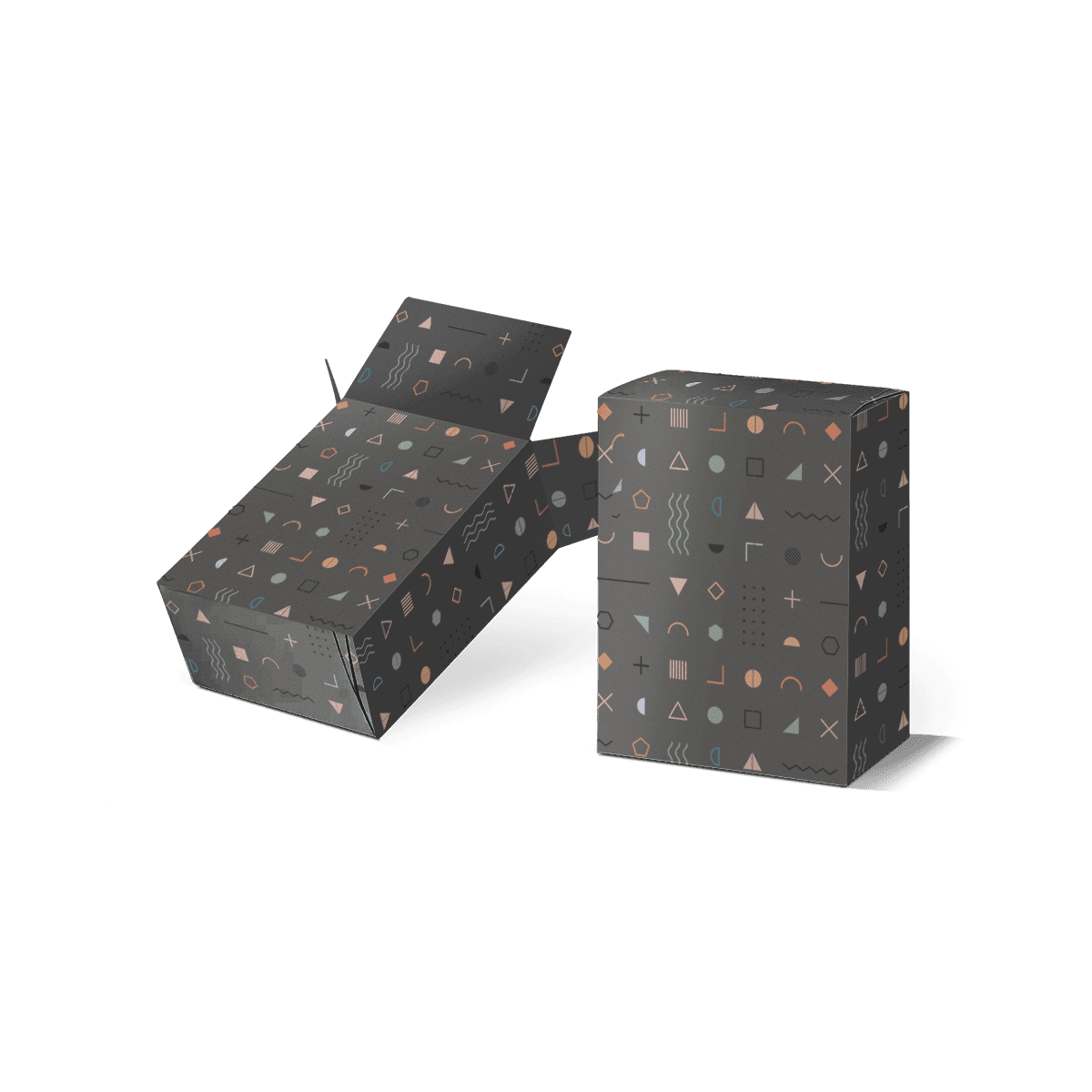
An auto-lock bottom depends on several panels moving together as the carton is squared.

That movement needs enough crease accuracy and glue control for the base to open cleanly without fighting the operator. If the panels resist movement, the carton may not square fully. If the geometry does not suit the product load, the floor may not feel stable enough once filled.

The assembled base should sit flat before the product is loaded.

Squareness Affects Filling

A carton that remains slightly diamond-shaped can slow insertion and create poor shelf posture.

This matters for upright products such as jars, bottles and small boxed devices because their weight immediately reveals an uneven base. The product may lean, push into one wall or make the front panel appear twisted.

The carton dimensions, crease pattern and bottom geometry should work together so the erected body becomes square without repeated adjustment.

Bottom Panels Need Clearance

Pre-glued bottom panels move inside the carton as it opens.

An insert, divider or product that sits too low can interfere with that motion if the interior is designed without considering the base. Internal components should therefore be developed around the erected carton rather than added afterward.

The bottom is not unused interior space. Part of it belongs to the locking mechanism.

Load Changes the Bottom Choice

Auto-lock construction gives a folding carton more dependable bottom support than a simple tuck closure, but it does not turn paperboard into a heavy-duty shipping container.

Product weight, footprint and center of gravity still decide whether the structure is appropriate.

Compact products distribute their load differently from tall bottles. A broad jar can sit securely over much of the floor while a narrow, top-heavy container places more demand on stability and side-wall fit.

Dense Products Need More Than Weight

Two products with the same total weight may need different cartons.

A short candle jar can place its mass low in the carton. A tall glass bottle can carry the same weight higher over the base, making side clearance and upright control more important.

The stronger bottom helps carry the load. It does not prevent a poorly fitted product from leaning or striking the side panels.

When product geometry is driving the packaging decision, custom product packaging should start from the full product envelope, including caps, pumps and other protrusions.

Know the Paperboard Limit

SBS, kraft and other folding-carton boards can suit many retail products, but increasing product weight eventually changes the packaging class.

If the filled pack needs substantial stacking strength, carrier handling or shipping protection, increasing the complexity of the paperboard base is not always the right answer.

A corrugated shipping box may be the correct outer structure when transit duty becomes the dominant problem.

Manual Bottoms Solve Another Job

Auto-lock construction is not automatically better than every locking base.

A manually assembled bottom can make sense when order quantities are lower, packout labor is less sensitive or the business wants to avoid the extra converting step required for a pre-glued base.

The difference becomes clearer when the packing workflow is treated as part of the specification.

Snap-Lock Keeps Assembly Manual

Snap-lock bottom boxes use interlocking bottom flaps that staff form by hand.

That takes more packing-table work, but the operator directly engages the bottom panels before loading the product.

This can suit operations where carton setup speed is not the main constraint and a manually formed base fits the product and production economics.

Auto-Lock Favors Hand-Pack Speed

Auto-lock cartons are strongest when a manual or semi-manual packing team benefits from taking the bottom-folding sequence out of each cycle.

The carton still stores flat. The operator still squares the body and loads the product. What disappears is the repeated step of forming several independent bottom flaps.

That is the commercial decision this structure should solve.

Fit Controls Standing Stability

A stronger base cannot correct an oversized carton.

If a bottle or jar has too much side clearance, the item can lean inside the box even while the bottom remains perfectly formed. That can make the carton bulge, distort the front panel or feel unstable when picked up.

Dimensions should therefore follow both the product and the way it enters the carton.

Upright Products Need Side Control

Measure the widest finished point, not just the nominal container body.

Pumps, trigger heads, lids, shoulders and labels can change the maximum envelope. Enough clearance is needed for smooth loading, but excess space should not become the default.

If an upright item still needs support, a fitted paperboard insert can control movement without asking the outer carton walls to do all the work.

Multi-Item Kits Need Layout First

For two or more items, establish the arrangement before approving the outside dimensions.

A bottle plus accessory, a grooming kit or a compact electronics set may need a divider, stepped insert or simple platform. That interior geometry can change the width, depth and usable height of the carton.

Lock the product arrangement before finalizing the dieline so the bottom mechanism, insert and outer walls do not compete for the same space.

Packing Access Starts at the Top

The bottom may define this carton style, but the upper closure determines how products enter and how customers open the package.

A common arrangement pairs the auto-lock base with a tuck top because the carton can stand ready for loading while the upper panel remains open.

The correct top still depends on product orientation, repeated access and display requirements.

Loading Direction Matters

A rigid bottle inserted vertically creates a different packing motion from a flexible pouch, small accessory kit or product held inside a paperboard tray.

The opening should allow the product to enter without scraping printed panels, crushing an insert or forcing staff to tilt the carton excessively.

If every packer has to widen the mouth by hand before loading, the dimensions or closure geometry need another look.

Shelf Access Comes Later

The retail opening should still feel deliberate after the packaging has done its job on the packing table.

A clean tuck panel can carry secondary branding or instructions while keeping the customer opening familiar.

Do not complicate the top simply because the bottom is mechanically more sophisticated. Each closure should solve its own task.

Board Stiffness Supports the Mechanism

The bottom construction and paperboard cannot be specified independently.

A heavier product may need a thicker or stiffer board so the carton walls remain square and the bottom panels keep their geometry under load. A lightweight product may not gain anything from excessive caliper.

Kraft and white paperboard can both work depending on strength, print and visual goals. The decision should follow product weight, dimensions, display conditions and required surface quality.

Creases Must Fold Cleanly

Thicker board is not automatically better.

As caliper changes, crease behavior changes too. The auto-lock bottom contains several connected folds that need to move during erection. Poor scoring can make the base reluctant to open or create stress at the folds.

Board selection therefore has to account for both load and converting behavior.

Micro-Flute Changes the Build

Some products move beyond ordinary folding-carton duty but still benefit from a quick-forming bottom.

A light corrugated construction can increase stiffness, but it changes thickness, fold behavior, print handling and dieline geometry.

Do not treat a micro-flute version as the same carton with thicker material. The structure needs to be engineered around the chosen board.

Check the Loaded Base Early

Physical validation matters most where the structure actually carries force.

For an auto-lock carton, that means erecting the carton and loading the real product or a realistic equivalent before a substantial production run where structural uncertainty remains.

Pressing on an empty base by hand does not reproduce the way weight is transferred through the product footprint.

Watch the Corners

After loading, inspect whether the carton stays square and whether the lower corners remain clean.

Look for:

  • base sagging
  • panel separation
  • distorted lower corners
  • product leaning
  • side-wall bulging
  • poor contact with the shelf
  • resistance during erection

A weakness here may point to dimensions, paperboard, crease geometry or bottom construction rather than one isolated defect.

Repeat the Packing Motion

A single carefully assembled carton can hide a poor workflow.

Have the carton erected several times using the normal packing motion. If staff need to push one bottom corner into position, reopen the carton or manually flatten the floor on most cycles, the supposed assembly advantage is disappearing.

Free sample examples of previous Custom Packly work can help assess board and print quality. Fully custom physical samples can be arranged as paid samples when the exact base action, fit or load needs confirmation.

Printing Should Ignore the Mechanics

The customer does not need to see how much structural work is happening underneath.

Auto-lock cartons still give brands broad front, back and side panels for product identity, instructions, barcodes and retail graphics. The bottom can remain technically complex while the visible design stays controlled.

Artwork should be placed on the final dieline because glue areas, folds and bottom flaps occupy real positions on the blank.

Reserve Functional Areas

Critical copy should stay away from glue zones, crease lines and flap intersections.

Barcodes and small regulatory text need a stable readable panel. Logos should be judged on the assembled carton rather than centered only on the flat artwork file.

Custom Packly includes free design and dieline support, artwork and prepress review and a digital proof before production.

Finish the Visible Panels

Premium offset printing, CMYK or Pantone color and finishes such as foil, embossing or spot UV can be considered where they support the retail design.

The bottom mechanism itself rarely needs decorative complexity. Spend visual attention where customers actually see and handle the carton.

A free 3D mockup can help check the relationship between the main panels, top closure and finished proportions before manufacturing begins.

Standardize Only Stable Products

Auto-lock cartons can make repeat hand packing more efficient, but standardization works only after product dimensions and internal layout are stable.

If several SKUs share one bottle diameter and differ only in fragrance or label, one structural footprint may support multiple printed versions. If caps, pumps or accessory counts change, forcing them into one carton can erase the fit advantage.

SKU consolidation should come from shared geometry, not from a desire to reduce the number of box sizes.

For established programs, larger repeat quantities can also create a storage issue. Warehousing and scheduled deliveries can help when producing a more efficient run makes commercial sense but holding the full quantity on-site does not.

Judge Cost at Packout

The useful commercial question is not whether an auto-lock bottom is cheaper than a simpler carton.

It is whether the manufacturing premium for the pre-glued base is justified by the product load and the work removed from hand packing.

Prepare the product dimensions and weight, expected quantity, packing method, board preference, insert requirements and artwork state. That gives the structure enough context to price correctly.

MOQ starts from 100 boxes in the USA. Standard turnaround is 4–6 days after final artwork and specifications are approved, while complex structures, specialty materials or advanced finishes may require additional time.

If packout labor is the reason for choosing this base, estimate how often the carton will be erected and how many people perform that task. The structure should solve an actual repeated operation rather than add factory gluing to a carton that never needed it.

Let the Hand-Packing Motion Decide

Auto-lock bottoms earn their place when opening the flat carton and forming the base in one connected action removes meaningful work from a manual or semi-manual packing process.

They are less compelling when quantities are small, products are very light or staff can assemble a manual bottom without creating a bottleneck. They are also the wrong tool when the product load has moved beyond what the selected folding-carton board should reasonably carry.

The final decision comes down to three connected facts: how the carton is erected, what weight sits on the base and how often that hand-packing motion will be repeated.

If those conditions favor a pre-glued bottom, the structure is doing more than holding the product. It is reducing work at the packing table.

FAQs

Because they save time during assembly. The bottom forms as the carton opens, so packers can load products faster without manually locking each flap.

It is typically a smart option for light to medium-weight retail products that need more support than a tuck-end carton but do not require corrugated shipping strength.

Auto-Lock Bottom Cartons open faster because the base is pre-glued and forms automatically. Snap-Lock Bottom Cartons need the bottom flaps to be folded and interlocked by hand, so they are slower during packing.

Yes. It supports standard retail print treatments such as CMYK graphics, Pantone colors, soft-touch lamination, foil stamping, embossing, and spot UV depending on board choice and artwork goals.

In many cases, yes. Paperboard versions are commonly recyclable, especially when material selection and coatings are planned with recycling requirements in mind.

Process

How it works

Your Packaging Journey, From Idea to Production and Delivery

01

Tell Us Your Specs

Custom packaging boxes

Tell Us Your Specs

Provide size, quantity, printing, and finishes.

02

Get a Fast Quote

Custom packaging boxes

Get a Fast Quote

Instant transparent pricing, no hidden fees.

03

Design and Approval

Custom packaging boxes

Design and Approval

Artwork checks, revisions, and final sign-off.

04

Produce

Custom packaging boxes

Produce

Expert manufacturing to meet deadlines.

05

Ship to Your Door

Custom packaging boxes

Ship to Your Door

Hassle-free, flexible delivery options.

Get Your Quote for Custom Auto-Lock Bottom Cartons

Share your product details, size, quantity and artwork needs. We’ll help choose the right packaging style and send a clear quote.