Skip to content
Details

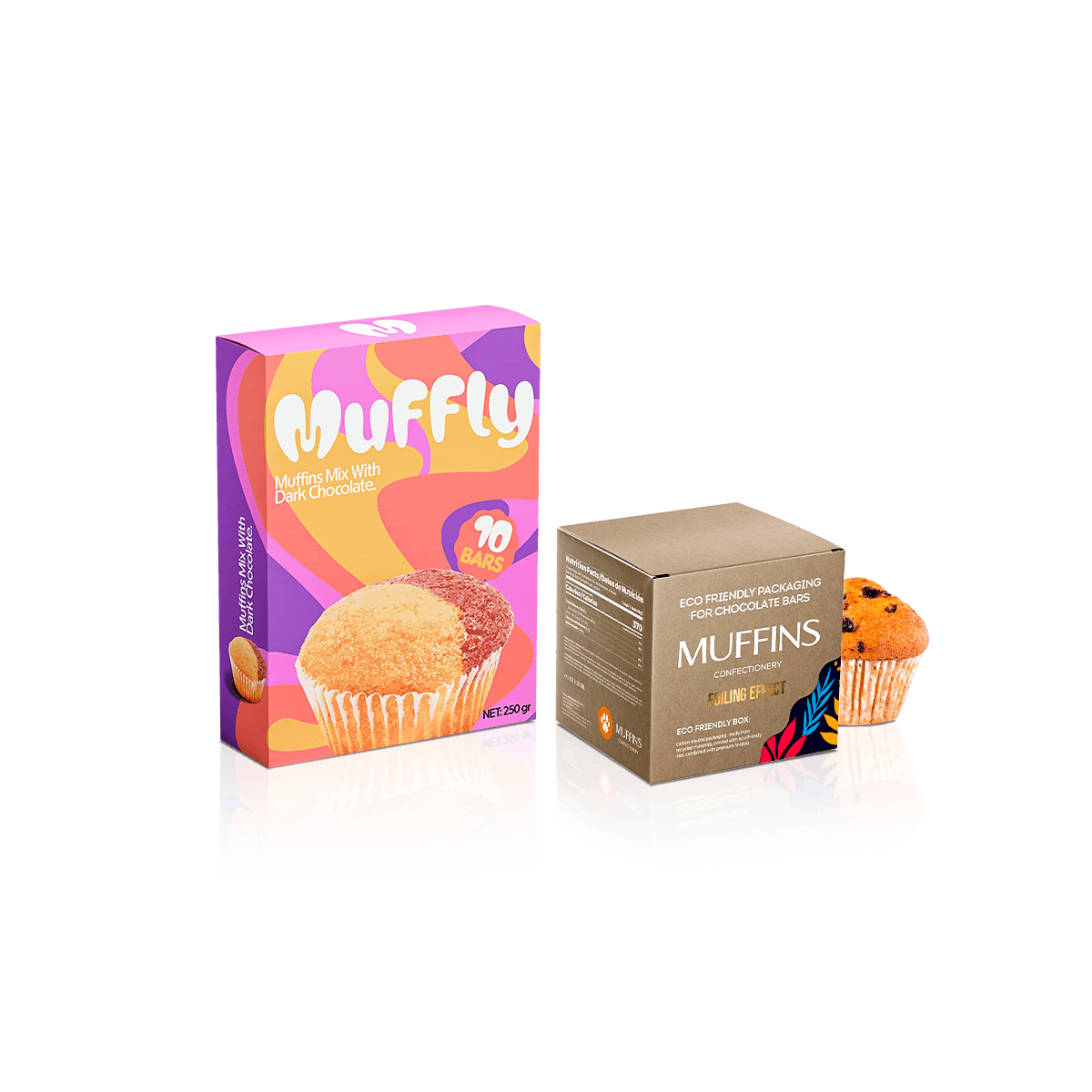
Custom Muffin Boxes

Muffin packaging planned around crown spread, cup diameter and multipack density, so standard, mini and jumbo bakes stay upright without wasting space around tall frosting they do not have.

The Crown Needs More Room Than the Cup

A muffin is usually widest where the carton cannot hold it. The liner and baked body sit lower in the box, while the crown can spread well beyond that footprint. Custom Muffin Boxes therefore need two different dimensions working together: enough control around the lower muffin to limit movement and enough open space around the crown to stop neighboring products from rubbing.

Using only the liner diameter can create a multipack that looks efficient on a dieline but crowds the tops once real muffins are loaded. Using only the crown diameter creates the opposite problem, with excessive space around the lower body and poorer control during carrying.

The practical specification needs both.

Record the Cup and Crown Separately

The lower muffin body determines how closely products can be located. The crown determines how much horizontal breathing room each finished bake needs.

Check the product after baking rather than relying only on the paper liner specification. Batter volume, recipe and baking profile can change the finished shape substantially. Two muffins baked in the same nominal liner can finish with very different shoulders and crown diameters.

For a multipack, use the largest recurring crown that is meant to share that carton. A rare oversized product should not automatically force every everyday muffin into a larger footprint.

The Insert Should Control the Lower Body

Where an insert is used, the opening should locate the muffin low enough that the crown stays free.

An opening that grips too high can press into the paper wrapper or interfere with the baked shoulder. An opening that is too generous may allow the muffin to lean as the carton accelerates, turns or is lifted unevenly.

The goal is not rigid clamping. It is enough restraint to keep the muffin in its intended position while leaving the top untouched.

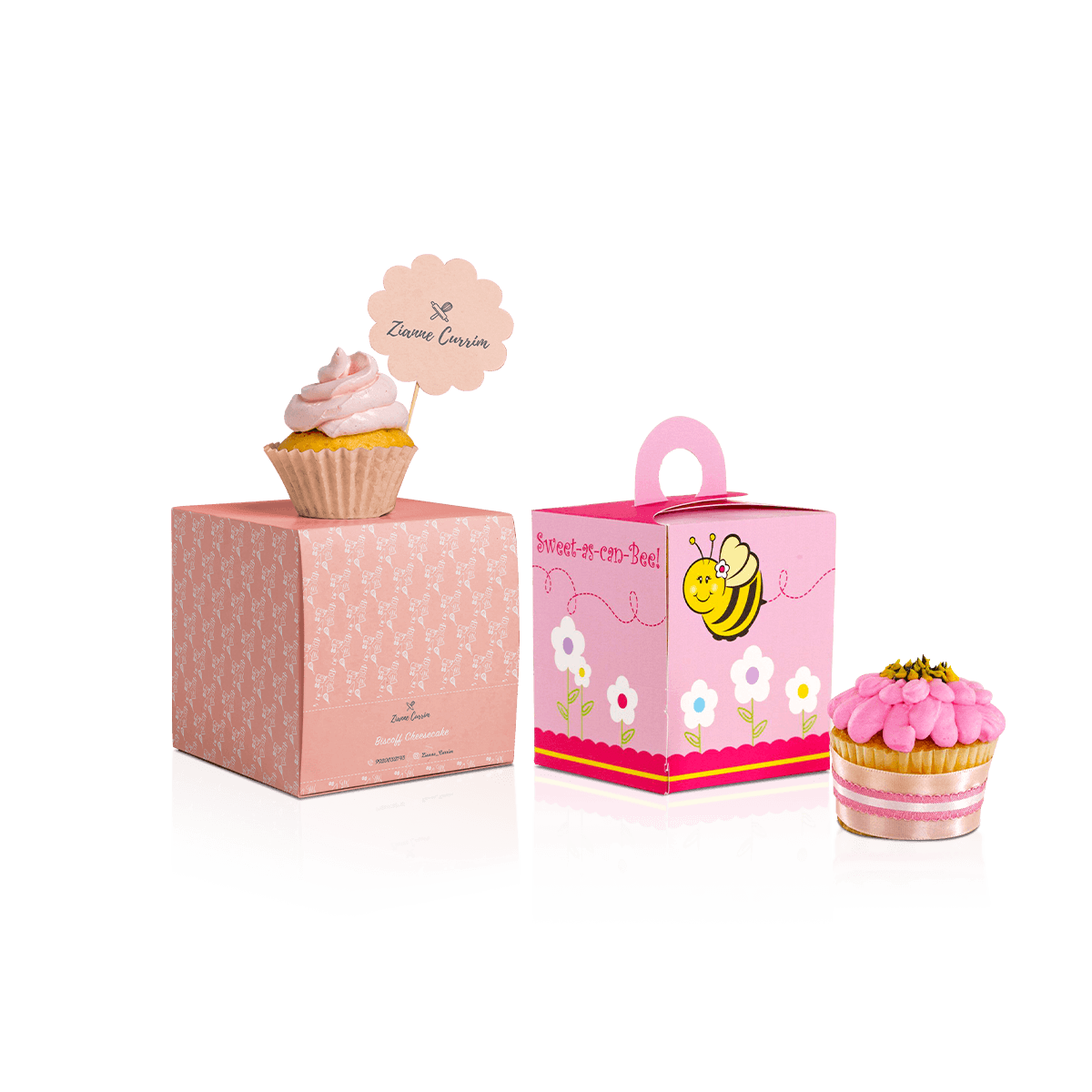
Frosted products require a different restraint system. Cupcake Boxes put more emphasis on frosting diameter, topper clearance and removal from an individual cavity.
Multipack Density Comes from Crown Spacing

A compact four-pack or six-pack should use the footprint efficiently without turning every road vibration into muffin-to-muffin contact.

The critical spacing is not merely the distance between cavity edges. It is the distance between finished crowns once the muffins are sitting in their normal positions.

If two crowns almost touch while the carton is stationary, they are likely to make contact once the pack is carried. Loose crumbs, sugar toppings or soft inclusions can then transfer from one product to another even when neither muffin tips over.

Mini Muffins Need Tighter Control

Mini muffins have less mass but can move more easily when placed in a cavity intended for standard products. Packing many small pieces into one large undivided carton can also let them migrate toward one side during carrying.

A dedicated insert with smaller openings can keep the arrangement orderly without requiring excessive empty space between products.

Jumbo Muffins Put More Pressure on the Layout

Jumbo muffins bring the opposite problem. Their crowns can occupy significantly more area than the lower cup and the filled pack becomes heavier.

Increasing only the cavity diameter may not be enough. The center-to-center spacing, base stiffness, carton height and closure all need to accommodate the finished bake.

A jumbo six-pack can therefore behave more like a structural tray than a scaled-up standard muffin carton.

Warm Packing Changes What Happens After the Lid Closes

Muffins may enter the carton while still carrying residual warmth. Once enclosed, that heat can create a different environment from a fully cooled retail pack.

Moisture can collect inside the carton, affect the board and change the surface of the bake. The exact effect depends on the recipe, cooling time, pack count, holding period and carton construction.

Ventilation should therefore be based on the actual packing process rather than added automatically.

Pack several muffins at the temperature staff normally use. Close the carton and leave it for the real holding period. Then inspect the interior, product surface and board. That test answers more than a generic statement about ventilation ever can.

A Display Pack May Need Different Airflow Than a Pickup Pack

A muffin packed for immediate counter handoff may spend little time enclosed before consumption. A prepacked grocery or café carton may remain closed much longer.

Those two service patterns can justify different decisions around ventilation, coatings and window area even when the muffin itself is unchanged.

The packaging specification needs to reflect how long the product actually stays in the box.

Butter and Oil Often Reach the Insert First

Muffins may appear relatively dry at the crown while the liner gradually transfers oil toward the supporting surface underneath.

That makes the insert or base an important contact point. If grease penetrates that surface, staining can appear long before the outer walls show any structural weakness.

Do not specify a barrier automatically. First determine how oily the product is, whether a separate liner or tray is used and how long the muffin remains packed.

When direct food contact is possible, confirm the suitability of the exact paperboard, coating, ink, adhesive and window material for that use before production.

The practical issues in Food Packaging Mistakes to Avoid Before Ordering Custom Boxes also apply when grease, moisture and holding time interact in bakery service.

Height Should Follow the Crown, Not Cupcake Logic

Muffins usually need less vertical space than heavily frosted cupcakes, but that does not mean the lid can sit close to the baked top.

The crown can be irregular. Streusel, fruit pieces, chocolate chunks or a high domed bake can extend farther than expected. The carton needs enough clearance that normal lid movement does not brush the highest product.

Excess headspace has a cost too. A unnecessarily deep box occupies more storage volume, reduces packing density and can make a small muffin assortment look undersized.

The strongest design keeps the lid clear without turning every muffin carton into a tall dessert box.

Toppings Change the Highest Point

A plain blueberry muffin, crumb-topped muffin and product finished with large fruit pieces can all come from the same nominal liner while ending at different heights.

Use the tallest recurring product that is genuinely expected to share the carton. Seasonal items that substantially exceed the normal profile may deserve another size rather than forcing permanent extra depth into the core pack.

Mixed cookies, brownies and pastries fit Bakery Boxes better when fixed muffin positions no longer drive the interior.

A Window Has to Respect the Crown Envelope

Muffin customers often want to see size, flavor and topping before opening the pack. A window can do that, but its construction should stay clear of the physical space occupied by the muffin crowns.

The film should not sag into the product area and the paper frame should retain enough stiffness around the opening. This becomes more important as the window grows or moves toward a fold.

A top window usually gives the clearest view of a multipack because customers can see several crowns at once. Side openings can reveal height but may remove board from a wall that also helps stabilize the carton.

When visual selling is the dominant requirement across several baked products, Window Bakery Boxes put that viewing function at the center of the structure.

A die-cut viewing panel also has to coexist with folds and closure geometry. Windowed Folding Cartons are relevant when the opening itself becomes a major structural feature.

The Base Changes as the Muffin Count Grows

A single muffin places little demand on a carton floor. Twelve jumbo muffins create a much larger, heavier load even though the product type has not changed.

The broad base needs enough stiffness to remain reasonably level when staff or customers lift it from normal hand positions. If the center drops noticeably, the muffins can lean inward even when the insert cavities are correctly sized.

Paperboard can work well for many café and bakery multipacks when the grade matches the footprint and filled weight. Larger catering packs may justify a stronger construction.

Many muffin cartons fit naturally into folding carton structures because they can store flat, carry print on several panels and support quick bakery assembly.

Stacking Pressure Should Stay Away from the Crowns

Packed muffin boxes may be stacked briefly behind a counter, in a catering setup or during transport.

The upper carton should transfer its load through structural walls and corners rather than pressing the lid onto the muffins underneath. That requires enough headspace and a structure that does not collapse easily across a large unsupported top panel.

For delicate crowns, a stacking rule may be as important as adding more board.

Count Decisions Should Follow the Selling Pattern

Singles, two-packs, four-packs, six-packs and dozens all exist, but carrying every count creates packaging inventory that may not match actual sales.

Look at how muffins leave the business.

A coffee shop may sell mostly singles and four-packs. A bakery may rely on six-packs and dozens. A catering operation may need larger quantities packed for easy tray setup rather than retail presentation.

The right count system should reduce the number of awkward substitutions staff make during service.

One Insert Does Not Need to Serve Every Muffin Size

Trying to make one cavity work for mini, standard and jumbo muffins usually sacrifices control somewhere.

The outer carton may occasionally support more than one product with a changed insert, but that should be verified physically. If the crowns, cup diameters or overall heights differ substantially, separate geometry is usually cleaner.

That does not mean creating endless sizes. It means standardizing around the combinations that actually repeat.

Retail Packs Need a Clear Front-Facing Job

Prepacked muffin cartons often compete for attention before anyone touches them. The customer needs to identify flavor, count and brand while the box remains closed.

Decide which surface will face the customer first. A clear lid may make the product itself dominant. A printed front panel may carry the brand and flavor name. Ingredient, date or other required labeling needs reserved space that does not cover the product view or key artwork.

For grocery, café cooler or shelf placement, custom retail packaging can connect carton structure with shelf-facing print and label placement.

Premium offset printing can support repeat branded production with clean graphics and consistent color. CMYK suits multi-color designs and photographic elements, while Pantone colors can be considered when tighter brand-color control matters.

Matte, gloss, foil, embossing, debossing or spot UV should be used only when they suit the service environment. A bakery carton handled quickly with oily or flour-dusted hands may benefit more from clean print hierarchy than a complex finish stack.

Keep Mini, Standard and Jumbo as Separate Fit Records

A repeat muffin-pack system should be built around the products that account for most orders.

Record the lower cup diameter, largest recurring crown diameter, finished height, count, packed weight, insert type, window requirement and normal holding condition for each core product. That creates a much stronger production brief than simply requesting a “six-count muffin box.”

Once the core size matrix is settled, pricing can compare the actual mini, standard or jumbo configurations rather than an approximate stock-box substitute.

Finish with a Filled Multipack, Not an Empty Carton

The final judgment should come from a box loaded exactly as staff will use it.

Fill every cavity. Include the muffin with the largest crown and the tallest recurring topping. Lift the pack from different edges, carry it across the normal handoff distance, stack it the way the operation expects and reopen it after the normal holding time.

Then inspect the physical relationships that matter: whether crowns touched, whether muffins leaned, whether liners caught on the insert, whether grease marked the base and whether the lid stayed clear.

That filled-pack check establishes the working standard for Custom Muffin Boxes. The carton is ready when the lower body stays controlled, the crown stays untouched and the multipack uses its footprint efficiently without making staff handle the muffins delicately just to compensate for the packaging.

FAQs

For most bakery programs, SBS paperboard gives sharper print quality and a cleaner retail look, while kraft works well for rustic branding and eco-focused menus.

Muffin Boxes are usually the better choice for unfrosted or lightly topped products because they stack more efficiently and use tighter cavity spacing, while Cupcake Boxes suit taller frosting and wider headspace.

Common bakery formats include 1, 2, 4, 6 and 12 count packs, but the correct layout depends on muffin diameter, dome height and whether the pack will be handed over, shelved or delivered.

Usually yes, because window display packaging helps customers confirm size, flavor mix and freshness without handling the baked goods.

Yes, if the structure uses the right board thickness, secure closure style and insert support so the muffins stay upright during short-range transport and stacked holding.

Process

How it works

Your Packaging Journey, From Idea to Production and Delivery

01

Tell Us Your Specs

Custom packaging boxes

Tell Us Your Specs

Provide size, quantity, printing, and finishes.

02

Get a Fast Quote

Custom packaging boxes

Get a Fast Quote

Instant transparent pricing, no hidden fees.

03

Design and Approval

Custom packaging boxes

Design and Approval

Artwork checks, revisions, and final sign-off.

04

Produce

Custom packaging boxes

Produce

Expert manufacturing to meet deadlines.

05

Ship to Your Door

Custom packaging boxes

Ship to Your Door

Hassle-free, flexible delivery options.

Get Your Quote for Custom Muffin Boxes

Share your product details, size, quantity and artwork needs. We’ll help choose the right packaging style and send a clear quote.