Skip to content
Details

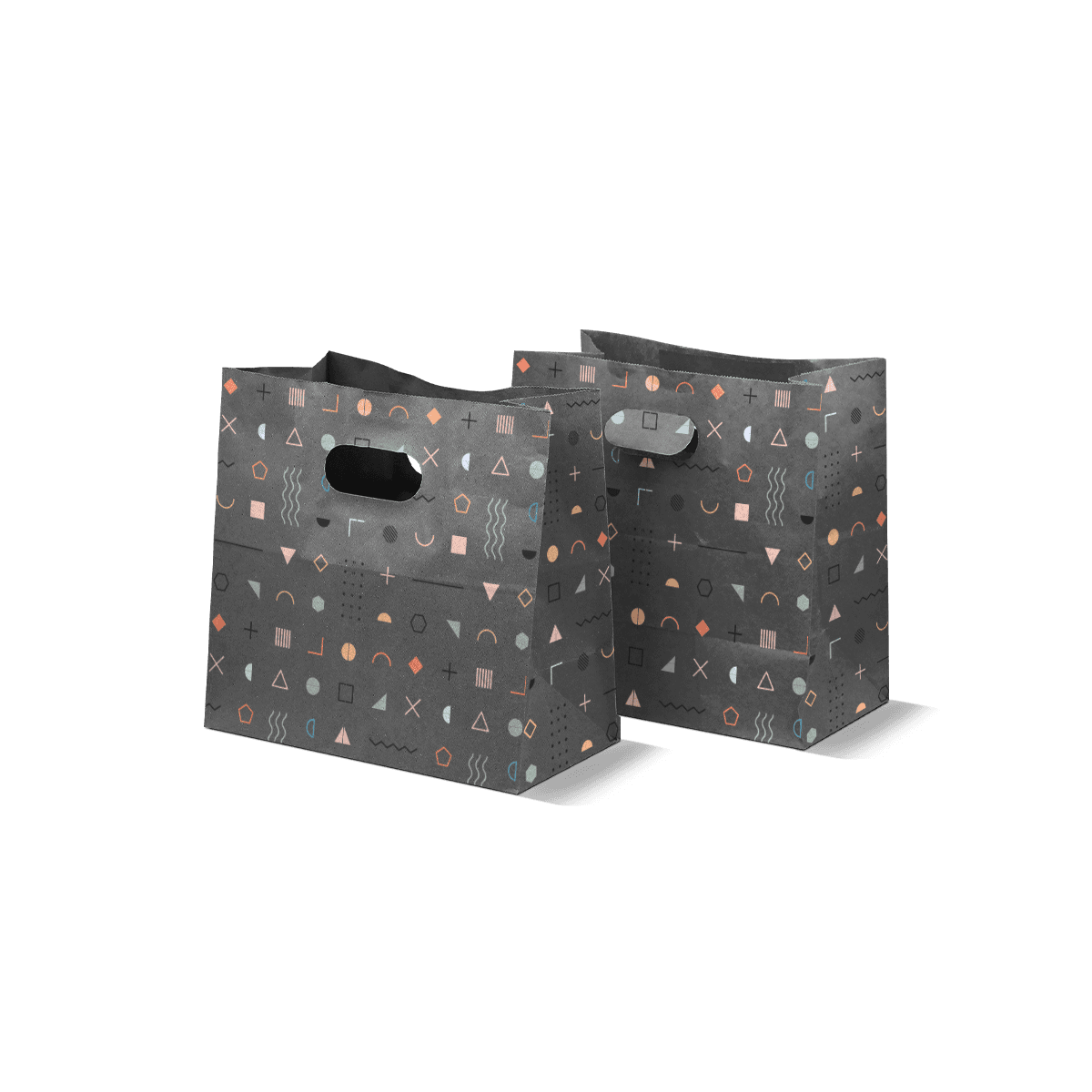
Custom Die Cut Handle Paper Bags

Custom printed paper bags with integrated handholds, optional grip reinforcement and clean branding panels, sized for lightweight retail purchases, accessories and promotional merchandise.

The Paper Bridge Bears Weight

The strip of paper between a die-cut handle opening and the top edge carries a concentrated part of the bag's load. If that strip is too narrow, the opening has sharp corners or the paper lacks sufficient strength, the handle can begin tearing even when the rest of the bag remains intact.

This is the central structural decision for Custom Die Cut Handle Paper Bags.

Instead of attaching rope, ribbon or twisted-paper handles, the carrying grip is cut directly into the upper part of the bag. The result is a clean silhouette without a separate handle component, but the cutout introduces a structural opening that must be matched to the intended weight.

These bags suit compact retail purchases, lightweight apparel, beauty accessories, promotional merchandise and event literature. They can also accommodate small boxed products when the base, paper stock and grip support the packed load.

Unlike a conventional handled shopping bag, the upper panel itself becomes the handhold. Increasing paper thickness alone does not guarantee adequate strength if the opening is poorly positioned.

A successful construction balances the cutout shape, surrounding paper, top-edge reinforcement and the way the contents distribute their weight.

The bag's distinctive advantage is its integrated carrying structure. It should be selected for that physical feature rather than simply because it looks like a streamlined retail bag.
Cutout Shape and Hand Clearance

The handhold needs enough room for the customer's fingers without removing more paper than the structure can support.

An oval or rounded rectangular opening is a practical starting point. Its width, height and corner geometry should follow the intended grip and paper construction rather than a decorative shape alone.

The opening is normally positioned in the upper panels so the customer can lift the bag through the aligned cutouts.

Rounded Slot Ends

Sharp internal corners can concentrate stress where the paper changes direction. Rounded ends help avoid the pronounced stress points created by a narrow rectangular opening with sharp corners.

The slot still needs enough surrounding material. A large opening with smooth ends can remain weak if it leaves insufficient paper between the cutout and the top edge.

The correct geometry depends on the load, stock and reinforcement method. There is no universal cutout measurement that suits every bag.

Comfortable Finger Access

A grip that is too narrow can pinch the fingers. An unnecessarily tall opening removes material from the upper panel without necessarily improving comfort.

Finger access should be checked using the finished bag.

The customer needs to reach through the cutout without scraping against a sharp paper edge or struggling to grasp both panels. The opening should also remain accessible when the contents push against the upper part of the bag.

For a compact retail bag, comfortable grip geometry may matter more than increasing its overall carrying capacity.

Reinforcement Around the Grip

The paper surrounding the handhold determines how the carrying force moves into the bag body.

A heavier paper stock can contribute stiffness, but additional material in the correct location may be more useful than increasing the weight of the entire bag.

Two reinforcement approaches deserve consideration.

Folded Top Reinforcement

A folded and secured top edge can create additional paper layers around the handle opening.

The cutout passes through the reinforced area, allowing the upper panel to carry the load through more than one paper layer.

The fold needs sufficient depth to accommodate the aperture without placing the opening too close to its boundaries.

Adhesive coverage and fold alignment also matter. Poorly bonded layers can separate during repeated lifting even when the paper itself remains intact.

Reinforcement Patches

An additional paper patch can strengthen the material immediately surrounding the handhold.

The patch should extend beyond the stressed edges of the opening and remain properly bonded to the bag. Its position and dimensions need to follow the cutout geometry.

Optional handle-area reinforcement should be confirmed for the intended Custom Packly construction and load.

Adding a patch does not automatically make the bag suitable for heavy products. The strength of the bag body, base and surrounding paper still matters.

Loaded Grip Assessment

An unfamiliar cutout or reinforcement arrangement deserves a physical carrying check before production approval.

Pack the intended contents and lift the bag using the actual handhold. Observe the slot ends, top bridge and reinforced area during normal carrying.

Set the bag down and lift it again. Check for stretching, delamination, permanent distortion and the beginnings of a tear.

If the opening begins deforming, investigate the geometry and load before simply increasing paper thickness.

For an exact custom construction, a paid physical sample may be appropriate. Custom Packly also has free sample examples of previous work for evaluating relevant materials and manufacturing quality.

Product Clearance Below the Handhold

The bag's full external height is not its usable packing height.

The upper area occupied by the die-cut grip needs to remain sufficiently clear for the customer to insert their fingers and lift the bag comfortably.

A tall carton that fits an open bag may still interfere with the handhold when the customer tries to carry it.

That makes the position of the cutout an important sizing constraint.

Tall Boxed Products

For a boxed product, measure the finished carton rather than the item inside it.

Include any tissue wrapping, protective components or decorative additions that increase the packed height.

The carton should sit far enough beneath the handhold to avoid obstructing the grip. It should not press against the upper panels when the bag is lifted.

If the carton occupies nearly the entire height, a taller bag or a different handle construction may be necessary.

Gusset Depth and Balance

The gusset must accommodate the product footprint without pulling the front and back panels excessively apart.

A deep gusset carrying one small object may allow the load to shift from side to side. A narrow gusset around a thick carton can distort the bag and place unnecessary tension near the handhold.

For retail products with different footprints, the right paper bag size depends on the packed contents, their weight and the space needed for comfortable carrying.

A properly sized base supports the product while the grip transfers its weight into the upper structure.

Flat Storage at the Counter

Removing separate handles can make die-cut paper bags easier to stack in a compact storage area.

There are no loose ropes or twisted-paper loops protruding from the top. This can be particularly practical for retail counters and event stations that need to store and distribute numerous bags.

The storage advantage depends on the finished construction, however. Thick reinforcement patches, heavy paper and deep gussets still contribute to the folded footprint.

The opening also changes how staff pick up an empty bag.

If the cutouts in a stack catch against one another, separating individual bags may become awkward. Staff may find it easier to remove each bag from the top edge before opening it.

Packing From the Top

An attached handle sits outside the bag mouth. A die-cut handle occupies part of the upper panel.

That difference can affect how the bag is opened and held during packing.

For compact products, staff can open the bag, insert the purchase and leave the grip unobstructed. For larger boxed items, the bag mouth and upper panel need enough flexibility to accept the product without straining the cutout.

The bag should not require staff to force a rigid product past a narrow opening.

Event Distribution

Conference handouts and promotional literature are practical uses for this carrying structure.

A flat document pack or compact merchandise bundle may need little gusset depth, allowing bags to remain relatively slim during storage and distribution.

For one-off celebrations where theme, guest count and favor packing are the main decisions, party paper bags can accommodate a different event brief.

A die-cut grip earns its place when compact storage, the integrated handhold and a clean carrying profile matter to the operation.

Artwork Around the Handle Opening

A die-cut handle changes the printable panel because part of the upper surface is physically removed.

Artwork must account for the final cutout rather than treating the blank paper as one uninterrupted rectangle.

For a graphic-led design, the opening can become part of the composition. It might sit inside a generous area of solid color or align with a carefully planned geometric pattern.

However, important text should never depend on material that will be removed during cutting.

Cutout Safe Area

Logos, QR codes, promotional messages and essential artwork need sufficient clearance from the die-cut opening.

The cutting line should be included in the production artwork so the final position is visible during review.

A graphic that looks balanced on a flat rectangle may become awkward once the handhold is punched out.

This is particularly important with symmetrical artwork. Even a small change to the aperture position can affect the visual balance of the upper panel.

Front and Back Alignment

The handhold generally needs aligned openings in the front and back panels.

The artwork on those panels does not necessarily need to be identical, but both designs must respect the same structural opening.

If the bag carries different graphics on each side, review each panel against the final cutout position.

The side gussets and base folds should also be considered before approving any continuous artwork that moves between panels.

Print Before Cutting

Printing and cutting must follow the approved production layout.

Custom Packly's free design and dieline support can help establish artwork placement around the opening, folds and reinforcement areas.

A digital proof allows the logo, colors, cut lines and safe areas to be reviewed before production.

Premium offset printing can support detailed artwork and consistent brand presentation. The intended printing method should be selected according to the approved stock, quantity and design requirements.

Paper Stock at the Cutout

Material selection should account for both the intended visual finish and the behavior of the cut edge.

Natural kraft, white paper and coated stocks can create different results in printing, stiffness and surface appearance.

For a simple logo-led bag, kraft can give the design a recognizable paper character. White stock creates a cleaner starting surface for bright artwork. Coated paper may suit a retail presentation that needs a smoother finish.

The final choice still depends on the carrying load and handle construction.

A heavier sheet may improve stiffness, but it can also make the bag less flexible when opened or folded. The reinforcement and aperture geometry must suit the stock rather than being treated as independent additions.

Surface Finishes

Matte or gloss lamination can change the appearance and feel of the printed surface.

Where lamination is selected, its behavior around the handhold needs attention. The cutting operation creates an exposed edge, and the finish should not separate or peel during normal use.

Embossing, debossing, foil and spot UV can be considered for suitable artwork, but they should not interfere with the grip or compromise its structural area.

For a small bag, the space surrounding the cutout is usually better reserved for carrying strength than decorative finishing.

Recycled Paper Options

Recycled stock can be considered when material sourcing is part of the project.

The specified recycled content, paper strength and printing behavior should be assessed together. A recycled appearance alone does not establish the material's actual recycled content.

For businesses with a defined recycled-content requirement, recycled paper bags place that material decision at the center of the specification.

Recyclable material options can be considered where the paper, grip reinforcement and finish suit the intended recovery route. Specific environmental claims should follow the approved stock and finished construction, including any reinforcement or lamination.

Loads That Suit This Grip

Die-cut handles are particularly practical for lightweight to moderate loads where a compact handhold is appropriate.

The suitability of a specific bag still depends on its paper, dimensions, reinforcement and actual packed weight.

A flat apparel item distributes its weight differently from a boxed cosmetic set. Both may fit the same bag, but the boxed set could place more concentrated pressure on the base and create greater movement during carrying.

The intended product combination should therefore determine the construction.

Apparel and Accessories

Scarves, folded shirts, textile accessories and small personal-care products can suit a die-cut paper bag when their weight is appropriate.

The bag can remain compact while leaving the front and back panels clear for branding.

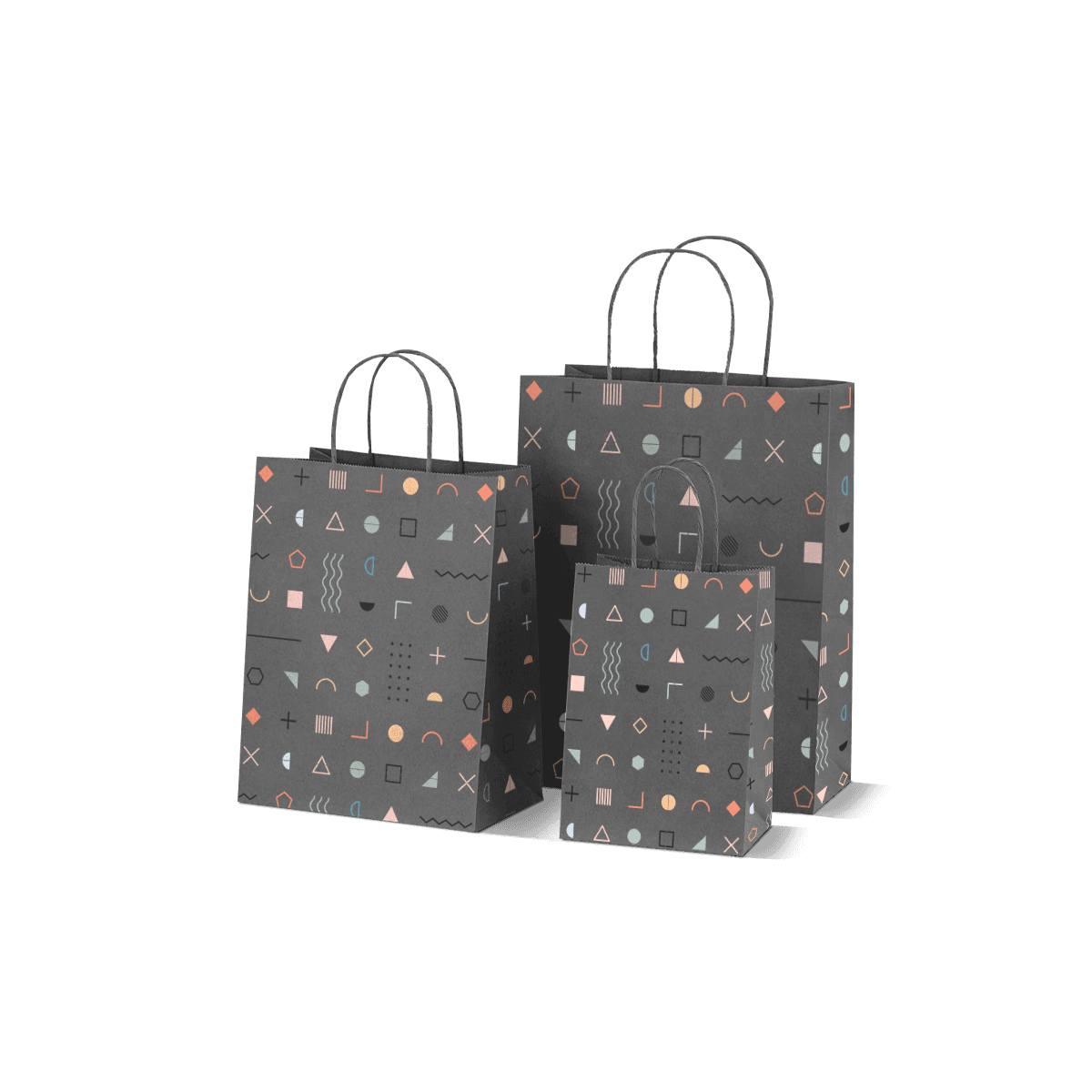
For a boutique coordinating different garment sizes, seasonal designs and multiple carrying structures, custom fashion paper bags can support the overall store handoff.

Boxed Retail Products

Compact cosmetic cartons, small gift boxes and packaged electronics accessories can also work with die-cut handles.

The product should sit securely at the base, with sufficient clearance beneath the grip.

Rigid product corners should not push aggressively into the side folds. If the contents move during carrying, their movement can create additional stress as the bag swings.

The bag remains an outer carrier. Fragile products may still need an appropriate primary box or protective packaging.

Dense or Heavy Purchases

Books, glass containers and multiple dense products require more careful evaluation.

A bag may accommodate their dimensions without having a suitable carrying structure.

If the weight creates excessive tension around the cutout, increasing reinforcement may not be the most practical answer. A different handle arrangement or a stronger carrying structure may be preferable.

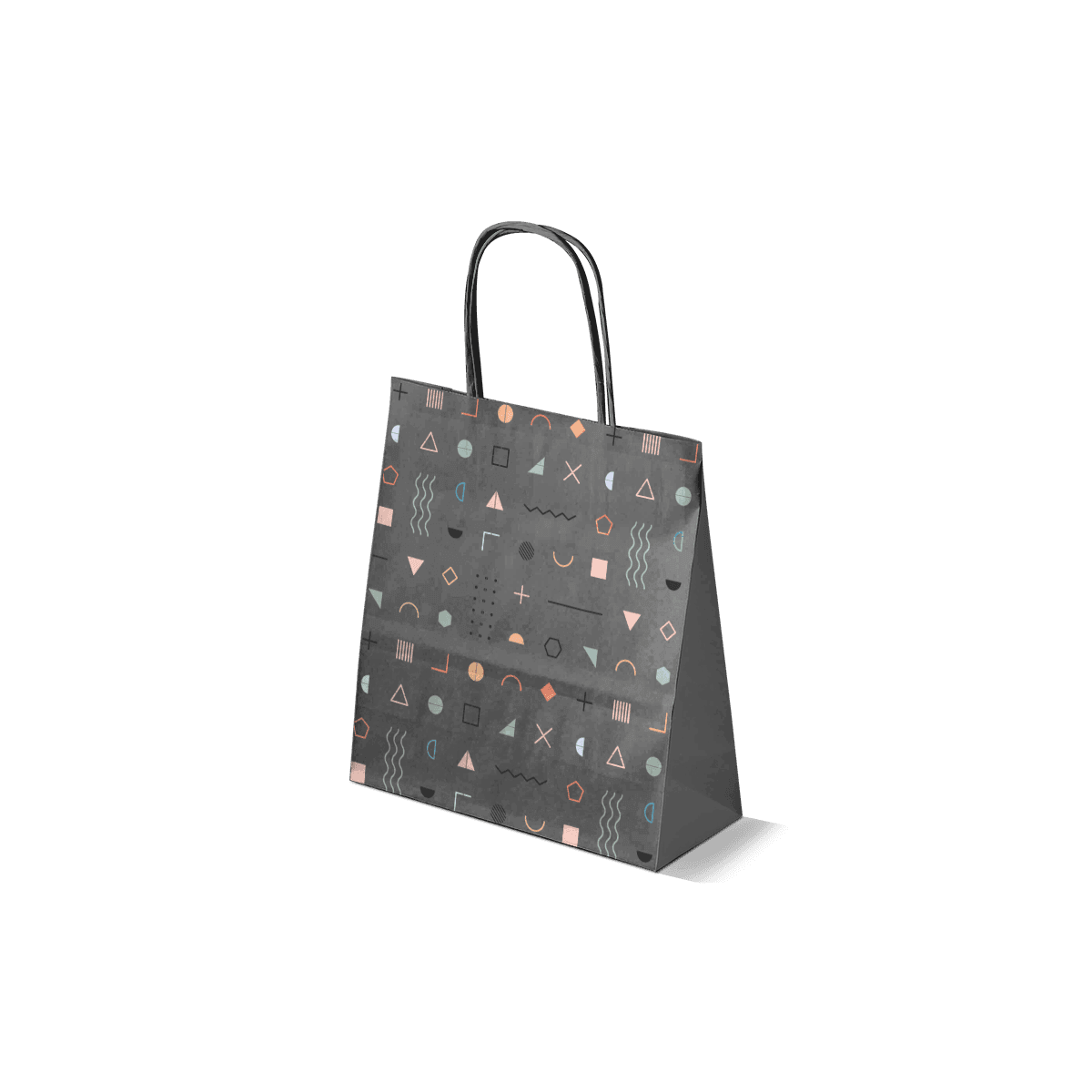
For stores handling varied purchases throughout the day, merchandise paper bags can accommodate conventional retail handoff without making the die-cut grip a fixed requirement.

Price the Actual Grip Construction

The integrated handle removes the need for a separate cord, ribbon or twisted-paper component, but that does not automatically make the finished bag less expensive.

The die-cutting operation, paper stock, reinforcement, printing and quantity all contribute to the production cost.

A simple reinforced fold and a more substantial patch construction may have different material and converting requirements.

The commercial decision is to establish which construction supports the intended load without adding unnecessary material or manufacturing complexity.

Custom Packly's instant pricing system can help move the project toward an order once the bag dimensions, packed weight, reinforcement direction and artwork requirements are established.

For a bag with a specific cutout or reinforced upper panel, request a custom packaging quote using the intended carrying construction rather than pricing it as an ordinary paper bag.

Custom Packly supports US production and free shipping. Standard turnaround is 4–6 days after final specifications and artwork are approved. New cutting requirements, specialized reinforcement or advanced finishes may affect the production schedule.

Grip Comfort After Repeated Carrying

The final decision is how the bag feels after the customer has carried it for more than a few seconds.

An opening that feels comfortable during a quick lift may become less pleasant when the same load is carried through a shopping center or across a parking lot.

The paper edge, handhold width and bag weight all influence that experience.

A suitable grip distributes pressure without pinching the fingers or forcing the customer to hold the bag in an awkward position.

For light purchases and short carrying distances, an integrated die-cut handle can make the bag compact and practical. As weight and carrying distance increase, separate handles may become more appropriate.

The finished bag should also retain its shape when set down and lifted again. If the grip stretches, the upper bridge folds sharply or the opening begins tearing, the construction needs revision.

The aim is a paper bag whose integrated grip remains comfortable and dependable for its intended contents. Its clean appearance is an advantage only when the carrying structure performs equally well.

FAQs

Die Cut Handle Paper Bags are often chosen for that exact reason. They remove extra handle hardware and give the bag a more streamlined front-facing look.

Die Cut Handle Paper Bags usually look slimmer and more graphic-focused because the handle is built into the bag itself. Merchandise Paper Bags are often better when larger capacity or a more traditional shopping-bag feel is needed.

Yes, for lightweight to moderate product loads it can perform well, especially when the right paper weight and reinforcement are selected.

Yes, in most cases it can. Artwork just needs proper layout planning so branding still reads cleanly around the die-cut area.

They work especially well for branded takeaway, launch events, accessory retail, conference packs, spa items, and compact product bundles.

Process

How it works

Your Packaging Journey, From Idea to Production and Delivery

01

Tell Us Your Specs

Custom packaging boxes

Tell Us Your Specs

Provide size, quantity, printing, and finishes.

02

Get a Fast Quote

Custom packaging boxes

Get a Fast Quote

Instant transparent pricing, no hidden fees.

03

Design and Approval

Custom packaging boxes

Design and Approval

Artwork checks, revisions, and final sign-off.

04

Produce

Custom packaging boxes

Produce

Expert manufacturing to meet deadlines.

05

Ship to Your Door

Custom packaging boxes

Ship to Your Door

Hassle-free, flexible delivery options.

Get Your Quote for Custom Die Cut Handle Paper Bags

Share your product details, size, quantity and artwork needs. We’ll help choose the right packaging style and send a clear quote.