Skip to content
Details

Custom Mechanical Repair Paper Bags

Counted kraft hardware bags for repair-counter pickup, small dry fittings and work-order handoff, with practical gussets, secure folds and room for part identification.

A Counted Handoff, Not a Carton

A bag of washers leaves the counter correctly counted. At the workbench, the top has opened and several washers have slipped into the technician’s tool tote. The packaging failed even though the hardware was never fragile. For a repair order, containment and identification are the two duties that matter.

Custom Mechanical Repair Paper Bags are compact paper carriers for clean, dry nuts, bolts, washers, clips, small fittings and other hardware issued for a specific repair or local pickup. The bag should keep one job’s contents together, leave room for a readable ticket and close without spilling during an ordinary handoff. Heavier kraft stock and practical gussets are common starting points, not permission to put any metal part into paper.

A service counter may pack ten fasteners for one customer, an assortment of replacement fittings for a mechanic or a short-run issue of workshop consumables. Each situation calls for a known part count, a realistic handling route and an opening that staff can fill without fighting the bag.

The surrounding MRO packaging program may use separate cartons for parts that need protected transit or long-term organization.

The useful distinction is the job’s end point. This bag finishes a counted handoff. It is not the storage bin, the primary protective wrap for an oily component or the parcel box for a carrier shipment.
Where the Paper Bag Stops

Mechanical repair paper bags are suited to short-cycle containment: picking from a stockroom, moving a small repair assortment across a workshop or handing dry hardware to a customer. That role helps keep the bag compact, flat-stored and quick to fill.

Local Pickup Versus Parcel Handling

An open paper bag may survive a short walk from counter to vehicle but cannot be assumed to withstand conveyor belts, sorting impacts or a heavy parcel stacked on top. If a repair item is shipped, specify a suitable outer shipping carton and any necessary inner restraint. The bag can still group the fasteners inside that carton, provided its contents cannot migrate into machinery or damage the main component.

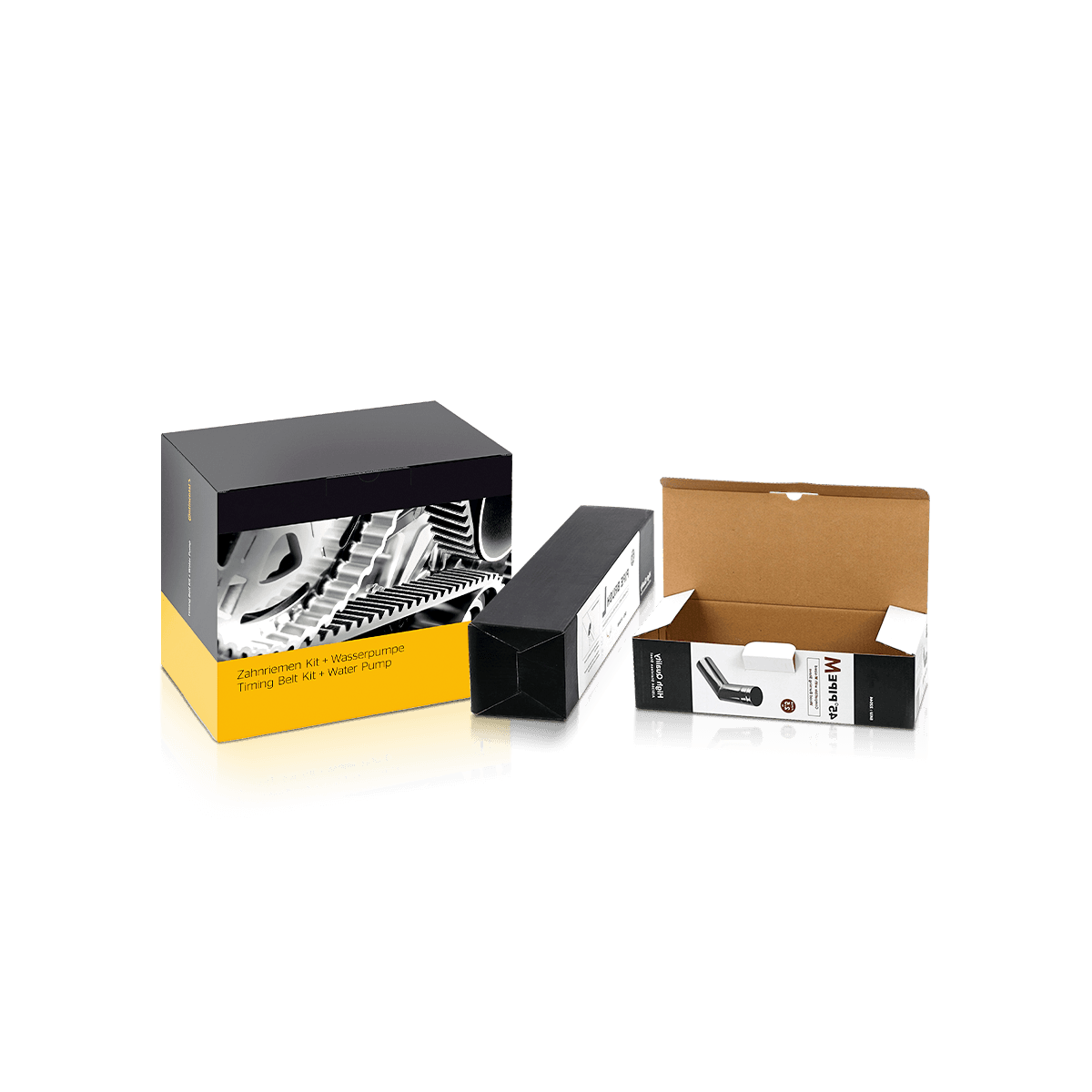
Individual replacement components that need a protective outer structure belong in repair parts boxes rather than relying on a paper handoff bag.

Temporary Pack Versus Stock Location

A folded bag with a part number can identify a picked order, but it is awkward for repeated opening, visual stock checks and replenishment from a shelf. Once the same component is stored and accessed repeatedly, an open bin or labeled storage carton is more practical.

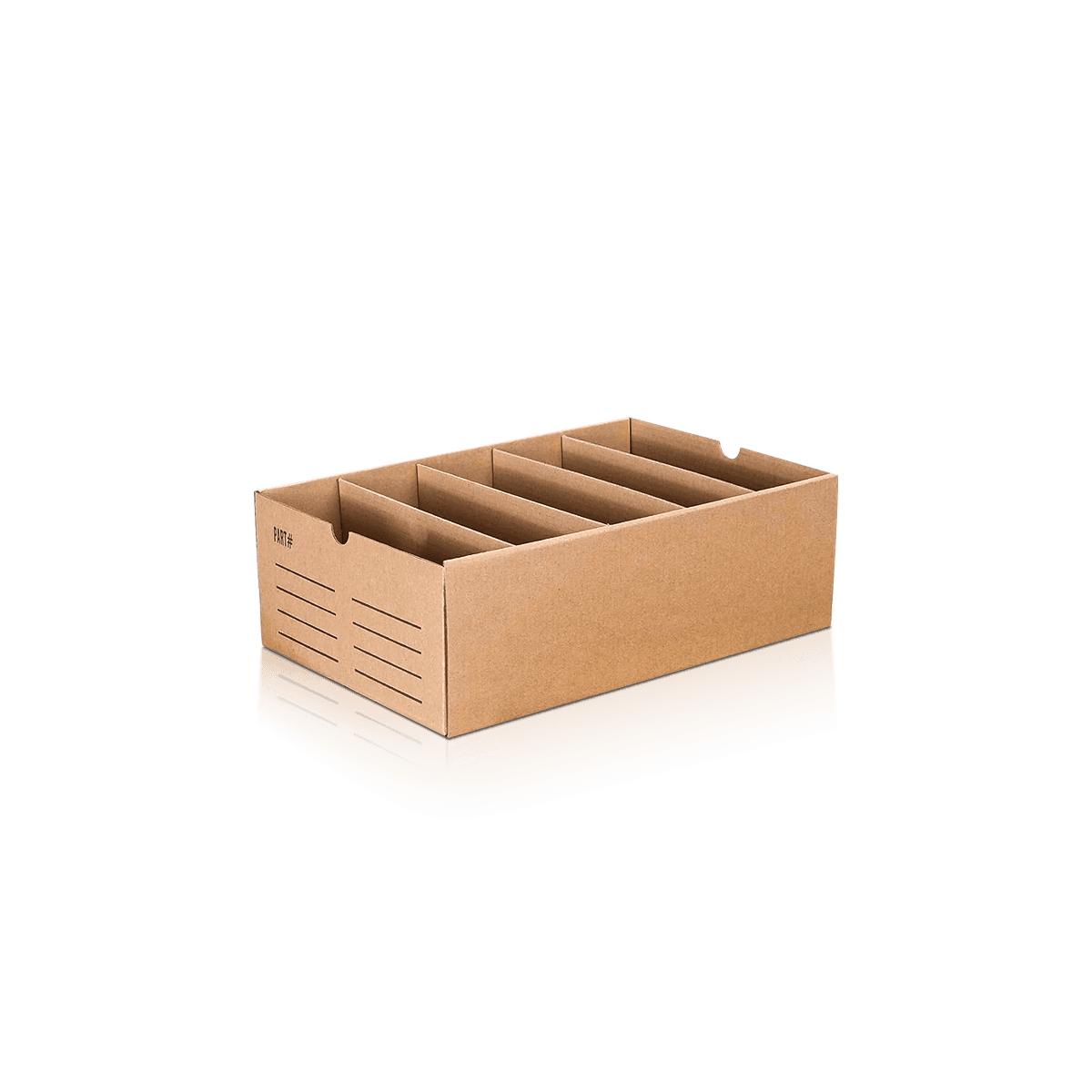
For parts accessed repeatedly, parts storage boxes support shelf locations and repeated picking without treating a temporary carry bag as inventory furniture.

Define the handoff before specifying print, paper weight or size. Otherwise the bag gradually acquires storage and shipping duties that its construction was never meant to perform.

Paper Weight Meets Metal Edges

The sharpest part in the order often sets the real material limit. A small bracket with a burr can puncture paper more readily than a larger smooth fitting of similar weight. Total weight matters, but concentrated pressure at a corner or thread is often the failure that appears first.

A Weight Label Is Not Capacity

Kraft basis weight describes the paper stock, not the tested load capacity of a finished bag. A heavier grade can improve stiffness and tear resistance, yet the side seam, bottom fold, moisture exposure and shape of the contents still affect performance. Do not convert the paper’s basis weight into a promised safe carrying weight.

Check the candidate bag with the heaviest real pickup pack, then repeat the check with the sharpest single component. Lift it, set it on a counter and carry it in the same way a customer or technician will. Inspect the bottom corners, seam and spots where a thread or edge presses into the paper. A successful light fill says little about a dense assortment.

Burrs Need Their Own Layer

Protective sleeves, a folded paper wrap or a small inner packet may separate rough edges from the outer bag when that inner material is suitable for the part. A pointed nail, exposed spring end or freshly cut bracket may still need a small carton instead. Adding paper thickness is not a substitute for covering a sharp point.

For critical packout checks, custom packaging testing can help establish what to inspect before approving a full production run.

Paper is particularly unsuitable when the part arrives wet, heavily oiled or covered in loose abrasive residue. Confirm the compatible primary containment before considering a paper bag for the outer handoff.

Gussets Set the Filling Motion

A bag’s working size is the space staff can fill and close, not its nominal width multiplied by height. Side gussets open to accept a handful of fittings or a wrapped component; they also determine whether the mouth collapses around the items or stays accessible during filling.

Width For the Packed Profile

Measure the parts after they are grouped as they will be issued. A cluster of washers occupies a different shape from the same count of long bolts. Allow enough width for the widest packed orientation and enough gusset depth for the contents to settle without forcing a side seam outward.

Height Includes the Fold

A bag that just contains the parts may be too short to close. Reserve a clean top allowance for the intended fold, sticker or other agreed closure. The fold should sit clear of the contents rather than forcing a bolt head into the top edge. Trial the bag fully packed, then open and reclose it using the staff’s normal motion.

The practical way to compare width, gusset depth and fill height is to start with the packed items, as in paper bag sizing for real carrying conditions.

A self-opening sack may stand more readily during filling, but it is not automatically the right choice for a small hardware pack. Counter space, base width and how the bag is closed decide whether that construction helps.

At counters where hands-free filling matters, S.O.S. paper bags create a standing opening that may suit a different packing rhythm.

For compact dry fasteners, a small gusseted flat-stored format may waste less space than a large upright bag. The correct answer comes from the actual filled profile and the counter’s working surface.

One Ticket, Three Bags

Consider an illustrative service-counter order containing a packet of washers, a short set of smooth bolts and one small replacement fitting. All three may be sold against the same work order, but placing them loose in a single large bag makes the count harder to verify when the technician opens it.

The counter could issue a small labeled bag for the washers, another for the bolts and the fitting in its own appropriate primary wrap. The three units may then travel together in a larger handoff bag if the load and route permit. The outer bag identifies the repair ticket; the inner units preserve the individual part counts.

This arrangement is not always necessary. One carefully counted component type may need only a single bag. The rule is to separate contents when mixing creates a practical counting, abrasion or identification problem, not to increase the number of packages as a matter of habit.

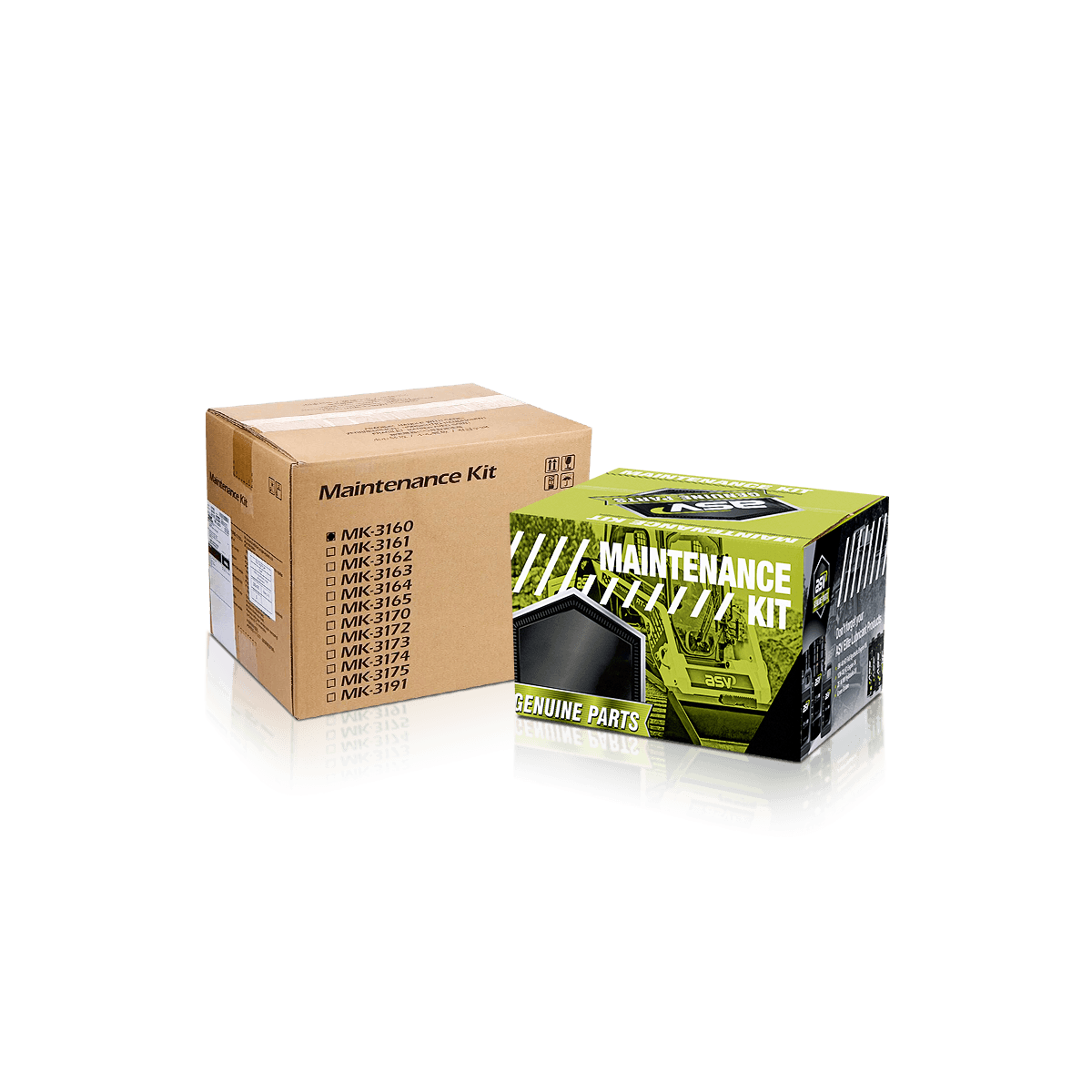
A kit containing a prescribed mixture of parts, tools and instructions has a different obligation: it must arrive complete and arranged for the work sequence. If that is the job, packaging for a complete maintenance kit should be specified around the entire kit rather than expanding a handful of hardware bags into an improvised system.

For preassembled service assortments, maintenance kit boxes can organize the full set and its instructions before dispatch.

The Ticket Face Must Stay Readable

An identification mark must survive filling, folding and ordinary handling. Printing a large logo in the center of a small bag is harmless only if the part number, count and work-order fields remain visible when the bag is closed.

Write Before the Bag Closes

Place the job identifier and count area on a flat exterior panel where a clerk can write or apply a label before filling. A space close to the mouth may disappear under the closing fold; a field at the bottom can be obscured when the contents settle. Test the finished filled shape before final artwork approval.

A practical preprinted ticket face may have a logo and fixed labels for part number, quantity, work order and pick date. Leave generous blank space for the actual entry method. If the counter uses barcodes, confirm the final label size, scan angle and print contrast on the finished bag.

Do Not Print Across Creases

Keep fine codes and small type away from gusset folds, seam overlaps and areas routinely creased during packing. The printable panel of a flat bag can be larger than its useful visible surface after it has been filled.

Print-run economics change with artwork stability, so digital, offset and flexographic printing are worth weighing when choosing between one permanent bag design and frequent site-specific versions.

Kraft is practical for restrained industrial artwork, but the substrate affects how bright inks appear and how clearly small type reproduces. A white label or designated unprinted field may give better handwriting and scan contrast than printing every square inch.

Custom Packly can review dieline placement and supply a free 3D mockup before the bag artwork is approved. Confirm the actual paper stock and print process for the chosen construction rather than assuming every bag will be produced through the same route.

Dry Parts Still Need Separation

The paper bag should carry parts that are clean enough not to damage it or the component. Bare metal edges can abrade paper; oily and greasy surfaces can mark it, soften contact areas or contaminate the exterior. A dry bag is not a moisture barrier and should not be marketed as corrosion protection.

Oils and Protective Films

If a replacement part needs a protective oil, vapor-corrosion inhibitor, moisture barrier or sealed manufacturer pack, preserve that specified primary packaging. A paper bag may carry the already-contained item for pickup, but it cannot replace the treatment or prove that the item will remain corrosion-free.

Sensitive Components

Electrical or static-sensitive replacement items may require certified or validated ESD controls in their actual handling environment. Ordinary kraft paper should not be represented as an ESD bag. Sealed electronics should remain in their appropriate protective pack before being combined with fasteners or other workshop supplies.

A mixed repair order may therefore contain a paper bag of dry bolts beside an individually protected electronic component. Separate the functions instead of asking one paper material to perform both jobs.

If the part has residue, exposed lubricant or sharp features that cannot be safely wrapped, shift to the protective packaging specified for that component. The convenience of a small bag should never override the condition in which the part must arrive.

Counter Speed Depends on Access

The bag has to open predictably while the clerk is counting parts. Thin bags that cling shut slow picking; oversized gussets spread across the work surface; a closure that needs several awkward folds can undermine an otherwise quick handoff.

Pack in the Counting Order

A clear sequence is to identify the ticket, count the parts, place them into the correctly sized open bag, verify the part number and quantity, then close it. Record any exceptional component separately. If the counter normally packs several repairs at once, keep bags for different tickets physically separated until each one is closed and labeled.

A Closure With a Purpose

For a local pickup, a neat folded mouth may be enough for contents that cannot easily spill. A label bridging the fold can hold it closed while carrying identification, but that does not make the bag tamper-evident. Adhesive performance depends on paper texture, dust, contact area and handling conditions.

A staple may create a sharp projection and can catch on other packs, so it should not be the assumed default for every mechanical part. Select the closure around the real handoff and any workplace restrictions. An open bag is not suitable where the contents may invert during carrying.

When a simple store-carry bag is sufficient and industrial part identification is unnecessary, merchandise paper bags serve a different everyday checkout role.

The final packout trial should include the person who actually fills the bag. Their ordinary counter motion can expose awkward opening, misplaced ticket fields and overly long folding steps before those mistakes are repeated across a production run.

Ordering Follows the Pickup Mix

A single stock bag can be efficient when most repair orders contain similarly shaped light hardware. A counter dealing in both loose screws and larger wrapped replacement fittings may need a small and medium size. Splitting the stock only helps when staff can select the correct bag consistently.

Review actual order tickets or a representative picking sample. Group them by finished packed footprint, weight and closure allowance. Record how often the busiest counter uses each size. That evidence is more useful than copying a retail shopping-bag size or introducing a new bag for every part number.

Flat-packed bags occupy less shelf space before use than assembled cartons, but they still need a dry, orderly storage location. Separate sizes visibly so a rushed clerk does not use a larger bag simply because the correct one is buried. If printed identifiers change frequently, a stable generic ticket face with an applied job label may reduce obsolete stock.

For large repeat programs, Custom Packly can discuss warehousing and scheduled deliveries where appropriate. Standard USA turnaround is generally 4–6 days after artwork and specifications are approved, with specialty construction and job-specific timing confirmed at quotation. Free US shipping and 24/7 support are available for order coordination.

To price the actual pack, send the proposed bag sizes, representative packed weights, paper and gusset preferences, print version count, closure plan and quantities per size. The team can check which details need a structural sample or material confirmation before production.

Once the bag mix and quantities are established, request pricing for the hardware handoff bags with the pickup conditions and artwork status.

Recognize the Box Decision

A bag is the wrong answer when the contents need crush protection, precise positioning, reliable stacking or repeated access. It is also a poor choice when sharp parts concentrate pressure against the paper or the intended route includes unsupported parcel handling.

A short local movement of smooth, dry nuts and washers has a different risk profile from a fragile machined sensor, a greasy replacement assembly or heavy hardware mailed to a remote site. The latter items may require a protective wrap, a fitted interior and a corrugated outer box.

Do not treat a thicker kraft grade as a universal correction. If a representative loaded bag tears at the bottom, review the shape and load distribution as well as the paper. If the closure opens, reconsider fill height and closure contact. If the part label disappears, move the ticket field rather than enlarging the entire bag.

The custom paper bags program can accommodate practical handoff formats, while a boxed repair item should follow its own protection and transit needs.

For industrial repairs, the economical package is the one that gets the correct parts to the technician in usable condition. Sometimes that is a folded paper bag; sometimes the first sensible decision is to use a box.

Release a Bag Staff Can Identify

Approve the finished bag as it will be handed to a technician: loaded, closed and marked for a specific repair. Its flat artwork is only one part of that decision. A visible part number, verified quantity and secure mouth matter more at this moment than decorative print coverage.

Set aside one approved packing example for the counter. Staff should be able to recognize the correct size, where the ticket goes and which parts must remain in separate primary packs. That example also gives the next print run a physical check for fold placement and usable writing space.

For Custom Mechanical Repair Paper Bags, the finished specification should describe the actual dry-hardware handoff rather than assume that every item labeled 'mechanical' belongs in paper. A clear exclusion for oily, pointed, heavy or sensitive components is as valuable as the list of items the bag is intended to carry.

FAQs

They keep loose items together without moving into a bulkier pack, which makes counting, labeling and handoff easier for staff and customers during quick repair transactions.

They fit dry small parts such as screws, bolts, nuts, washers, clips, anchors, seals and similar replacement hardware. US bag suppliers specifically market hardware paper bags for loose metal parts and hardware-store use.

Mechanical Repair Paper Bags are better for short-cycle containment and quick pickup, especially when parts are counted and handed over the same day. Parts Storage Boxes make more sense for shelf organization, repeat access and longer in-house storage of grouped inventory.

They can work for dry, compact hardware when the chosen kraft grade, bag construction and actual packed load are suitable. Sharp burrs, dense fittings and pointed parts can still puncture heavy paper, so verify a loaded bag and use a wrapper or box when needed.

A box is the better choice when parts are sharp, unusually heavy, mixed with fragile components or shipping through parcel and freight channels. Paper bags are best for lighter items, fast counter packing and local handoff rather than full transit protection.

Process

How it works

Your Packaging Journey, From Idea to Production and Delivery

01

Tell Us Your Specs

Custom packaging boxes

Tell Us Your Specs

Provide size, quantity, printing, and finishes.

02

Get a Fast Quote

Custom packaging boxes

Get a Fast Quote

Instant transparent pricing, no hidden fees.

03

Design and Approval

Custom packaging boxes

Design and Approval

Artwork checks, revisions, and final sign-off.

04

Produce

Custom packaging boxes

Produce

Expert manufacturing to meet deadlines.

05

Ship to Your Door

Custom packaging boxes

Ship to Your Door

Hassle-free, flexible delivery options.

Get Your Quote for Custom Mechanical Repair Paper Bags

Share your product details, size, quantity and artwork needs. We’ll help choose the right packaging style and send a clear quote.