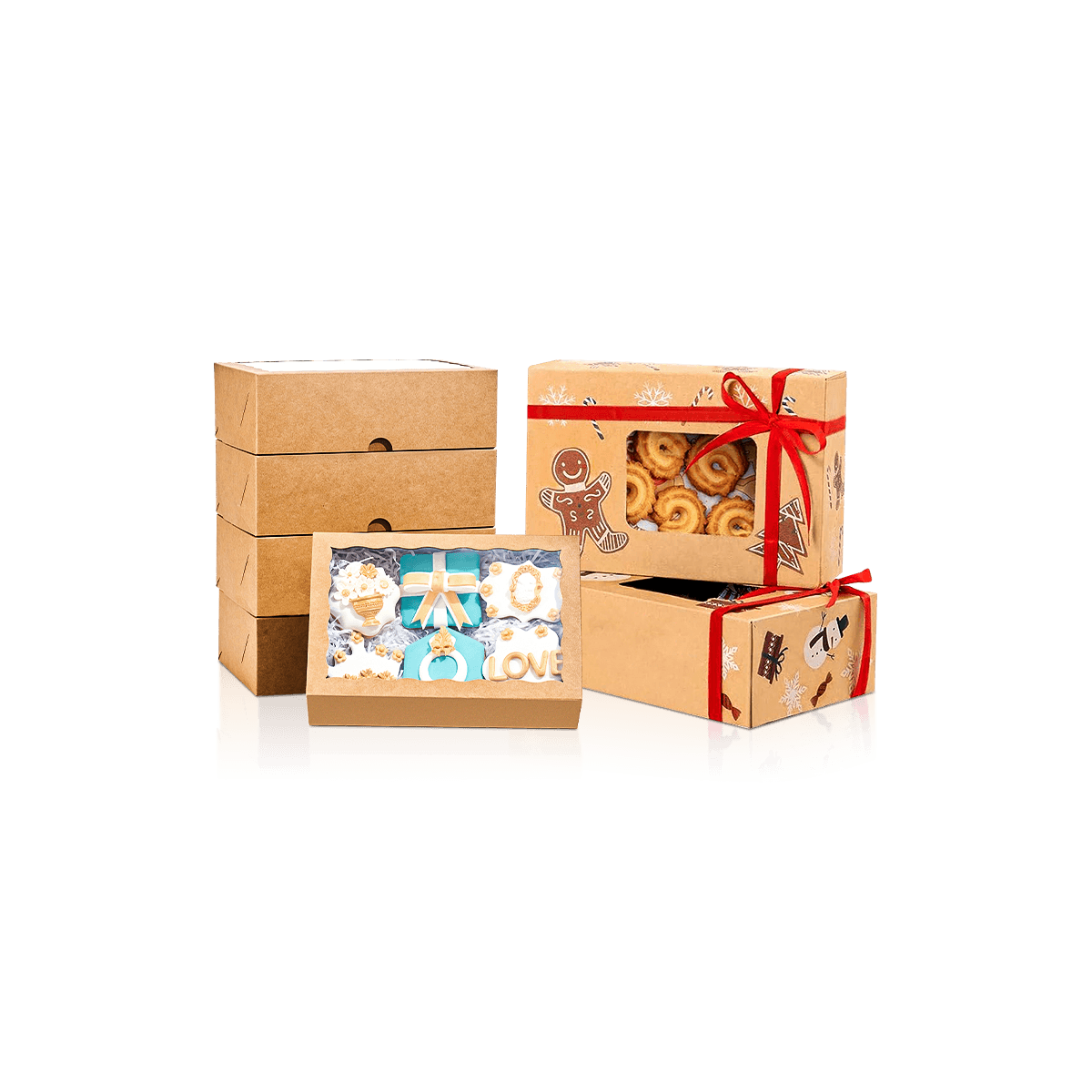
Skip to content
Details

Custom Compostable Bakery Boxes

Bakery cartons planned around verified disposal requirements, so grease resistance, windows, printing and structural performance do not work against the intended claim.

Compostability Is a Specification

A natural-looking carton is not automatically compostable. Kraft color, paper texture and minimal printing can suggest a lower-impact package visually, but the disposal claim depends on the actual construction.

That construction includes more than the main board. Coatings, window film, adhesives, labels, laminations and other components can change what can truthfully be said about the finished box.

Custom Compostable Bakery Boxes therefore need to start with the intended disposal route. If compostability is a required claim, state that requirement before choosing board, barriers or decorative treatments.

Eco-friendly custom packaging works best when the material specification comes before broad environmental language.

Whole Pack Matters

A carton can begin with a suitable fiber-based stock and lose the intended disposal outcome after incompatible components are added.

That is why the finished construction should be reviewed as one package:

  • outer paperboard
  • grease or moisture treatment
  • clear window, if used
  • adhesive system
  • printed inks
  • labels or stickers
  • decorative layers

If one element requires separate removal or a different waste stream, the disposal message may need to change.

Home and Commercial Composting

Do not use the two terms interchangeably.

A material intended for commercial composting may require controlled temperatures and processing conditions that are different from a home compost pile. If the exact construction supports only one route, the printed disposal wording should say so clearly.

The carton should communicate what has actually been verified, not what customers might infer from brown paperboard or green artwork.
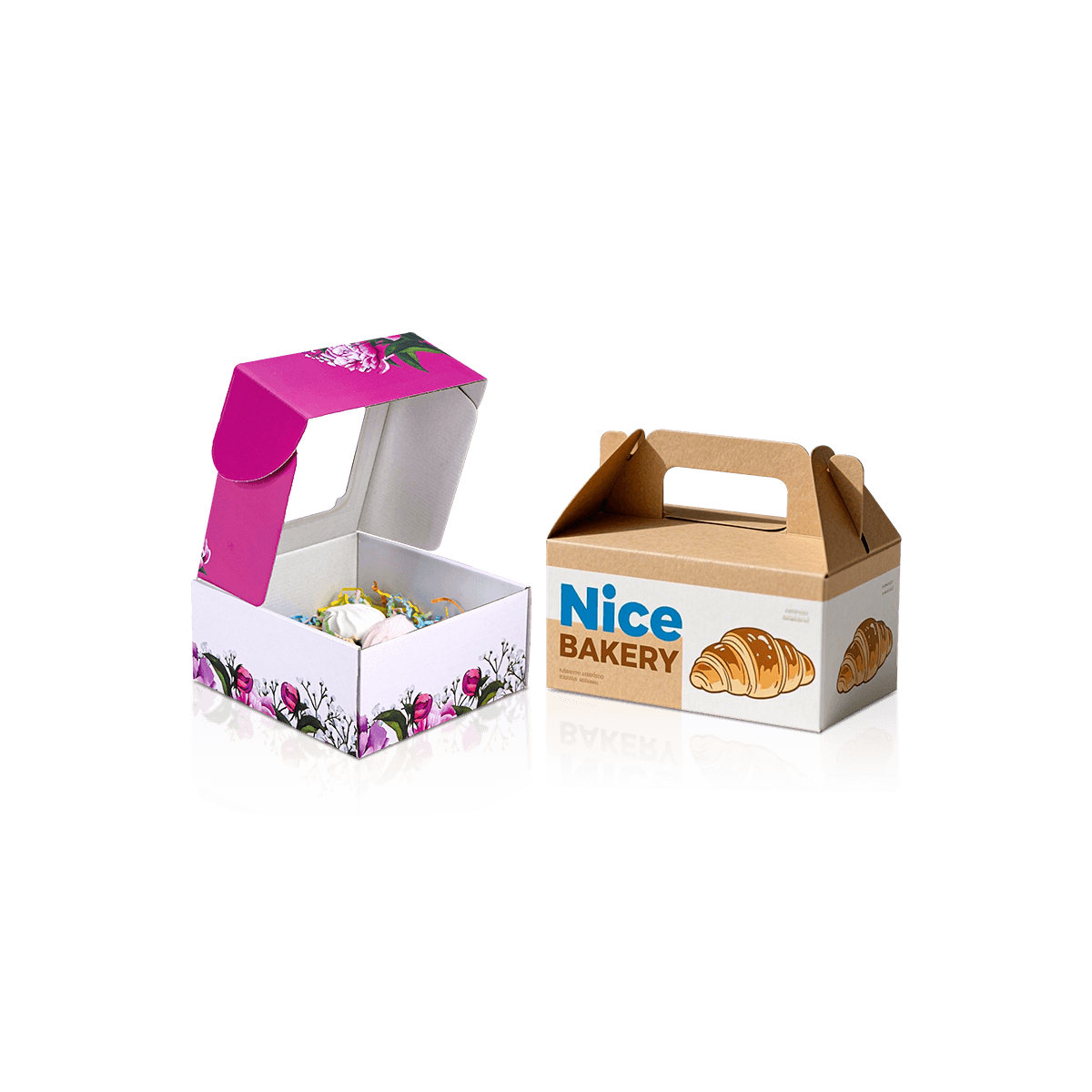
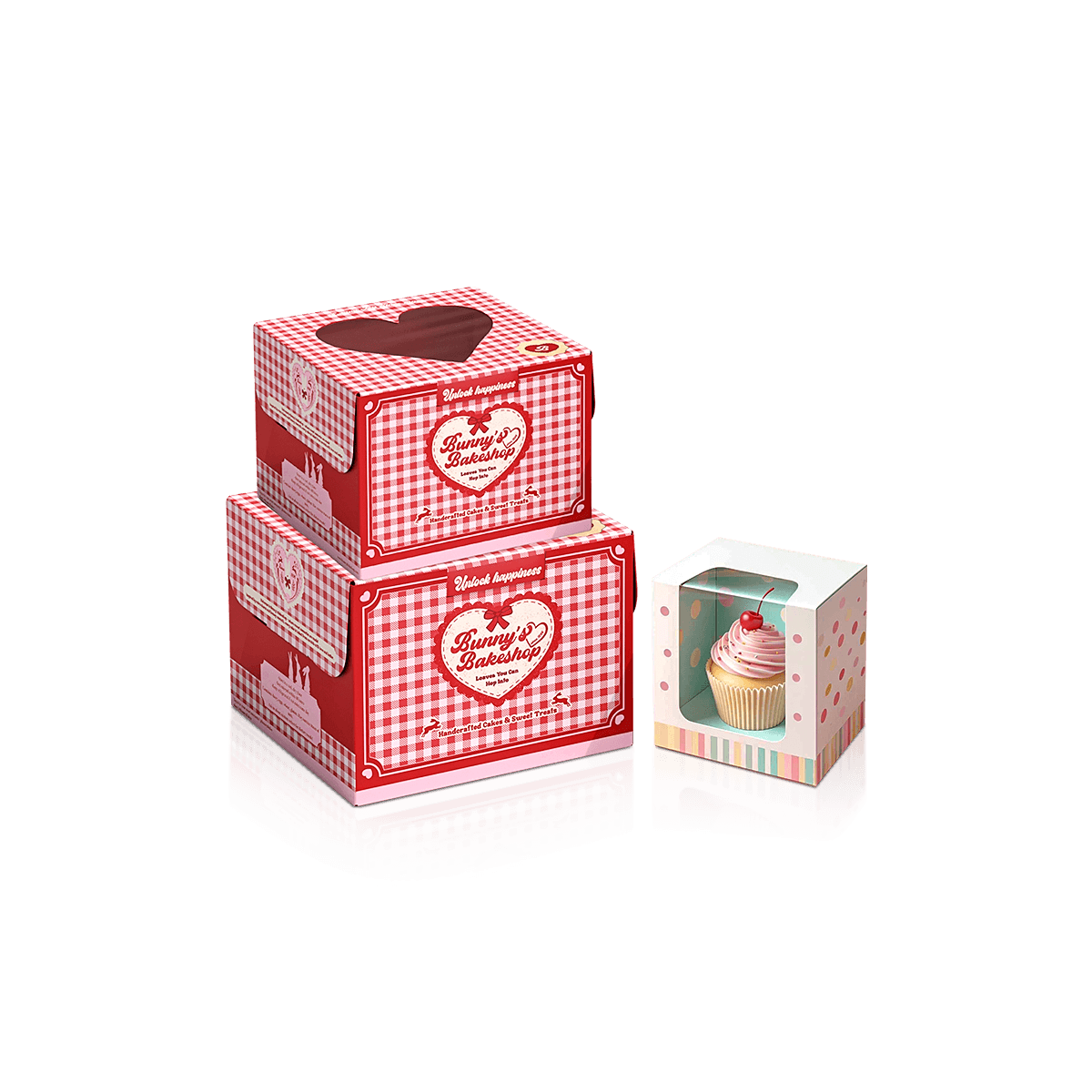
Food Behavior Comes Next

A compostability target does not remove the normal demands of bakery packaging.

Cookies can shed crumbs. Croissants can transfer butter. Brownies can leave oil marks. Glazed pastries can carry moisture and sugar onto the board. Warm bakes can create condensation.

Material selection still has to match the food.

The food, bakery and restaurant packaging structure should follow the way each item is packed, displayed, carried and eaten.

Dry Bakes Are Easier

Dry cookies, crackers, biscotti, scones and some bread products can be simpler candidates for paper-led cartons because the package faces less grease and moisture stress.

That does not mean every uncoated paperboard is suitable for the intended food contact or disposal claim. It means the performance problem is less demanding than a heavily buttered pastry or moist dessert.

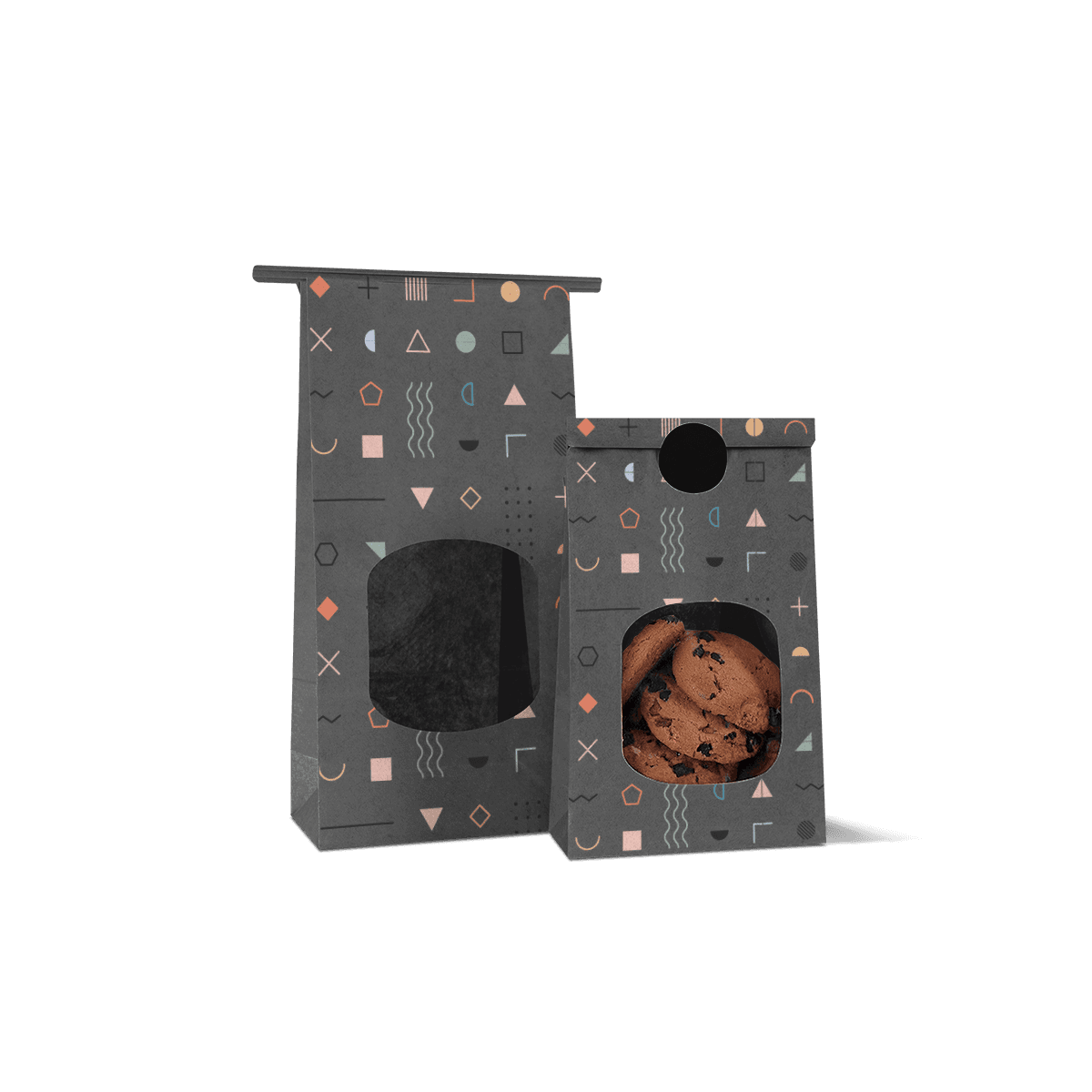
For cookies, the cookie box still needs enough internal control to stop decorated surfaces and brittle edges from rubbing against each other during pickup.

Rich Products Need Barrier Planning

Grease resistance often creates the harder trade-off.

A bakery may want a simple fiber-based carton but also need enough resistance to stop butter or oil from soaking through before the customer gets home. The correct answer depends on the specific product, expected contact time and exact barrier system.

Do not automatically remove functional protection to make the material story simpler. A stained or softened carton has not become a better package merely because fewer components were used.

The practical test is whether the chosen construction can handle the actual pastry for the expected service period while still supporting the intended disposal statement.

Coatings Can Change the Outcome

Coatings are often where performance and disposal goals collide.

A bakery carton may need better grease handling, moisture resistance or print protection. Adding a coating can solve that problem, but the coating must be considered as part of the complete environmental specification rather than treated as an invisible production step.

This is why "uncoated" and "compostable" should not be treated as synonyms either. An uncoated board may simplify the construction, but the finished package still needs suitable documentation for any compostability claim.

Specify the Barrier Need

Define what the box actually has to resist:

  • dry crumb contact
  • light butter transfer
  • prolonged grease exposure
  • condensation
  • chilled holding
  • warm packout
  • icing or glaze contact

A bakery selling one dry cookie assortment and one high-butter pastry assortment may need different packaging specifications even if both cartons use the same printed identity.

Trying to force every item into one sustainability specification can produce either unnecessary material complexity or inadequate food performance.

Avoid Decorative Layers by Default

Glossy laminations and other film-based decorative layers should not be added automatically when compostability is the main objective.

The same applies to specialty embellishments. A finish may still be possible for a particular approved construction, but it should earn its place.

If the packaging needs a strong branded appearance, print, typography, illustration and structural shape can do much of the visual work before extra surface layers are considered.

Windows Need Separate Proof

A clear window can be the most important material decision in a compostable bakery carton.

The board and the transparent patch are different components. If a bakery wants the completed pack to carry a compostability claim, both need to fit that specification along with the adhesive used to attach the window.

A conventional clear plastic window should never be treated as environmentally interchangeable with a documented compostable window material.

For bakeries where product visibility is more important than the disposal route, window bakery boxes can put sightline, window strength and product presentation first.

Visibility Is Not Mandatory

Removing the window entirely can make sense when the baked goods already sell through labels, photography, display trays or an established counter presentation.

That creates more uninterrupted paperboard for branding and can simplify the material system.

A closed carton also avoids a second material at the most visible point of the package.

Keep the Window Purposeful

If visibility genuinely matters, decide exactly what the customer needs to see.

A small opening showing a neat cookie assortment may be more effective than a large cutout that adds material complexity and weakens the lid.

Window size should therefore be justified by merchandising, not by the assumption that every premium bakery carton needs transparent film.

Right-Size Before Changing Stock

Using a different material is only one way to reduce packaging impact.

An oversized carton consumes more board and can require liners, tissue or internal support simply because the product is moving inside it. Better dimensions can reduce material without weakening the structure.

That makes right-sizing especially relevant for bakeries with predictable counts such as six cookies, four pastries or a fixed brownie assortment.

Fit the Selling Count

Start with the count people actually purchase.

If most orders contain six cookies, design around six. If a breakfast pastry program normally sells four items, establish the arrangement before deciding the carton dimensions.

Avoid starting from an existing oversized stock box merely because staff already know how to fold it.

The same logic becomes more important for bread boxes, where loaf length, crust shape and compression risk create a very different use of board than a shallow pastry carton.

Empty Space Needs a Reason

Some clearance is necessary for loading and delicate surfaces. Excess space is different.

If the box needs tissue or filler only because the carton is too large, correct the footprint before adding more material. If separation is necessary to stop products touching, a simple paperboard partition may make more sense than a larger outer carton.

The aim is not minimum material at any cost. It is enough material for the food to travel cleanly without avoidable excess.

Printing Should Support Disposal

Sustainability messaging is stronger when the printed carton tells customers exactly what to do with it.

The message should match the approved specification. Avoid vague statements such as "planet friendly," "green" or "good for the earth" when a more precise disposal instruction can be used.

A clear statement about the intended disposal route is more useful than decorative environmental language.

Reserve a Disposal Panel

Decide where the instruction will sit before filling every panel with branding.

A side or bottom panel can carry a short disposal statement while the main faces remain focused on the bakery name, product identity and required food labeling.

Keep the instruction readable. Tiny environmental copy placed beside several icons can create more confusion than one direct sentence.

Artwork Must Match the Stock

Natural kraft stock changes color reproduction. Whites do not print as they do on a bright white board and lighter colors can shift because the paper color remains part of the visual result.

White paperboard can give cleaner reproduction for colorful bakery identities but should still be assessed against the required material and disposal specification.

The differences between paperboard, kraft and other packaging materials matter because print appearance and structural behavior change with the stock.

Custom Packly can review dielines and artwork before production and issue a digital proof. Free 3D mockups can also help confirm the printed hierarchy before the run begins.

Packout Can Defeat Good Material

A strong environmental specification can still become awkward during daily bakery service.

If the box takes too long to erect, staff may preassemble large quantities and consume valuable counter or storage space. If closure tabs are difficult to engage, employees may add stickers or tape that were never considered in the original material plan.

The service routine therefore belongs in the specification.

Count Every Added Component

Look at what staff actually use at the counter:

  • carton
  • liner
  • tissue
  • sticker
  • tape
  • label
  • ribbon
  • insert

Each item may have a reason, but the whole handoff should be considered together.

A carefully selected carton followed by an unnecessary plastic sticker, synthetic ribbon and extra bag can create a mixed-material pack that no longer matches the intended disposal message.

Folding Speed Still Matters

The carton should open and lock without repeated manipulation during a busy service period.

For bakeries packing many daily orders, an efficient folding structure may create more operational value than an elaborate closure chosen only for appearance.

A plain structure that staff consistently assemble correctly is often better than a complicated structure that needs workarounds at the counter.

Heavy Products Change the Priority

Compostability should not override structural safety.

A carton carrying a dense loaf, large brownie assortment or heavier baked set still needs a base and side walls suited to the load. If a lighter stock flexes too much, increasing structural strength can be the responsible decision.

Packaging failure can waste the food as well as the carton.

Cake Weight Is Different

Celebration cakes place concentrated load through the cake board and often require substantially more support than lightweight cookies or pastries.

A dedicated custom cake box should follow cake-board dimensions, finished height, decoration and transport conditions rather than being weakened to match a sustainability preference.

A compostable direction may still be investigated, but the product load comes first.

Short Carry Still Counts

Even counter pickup creates handling stress.

Customers lift boxes from one edge, place them on car seats and stack them with other purchases. The box needs enough stiffness to survive those ordinary actions without bowing into the food.

A compostable specification that cannot perform the expected handoff needs revision before production.

Confirm the Exact Claim

The final artwork should not use a compostability claim copied from a previous carton, a supplier sample or a different material.

Confirm the exact construction first.

That means reviewing the stock, coatings, window, adhesive and any other permanent component that leaves the bakery with the customer. If the approved material documentation supports only a specific composting environment, the wording should preserve that distinction.

The food packaging mistakes worth avoiding here are not limited to weak board or poor fit. Sustainability language also needs to follow what the actual package can support.

Verify Before Pricing

Compostability should appear in the commercial brief as a firm technical requirement if it cannot be substituted.

Record the bakery item, packed dimensions, quantity, grease or moisture exposure, whether food touches the carton, window requirements, printing needs and the disposal claim you intend to make.

That gives the material decision a clear purpose rather than asking for a generic "eco box."

MOQ starts from 100 boxes in the USA. Standard turnaround is 4–6 days after final artwork and specifications are approved, while specialty materials or more complex constructions may require additional time.

Pricing should follow only after the exact material system and the intended disposal wording have been checked against the documentation for that construction.

Let the Disposal Statement Lead

The best final check is the sentence you expect to print on the box.

If you cannot state the disposal route clearly and support it for the complete construction, the package is not ready to be marketed around compostability.

That one test forces the important decisions into the right order. Material documentation comes before green-looking artwork. Barrier requirements come before removing coatings. Window specification comes before assuming transparency is compatible. Structural strength comes before reducing board weight.

For bakery packaging, the strongest sustainability claim is the one the finished box can actually support while still protecting the food it was made to carry.

FAQs

Bakeries may investigate compostable packaging when end-of-use requirements are part of the specification. The finished carton should only be described as compostable after the board, coatings, window, adhesives and other permanent components are verified for the intended composting route.

They can only be specified after the exact food, grease exposure and barrier requirement are known. Dry products are usually less demanding, while oily or heavily iced items may require a barrier that must also be checked against the intended compostability claim.

Use a window bakery box when product visibility drives the display. If compostability is a firm requirement, verify the complete material system and intended composting route before choosing or marketing a compostable construction.

Yes, when the exact construction has been verified for a specific disposal route. The printed instruction should state that route clearly instead of relying on broad environmental wording.

No. The structural idea can suit cafés, bakery counters, market sellers and event service, but the compostability claim still depends on the verified complete material system rather than the type of business using it.

Process

How it works

Your Packaging Journey, From Idea to Production and Delivery

01

Tell Us Your Specs

Custom packaging boxes

Tell Us Your Specs

Provide size, quantity, printing, and finishes.

02

Get a Fast Quote

Custom packaging boxes

Get a Fast Quote

Instant transparent pricing, no hidden fees.

03

Design and Approval

Custom packaging boxes

Design and Approval

Artwork checks, revisions, and final sign-off.

04

Produce

Custom packaging boxes

Produce

Expert manufacturing to meet deadlines.

05

Ship to Your Door

Custom packaging boxes

Ship to Your Door

Hassle-free, flexible delivery options.

Get Your Quote for Custom Compostable Bakery Boxes

Share your product details, size, quantity and artwork needs. We’ll help choose the right packaging style and send a clear quote.