Empty Space Is the First Waste Signal
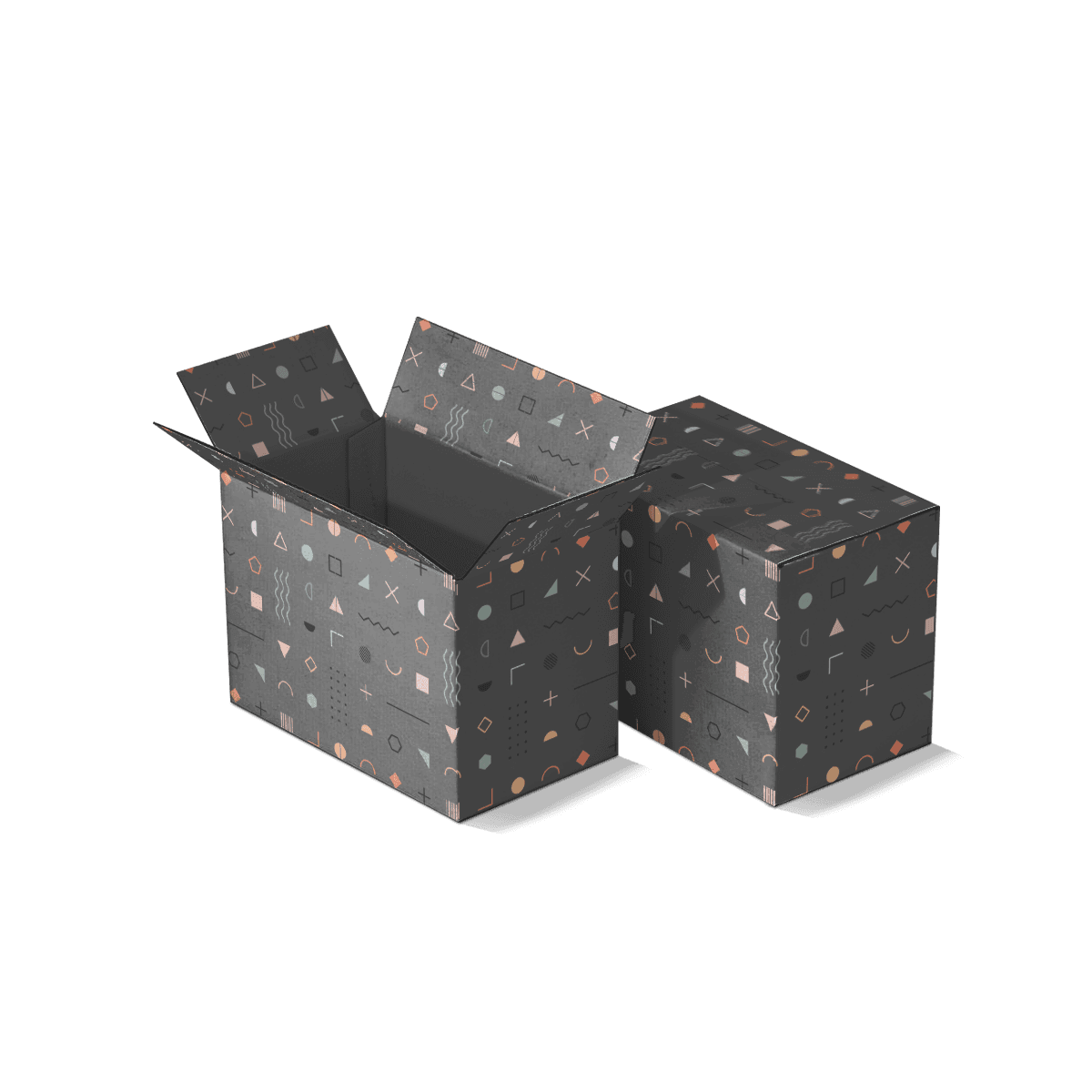
An oversized e-commerce box creates problems before material choice even enters the conversation.
It uses more board than the product needs. The empty cavity often requires filler. More warehouse space is consumed before packing, and the shipped order occupies more volume afterward.
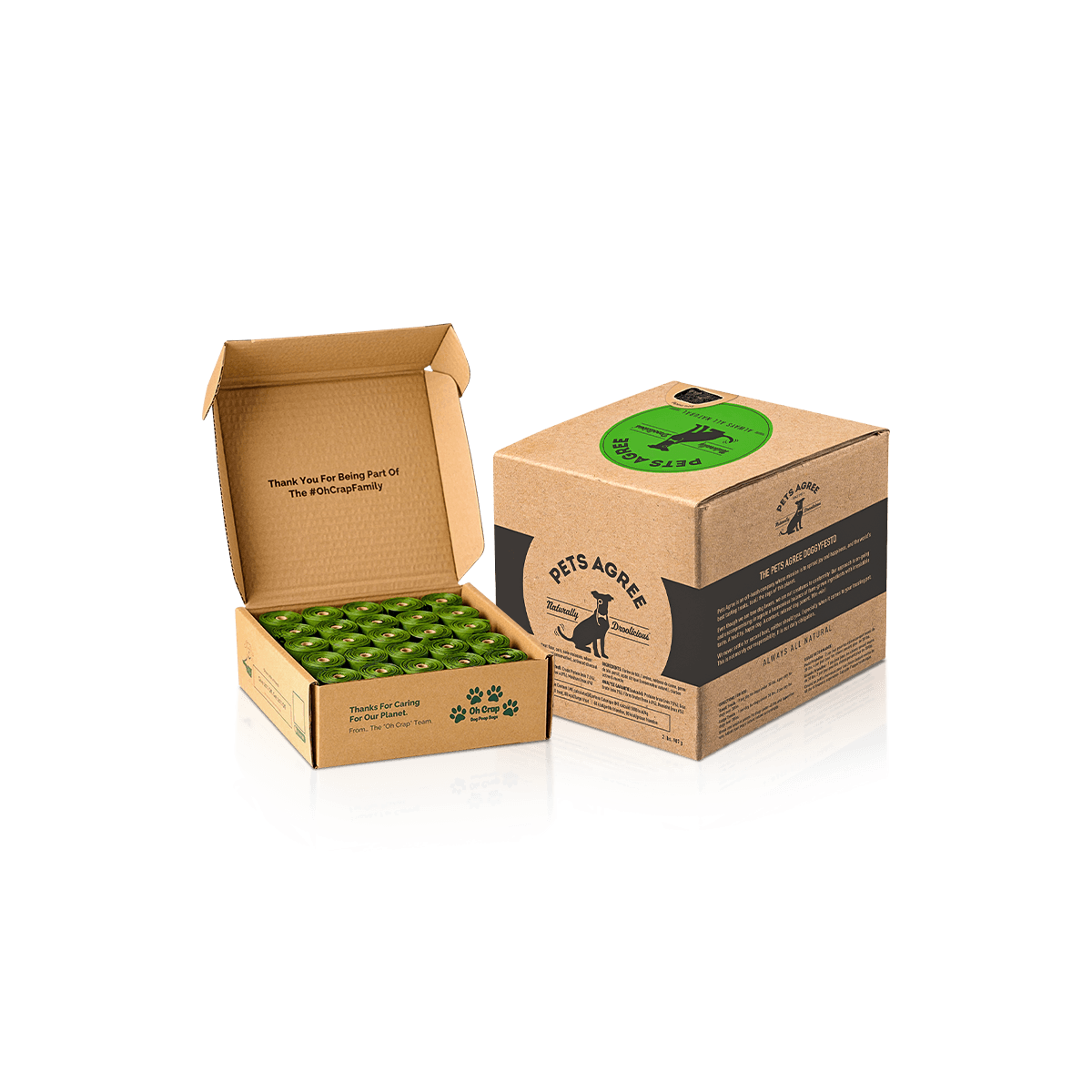
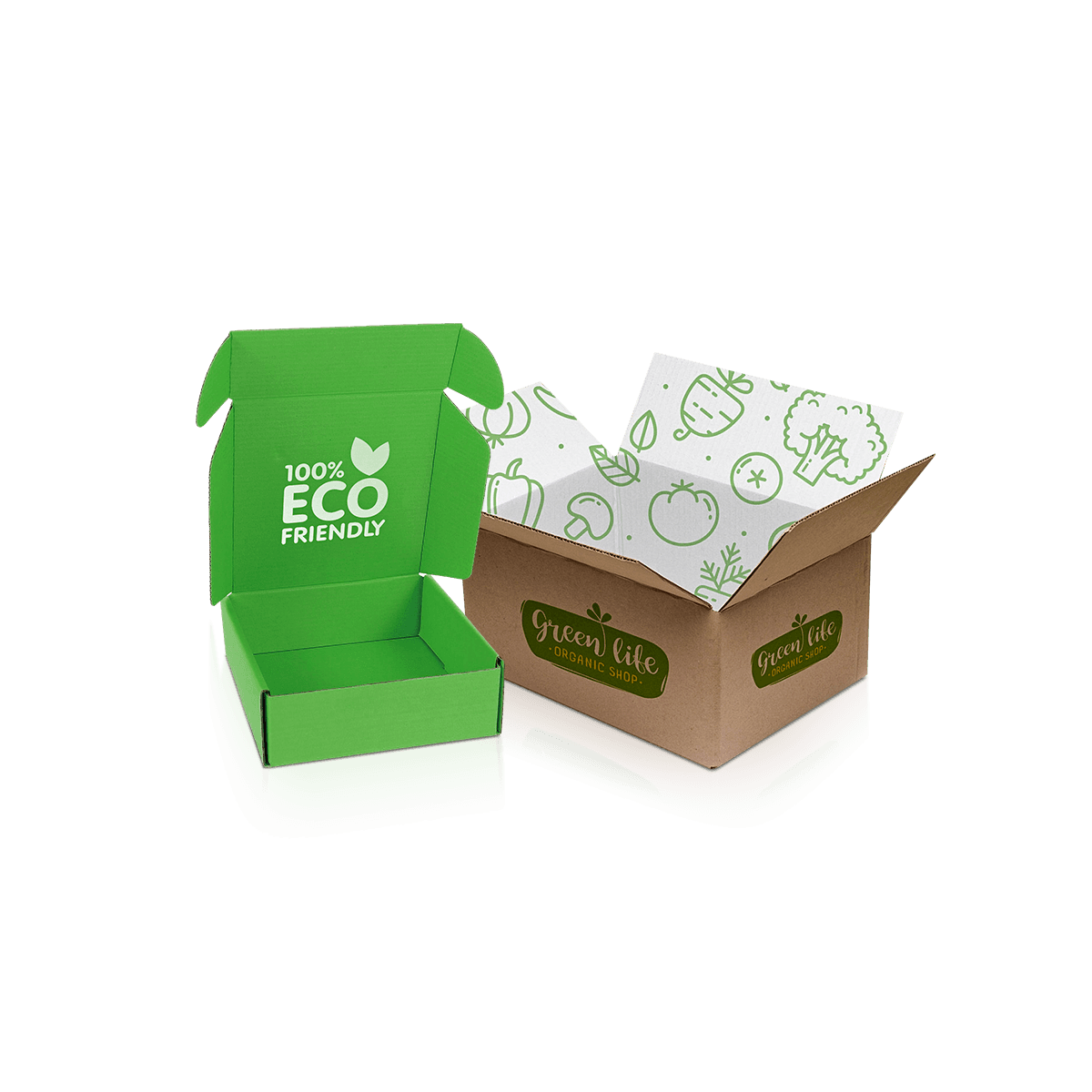
Custom Eco-Friendly Boxes should therefore begin with the packed dimensions of the order rather than with a material that merely looks environmentally responsible.
For e-commerce retail packaging, that means asking how much packaging the product actually needs to travel safely.
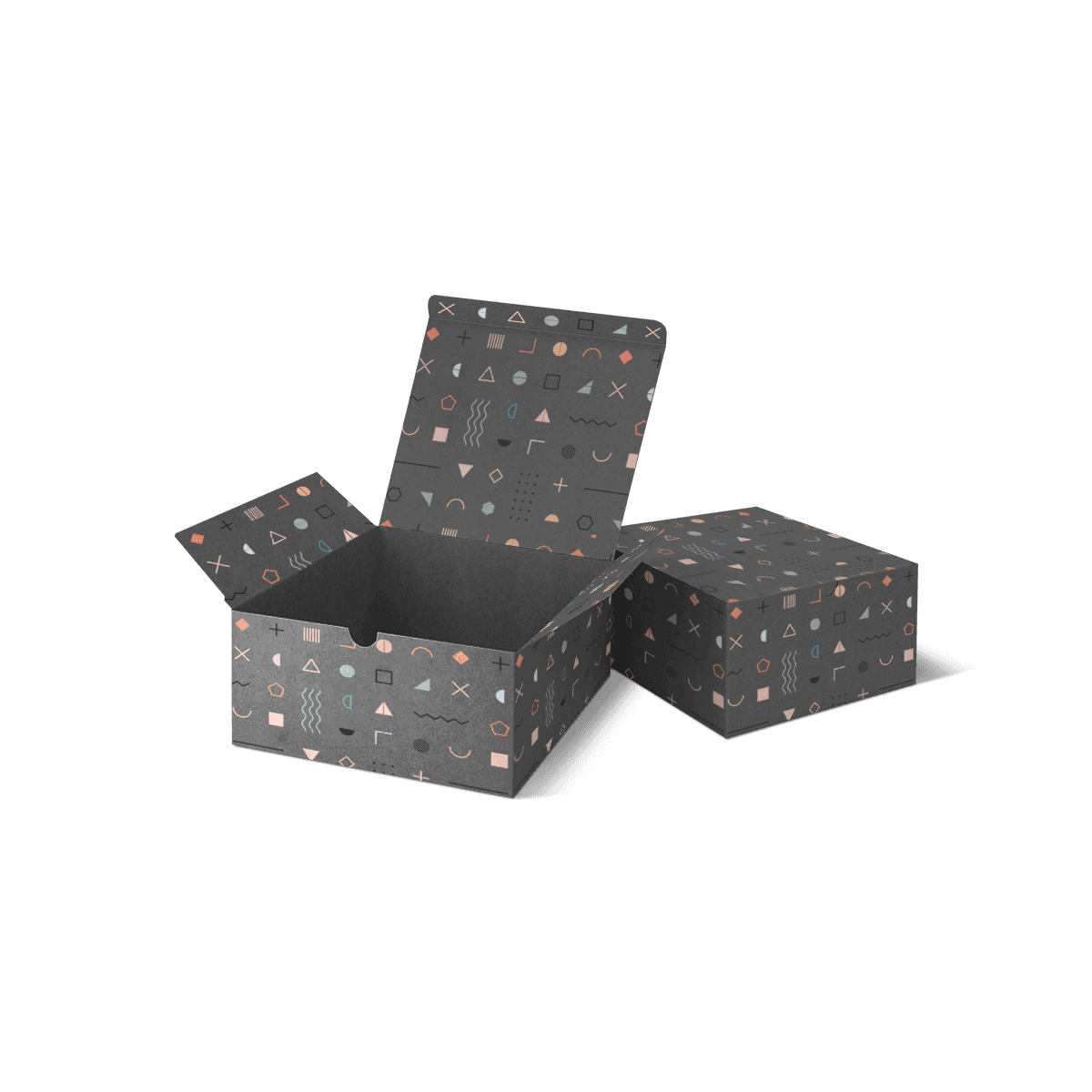
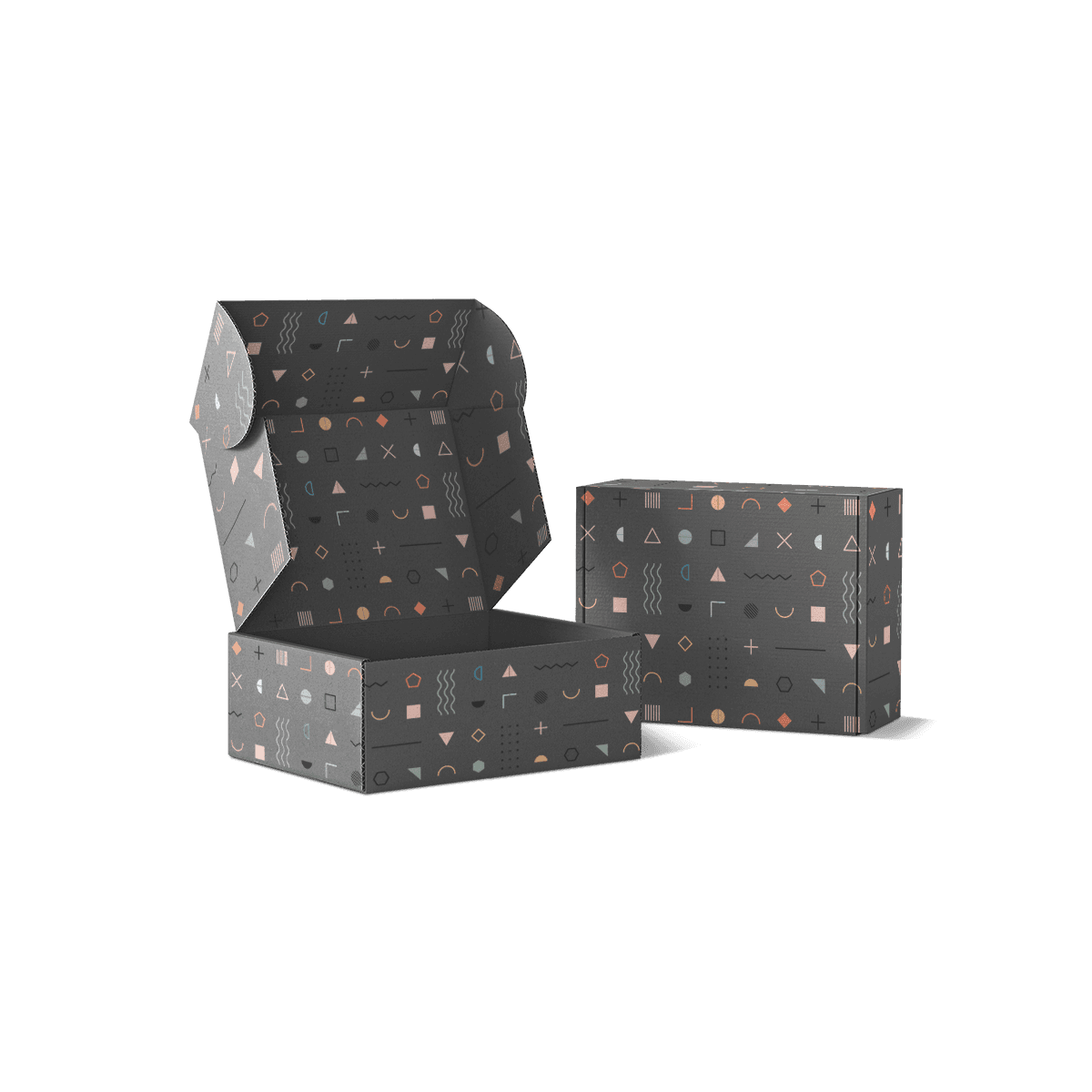
A compact corrugated mailer around a stable product can be a better lower-waste direction than an oversized kraft box filled with layers of paper simply because the second option looks more natural.
The structure has to earn the environmental language attached to it.
Right-Sizing Has a Limit
Removing unnecessary space does not mean eliminating all clearance.
Fragile products may still need cushioning. Corners may need separation from the outer wall. A bottle may require an insert that prevents movement. A multi-item order may need controlled gaps between components.
The objective is unnecessary space reduction, not minimum dimensions at any cost.
If making the box smaller causes product damage, returns or repacking, the specification has gone too far.