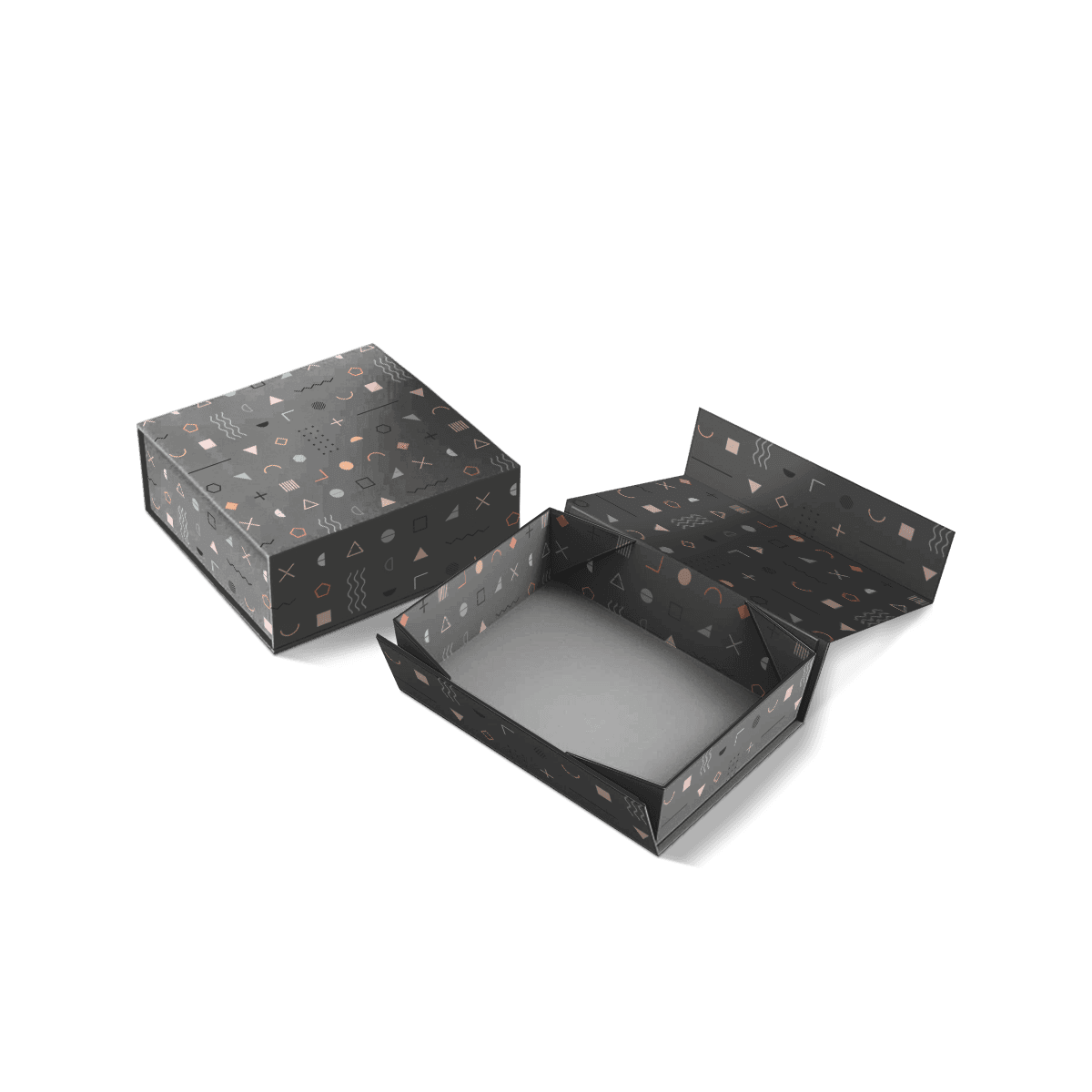
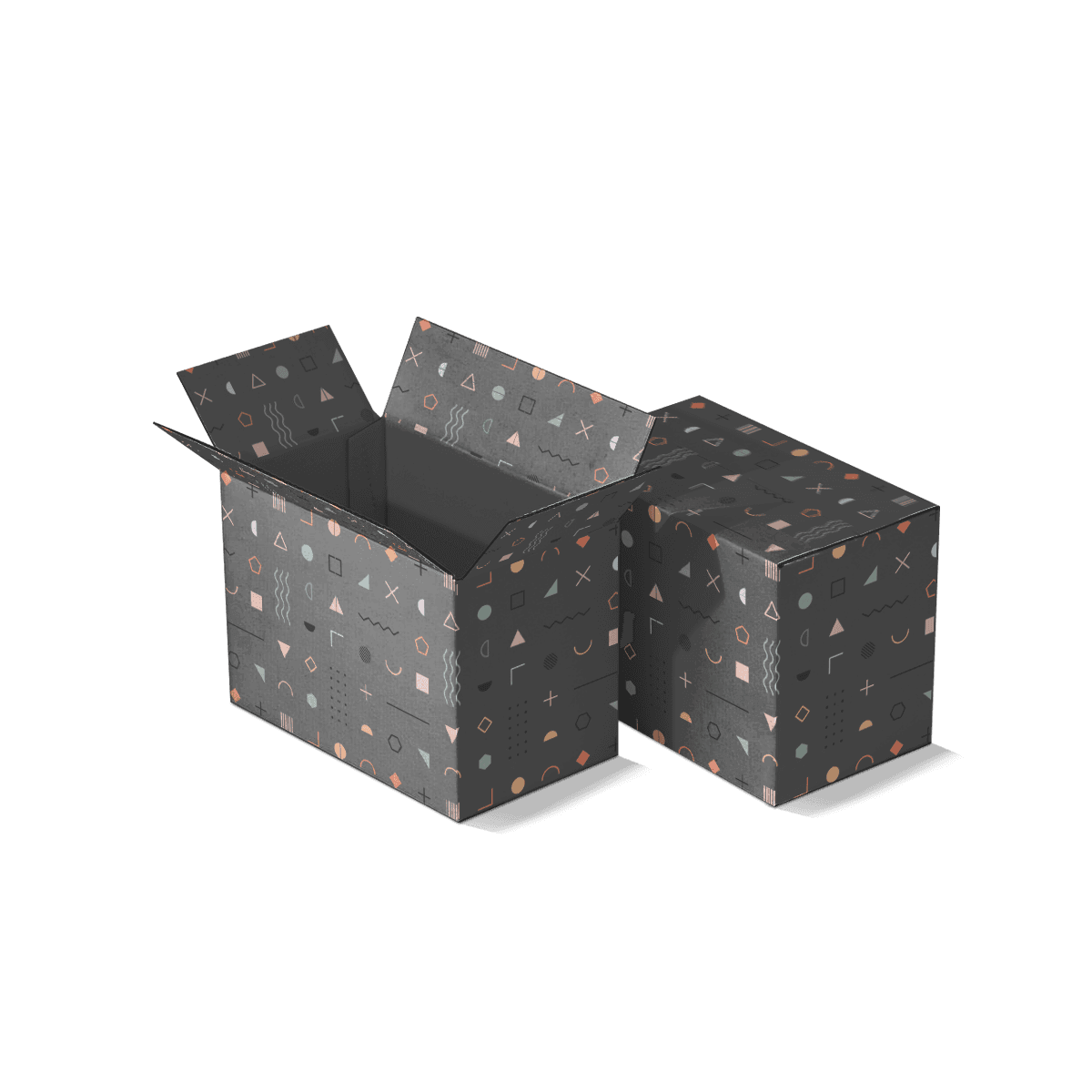
Recycled Board Choices
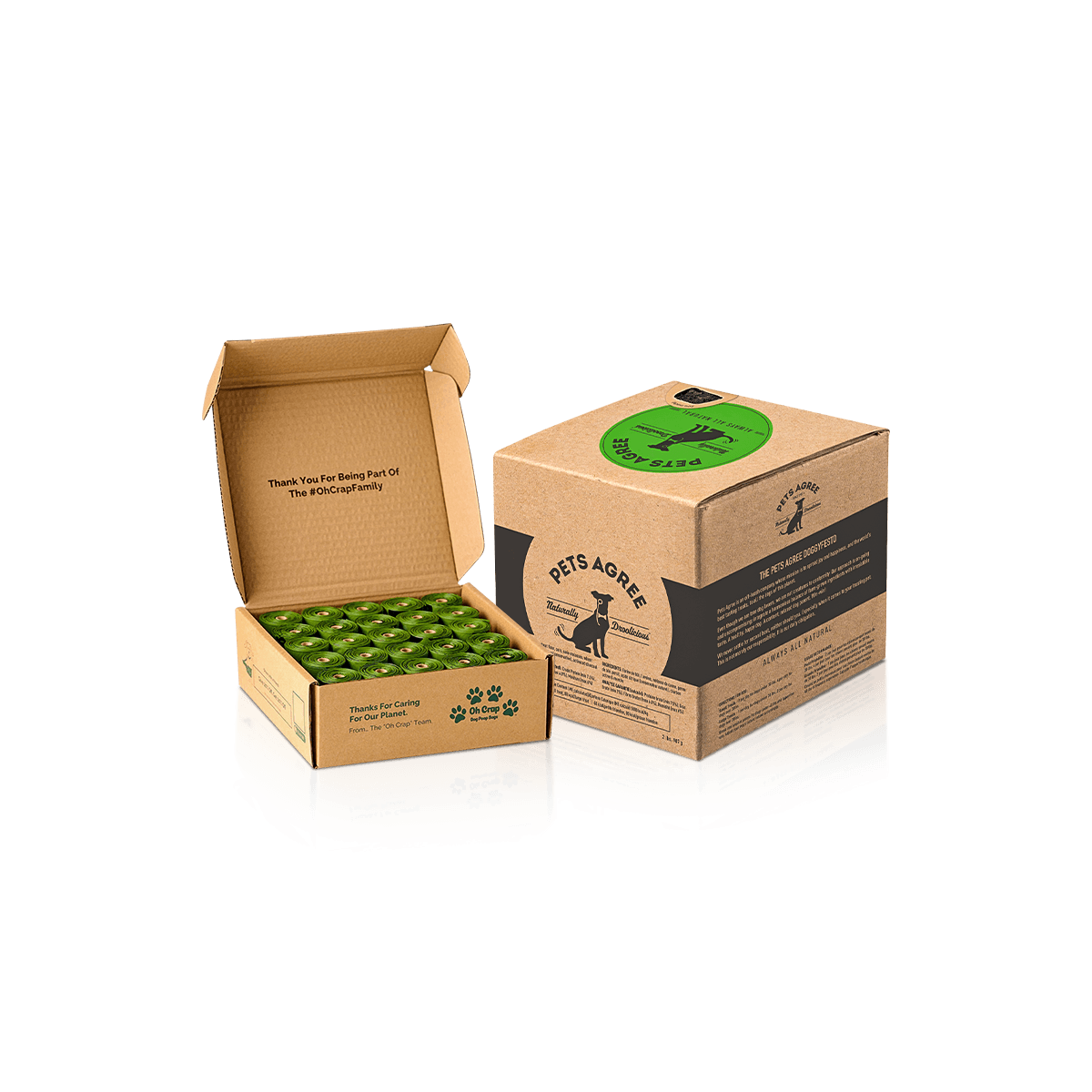
Use recycled paperboard or kraft stock when the goal is a cleaner material profile with solid everyday performance.
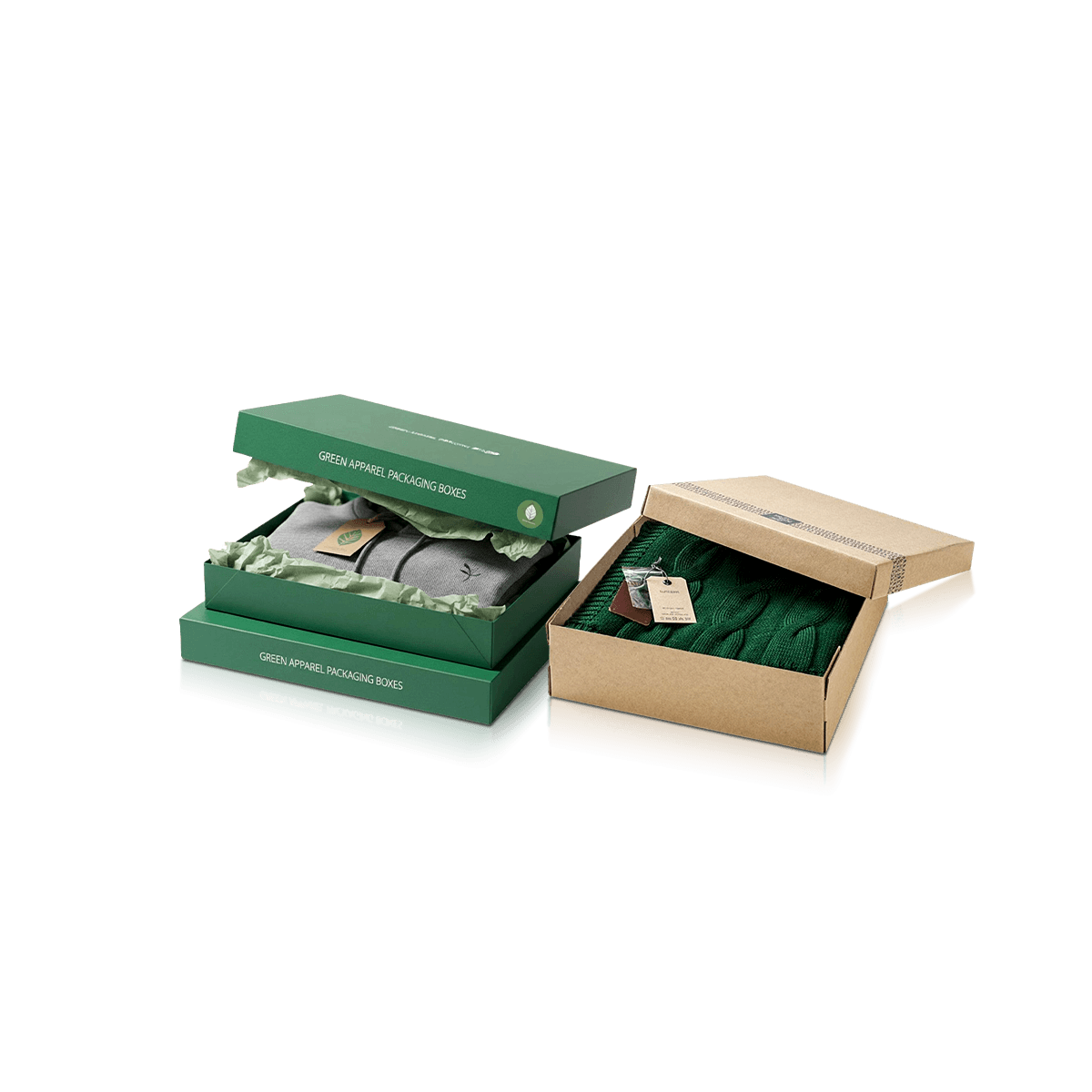
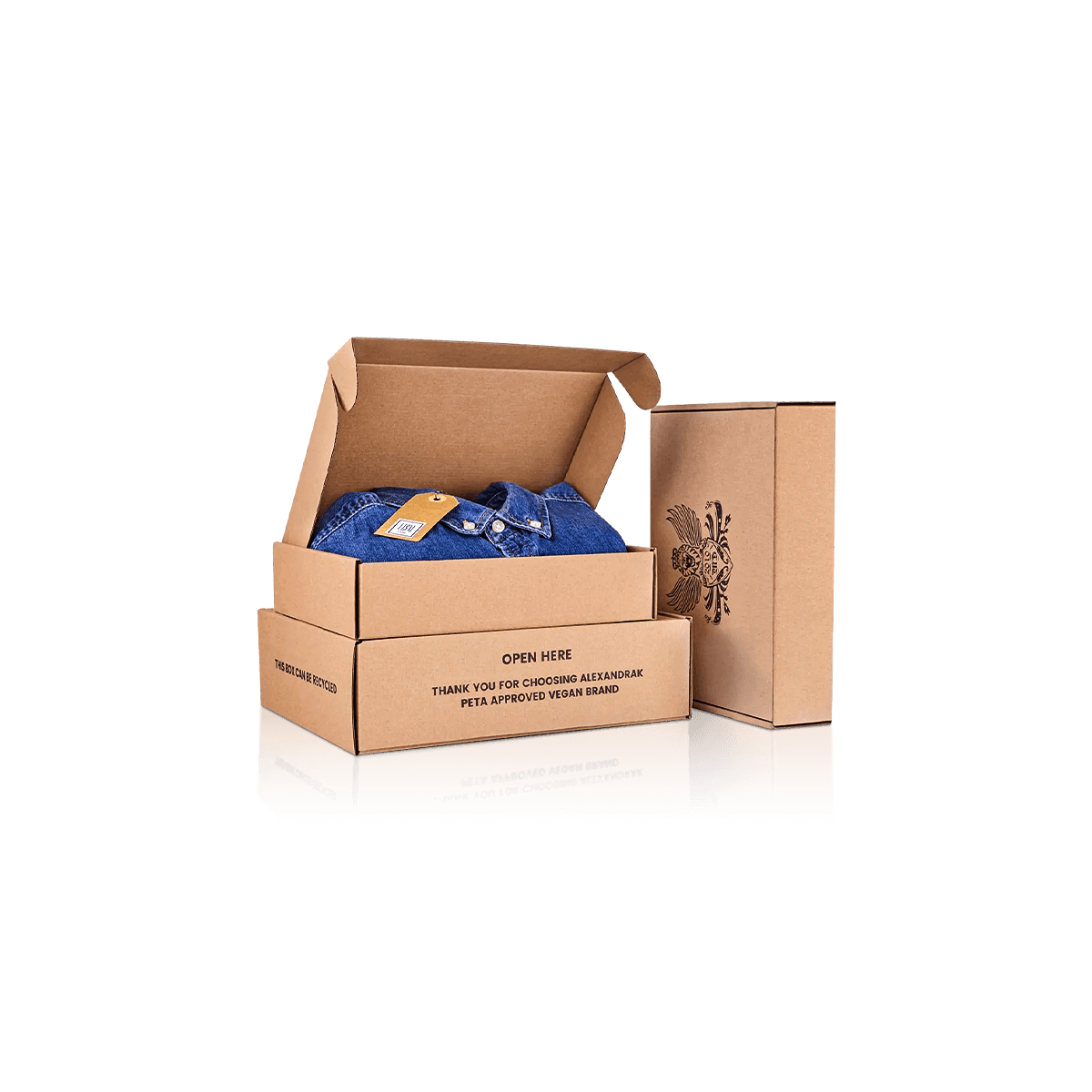
Lower-impact apparel packaging works best when it reduces waste in real ways instead of relying on vague claims. Eco-Friendly Apparel Boxes can help by using recycled paperboard, kraft stock, lighter pack formats, paper-based inserts and tighter sizing that cuts empty space around folded garments. For fashion brands, merch teams, boutique retailers, and DTC programs, that means a box can support sustainability goals while still handling size labels, care cards, and everyday fulfillment demands.
Uses materials and layouts that support lower-waste apparel packing
Reduces oversized packouts for folded garments and soft sets
Makes it easier to move away from plastic-heavy presentation details
Supports cleaner messaging for brands with sustainability goals
Keeps retail handoff and ecommerce prep efficient for packing teams
Use recycled paperboard or kraft stock when the goal is a cleaner material profile with solid everyday performance.
Custom sizing helps reduce void space, material use and unnecessary dimensional weight around folded apparel.
Paperboard inserts, molded pulp options and tissue wraps can organize garments without relying on heavier mixed materials.
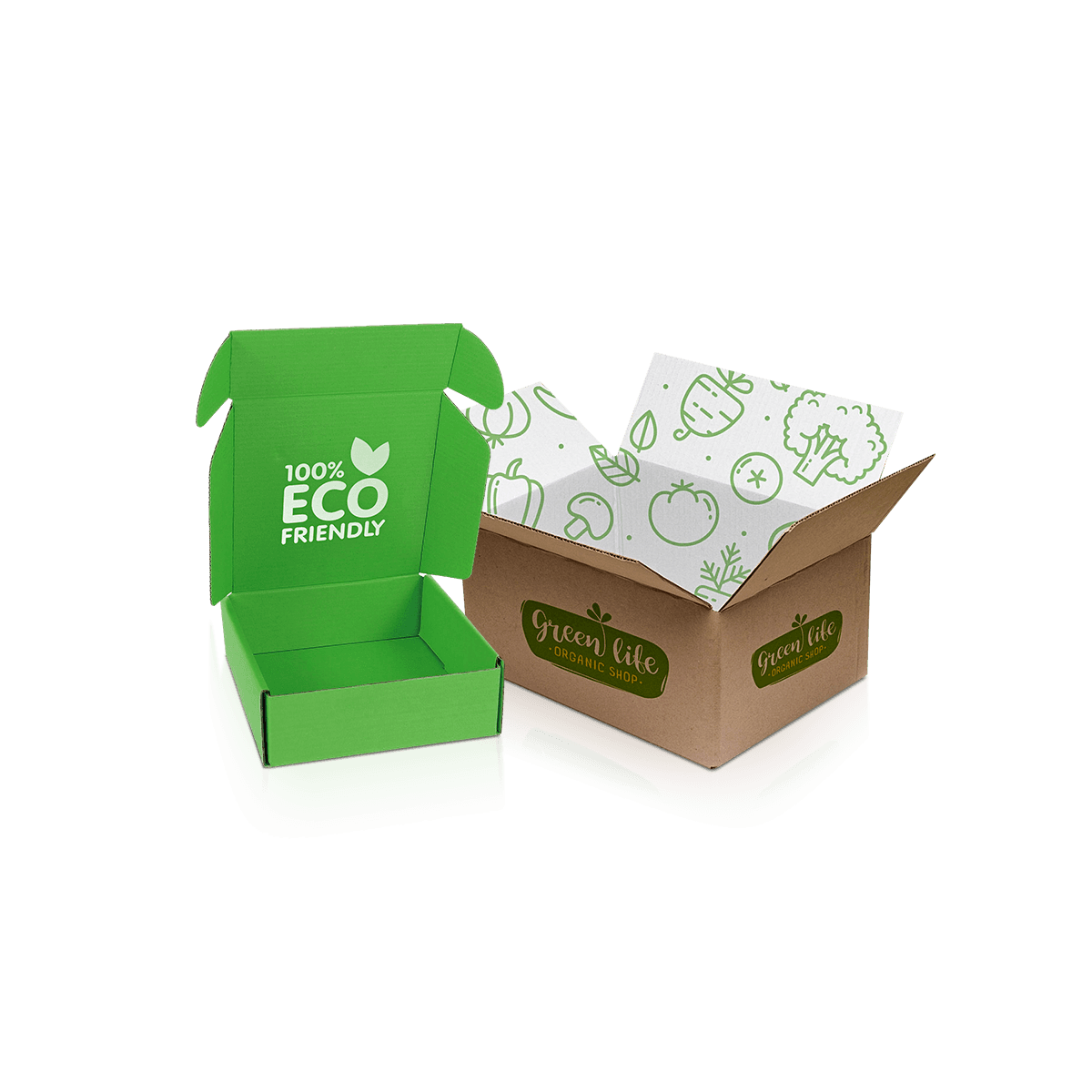
Uncoated looks, water-based inks and simpler finish paths can keep the box easier to recover after use.
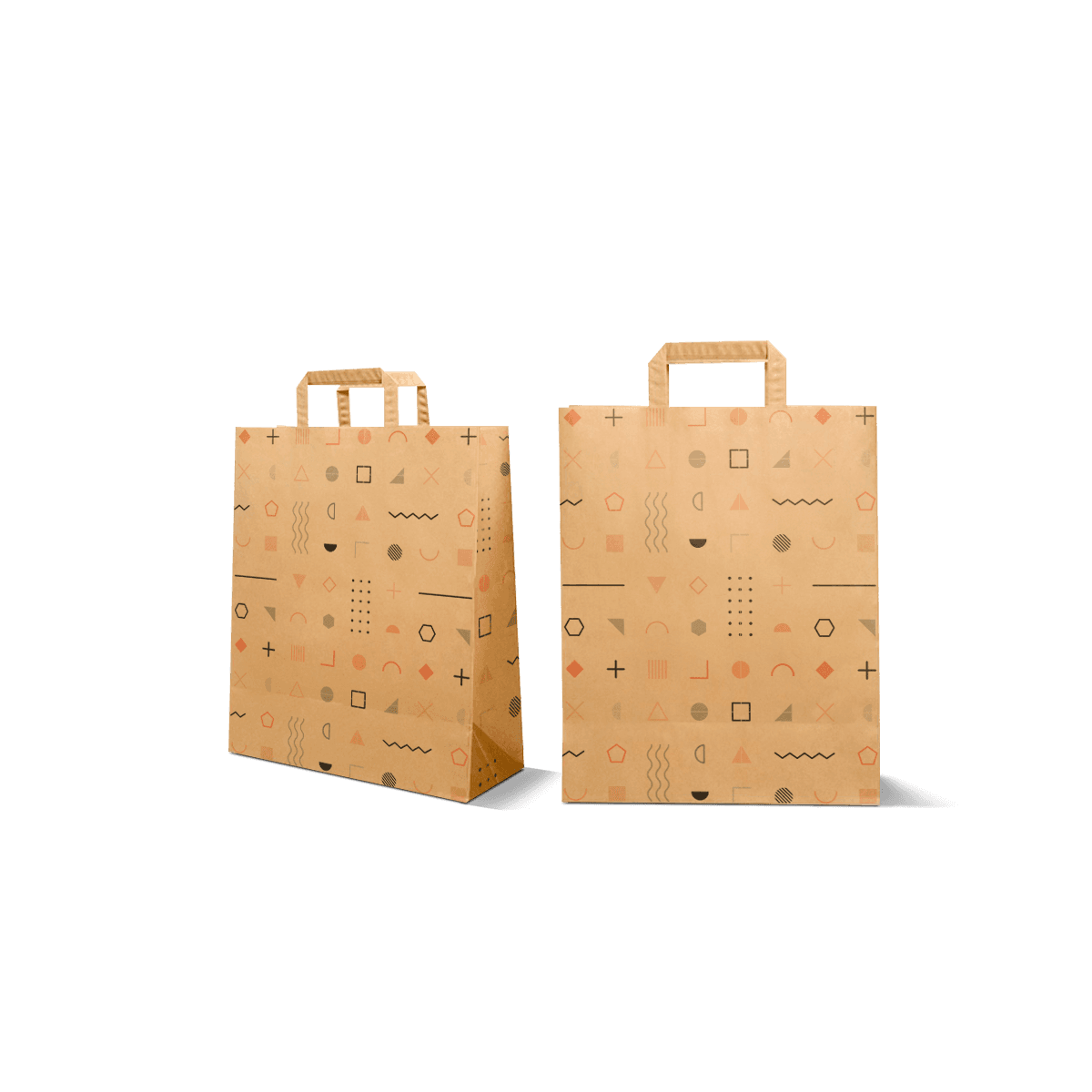
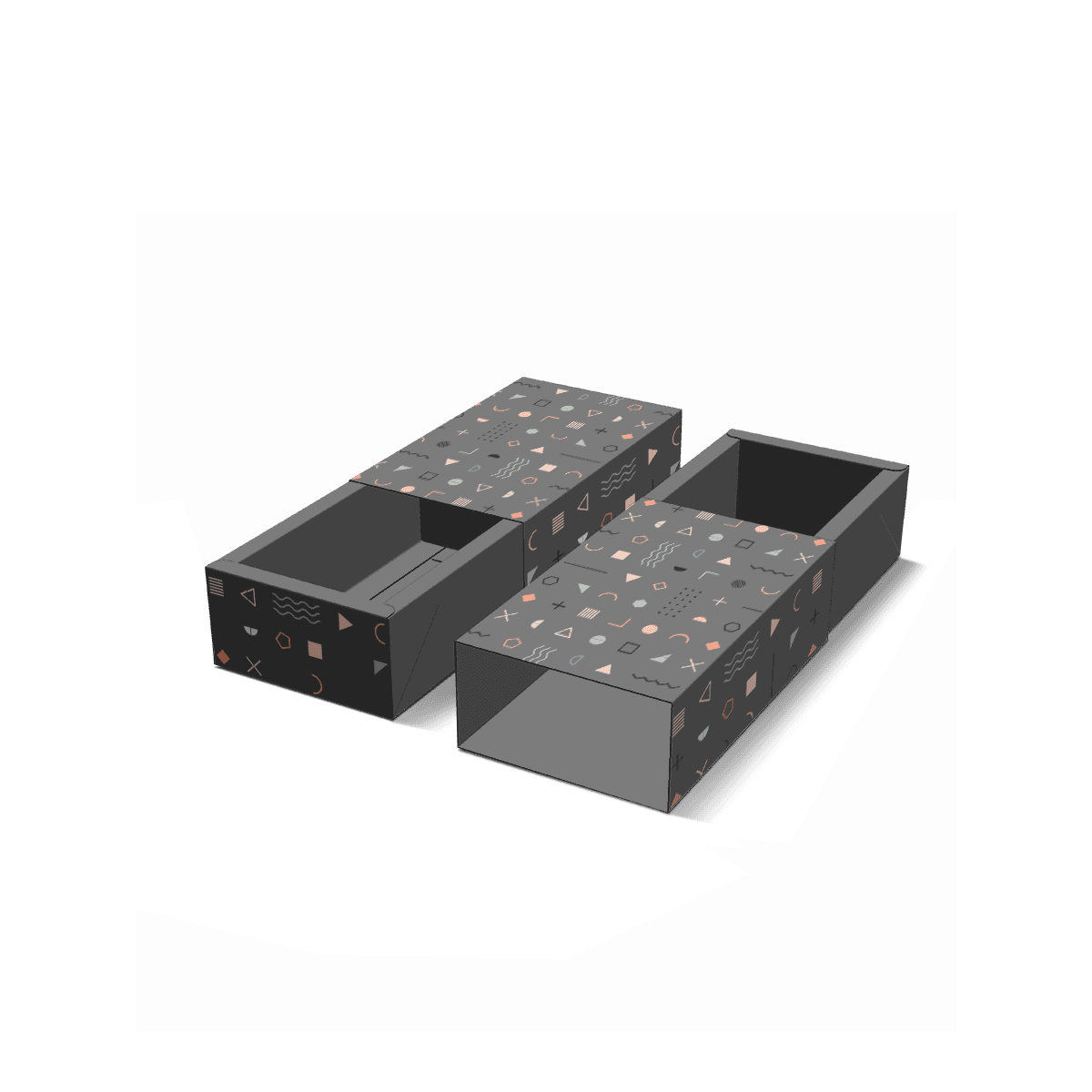
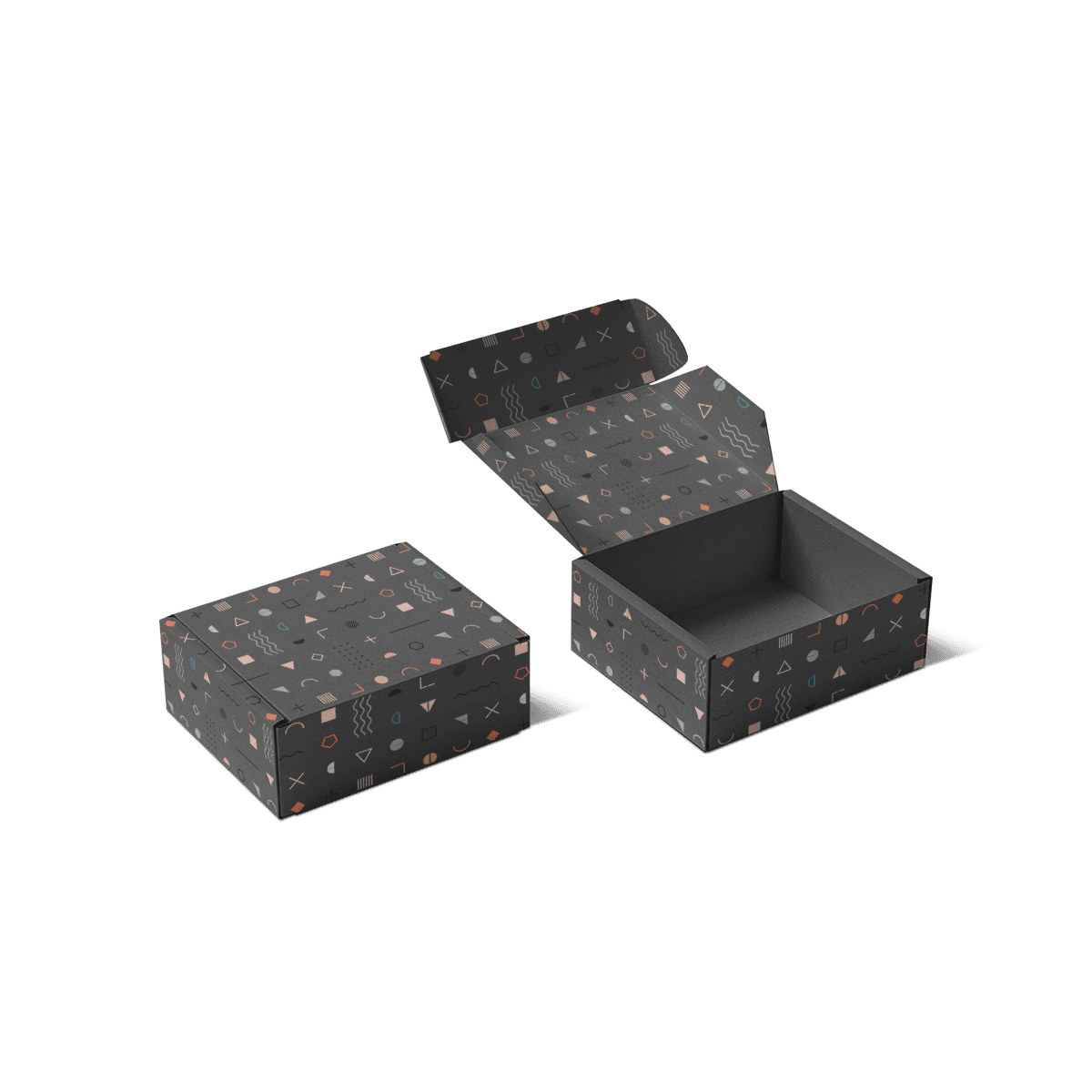
Personalized print layouts, inside messaging and restrained logo treatment can keep the sustainability story clear without overbuilding the pack.
DTC apparel orders that need an inner garment box with less excess material
Boutique clothing lines using tissue-wrapped fold packs at checkout
Seasonal merch drops where lower-waste packaging supports campaign messaging
Schoolwear and uniform programs packed by size for cleaner batch fulfillment
Subscription fashion assortments that need a neater paper-based presentation
Simple steps from idea to delivery
Tell Us Your Specs
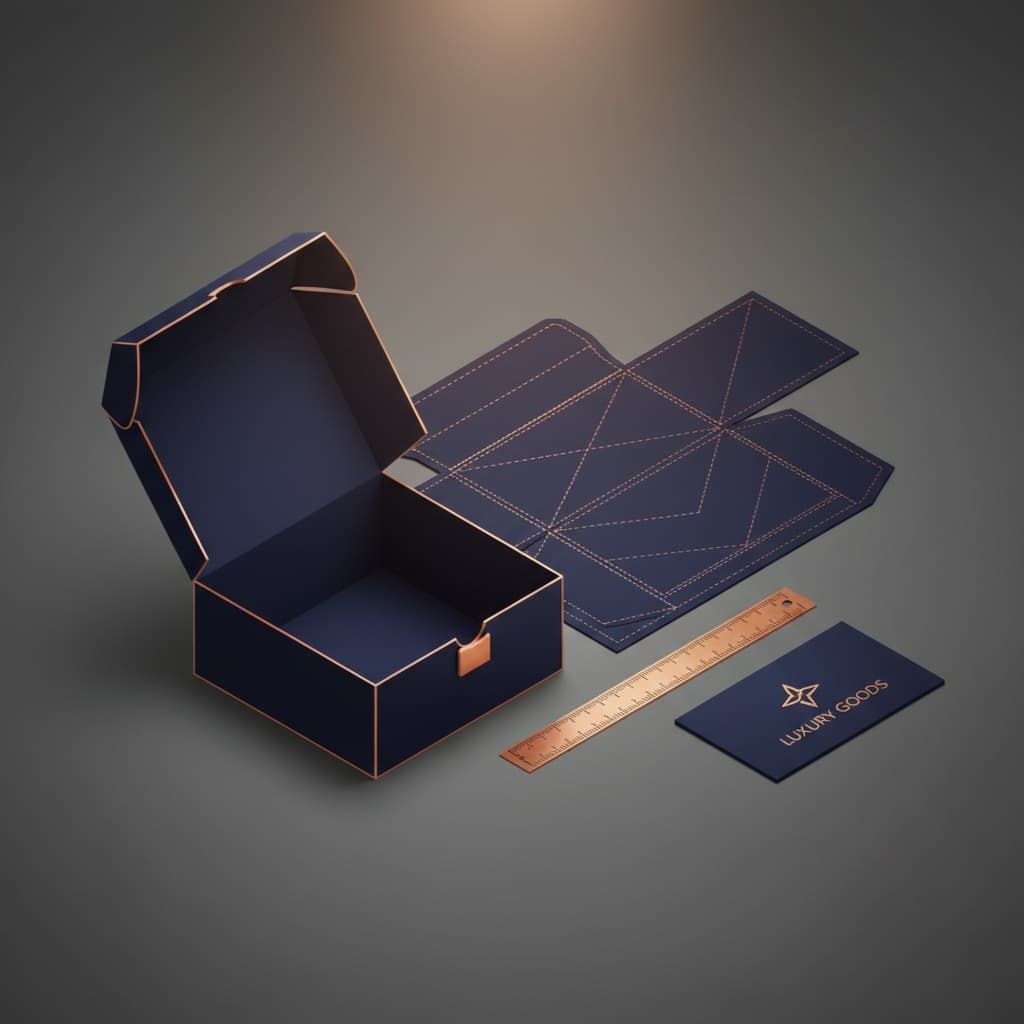
Provide size, quantity, printing, and finishes.
Get a Fast Quote

Instant transparent pricing, no hidden fees.
Design and Approval

Artwork checks, revisions, and final sign-off.
Produce

Expert manufacturing to meet deadlines.
Ship to Your Door

Hassle-free, flexible delivery options.
Share your product details, size, quantity and artwork needs. We’ll help choose the right packaging style and send a clear quote.