Skip to content
Details

Custom Flat Fold Rigid Boxes

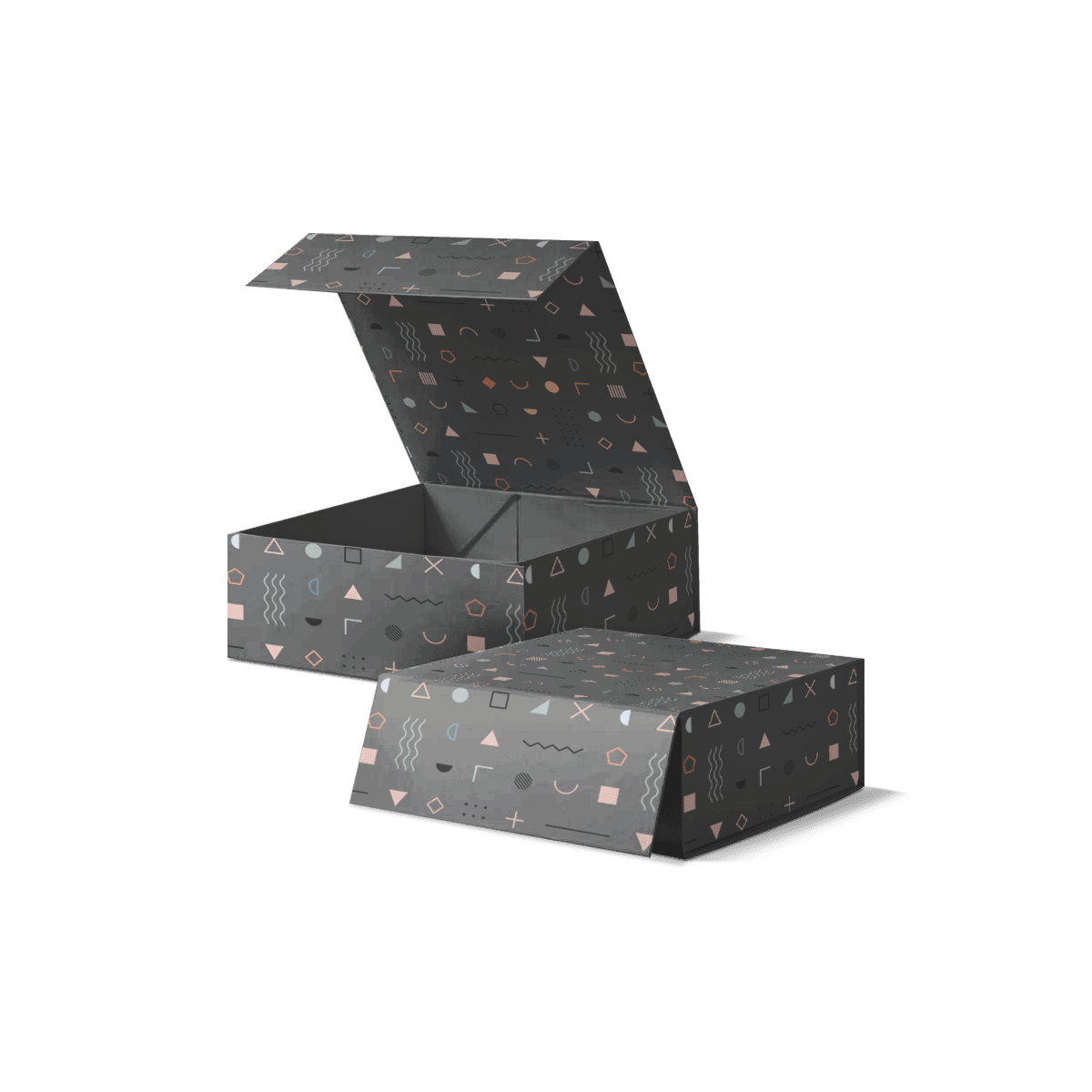
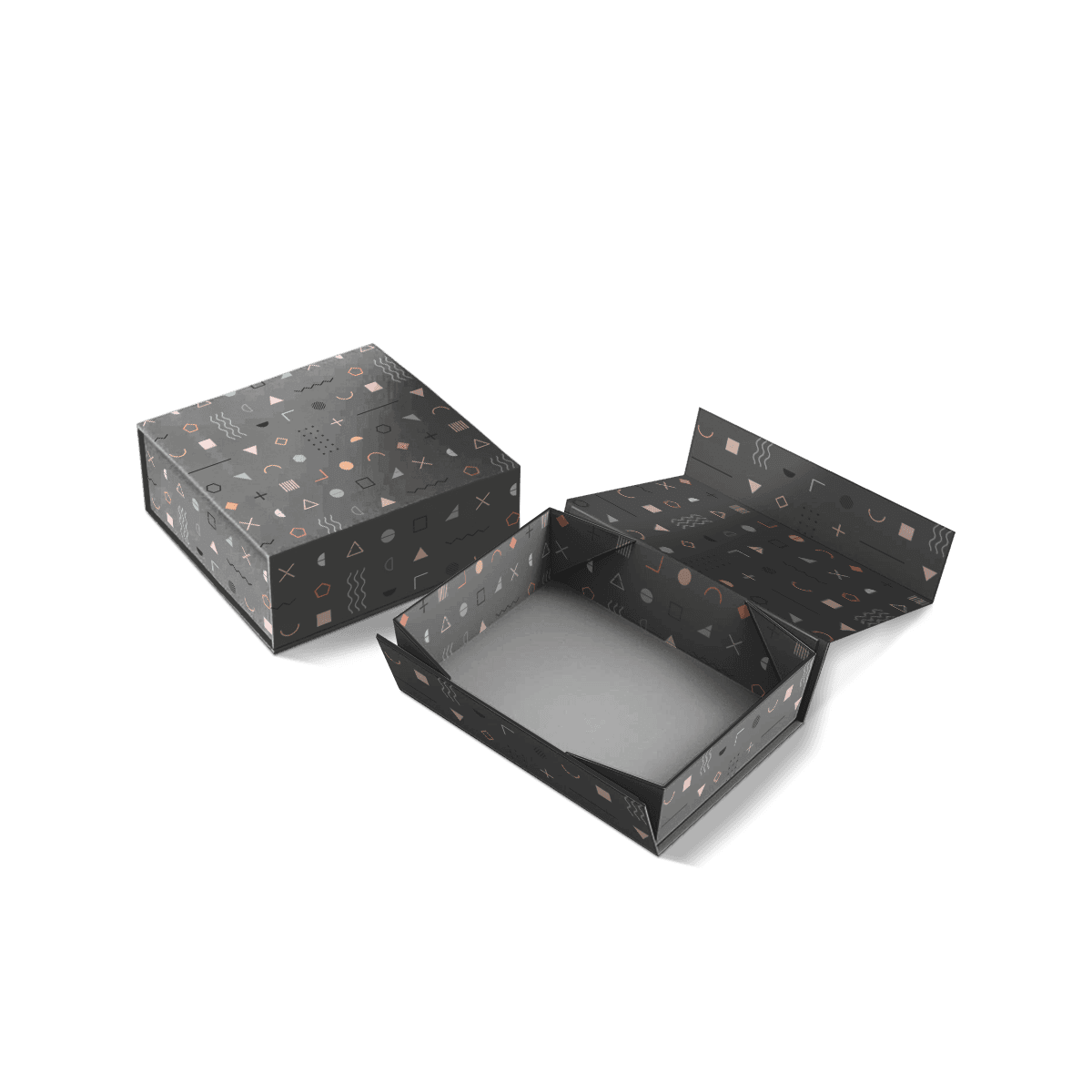
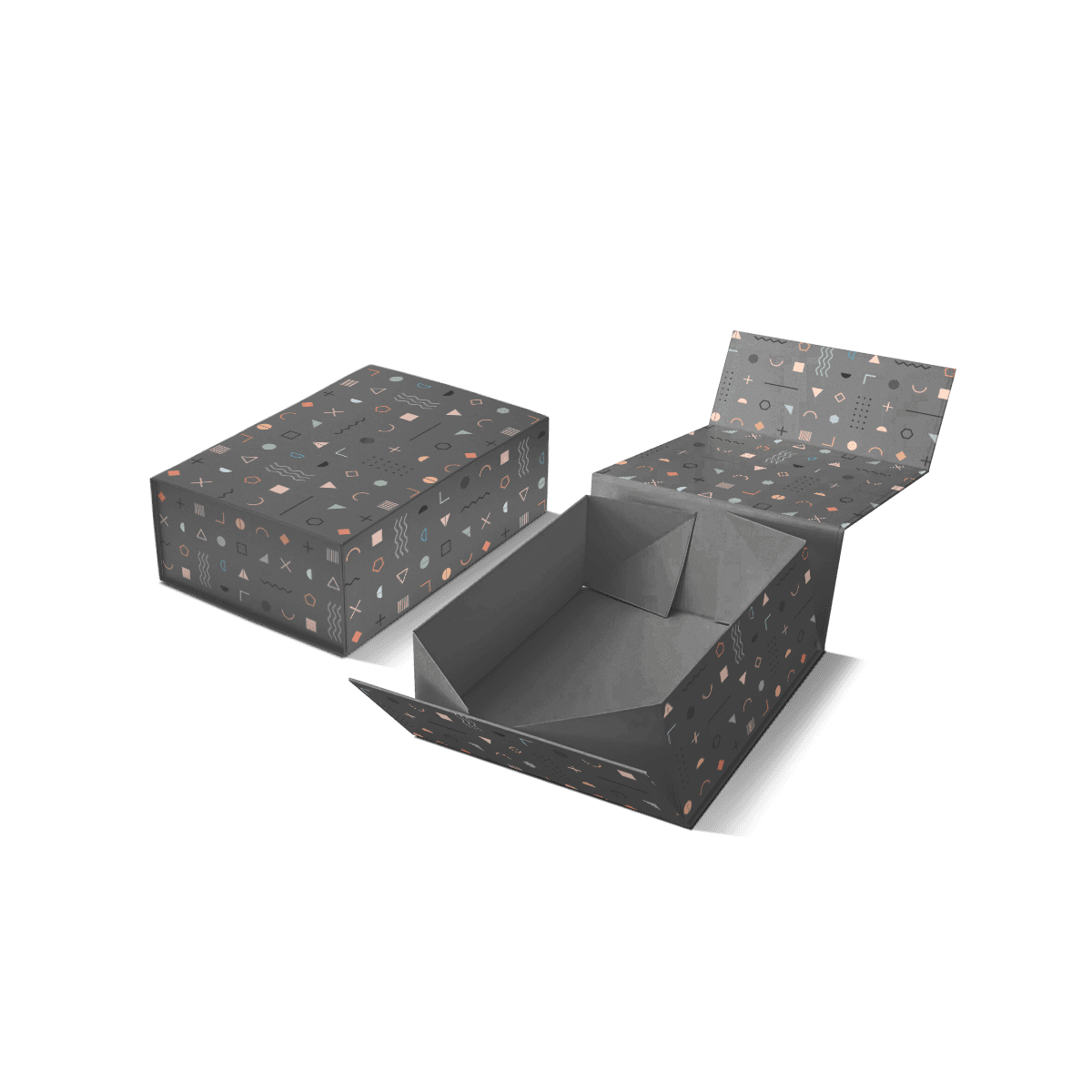
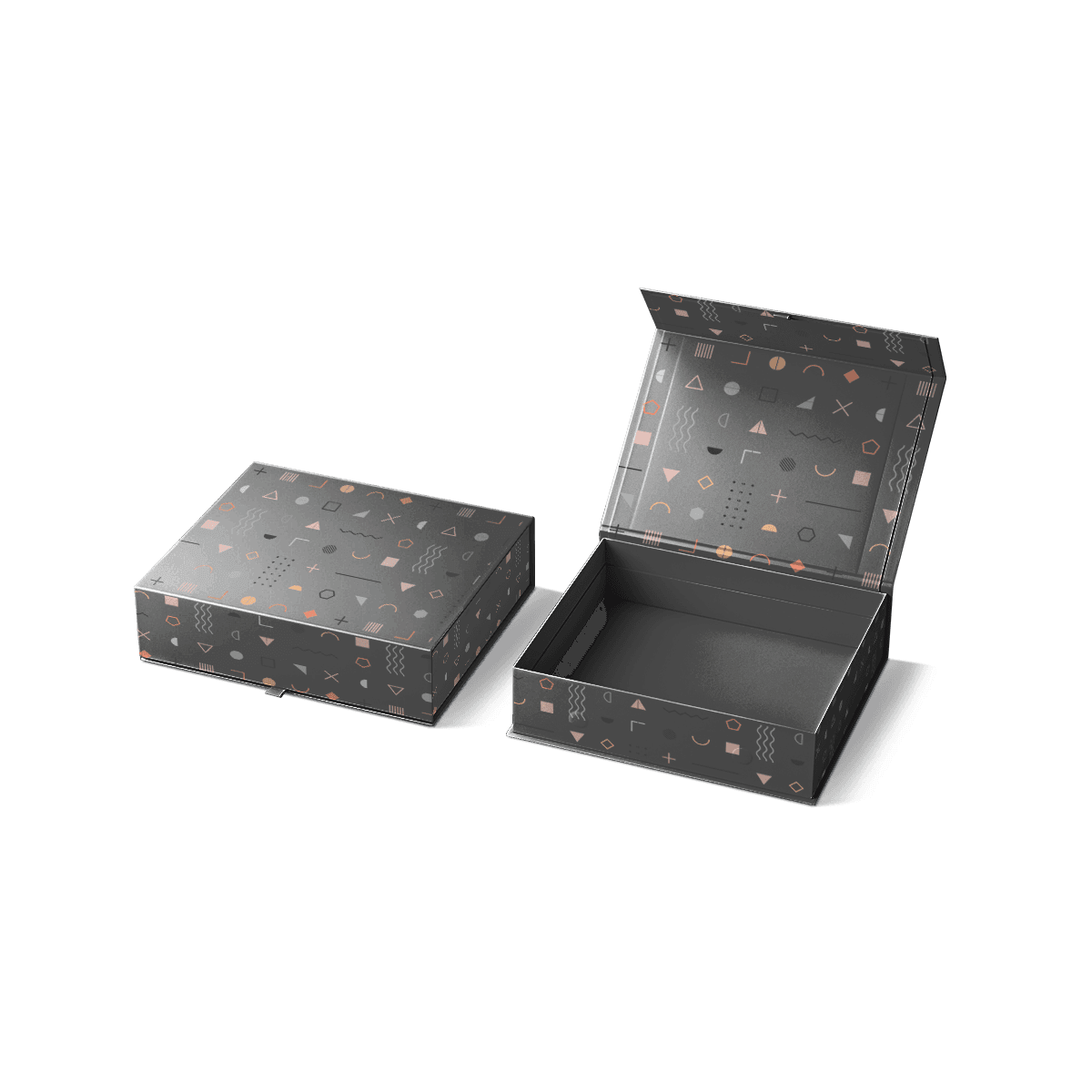
Rigid presentation packaging supplied flat before use, giving fulfillment teams a smaller storage footprint while preserving firm walls, wrapped surfaces and premium presentation after assembly.

The Flat State Comes First

Custom Flat Fold Rigid Boxes solve a problem that conventional setup boxes create before a product ever enters them: empty rigid boxes occupy their full three-dimensional volume in receiving, storage and movement to the packing area.

A flat-fold structure changes that part of the operation. Rigid board panels remain substantially flat until the box is needed. The packing team then forms the walls, secures the construction and turns the flat unit into a presentation box.

The useful question is therefore not simply whether the assembled box looks premium. It is whether the flat state makes the packaging easier to receive, store, stage and replenish without creating too much additional work at the packing table.

The structure still belongs among custom rigid boxes because rigid board, wrapped surfaces and a firm assembled form remain central after setup.

Flat Panels Still Need Rigid Board

Flat-fold construction does not turn the package into a lightweight folding carton.

The main panels still use rigid board to create the firm walls and substantial feel expected from premium presentation packaging. The difference is that selected joints, corners or connecting areas can move during setup.

Once the structure is assembled correctly, those panels need to meet cleanly enough that the box reads as one deliberate form rather than several boards temporarily held together.

Board specification should therefore follow the assembled footprint, product weight, lid span and internal support requirement, not simply the fact that the box travels flat.

The Fold System Is Part of the Structure

Different flat-fold constructions may secure themselves through fold-over panels, concealed magnetic connections, adhesive areas or another engineered setup.

That mechanism determines how the box moves from storage state to working state.

It also affects assembly time, corner appearance and whether the box is practical for repeated setup or intended primarily to be formed once before reaching the customer.

Board, wrap, closures and insert requirements can be reviewed through packaging capabilities once the intended setup method is clear.
Storage Savings Can Move the Bottleneck

A flat box takes less room before assembly, but somebody still has to form it.

That trade-off should be evaluated before committing a large production run.

A fixed rigid box arrives at the packing area ready to receive the product. A flat-fold box introduces an erection step that may involve opening the walls, squaring the corners, securing connections and checking that the base has formed correctly before an insert or product is loaded.

For a campaign assembled gradually over several weeks, that extra step may be easy to absorb. For a fulfillment operation trying to pack a concentrated launch quantity in a short window, it can become the slowest part of the process.

The structural decision therefore belongs partly to operations.

If flat storage solves a warehouse problem but assembly creates a pack-line problem of equal size, the packaging has only moved the constraint.

Square Corners Create the Finished Box

The most important visual transformation happens at the corners.

While stored flat, the panels need freedom to move. Once erected, those same panels need to meet at consistent angles so the finished package looks and behaves like a rigid box.

Squareness Comes Before Loading

Do not use the product or insert to force an incompletely formed box into shape.

The outer box should reach its intended geometry first. Only then should the internal components be added.

If a side wall remains slightly out of square, an insert may fit tightly on one edge and loosely on another. The lid can also reveal the error because its relationship with the base will no longer be even around the perimeter.

A clean setup sequence is usually more reliable than asking the insert to correct the walls after loading.

Large Panels Magnify Small Errors

Small alignment differences become more visible as the box gets larger.

A compact accessories box may tolerate a minor setup variation without attracting much attention. A large apparel or gift box gives the eye long horizontal and vertical edges to judge. Slightly leaning walls or uneven corners become easier to see.

Large dimensions can make flat storage particularly valuable, but they also make assembly consistency more important.

The Insert Must Join the Same Workflow

A space-saving outer box can lose part of its operational advantage if the internal packaging consumes the storage volume that the flat construction was meant to save.

That is why the insert should be planned alongside the box rather than after it.

A flat paperboard fitment may be staged efficiently and formed during packing. A thick foam insert may arrive fully shaped and require substantial storage even while the outer boxes remain flat. A multi-level platform can add another assembly sequence before the product is ready to load.

None of these choices is inherently wrong. They simply affect the warehouse differently.

Foam, paperboard and molded pulp handle retention differently, so packaging inserts should be chosen around both product stability and packout.

Insert Placement Comes After the Box Is Stable

A seasonal gift kit can expose the problem when a fitted paperboard platform is placed before the side walls are fully formed.

The insert can catch against one wall before the opposite corner is fully seated, leaving the base slightly skewed. The lid still closes, but the front edges do not align consistently from box to box.

A thicker insert would not correct the problem.

The better adjustment is to separate the operations: fully form and square the outer box first, confirm the corners are secured, then place the insert and load the kit.

The improvement comes from sequencing rather than adding material.

Fold Zones Need Quiet Artwork

Flat-fold rigid boxes move in places where a conventional fixed setup box does not.

Artwork and decorative finishes should respect those movement areas.

A logo centered on a stable lid panel may behave normally. Fine foil detail positioned directly across a flexing connection requires more scrutiny because the surface changes angle during setup. Heavy decoration can also make a functional joint visually prominent when the box is supposed to look seamless after erection.

The strongest artwork often gives the moving areas less responsibility.

Stable Panels Carry Precise Details Better

Foil logos, embossing, debossing and tightly registered graphic elements are easier to control when they sit on panels that remain visually stable during setup.

Flexible joints can still carry color and patterns, but designs that depend on exact alignment across several moving panels should be reviewed in both flat and assembled states.

A flat production view alone does not show the complete customer experience.

Free 3D mockups can help evaluate panel relationships, artwork placement and the final assembled appearance before production. When the physical folding behavior itself needs approval, an exact fully custom pre-production sample can be arranged as a paid sample.

Larger Boxes Gain More From Flat Storage

The bigger a fixed rigid box becomes, the more empty volume it occupies before packing.

That is one reason flat-fold construction is especially relevant for apparel sets, promotional kits, corporate gifts and other large presentation boxes.

Retail and apparel packaging often includes products that need generous horizontal space but relatively little height. Storing hundreds or thousands of those boxes permanently erected can require considerably more staging room than storing the panels flat.

But larger boxes also need more room at the packing station while they are being formed.

The operator needs enough clear surface to open the structure without catching neighboring materials. Inserts, products, tissue and printed collateral may then need separate staging positions.

A warehouse can therefore save storage cube while requiring a better-organized assembly bench.

For promotional merchandise boxes, several different items are often combined into one campaign kit close to the distribution date, making flat-state staging more valuable.

Flat Fold Is Not a Folding Carton

Both structures can arrive flat, but they reach that state for different reasons.

A folding carton is typically produced from lighter paperboard that is printed, die-cut, creased and folded into shape. It is selected when efficient storage, lower package weight and printable retail surfaces matter more than thick setup-box walls.

Flat-fold rigid boxes retain substantially heavier rigid panels and wrapped construction because presentation weight and firmness remain part of the intended result.

Folding cartons are therefore often the more efficient choice when the product does not need the physical presence of rigid board.

The distinction matters for cost as well as handling.

Rigid board, wrapping, additional assembly and premium finishing generally make flat-fold rigid construction more involved than a standard paperboard carton. Paying for that structure makes sense when the assembled package needs to feel substantial enough to justify it.

The decision between collapsible rigid boxes and folding cartons should come back to product value, storage, assembly and presentation rather than assuming every flat package serves the same job.

Flat Fold and Collapsible Need One Clear Job

Flat fold rigid boxes and collapsible rigid boxes are often used for the same or very similar constructions.

Both can store in a reduced-volume state and become rigid presentation packaging during setup. Both may use wrapped rigid board, folding connections and concealed closure components.

Choose by the actual construction and workflow rather than relying on the name alone.

Flat Fold Rigid Boxes make the most sense when receiving, flat stacking, warehouse footprint, pack-line staging and the transition from stored panel to finished box are the primary constraints.

Collapsible Rigid Boxes may describe many of the same structures, so confirm the corner setup, closure and finished form before deciding which specification fits the operation.

The physical boundary is narrow. The quoted construction matters more than the label.

Receiving Needs an Assembly Plan

Flat storage creates more flexibility when packaging is purchased for launches, seasonal gifting or recurring programs, but the warehouse still needs to know what each flat stack becomes.

Boxes that look similar before assembly may belong to different sizes, inserts or artwork versions.

That creates a simple operational requirement: control the flat units by approved specification.

Useful identifiers can include box size, SKU, artwork revision, insert configuration and campaign or product assignment. These should remain connected to the production record so staff do not have to identify a flat stack by visual memory alone.

For higher quantities, bulk custom boxes can be planned around separate sizes, artwork versions and repeat specifications rather than treating the entire order as one undifferentiated quantity.

Custom Packly also offers warehousing and scheduled deliveries where they fit the order. Flat-fold construction can complement that approach when a business wants to stage packaging around launch timing or replenish several SKUs without receiving every finished box in assembled form.

Validate One Complete Packing Cycle

The sample should be tested from stored state to finished pack.

Looking only at the assembled box misses the main reason for selecting this structure.

Take one production-intent sample through the actual sequence:

  1. Remove it from its flat storage orientation.
  2. Form the walls and secure the corner system.
  3. Check that the box sits square without the insert.
  4. Add the insert or internal platform.
  5. Load the real products and printed materials.
  6. Close the box and inspect the perimeter.
  7. Reopen it as the customer would.

This exposes issues that an assembled display sample can hide.

A box may look excellent after somebody carefully forms it but be awkward when the same motion has to be repeated across a packing shift. A closure may work in an empty sample and become difficult once a tall insert changes the internal geometry.

As an established US packaging company, Custom Packly can support the structure from mockup and artwork through sampling and production. Free sample examples of previous work are available when applicable.

Judge Cost Beyond the Unit Price

The box price is only one part of the flat-fold decision.

A fixed setup box may require little or no erection labor but occupy more storage and inbound volume. A flat-fold rigid box can reduce that space requirement while adding time at the packing station.

The right cost decision therefore depends on which constraint matters to the business.

For a limited launch with plenty of storage and very little packing time, fixed rigid construction may be simpler. For a larger presentation box ordered in recurring quantities, the ability to store units flat may become far more valuable operationally.

The variables behind custom rigid box cost also include dimensions, board, construction, inserts, printing, finishes and quantity.

Do not spend heavily on a complicated fold system if a simpler setup box fits the available space. Do not commit warehouse capacity to permanently assembled boxes merely because they remove a short setup step.

Price the structure against the way the packaging will actually be handled.

Design the Pack Station Before Delivery

Flat-fold rigid packaging succeeds when the storage decision and the packing decision agree with each other.

Before the production quantity arrives, decide where unopened flat stacks will sit, where each box will be formed, when the insert enters the process and where the finished pack moves next.

For one SKU, that workflow can be simple.

For several sizes or campaign versions, physical staging becomes more important. Flat boxes, inserts and products should remain easy to identify without mixing artwork versions or forcing staff to reopen packed units to check what was used.

Businesses coordinating multiple SKUs, repeat orders and packaging specifications may also need the controls used for custom packaging for large businesses.

Flat-fold construction has done its job when it arrives compactly, becomes square without improvisation, accepts the insert cleanly and leaves the packing area as a rigid presentation box that no longer looks temporary or collapsible.

That complete movement from flat storage to finished pack is the specification to approve.

FAQs

Yes. Once formed properly, they deliver the sturdy walls and refined appearance people expect from rigid packaging.

The terms can overlap in the market. Choose by the actual construction, storage state, corner setup and packing workflow rather than the name alone.

Usually yes. Inserts help with product retention, cleaner presentation, and better protection during handling.

Assembly is usually straightforward, but the exact setup depends on the box size, closure style, and insert layout.

Absolutely. They are a strong fit for temporary programs because they save space before use and still look polished when packed.

Process

How it works

Your Packaging Journey, From Idea to Production and Delivery

01

Tell Us Your Specs

Custom packaging boxes

Tell Us Your Specs

Provide size, quantity, printing, and finishes.

02

Get a Fast Quote

Custom packaging boxes

Get a Fast Quote

Instant transparent pricing, no hidden fees.

03

Design and Approval

Custom packaging boxes

Design and Approval

Artwork checks, revisions, and final sign-off.

04

Produce

Custom packaging boxes

Produce

Expert manufacturing to meet deadlines.

05

Ship to Your Door

Custom packaging boxes

Ship to Your Door

Hassle-free, flexible delivery options.

Get Your Quote for Custom Flat Fold Rigid Boxes

Share your product details, size, quantity and artwork needs. We’ll help choose the right packaging style and send a clear quote.