Skip to content
Details

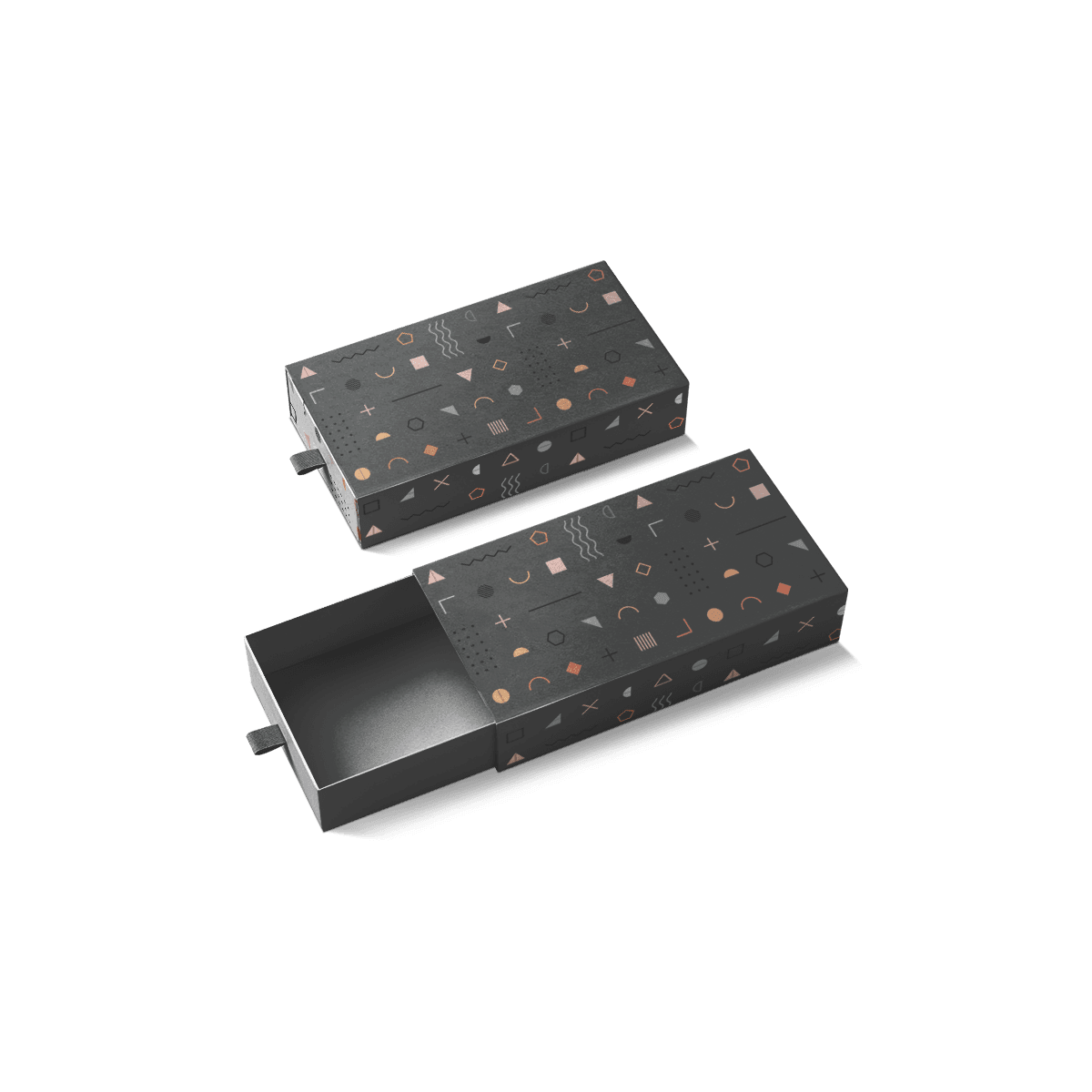
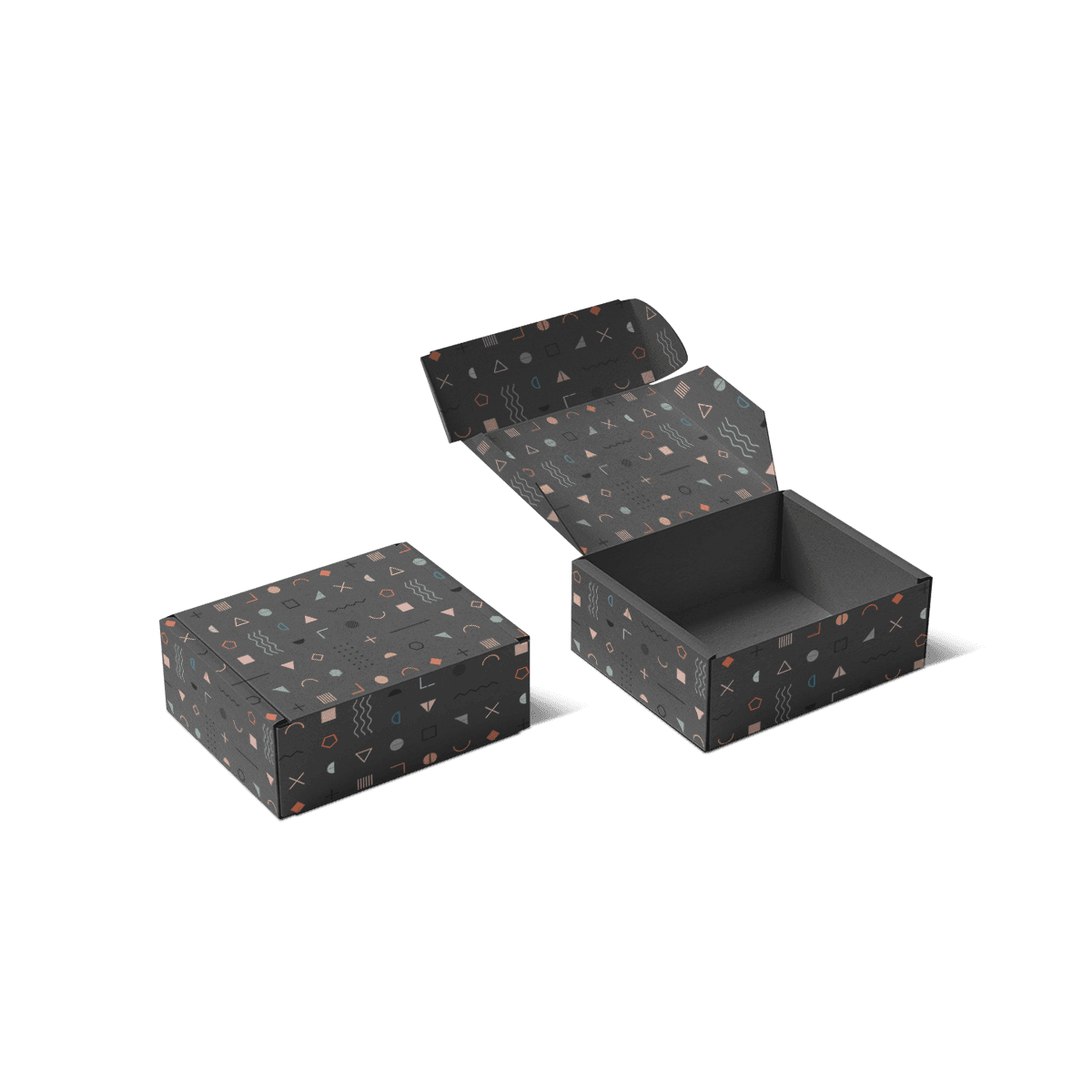
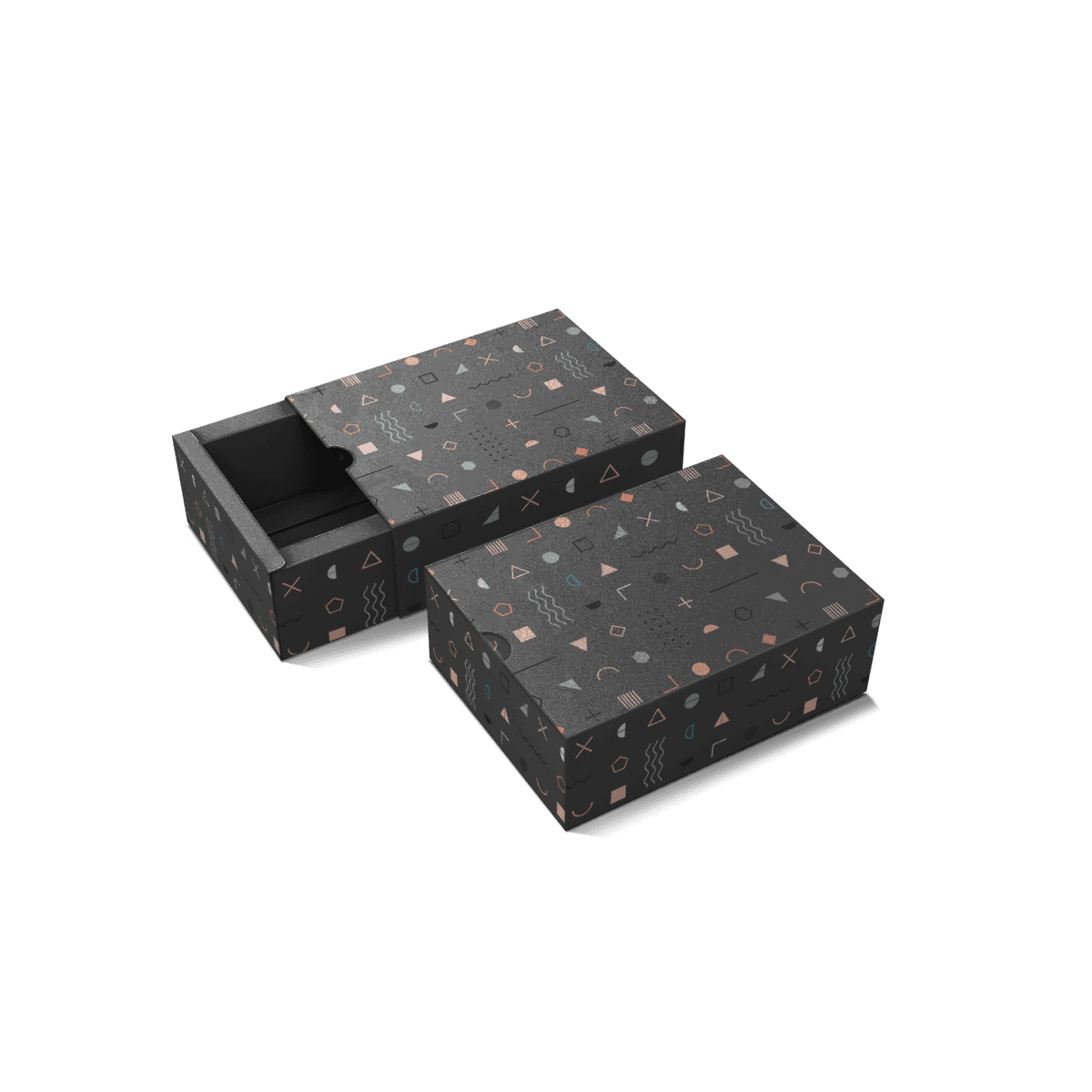
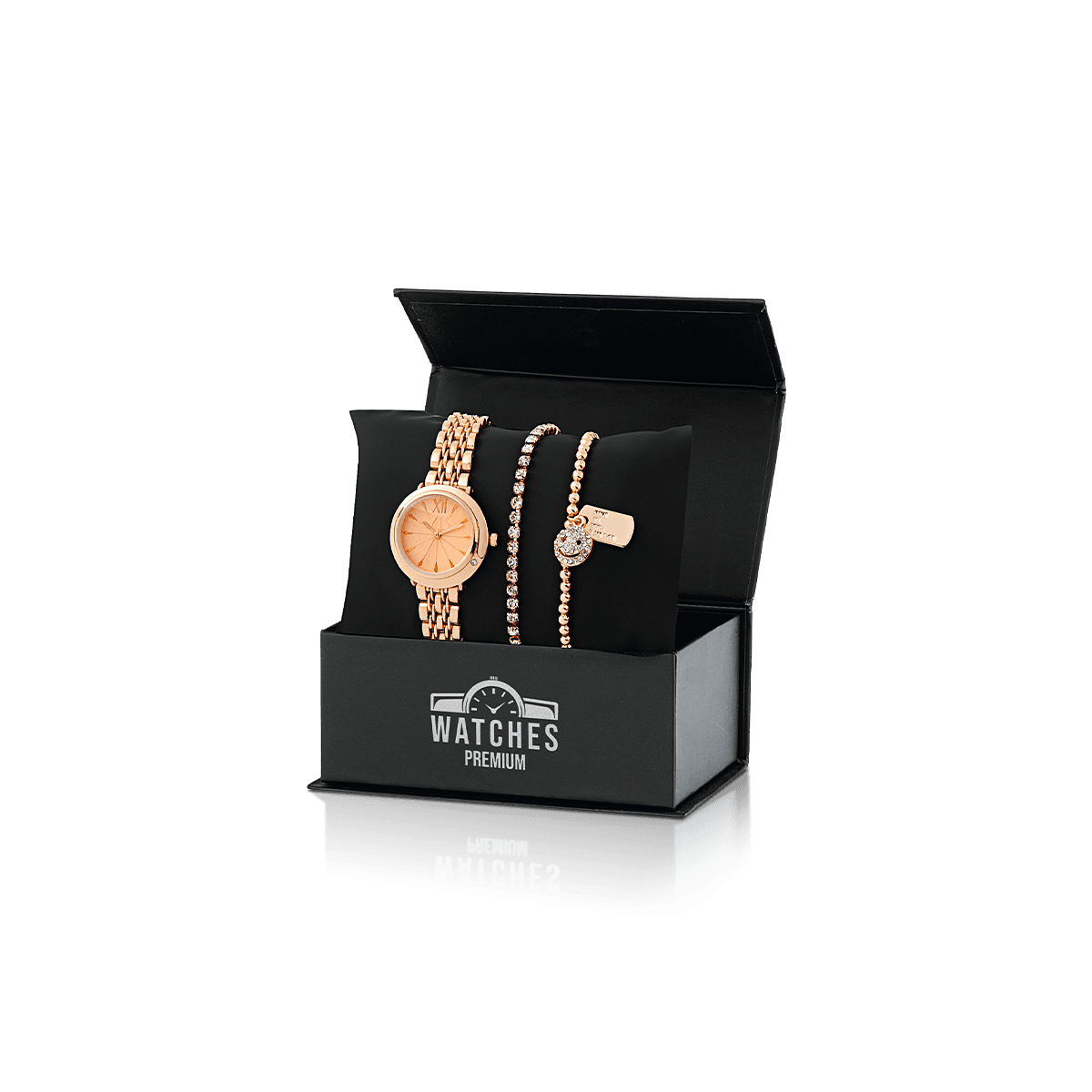
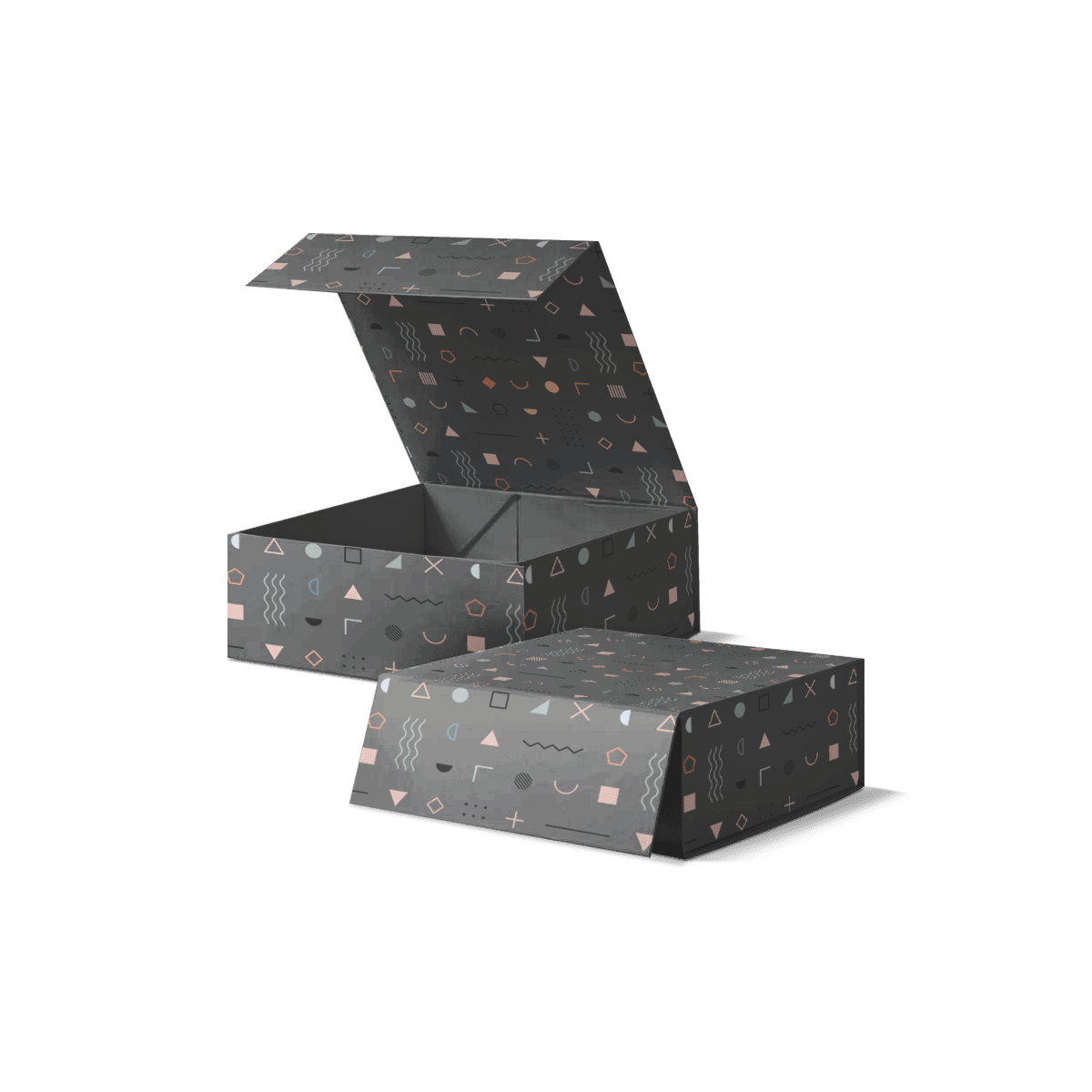
Custom Flap Open Magnetic Rigid Boxes

A rigid presentation box with an attached front flap that releases the lid, exposes the product in one controlled motion and returns to a clean magnetic close.

The Front Flap Sets the First Reveal

Custom Flap Open Magnetic Rigid Boxes create their presentation through one specific piece of structure: the front flap. Before the main lid lifts and before the product appears, the customer first releases the flap from the front wall.

That short interaction changes the opening sequence. The front face moves away, the magnetic connection releases and the interior comes into view without removing a separate lid or pulling out a tray.

The flap therefore needs more thought than simply adding magnets to an attached lid. Its depth, width, fold position and relationship with the front wall determine how much of the box is covered when closed and how quickly the product appears when opened.

This structure belongs among custom rigid boxes when the box itself is expected to remain part of the presentation rather than functioning as disposable secondary packaging.

Flap Depth Changes the Pace

A longer flap covers more of the front wall and gives the closed box a stronger uninterrupted face. It also travels farther before the customer reaches the main opening.

A shorter flap releases sooner and exposes more of the base, but it leaves less area for the magnetic connection and less visual space on the front closure panel.

Neither direction is automatically better. The flap should be proportioned around the overall box depth, front-wall height, artwork and intended opening pace.

The Front Wall Still Matters

The flap does not exist independently of the base.

When closed, its lower edge, side edges and artwork all sit in direct relationship with the front wall. A slightly misplaced fold or poorly proportioned front panel becomes easy to see because the customer naturally looks at the closure before opening the box.

The strongest result is one composed front elevation rather than a lid, flap and base that appear to have been designed separately.
Release Should Feel Deliberate

The first movement should be easy to understand without making the flap feel loose.

The customer should be able to find the opening edge naturally, overcome the magnetic hold and move into the main reveal without pulling against the structure. Excessive resistance turns a refined interaction into a struggle. Too little resistance makes the flap feel incidental.

The magnetic system is concealed beneath the wrapped surface, so the visual face can remain clean. But this page is not about magnetic closures in every possible rigid-box construction. Where magnet strength, general hinge behavior, fixed versus collapsible construction and overall closure engineering are the main questions, Custom Magnetic Closure Rigid Boxes addresses that larger decision.

For flap-open construction, the priority is what happens after the catch releases.

The flap should move away cleanly enough that fingers, decorative papers and corner wraps are not repeatedly rubbed during opening. Its edge should also remain controlled when the box is carried or repositioned after opening.

A Moving Front Face Changes the Artwork

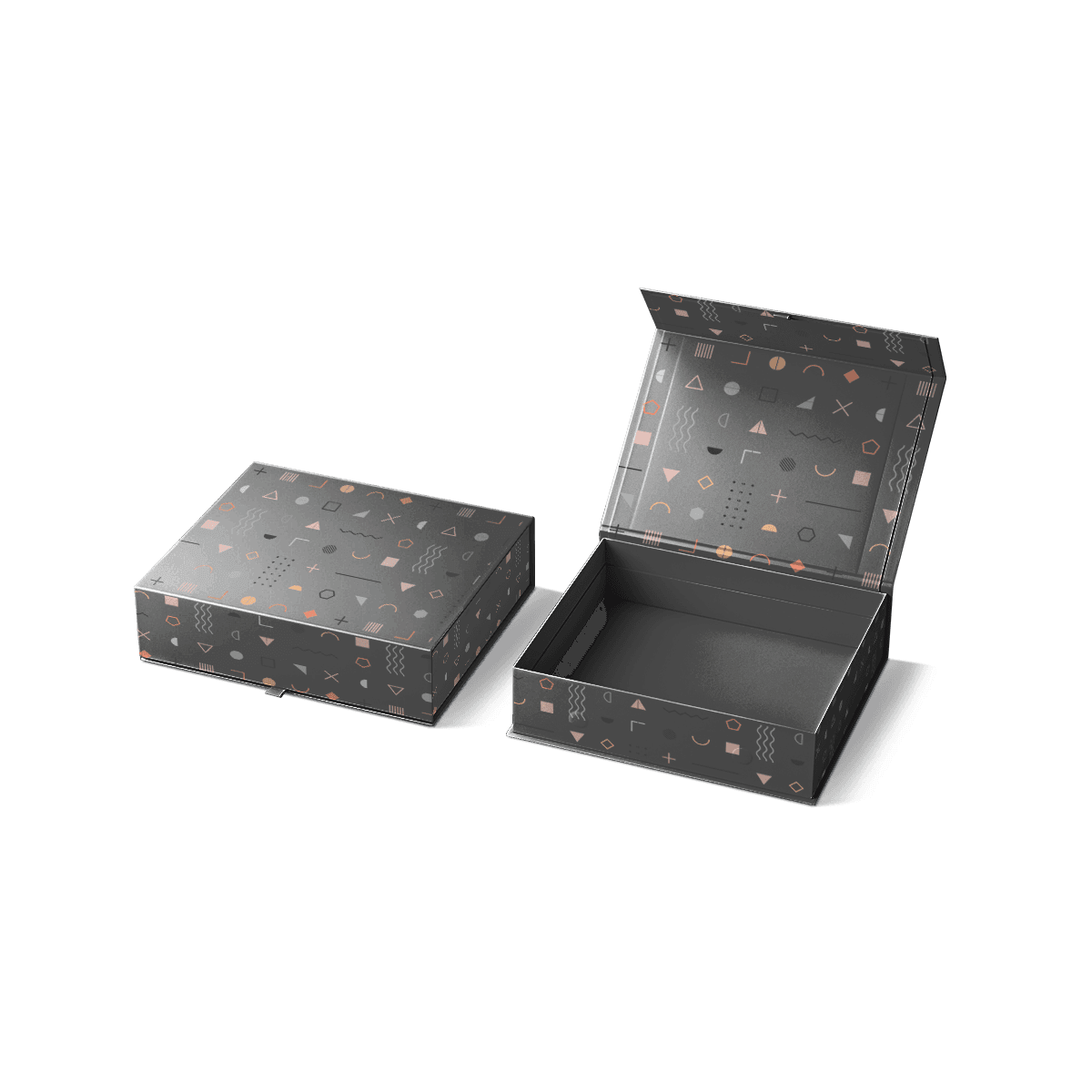
The front flap creates an artwork problem that does not exist on a simple removable lid: one visual face becomes two physical surfaces as the box opens.

A logo, pattern or band that crosses the flap-to-base boundary may look precise when the box is closed but separate dramatically when the flap moves.

That can be intentional. It can also make a carefully designed identity look broken.

Cross-Seam Artwork Needs a Reason

Large logos should not automatically straddle the flap edge.

If the mark needs to remain intact in both open and closed views, placing it entirely on the flap or entirely on the lid usually gives more control. A geometric pattern, repeated texture or deliberately divided illustration can tolerate the moving seam more easily.

The closed view and open view should both be considered before artwork is approved.

Custom Packly provides free 3D mockups and design support, which is particularly useful here because the artwork can be reviewed in more than one box position before production.

For programs where the same identity must stay consistent across multiple structures, custom printed boxes can help organize color references, artwork versions and print placement across repeat orders.

Inside Print Has a Second Job

Once the flap moves, surfaces that were hidden become visible.

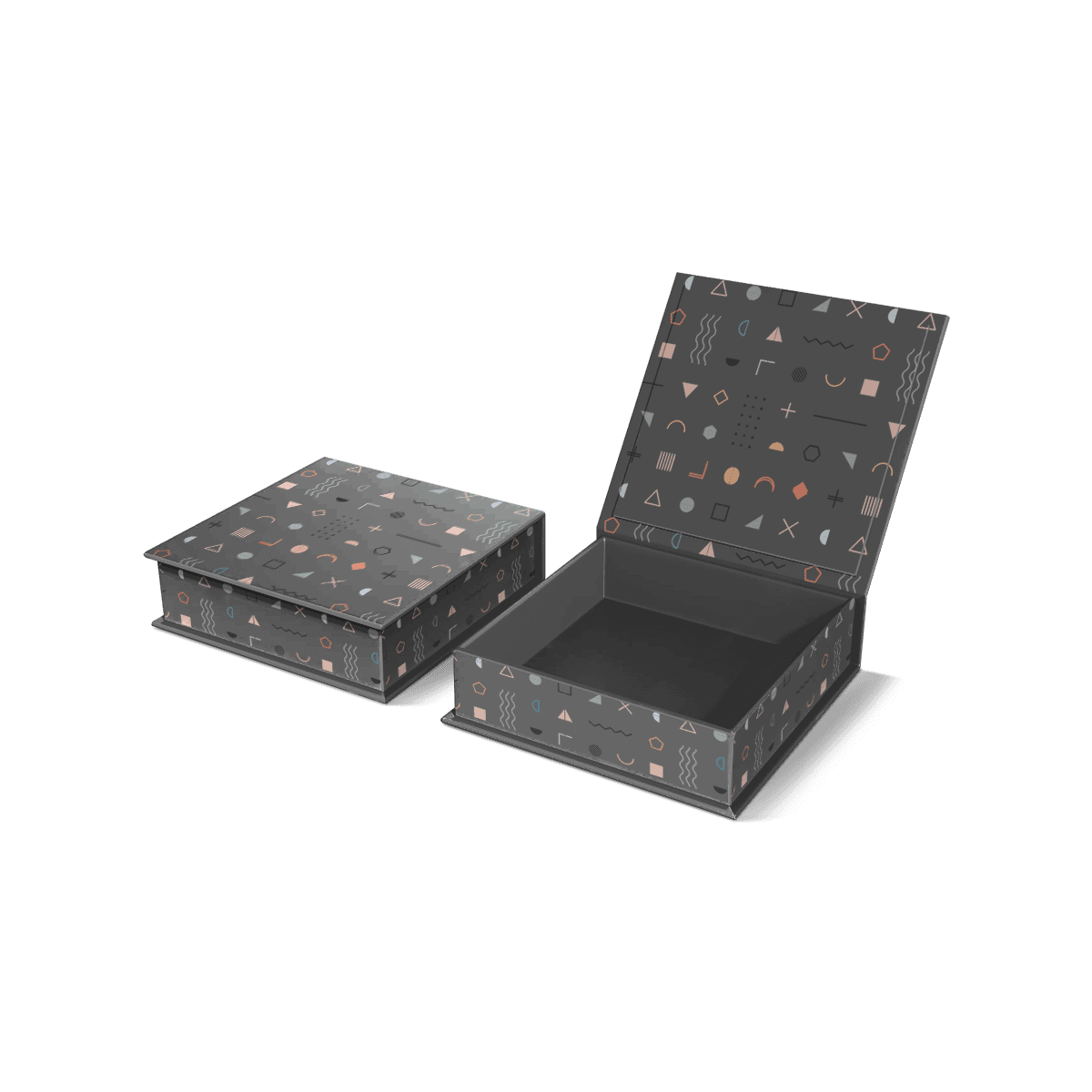
That makes the inside of the flap and lid useful for secondary branding, a short message or a controlled color contrast. The interior does not need to be heavily decorated to work. Sometimes the strongest transition is simply an exterior color giving way to a contrasting interior wrap.

The reveal should still lead toward the product rather than forcing the customer to process several competing messages before reaching it.

The Flap Edge Takes Repeated Handling

The front edge is one of the most frequently touched parts of this structure.

Customers lift it. Staff close it. The magnetic connection brings it repeatedly into contact with the front of the box. If the package is kept for storage, that cycle may happen many times.

Surface decisions around the flap should account for that repeated movement.

A dark matte wrap can look restrained and expensive but may make rubbing or fingerprints more visible. Foil close to a moving edge may need more care than foil placed in the center of a stable lid panel. Embossing or debossing can add tactile emphasis, but the placement should not interfere with the natural grip area.

Repeated handling should shape the choice of packaging finishes such as matte, gloss, foil, embossing, debossing and spot UV.

Premium offset printing can support detailed artwork and controlled color across the wrap. Finishing should then reinforce the front-flap interaction instead of competing with it.

Wide Flaps Need Balanced Contact

As the box becomes wider, the front closure has more distance to control from one side to the other.

This is where a visually simple flap can become technically demanding.

If the magnetic contact is concentrated poorly, one side may appear secure while the opposite edge sits slightly proud. A long flap can also make small differences in folding or wrap tension easier to notice.

The goal is not maximum magnetic force. It is consistent contact across the front.

A very strong pull in the wrong position does not correct poor geometry. It may instead make one area snap into place before the rest of the flap has settled.

The production sample should therefore be evaluated from the front, both corners and the side profile. Close the box from different hand positions rather than always pressing directly over the magnetic points.

A well-balanced flap should arrive at the same closed position without needing the user to straighten it manually.

The Product Should Appear After the Flap

A flap-open box works best when the product reveal follows the opening motion rather than fighting it.

When the front panel releases, the customer expects the interior composition to become understandable quickly. A well-positioned bottle, watch, cosmetic set or gift assortment should therefore occupy a deliberate visual position inside the tray.

The product does not need to fill every inch.

Empty space can create hierarchy, but uncontrolled empty space can make a premium item feel undersized. Inserts, platforms or dividers should be used when they establish position, protect individual pieces or organize a set.

A fragrance project is a good example. Perfume boxes often need to control a heavy glass bottle, cap height and presentation angle at the same time. In a flap-open rigid structure, the insert can position the bottle so it becomes visible as soon as the lid clears without making the customer dig into a deep cavity.

Gift assortments create a different requirement. Welcome Gift Boxes may need several objects to remain visually organized even when product shapes differ.

In both cases, the flap should introduce the arrangement rather than becoming the most complicated part of it.

Do Not Turn the Flap Into a Second Lid

One common mistake is extending the front flap simply because a larger closure panel appears more substantial in a rendering.

An oversized flap can dominate the front elevation, increase the moving surface area and make the customer perform more movement before reaching the product.

The structure then starts solving a problem it was never asked to solve.

If the real requirement is simply an attached lid with straightforward upward access, a Flip-Top Rigid Box may be the cleaner construction.

If storage volume is the dominant operational concern, Collapsible Rigid Boxes shift the structural decision toward packout assembly and warehouse efficiency instead.

Flap-open magnetic construction earns its place when the front release itself adds value to the experience.

That distinction prevents the box from becoming more mechanically complicated than the product requires.

Approve the Box in Motion

A closed sample proves only half of this structure.

The box should also be reviewed while the front flap is being released, while the lid is traveling and immediately after the interior becomes visible.

A wide launch kit shows the issue when a centered foil mark extends close to the front closure. The closed box may look accurate, but the flap can flex slightly as it is lifted from one corner. One side releases first and the front artwork appears to shift before the lid opens.

Increasing magnet strength would make the imbalance more obvious.

A better correction is to revisit the flap geometry, fold behavior and magnetic contact positions so both sides release as one controlled movement. The artwork can then be repositioned if necessary so the most precise visual elements sit away from the moving seam.

The improvement is not a stronger box. It is a cleaner interaction.

A 3D mockup can establish artwork and proportions, but a physical sample becomes more valuable where opening resistance, fold behavior and surface movement need to be judged by hand. Free sample examples of previous Custom Packly work are available, while an exact fully custom pre-production sample can be arranged as a paid sample when physical approval is necessary.

Presentation Needs Its Own Transit Protection

A front-flap rigid box can be structurally substantial without being the right outer shipping container.

That distinction matters because the front edge, wrapped corners and decorative surfaces are part of the customer-facing presentation. Parcel handling can scuff those surfaces or put pressure directly against the flap.

For an ecommerce shipment, the rigid box can act as the premium inner package while e-commerce retail packaging separates presentation from distribution duty. This is especially relevant for dark wraps, foil details, textured papers and launch kits expected to look untouched when opened.

Let the Front Flap Earn Its Cost

Magnetic hardware, rigid board, wrapped construction and extra moving surfaces all add work compared with a simple folding carton or basic two-piece box.

That additional structure makes sense only when the front interaction contributes to the product experience.

For a fragrance launch, jewelry set, electronics presentation, premium gift or corporate kit, the flap may create a repeatable opening moment that customers see every time the box is reused. For a low-cost product that is opened once and discarded, the same structure may add complexity without enough return.

When structure, wrap, insert and finishing level must be planned together, custom luxury packaging should be treated as one packaging system.

USA orders start from 100 boxes, which can support a first production run without forcing the same structure onto every SKU before the concept has been proven.

The strongest reason to select this box remains specific: the customer encounters the product through the front flap first.

If that movement strengthens the reveal, protects a clean front face and creates a reclosable presentation worth keeping, the structure is doing useful work. If the flap adds movement without improving the experience, a simpler rigid construction is likely the better decision.

FAQs

Choose this style when presentation, structure, and repeat opening matter more than flat shipping efficiency. It is better suited to premium retail packs, gift boxes, and multi-piece sets than standard paperboard cartons.

Yes. This is one of the better rigid formats for organized layouts because the interior can hold foam, paperboard, or molded inserts without the walls flexing.

Flap open magnetic rigid boxes usually feel more formal and direct because the product is revealed as soon as the lid opens. Drawer-Style Rigid Boxes are better when you want a slower pull-out presentation or layered contents.

They are strong as a primary package, but most buyers still pair them with an outer shipper for transit. That protects corners, preserves finishes, and keeps the presentation box clean on arrival.

Soft-touch lamination, foil stamping, embossing, debossing, and wrapped paper textures all perform well here because the rigid surface stays smooth and stable.

Process

How it works

Your Packaging Journey, From Idea to Production and Delivery

01

Tell Us Your Specs

Custom packaging boxes

Tell Us Your Specs

Provide size, quantity, printing, and finishes.

02

Get a Fast Quote

Custom packaging boxes

Get a Fast Quote

Instant transparent pricing, no hidden fees.

03

Design and Approval

Custom packaging boxes

Design and Approval

Artwork checks, revisions, and final sign-off.

04

Produce

Custom packaging boxes

Produce

Expert manufacturing to meet deadlines.

05

Ship to Your Door

Custom packaging boxes

Ship to Your Door

Hassle-free, flexible delivery options.

Get Your Quote for Custom Flap Open Magnetic Rigid Boxes

Share your product details, size, quantity and artwork needs. We’ll help choose the right packaging style and send a clear quote.