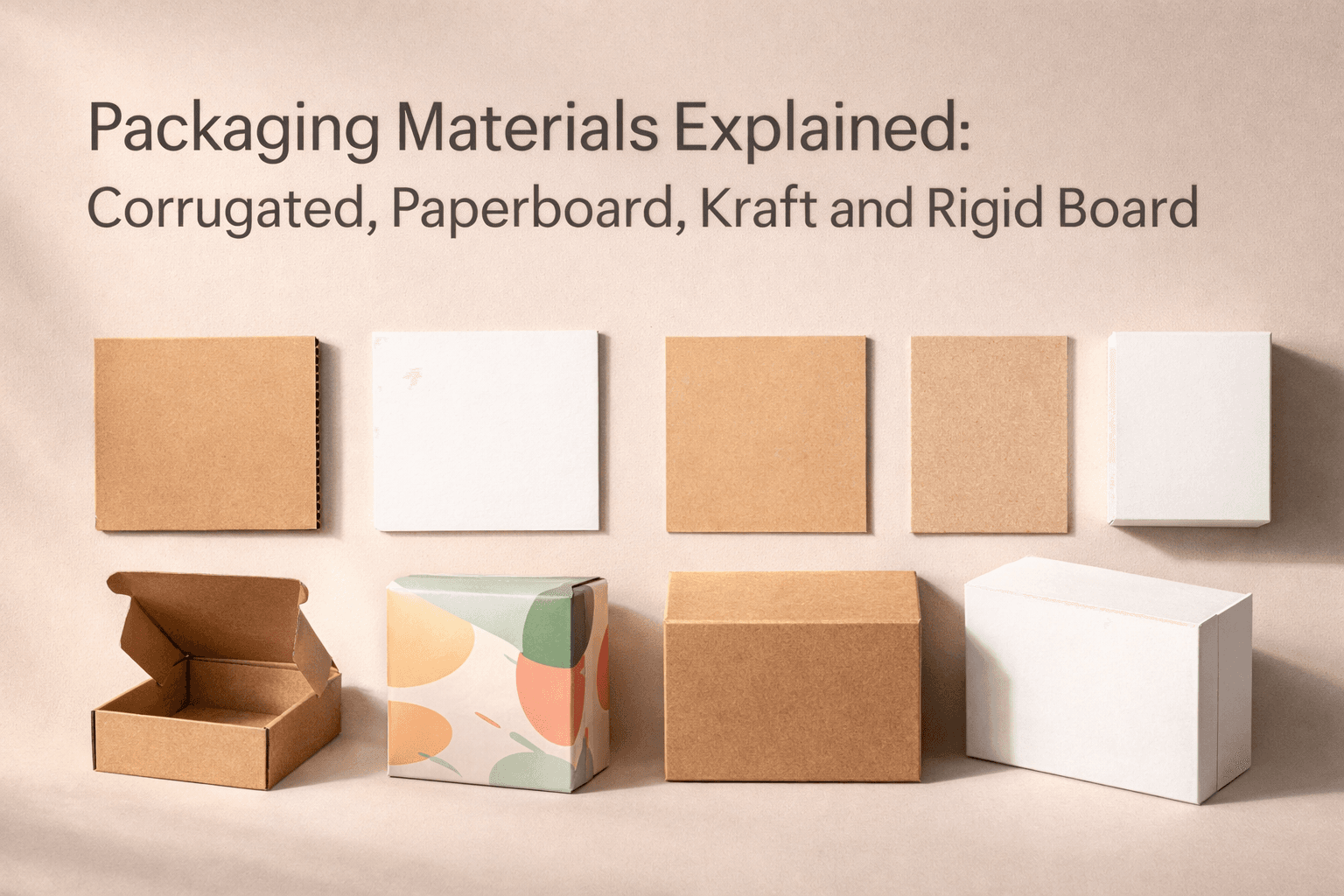
Collapsible rigid boxes and folding cartons can both arrive flat, but that is where the similarity ends.
A collapsible rigid box uses thick wrapped board that becomes a firm presentation box after setup. A folding carton uses lighter paperboard that is printed, die-cut, creased and glued for efficient retail packing.
Choose collapsible rigid packaging when the box itself must add protection, support a substantial insert and feel like part of a premium product. Choose a folding carton when low weight, fast packout, strong printed communication and lower unit cost matter more than structural heft.
Do not start with foil, color or the first unit price on a quote. Start with product weight, fragility, the packing method, the shipping journey and what the package must feel like in the customer’s hands.
The Choice Turns on What the Box Must Do
A collapsible rigid box is the stronger fit when premium presentation, rigid walls, fitted inserts or flat storage of a luxury box matter to the project.
A folding carton is usually the better fit when the product is lightweight, the package must carry a lot of printed information, packing speed matters or the order needs high-volume efficiency.
Neither format is automatically better. They are optimized for different jobs. A $20 lightweight skincare tube does not need the same package as a glass fragrance set, and a gift presentation packed by hand does not have the same operating constraints as a carton running through automated equipment.
One Folds at Engineered Joints; the Other Is Creased Throughout
Collapsible rigid boxes are built from separate or segmented pieces of dense grayboard or chipboard that are wrapped in paper. The moving joints are engineered so the empty box can lie flat, while the main panels stay stiff. Adhesive corner panels, locks or concealed magnets can hold the erected shape.
Rigid-board builds commonly sit around 1.5 mm to 3 mm, depending on size, lid span, product weight and the feel required. The wrap carries the print and finish while the board underneath creates stiffness.
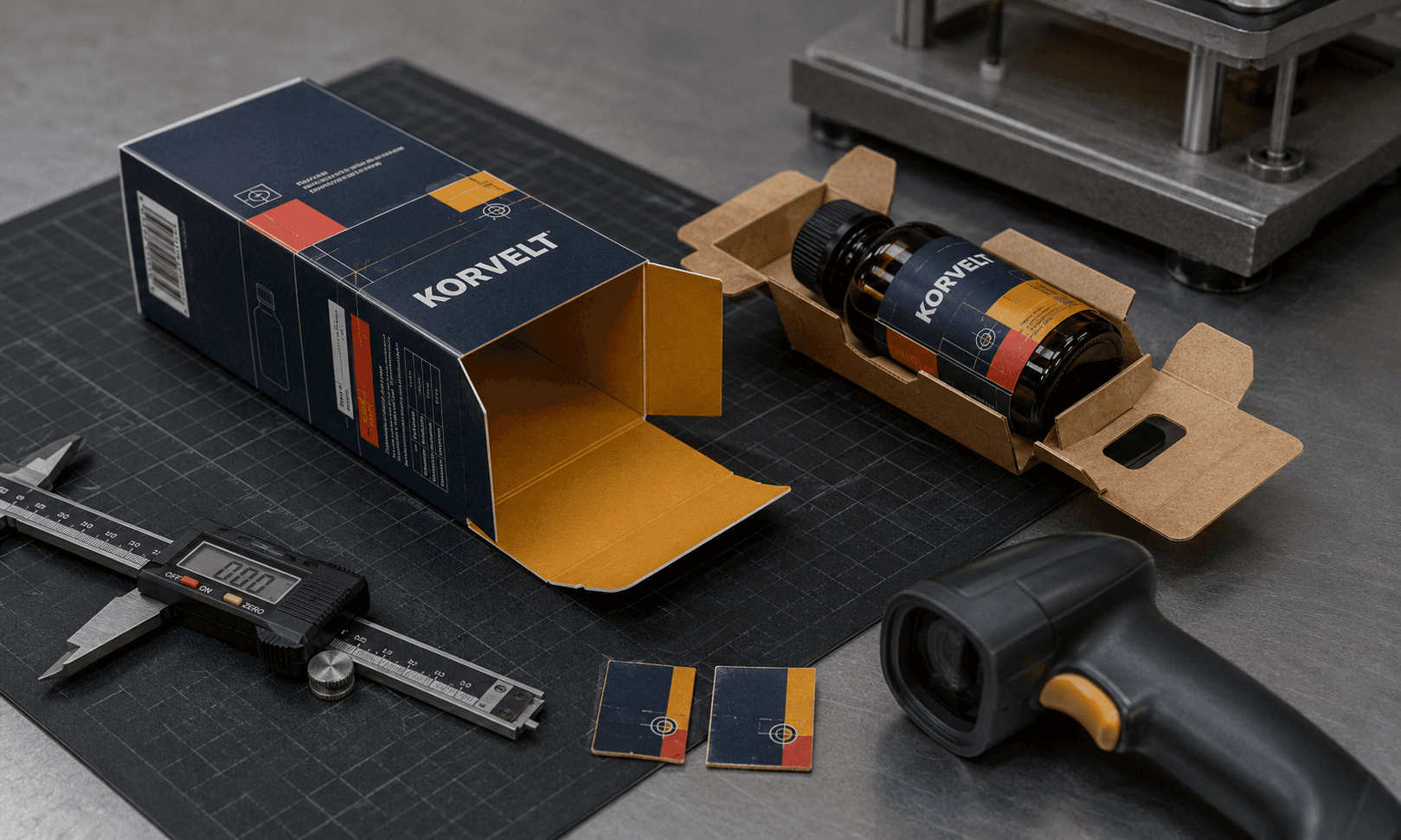
Folding cartons are cut from paperboard, commonly around 250 gsm to 450 gsm for many retail applications. The entire blank is designed around crease lines, flaps and glue areas. Once erected, it holds a useful carton shape, but the panels still flex far more than rigid board.
That difference in construction affects corner definition, crush resistance, insert support, packing behavior and the weight of the finished package. Premium surface treatments can change appearance and touch, but they cannot turn thin paperboard into rigid board.

Protection Is About the Packed System
Collapsible rigid boxes resist bending and panel collapse better than standard folding cartons because the walls are materially stiffer. That matters when the product is heavy, fragile or concentrated into a small footprint.

A glass perfume bottle, watch, heavy candle or multi-item gift can put enough force into the base and sidewalls that a light carton feels weak even if it technically contains the product. Rigid board gives the insert and the outer walls a more stable frame.
A folding carton can be entirely appropriate for a skincare tube, small serum bottle, supplement bottle, soap bar or other lightweight retail item. The carton does not need to imitate a gift box if a corrugated case or shipper handles transit and the primary pack only needs to protect, inform and present the product.
The important distinction is that the presentation package and the shipping package are not automatically the same thing. More board is not a substitute for correct fit, and a rigid box with too much internal movement can still fail in transit.
Insert Weight Can Decide the Structure
Insert design is often the point where this decision becomes obvious. A dense foam insert, a multi-level product set or several glass components can put more load into the box than a light paperboard platform.
For watches, fragrance, cosmetics sets and electronics, foam, cardboard and molded pulp inserts should be chosen around product weight, fragility, removal and the opening sequence, not added after the outer box size is fixed.
Measure the finished product envelope before the insert is drawn. Caps, pumps, handles, raised controls, labels and other protrusions can change the real maximum size. For multi-item packs, establish the product layout before approving the outside dimensions.
Rigid boxes can support heavier foam, wrapped platforms and deeper cavities without the sidewalls bowing as easily. Folding cartons work well with paperboard inserts, dividers and light trays when the product load is compatible with the carton.

Premium Feel Comes From Stiffness and Opening Mechanics
Luxury presentation is physical. The customer feels panel stiffness, lid resistance, weight, edge definition and how deliberately the package opens before they evaluate the print.
A collapsible rigid box can create that experience while still storing flat. Once the walls are locked into position, the package stands square and the lid or flap can open with controlled resistance.
A fixed magnetic closure rigid box can deliver a similar opening feel without the setup step, so the trade-off becomes packing speed versus storage volume rather than magnets versus no magnets.
Folding cartons can look sophisticated with precise color, foil, embossing and clean typography. They simply feel lighter because the structure is lighter. That is not a defect when the product is meant to be efficient retail packaging.

A Luxury Gift Project Where the Carton Was Technically Right but Commercially Wrong
One of the clearest examples from our experience involved a company preparing luxury gifts for guests. The sets contained perfumes and watches, and the company initially chose folding cartons because the lower unit cost looked attractive.
The artwork was not the problem. The carton could be printed well and carry the company’s branding. The problem appeared when the finished package was held: it felt flimsy relative to the weight and value of the gifts.

The carton technically contained the products, but it did not create the experience the company wanted its guests to receive. We recommended collapsible rigid boxes with a more structured internal presentation.
The thicker board gave the set greater physical presence, kept the box upright and supported the products more convincingly. The lesson was not that folding cartons are poor packaging. It was that the original structure did not match the role the packaging had to play.
This is why a digital render is not enough when the decision depends on stiffness, lid resistance or the feel of the insert. Two packages can look equally polished on screen and feel completely different in the hand.
Compare Total Cost, Not Just the Box Price
Collapsible rigid boxes usually cost more to manufacture because they use thicker board, separate wrap material and more converting or assembly steps. Magnets, ribbons, specialty wraps and fitted inserts can add parts and labor.
Folding cartons use less structural material and can be printed, die-cut, creased and glued efficiently at scale. That production model often gives cartons a clear unit-cost advantage, especially on repeat high-volume retail work.
For rigid packaging, the main variables behind custom rigid box cost include dimensions, board thickness, wrap, quantity, closure and insert design.
For lighter retail structures, custom tuck box cost is driven more by carton size, paperboard grade, closure style, print coverage, finish and volume.
But the cheaper box is not always the cheaper packaging system. Compare the box, insert, outer shipper, filler, packing labor, assembly time, freight volume, warehouse space and the cost of damage or presentation failure.
Once those inputs are known, a custom packaging quote can compare both structures on the same brief instead of comparing two incomplete specifications.
For Custom Packly USA orders, the MOQ starts from 100 boxes and the standard turnaround is 4–6 days after final artwork and specifications are approved. Free 3D mockups help check artwork and opening flow. Fully custom physical samples can be arranged as paid samples when fit, feel or setup speed needs hands-on approval.
Flat Storage Helps Both, but Packing Operations Diverge
Both formats can arrive flat, but folding cartons remain lighter and thinner in storage. Collapsible rigid boxes solve a different problem: they reduce the empty volume of a premium rigid package without turning it into a paperboard carton.
At 10,000 boxes, the storage difference becomes practical. Ten thousand preassembled rigid boxes can consume a large number of pallet positions because each box stores its full empty volume. The collapsible version stacks flat before packing, so the same program can require a much smaller footprint.
The original storage example estimated approximately 75% to 92% less storage and shipping volume than preassembled rigid boxes, depending on dimensions, structure and packing arrangement. Treat that as a design-specific illustration, not a universal reduction; pallet efficiency should be checked against the finished flat-pack specification.

Setup time then becomes part of the economics. As a rough packing-station benchmark, a simple collapsible rigid design may take around 2 to 8 seconds to erect once the motion is familiar. A five-second setup in a demonstration is not the same as a five-second full packout. Inserts, products, tissue, ribbons and an outer shipper can add far more time than erecting the shell.
Folding cartons have the advantage when the operation depends on automated erecting, filling and closing. Food, cosmetics, wellness and mass-retail programs can justify choosing a lighter carton simply because the packing line must process volume continuously.
Before approving either format, time the real packout with the actual insert and product. A structure that looks efficient in a sample room can become expensive when repeated thousands of times.
Printing Can Make Both Look Premium
Both structures can carry strong print and finishing. The difference is where the decoration sits and what the material underneath can physically do.
Collapsible rigid boxes often use printed coated wrap paper, textured stock, matte or soft-touch lamination, foil, embossing, debossing, spot UV, Pantone color and inside wrapping or print. Keep fine logos, foil lines and critical artwork away from active fold joints and wrapped corner turns.
Folding cartons can use CMYK or Pantone printing, matte or gloss coatings, foil, embossing, debossing, spot UV, window cutouts and inside print. Their large flat panels are excellent for instructions, ingredients, barcodes and dense retail communication.
A finish can improve surface quality, contrast and touch. It cannot change the board beneath it. If the brief requires a substantial gift-box feel, adding more decoration to a folding carton is usually the wrong correction.

Ecommerce Adds an Outer-Packaging Decision
Neither a collapsible rigid box nor a folding carton should automatically be treated as a courier-ready shipper. A decorative rigid wrap can scuff, foil can mark and crisp corners can be damaged by parcel handling. A folding carton is even more likely to need separate transit protection.
For parcel networks, corrugated shipping boxes normally carry the compression, labeling and handling duty while the inner pack controls fit and presentation.
The outer shipper should be sized around the packed presentation box, not around the naked product. Leave enough room for required cushioning without creating so much clearance that the inner package repeatedly strikes the outer walls.
This is also where total cost can reverse a simple unit-price comparison. A folding carton that needs more cushioning, a larger shipper and more packing labor may not deliver the saving suggested by the carton price alone.
Choose by the Constraint You Cannot Compromise
Choose collapsible rigid boxes when several of these conditions are true:
Choose folding cartons when several of these conditions are true:
For shelf-facing products, custom retail packaging often puts panel communication, scanning, replenishment and packout efficiency ahead of the weight of the package itself.
A brand can also use both formats. A hero gift set may justify collapsible rigid packaging while everyday SKUs stay in folding cartons. The structure should follow the product and channel, not a rule that every SKU must use the same box structure.
Use Rigid Construction Only When It Earns Its Keep
A collapsible rigid box is worth the extra material and packing step when rigidity, insert support, presentation and a controlled reveal are part of the product’s value. Its flat-pack form solves much of the storage penalty of a fixed setup box, but it does not turn rigid packaging into a high-speed folding carton.
A folding carton is the smarter choice when the product is light, the packing operation rewards speed and the package mainly needs clean branding, product information and efficient retail handling.
The safest decision is to compare the complete packed system: product, insert, primary box, outer shipper, packing time and customer experience. If rigid construction does not solve a real problem in that system, do not pay for it. If the product depends on a substantial reveal, do not ask a thin carton to create one.