Skip to content
Details

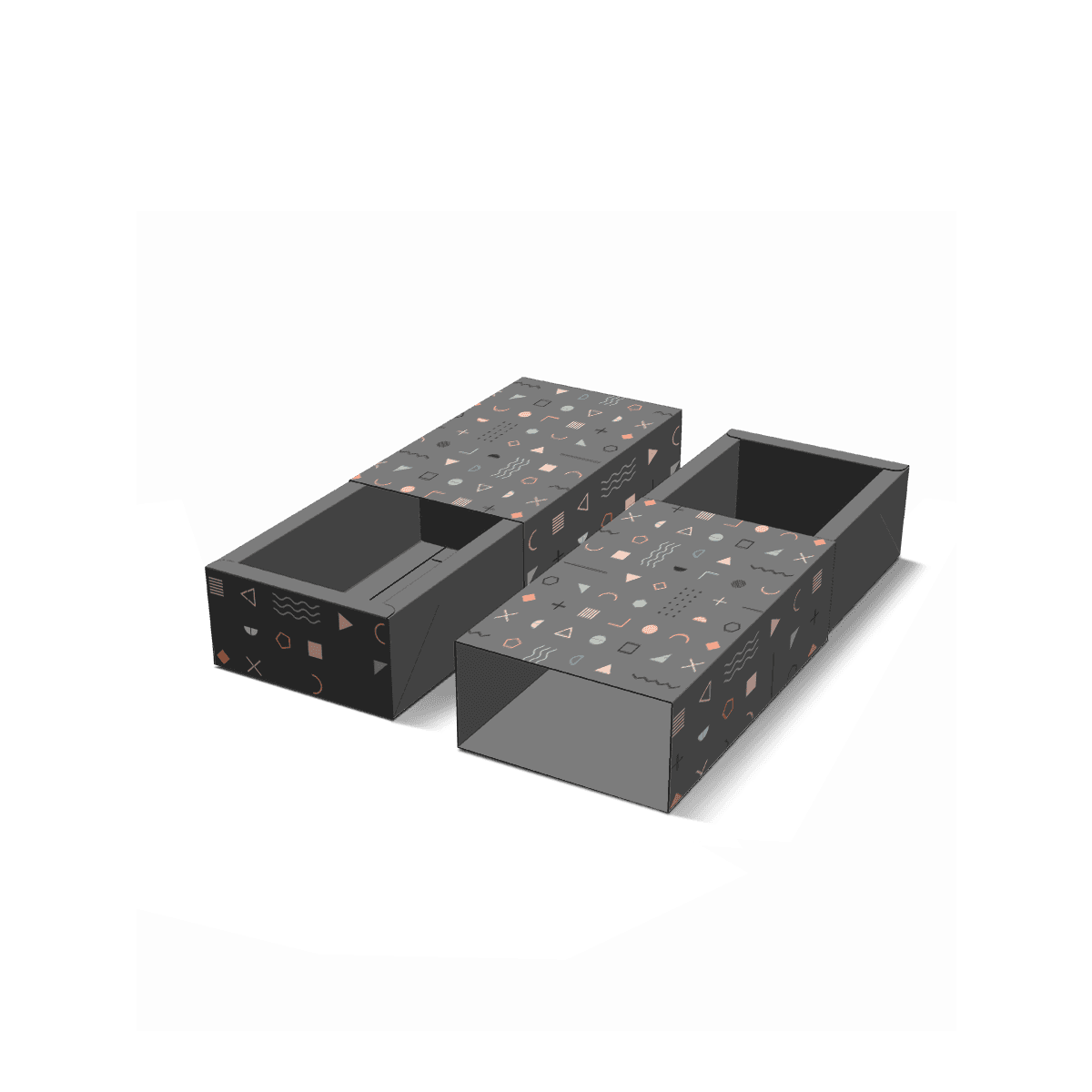
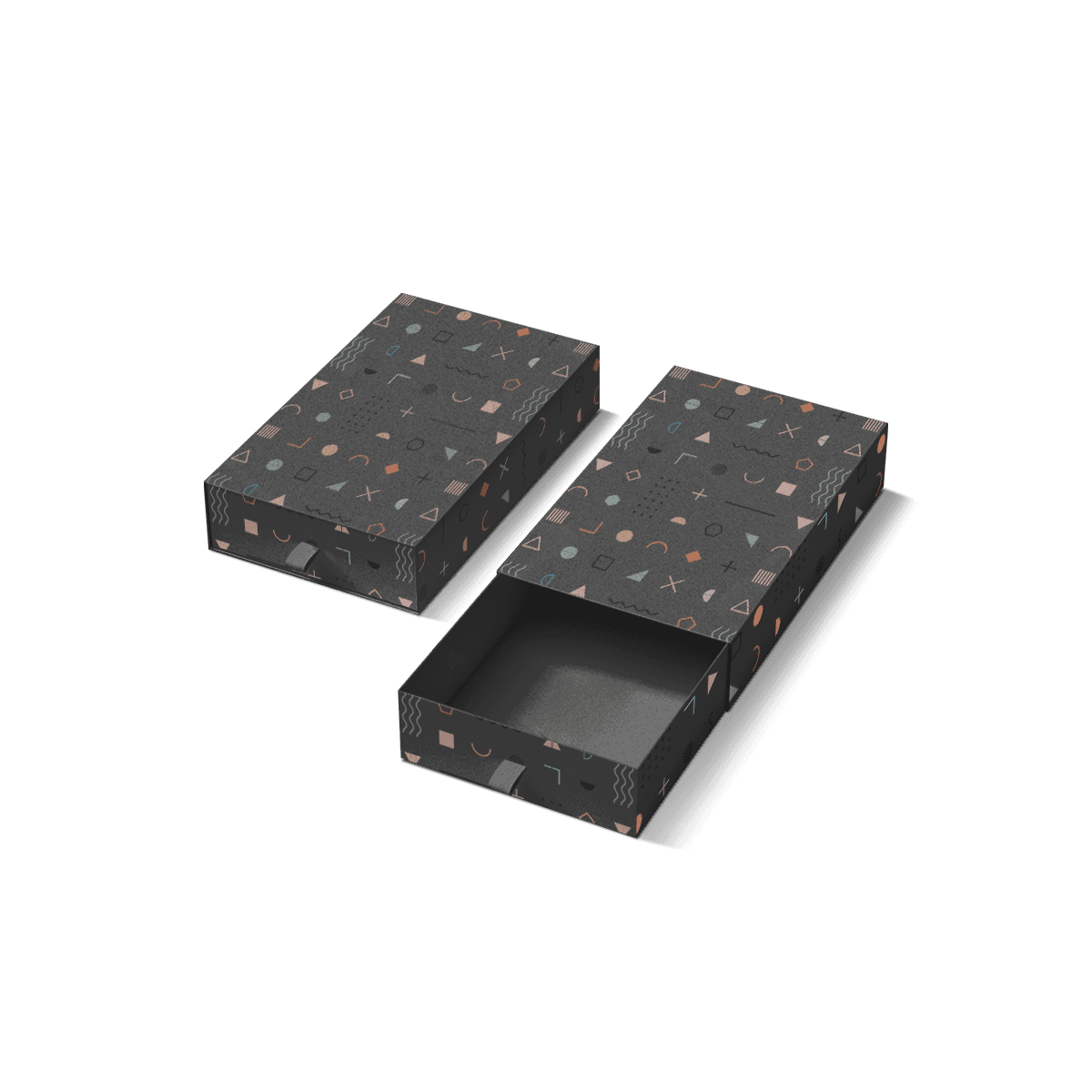
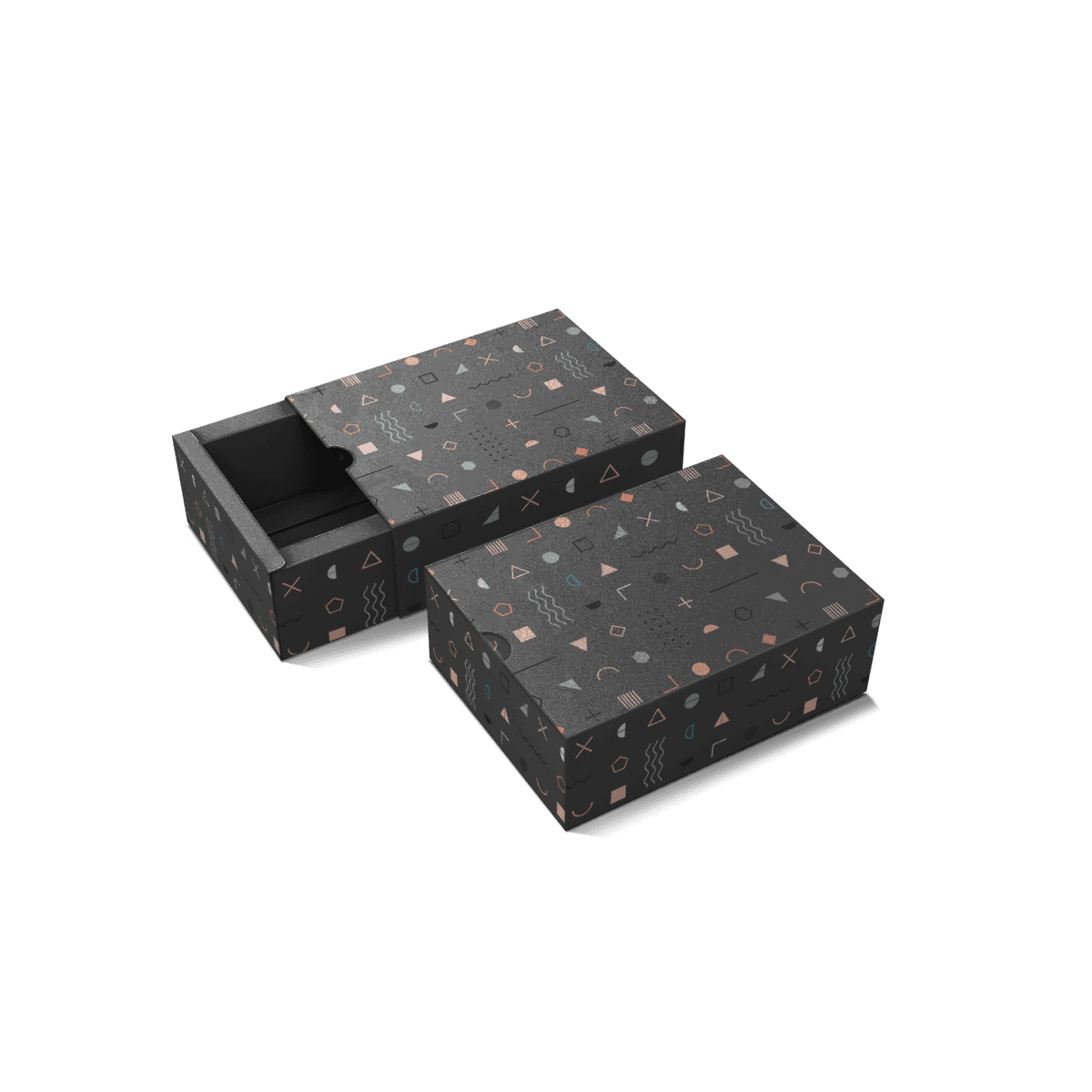
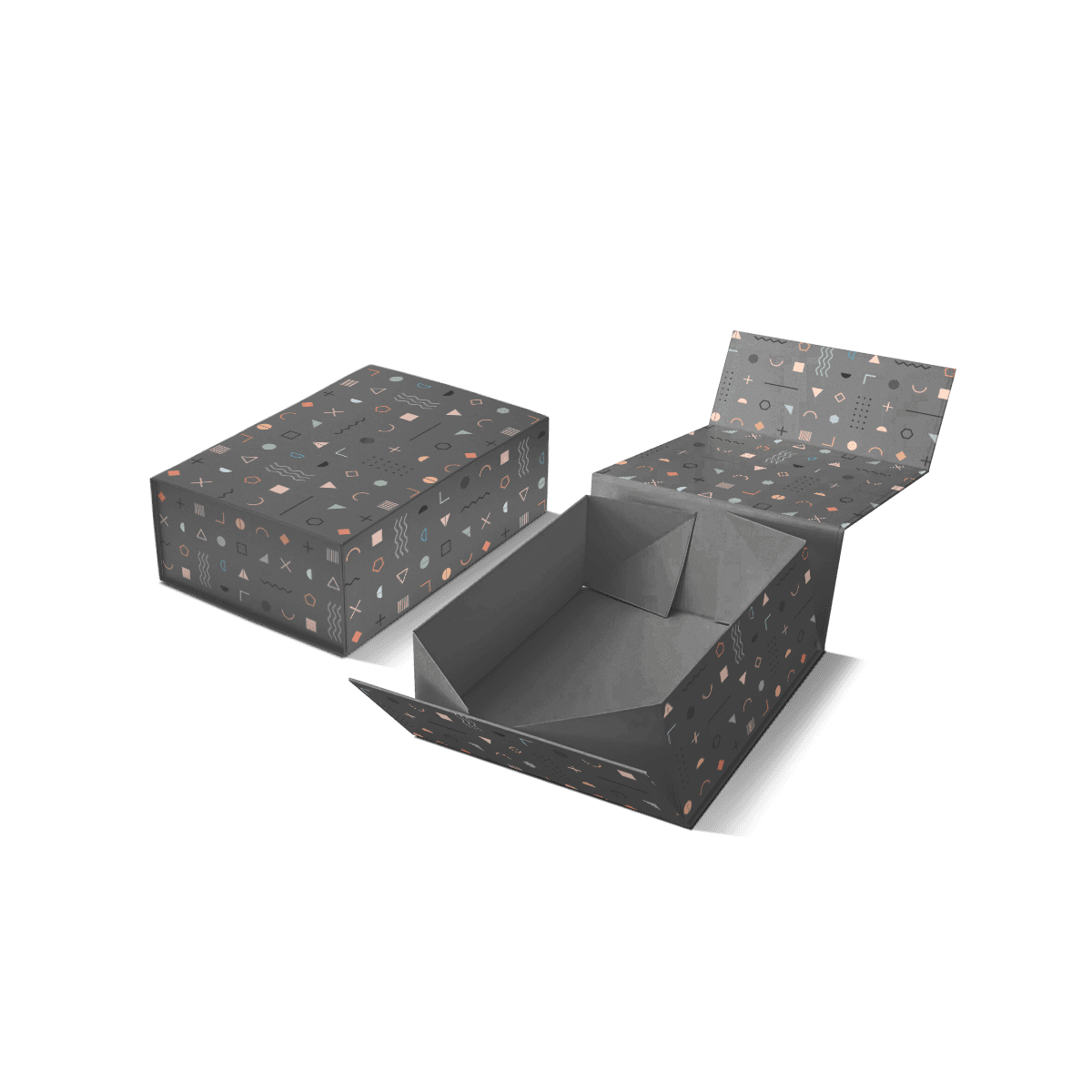
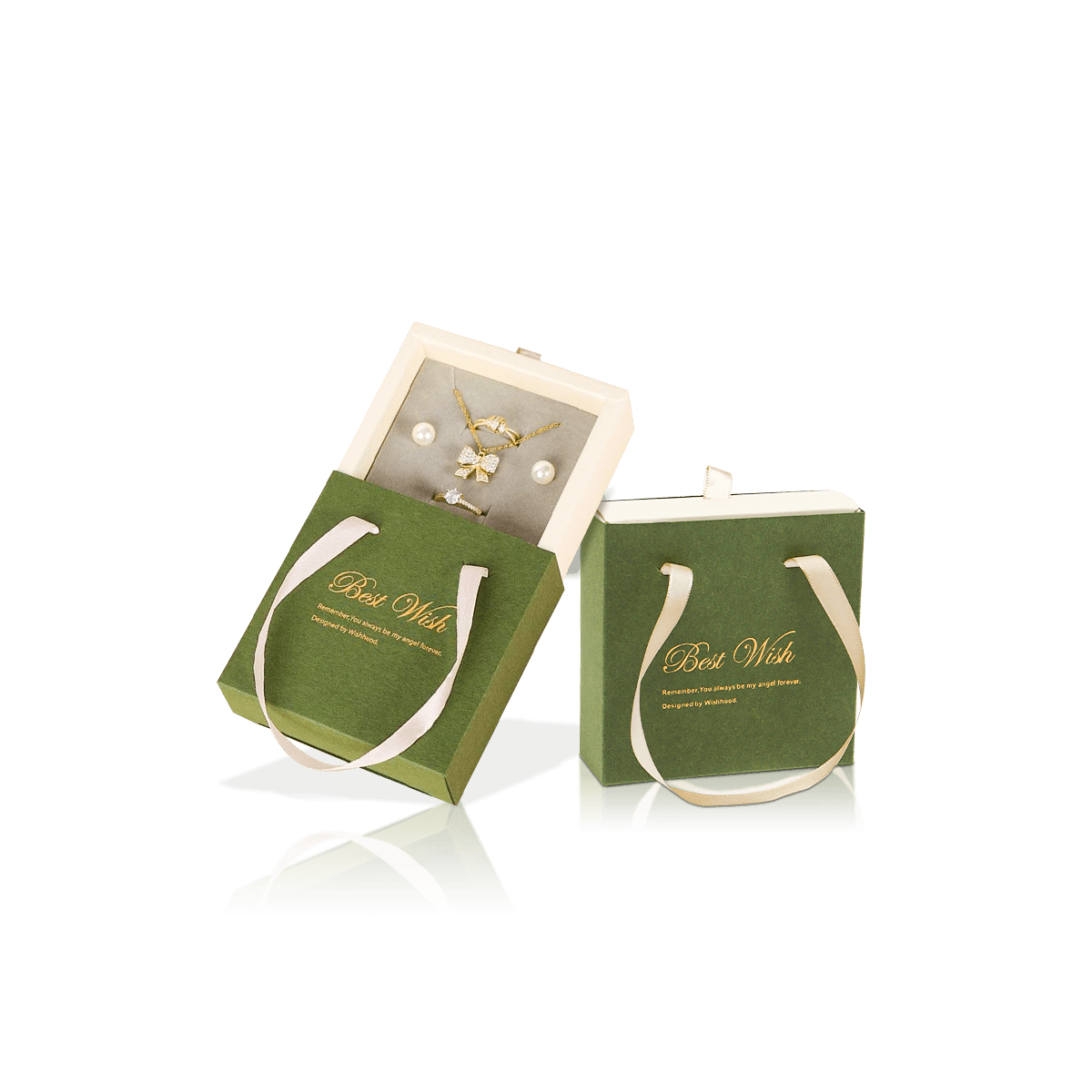
Custom Eco-Friendly Jewelry Boxes

Jewelry packaging specified around material reduction, paper-based structures, lower-complexity inserts and environmental claims the final construction can actually support.

Count Every Material in the Box

An eco-friendly jewelry box is more than the board visible from the outside. The insert, wrap, lamination, magnets, foam, fabric, adhesive and decorative parts all affect what the finished package is made from and how easily those materials can be separated after use.

That makes the full construction more important than a natural kraft appearance.

A kraft box with a plastic window, foam insert and laminated wrap can be materially more complex than it looks. A precisely sized paperboard box with a paper insert may use fewer material types even when it carries full-color printing.

For brands choosing jewelry and accessories packaging, the practical starting point is a component list: outer structure, insert, surface treatment, closure and shipping layer.

Hidden Components Still Count

Jewelry packs often gain material quietly. A foam pad is added for softness. Fabric is added over the foam. A magnetic closure appears because the box needs a more premium opening. Lamination is selected to protect the print.

Each choice may have a reason, but the complete combination should be reviewed rather than labeling the package from its outer paper alone.

If the objective is a simpler paper-led construction, remove components that are not earning their place.

The Insert Can Change the Whole Pack

The insert may be a small part by weight but a major part of the packaging decision.

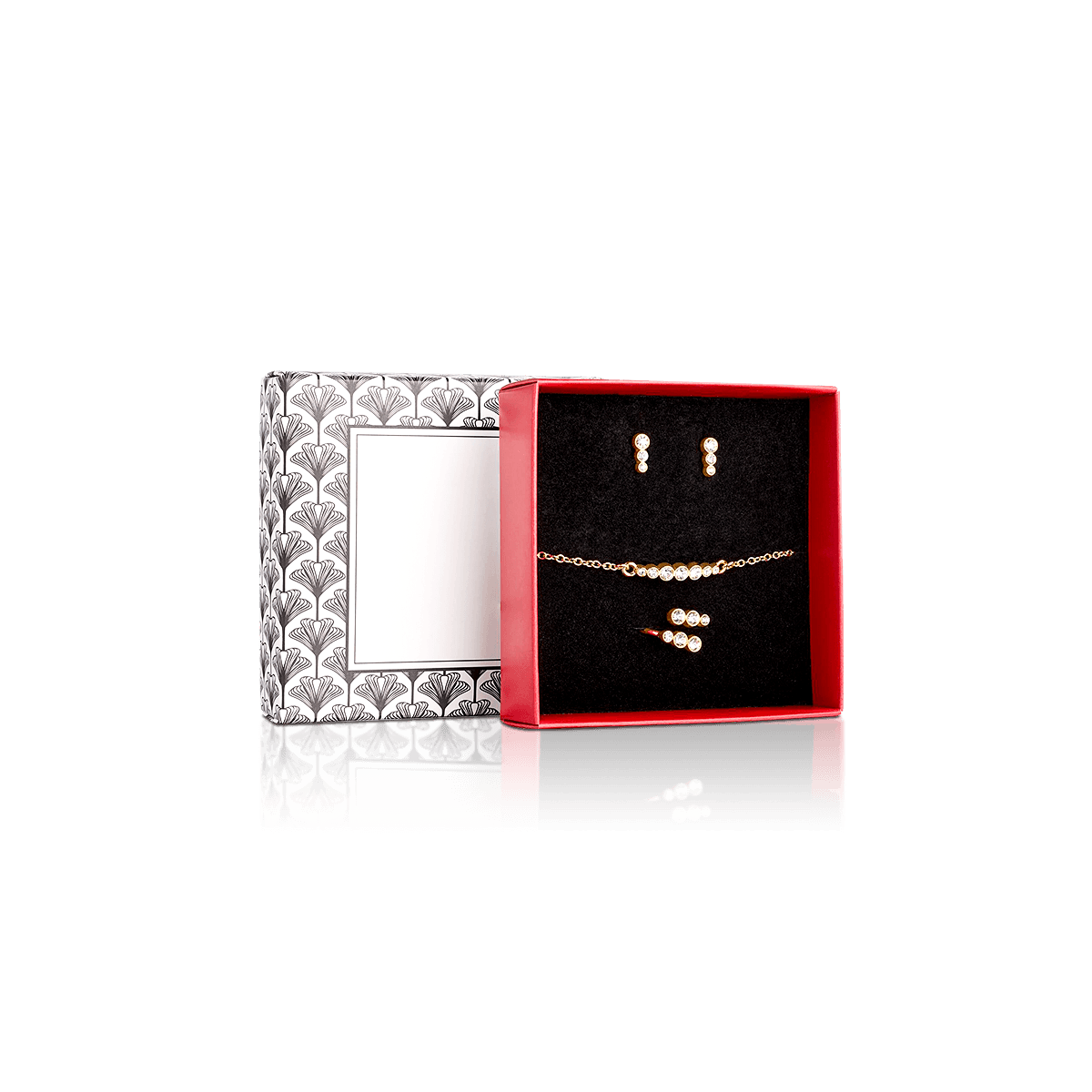
Paperboard retention tabs, folded cards and fiber-based supports can work for many lightweight rings, earrings, pendants and bracelets. Other jewelry may need more cushioning or a different holding method.

The right environmental direction is therefore product-specific. Replacing a secure insert with a weaker paper part is not an improvement if the jewelry starts moving, scratching or arriving out of position.
Reduce Material Before Changing Material

Using less material can be more meaningful than replacing an oversized box with another oversized box carrying a different sustainability label.

Jewelry makes right-sizing especially valuable because the product itself may occupy very little volume. A small pendant does not automatically need a deep gift box, multiple pads and a large shipping cavity.

Start with the presentation footprint the jewelry actually needs.

Depth Is Easy to Overbuild

Jewelry boxes often become deeper because extra depth makes the pack feel substantial. That can work for luxury presentation, but it should not happen automatically on a lower-waste specification.

A shallow ring, stud or pendant pack can still create a strong reveal when the insert establishes height and spacing intelligently.

Reducing unnecessary depth can also reduce filler and the size of the outer shipping pack.

Fit Can Replace Empty Space

An insert that holds the jewelry precisely can reduce the need for loose tissue, extra pads or a much larger interior.

This is where the sustainability objective and presentation objective can work together. The piece stays centered while the box remains compact.

Custom product packaging becomes relevant when product dimensions, jewelry profile and internal support need to determine the pack instead of a stock box size.

Paper Inserts Need Real Retention

Moving away from foam does not mean placing jewelry on a flat card and hoping it stays put.

A paper-based insert needs geometry matched to the item.

Rings Need Controlled Slots

A ring can rotate, sink or lean if the slot is too wide. The insert has to support the shank while keeping the face of the ring in the intended presentation position.

Folded paperboard can create lift beneath the piece without filling the entire box with a thick pad.

The amount of support changes for delicate bands, wide rings and raised settings, so one slit pattern should not automatically be used across every ring SKU.

Earrings Need Pair Control

Studs need two accurate piercing positions. Hooks and drops need enough vertical clearance so they do not bunch at the bottom of the pack.

For an earring set, spacing also affects presentation. Two pieces mounted too closely can touch during handling even when the outer box is correctly sized.

Necklaces Need an Anti-Tangle Path

A necklace insert has to manage the chain, not merely display the pendant.

Tabs, slits or folded channels can position the pendant while controlling excess chain behind the presentation surface. If the chain remains free inside the cavity, a paper-led construction has not solved the functional problem.

A packaging insert should be selected around retention, cushioning and product contact rather than appearance alone.

Free 3D mockups can help review proportions and presentation before production, while a fully custom physical pre-production sample can be arranged as a paid sample when the insert fit itself needs to be checked.

Structure Changes Material Use

Eco-friendly jewelry packaging does not have to mean one box style.

A folding carton, two-piece paperboard box and wrapped rigid box use materials differently. The best choice depends on how much structure the jewelry needs, how premium the presentation must feel and what components the brand wants in the final construction.

Folding Paperboard Cuts Bulk

Cardboard jewelry boxes are a strong direction when low storage volume, lightweight construction and print area matter.

They can ship flat before packing and use die-cut paperboard inserts for lightweight jewelry.

That makes them distinct from this URL. Cardboard Jewelry Boxes owns the paperboard box format itself. Eco-Friendly Jewelry Boxes owns the material and waste decisions across whatever appropriate jewelry structure is selected.

Rigid Boxes Need More Scrutiny

Rigid board can still be part of an environmentally considered program, but the construction deserves closer inspection because wrapped setup boxes often combine several components.

If a heavier rigid box is being chosen because the jewelry genuinely needs keepsake presentation, durability or long-term reuse, that commercial goal is different from choosing it automatically for every SKU.

Luxury jewelry boxes put presentation value first. Eco-friendly jewelry packaging puts material strategy first, even when the finished box still needs to feel premium.

Simple Does Not Mean Cheap

A box does not need excessive material to look considered.

Accurate proportions, sharp folds, tactile uncoated paper, restrained printing, embossing or a small foil element can create a deliberate presentation without turning every surface into a finish stack.

The structural discipline carries more weight than adding decorative components to make the packaging appear expensive.

Printing Should Match the Material Strategy

Print decisions can either support a simpler construction or complicate it.

Full-color artwork is not automatically inconsistent with an environmentally focused box. The better question is what print and finish layers the brand genuinely needs.

Kraft Changes Color Reproduction

Natural kraft gives artwork a brown base rather than a neutral white one. Lighter colors can become muted and unprinted areas retain the fiber appearance.

That makes kraft a design decision, not just a sustainability signal.

White or lighter paperboard may make more sense when accurate brand colors, photography or pale artwork matter more than the natural-paper appearance.

Packaging materials behave differently in print, structure and presentation, so the stock should be selected alongside the artwork.

Decorative Layers Need a Reason

Heavy lamination, large plastic windows or multi-material surface treatments should not be added by habit to a box positioned around simpler material choices.

Finishes can still be used selectively. Embossing and debossing create texture through the surface itself. Foil can be kept to small areas where it carries real brand value.

Premium offset printing can keep artwork precise without requiring every pack to become finish-heavy.

Price the Complete Construction

Two boxes made from similar board can have very different production costs once inserts, wraps, finishing and assembly are included.

That means material simplification can influence both the environmental brief and commercial planning.

A folding paperboard box with an integrated insert has a different production path from a wrapped rigid box with separate foam, fabric and magnetic components. Neither should be priced from board type alone.

Once the structure, dimensions, insert, quantity, print and finishes are established, an instant custom packaging quote can be based on the actual construction.

Custom Packly starts US orders from 100 boxes and supports transparent pricing with no hidden charges, design assistance and 24/7 packaging expert support.

Environmental Claims Need Specifics

“Eco-friendly” is too broad to describe the engineering of a finished package by itself.

A stronger customer-facing statement identifies the actual attribute: reduced box dimensions, paper-based insert, verified recycled content, removal of a plastic window or another specific change the brand can substantiate.

Do not invent a recycled-content percentage. Do not place a certification mark on the box unless it applies to the selected material and the necessary documentation supports its use. Do not call a complete pack recyclable merely because one visible component is paper.

Write From the Final Bill of Materials

Before artwork is approved, record what the finished box actually contains:

  • structural board or paperboard
  • outer wrap where used
  • insert material
  • adhesive
  • coating or lamination
  • closure components
  • windows or films
  • decorative materials

That list gives marketing teams something concrete to work from.

A claim such as a paper-based insert replacing a previous foam insert is much clearer than filling the box with broad environmental language that says little about the construction.

Disposal Copy Must Match the Pack

If different components need different disposal routes, the instructions should not imply that the closed box can simply be treated as one material.

Separability matters.

A removable insert, sleeve or accessory can make instructions clearer when the components genuinely need to be handled differently. The packaging design and disposal message should agree with each other.

Shipping Can Undo Right-Sizing

A compact presentation box can lose much of its material efficiency if it is shipped inside a parcel box several times larger than necessary.

Jewelry is well suited to tighter secondary packaging because many products are small and light, but protection still has to account for crushing, moisture exposure, handling and theft risk.

The presentation box should not be expected to absorb parcel-system abuse by itself.

The Outer Pack Has a Different Job

A paperboard jewelry box can hold the piece and create the reveal. An outer mailer or shipping box handles transit.

That division lets each layer do one job instead of making the retail box excessively heavy simply because it will eventually enter an ecommerce shipment.

For higher-value pieces, the outer package can stay discreet while the branded presentation remains inside.

Shipped Air Is Still Packaging

Right-sizing the presentation box makes it easier to right-size the shipper.

When several jewelry SKUs share a fulfillment operation, examine how each presentation size fits the outer mailers used most often. A few millimeters added to every inner pack can force a much larger shipping size across thousands of orders.

Free US shipping can support the commercial plan, while warehousing and scheduled deliveries can help larger programs control when finished inventory reaches each fulfillment location.

Remove the Premium Insert Trap

One common conflict appears when a jewelry brand wants a paper-led box but keeps the same thick foam-and-fabric interior it used in its previous rigid packaging.

The outer box changes, but most of the interior architecture remains untouched.

That creates an eco-focused appearance without addressing one of the most material-heavy parts of the pack.

The better process is to examine what the existing insert is actually doing.

If the foam is only raising a pendant into view, a folded paper platform may perform the same presentation job. If the pad is controlling a delicate piece during shipment, removing it without an engineered replacement may create a protection problem.

The correction is therefore not “replace all foam.”

It is to separate necessary cushioning from unnecessary volume, then redesign the paper components around the jewelry that still needs restraint.

This is also a good point for physical fit validation because a small adjustment to slot width, tab position or insert height can change how the piece sits once the box is handled.

One Collection Can Share a Material Logic

Jewelry brands often carry rings, earrings, necklaces and bracelets with very different dimensions.

The most efficient packaging program does not necessarily force them all into one box. It gives the collection a shared material logic while allowing dimensions and inserts to change.

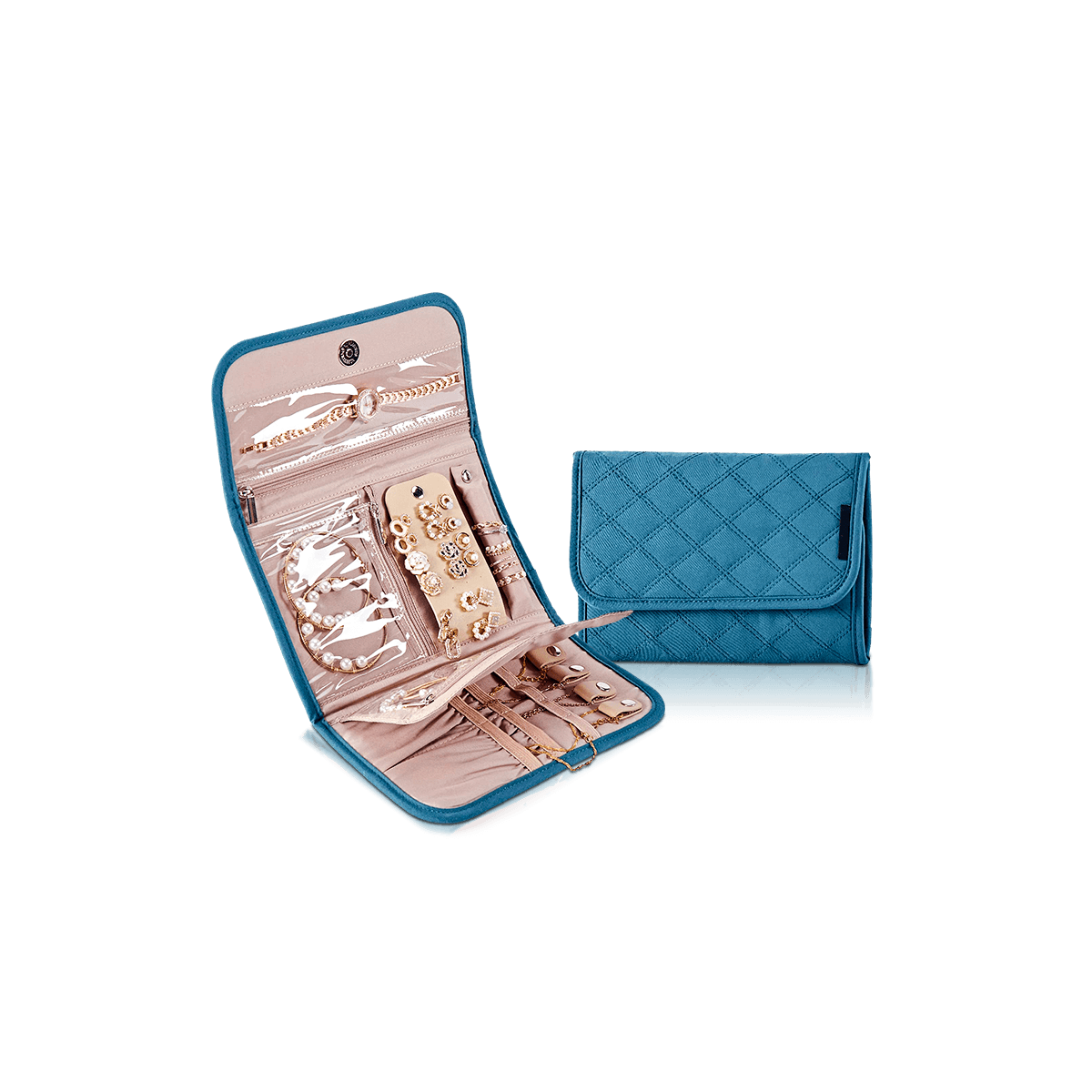
A ring box can stay compact. Earrings can use a flat presentation card. A pendant box may need additional chain management. A bracelet may need more length without much extra depth.

The consistent elements might instead be paper stock, print method, surface texture, logo treatment and insert material.

That creates a recognizable packaging system without wasting board around small products simply to maintain one universal footprint.

MOQ starts from 100 boxes in the USA, which can support a smaller jewelry line before larger production quantities are needed.

When quantities grow across several SKUs, bulk custom boxes can help frame quantity, inventory and multi-version production decisions.

Custom Packly also supports US production with a standard 4–6 day turnaround after final artwork and specifications are approved. Complex structures, specialty materials or advanced finishes may require additional time.

Make the Material Story Verifiable

The final box should make sense before any environmental message is added to it.

Start with the physical evidence: appropriate size, no unnecessary cavity, an insert that does its job with sensible material use and decorative components that have a clear purpose. Then document the selected stock, insert and finishes accurately.

If recycled content, recyclability, certification or another environmental attribute matters to the brand, confirm the exact material specification before that claim reaches artwork.

That approach keeps the packaging decision grounded in what was actually manufactured.

For an eco-focused jewelry line, the strongest result is not the box that looks the most “green.” It is the box whose material choices, product protection, presentation and environmental language all describe the same physical package.

FAQs

Recycled paperboard, kraft board and responsibly sourced fiber-based wraps where documented can balance structure, printability and lower-waste positioning. The right choice depends on the required finish, strength and available material specification.

Yes. Texture, debossing, foil used selectively and strong structural fit can give a refined result even when the box is built from recycled or paper-based materials.

Not always. Studs, pendants and light bracelets can often be held with paperboard slots, recycled fiber pads or molded pulp supports if the fit is engineered correctly.

Flat shipping reduces stored volume and avoids sending empty air through the supply chain, which helps both warehouse efficiency and transportation impact.

Eco-Friendly Jewelry Boxes focus more on recycled content, lighter components and lower-waste construction, while Luxury Jewelry Boxes usually lean toward heavier setup styles, thicker wraps and more decorative materials.

Process

How it works

Your Packaging Journey, From Idea to Production and Delivery

01

Tell Us Your Specs

Custom packaging boxes

Tell Us Your Specs

Provide size, quantity, printing, and finishes.

02

Get a Fast Quote

Custom packaging boxes

Get a Fast Quote

Instant transparent pricing, no hidden fees.

03

Design and Approval

Custom packaging boxes

Design and Approval

Artwork checks, revisions, and final sign-off.

04

Produce

Custom packaging boxes

Produce

Expert manufacturing to meet deadlines.

05

Ship to Your Door

Custom packaging boxes

Ship to Your Door

Hassle-free, flexible delivery options.

Get Your Quote for Custom Eco-Friendly Jewelry Boxes

Share your product details, size, quantity and artwork needs. We’ll help choose the right packaging style and send a clear quote.