Skip to content
Details

Custom Sushi Mylar Bags

Sealed flexible packs for onigiri, sushi snacks, condiment sets and chilled kit components, specified around film barrier, seal integrity and storage conditions.

Use Pouches for the Right Sushi Job

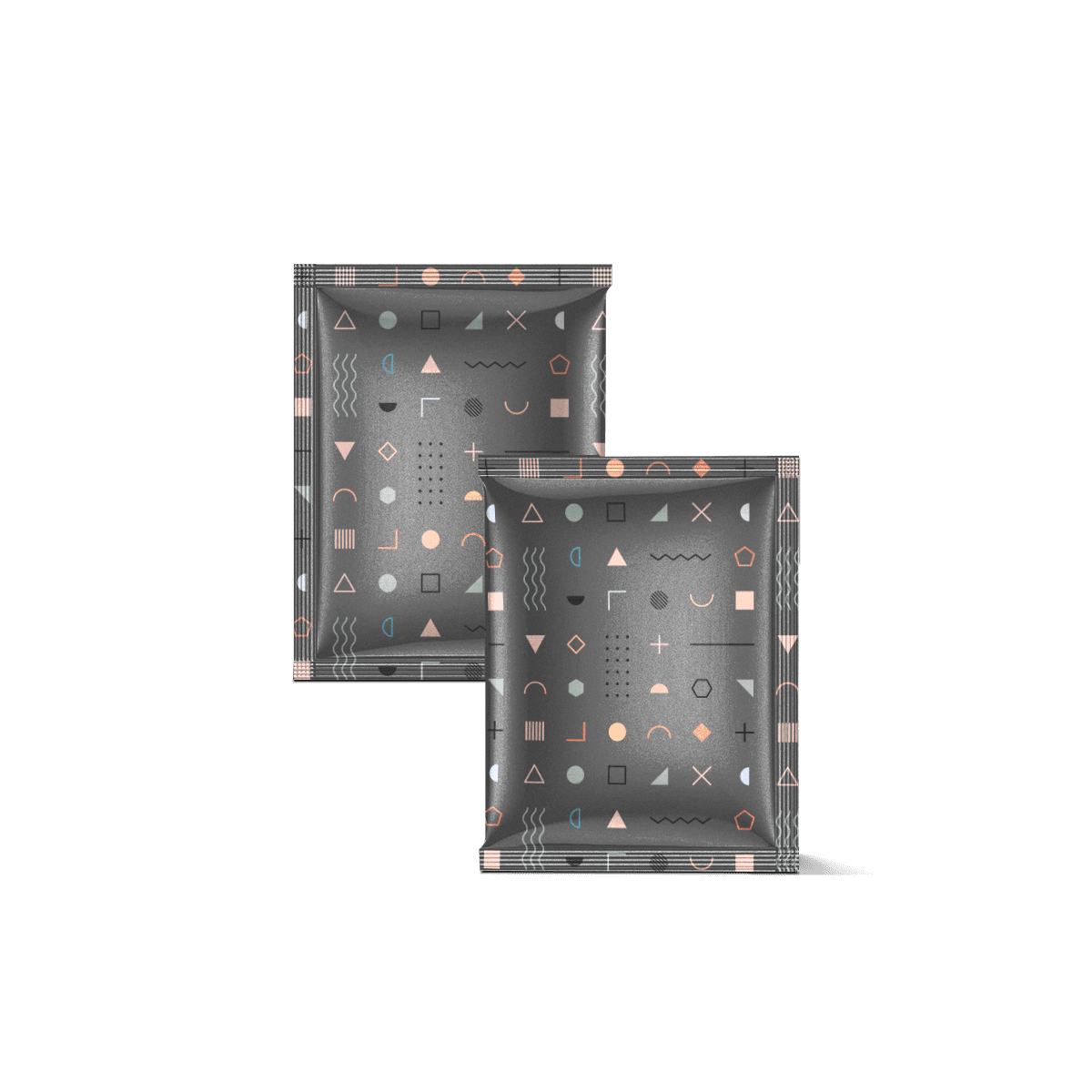
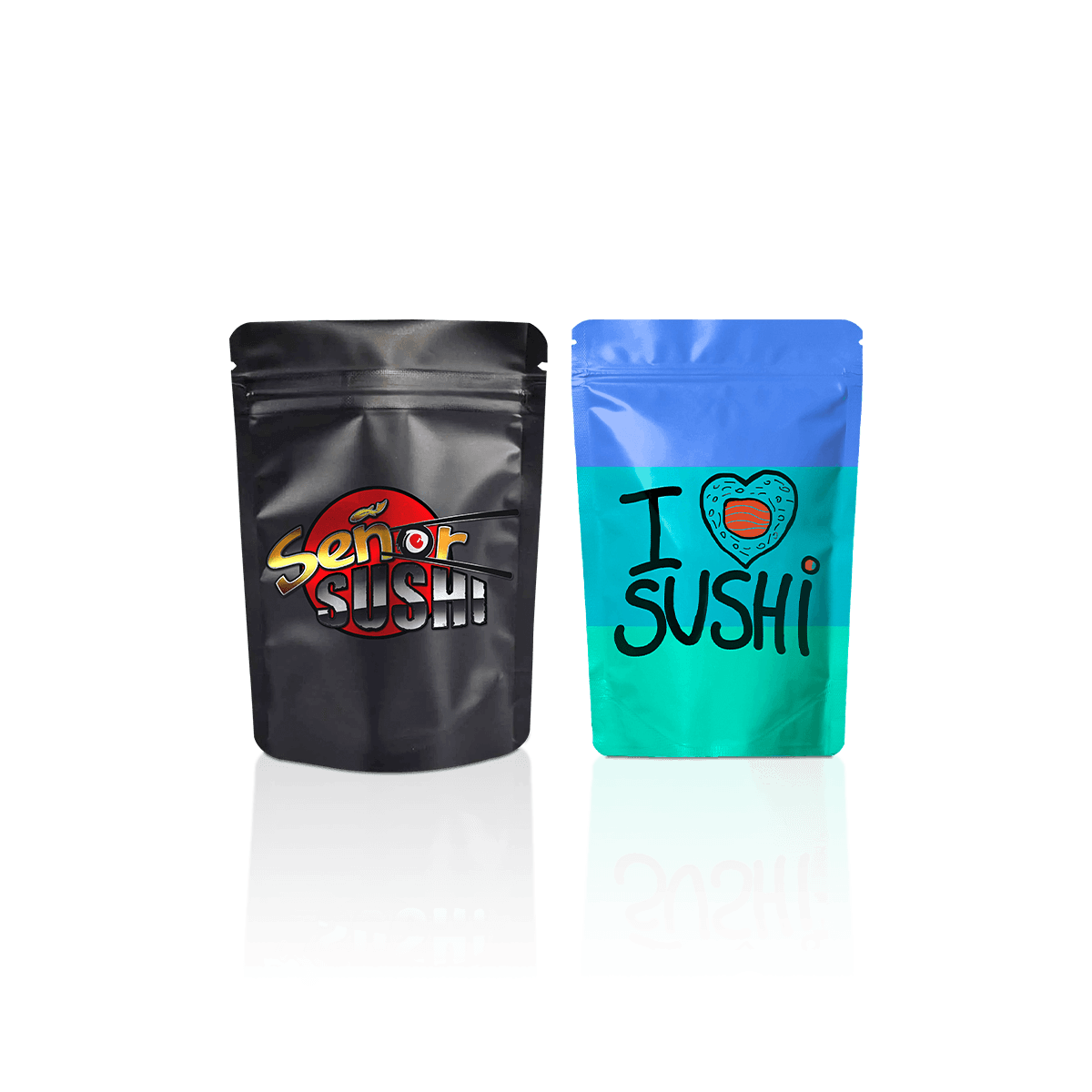
Custom Sushi Mylar Bags are best treated as sealed flexible packs for sushi-adjacent and compact grab-and-go formats, not as a universal replacement for rigid sushi trays. They can make sense for onigiri, individually wrapped rice snacks, dry toppings, utensil kits, condiment sachets, frozen components and meal-kit add-ons when the selected film and seal are appropriate for the actual product.

Fresh rolls with delicate shape, garnish or broad visual presentation often need a rigid tray or clamshell instead. The first decision is therefore whether the pack must preserve shape or whether compact sealed containment is the more important job.

Separate Shape From Barrier

A flexible pouch can control exposure only when its laminate and seals are designed for the product. It cannot stop a soft roll from being compressed if the pack is stacked or squeezed. Conversely, a rigid tray may protect shape without supplying the moisture, oxygen or aroma barrier needed by another item.

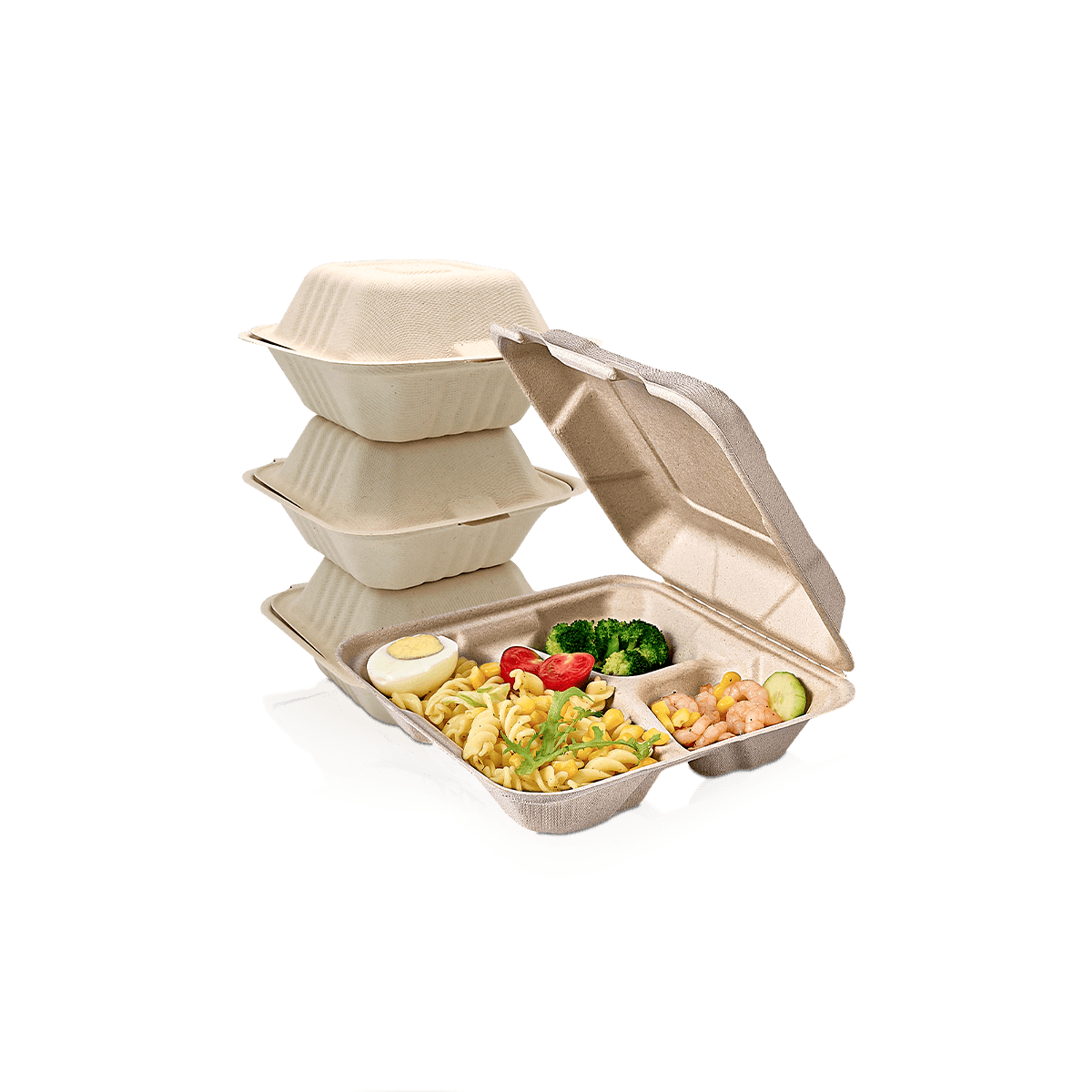
For fresh roll presentation, Clamshell Food Boxes give the product a rigid cavity and a broad viewing area that a flexible pouch cannot reproduce.

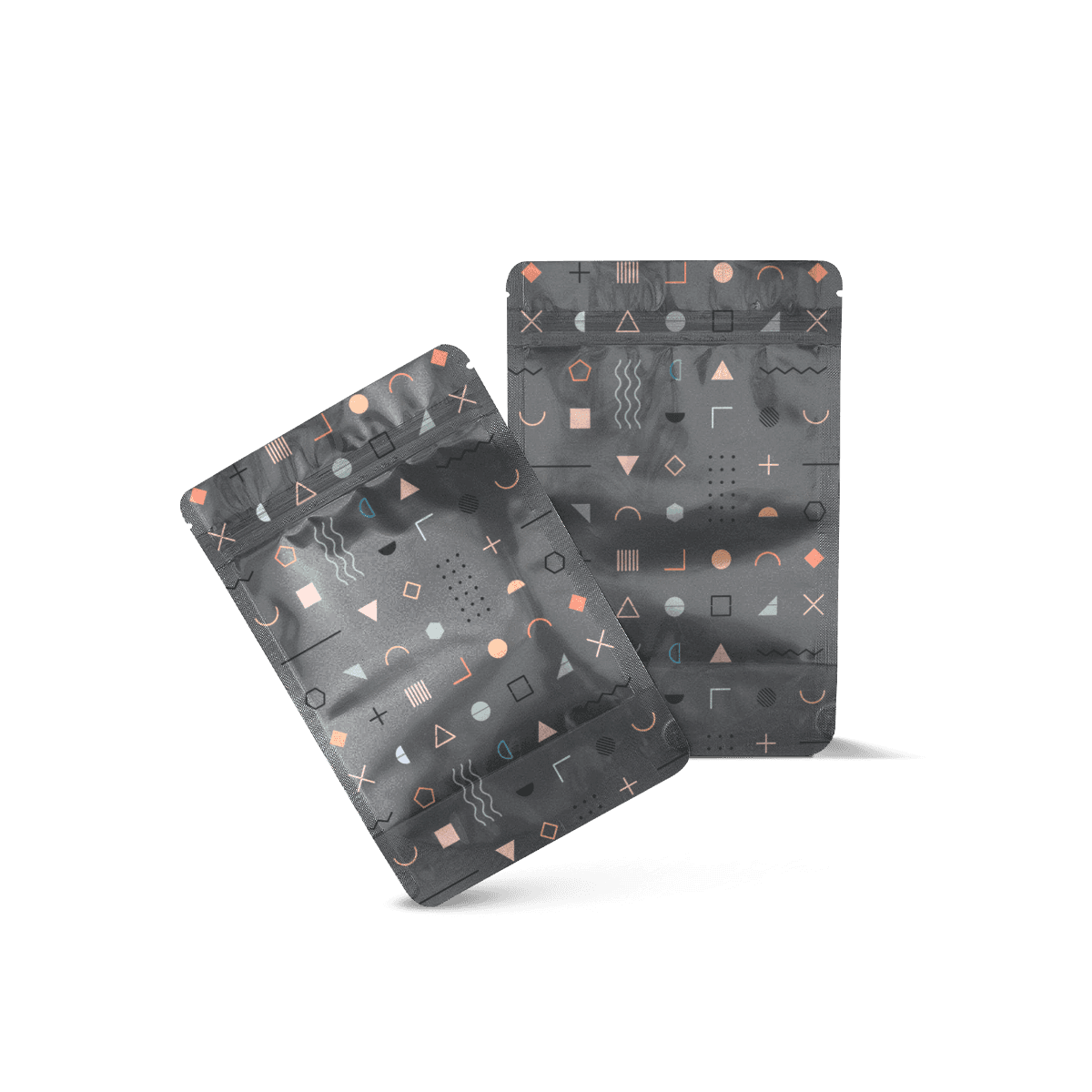
Flexible Pouches make more sense when compact storage, sealing and barrier performance matter more than rigid walls.
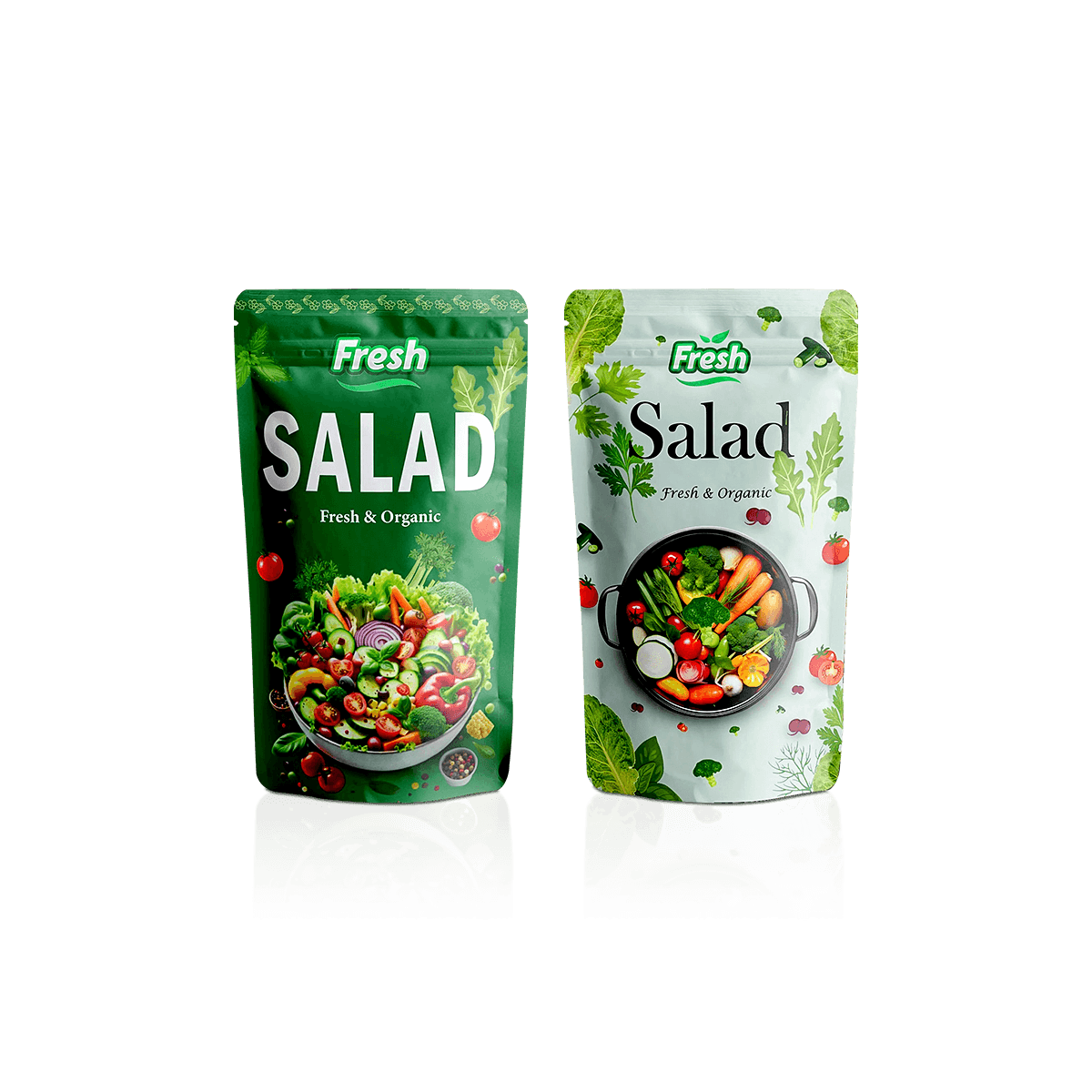
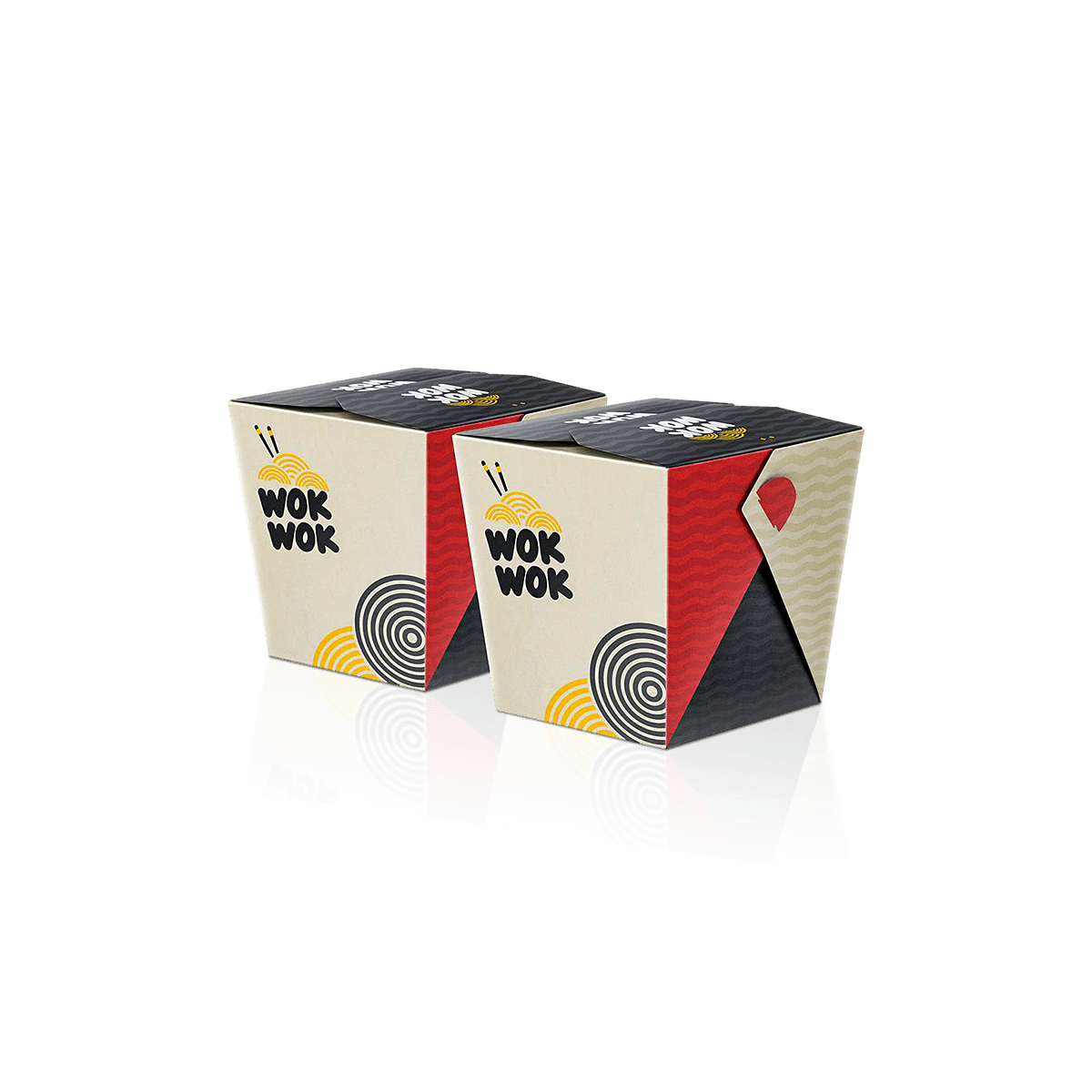
Match the Film to the Product

The word Mylar does not define one universal food-safe laminate or one fixed barrier level. The actual film structure must be selected for the product, filling method, storage temperature, intended shelf life and sealing process.

Moisture and Oxygen Are Different

A rice snack, dry topping and frozen component can have different sensitivity to moisture and oxygen. One may need strong moisture resistance, another may be more affected by aroma loss or oxidation. The laminate should be specified around those conditions rather than chosen from appearance alone.

Metalized, foil-containing or clear structures can behave differently. A transparent panel improves product visibility but may change light and barrier performance compared with a fully opaque structure.

Validate Direct Food Contact

If the pouch will directly contact food, confirm the exact film, inks, adhesives and sealant layer for the intended application. Do not infer suitability from a generic pouch description or from the fact that another food product uses a visually similar bag.

Plan the Seal Before Sizing

The usable pouch area is smaller than the outside dimensions because seals, tear notches, zippers and headspace occupy space. A pouch that appears large enough on paper can become too tight once the sealing zones and actual product volume are included.

Leave a Clean Seal Zone

Food particles, sauce residue or trapped product in the heat-seal area can weaken the closure. The filling process should keep the seal zone clean and allow enough headspace for consistent sealing without crushing the contents.

For individually wrapped onigiri or dry sushi snacks, the shape of the finished item determines the practical pouch width and length. For kits containing several sealed components, the combined packed envelope matters more than the dimensions of the largest single item.

Zippers Need Their Own Space

A resealable zipper can be useful for dry toppings or multi-use components, but it adds material and occupies vertical space. Single-serve packs may be better served by a tear notch and heat seal when resealing has no real use.

Cold Storage Changes the Pack

Refrigerated and frozen products introduce temperature, condensation and handling conditions that should be tested with the actual laminate and seal. A pouch that performs well at room temperature should not automatically be assumed to behave the same way when chilled, frozen or repeatedly moved between environments.

Check Seal Integrity Cold

Run packed samples through the intended storage temperature and handling cycle. Inspect the seals, printed surface, zipper if present and any clear window for cracking, delamination, leakage or distortion.

The product itself may also change the package. Condensation can alter labels or secondary cartons, while sharp frozen edges can create puncture risk against flexible film.

The packaging testing process should reproduce the real product, storage temperature and handling sequence rather than judging an empty pouch at room temperature.

Make Grab-and-Go Easy to Read

Compact food packs still need a clear visual hierarchy. The front should identify the product quickly, while the back or secondary panel can carry the required product copy, barcode area, preparation notes and other labeling that applies to the SKU.

Keep Print Off the Seal

Important text, barcodes and small symbols should remain clear of heat-seal zones, tear notches and deep folds. Artwork that looks balanced on a flat dieline can become crowded after the top seal is formed or the pouch fills out.

Use Windows Deliberately

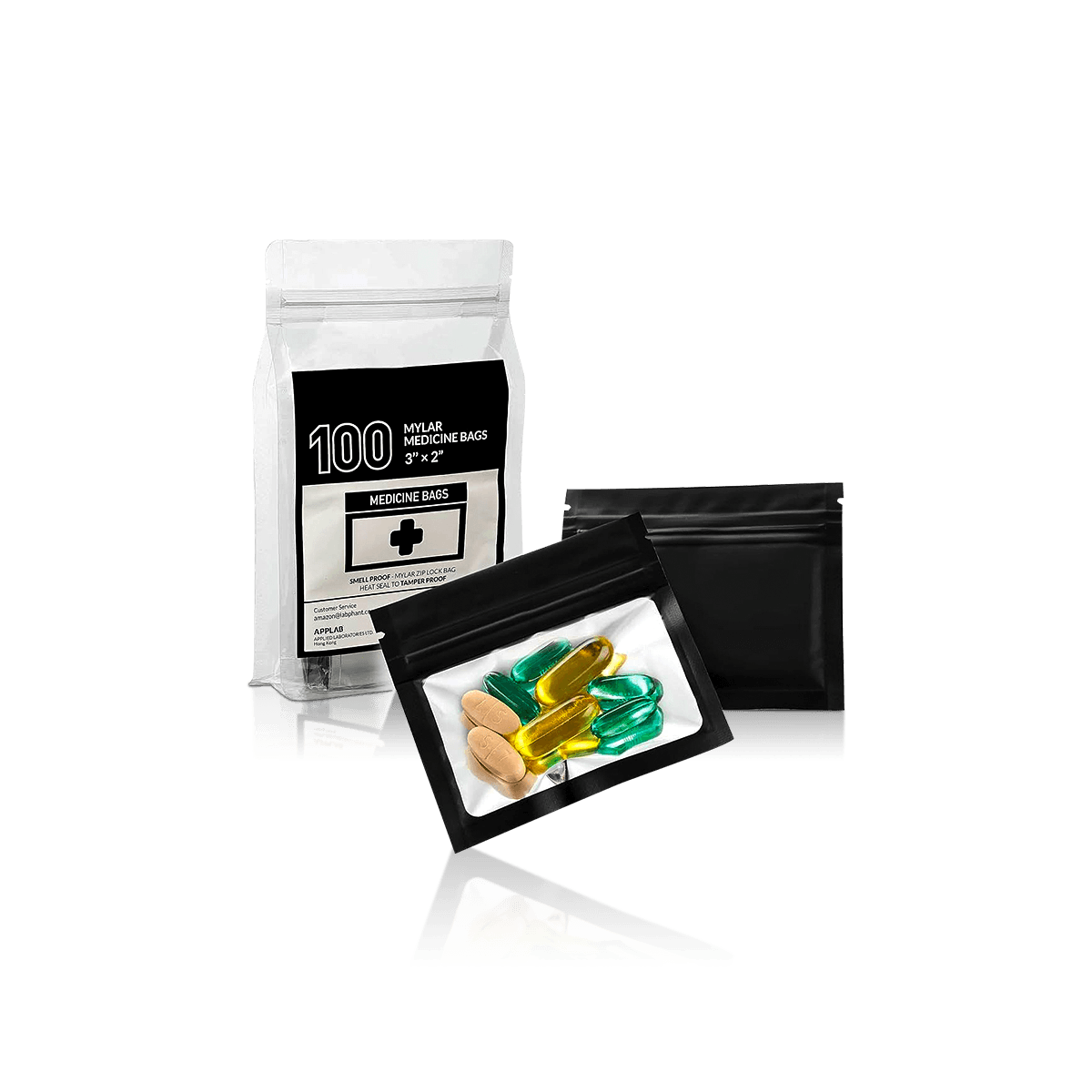
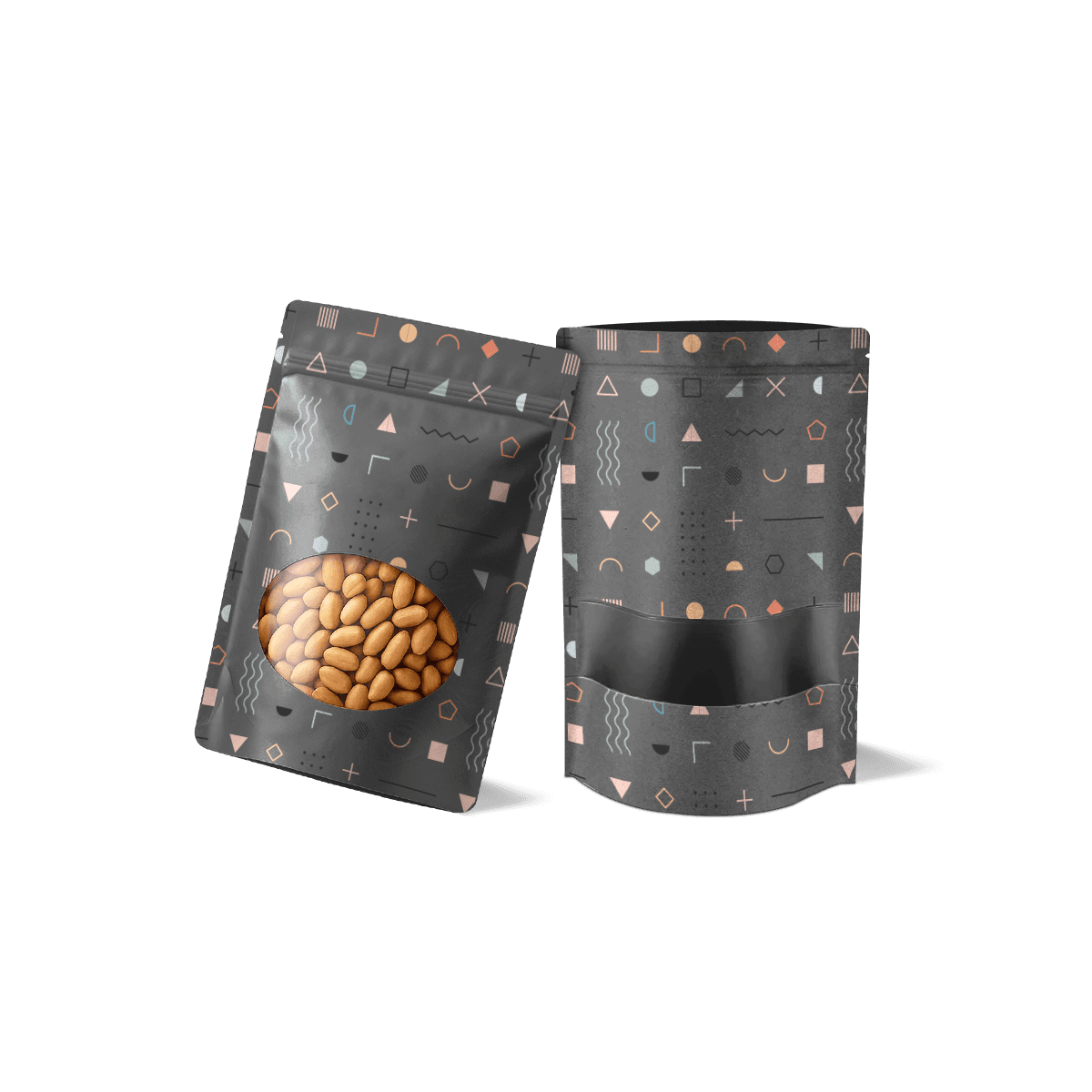
A clear window can help shoppers identify the product, but the visible area should still leave enough room for structural sealing and required copy. The product should also remain visually stable during storage rather than sliding away from the opening.

Windowed Mylar Pouches are a better fit when product visibility is a deliberate merchandising requirement rather than an incidental clear patch.

Separate Condiments From the Main Pack

Soy sauce, ginger, wasabi and other wet components should not be treated as loose contents inside a general pouch. They should use their own suitable sealed containers or sachets before being grouped with the main food pack.

Prevent Cross-Contamination

A leaking condiment can compromise artwork, labels and the main food package even when the outer pouch itself remains closed. Organize the pack so each liquid component has its own containment and cannot puncture or crush another item.

Utensils and napkins also need placement that does not interfere with the seal. For multi-component meal packs, a rigid outer format may be easier when organization matters more than compactness.

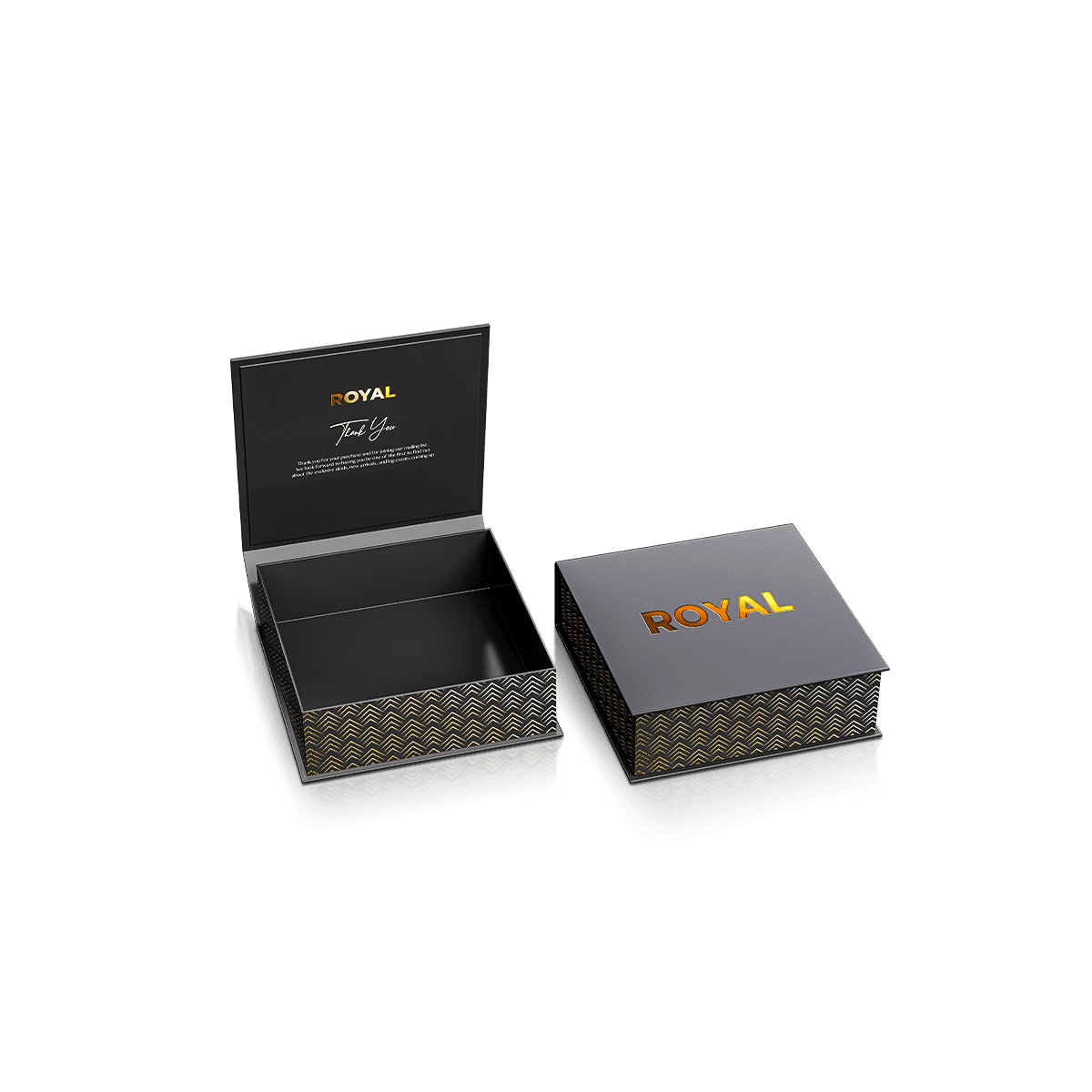
For larger mixed meals, Takeout Boxes can organize rigid containers, sides and utensils without forcing everything into one flexible cavity.

Choose the Production Format

Preformed pouches suit many hand-fill or lower-volume operations because the bag arrives converted and ready for filling and sealing. Higher-volume packing may use roll stock when the filling line forms, fills and seals the package as part of one process.

Hand Fill or Form-Fill-Seal

The best format depends on equipment, output speed, changeover frequency and how many SKUs share the line. A small grab-and-go program may value flexible preformed quantities, while a mature high-volume line may need roll-fed efficiency.

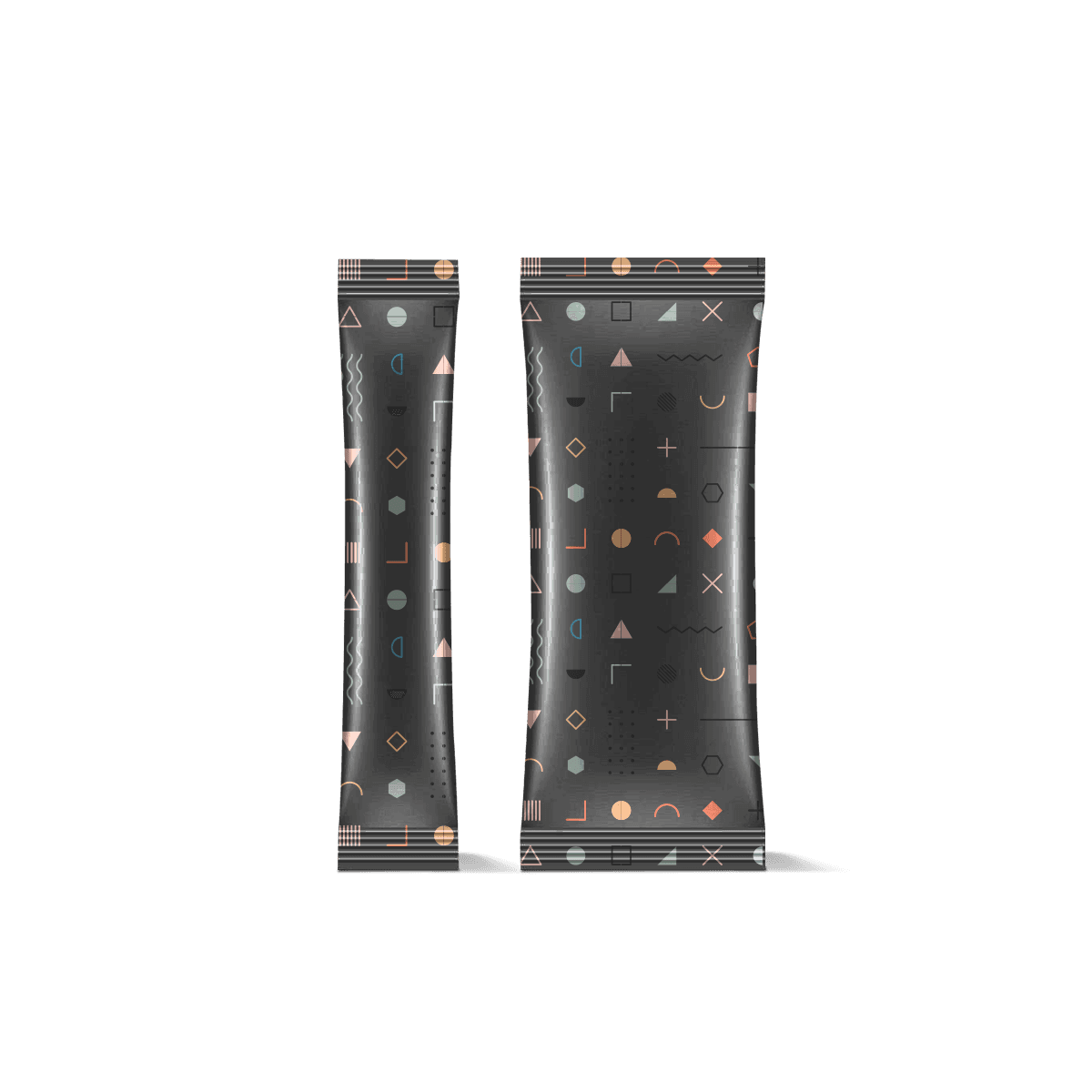
Roll Stock Pouches fit operations where packaging film is formed and sealed on compatible production equipment rather than filled as a finished premade bag.

Print by Quantity Per Design

Artwork economics depend on how many units are needed for each SKU, not only the combined order quantity. Several flavors or product variants can change the most practical printing route even when every pouch shares the same dimensions.

The digital, offset and flexographic printing choices should be assessed against the film, quantity per design and production method.

Approve the Complete Food Pack

A finished sushi pouch should be approved with the real product or a representative packed configuration. Check product fit, seal cleanliness, opening behavior, print readability, barcode placement and the way the pouch sits in its intended retail fixture or shipping case.

Test the Selling Unit

If the pack is refrigerated, inspect it after the actual chilled hold. If it is frozen, test the frozen condition. If it is placed in a display basket or case, check whether the front panel remains visible and whether neighboring packs create pressure that distorts the product.

Custom Packly's USA minimum order starts from 100 units. Free design support and 3D mockups can help settle size and artwork, while exact physical sampling may be appropriate where the laminate, seal or cold-storage behavior needs direct confirmation.

Standard USA turnaround is 4–6 days after final artwork and specifications are approved. Complex materials, specialty structures or production requirements may need additional time, and free shipping applies to the current USA offer.

Food, Bakery & Restaurants packaging should be chosen around the food form, service route and handling conditions rather than forcing every product into the same package type.

FAQs

Usually not for fresh sushi rolls that need rigid shape protection and broad visibility. This format is better for sealed items such as onigiri, sushi snacks, condiment packs, dry toppings or meal-kit components when the selected film and seal are validated for the product.

Clamshell Food Boxes are usually better for fresh rolls that need shape protection and wide product visibility. Sushi Mylar Bags are better when the goal is sealed portions, slimmer packing and lower storage bulk.

Barrier level, seal integrity, product temperature and intended shelf life matter most. The exact laminate should be confirmed for the product and storage conditions; a pouch should not be assumed suitable simply because it is described as Mylar.

Yes, when soy sauce, ginger, wasabi or other wet components are already contained in their own suitable sealed sachets or containers. The outer pouch should group those components rather than serve as their primary liquid containment.

Front and back panels can be planned for branding, ingredients, handling notes and sticker placement without crowding the package.

Process

How it works

Your Packaging Journey, From Idea to Production and Delivery

01

Tell Us Your Specs

Custom packaging boxes

Tell Us Your Specs

Provide size, quantity, printing, and finishes.

02

Get a Fast Quote

Custom packaging boxes

Get a Fast Quote

Instant transparent pricing, no hidden fees.

03

Design and Approval

Custom packaging boxes

Design and Approval

Artwork checks, revisions, and final sign-off.

04

Produce

Custom packaging boxes

Produce

Expert manufacturing to meet deadlines.

05

Ship to Your Door

Custom packaging boxes

Ship to Your Door

Hassle-free, flexible delivery options.

Get Your Quote for Custom Sushi Mylar Bags

Share your product details, size, quantity and artwork needs. We’ll help choose the right packaging style and send a clear quote.