Skip to content
Details

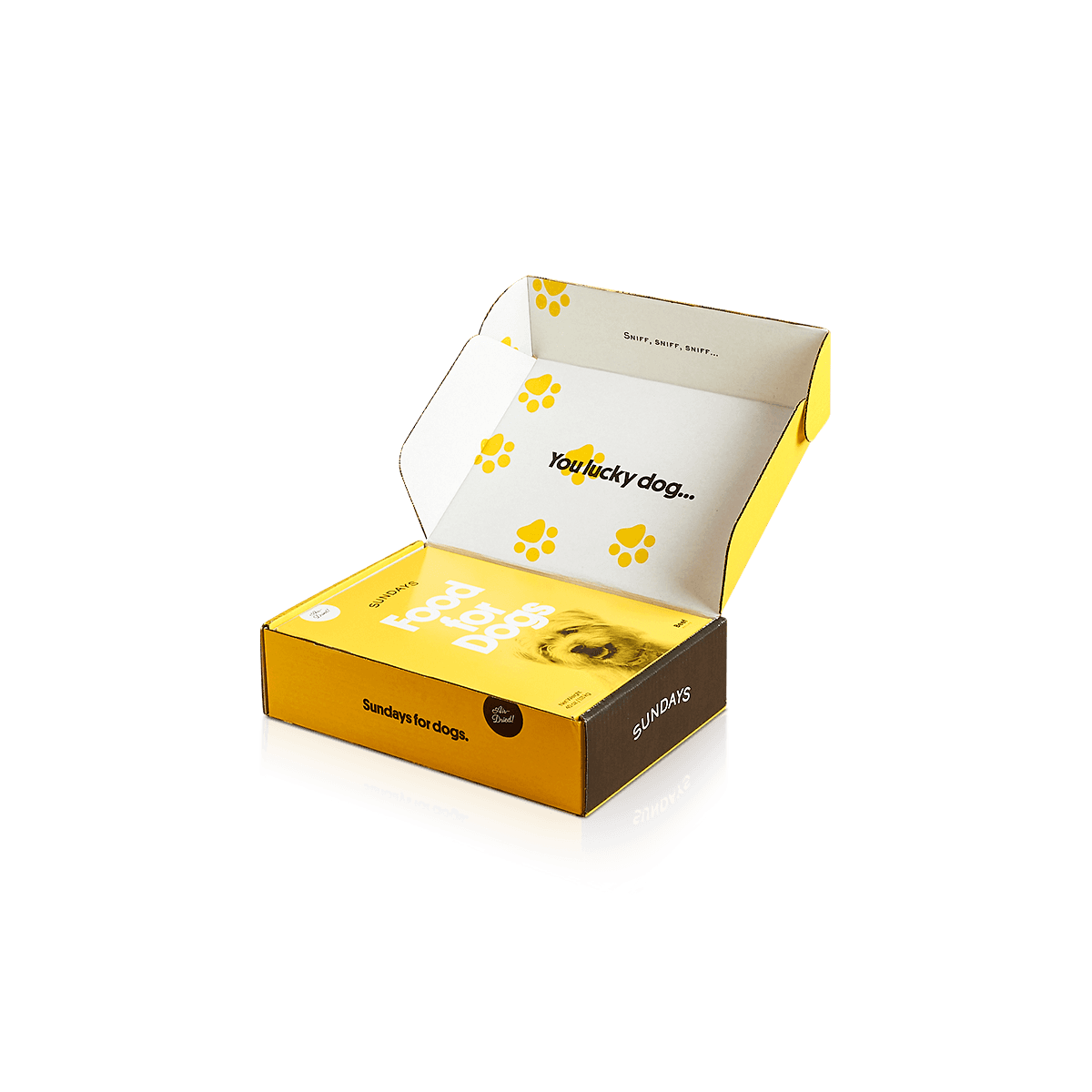
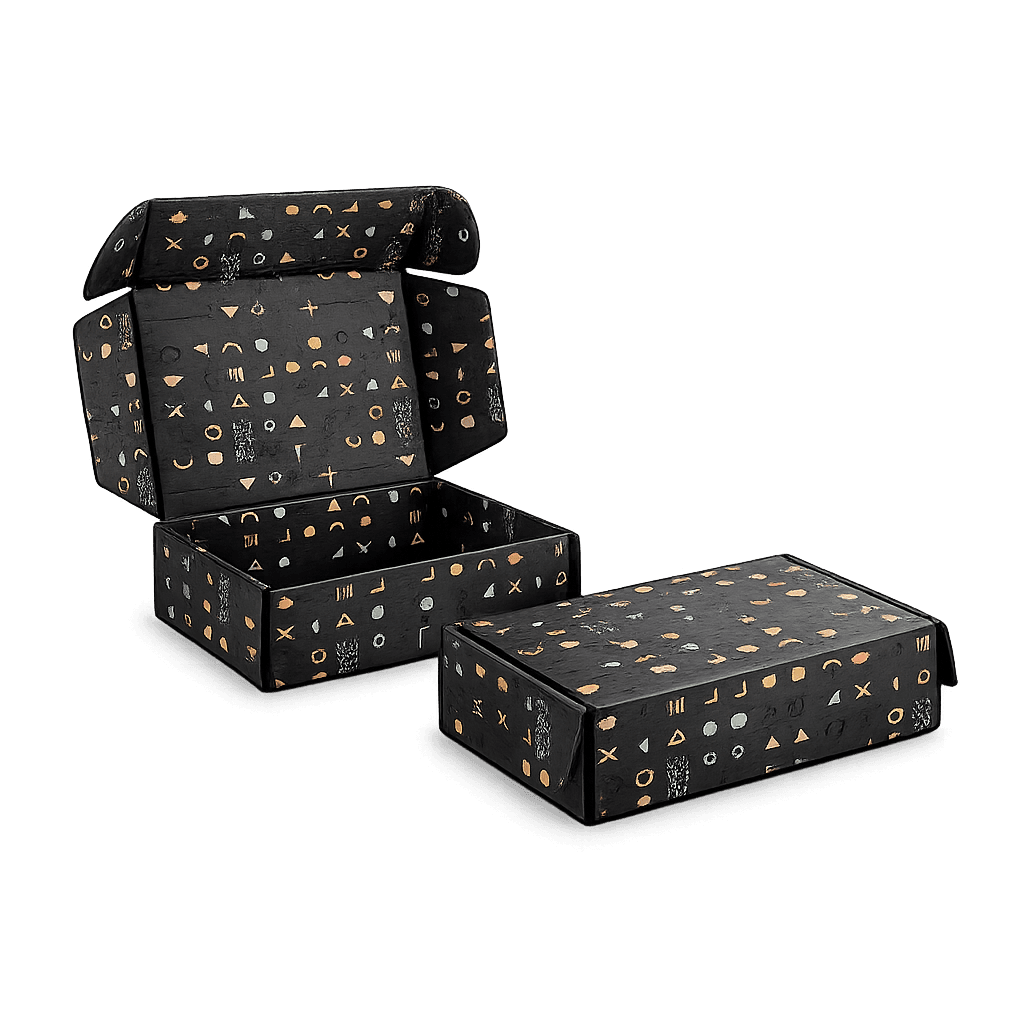
Custom Mailer Boxes with Wings

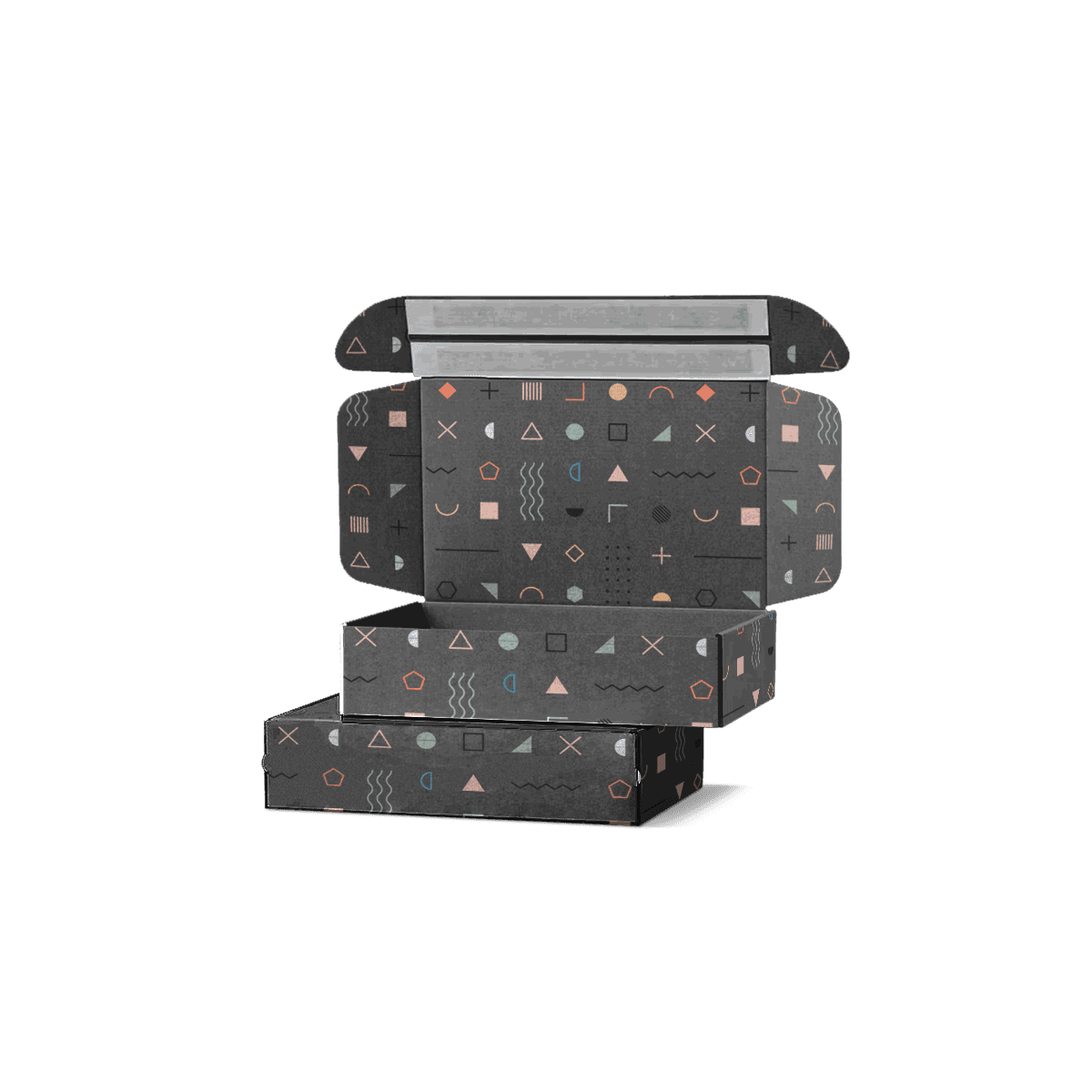
Winged corrugated mailers that guide the lid into place, close side gaps and create a cleaner frame around products, kits and folded goods during packing and delivery.
Dieline preview

Generate a Mailer Box with Wings Dieline

Use custom dimensions to view the dieline for this box style and plan artwork with more confidence.

Bleed
Crease
Trim

No preview available

Mailer Box with Wings

Calibrated controls

Current size315 × 202 × 62 mm
Preview scale100% centered
StateValidated
Next Step

Turn Your Dieline Into Custom Packaging

Share your box size, quantity, material, print and artwork details on the quote page. We’ll review your dieline and email your custom packaging quote with the dieline file.

Continue to quote

Wings Control the Edges

The wings are most valuable at the side edges of the opening.

They can make the interior feel more enclosed as the lid comes down, help guide the upper structure and reduce the exposed side gaps around flat or layered products.

That is especially useful for folded apparel, printed materials, stationery sets, sample kits and accessory bundles where an open-looking side can make an otherwise neat arrangement feel unfinished.

The wings should not be mistaken for a fitted product restraint.

If a skincare bottle can slide several inches across the base, side wings will not hold it in its original position. The product still needs an appropriately sized cavity, divider or insert.

The principles of controlling movement inside shipping packaging remain relevant even when the wing panels improve enclosure around the top of the pack.

Think of the wings as controlling the closing perimeter.

The internal system controls the product.
Give the Wings Room to Move

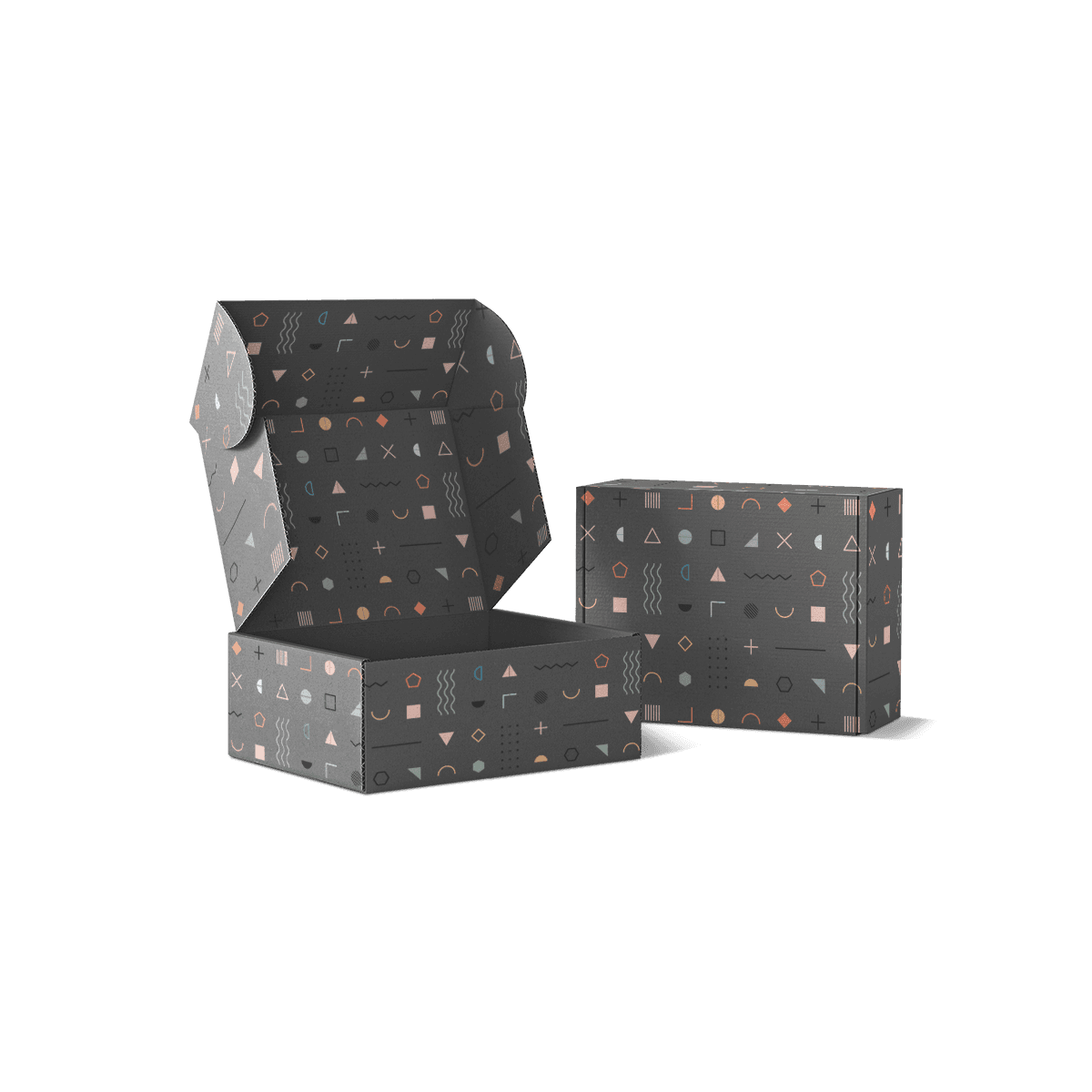
The defining moment in a winged mailer happens before the lid is fully closed. Side wings travel downward beside the contents and inside the surrounding walls, helping the lid settle into position and reducing the open side gaps that a simpler closure can leave.

Custom Mailer Boxes with Wings therefore need clear space for that movement.

A product, insert or bundle can fit perfectly in the base and still interfere with the box if it projects into the path of a wing. Tissue can bunch beside the wall. A raised tray can catch an edge. An accessory sitting slightly too high can force a wing outward instead of letting it fold where the dieline expects.

That makes wing clearance one of the first structural decisions, not something to inspect after the interior is finished.

Among custom mailer boxes, the winged structure makes the most sense when closing control and cleaner side containment justify the extra folding panels.

Check the Highest Point

Measure more than the product base.

An insert may fit comfortably at floor level while a folded tab, shoulder or raised platform extends outward near the top. That upper geometry is exactly where the wings may need space.

Review the packed assembly at its widest and highest points.

Leave a Closing Corridor

The area beside the upper side walls should act like a corridor for the wings.

Do not fill that corridor simply because there appears to be unused space when the lid is open. The space becomes functional during closure.

That single distinction prevents many apparently mysterious packing problems.

Winged or Roll-End?

Mailer terminology can become confusing because several corrugated structures use folded side components.

A winged mailer and a roll-end tuck-front box may both show multiple panels along the sides when viewed as flat blanks. Their working folds are not necessarily doing the same job.

Roll End Tuck-Front Mailers rely heavily on rolled side-wall construction combined with a front tuck. Their folded side walls create the characteristic structure of that box.

Mailer Boxes with Wings give more specific attention to fold-in side wings that travel with the lid or closing arrangement.

Choose by the actual dieline rather than by the product name alone.

If reinforced rolled walls and a familiar front-tuck build are the main requirements, the roll-end direction may be cleaner.

If the closing lid needs side panels that guide the enclosure and frame the interior, the winged structure earns its place.

The difference should be visible in the flat structure before artwork or finishes are discussed.

The Interior Boundary Moves

An insert for a standard open-top base can sometimes be sized almost to the surrounding walls.

Winged mailers need another check.

As the lid closes, the usable boundary near the top can become narrower because the wings occupy space beside the insert.

Consider a presentation tray holding three small bottles. At its base, the tray fits neatly from side wall to side wall. Its upper rim flares outward slightly to create a clean framed edge.

With the lid open, everything looks correct.

During closure, one wing catches that flared rim. The packer has to push the tray inward while lowering the lid, and repeated closing begins to crush the rim.

The correction is not a stronger wing.

Reduce or reshape the tray at the interference point so the wing can pass independently. The tray still controls the bottles, while the wing completes its own closing motion.

That is why packaging inserts should be developed with the mailer structure rather than dropped into a finished box specification afterward.

Raised Trays Need Extra Attention

The higher an insert rises toward the lid, the more likely it is to interact with the wings.

Measure the outer profile at the top of the tray, not only at its base.

Loose Fill Can Enter the Fold

Tissue and shredded paper can migrate into the closing path even when hard components do not.

Keep decorative material controlled enough that the packer is not clearing the side folds before every close.

Flat Products Benefit Most Clearly

Winged mailers are particularly effective when the contents occupy a broad, shallow footprint.

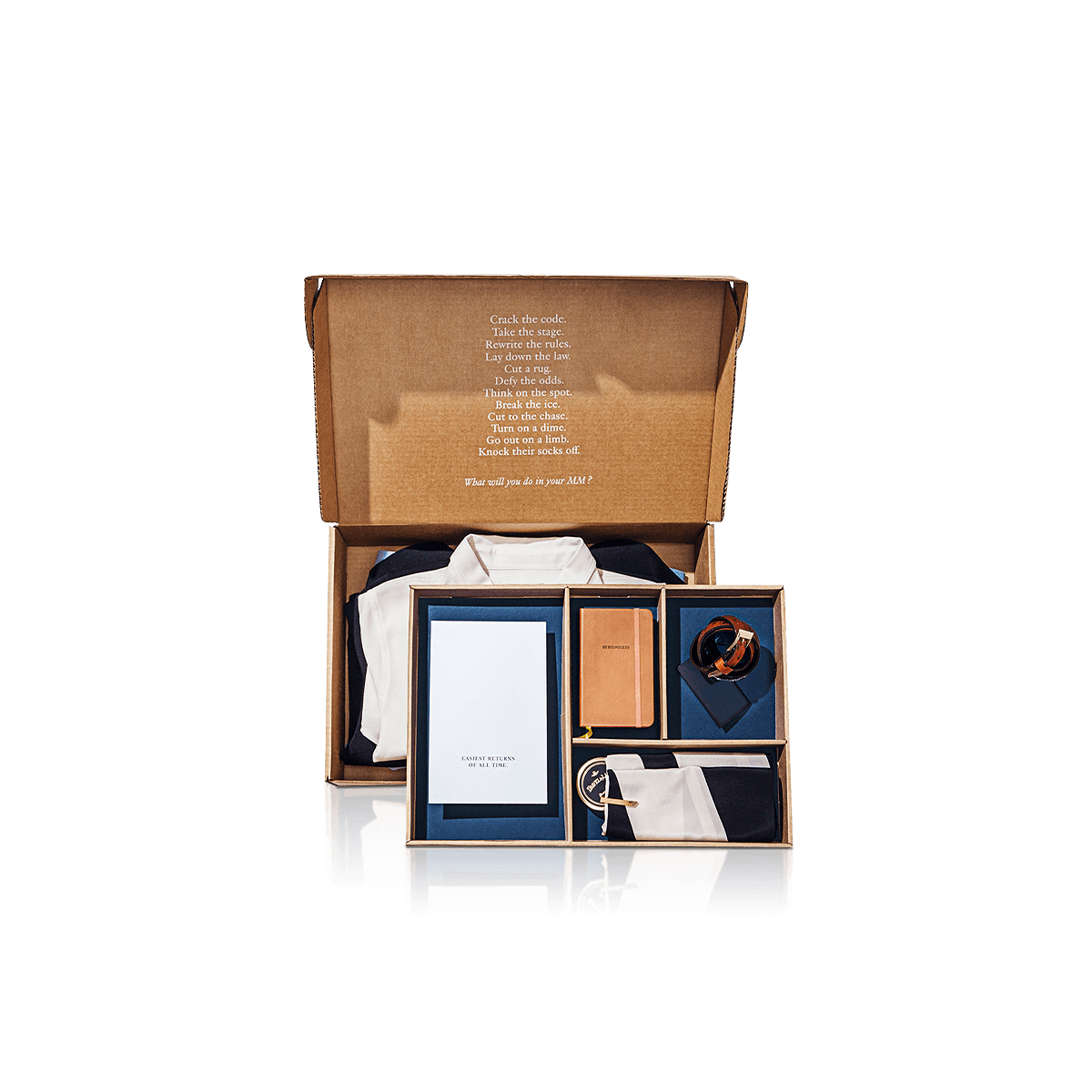
Folded clothing, books, printed packs, document sets and flat product kits can leave a large visual opening around the upper edges of a normal box. Side wings frame those edges as the package closes.

That creates a cleaner relationship between lid and contents without requiring a heavy internal structure.

For apparel, a correctly sized box with tissue or a belly band may need no rigid insert at all. The wings handle the perimeter while the box depth controls vertical movement.

For printed kits, a shallow paperboard platform or simple retaining band can keep loose pieces aligned.

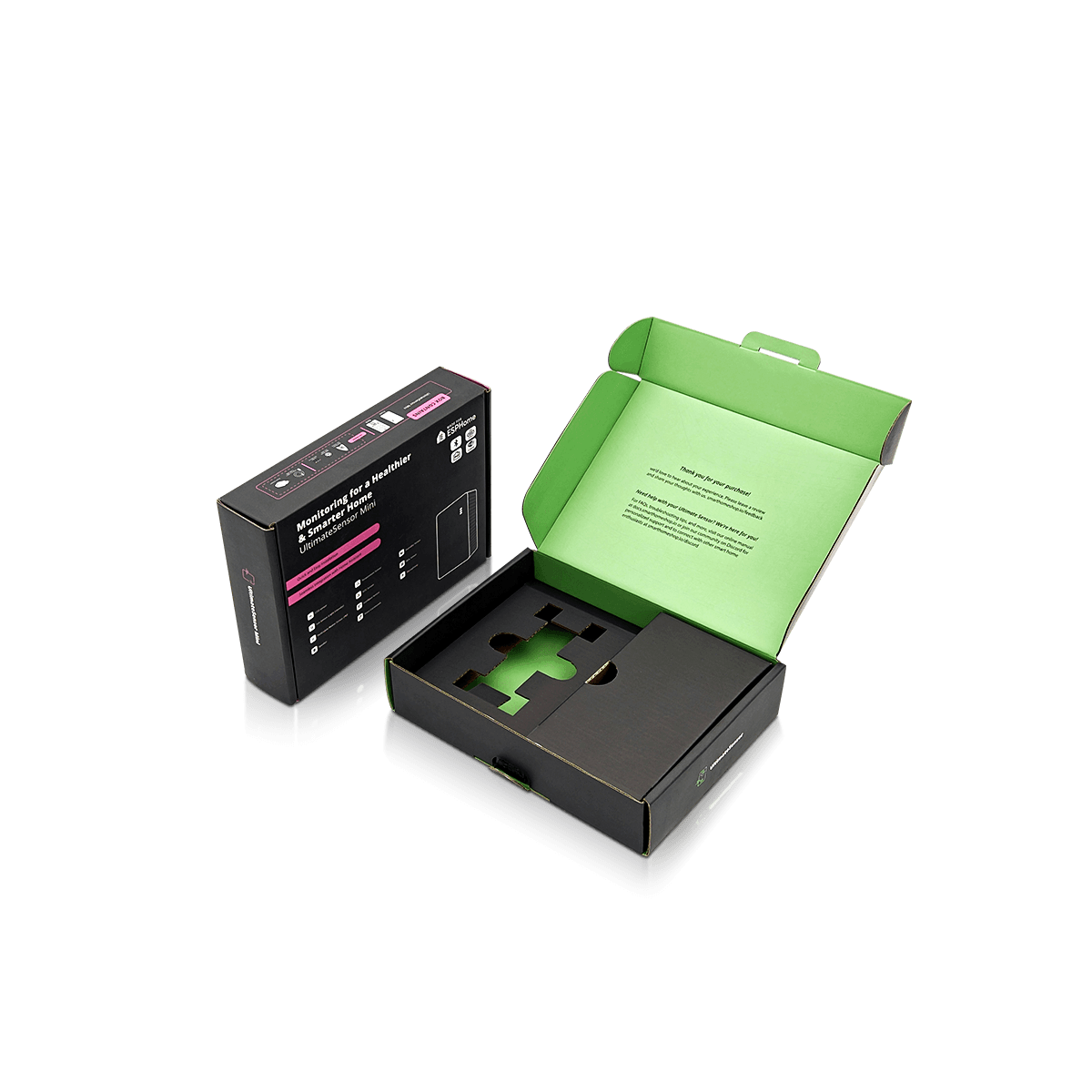
For electronics accessories or multi-part kits, the internal arrangement may need stronger separation because hard components can move independently.

The principle stays the same: use the wings for side enclosure, then add only the internal control the products actually need.

For ordinary DTC shipments where cart variation and overall product fit dominate the decision, Product Mailer Boxes address the complete order profile rather than the wing mechanism.

Packing Speed Depends on Fold Memory

Extra panels are worthwhile only when the structure remains practical to erect and close.

A new winged mailer should be tested by people packing at normal working speed, not only by the designer who already understands every fold.

The sequence should become obvious after a few repetitions.

Watch whether workers:

  • fold the wings in the correct direction
  • catch a wing beneath an insert
  • close one side before the other
  • push products aside to clear the wings
  • repeatedly reopen the box to correct the fold
  • crease the same panel unintentionally

A box that looks sophisticated on a dieline can become inefficient if the closing sequence is unclear.

The answer is not automatically fewer panels. It may be clearer crease behavior, more suitable dimensions or an interior that stays out of the folding path.

If packing volume makes the final closing step itself the bottleneck, Self-Sealing Mailers solve that problem through an integrated adhesive close instead.

Winged mailers earn their place through structural enclosure, not through eliminating every packing motion.

Board Stiffness Changes Wing Behavior

Wing panels are cut from the same corrugated blank as the rest of the mailer, so board choice affects how easily they turn and settle into position.

A compact E-flute mailer can create relatively refined folds and a cleaner printed surface. Larger dimensions, denser products or heavier shipping duty can move the specification toward another corrugated direction.

Do not increase flute or board stiffness without checking the working folds.

A wing that folded comfortably in one material may feel much more resistant after a board change. The crease geometry and production specification have to support the actual material.

At the same time, choosing a lighter board simply to make the wings easy to fold can underbuild the shipping structure.

Box span, product weight, stacking, parcel handling and insert support still matter.

The differences among corrugated, paperboard, kraft and rigid board help clarify why board selection has to follow the shipping job as well as the appearance of the pack.

Wings refine one part of the structure. They do not replace the structural work of the corrugated board.

Quote the Working Structure

Mailer Boxes with Wings use additional working panels compared with simpler mailer layouts, so pricing should be based on the actual dieline rather than on a generic corrugated box size.

Material area, dimensions, board specification, print coverage, inserts, finishing and quantity all contribute to the production requirement.

Custom Packly starts US orders from 100 boxes. US production and free shipping support domestic projects, with a standard 4–6 day turnaround after final artwork and specifications are approved. Complex structures, specialty materials or advanced finishes may require additional time.

Premium offset printing can support branded outside and inside surfaces where the artwork and production specification suit the process.

Once product dimensions, box size, insert geometry and wing clearance are established, an instant custom packaging quote can price the real structure.

Put Artwork Where It Stays Visible

Wing panels move, turn and often disappear partly inside the closed box.

That makes them poor locations for mandatory copy or a logo that must remain visible after assembly.

Patterns, color fields and secondary graphics can work well because partial visibility does not destroy their meaning.

Keep primary identity on the lid, front or another stable panel.

Inside artwork can use the wings as part of a surrounding graphic system, but avoid designs that depend on the wing meeting another panel with exact visual registration. Normal fold movement can make a precision seam look slightly misaligned.

For print-led mailers where outside and inside branding are the central decisions, Printed Branded Mailers keep ownership of the complete shipping-facing artwork problem.

A winged box should use print to support its structure rather than turn the wings into awkward miniature billboards.

Read the Dieline Before Designing

This structure rewards early dieline work because the wings affect both physical clearance and artwork placement.

Custom Packly's dieline generator includes a Mailer Box with Wings structure so dimensions can be used to review the flat layout before artwork is finalized.

Pay close attention to:

  • wing cut lines
  • wing crease lines
  • lid folds
  • front tuck
  • side-wall position
  • inside/outside orientation
  • bleed around working edges
  • safe areas for small type

An artwork designer needs to know which wing surface remains visible after closing and which area turns inward.

The same file should also be checked against the physical product layout.

Dieline work and insert work are connected here because changing the depth or side clearance can affect both.

Free design and dieline support can help resolve those relationships. A free 3D mockup can show the assembled visual result before production.

When wing clearance, material behavior or insert interaction is tight, a paid fully custom pre-production sample can be used to check the real folds. Free sample examples of previous work can help assess general corrugated and print quality.

Keep the approved corrugated specification, insert profile, maximum packed height and wing geometry tied to the same structural record. If a later product or insert rises into the closing corridor, recheck the wing path before reordering the existing dieline.

Do Not Use Wings as Extra Cushioning

Side wings may make a pack feel more enclosed, but they are not cushioning components.

A glass bottle, electronic device or hard-edged object still needs the protection appropriate to its fragility.

If a fragile product moves enough to strike the side structure, the answer is not simply to add larger wings.

Reduce movement through the box dimensions or insert system.

For a multi-item kit, separate components that can collide.

For a product with concentrated weight, make sure the base and support structure carry that weight instead of relying on folding panels around the lid.

This distinction prevents the winged construction from being oversold as a protection mechanism it cannot independently perform.

The wings improve the closure environment.

Protection still comes from the full package: corrugated specification, right sizing, inserts, separation and appropriate shipping duty.

Side Support Can Improve the Reveal

The opening experience is where the winged construction can become visually distinctive.

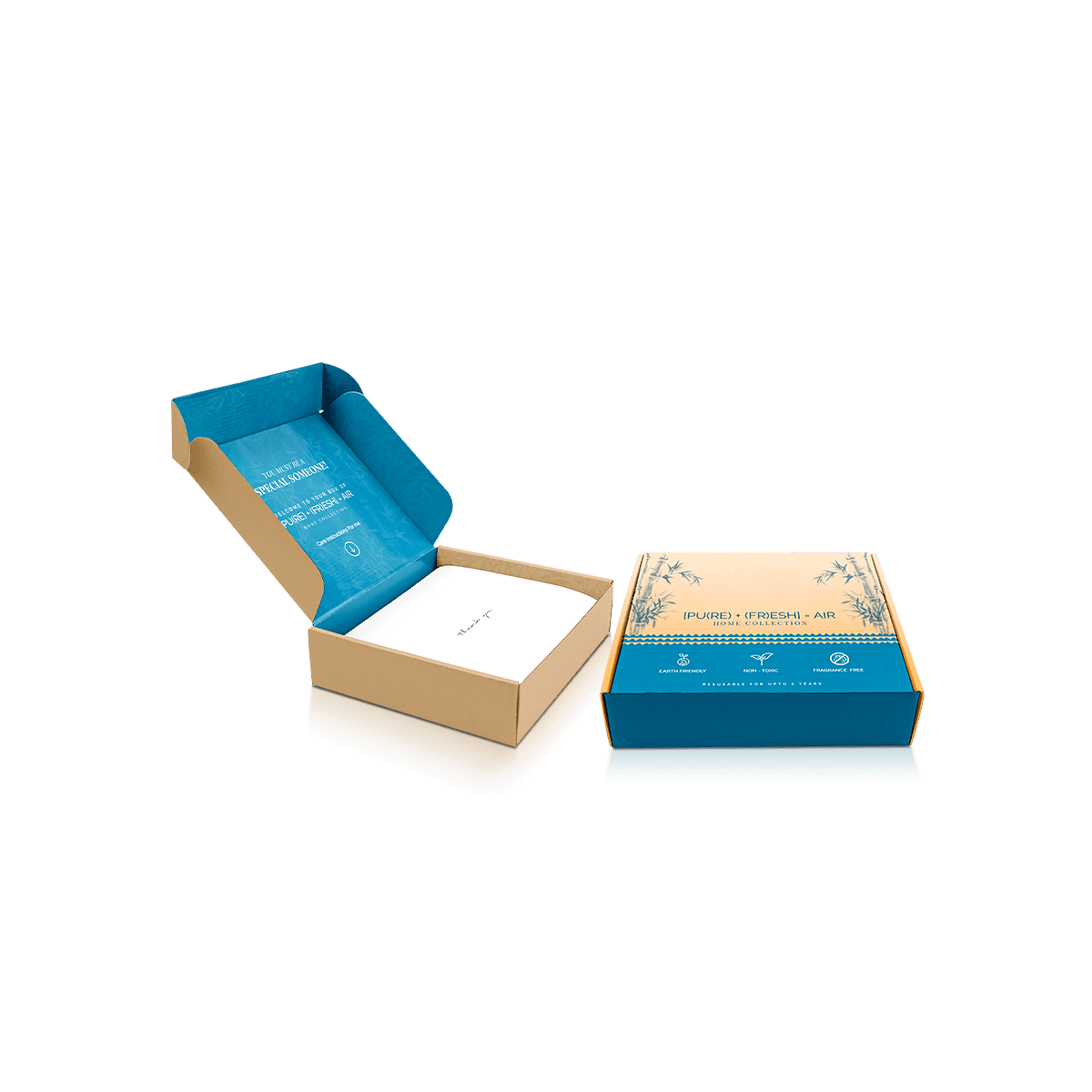
When the lid opens, the wings move away from the side edges and expose more of the interior. When it closes, they create a more enclosed frame.

That changing boundary can work well for presentation-sensitive kits without moving into a separate rigid lid-and-base structure.

Two-Piece Mailer Boxes create presentation through a completely removable lid. Winged mailers keep the lid attached and create their effect through folding side panels.

That makes the winged structure practical when the customer should open one connected box rather than manage two separate pieces.

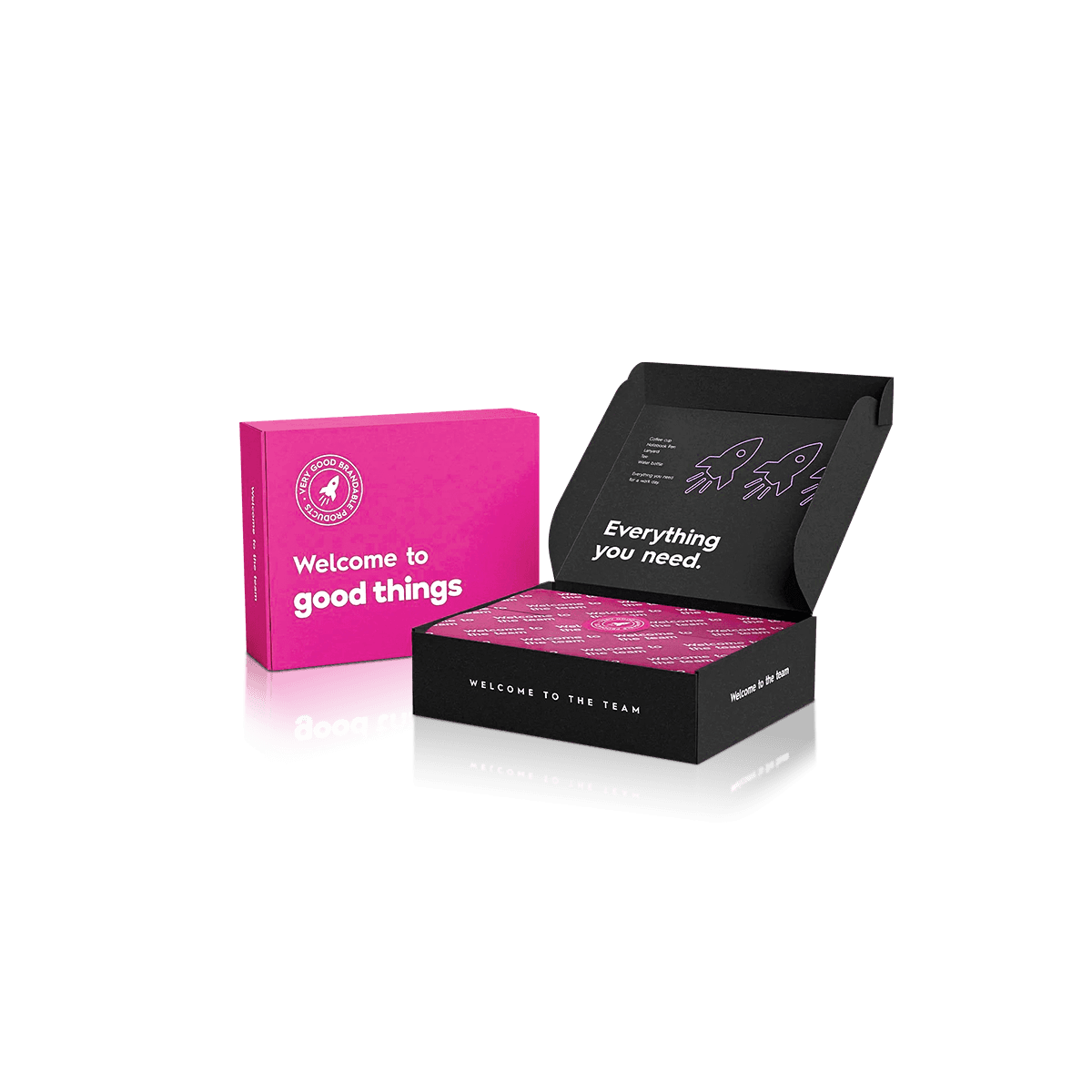
Inside printing can emphasize the transition. A strong interior lid graphic, restrained wing pattern and organized product layout can create a clear reveal without adding another packaging component.

The physical opening action should still stay easy.

If the recipient has to push the wings aside manually or products catch while opening, the internal geometry is too crowded.

Use Wings When Side Enclosure Matters

Wing panels should earn their extra folds by improving the closing perimeter.

Use them when flat or layered contents benefit from a more enclosed side frame, when the attached lid needs guidance into position or when the reveal gains from the wings moving away as the box opens.

Stay with a simpler mailer when the side panels do not change containment, packing or presentation enough to justify the additional folds.

The best Custom Mailer Boxes with Wings leave the closing path clear, let the panels move without fighting the insert and make the side enclosure feel intentional rather than decorative.

FAQs

They matter most when the contents are flat, layered, or slightly loose inside the pack. The added folds help keep the presentation tidier and the structure more controlled during closure.

No. They also help operations teams when orders need more consistent packing, especially for kits, folded goods, printed sets, and component bundles.

Mailer Boxes with Wings usually offer better side containment and a more framed interior look. Roll-End Mailer Boxes are still useful, but winged designs can feel more controlled when product placement matters.

Yes. It works well with inserts, sleeves, and divider components when the goal is to keep multiple pieces aligned and easy to unpack.

E flute corrugated, kraft board, and white-lined corrugated are common options, depending on the balance you want between print quality, shipping resistance, and pack weight.

Process

How it works

Your Packaging Journey, From Idea to Production and Delivery

01

Tell Us Your Specs

Custom packaging boxes

Tell Us Your Specs

Provide size, quantity, printing, and finishes.

02

Get a Fast Quote

Custom packaging boxes

Get a Fast Quote

Instant transparent pricing, no hidden fees.

03

Design and Approval

Custom packaging boxes

Design and Approval

Artwork checks, revisions, and final sign-off.

04

Produce

Custom packaging boxes

Produce

Expert manufacturing to meet deadlines.

05

Ship to Your Door

Custom packaging boxes

Ship to Your Door

Hassle-free, flexible delivery options.

Get Your Quote for Custom Mailer Boxes with Wings

Share your product details, size, quantity and artwork needs. We’ll help choose the right packaging style and send a clear quote.