Skip to content
Details

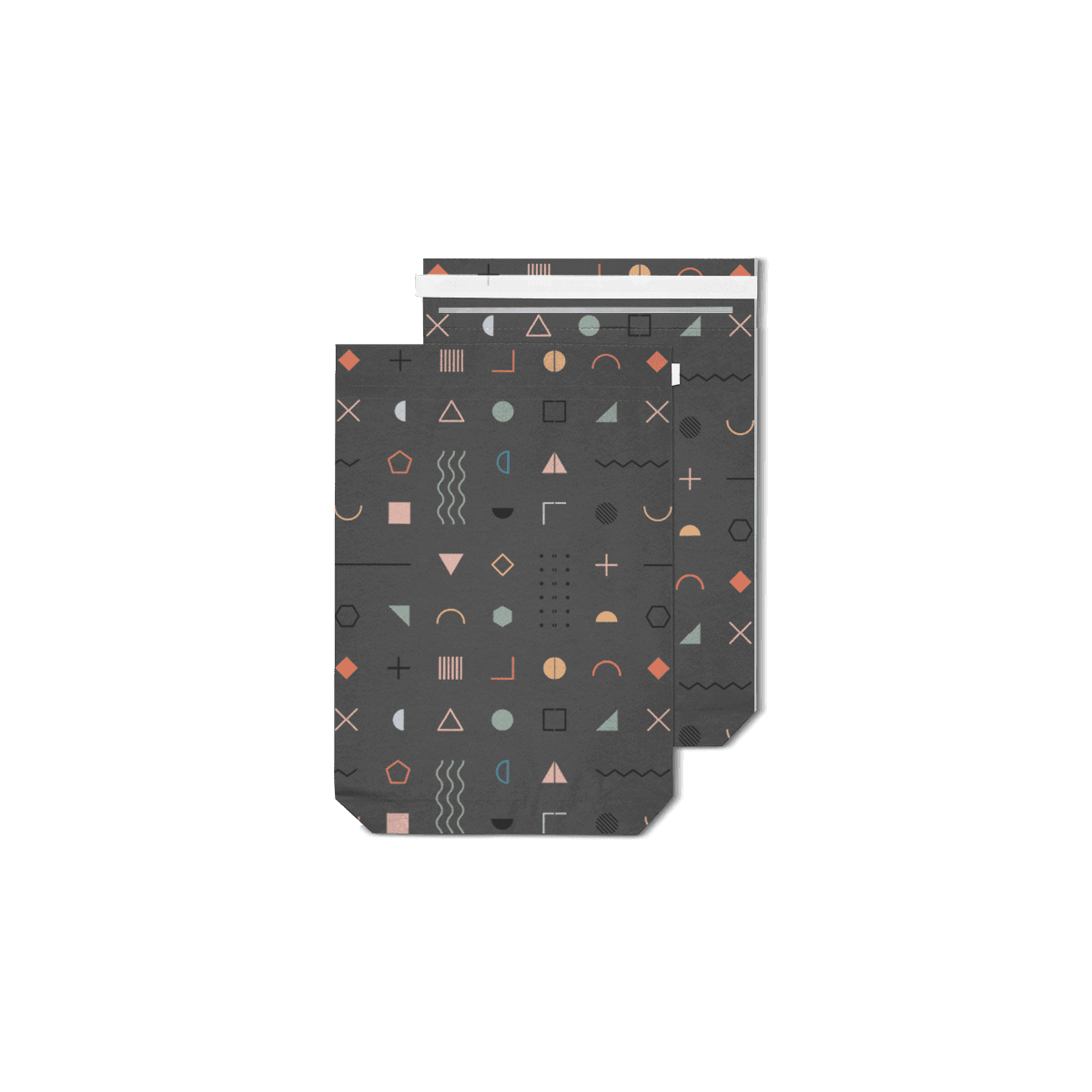
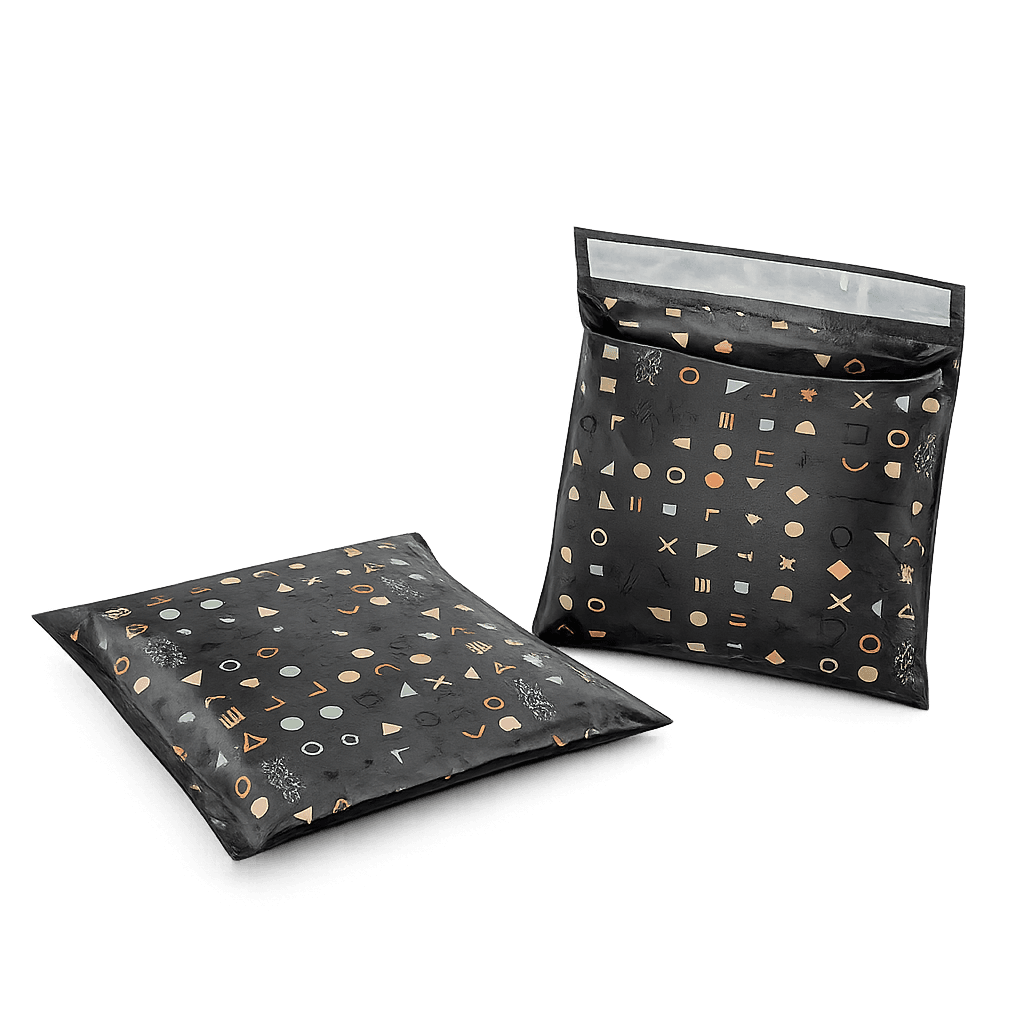
Custom Poly Mailers

Flexible shipping mailers for soft, non-fragile orders where low parcel bulk, quick sealing and efficient fulfillment matter more than rigid protection.

Flexible Film Changes the Load Path

A poly mailer does not hold its shape around the product like a corrugated box. The film wraps around the order, which keeps the package slim but also transfers pressure directly to whatever is inside.

That physical behavior defines where Custom Poly Mailers work well.

Folded apparel, fabric accessories, soft replacement parts and other non-fragile goods can usually tolerate direct contact with the outer mailer. Products with sharp corners, crush-sensitive surfaces or breakable components need more protection because flexible film does not create a rigid buffer around them.

The advantage is efficiency. A soft order can leave the packing station without carrying the board, internal volume and assembly steps of a box it does not need.

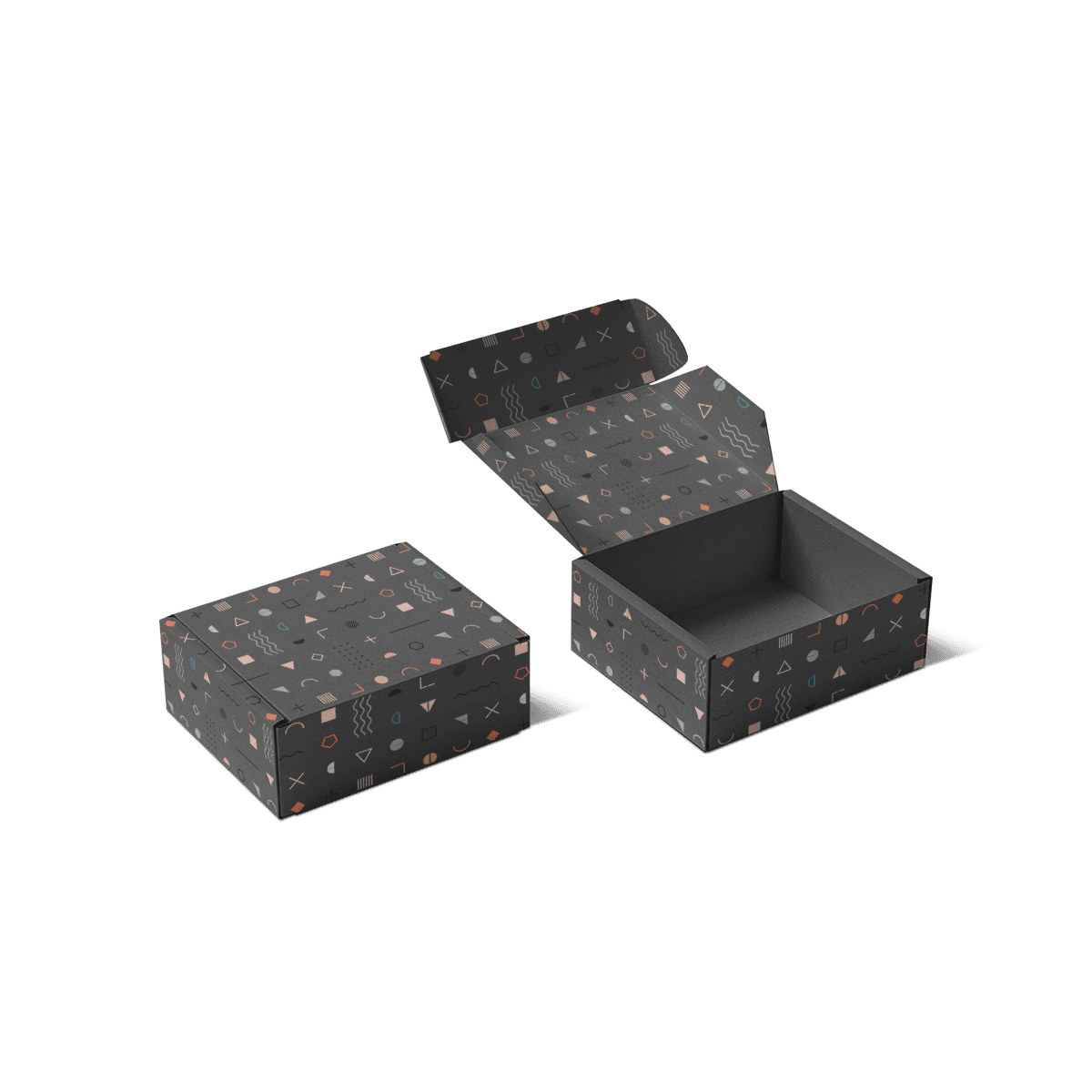
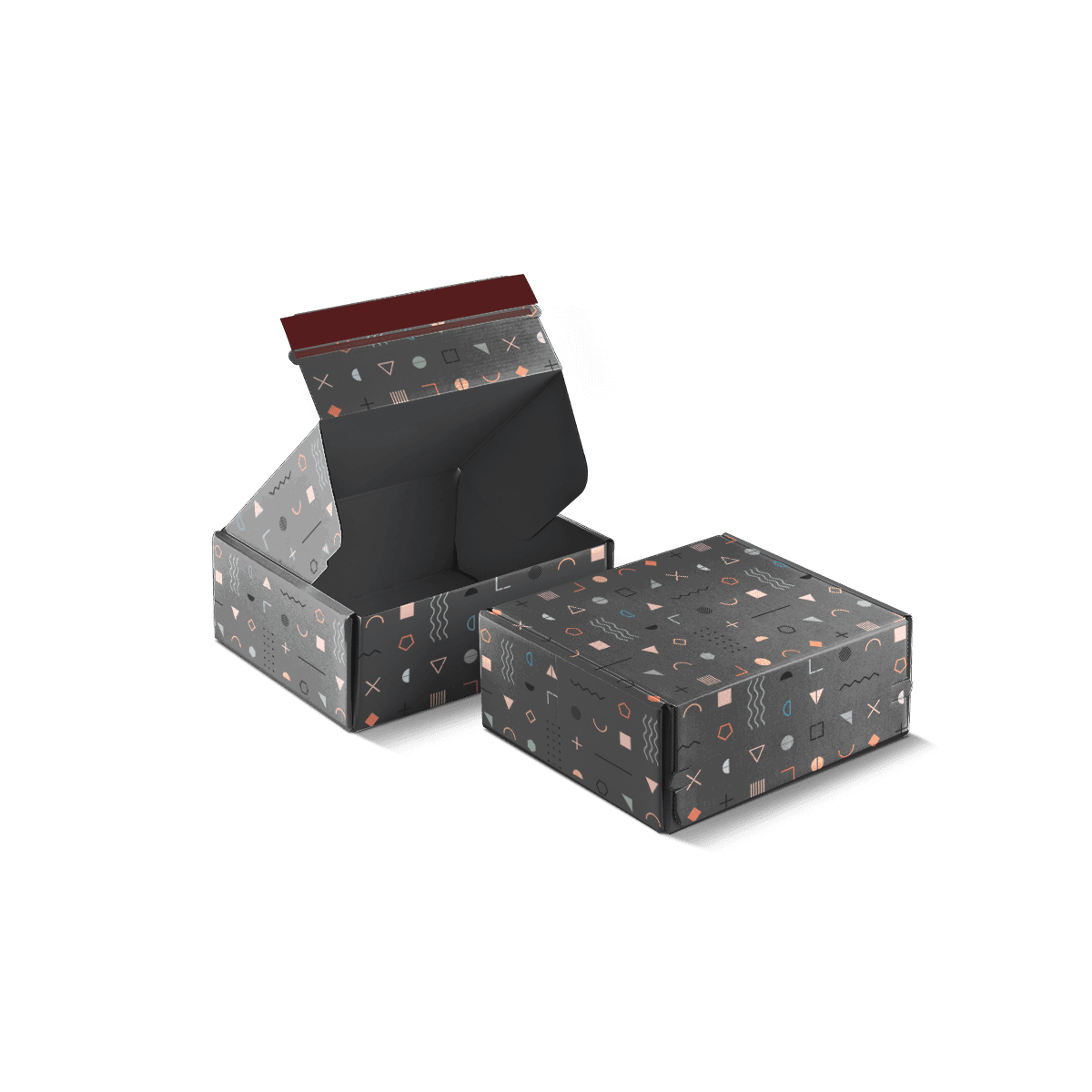
For products that need rigid sidewalls or a defined presentation cavity, Custom Mailer Boxes take the shipping job in another direction.

Soft Products Let the Mailer Conform

T-shirts, leggings, scarves, textiles and other compressible goods allow the film to settle around their packed shape. That can reduce unnecessary external volume compared with putting the same order into a rigid container sized around its largest dimension.

The garment still needs a controlled fold. If one end of the order is noticeably thicker than the other, the loaded mailer can become awkward to stack, label or feed through normal fulfillment handling.

Hard Edges Concentrate Stress

A belt buckle, boxed accessory, metal fitting or hard plastic component changes the job.

Instead of the film resting against soft fabric, one small point can press repeatedly against the same area during handling. A thicker mailer may help in some cases, but thickness does not remove the hard edge itself.

The better correction may be to reposition the item, wrap it separately, place it inside a small carton or move that order into a cushioned or rigid shipping pack.
The Seal Needs a Flat Landing Zone

A pressure-sensitive closure works best when the filled mailer leaves enough clean film at the opening for the seal to engage without fighting the contents.

Overfilling creates tension across the closure. Fabric can push upward into the flap, wrinkles can run through the adhesive area and operators may start pulling the film tightly just to make the mailer close.

That is a sizing problem before it becomes an adhesive problem.

The normal packed order should sit far enough from the opening that staff can remove the liner, fold the seal down smoothly and press it without forcing the contents deeper into the bag.

Single-Use Seals Suit Straight Outbound Shipping

A standard permanent seal can work well when the package only needs one outbound journey. The packing process stays simple: load, peel, close and label.

The exact seal construction should still match the chosen film and production specification rather than being treated as an interchangeable add-on.

Returns Need Another Closure Decision

Fashion and ecommerce programs with frequent returns should resolve the second journey before the mailer is produced.

A second adhesive strip can let the customer reseal the same mailer after opening. The opening method also matters because the first tear should not destroy the area needed for the return closure.

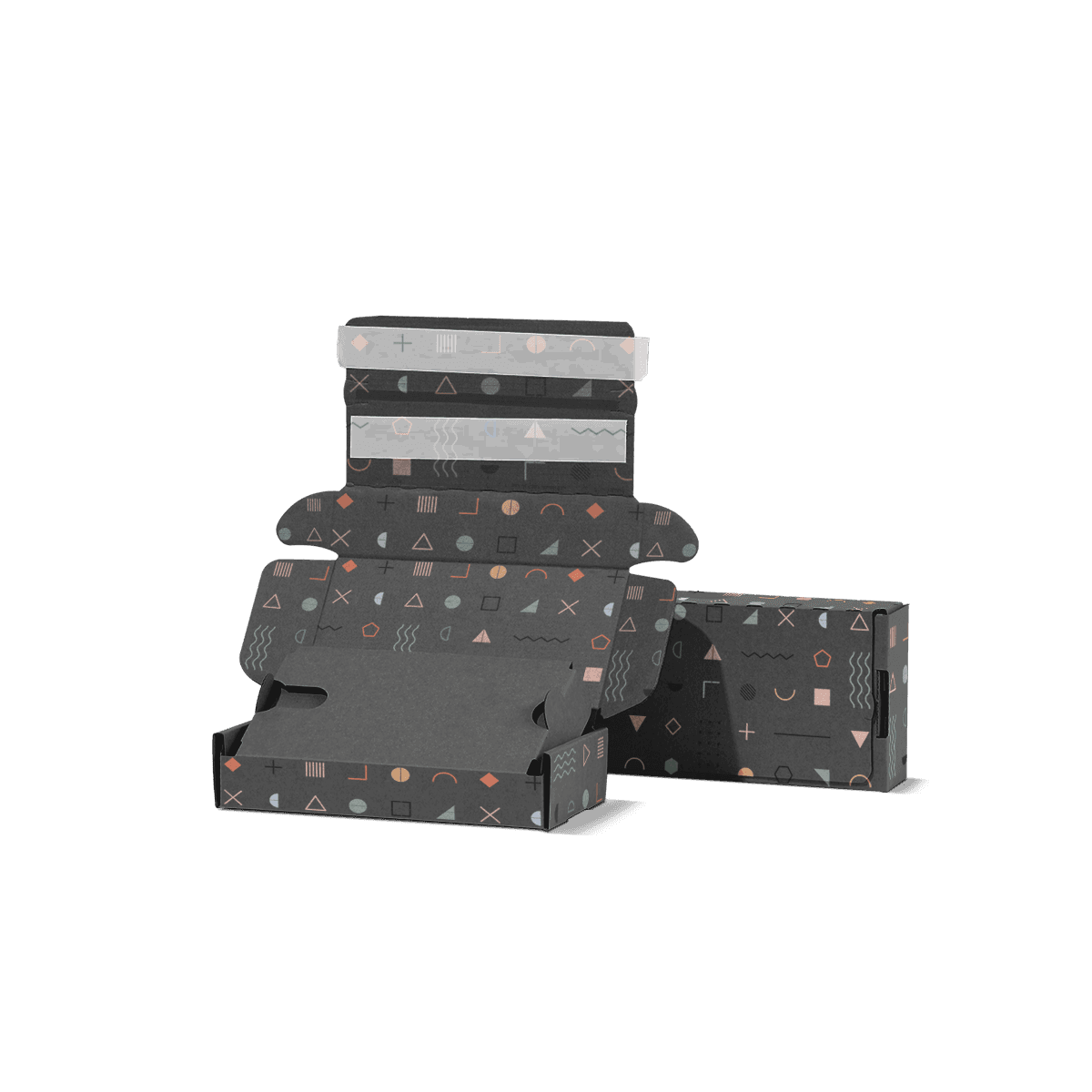
A corrugated pack that needs an integrated adhesive close can instead use Adhesive Strip Mailer Boxes when rigid walls are part of the requirement.

Flat Dimensions Can Mislead

Poly mailers are ordered as flat dimensions, but the product is three-dimensional once loaded.

Thickness consumes usable film as the mailer wraps around the sides of a folded garment or product bundle. A mailer that appears comfortably large when laid flat can become tight after a sweatshirt, stacked clothing order or boxed accessory is inserted.

The practical sizing test is the completed packout.

Load the exact order, push the contents fully into position and check:

  • how easily the product enters
  • whether corners stretch the film
  • how much material remains for closure
  • whether the seal lies flat
  • whether the finished parcel has excessive loose film
  • whether the shipping label sits cleanly

A mailer should not require staff to compress a normal order with one hand while sealing it with the other.

Allow for Insertion, Not Empty Film

Extra room at the opening can speed loading because staff are not trying to force a garment through an opening that barely matches its folded width.

That working clearance is different from leaving large loose tails around the complete shipment.

Too much excess film can fold over itself, obscure artwork, interfere with labeling and create a less controlled parcel shape.

Use More Than One Size When Volume Supports It

A single universal mailer can appear simpler to purchase, but it may be inefficient if the business ships very different order profiles.

A small apparel order, a three-garment bundle and a bulky sweatshirt shipment do not necessarily belong in the same envelope.

MOQ starts from 100 units, so a business can introduce another size where the recurring order mix genuinely justifies it rather than making every parcel fit one compromise.

Thickness Does Not Fix Every Failure

Film thickness matters, but durability also depends on the film construction, seals, product shape, loading method and what happens during transit.

If mailers repeatedly fail at one location, identify the failure pattern before increasing material.

A puncture near a metal accessory points to concentrated contact. A split along an edge can suggest excessive loading or stress at the seam. A closure opening under tension can indicate that the package is too full.

Treating every problem as “use thicker film” can add material while preserving the actual cause.

The Product Surface Matters

Soft textiles create relatively forgiving contact with flexible film.

Cardboard corners, hangers, hardware, zipper pulls and rigid retail cartons can create concentrated points. If those components are part of the normal order, their orientation should be established during packout rather than left to each operator.

A mailer is most efficient when the contents cooperate with flexible packaging.

Film Opacity Can Matter

Some shipments should not reveal the product through the outer material. Clothing, personal products and higher-value soft goods may need an opaque outer layer for privacy and presentation.

Opacity should be checked on the actual selected material rather than assumed from a digital rendering.

Storage Savings Move Upstream

Poly mailers occupy far less warehouse space before packing than erected corrugated boxes because they remain flat and contain no rigid walls.

That changes more than storage.

Packing stations can hold larger quantities close to the operator. Replenishing the station is simpler and there is no carton erection step before the product is loaded.

The advantage becomes more important as daily order counts increase.

As fulfillment volume rises, packaging that scales with fulfillment should be assessed through packing steps, storage footprint and shipping profile rather than unit price alone.

Watch the Small Motions

High-volume packing problems are often ordinary movements repeated thousands of times.

If operators have to separate clinging mailers, search for the opening, fight a tight fit or apply extra tape after sealing, the packaging is adding labor even though the material itself looks simple.

The pack-line test should include the full motion from picking up an empty mailer to placing the sealed parcel into the outbound flow.

Labels Need a Predictable Face

Flexible packaging changes shape when filled, so the carrier-label area should be planned on a portion of the package that stays reasonably flat.

A heavily wrinkled or curved label surface can make application less consistent. Artwork should also leave enough visual room for the label instead of placing key brand elements where fulfillment will cover them.

E-commerce retail packaging connects these decisions to the rest of the shipping operation when a business uses several parcel structures across its product mix.

Print Has to Move With the Film

Artwork on a poly mailer behaves differently from artwork on a flat paperboard panel.

The package flexes, wrinkles and curves around the product. A graphic crossing a heavily distorted area may look different after loading than it did on the flat artwork file.

Large logos, bold patterns and deliberate negative space often tolerate this movement better than tiny visual elements positioned close to seams and folds created by the packed product.

Keep Critical Artwork Clear of the Seal

The closure area, tear zone and shipping-label position should be identified before the artwork is finalized.

Campaign graphics can use the main body of the mailer while operational areas remain clear.

A free 3D mockup can help review artwork position before production, although a physical sample is the better check when the concern is film feel, seal behavior or distortion around the actual product.

Printing Follows the Substrate

Printing methods should be selected for the film, artwork, color requirements and production quantity rather than copied from a paperboard specification.

The differences among digital, offset and flexographic printing matter because the substrate and run requirements rule out some processes before artwork is finalized.

Brand colors should also be reviewed on the actual selected film. White film, colored film and different levels of opacity change the visual starting point for printed artwork.

Custom Packly can support artwork setup and production planning without forcing a paper-box print specification onto flexible shipping material.

A Zipper Pull Can Defeat the Mailer

Consider an apparel order containing folded sweatpants with a metal zipper pull.

The garment itself is an excellent candidate for flexible shipping. It is soft, compressible and does not need corrugated walls. The zipper hardware creates a different risk.

If the garment is packed so the pull sits against the outside film, movement during sorting can repeatedly press that small metal edge into one point.

The first response might be to increase film thickness.

A better first check is the packing orientation.

Turn the hardware inward toward the folded garment, add a simple protective fold of tissue where needed and verify that the metal component no longer contacts the outer wall directly. If the product still creates an unacceptable puncture risk, move that SKU into packaging with cushioning or rigid support.

The adjustment preserves the low-bulk mailer for orders that suit it instead of making every mailer heavier because one product contains a difficult component.

Cushioning Changes the Mailer Choice

Poly mailers are intentionally minimal. Once impact protection becomes a central requirement, another mailer style may fit the shipment better.

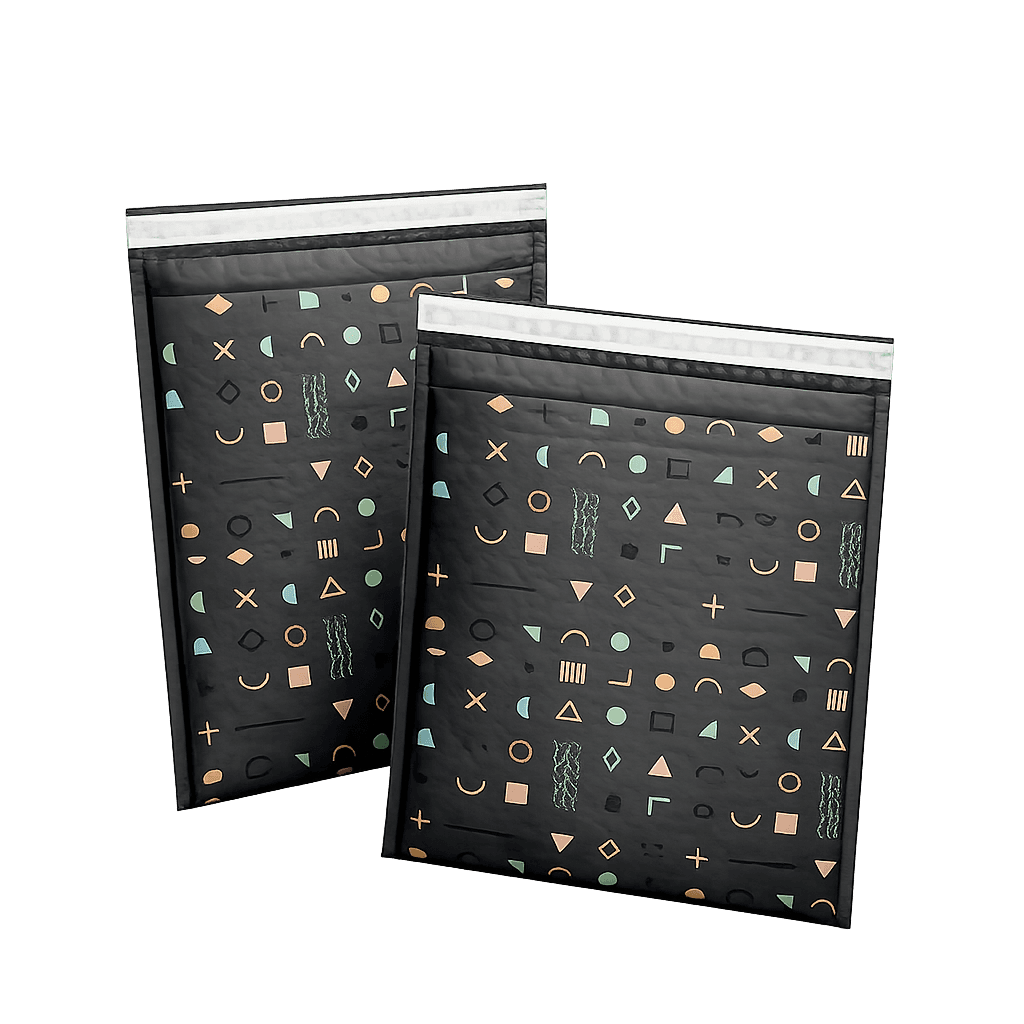
An order containing a fragile compact item may belong in Bubble Mailers because cushioning, rather than low bulk alone, becomes the first requirement.

Products that need a protective lining instead of plain flexible film can move toward Padded Mailers.

For brands that prefer a paper mailing direction for light goods, Mailing Paper Bags create a different material system.

Folded clothing that needs corrugated walls and a structured reveal belongs more naturally in Mailer Apparel Boxes.

These are different physical jobs.

The decision can usually be reduced to the product's vulnerability. If dirt, routine moisture exposure and surface scuffing are the main concerns, flexible film may be enough. If impact, crushing or sharp internal contact is the real risk, the packaging needs another layer of protection.

Returns Change the Opening Experience

A mailer that ships well once may still create frustration if the customer is expected to send clothing back in it.

The return workflow should be tested after the first opening.

Open the mailer as a customer would, remove the garment, unfold it, then pack it again without recreating the original warehouse fold perfectly. Check whether the return seal still reaches cleanly and whether the mailer remains large enough for a realistic refold.

This test matters because apparel returns rarely come back packed as tightly as the outbound order.

Return instructions also need a deliberate position. A printed card can sit with the garment or instructions can be integrated into the approved artwork, but the return process should not depend on the customer guessing where to seal the package.

Businesses with high return rates may find that a slightly more generous mailer size performs better operationally than a package optimized only for the tightest outbound fit.

That additional allowance should be intentional rather than becoming uncontrolled excess film across every order.

Material Claims Need Exact Support

Poly mailers should not receive automatic environmental claims simply because a film option is described as recycled, recyclable or lower material.

Those terms refer to different things.

If recycled content matters, specify the required content and verify the selected material. If recyclability is part of the artwork, confirm the actual film structure and the disposal route relevant to that product. Adhesives, printing and additional layers may also affect what can responsibly be stated.

A brand moving away from plastic for certain lightweight shipments may consider paper where product protection and transit conditions allow it. That does not make paper automatically superior for every shipping job.

The stronger decision is to match the material to the order and substantiate whatever claim appears on the finished mailer.

Poly Mailers Need a Clear Shipping Boundary

Poly mailers should remain tied to soft, non-fragile orders that can tolerate direct parcel handling without cushioning or rigid walls.

Move an order into another pack when hard hardware, sharp corners, crush sensitivity, cushioning needs or product depth changes the risk. That decision is more useful than forcing every new SKU into a fixed mailer matrix.

Warehousing and scheduled deliveries can support planned replenishment without forcing fulfillment teams to hold the entire production run at the packing station.

The strongest poly-mailer program has a narrow rule: use flexible film where the product itself supplies the shape and can tolerate direct parcel handling, then move anything requiring cushioning or rigid protection into the package that solves that physical problem.

FAQs

Soft, flexible, and non-breakable products are usually the best fit. Folded apparel, textile accessories, refill packs, and flat promotional items are common examples.

Usually no. They protect against dirt, moisture, and light surface wear, but fragile products normally need padded, bubble-lined, or corrugated packaging instead.

Choose Poly Mailers when shipping cost, low bulk, and soft-product efficiency matter most. Bubble Mailers are the better option when the item needs added cushioning against impact.

Yes. They work well for repeat-order fulfillment because they seal quickly, take up less storage space, and still provide visible branding on delivery.

There can be, depending on the material selection. Some buyers choose recycled-content poly or shift certain SKUs to paper mailers when the product and transit conditions allow it.

Process

How it works

Your Packaging Journey, From Idea to Production and Delivery

01

Tell Us Your Specs

Custom packaging boxes

Tell Us Your Specs

Provide size, quantity, printing, and finishes.

02

Get a Fast Quote

Custom packaging boxes

Get a Fast Quote

Instant transparent pricing, no hidden fees.

03

Design and Approval

Custom packaging boxes

Design and Approval

Artwork checks, revisions, and final sign-off.

04

Produce

Custom packaging boxes

Produce

Expert manufacturing to meet deadlines.

05

Ship to Your Door

Custom packaging boxes

Ship to Your Door

Hassle-free, flexible delivery options.

Get Your Quote for Custom Poly Mailers

Share your product details, size, quantity and artwork needs. We’ll help choose the right packaging style and send a clear quote.