Skip to content
Details

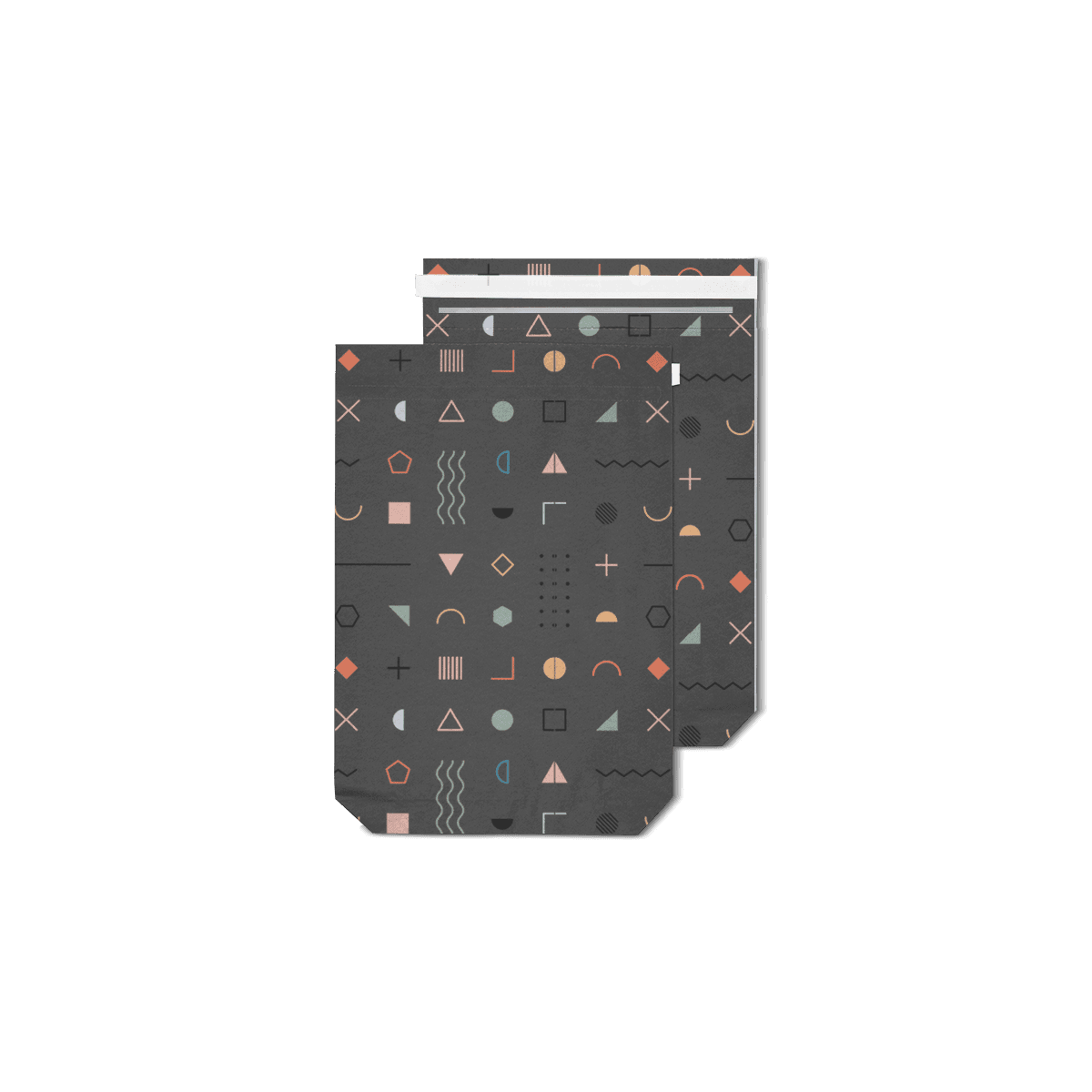
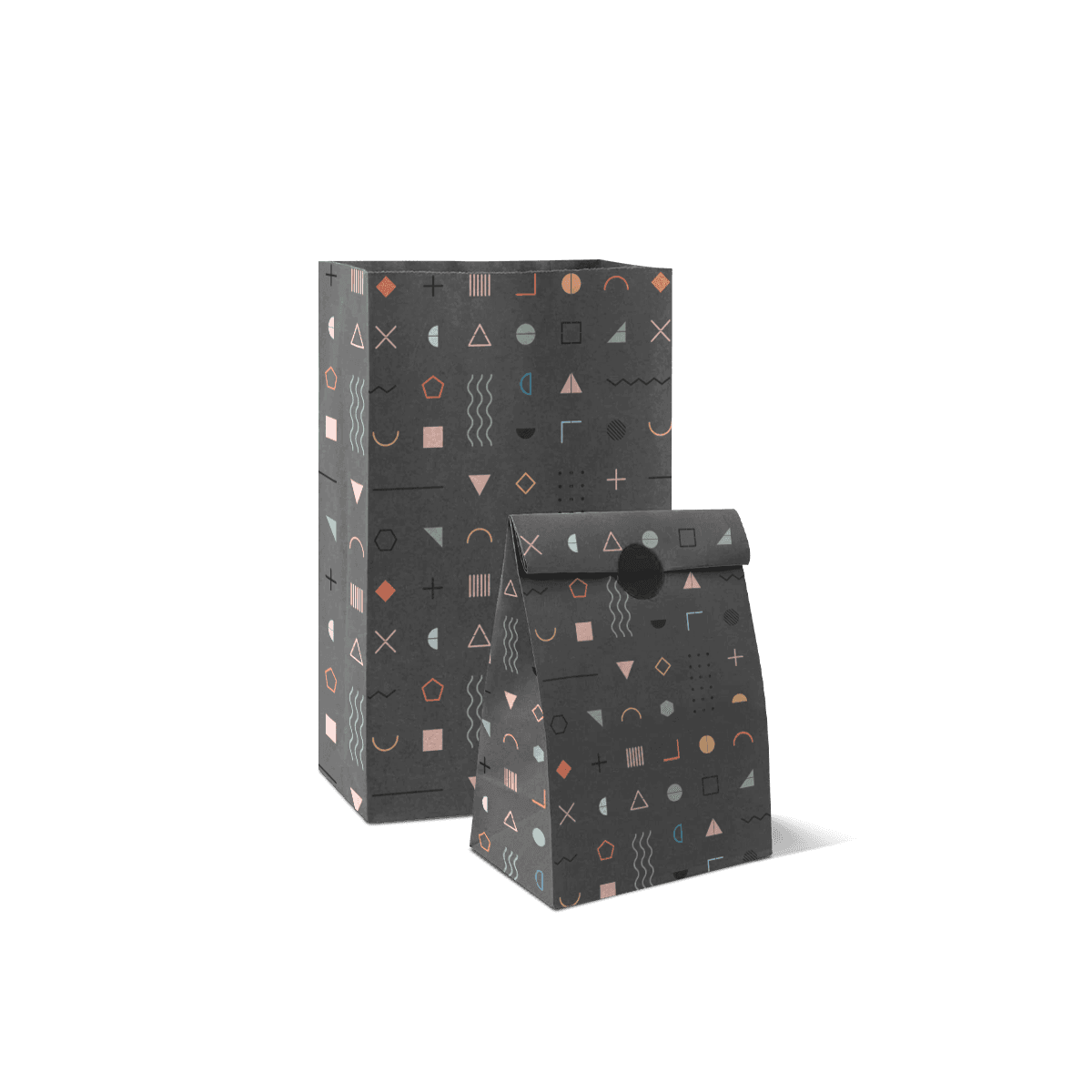
Custom Tamper Evident Paper Bags

Custom printed paper bags for restaurant delivery, takeaway and secure handoff, with closure options planned around visible tamper evidence, food containers and packing speed.

The Seal Must Leave Evidence

Once a restaurant hands an order to a delivery driver, the packaging becomes part of the handoff between the kitchen and the customer. The bag needs to carry the meal, but it also needs to make interference with the closure apparent.

That is the specific purpose of Custom Tamper Evident Paper Bags.

A conventional custom paper bag may stay open until the customer reaches home. A tamper-evident bag uses a closure intended to leave visible evidence if someone attempts to open the sealed mouth.

The distinction is important. Tamper-evident packaging does not make unauthorized access impossible. Its purpose is to make interference with the intended closure easier to recognize.

For restaurants, ghost kitchens, meal-preparation businesses and delivery operations, that changes the packaging decision. The closure must work with the actual bag, the food containers and the way staff finish each order.

A seal that looks secure on an empty bag may behave differently when the bag contains several takeaway containers. An overloaded bag can put tension on the closure, while a poorly positioned adhesive strip may leave an accessible gap.

The finished package needs a continuous, recognizable closure without making the customer's order unnecessarily difficult to open.
Close the Entire Bag Mouth

The most important structural decision is how the bag closes after the order has been packed.

An ordinary folded top may help contain the contents, but folding alone does not create tamper evidence. The closure needs a feature that indicates interference when someone attempts to open it.

The appropriate mechanism depends on the paper surface, bag construction and required opening behavior.

Integrated Adhesive Closure

A peel-and-seal construction can use a protected adhesive strip that is exposed after packing. Staff remove the release liner and press the designated closure surfaces together.

The intended result is a closure that cannot be opened normally without leaving recognizable damage or other evidence of interference.

The adhesive, paper stock and closure geometry must be specified together. Adhesion that works on one paper surface may behave differently on another, particularly when coatings, texture or moisture are involved.

An integrated strip also requires enough uninterrupted contact area. Adhesive that lands partly on a crease or uneven gusset may not make consistent contact.

For a custom order, confirm the exact adhesive construction and evidence mechanism before treating an integrated strip as an approved production specification.

Separate Security Labels

A separate tamper-evident label can bridge the folded bag opening. Depending on the selected label, interference may cause visible tearing, permanent distortion or a security message to appear.

This approach can suit operations that use an existing paper bag and need an additional closure.

However, a label covering only the center of a wide opening may leave the corners accessible. The label size, placement and folding method must work together.

If labels are applied manually, their position should be consistent enough that drivers and customers can recognize the intended seal.

Folded-Top Construction

Folding the upper edge before applying the closure can bring the mouth together and create a defined sealing area.

The fold must be deep enough to give the closure proper contact but should not consume so much height that it presses against the food containers.

Side gussets also need attention. An incorrectly folded gusset can create a gap beneath the sealed top.

The closure is only as effective as the complete opening it secures.

Reserve Space for Closure

Bag height must account for the closure as well as the packed food.

A takeaway container might fit comfortably inside an open paper bag while leaving insufficient material to fold and seal the top. Once staff try to close it, the container pushes against the fold and prevents the adhesive from making proper contact.

This is why nominal product height alone is not enough.

The required height depends on the stacked containers, their lids, any protruding handles, the intended fold depth and the closure construction.

The Actual Packed Order

Consider a delivery order containing two stacked meal containers, a wrapped utensil pack and a sauce cup.

The containers establish the main footprint and height. The utensil pack may fit alongside them, but the sauce cup could create an uneven top surface if it is placed last.

If the bag is sized around the containers alone, staff may have to rearrange the order or force the top closed.

The practical correction is to establish the final packing arrangement before selecting the bag height. A separate compartment or a different container arrangement may solve the problem without unnecessarily enlarging the entire bag.

For restaurants using takeout boxes, the outer bag should accommodate the finished containers rather than the food portions before packing.

Clearance After Loading

The sealing area should remain free from pressure created by the contents.

If the packed order reaches the closure line, lifting the bag can push the top outward and place additional stress on the adhesive.

Allow sufficient headspace for the chosen folding and sealing method. The exact allowance should follow the final bag construction rather than a universal measurement.

This also applies to unusually tall orders. If one container forces excessive unused space into every other order, a second bag size may be more practical than using an oversized carrier throughout the day.

Food Containment Stays Separate

Tamper evidence is not a substitute for properly closed food containers.

The outer bag indicates interference with the handoff packaging. The primary containers still need to manage the food's temperature, grease, moisture and movement.

A sealed paper bag cannot correct a leaking sauce container. It cannot prevent a poorly closed takeaway box from opening when the delivery carrier tilts.

Those responsibilities should remain with the appropriate food packaging.

Hot Food and Condensation

Hot food can release moisture during delivery. If steam accumulates inside the outer bag, condensation may affect the paper and potentially the closure area.

The response depends on the food and the inner container.

Steam management should begin with the primary food packaging, including appropriate container construction and ventilation where the product requires it. Do not create openings around the tamper-evident closure simply to release steam without considering how those openings affect access to the contents.

A hot-food delivery pack must balance containment, temperature management and visible tamper evidence.

Sauces and Liquids

Sauces, soups and beverages need dependable primary containment.

A sealed outer bag may conceal a leak until the customer opens the order. Moisture can then weaken the paper base, damage printed surfaces or affect adhesive contact if it reaches the closure.

Pack liquids upright and use suitable containers for the actual service conditions.

Beverages may need a separate carrier when their height, weight or movement makes them unsuitable for the sealed meal bag.

Direct Food Contact

A paper delivery bag commonly acts as secondary packaging around closed containers or separately wrapped food.

That does not automatically make its paper, ink, adhesive or coating suitable for direct food contact.

If unpackaged food will touch the bag, the exact material construction and intended application must be assessed before production.

For restaurants coordinating several food-packaging components, food, bakery and restaurant packaging should address the individual container and outer carry requirements as separate decisions.

Seal After Final Order Checks

The closure should be applied only after the order is complete.

That sounds straightforward, but the sealing step affects the entire packing workflow. Once the bag is closed, a missing sauce cup, forgotten utensil or incorrect item may require the bag to be opened and replaced.

Final order verification should happen before sealing.

Staff should confirm the order contents, close the primary containers and complete any required labeling before applying the tamper-evident closure.

For operations with a designated packing station, the sealed bag can then move to the pickup shelf without returning to the food-preparation area.

Last Check Before Sealing

The final check should account for items that are easy to overlook during busy service.

These may include sauces, utensils, napkins, side dishes, beverages or customer-requested additions.

Once everything has been checked, the bag can be closed using the approved method.

If an order needs correction after sealing, replacing the compromised closure is more appropriate than trying to hide evidence that the bag was reopened.

Adhesive Contact

Staff should apply the closure to the intended contact area and follow the specified application method.

Paper folds, trapped air, grease, moisture and uneven pressure can affect adhesive contact. A strip that touches the surface is not necessarily a properly completed seal.

A short packing trial should establish whether the selected closure can be applied consistently during normal service.

Test it with the real packed order and under representative handling conditions. Check both an intact seal and the evidence left by an attempted opening.

The Handoff Must Stay Visible

The closure should be easy to inspect when the order moves from the restaurant to the delivery driver and then to the customer.

Its position matters.

A seal hidden beneath a handle or covered by a large receipt may be harder to assess. A closure positioned where normal carrying repeatedly pulls against it may show damage unrelated to intentional opening.

The bag's carrying method and closure should therefore be developed together.

Handles Outside the Seal

For a handled bag, decide how the handles will sit after the top is folded and closed.

The arrangement should allow the order to be lifted without pulling the sealed mouth apart.

Handles that interfere with folding can make consistent sealing difficult. A closure that forces staff to trap the handles inside the fold can create an awkward carrying experience.

The best arrangement depends on the selected bag construction and intended load.

Order Labels

Order labels help restaurant staff and delivery drivers identify the correct package.

They should remain readable after the bag is sealed. If a label contains the customer name, order number or pickup identifier, its position should not interfere with the closure.

A receipt attached across the sealed opening should not become an accidental substitute for the intended tamper-evident mechanism.

For a multi-order pickup shelf, clear identification and a visible closure serve different purposes. Both are necessary for an orderly handoff.

Select the Closure Before Pricing

Tamper-evident construction can affect material use, converting, adhesive components, assembly and packing labor. It should therefore be established before the final commercial specification is approved.

The main decision is whether the operation needs an integrated closure or a separately applied tamper-evident component.

An integrated construction may reduce the number of components staff handle at the packing station. A separate label may suit a business that already uses a particular bag structure.

Neither approach should be assumed to be more economical without considering the required quantity, closure design and packing process.

The minimum quantity for a specialized tamper-evident bag should be confirmed against its actual construction, rather than applying the standard starting MOQ for boxes.

Once the bag size, normal packed weight, closure method, quantity and print direction are established, request custom packaging pricing based on the intended delivery setup.

Custom Packly supports US production, free shipping, free design assistance and a standard 4–6 day turnaround after final specifications and artwork are approved. Specialized closures may require additional production time, which should be confirmed before committing to a delivery date.

Brand the Carrying Panels

Tamper-evident bags can carry restaurant branding without allowing artwork to interfere with the closure.

The main print area should remain visible after filling and sealing. A logo positioned too close to the top fold may disappear once the bag is closed.

The amount of print coverage also depends on the intended use.

A busy delivery operation may prefer a clear logo and restrained artwork that are easy to recognize. A meal-preparation business may need space for product identification, customer-facing instructions or brand messaging.

Closure Instructions

Brief opening instructions can help customers recognize the intended tear or opening point.

If the chosen construction requires a particular opening action, the instruction should match the finished bag. Do not print a tear-strip message unless the structure actually includes that feature.

Similarly, avoid statements that imply the contents are guaranteed untouched. The closure is intended to reveal interference, not certify every stage of food handling.

Print and Adhesive Areas

Ink coverage and finishing should respect the selected adhesive contact surfaces.

A closure intended to bond directly to paper may behave differently over a heavily coated or treated area. The production specification needs to identify the actual contact material rather than assuming every printed surface performs identically.

Custom Packly's free 3D mockups can help review the bag's appearance, while artwork and prepress checks address print placement before production.

Premium offset printing can support detailed branded artwork where appropriate. The print process and closure construction should be confirmed together so the final design does not compromise the intended sealing area.

Paper Strength During Delivery

The bag must carry the completed order without placing excessive stress on its base, gussets or closure.

Brown kraft and white paper are practical starting directions. The appropriate paper weight depends on the packed load, bag dimensions and intended carrying conditions.

A bag carrying one lightweight boxed meal does not necessarily need the same construction as a bag holding several dense containers.

The paper also needs to tolerate the expected service environment. Handling, temperature changes, condensation and contact with damp surfaces can affect performance.

For a delivery operation, the important test is the complete packed bag, including the closure, rather than an empty sample.

Custom Packly can consider recyclable paper options when they suit the selected construction. However, a paper-based bag is not automatically recyclable in every local system. Adhesives, coatings and other components must be considered before making a specific environmental claim.

Separate Pickup From Delivery

Not every takeaway order needs tamper-evident packaging.

A customer collecting food directly from a restaurant counter may only need a practical carrying bag. A delivery order handled by an intermediary introduces a different handoff requirement.

This distinction can help restaurants avoid adding specialized closure components to every bag when only certain orders need them.

For bakery counter sales, bakery paper bags may be sufficient when customers receive their purchases directly and the product does not need sealed delivery packaging.

For delivery orders, a tamper-evident outer bag addresses the additional handoff.

The same distinction matters when selecting packaging for products that need stronger transit protection. A sealed paper bag is not automatically suitable for parcel shipping or heavy-duty handling.

Consistent Sealing Across Locations

Restaurants operating from several kitchens need a closure that can be applied consistently without relying on individual staff preferences.

If one location folds the bag twice while another folds it once, the same adhesive component may contact different areas. If employees position labels differently, customers may receive visibly inconsistent seals.

The production specification should establish the intended bag construction. The restaurant's packing procedure should establish how that construction is used.

For recurring orders, the approved bag and closure need to remain compatible. Changes to paper stock, coating, adhesive or dimensions should be reviewed before they enter normal service.

Warehousing and scheduled deliveries may help larger programs manage packaging supply across repeated production runs, but inventory arrangements do not replace a consistent sealing procedure.

A clear reference sample of the finished, correctly sealed bag can help new staff understand the expected result.

The Customer Opens It Once

A tamper-evident bag completes its job when the customer can recognize the intended closure and open the package without unnecessary effort.

That final interaction deserves attention.

The opening point should be apparent. If the closure uses a tear feature, it should operate as intended. If opening requires tearing the paper, the tear should not force the customer to overturn the meal or pull against the containers.

The customer's experience also depends on where the contents sit. A sauce cup placed directly beneath the opening area may be vulnerable when the top is pulled apart.

An appropriate opening path, clear closure evidence and a stable internal packout make the bag practical at both ends of the delivery journey.

The goal is a recognizable seal, a clean opening experience and a paper bag that performs its carrying job without pretending to make unauthorized access impossible.

FAQs

The main reason is visible order control. A sealed bag gives the receiver a clearer sign that the contents stayed closed after packing.

Tamper Evident Paper Bags are the better fit for food pickup, pharmacy handoff, and service-counter release where a bag format is still preferred. Self-Sealing Mailers make more sense for flatter outbound shipments and mail-style dispatch.

It helps staff release orders with more confidence and gives customers a cleaner first-open experience when the bag arrives.

Yes. This style works well when the outside of the pack needs names, handling notes, order numbers, or simple security messaging.

No. They also suit pharmacy counters, hotel service programs, electronics repairs, wellness kits, and other handoff situations where contents should stay visibly sealed until receipt.

Process

How it works

Your Packaging Journey, From Idea to Production and Delivery

01

Tell Us Your Specs

Custom packaging boxes

Tell Us Your Specs

Provide size, quantity, printing, and finishes.

02

Get a Fast Quote

Custom packaging boxes

Get a Fast Quote

Instant transparent pricing, no hidden fees.

03

Design and Approval

Custom packaging boxes

Design and Approval

Artwork checks, revisions, and final sign-off.

04

Produce

Custom packaging boxes

Produce

Expert manufacturing to meet deadlines.

05

Ship to Your Door

Custom packaging boxes

Ship to Your Door

Hassle-free, flexible delivery options.

Get Your Quote for Custom Tamper Evident Paper Bags

Share your product details, size, quantity and artwork needs. We’ll help choose the right packaging style and send a clear quote.