Skip to content
Details

Custom Earphone Boxes

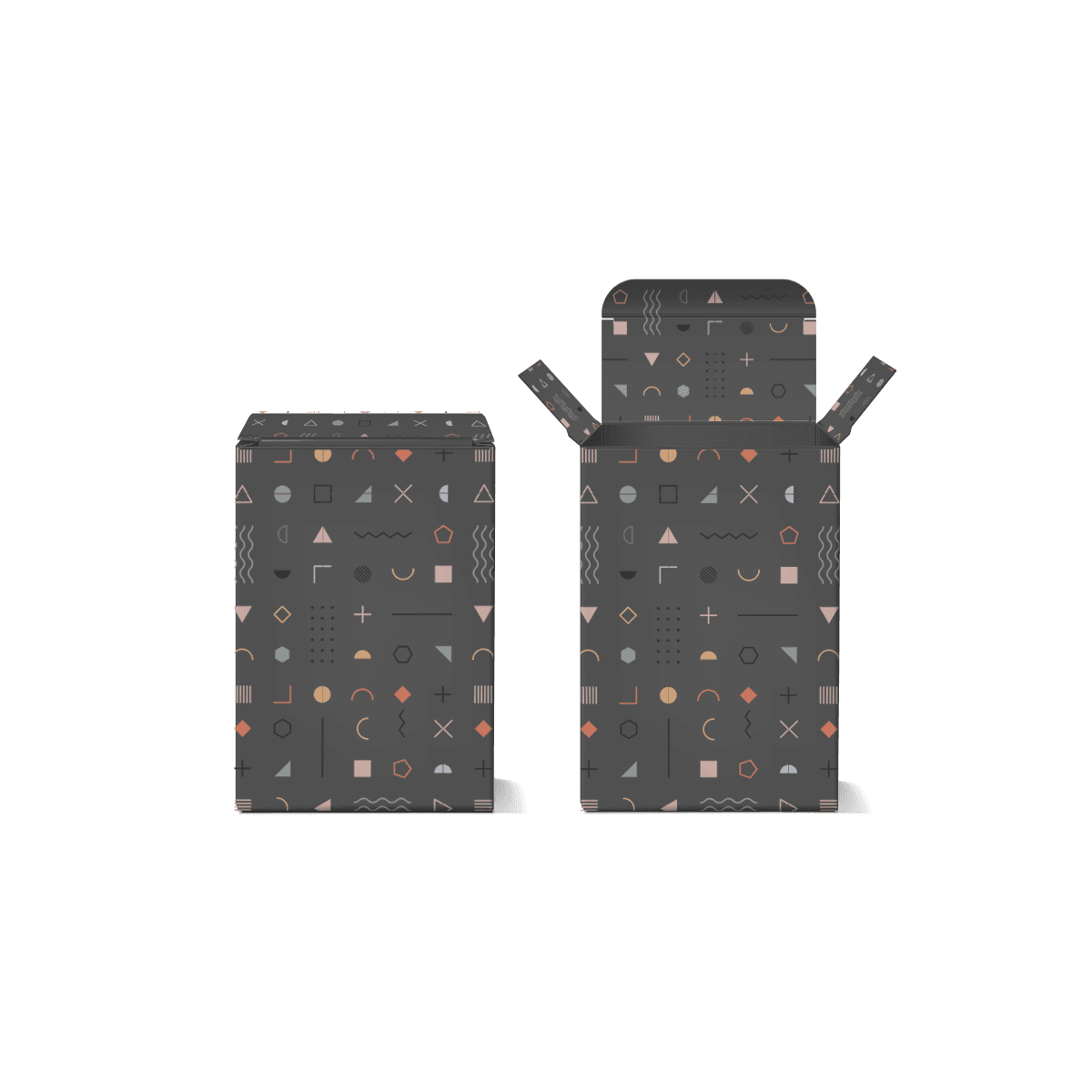
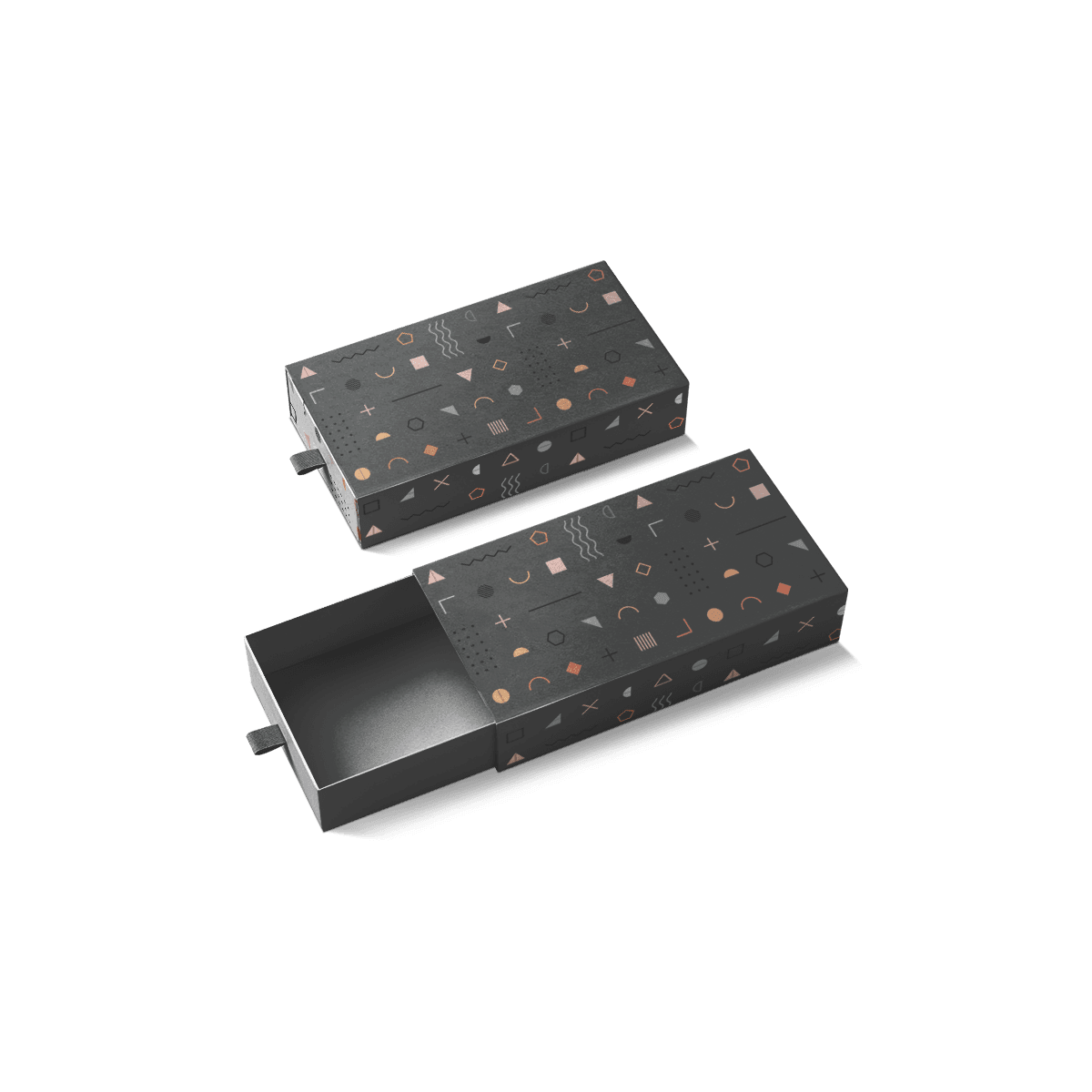
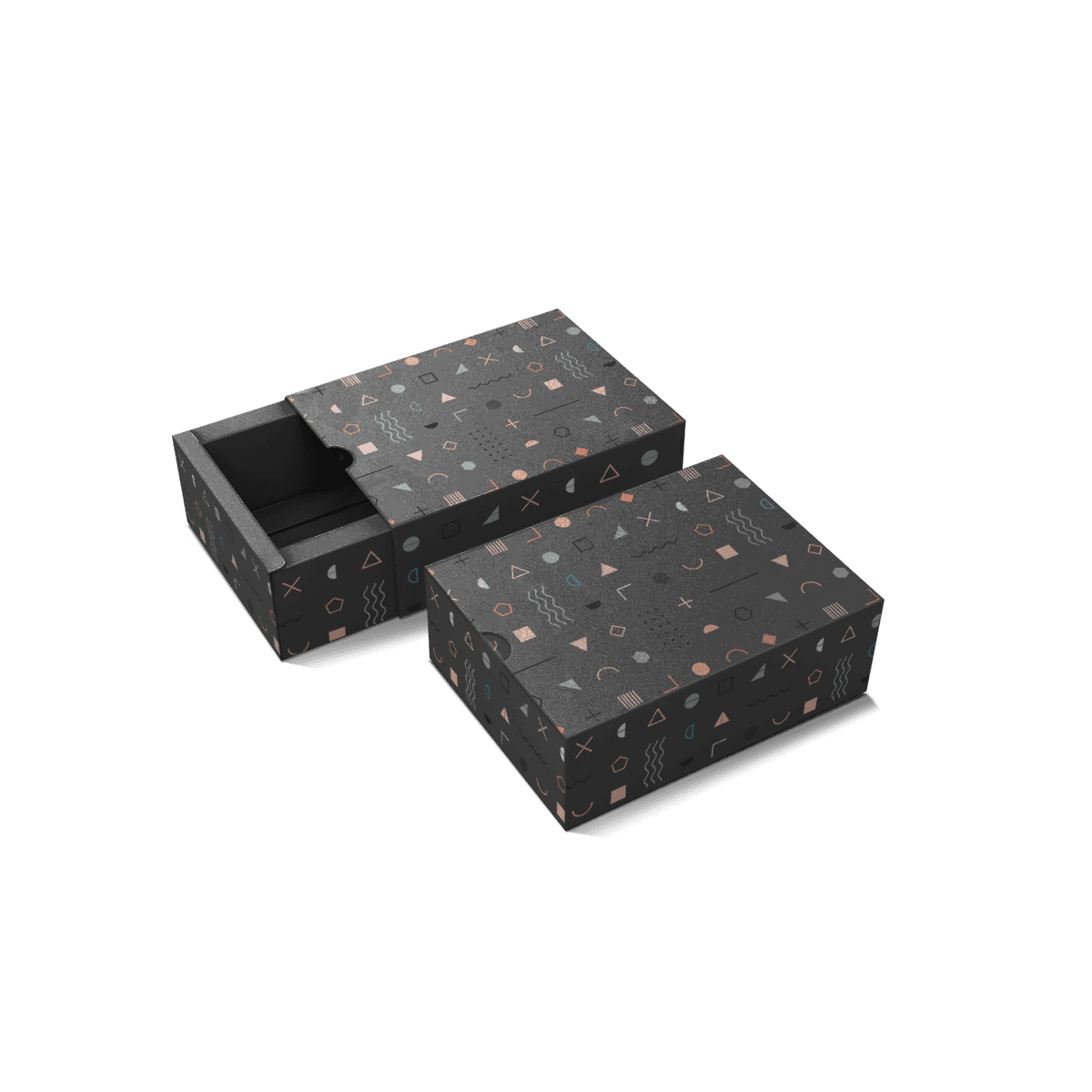
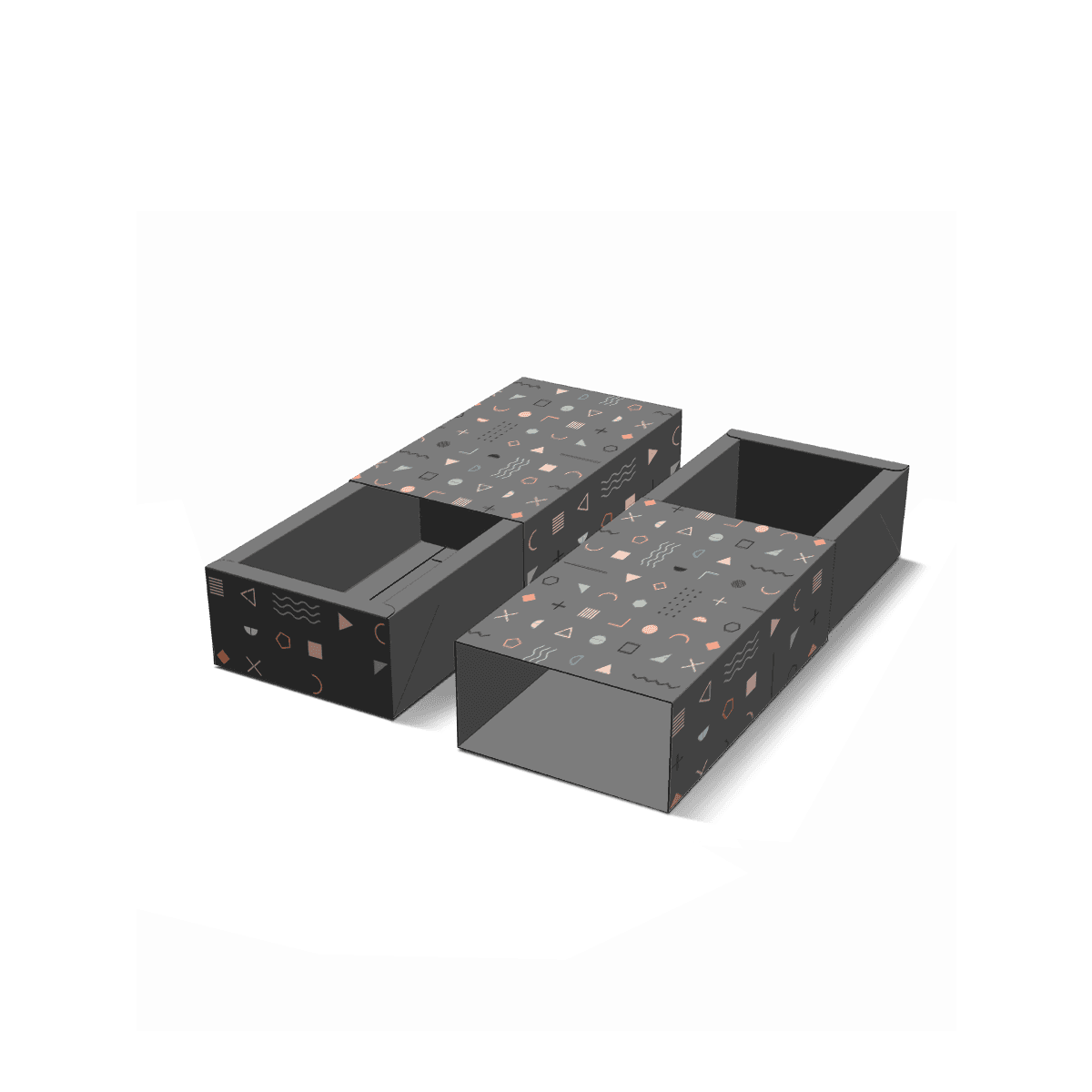
Compact packaging for wired earphones, wireless earbuds, charging cases and accessory sets, with fitted interiors, clear retail communication and print matched to the product tier.

Case, Cable and Tips Need Different Restraint

An earphone pack has to control several small objects that behave differently. A wireless charging case is a compact solid object. Spare ear tips can disappear into empty space. A short charging cable can spring out of position. Wired earphones introduce an entirely different problem because the cable itself becomes part of the packing geometry.

Wireless Earbuds Start With the Charging Case

For wireless earbuds, the charging case should establish the main cavity. The insert should support the case on stable surfaces, keep it from rotating and leave a practical route for the customer to lift it out. A cavity that grips too deeply can make a small glossy case surprisingly difficult to remove.

The earbuds themselves normally stay inside that case, so the packaging does not need a second elaborate cavity unless the product is sold in another configuration. The space saved can be used for the charging cable, spare tips or instructions.

Wired Earphones Turn Cable Shape Into a Packaging Decision

Wired earphones occupy little product volume but can consume substantial pack area when the cable is allowed to spread. Define the coil diameter or folding pattern before finalizing the box.

A paperboard cable card or shallow channel can hold the prepared cable without pulling tightly on the earpieces or connector. The cable should arrive organized, but the customer should not have to untangle a display-driven knot to use it.

Do not shrink the coil by forcing a tight bend immediately behind a connector or earpiece strain relief. That apparent space saving can create unnecessary bend stress and make packout inconsistent. Use the real cable behavior to set the coil, then give connector heads a recess or card position that stops them from crossing the coil. If the cable has an inline remote or microphone, that module also needs a repeatable position so it does not become a hard point against the earpieces or carton wall.

Small Accessories Need Their Own Micro-Zones

Replacement ear tips, adapters and short charging leads should have obvious locations. A small folded pocket, recess or covered compartment can stop these pieces from migrating beneath the main product.

The best interior makes every included item easy to account for without turning a compact audio pack into an oversized kit box.
Retail Footprint Comes Before Box Style

Earphone packaging is unusually sensitive to footprint because the product is small and often sold in dense electronics environments. An oversized pack can consume peg space, shelf width and master-carton volume without giving the product more protection. The first structural decision is therefore not “rigid or folding.” It is how the product will actually be sold.

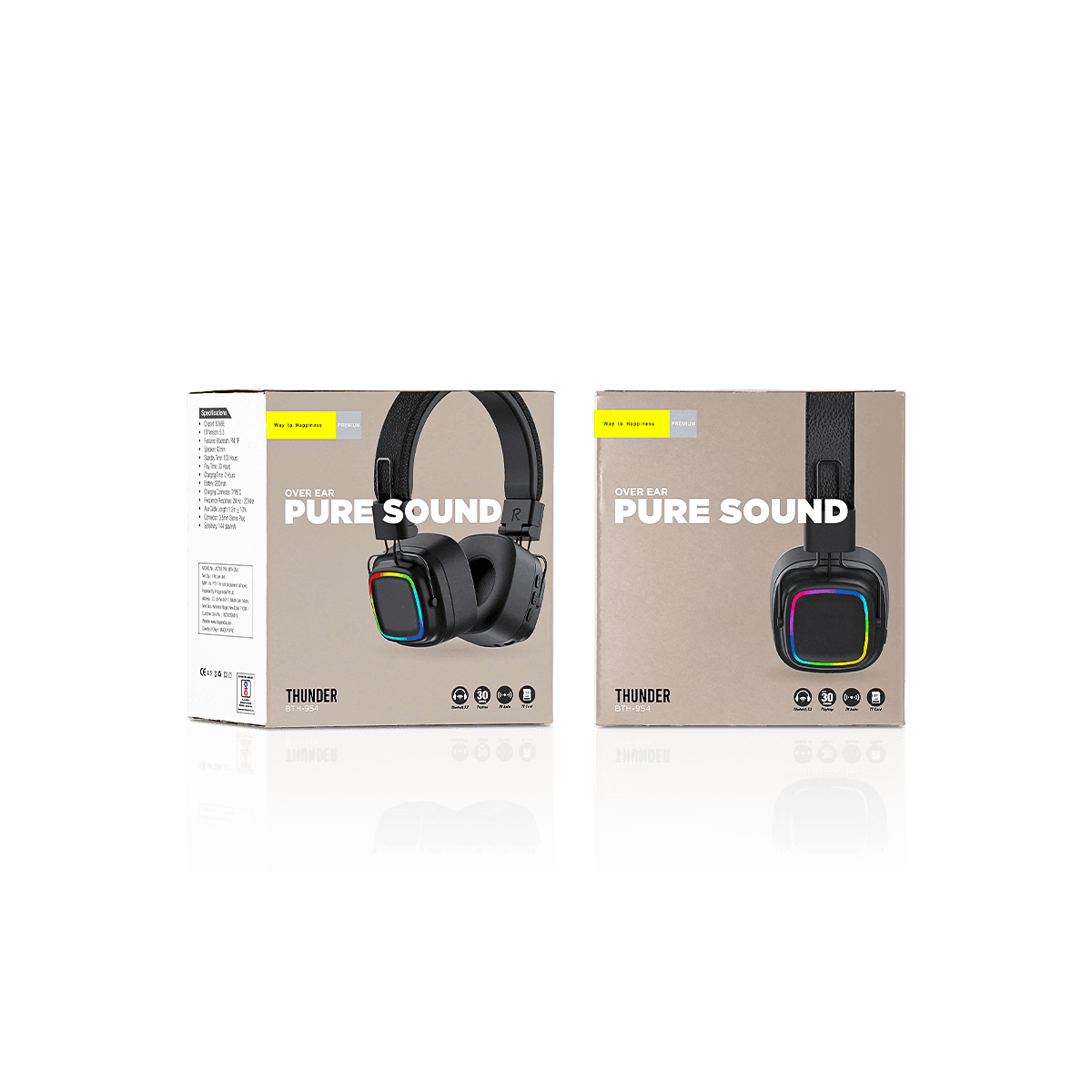
Earphones sit naturally in electronics and gadget packaging, where retail communication, internal retention and shipping duty are separated according to the product.

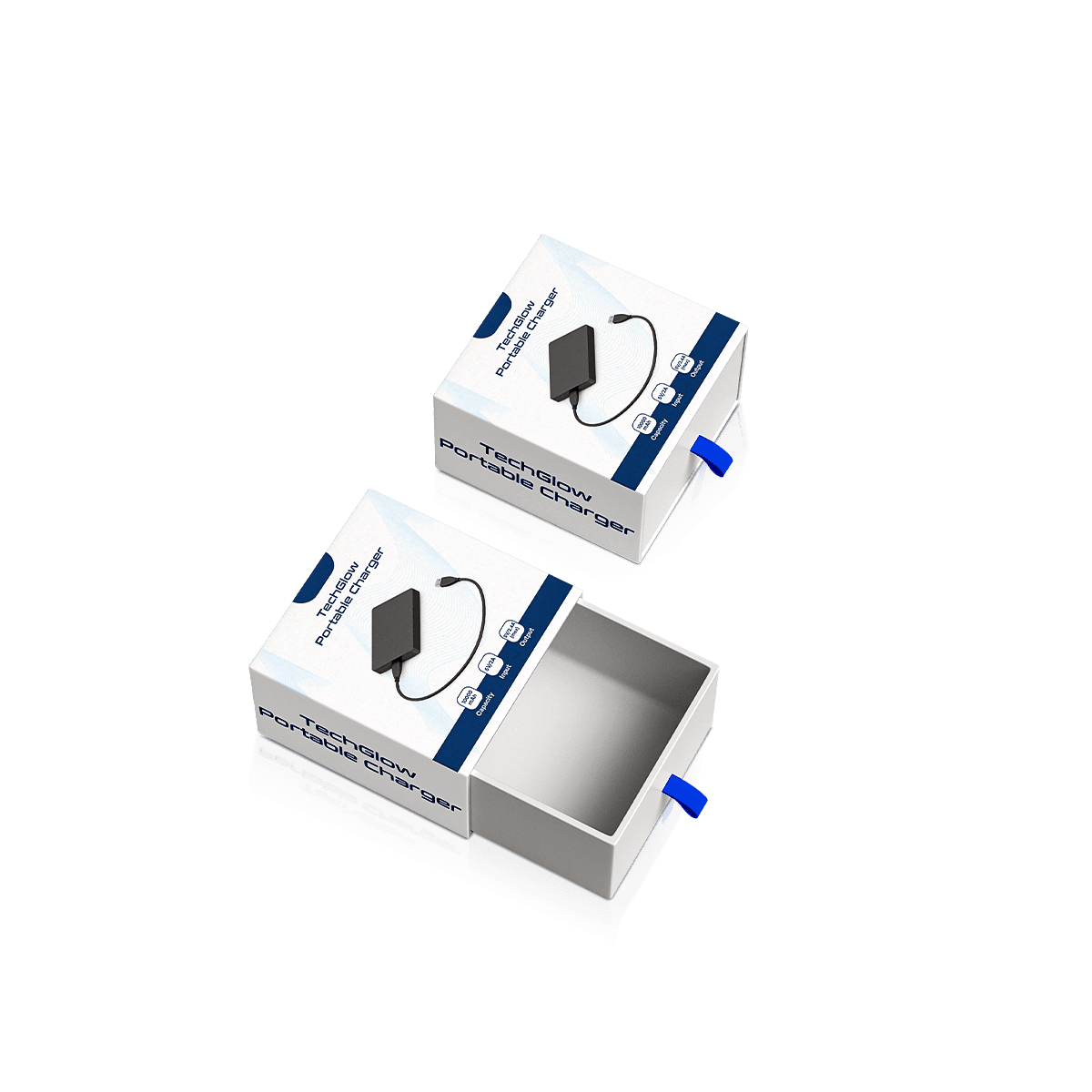
For lightweight retail programs, folding cartons can keep the pack compact and give wattage-free audio specifications, compatibility and product imagery enough printed surface.

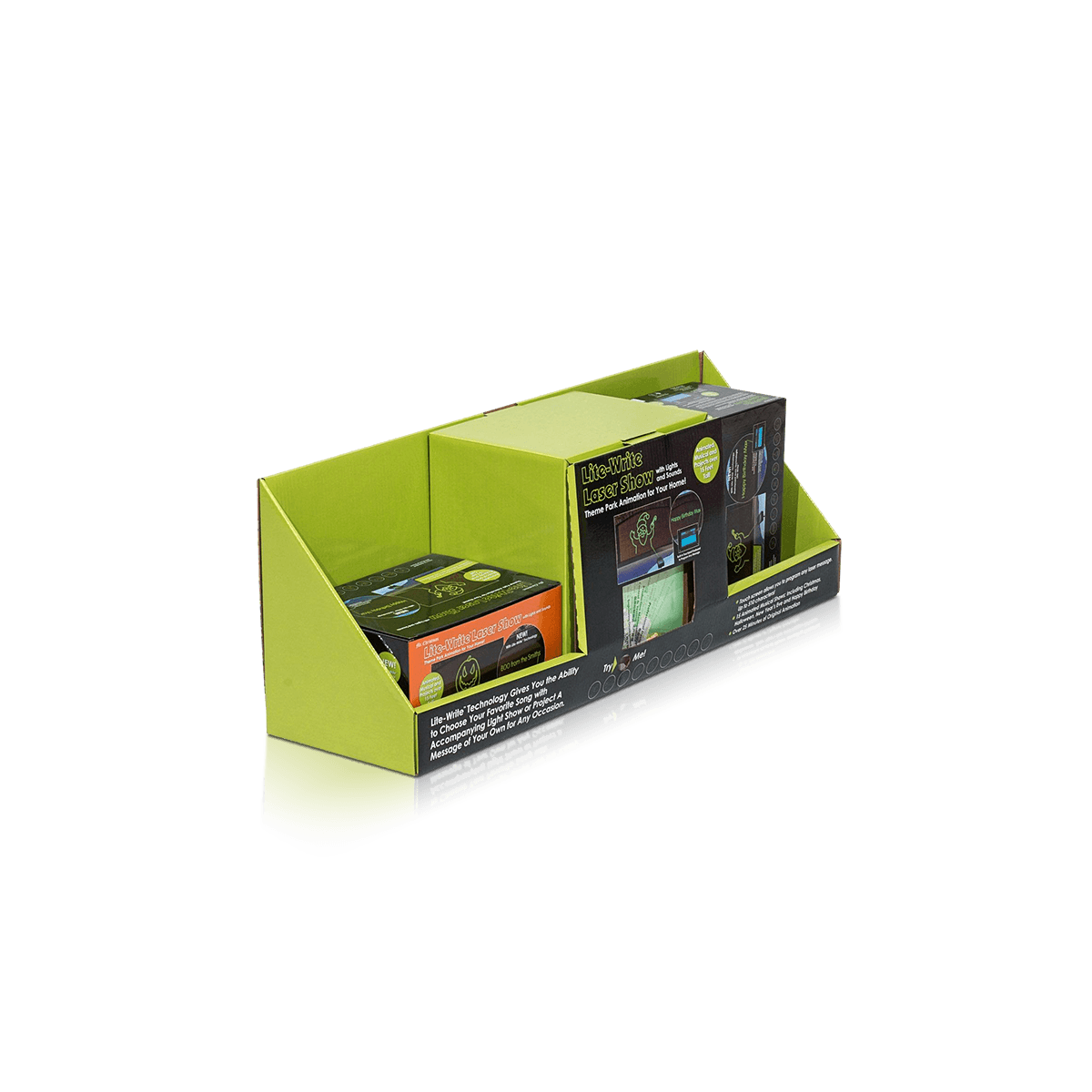
Peg-heavy programs may pair individual packs with retail display boxes for gadgets when several packaged units need organized merchandising.

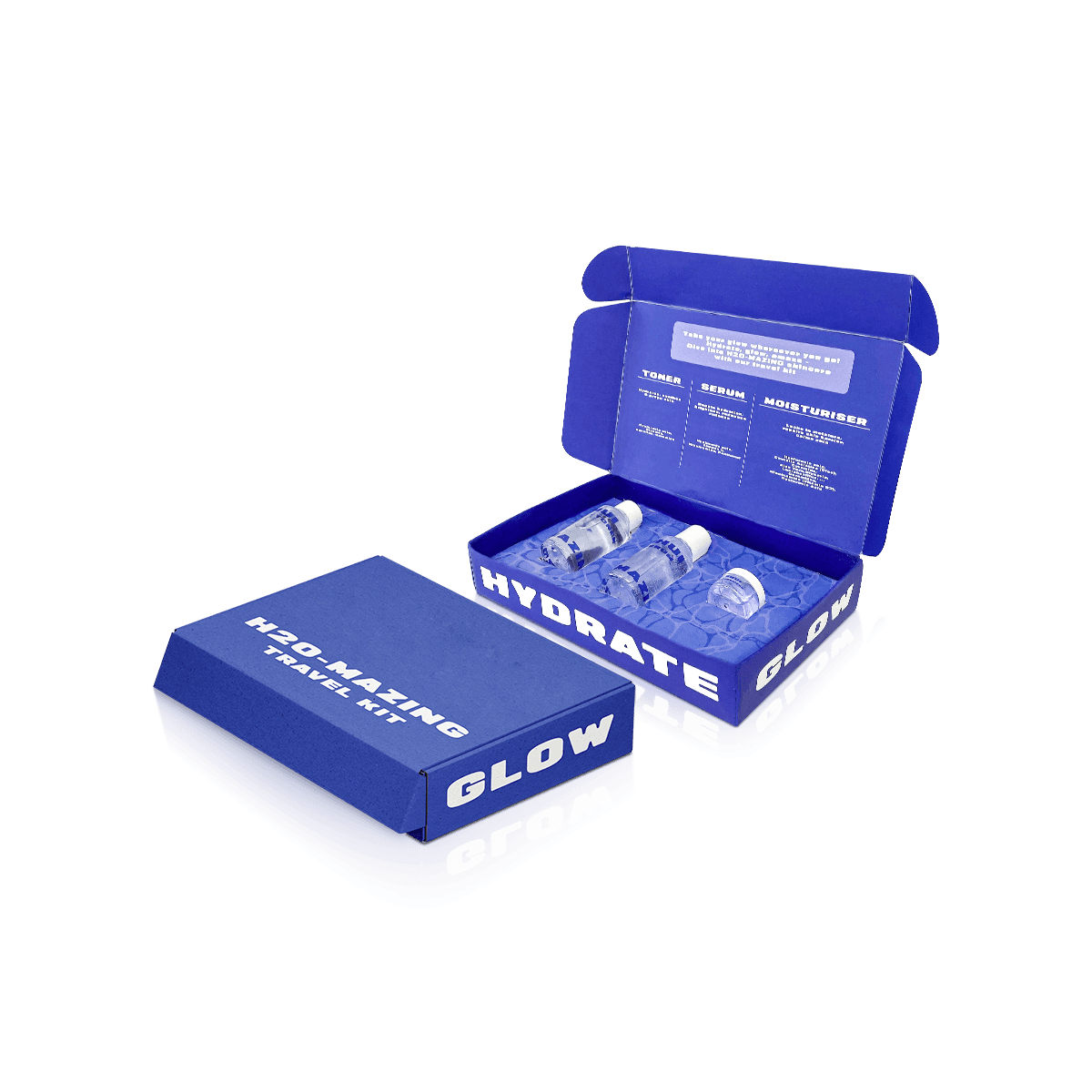
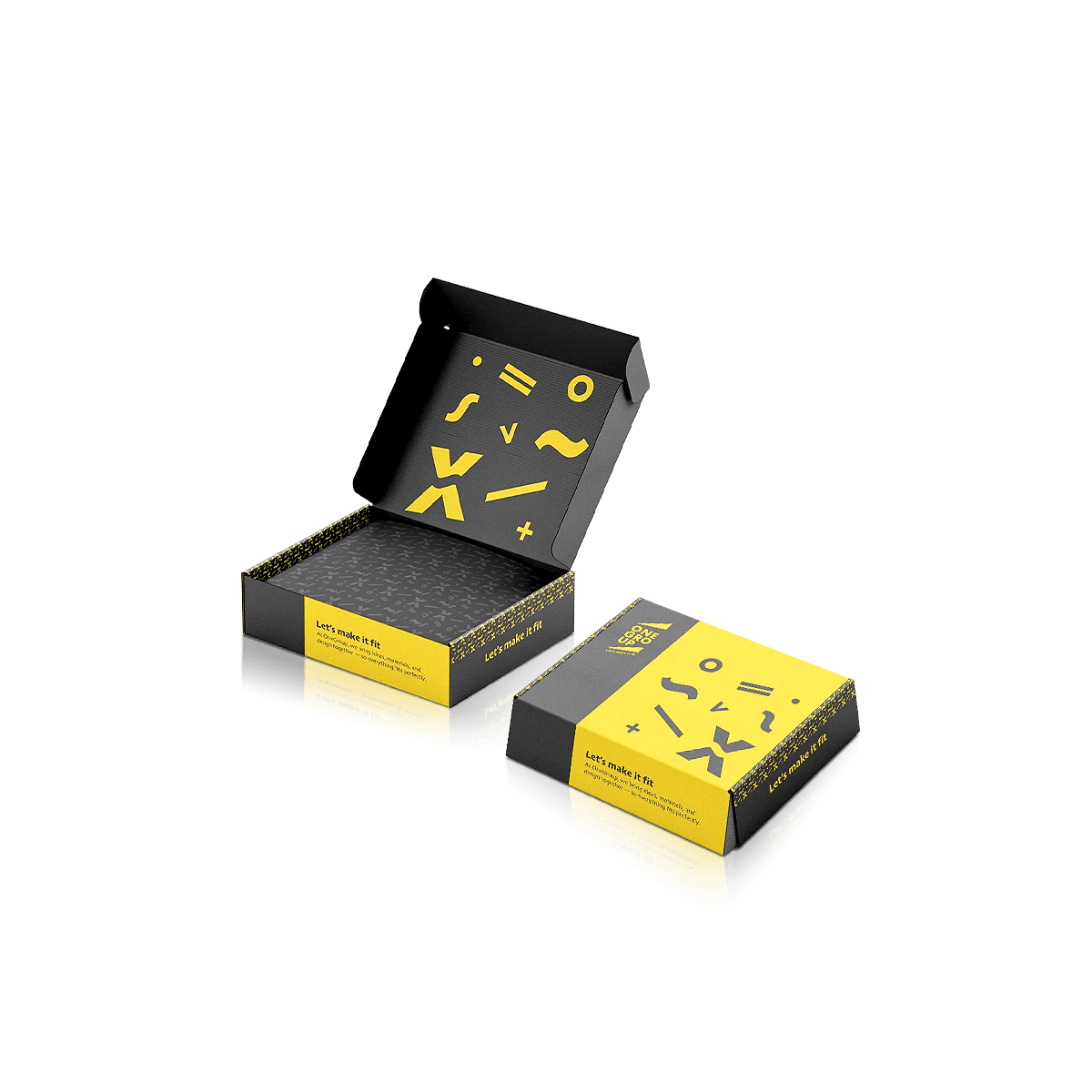
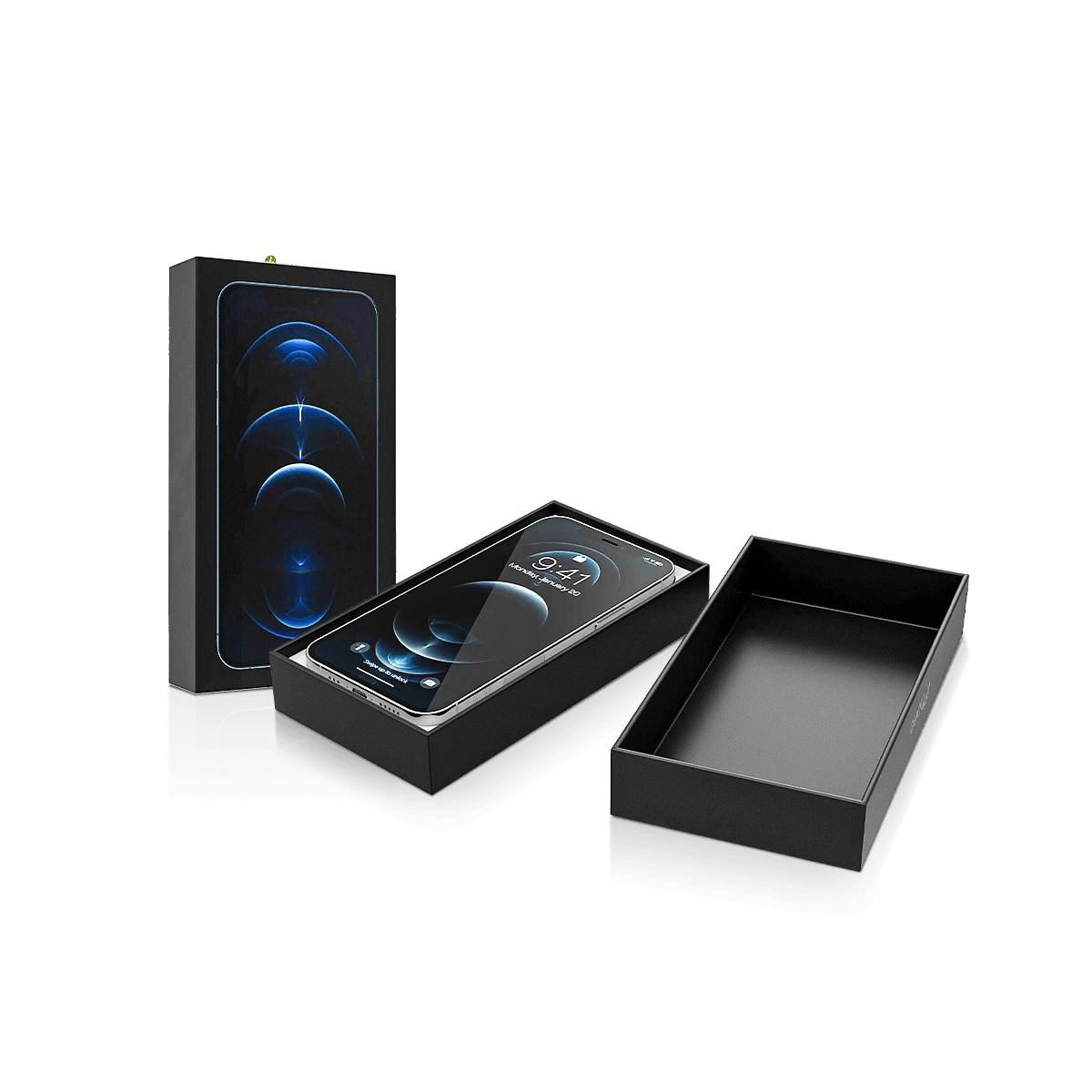
A premium earbud launch may justify custom rigid boxes when the opening experience and permanent board feel genuinely support the product tier. The product value should drive that move, not a belief that small electronics automatically need thick presentation packaging.

Peg Balance and Shelf Stability Are Different

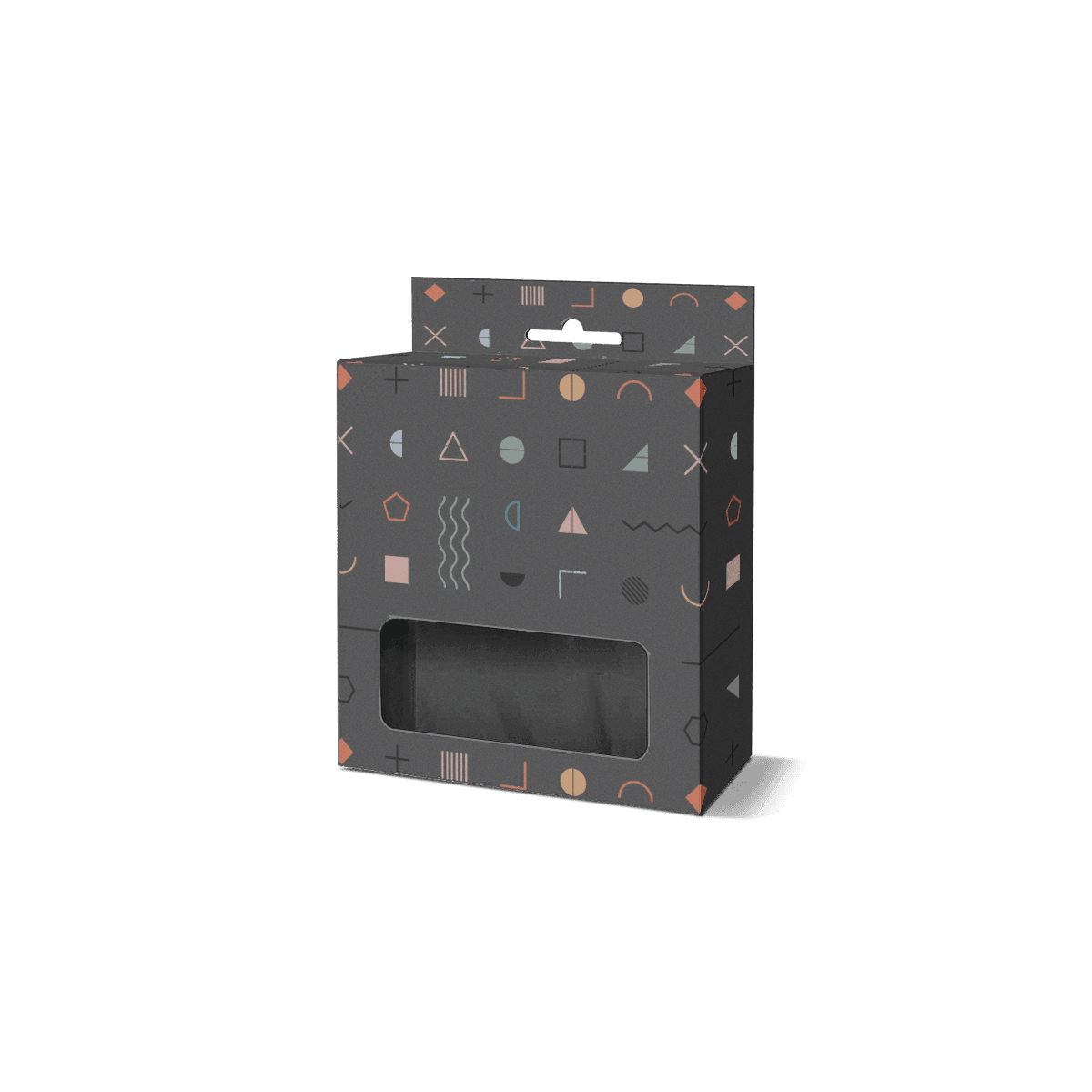
A compact earphone pack should be judged in the orientation the customer actually sees. On a peg, the filled center of mass can make a narrow pack lean or rotate even when the hang tab itself is strong. Keeping the charging case or other dense component lower and close to the hanging plane can improve how the pack sits without adding a larger header.

Shelf packs have a different priority. A stable base and enough front-facing width usually matter more than extra material above the product. Check the finished pack with the real case, cable and accessories inside because an empty carton can hide the balance problem. This lets the same audio line use the right retail geometry instead of forcing every SKU into one display orientation.

The Insert Does Most of the Physical Work

For small audio products, increasing outer board thickness is often less effective than controlling what happens inside the box. A well-planned insert can center the charging case, isolate the cable, stop replacement tips from wandering and create an intentional sequence when the package opens.

Packaging inserts can use paperboard, molded fiber or foam depending on the product shape, presentation level and cushioning requirement.

Paperboard Fits Many Everyday Earphone Packs

Paperboard works well when the product mainly needs positioning rather than heavy cushioning. It can form folded platforms, cable cards, trays and small accessory pockets while keeping the pack relatively light.

It also gives brands another printable surface if instructions or small brand elements belong inside the box. If the pack must hold several components in fixed positions, custom insert boxes make more sense than increasing the outer carton simply to create loose accessory space.

Foam Has a Narrower Job

Foam can make sense for premium, heavier or more impact-sensitive audio products when cushioning and precise cavity control are genuinely needed. It should not become the default insert simply because electronics are involved.

A finished consumer earbud set is also different from an exposed electronic assembly. Anti-static or ESD materials should be specified only when the product and handling requirement call for them.

Removal Matters as Much as Retention

A secure cavity is only successful if the customer can remove the product without fighting it.

Wireless earbud cases are often smooth, curved and compact. A deep foam cavity can grip the sides so completely that the customer has no practical purchase on the case. A paperboard tray can create the same problem when the opening follows the case outline too closely.

Provide an exposed side, finger recess, pull feature or shallower support zone where the product geometry allows it.

Consider a wireless earbud case held in a deep cavity with spare tips placed loosely around it. The case cannot be lifted cleanly and the tips migrate beneath the product during handling. Reducing cavity depth, exposing a usable edge and giving the tips a small pocket solves both problems without enlarging the outer box.

A free 3D mockup can review the visual structure and artwork. When removal force, cavity depth or exact fit needs physical confirmation, a fully custom pre-production sample can be arranged as a paid sample where applicable. Free sample examples of previous work can also help establish material and finish expectations.

The Retail Carton Is Not the Parcel Cushion

A compact earphone carton can be excellent primary packaging and still be the wrong surface for courier handling.

Retail packs need clean print, product identification and a controlled customer opening. Parcel shipping adds labels, abrasion, compression and repeated external handling.

For direct-to-customer orders, the retail earphone box can sit inside a right-sized outer shipper rather than being made unnecessarily heavy for every retail sale.

Movement needs to be controlled at both layers. The earphone case should stay fixed inside the retail pack, and the retail pack should stay fixed inside the transit carton; that is the core of shipping damage control.

That separation also protects premium finishes and keeps the selling pack free from carrier labels.

Small Panels Need Ruthless Print Hierarchy

Earphone cartons have very little room for indecision.

Brand name, product name, model, wired or wireless status, compatibility, connector type, included contents, barcode and any required markings may all compete for compact panels. Giving every item equal emphasis makes the package harder to scan.

The front should establish the product and the purchase distinction quickly. Secondary specifications can move to the side or back where they remain readable without crowding the selling face.

Color can help separate earbud models, cable variants or product tiers, but it should work as part of a consistent system. Brands that depend on precise signature colors can decide between CMYK and Pantone packaging printing before final artwork is approved.

Premium offset printing can support sharp typography and product imagery. Matte, gloss, soft-touch, spot UV, foil, embossing or debossing can be added selectively when the finish strengthens the intended product position instead of competing with compatibility and model identification.

Dielines Get Less Forgiving as the Box Gets Smaller

Compact cartons leave less room for artwork-placement errors.

A logo or model line that drifts toward a crease can become visually cramped. A barcode placed too close to a fold can become harder to scan. Text that looks comfortably spaced on a large artboard can become crowded after glue areas, tuck flaps and safe zones are respected.

The packaging dieline should match the exact structure that will be cut, creased and glued.

Once the supported style and dimensions are settled, the dieline generator can help establish the flat layout before final artwork is positioned.

For a multi-SKU earphone line, keep recurring brand zones consistent but allow panel proportions to respond to the actual carton rather than scaling one master artwork mechanically.

One Audio Line May Need More Than One Interior

Two earphone SKUs can share an outer footprint and still need different internal geometry.

A wireless case, wired earphone coil and neckband set do not occupy space in the same way. The outer carton can sometimes remain common for shelf blocking or brand consistency while the insert changes to match the product.

That is where custom product packaging becomes more valuable than forcing every audio SKU into one cavity.

Start by separating what can stay common from what cannot. The printed shell may stay the same size. The insert may need a new cut pattern. Artwork may need a controlled model identifier. A cable-inclusive bundle may require extra depth even when the hero product looks unchanged.

USA orders start from 100 boxes. Warehousing and scheduled deliveries can support larger audio programs where several SKUs need staged replenishment. Standard turnaround is 4–6 days after final artwork and specifications are approved, with free shipping. Complex structures, specialty materials or advanced finishes may require additional time.

Once dimensions, insert direction, quantity and artwork state are known, an instant custom packaging quote can be based on the actual pack.

Premium Should Come From Control, Not Bulk

A premium earphone pack does not need to be oversized.

Precise fit, clean print, controlled opening resistance and a deliberate accessory layout can create a stronger impression than simply adding board thickness or empty space.

A rigid box can be appropriate for higher-value products. A well-made folding carton can be equally appropriate for a compact retail accessory when efficiency, shelf density and repeat production matter more.

The packaging should still earn every extra layer. Small audio products benefit most when the pack stays proportionate to the device.

The Best Earphone Pack Stays Compact

The final check is not whether every accessory can be hidden somewhere inside the box. It is whether the product, cable and small parts are controlled without making the pack larger than the sale requires.

For wireless earbuds, secure the charging case and give the cable, spare tips and instructions deliberate positions.

For wired earphones, let cable routing drive the interior instead of allowing the coil to dictate an oversized carton.

A smarter tray, shallow cavity, cable card or accessory pocket can often solve the problem with less volume.

Custom Earphone Boxes work best when the packaging reflects the small scale of the product while still giving each component enough control to arrive organized, display cleanly and open without frustration.

FAQs

They work best for wireless earbuds, wired in-ear models, neckband earphones and headset kits that include small accessories or need feature-heavy retail packaging.

No. It makes the most sense for lightweight units sold on peg walls or narrow displays. Premium earbuds or gift-oriented packs often benefit more from shelf cartons or rigid presentation formats.

Earphone Boxes are stronger when each unit needs its own printed pack, secure closure and clear specification layout. Retail Display Boxes for Gadgets are better for presenting multiple already-packed units at the counter or on shelf.

Only the details that help the buyer decide quickly. Fit type, wired or wireless connection, microphone presence, charging method, battery highlights and box contents usually matter more than crowded marketing copy.

Yes, in many cases it does. Lightweight earbud sets often package well in recycled paperboard when the insert layout and board weight are chosen to match the product and retail handling needs.

Process

How it works

Your Packaging Journey, From Idea to Production and Delivery

01

Tell Us Your Specs

Custom packaging boxes

Tell Us Your Specs

Provide size, quantity, printing, and finishes.

02

Get a Fast Quote

Custom packaging boxes

Get a Fast Quote

Instant transparent pricing, no hidden fees.

03

Design and Approval

Custom packaging boxes

Design and Approval

Artwork checks, revisions, and final sign-off.

04

Produce

Custom packaging boxes

Produce

Expert manufacturing to meet deadlines.

05

Ship to Your Door

Custom packaging boxes

Ship to Your Door

Hassle-free, flexible delivery options.

Get Your Quote for Custom Earphone Boxes

Share your product details, size, quantity and artwork needs. We’ll help choose the right packaging style and send a clear quote.