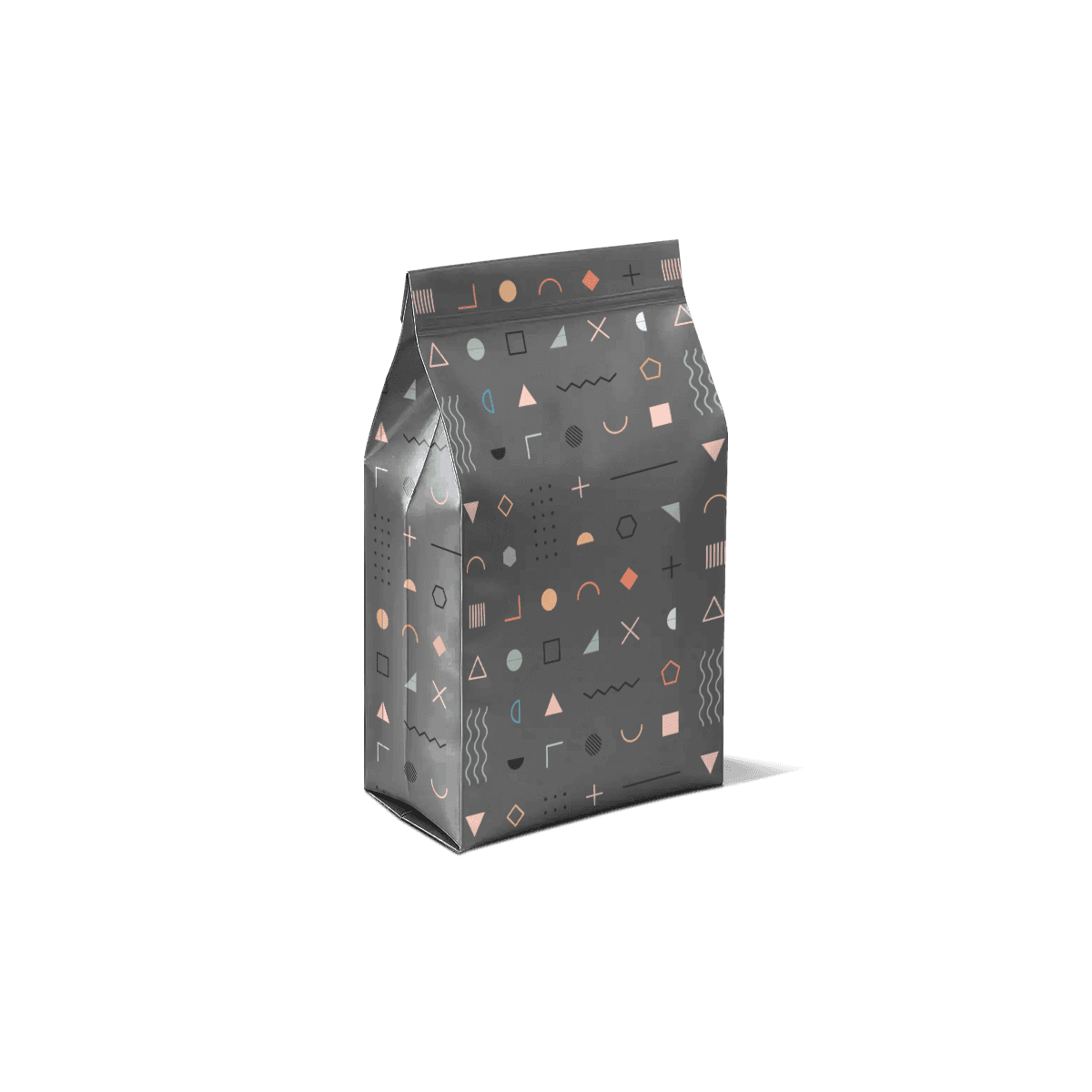
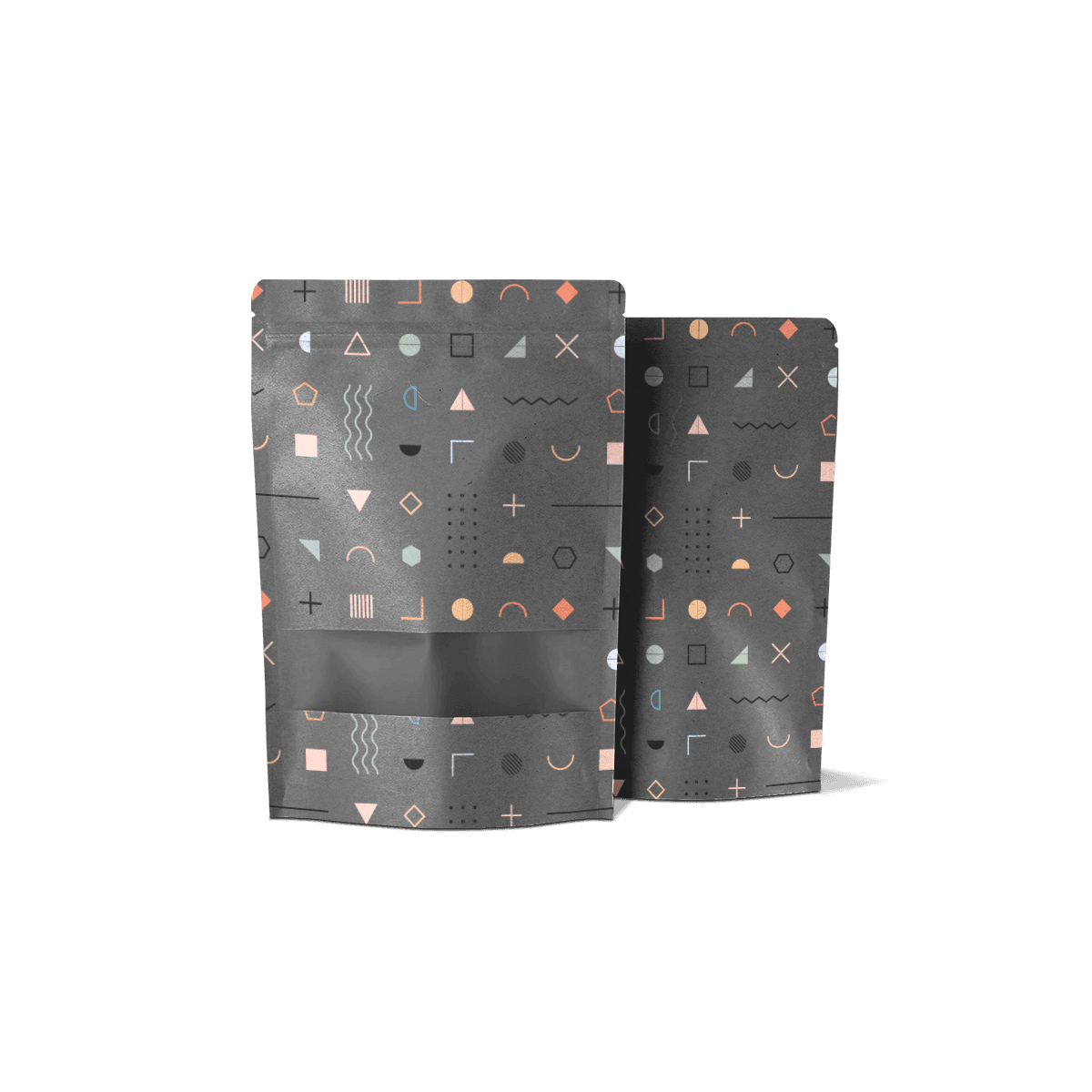
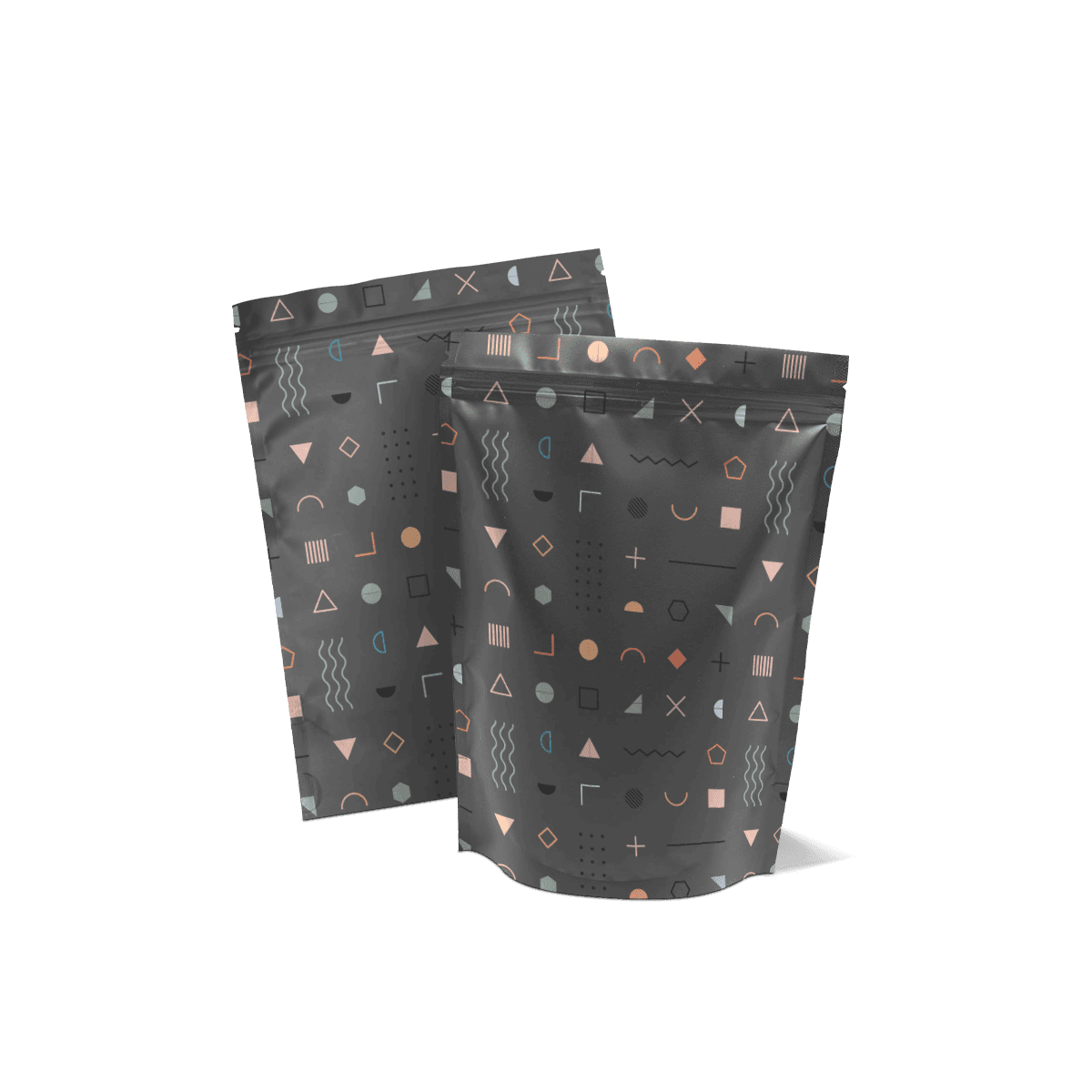
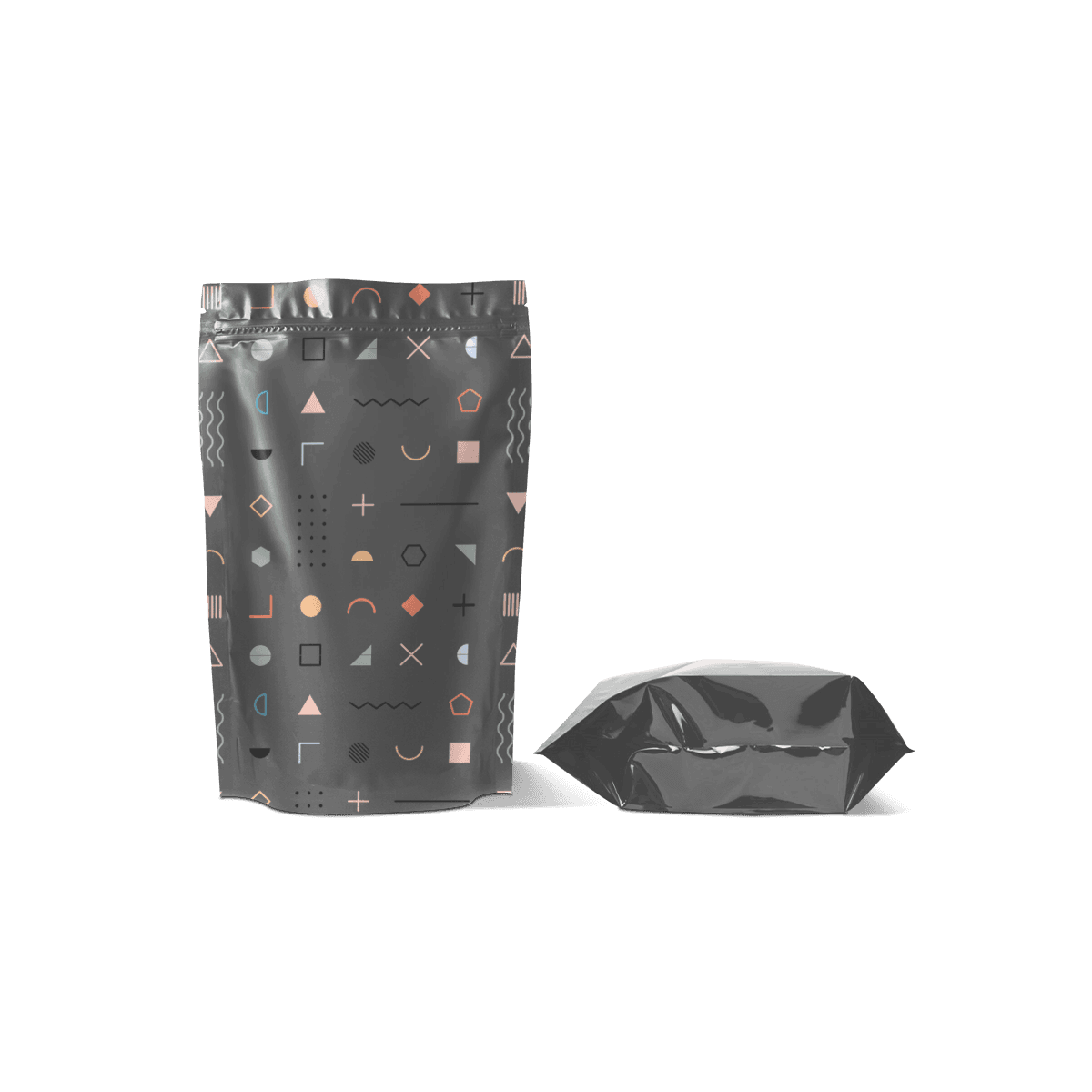
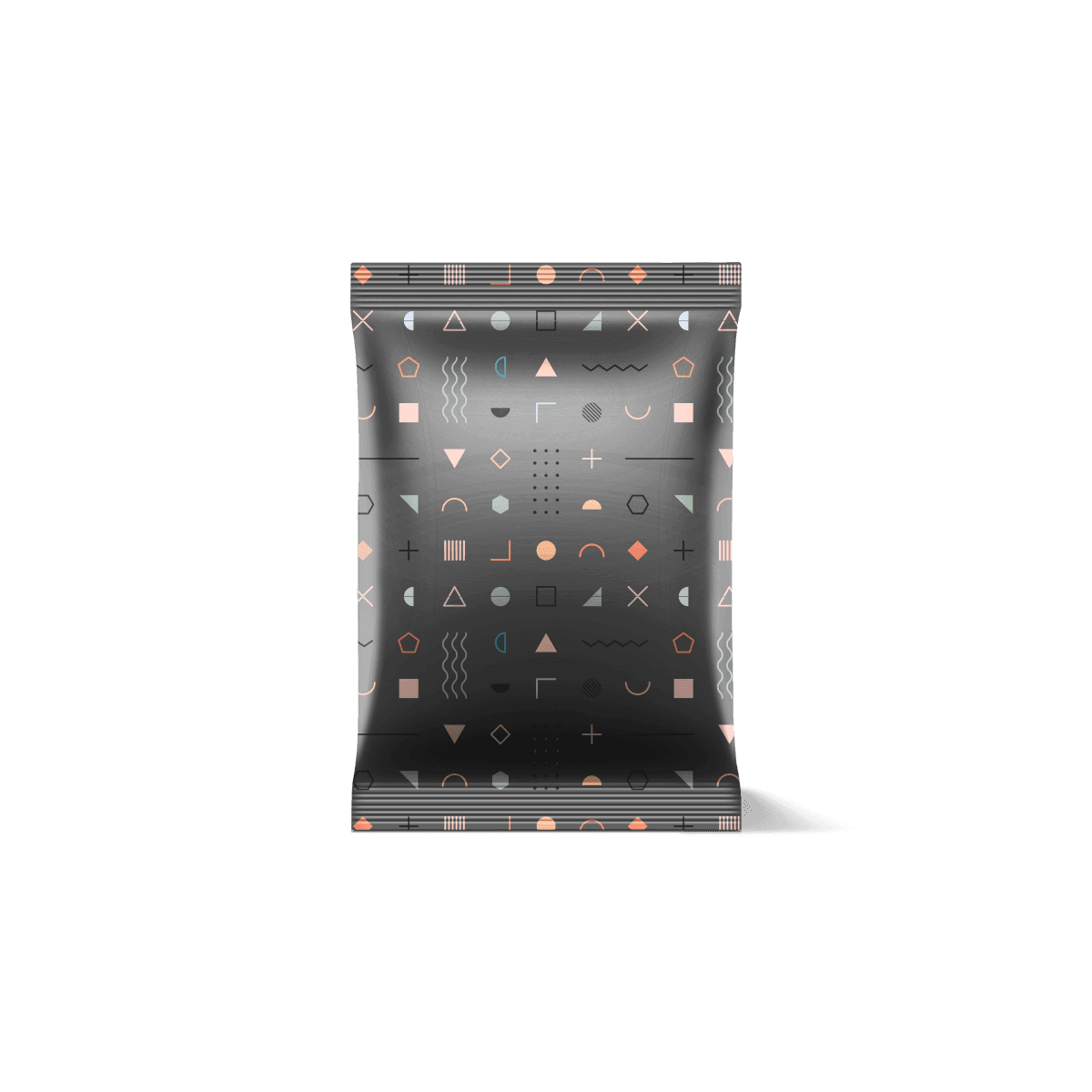
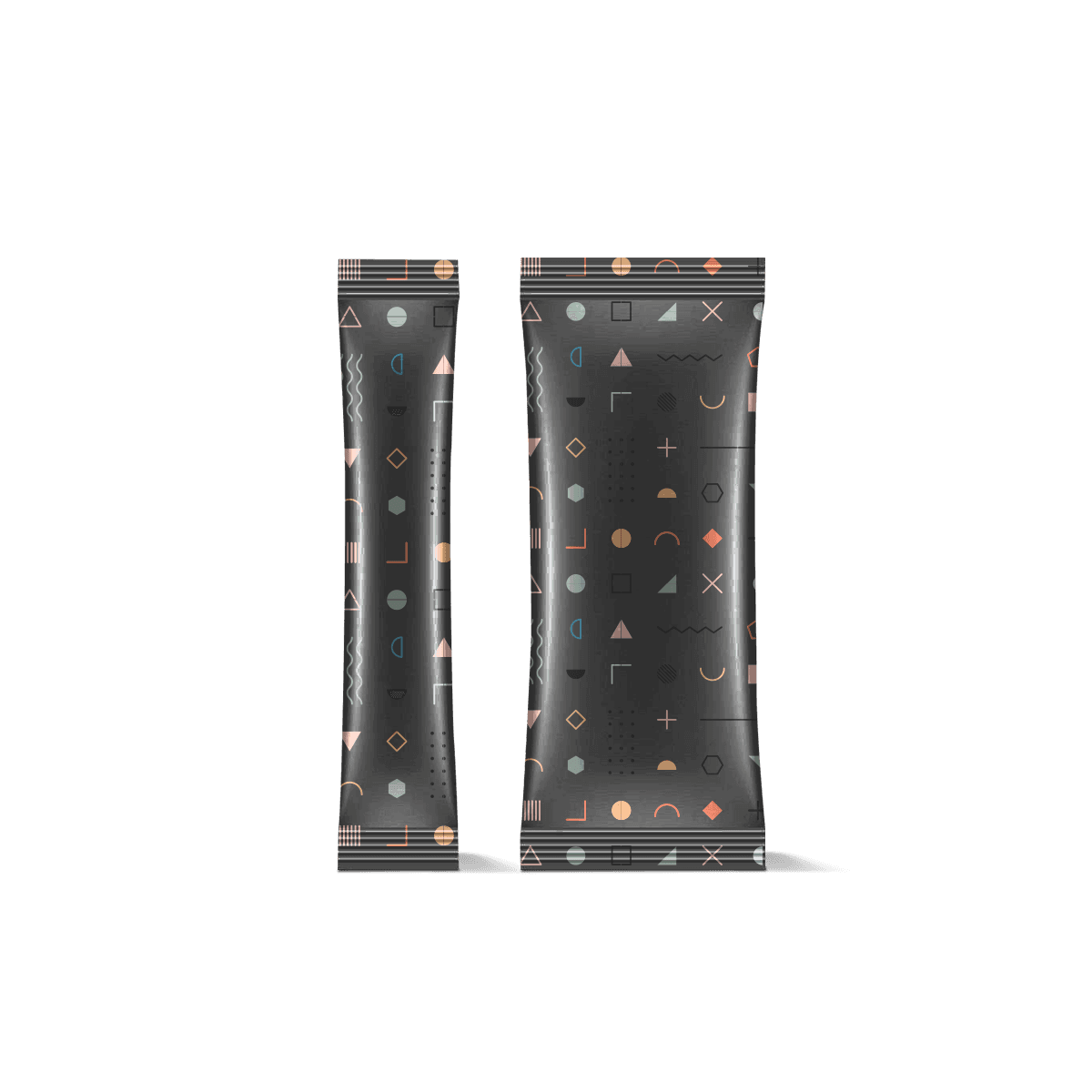
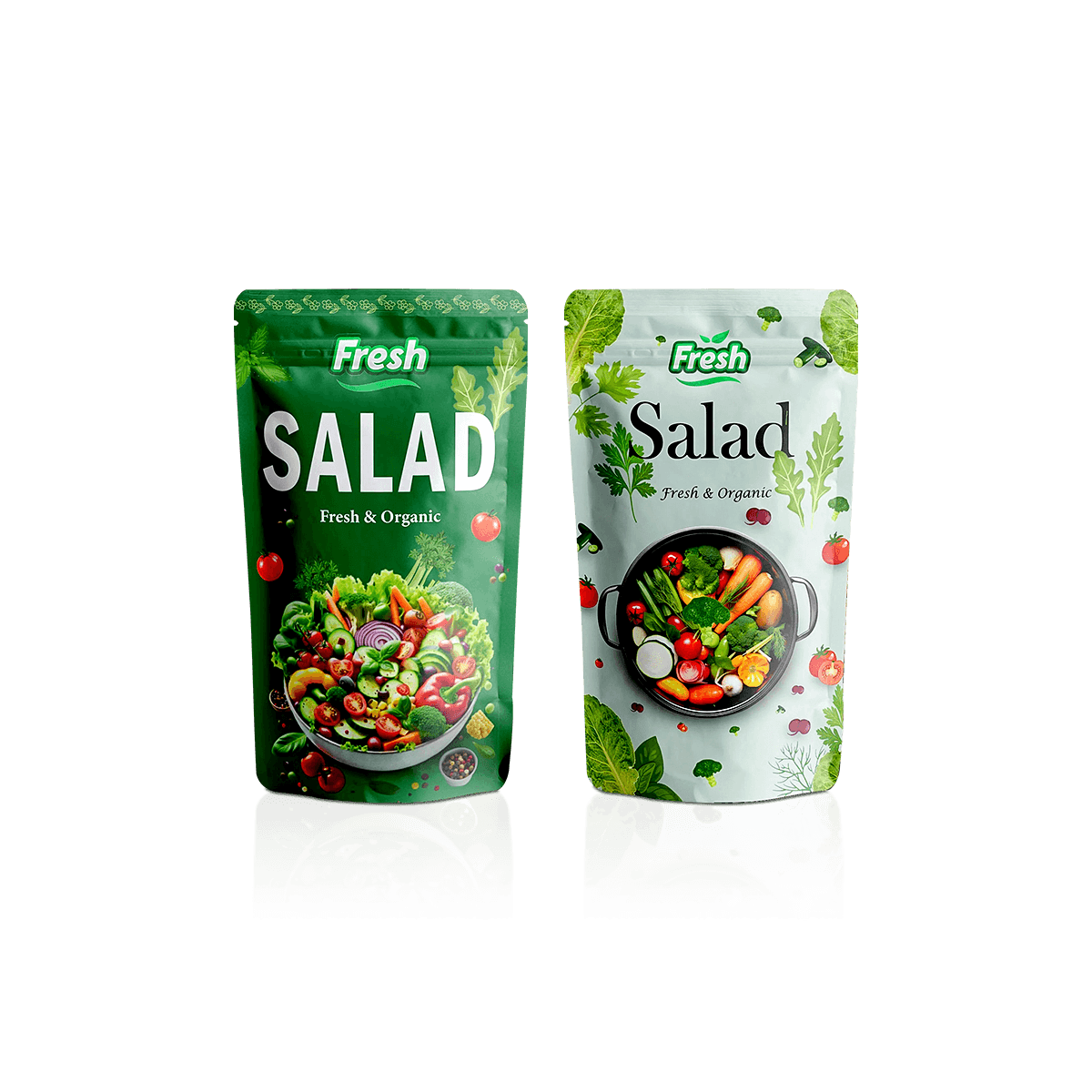
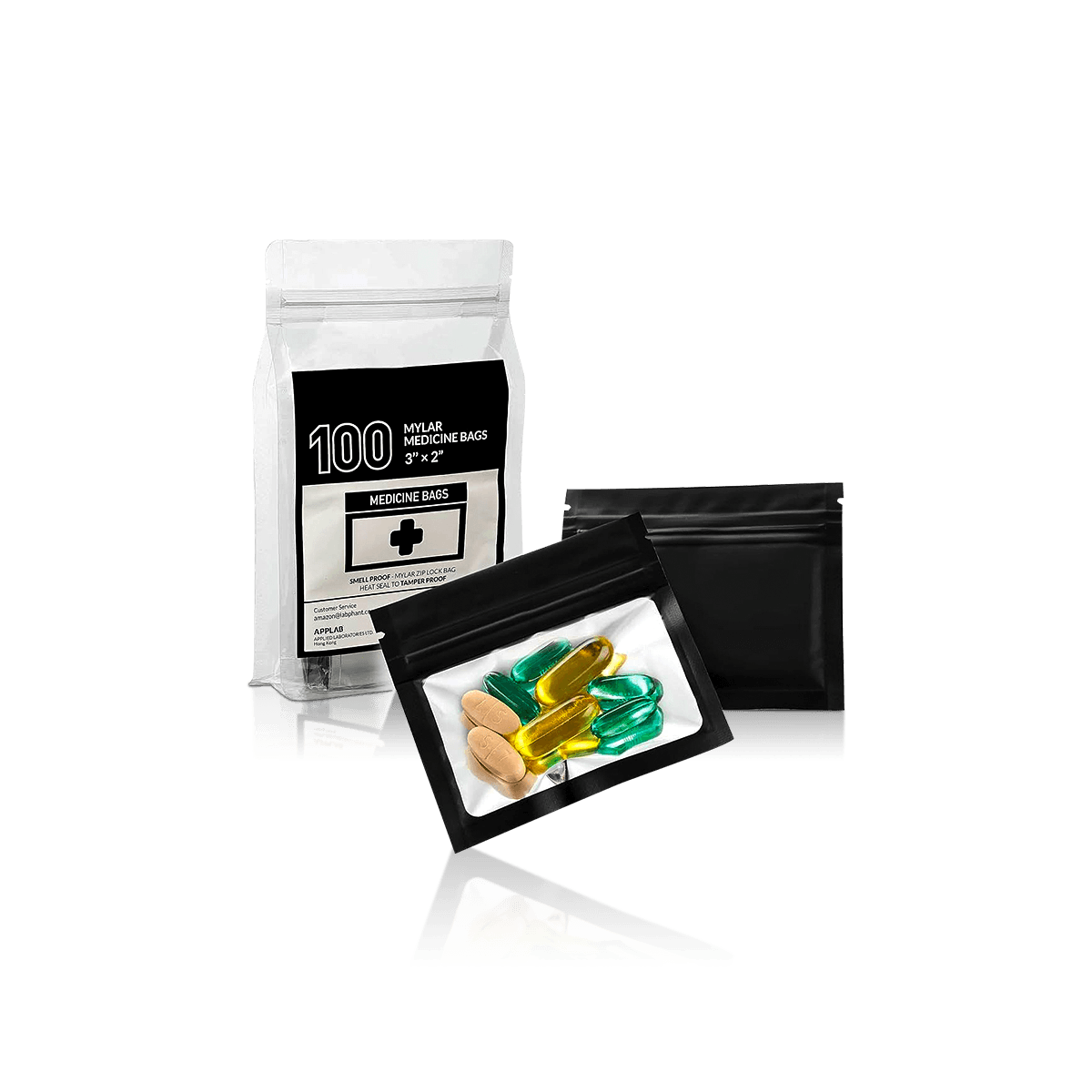
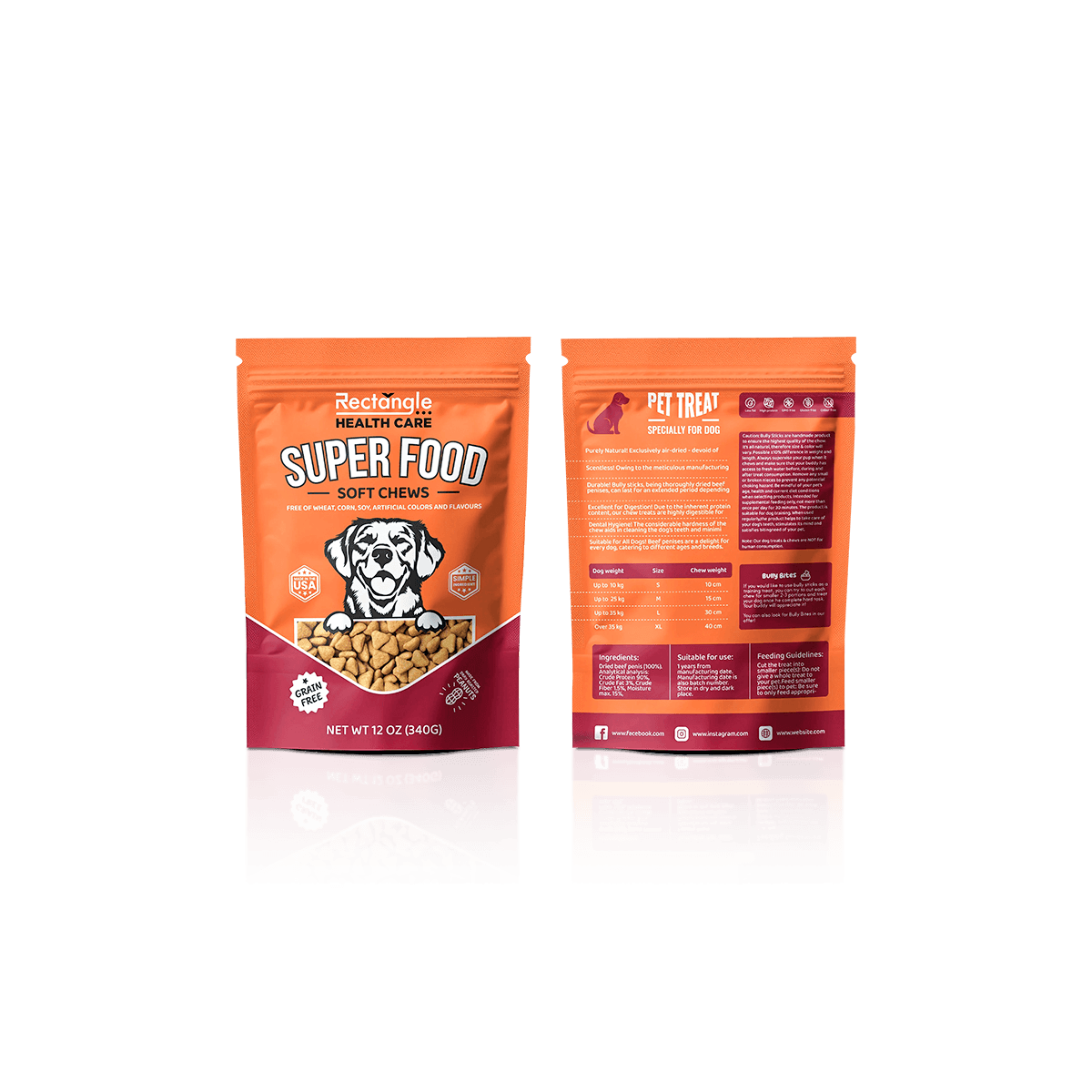
A gusset introduces areas of repeated folding and changes how the film responds to the packed product.
The material must accommodate those folds while supporting the intended load and protective requirements.
A film that performs adequately in a small flat pouch may not be suitable for a substantially larger gusseted construction.
Thickness alone does not establish the correct specification.
The film's composition, stiffness, sealing properties and resistance to the product's physical characteristics all matter.
Flexible Laminates
Laminated film structures can combine different functional layers.
A printable outer layer, an appropriate barrier component and a compatible sealant layer may be selected according to the product and intended production process.
The exact construction depends on the application.
Coffee, dry pet food and powdered products may have different requirements for moisture protection, oxygen transmission, aroma retention and sealing.
A particular laminate should not be described as suitable for every food product without verifying its intended use.
Puncture Resistance
Sharp or irregular products can place localized pressure against the film.
Dry food pieces, hard pellets and products with angular components may create different puncture risks from fine powders.
A larger gusseted pouch can also experience substantial internal movement during handling.
The material should be selected with the actual contents and intended transportation conditions in mind.
A thicker film may be appropriate in some applications, but film composition and construction are equally important.
Barrier Performance
The required barrier depends on the product's sensitivity and intended shelf life.
Moisture-sensitive foods may need a specified water-vapor barrier. Products affected by oxygen exposure may require a different material construction.
Where light protection matters, the material selection must account for that requirement as well.
Barrier performance should be confirmed through the applicable material specifications rather than inferred from a metallic appearance or the use of a particular film name.
For food products, the complete construction also needs the appropriate food-contact assessment.
Custom Packly can assist with material selection, but product-specific compliance and shelf-life requirements must be confirmed before production.