Skip to content
Details

Custom Plow Bottom Pouches

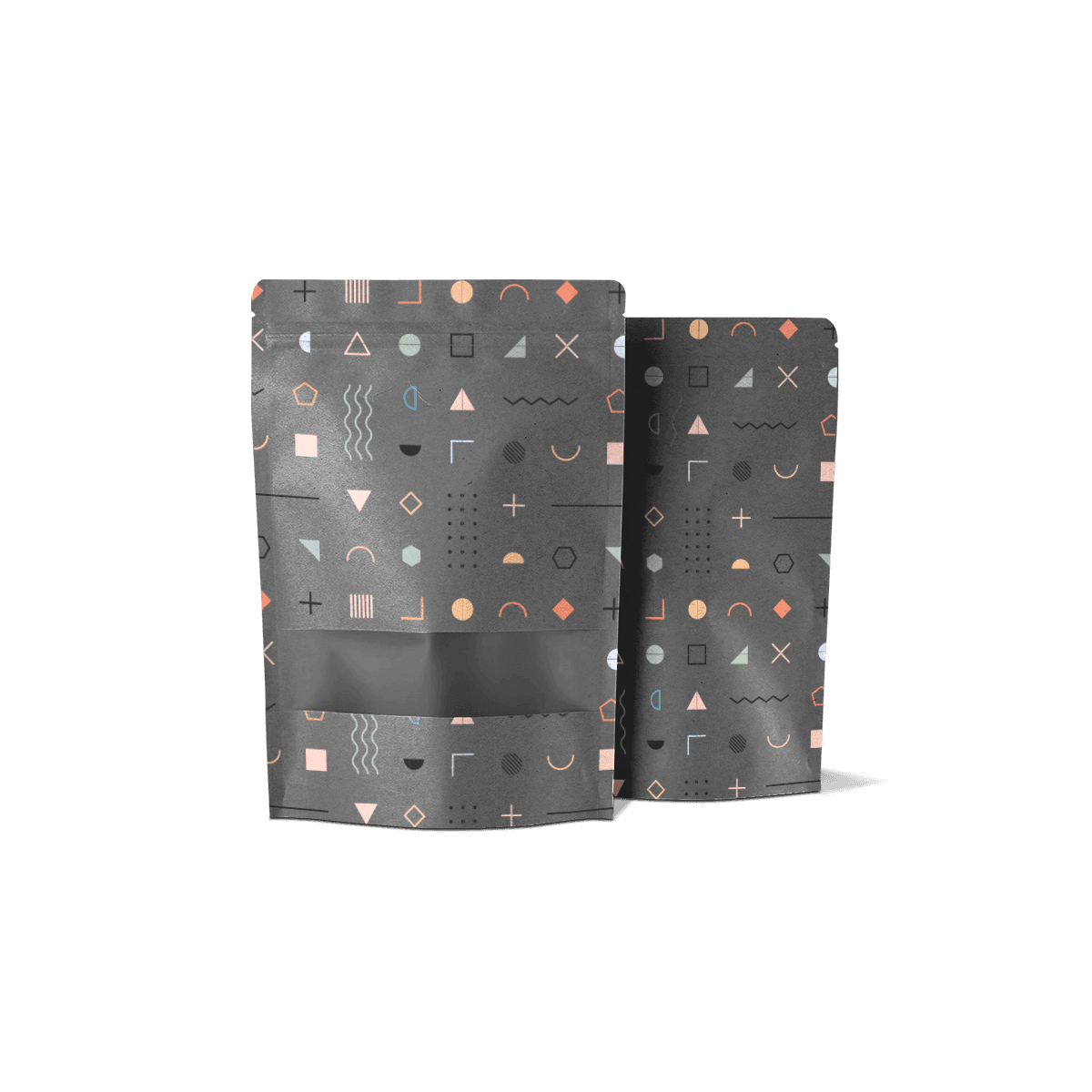
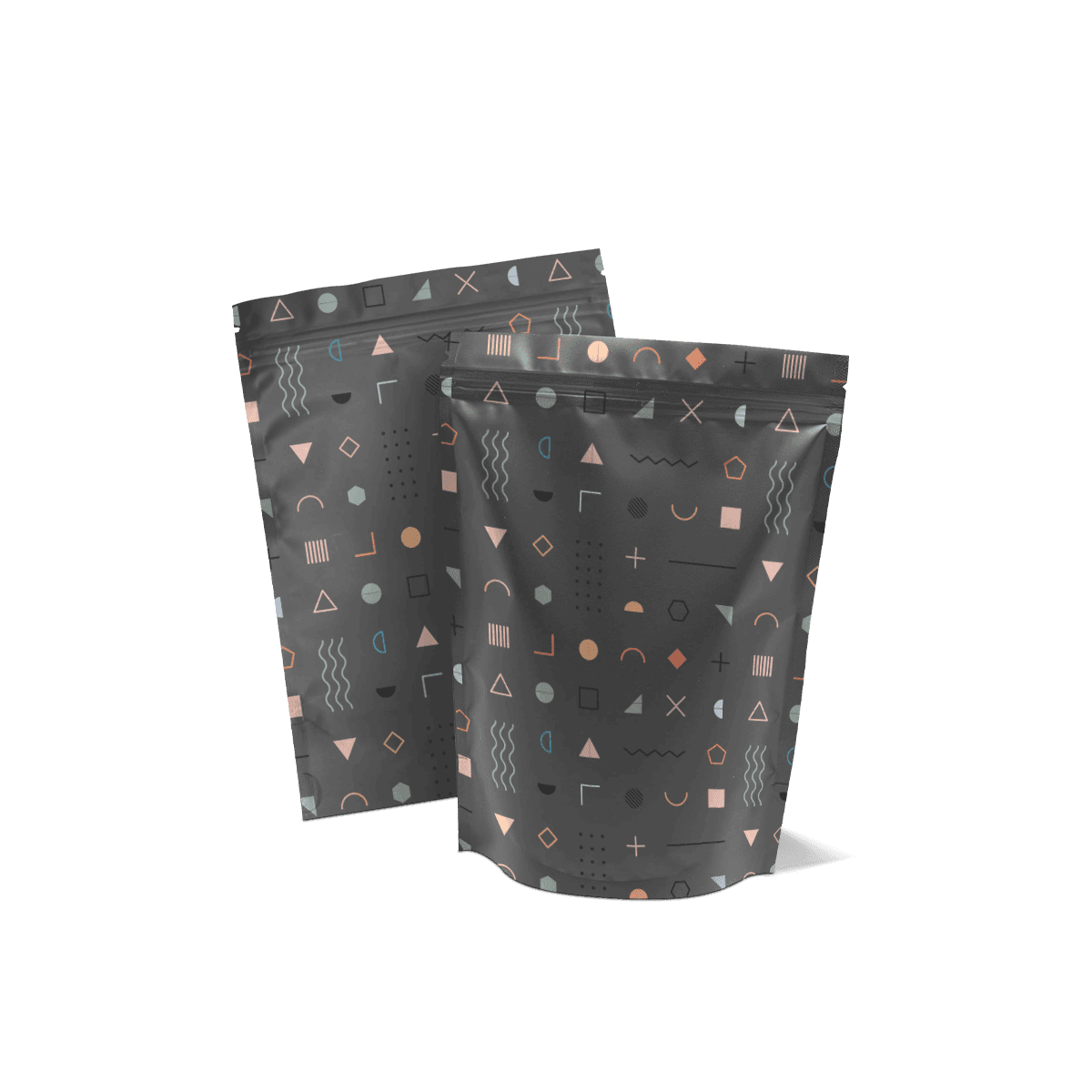
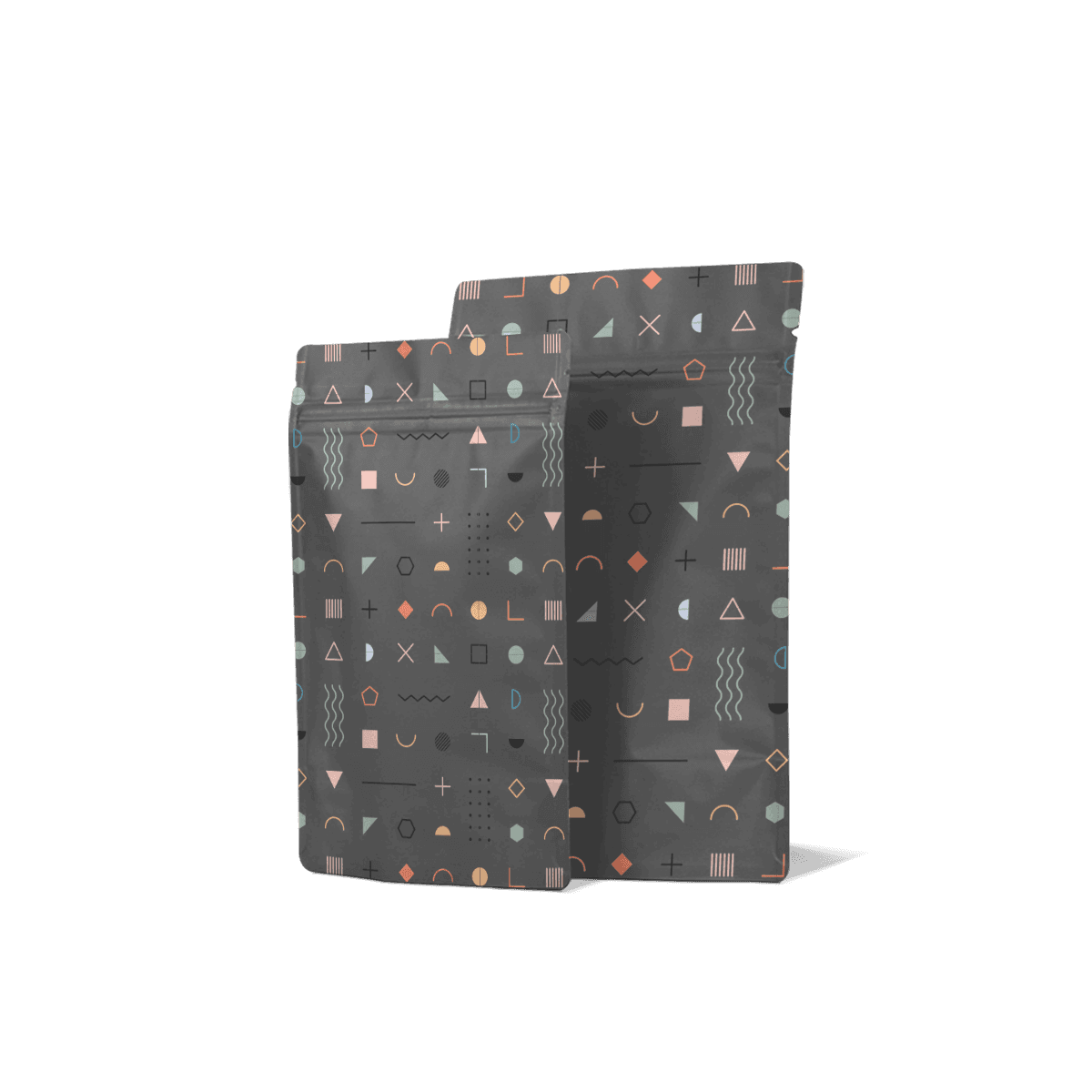
Custom printed pouches with a folded, weight-supported base for grains, seeds, dry pet food and dense refill products that need efficient capacity and upright retail presentation.

The Fill Opens the Base

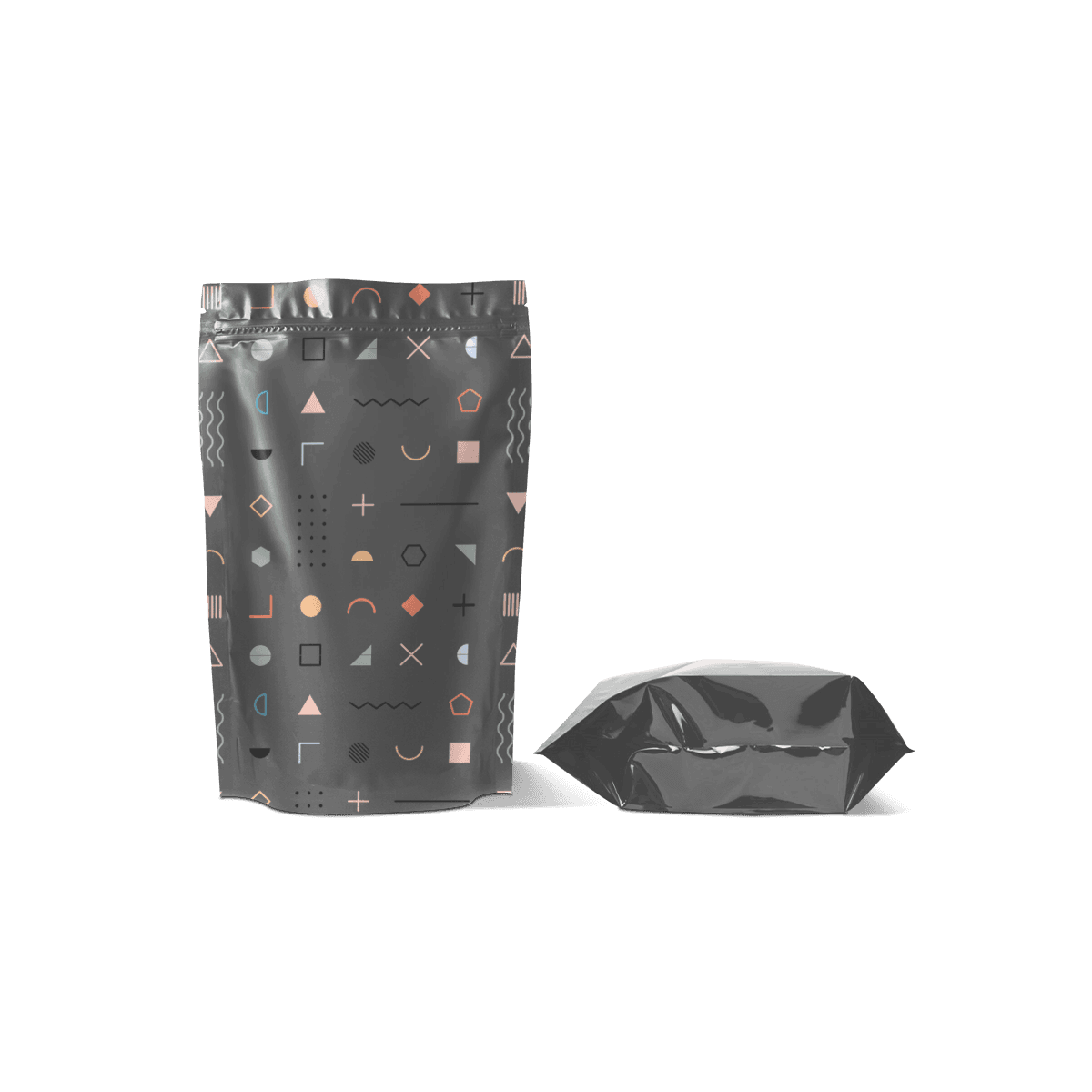
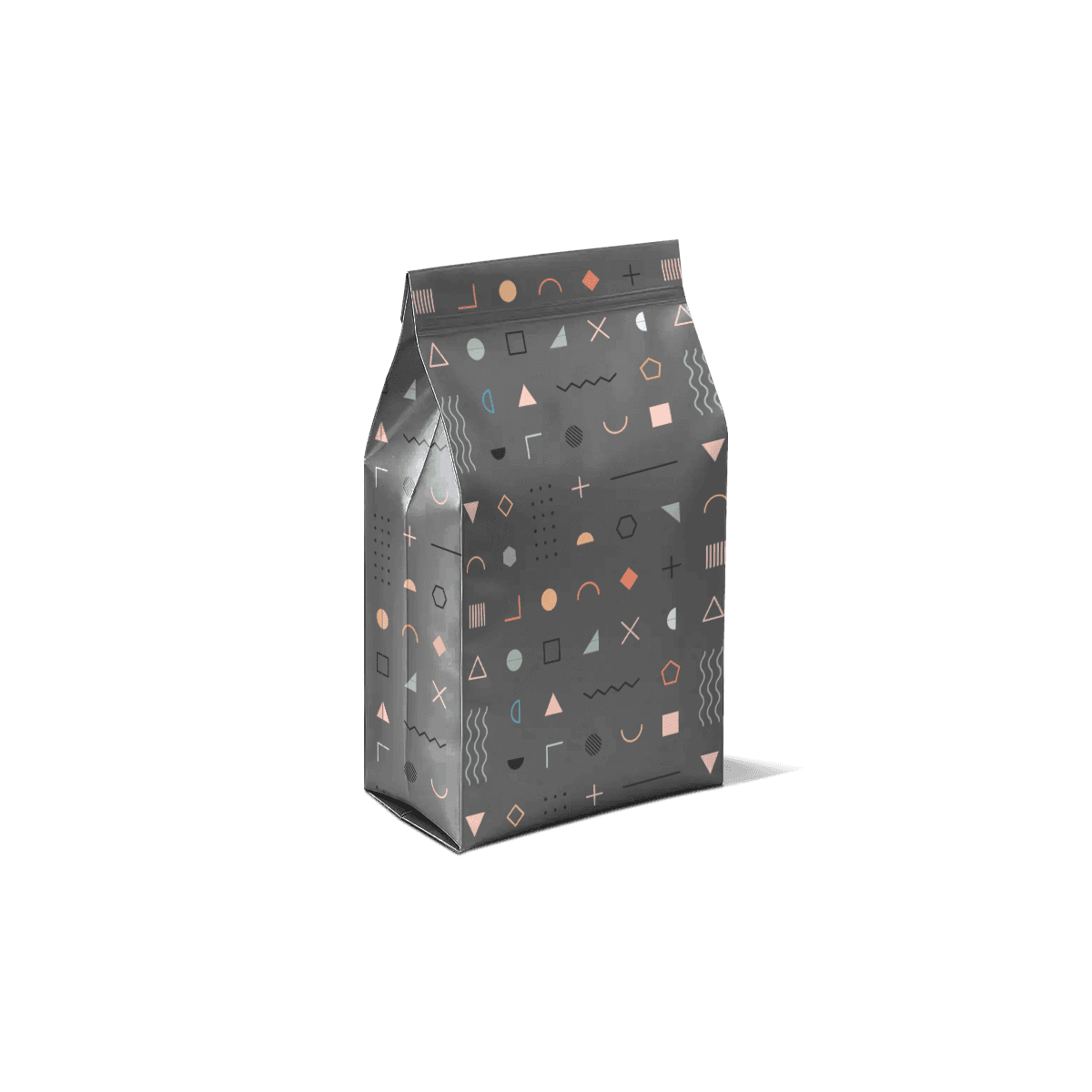
An empty plow-bottom pouch has a folded base. As the product enters, its weight pushes the bottom outward and helps create the footprint that supports the filled package.

That relationship between the contents and the bottom construction is the defining feature of Custom Plow Bottom Pouches.

Unlike a pouch that relies on a separately formed, reinforced standing base, a conventional plow-bottom construction uses folded film and bottom-corner geometry to create its supporting surface. The product's weight helps establish the finished shape.

This construction is particularly relevant to dense, loose-fill products such as rice, grains, beans, seeds and certain dry pet foods.

The filled product must be assessed carefully. A pouch that stands securely when full may behave differently when partially filled or when its contents are unevenly distributed.

Custom Packly develops custom pouch dimensions, printed packaging and material specifications around the intended product and filling process.

The objective is a base that opens into the required shape under the actual contents, with sufficient support for the intended handling and retail conditions.

Folded Corners Carry the Load

The bottom construction determines how the product's weight is distributed as the pouch fills.

In a conventional plow-bottom pouch, the bottom film folds into a configuration that opens under the contents. The folded corners establish the geometry needed for the base to expand.

The precise seal arrangement must be confirmed for the selected construction.

W-Fold Construction

A plow-bottom construction is commonly associated with a folded, W-shaped bottom arrangement.

As the pouch fills, the folded material opens to create the supporting footprint.

The contents exert downward pressure on the bottom while the surrounding film contains the product.

The completed base should accommodate the intended load without forcing the bottom corners into an unsuitable shape.

A nominally flat bottom does not guarantee that every product will distribute its weight evenly.

The pouch's width, bottom depth and actual fill all influence the final result.

Corner Seals

Corner seals help establish the bottom geometry and control how the film folds.

In a common plow-bottom construction, the bottom does not use the continuous skirt seal found in certain K-style pouches.

This distinction affects the way the base forms and how the load is transferred through the folded material.

The exact construction must still be confirmed with the manufacturer because bottom-fold and seal terminology can vary.

For a substantial dry-product fill, the corner construction should accommodate the intended weight without creating excessive stress at the sealed areas.

Bottom Seal Configuration

The absence of a conventional continuous bottom skirt seal does not mean the package has no sealing requirements at its base.

The corner seals, side seams and other sealing features must work together to maintain containment.

The exact film thickness and number of overlapping layers can affect the sealing process.

Particular attention should be given to transitions where several layers meet.

Increasing film thickness without addressing the construction or sealing conditions may not resolve a problem at one of these transitions.

Products That Establish the Footprint

Plow-bottom construction works particularly well when the contents can settle into the folded base and help establish a supporting surface.

The product's bulk density, particle shape and intended fill weight affect that behavior.

A heavy product does not automatically make a pouch stable. Its weight must be distributed appropriately for the selected base geometry.

Rice and Dry Grains

Rice and many dry grains can settle into the lower portion of the pouch.

Their relatively consistent particle size can help the contents occupy the base as the package fills.

However, the finished shape still depends on the actual product and its packing characteristics.

The pouch should accommodate the intended net weight without requiring the contents to be excessively compressed.

The bottom construction must also suit the filled package's handling and storage requirements.

Beans and Larger Seeds

Beans and larger seeds have different particle shapes and can create a less uniform filled profile.

Their size may prevent them from occupying narrow folds as readily as finer products.

This can affect how completely the bottom opens.

The intended product should therefore be used when establishing the base dimensions.

A pouch developed around a fine grain mixture should not automatically be reused for a larger seed blend with the same declared weight.

Powdered Products

Dense powders may suit plow-bottom construction when the material settles into the intended supporting footprint.

However, powders introduce separate filling and sealing considerations.

Fine particles can reach the sealing surfaces during filling. Some powders may also compact or form uneven concentrations within the package.

The filling process should control these conditions rather than relying on the pouch's bottom construction to compensate for them.

The material's barrier requirements must also reflect the actual formulation.

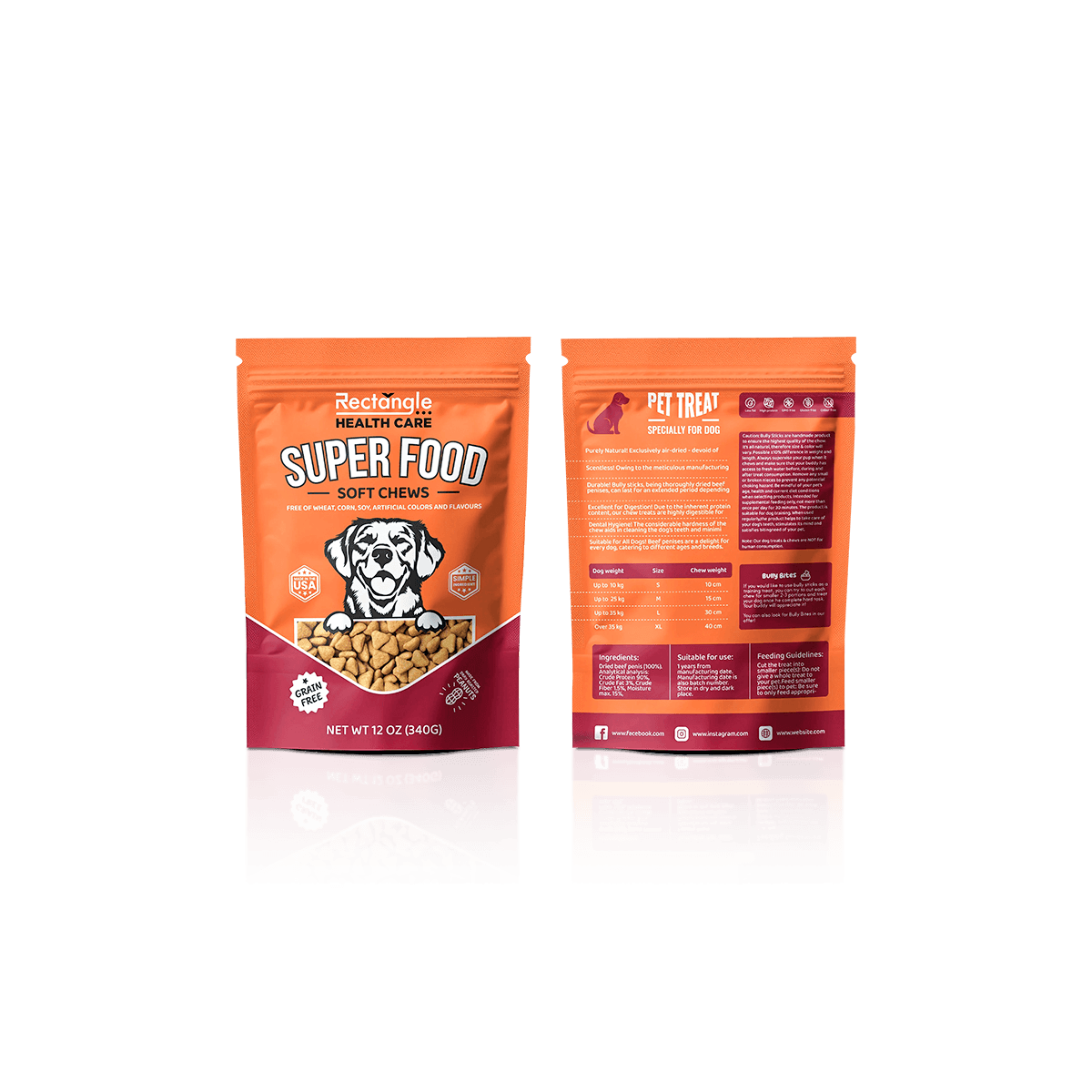
Dry Pet Food

Dry pet food can create a substantial load in a flexible package.

A plow-bottom pouch may suit certain granular or kibble products when their weight and physical characteristics establish an appropriate base.

Irregular kibble shapes can affect how the bottom fills, particularly at the corners.

The film must also tolerate contact with the product during filling, transportation and household use.

For brands developing custom pet product packaging, the construction should be selected around the particular food rather than applying the same pouch to every product in the assortment.
Stability Changes During Use

A plow-bottom pouch relies partly on the contents to establish its supporting shape.

This makes its behavior after opening an important design consideration.

A fully filled pouch may stand securely because the product spreads across the base. As the contents are removed, the remaining weight may no longer maintain the same footprint.

The bottom can fold inward or become uneven.

This does not automatically mean the construction is unsuitable. It means the intended household use should influence the packaging decision.

Full-Pouch Stability

The completed pouch should maintain the intended upright position under its normal filled weight.

A stable base needs an appropriate footprint and reasonably balanced contents.

The upper portion should not create an excessive overhang or make the package prone to tipping.

For a tall retail pouch, the relationship between height, base depth and filled weight is particularly important.

A large printed front does not compensate for insufficient supporting depth.

Partially Emptied Packs

Removing the product changes the load distribution.

For a reusable pantry pack, the customer may expect the pouch to stand after several servings have been removed.

That expectation should be checked against the proposed construction.

A plow-bottom design that performs well at full capacity may be less suitable when upright stability is required throughout the product's use.

If the contents no longer open the base adequately, another bottom construction may be more appropriate.

Uneven Contents

Loose products can shift when the pouch is tilted, carried or poured.

If most of the remaining contents settle toward one corner, the standing footprint may become uneven.

This is particularly relevant to larger packages that customers repeatedly handle.

The base should therefore be evaluated with the actual product in its expected storage and dispensing conditions.

A suitable resealable closure can improve repeated access, but it cannot independently correct an unstable base.

Capacity From the Filled Footprint

The nominal dimensions of a plow-bottom pouch do not establish its usable capacity on their own.

The bottom fold must open, the product must occupy the resulting cavity and sufficient space must remain for the intended closure.

The finished width and depth can differ noticeably from the appearance of an unfilled pouch.

Base Depth

The intended bottom depth influences the supporting footprint and the amount of product that can settle into the lower portion.

A base that is too shallow may leave the pouch rounded and less stable.

An excessively large base may create loose folds or an inefficient finished profile when the intended fill is smaller.

The appropriate depth should reflect the product's weight, occupied volume and expected settlement.

Body Height

The pouch needs enough height for the intended contents and the required sealing allowance.

A taller body can increase capacity without proportionally increasing the supporting footprint.

However, adding height may make the completed pack less stable if the base remains too narrow.

The correct relationship depends on the filled product.

A tall pouch containing dense material should not be assessed solely from its empty external dimensions.

Settled Fill Level

Granular products can settle after filling.

The initial fill level may therefore differ from the level observed after transportation or storage.

That change can affect the appearance of the printed front and the distribution of material inside the base.

A suitable pouch should accommodate the intended settled condition without excessive empty space.

Custom Packly's custom-sizing support can help establish the required dimensions around the actual product and target selling quantity.

A Base for Retail Replenishment

A plow-bottom pouch needs to occupy a predictable position when placed on a retail shelf.

That position affects more than the individual package. It determines how closely multiple units can be arranged and whether the printed front remains visible after neighboring products are removed.

Shelf Contact

The expanded bottom should create sufficient contact with the supporting surface.

A pouch that rests mainly on an uneven fold may lean even when it contains substantial weight.

The bottom geometry should allow the contents to establish the intended footprint.

The finished package should not require store employees to reshape the base repeatedly.

Facing Width

The front-panel width determines how many units can occupy a given shelf space.

However, the filled pouch may extend beyond its nominal front dimensions when the bottom opens and the contents settle.

The actual filled width should be used when planning the retail arrangement.

A narrow printed front may improve shelf efficiency only if the expanded package still fits the intended spacing.

Replenishment Cases

Retailers may receive plow-bottom pouches in corrugated cases containing several selling units.

The case arrangement should accommodate the filled profiles without forcing the bottom folds into unsuitable positions.

For products intended to stand on arrival, the packing arrangement may need to preserve or allow the base to reform readily.

A pouch that arrives heavily compressed may require additional handling before it achieves its intended retail presentation.

The appropriate case configuration depends on the product, pouch material and distribution requirements.

Closures for Bulk Dry Products

The closure should suit how the product is consumed.

A one-time-use package may need only a suitable heat seal and opening feature. A larger pantry refill may require repeated opening and closing.

The bottom construction and closure perform different functions, so they should be specified independently.

Heat-Sealed Tops

A heat-sealed top establishes the initial closure.

The selected film, seal width and sealing conditions must meet the intended containment requirements.

The contents should not interfere with the area where the final seal is formed.

For powders and granular products, filling control is particularly important because loose particles can reach the sealing surfaces.

The required headspace should be established around the actual filling process.

Resealable Zippers

A zipper can make a larger dry-product pouch easier to use over several occasions.

The zipper must be positioned so customers can access the contents without unnecessary difficulty.

It also needs to be compatible with the selected film and pouch construction.

For products where repeated opening is the principal packaging requirement, zipper pouches may be appropriate.

A plow-bottom construction can incorporate a suitable zipper when the intended manufacturing route supports it.

Pouring Access

A larger pouch may be difficult to control if its opening is unnecessarily wide.

The contents can shift rapidly as the customer tilts the package.

For granular products, the opening should accommodate the intended pouring action without forcing the customer to hold the pouch in an awkward position.

A narrow controlled opening may suit some products, while others need sufficient width for scooping.

The correct arrangement depends on the product and intended use.

Film Requirements for Dense Fills

The film must accommodate the folded construction and support the filled product.

A material that works in a lightweight sample pouch may not have suitable strength or sealing characteristics for a substantially heavier plow-bottom pack.

Film selection should account for the intended weight, barrier requirements and production process.

Strength and Puncture Resistance

Dense products create sustained pressure against the lower pouch panels.

Hard or irregular particles can also create localized contact points.

The film should resist the expected stresses during filling, handling and transportation.

A greater material thickness may be appropriate, but thickness alone does not establish the required performance.

The complete film construction should be assessed for the actual contents.

Barrier Laminates

Food products may require specified protection against moisture, oxygen, aroma loss or light.

A laminated construction can combine functional layers according to those requirements.

The selected material must also remain suitable for the intended folding and sealing process.

A film that meets the desired barrier specification but cannot be converted reliably into the required bottom construction is not a complete packaging solution.

Food-contact suitability must be verified for the actual product and conditions of use.

Recyclable Material Options

Material selection should account for the full finished pouch, including its seals, closures and any additional components.

A mono-material construction may support a recyclable packaging strategy when it meets the required performance and is compatible with the intended recycling system.

However, recyclability should not be assumed from the name of the film alone.

Custom Packly supports eco-friendly packaging solutions and suitable recyclable material options where they meet the product's structural and protective requirements.

Production Planning for Plow Bottoms

The folding and sealing arrangement must be compatible with the selected converting and filling process.

Plow-bottom construction should not be treated as a conventional stand-up pouch with a different printed design.

Its bottom geometry affects how the pouch is manufactured and how the contents establish the finished shape.

Premade Pouch Filling

A premade plow-bottom pouch arrives with the intended bottom construction already formed.

The filling operation must open the pouch and introduce the product without interfering with the folded base.

The manufacturer's equipment must accommodate the pouch dimensions, film stiffness and intended fill weight.

The final top seal must also suit the production process.

Bottom-Fold Formation

The converting process needs to create the intended bottom fold and corner geometry consistently.

Incorrect folding can affect the usable capacity and the way the pouch stands after filling.

The specified construction should be reviewed against the actual manufacturing method.

A nominal pouch size does not establish that two different converting routes will produce identical bottom geometry.

Filling Compatibility

Dense granular products may flow readily through suitable filling equipment, but their actual behavior depends on particle size, shape and bulk density.

The filling process should establish the intended product quantity without contaminating the sealing area.

The completed pouch should also have sufficient space for the final closure.

For a new construction, the manufacturer should confirm compatibility with the intended machinery before full production.

Printing on a Weight-Formed Shape

A plow-bottom pouch changes shape as its base opens.

That transformation should be considered when preparing the artwork.

The printed front may appear relatively flat before filling but develop a different profile once the contents settle.

Important text should remain legible in the finished retail position.

Front-Panel Artwork

The product name, principal branding and net quantity statement should occupy a consistently visible area.

Graphics placed too close to the bottom fold may become distorted when the base expands.

A design that depends on a perfectly flat front may not reproduce the intended appearance on a heavily filled pouch.

The assembled, filled shape should determine the artwork placement.

Bottom-Fold Graphics

Artwork extending into the bottom fold can become partially concealed as the pouch opens.

This may be acceptable for decorative patterns or background colors.

It is generally unsuitable for essential product identification or small regulatory text.

The printing layout should distinguish the principal display surface from material that forms the supporting base.

Barcode and Product Text

The barcode should occupy a suitable surface that remains sufficiently flat for the intended scanning requirements.

A heavily curved lower panel or expanding fold may be unsuitable.

Important instructions, ingredient statements and other applicable labeling should also remain clear of seal areas.

Custom Packly's free design support, artwork review and digital proofing can help establish the correct printed arrangement.

A free 3D mockup can help assess the intended filled appearance before the final design is approved.

Selecting the Commercial Construction

The appropriate plow-bottom specification depends on the actual product and the production requirements.

A pouch intended for a dense grain refill may need a different film, bottom depth and closure from one containing a smaller quantity of dry pet food.

The principal commercial decisions include the target fill weight, usable capacity, film construction, printing, closure and production quantity.

A more complicated construction should be justified by the requirements it satisfies.

Product and Fill Weight

The target selling quantity should be established using the actual product.

Bulk density and settling behavior affect how much space the contents occupy.

Two products with the same net weight may therefore need different pouch dimensions.

The proposed base should be assessed against the intended filled profile rather than a nominal capacity alone.

Printed Production

Custom printing depends on the film, artwork and manufacturing route.

The quantity required for each printed version can affect the production economics.

A shared structure does not automatically mean several artwork versions will have the same unit cost as one larger printed run.

The selected printing method should suit the flexible material and intended quantities.

Pricing and Samples

Custom Packly supports instant pricing for suitable packaging requirements, with pouch-specific minimum quantities confirmed according to the selected construction and manufacturing process.

Free sample examples of previous work can assist with material and print selection. A fully custom physical sample may be arranged as a paid sample when the intended bottom geometry or exact product fit requires validation.

US production, free shipping and a standard 4–6 day turnaround after final artwork and specifications are approved apply to suitable orders. Specialty films or complex constructions may require additional time.

With the product, intended weight, bottom construction, closure and quantity established, request custom packaging pricing for the proposed pouch.

The Refill Pack Alternative

Plow-bottom construction can be particularly relevant when a flexible package must carry a substantial quantity of dry product without requiring a separate rigid container.

That does not mean every refill product needs this bottom style.

The customer's intended use remains important.

A seed product that is transferred immediately into another container may not need the same standing characteristics as a package that customers keep in the pantry.

For products sold primarily through retail display, the ability to establish a stable footprint may justify the folded construction.

For products intended to remain upright throughout repeated use, the behavior of the partially emptied pouch deserves greater attention.

A brand selling bird seed refills, for example, may choose the flexible construction for its storage and dispensing characteristics. A product that needs the additional rigidity and printed panel space of a carton may instead suit bird seed boxes.

These decisions should follow the actual product and intended customer behavior.

The Base at Every Fill Level

The final plow-bottom decision is whether the folded base performs adequately under the product's actual weight and intended handling conditions.

At full capacity, the contents should open the bottom into the intended supporting footprint.

During transportation, the pouch must accommodate shifting contents without compromising containment.

After opening, the remaining product should still be practical to store and dispense, even if the pouch no longer maintains exactly the same shape.

For a product that must stand securely with very little material remaining, a different base construction may be necessary.

The correct plow-bottom pouch is one whose folded geometry, film and filled product work together. Its value comes from using the contents to establish a practical base without introducing structural complexity that the application does not require.

FAQs

Usually for better stability. When the product needs more base support, cleaner filling behavior, or a pouch that presents better on shelf, this format becomes the stronger choice.

Plow Bottom Pouches are a good fit when you want a structured lower section and efficient packed form without relying on a wide gusseted base. Stand-Up Pouches are better when upright retail display is the top priority across broader fill volumes.

Yes. They are especially useful for products that shift, settle, or spread unevenly in flatter packs, such as drink mixes, snack blends, supplement powders, and small accessories.

That is one of the practical advantages of this structure. The more controlled base shape can make packed units easier to align in secondary packaging and warehouse storage.

Matte and gloss laminations both work well, depending on the brand direction. Buyers often pair this structure with clean typography, high-resolution graphics, and a clear information hierarchy for stronger shelf appeal.

Process

How it works

Your Packaging Journey, From Idea to Production and Delivery

01

Tell Us Your Specs

Custom packaging boxes

Tell Us Your Specs

Provide size, quantity, printing, and finishes.

02

Get a Fast Quote

Custom packaging boxes

Get a Fast Quote

Instant transparent pricing, no hidden fees.

03

Design and Approval

Custom packaging boxes

Design and Approval

Artwork checks, revisions, and final sign-off.

04

Produce

Custom packaging boxes

Produce

Expert manufacturing to meet deadlines.

05

Ship to Your Door

Custom packaging boxes

Ship to Your Door

Hassle-free, flexible delivery options.

Get Your Quote for Custom Plow Bottom Pouches

Share your product details, size, quantity and artwork needs. We’ll help choose the right packaging style and send a clear quote.