Skip to content
Details

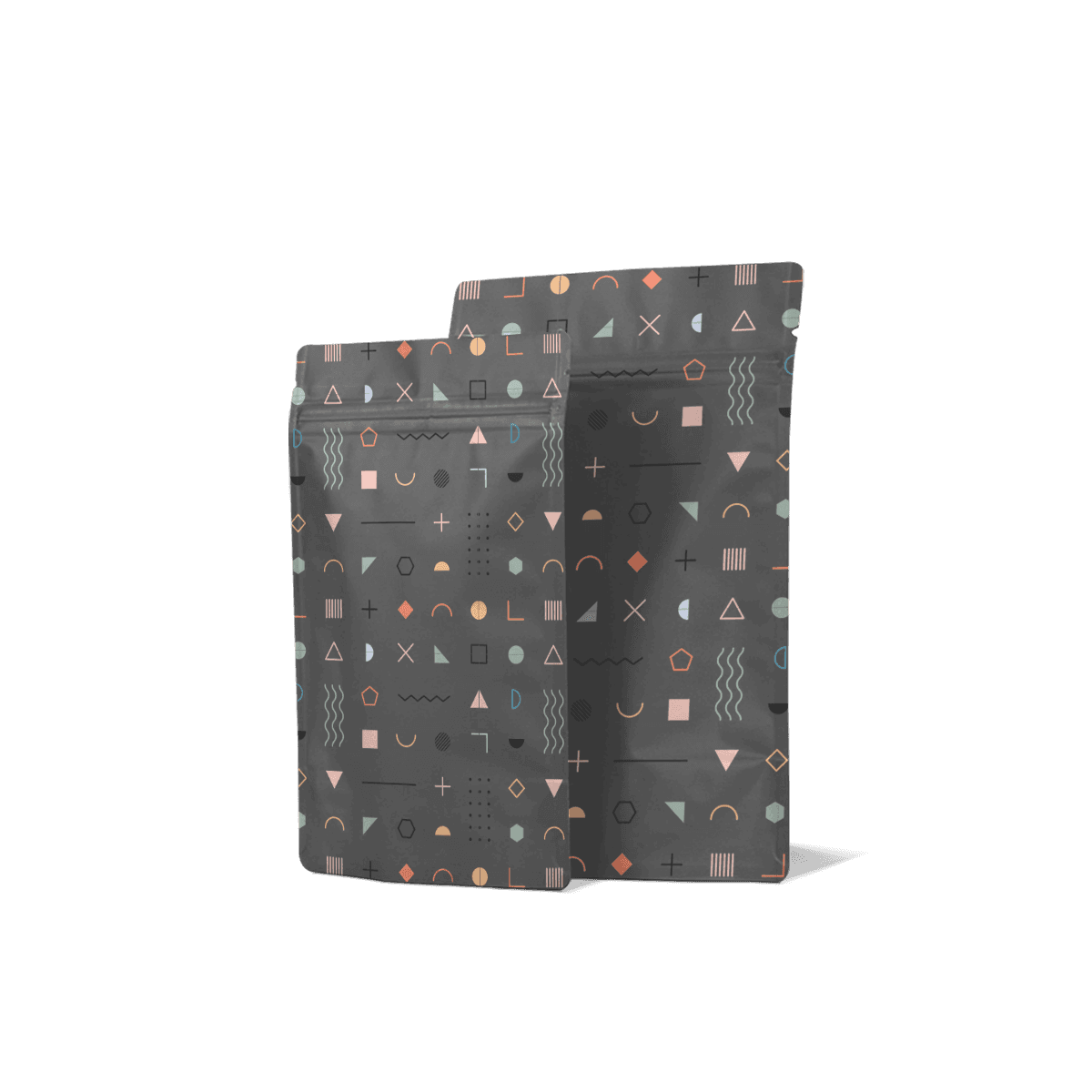
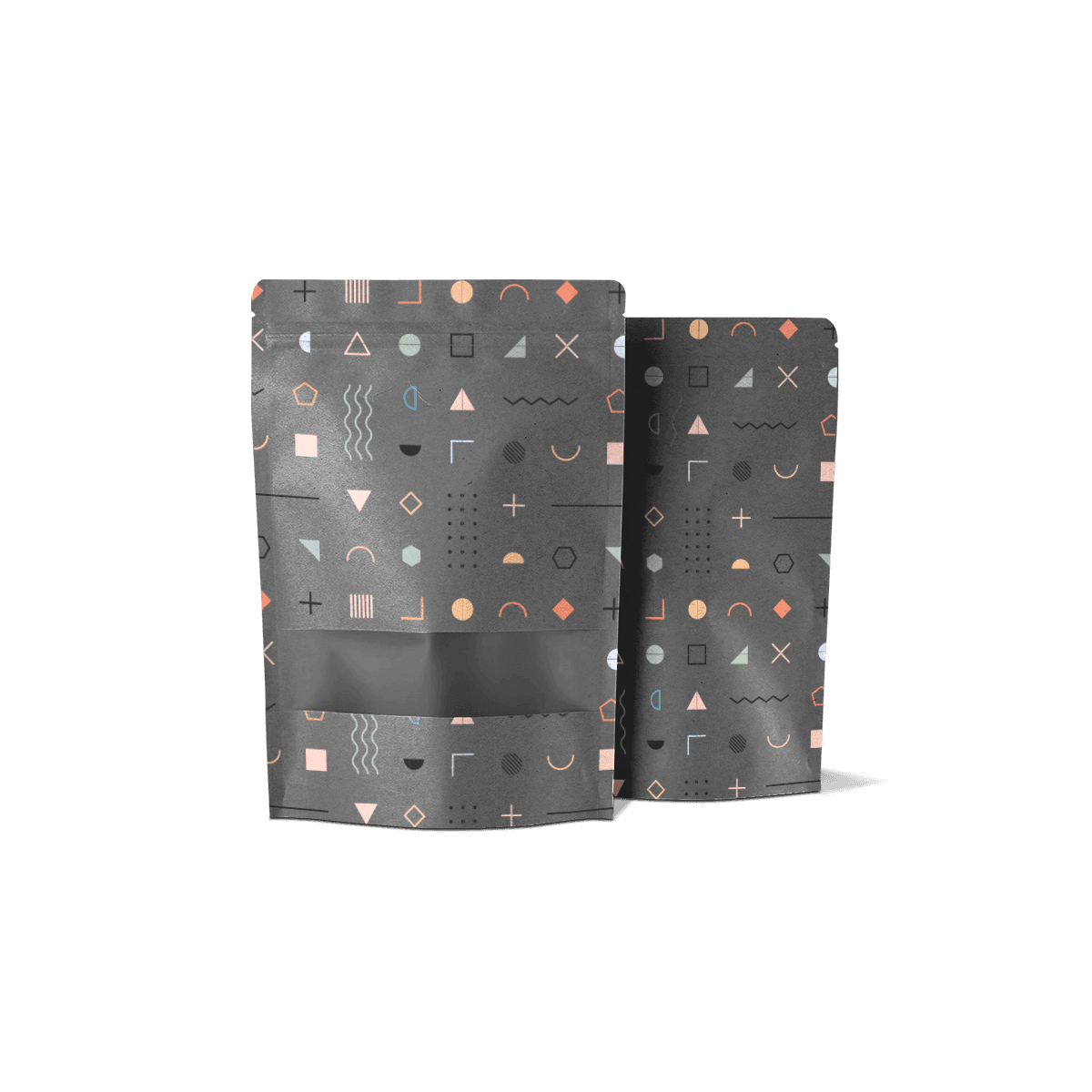
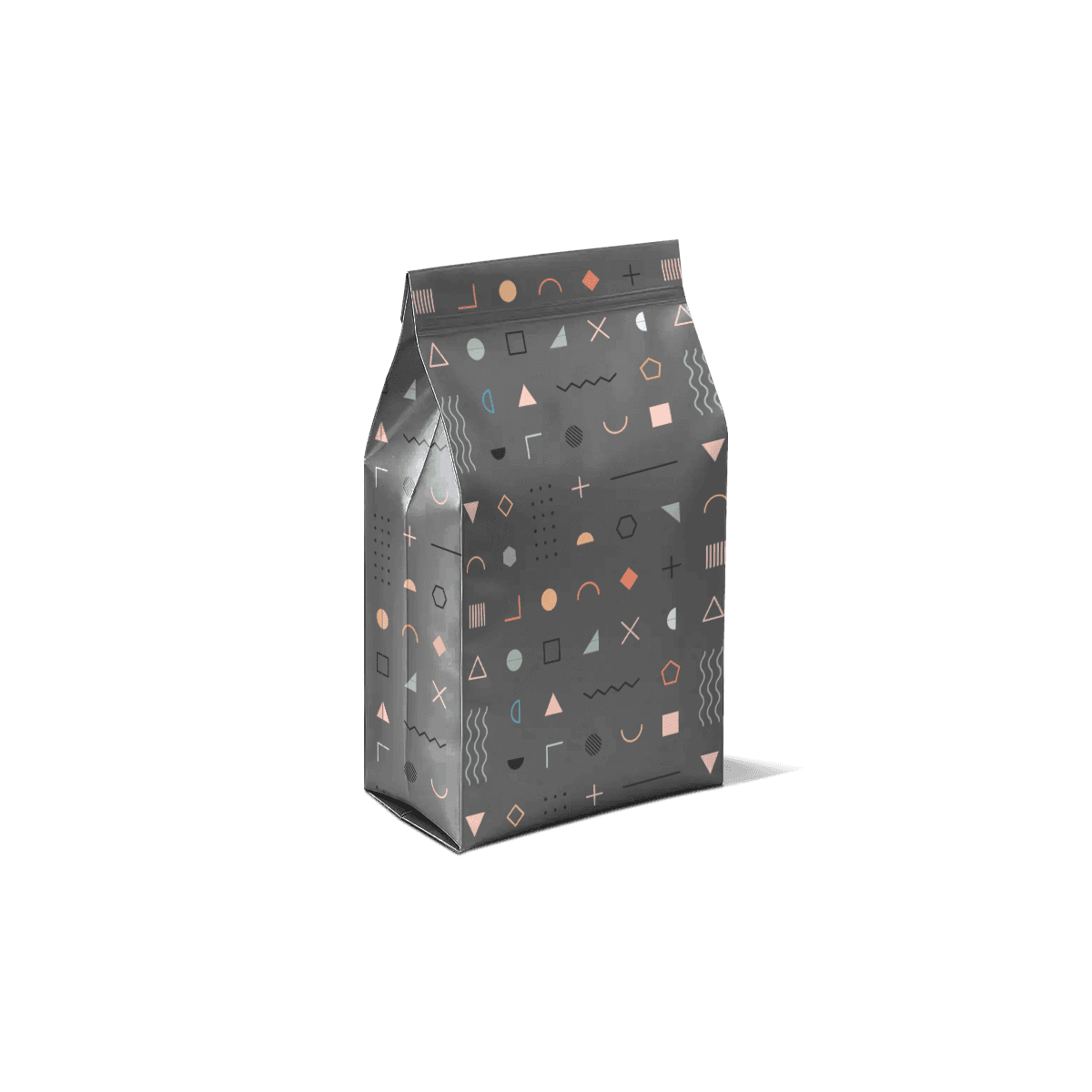
Custom Skirt Seal Pouches

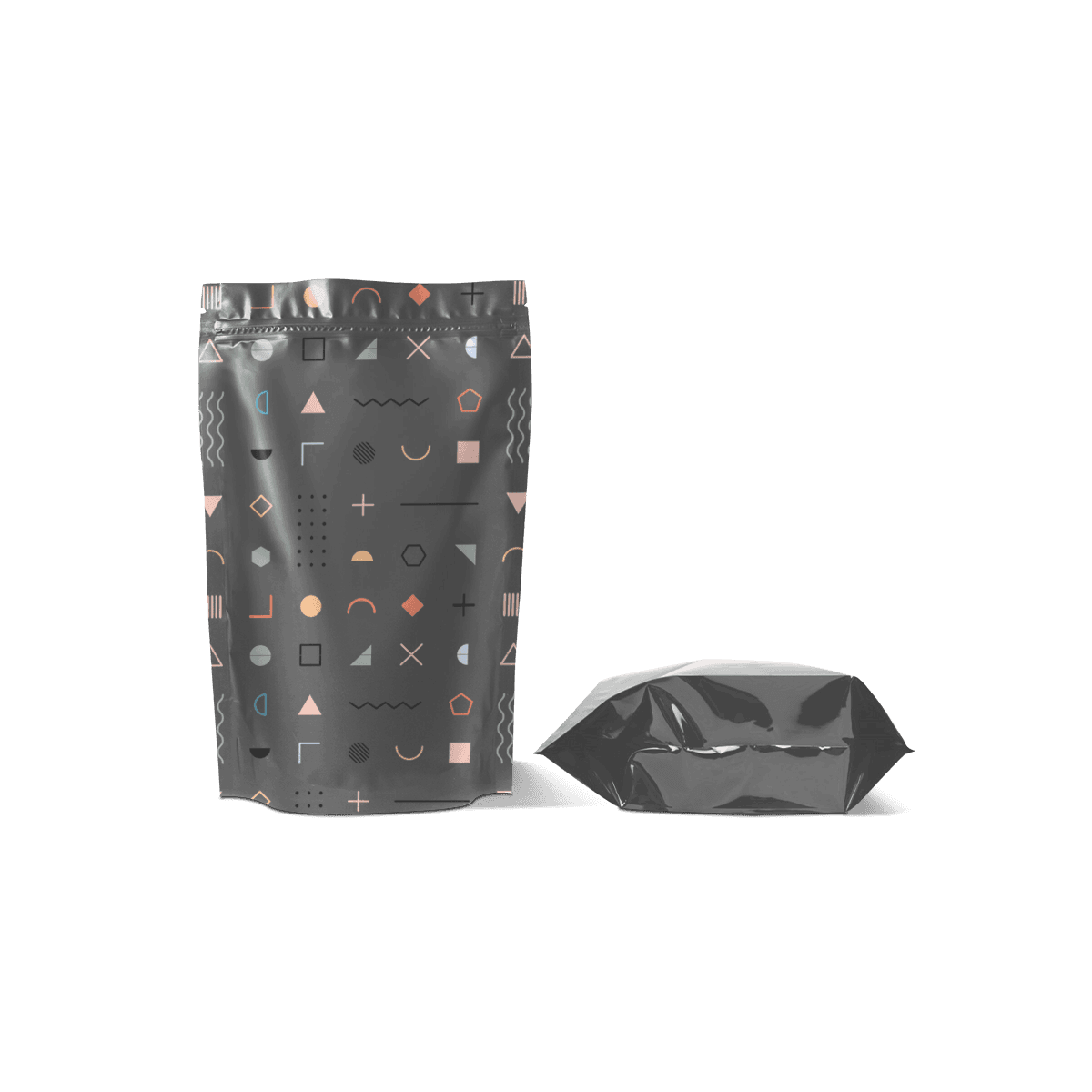
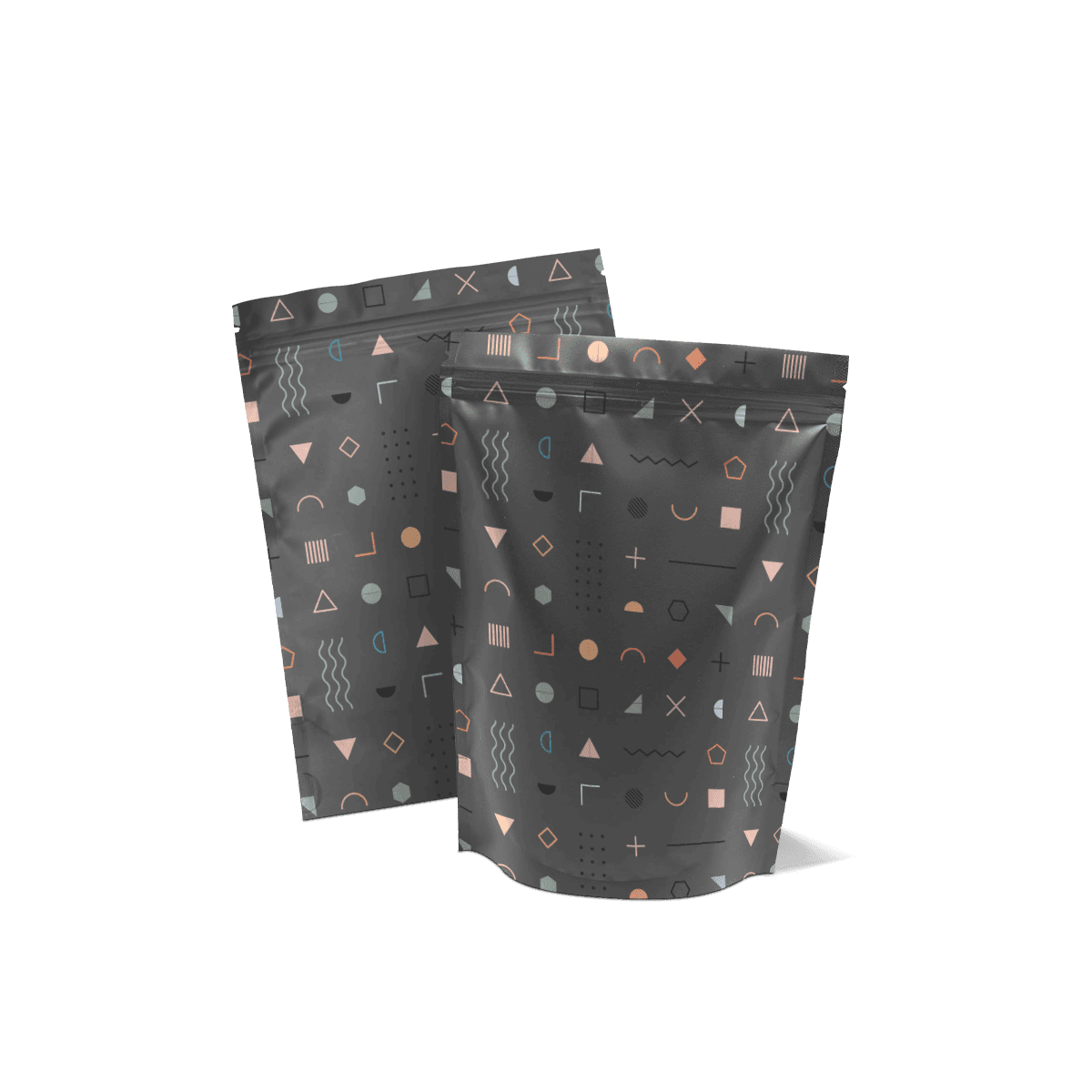
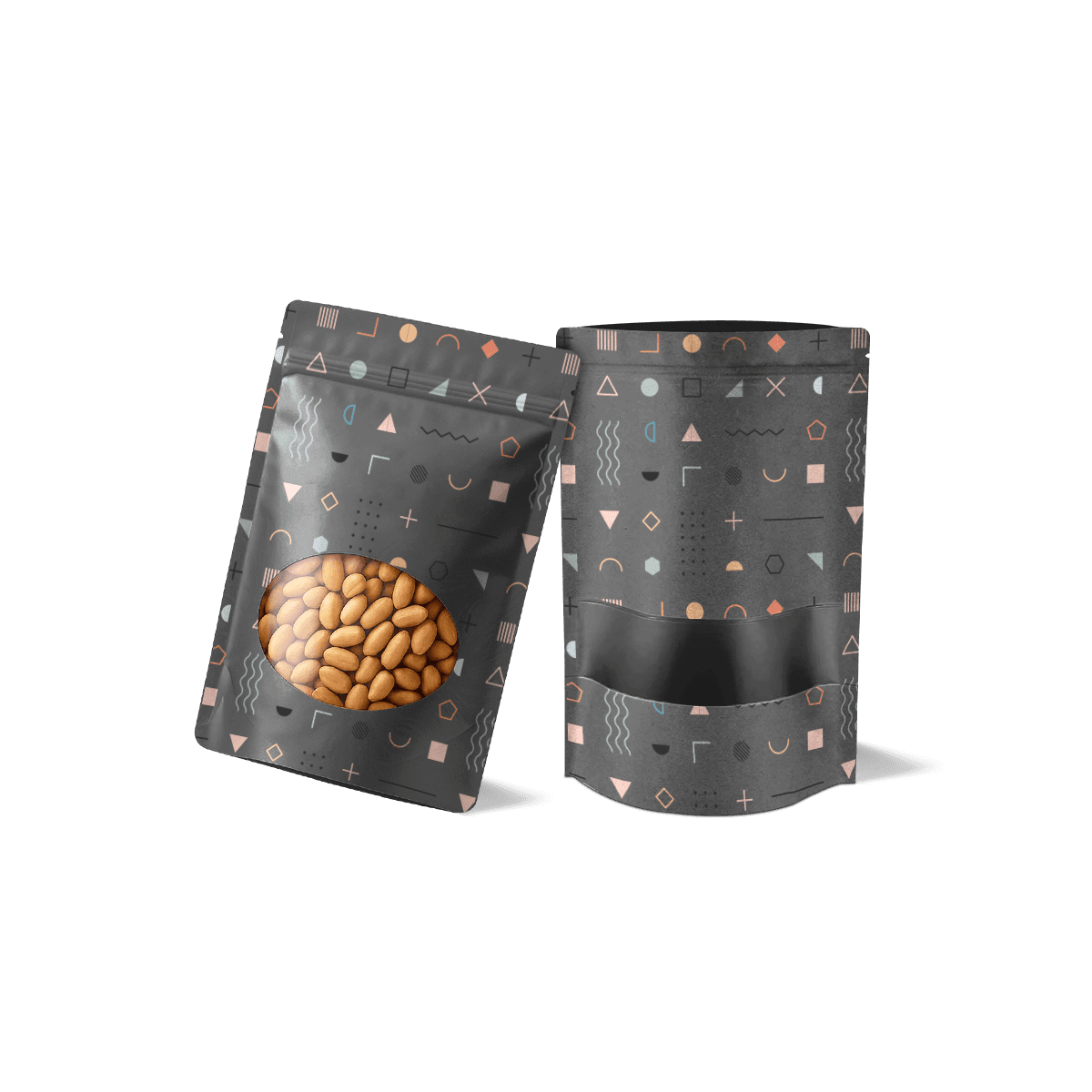
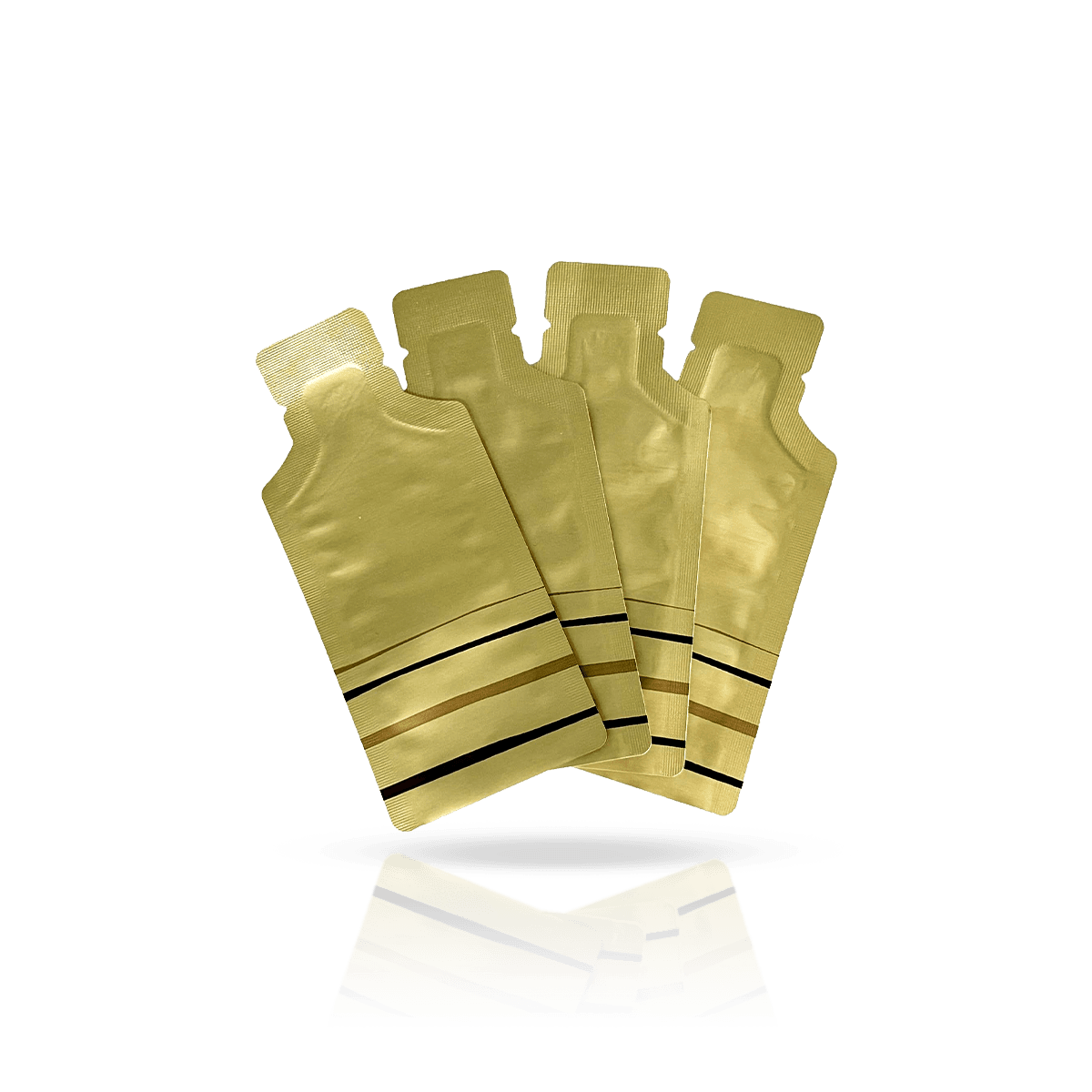
Custom printed stand-up pouches with a defined skirted bottom seal, clean retail presentation and product-specific film options for dry blends, refills and specialty products.

The Skirt Sits Below the Seal

The bottom heat seal of a skirt-seal pouch sits above the cut edge, leaving a strip of film beneath the seal line. That lower strip is the skirt.

It creates a defined lower perimeter and changes how the finished pouch looks when standing on a shelf. The skirt itself is not part of the usable product cavity.

This distinction matters when a product needs a compact, upright package with a clean front-facing appearance.

Custom Skirt Seal Pouches can suit dry blends, powdered products, specialty foods, lighter refill packs and selected nonfood products. Their value lies in the particular bottom construction rather than a general claim that every skirted pouch is stronger or holds more.

The Visible Lower Margin

The skirt is the material extending beneath the transverse bottom seal.

Its dimensions and appearance depend on the selected pouch construction.

A consistent lower margin can establish a recognizable edge when several finished pouches stand together.

However, the skirt should not be treated as an additional compartment or an area that expands to accommodate more product.

The actual bottom gusset determines how the pouch opens and how its contents occupy the lower cavity.

The Corner Seals

The transverse bottom seal and the seals at the lower corners work together to establish the finished base geometry.

Some skirt-seal constructions also incorporate angled corner seals.

A K-style pouch with a skirt seal, for example, uses angled seals at the corners and a seal across the lower edge. The exact arrangement depends on the manufacturing specification.

The corner geometry affects how the gusset opens and how the lower part of the pouch responds to filling.

The artwork, finished dimensions and product capacity should therefore be established from the actual construction drawing rather than the style name alone.
The Front Panel After Filling

The appearance of an empty pouch can be misleading.

Once the product enters the bag, the flexible film takes on the shape created by the fill, gusset and sealed edges.

A skirted bottom gives the designer a defined lower perimeter, but the finished front panel still depends on how the contents settle.

Dry Products and Fill Distribution

Fine powders, granular products and irregular dry pieces occupy the pouch differently.

A fine powder may distribute relatively evenly through the lower cavity. Larger pieces may leave gaps and create localized pressure against the film.

The product's bulk density affects the height it reaches at a particular net weight.

Two products with identical net weights can therefore require different pouch dimensions.

A low-density botanical blend may occupy considerably more space than a dense mineral-based powder.

The skirt dimensions alone cannot correct that difference.

A Clean Shelf Outline

The finished pouch should stand in its intended retail position without excessive distortion at the base.

A stand-up pouch relies on the interaction between its bottom construction, filled dimensions and product distribution.

For a skirt-seal design, the lower sealed margin also contributes to the visible outline.

An unevenly formed gusset or distorted corner can interrupt that appearance.

Assess the package using the intended fill rather than relying exclusively on an empty mockup.

Skirt Seal or Plow Bottom

Both constructions belong to the broader group of bottom-gusseted flexible pouches.

They differ in how the lower part of the package is sealed and how the product occupies the base.

For a skirt-seal pouch, the transverse seal leaves a margin of film beneath it.

In a plow-bottom construction, the folded base has corner seals but no corresponding transverse bottom seal. The contents can rest directly on the folded bottom.

That physical distinction should determine which structure is specified.

Appearance-Led Retail Packs

A skirt-seal construction may suit lighter to medium-weight products where the defined lower perimeter contributes to the intended retail appearance.

Examples include specialty tea, dry beverage blends, botanical products and compact refill assortments.

The actual fill weight must remain compatible with the selected film, dimensions and seal construction.

A skirt seal does not establish a universal weight capacity.

Heavier Loose Fills

For heavier granular products, plow bottom pouches place the contents directly on the folded base.

That construction can suit products where the way the load rests at the bottom is a more important consideration than the appearance of a sealed skirt.

The appropriate choice depends on the actual product and required package performance.

Increasing the film thickness of a skirt-seal pouch should not be treated as an automatic substitute for changing the bottom construction when the load requires it.

The Cost of the Lower Seal

The skirt affects material consumption and manufacturing, but it should not be evaluated separately from the complete pouch.

The finished dimensions, laminate, bottom gusset, sealing arrangement and print requirements determine the manufacturing specification.

The lower margin uses material without contributing directly to the usable fill volume.

That makes its dimensions a legitimate commercial consideration.

Material and Capacity

A larger skirt does not necessarily make the pouch more stable or increase the quantity it can hold.

An unnecessarily deep lower margin can consume material without giving the product a practical advantage.

Conversely, reducing the skirt without accounting for the required sealing geometry may compromise the intended construction.

The appropriate dimensions must suit the manufacturing process and finished package.

When comparing quotations, confirm that the suppliers are pricing the same actual pouch structure rather than two different bottom constructions with similar outside dimensions.

Production Quantities

Custom Packly supports custom sizes, printed artwork and made-to-order packaging.

The selected film, dimensions, printing method, closure and quantity influence the price.

The instant packaging quote can establish initial pricing, with structure-specific manufacturing requirements confirmed for the finished pouch.

Minimum quantities for specialist flexible pouches depend on the confirmed construction and production method.

For an established product, the purchasing decision should consider the number of pouches required per production run and the expected demand for each printed version.

A larger order is not automatically economical if the artwork or product specification is likely to change before the packaging is used.

Film Performance Is a Separate Decision

The skirt seal determines the bottom construction. It does not establish the pouch's moisture, oxygen or light barrier.

Those properties depend on the selected film or laminate.

A pouch with an appropriate skirt seal can still be unsuitable for the product if the material fails to meet its storage requirements.

Moisture-Sensitive Products

Dry powders, botanical blends and some specialty foods can be sensitive to moisture.

The material's water vapor transmission rate, or WVTR, helps establish its resistance to moisture transmission under specified conditions.

A lower WVTR generally indicates better resistance under the stated test conditions.

The required performance depends on the product, intended shelf life and storage environment.

The completed package also depends on consistent seals and appropriate handling.

Oxygen and Aroma

Products containing oxygen-sensitive ingredients or volatile aromatic compounds may require additional barrier performance.

The oxygen transmission rate, or OTR, is relevant when oxygen exposure could affect the product.

Metallized film or aluminum foil can be considered where the required barrier performance justifies it.

However, neither material should be added merely because the pouch has a skirted bottom.

For products with modest barrier requirements, a simpler laminate may be sufficient.

The film specification must also be compatible with the intended sealing process.

Nonfood Products

Bath salts, powdered personal care products and selected dry accessories may also suit skirt-seal packaging.

Their material requirements can differ from those of edible products.

A bath salt containing fragrance may require attention to aroma retention and compatibility with the film.

An ordinary dry accessory may place more emphasis on containment, printing and handling.

Where packaging will contact food or another regulated product, the actual material and intended use must meet the applicable requirements.

No food-contact or sustainability claim should be inferred from the pouch's shape.

The Bottom Seal During Production

The skirted bottom is formed as part of the pouch construction.

For a premade pouch, the lower seals are established before the product is filled through the remaining opening.

The quality of those seals influences how the finished package performs during filling, storage and handling.

Seal Intersections

The areas where bottom and corner seals meet deserve particular attention.

Different layers of film can overlap at these points, creating changes in material thickness.

The sealing process must accommodate those transitions.

Temperature, pressure and dwell time need to suit the laminate and the geometry of the seal.

Excessive heat can damage or distort the film. Insufficient sealing conditions can produce an inadequate bond.

The correct settings depend on the actual production equipment and selected material.

Creases Near the Base

An unintended crease can interfere with the way the film layers contact one another during sealing.

It can also affect how the finished pouch sits when filled.

The lower corners are particularly sensitive because several folds and seal features may meet in a relatively small area.

A visible crease is not proof that the seal has failed, but an irregular lower edge deserves inspection when it affects the intended package shape.

For an unusual laminate or a demanding fill, packaging testing should address the finished seals and the relevant mechanical risks rather than judging the pouch solely by its appearance.

Printing Above the Skirt

The skirt changes the usable visual area at the bottom of the package.

A graphic positioned close to the lower cut edge may extend into a sealed margin that does not appear as part of the main upright front panel.

This matters when the design uses a continuous illustration, a large product name or a decorative border.

The Front Artwork Boundary

The artwork should follow the production layout, including the intended sealing and cutting areas.

Keep essential text, barcodes and important graphics clear of the lower seal.

A background color or suitable decorative graphic may extend into permitted areas when the printing and sealing specifications allow it.

However, a printed design should not assume that every part of the flat film will remain equally visible after filling.

The completed pouch's lower curvature and folds change how customers see the artwork.

A Botanical Refill With a Low Logo

Consider a dry botanical refill pack with a large logo positioned close to the bottom of the artwork.

The flat design looks balanced because the logo occupies the lower portion of the rectangular film.

Once the pouch is formed and filled, part of the graphic approaches the bottom seal and the changing curvature of the gusset.

The logo appears lower than intended, and the package loses its visual balance.

Increasing the pouch height is not necessarily the right correction.

Moving the logo upward and establishing an appropriate print-safe area can preserve the intended appearance without changing the product capacity.

This is a layout issue created by the relationship between the skirt, the gusset and the visible front panel.

Shelf Presentation

The product name and principal identification should remain readable when several finished pouches stand together.

The lower sealed margin should contribute to the appearance without becoming the main visual feature.

The same principles that govern packaging visibility on store shelves apply here, but the skirt-seal construction creates a particular limitation near the bottom edge.

For a compact pouch, keeping the most important information above that area is usually more practical than filling the entire front with graphics.

Print Methods and Surface Finishes

The printing process must suit the selected film, artwork and production quantity.

Flexible film behaves differently from paperboard. The manufacturer must account for the substrate, laminate construction and any requirements associated with pouch conversion.

Printed Film

Digital and flexographic printing can be considered for appropriate flexible-film applications.

The choice depends on the material, artwork complexity, number of printed versions and production scale.

Premium offset printing is also part of Custom Packly's capabilities for suitable packaging applications, but it should not be assumed to be the production method for every flexible pouch.

The economics of digital, offset and flexographic printing differ when a brand needs several artwork versions rather than one large run of identical packaging.

Matte and Gloss

A matte surface can give the finished pouch a restrained appearance.

Gloss can support brighter visual treatment and stronger reflections from the printed graphics.

The finish should suit the selected laminate and expected handling conditions.

Specialty finishes may add production complexity without improving the physical performance of the skirted bottom.

Custom Packly's free 3D mockups can help establish the intended appearance before production.

The final artwork must still follow the actual manufacturing layout, including the lower seal and permissible printing areas.

The Top Closure Still Matters

The skirt seal concerns the bottom of the pouch.

Opening, dispensing and reclosing remain separate decisions.

A dry refill intended to be emptied into another container may only need a suitable factory seal and an opening feature.

A product used repeatedly may justify a resealable closure.

Tear Notches

A tear notch can establish a convenient opening point above the main product compartment.

The notch should not compromise the factory seal before the customer opens the package.

Its position must also account for the intended fill level and any additional closure components.

Zippers

A resealable zipper can suit products consumed or dispensed over several uses.

The zipper pouch construction can be combined with an appropriate bottom gusset when the complete specification supports it.

The zipper should be positioned so the customer can access the contents without repeatedly spilling them.

For fine powders, the possibility of product accumulating in the closure track deserves consideration.

The factory heat seal and the reclosable zipper perform different functions. One should not be treated as a substitute for the other.

Packing Without Folding the Skirt

The lower margin can be affected by how finished pouches are placed inside a shipping case.

An otherwise correctly formed skirt may become creased if the pouches are forced against the carton bottom or packed with insufficient clearance.

This is particularly relevant when the retail appearance depends on the lower edge remaining visually consistent.

Upright Case Packing

For filled pouches packed upright, the shipping case should accommodate their completed dimensions.

The finished height includes the lower skirt and any material extending above the product cavity.

A carton that is too shallow may compress the upper closure or distort the lower construction.

Case count also affects the amount of pressure between adjacent pouches.

Excessive compression can change the front-panel appearance and make individual units more difficult to remove.

Product Movement

Loose cartons allow pouches to shift during handling.

Depending on the product and case arrangement, that movement can create unwanted folds in the lower film.

The outer shipping case remains responsible for protecting the finished retail packs during distribution.

A skirt-seal pouch should not be expected to perform like a rigid shipping container.

The packaging arrangement should preserve the completed pouch without introducing excessive empty space.

The Right Products for a Skirted Base

The strongest reason to specify a skirt seal is the relationship between the desired lower-edge appearance and the actual product requirements.

Not every product benefits from this construction.

Dry Retail Blends

Specialty tea, botanical products and selected dry beverage mixes can suit the structure when the selected laminate meets their storage requirements.

The pouch can provide a defined shelf outline while maintaining the lightweight characteristics of flexible packaging.

Its finished dimensions must accommodate the actual product volume and intended closure.

Compact Refill Products

Selected bath salts, dry personal care refills and similar products may also be appropriate.

The film must remain compatible with the contents, particularly when fragrances or other ingredients could interact with the packaging.

For larger refill quantities, the required capacity and handling demands may point toward a different bottom construction.

Pet Treat and Topper Packs

Some lighter pet treat portions and dry topper mixes can use a skirted stand-up structure when the fill and sealing requirements suit it.

However, the product's moisture sensitivity, oxygen sensitivity and intended shelf life remain separate material decisions.

Pet treat Mylar bags may require more specialized barrier performance or a different closure arrangement.

The skirt seal does not replace those requirements.

The Lower Edge at the Shelf

The finished skirt is most relevant when the package reaches its intended display position.

A correctly formed lower margin should remain consistent with the approved pouch construction after filling, case packing and ordinary retail handling.

The pouch still needs the appropriate product distribution and gusset geometry to stand as intended.

For a product sold upright, the final assessment should use its actual fill and the shelf surface on which it will be displayed.

If the pouch leans or its lower edge folds inward, identify whether the issue comes from the product distribution, gusset dimensions, seal geometry or handling.

The skirt is a deliberate part of the finished package, not additional fill space or a substitute for a properly specified base.

Its value comes from contributing to a consistent lower profile while the rest of the pouch performs the containment, protection and presentation duties required by the product.

FAQs

Lighter to medium fills are usually the better match. This format is often selected when appearance and edge definition are important, rather than maximum load support.

Yes. That is one of the strongest reasons to use this style. The bottom construction helps the pouch present a cleaner silhouette for many retail-facing products.

Choose Skirt Seal Pouches when you want a sharper lower edge and a cleaner visual finish for lighter products. Plow Bottom Pouches are usually the stronger option when the pack needs more base support and better performance with heavier fills.

Yes. Resealable closures, tear notches, rounded corners, and hang holes can all be worked into the structure depending on product use and merchandising goals.

Most do it through print layout and finish planning. A well-structured front panel, clear hierarchy, and the right coating or lamination make this pouch look far more intentional at retail.

Process

How it works

Your Packaging Journey, From Idea to Production and Delivery

01

Tell Us Your Specs

Custom packaging boxes

Tell Us Your Specs

Provide size, quantity, printing, and finishes.

02

Get a Fast Quote

Custom packaging boxes

Get a Fast Quote

Instant transparent pricing, no hidden fees.

03

Design and Approval

Custom packaging boxes

Design and Approval

Artwork checks, revisions, and final sign-off.

04

Produce

Custom packaging boxes

Produce

Expert manufacturing to meet deadlines.

05

Ship to Your Door

Custom packaging boxes

Ship to Your Door

Hassle-free, flexible delivery options.

Get Your Quote for Custom Skirt Seal Pouches

Share your product details, size, quantity and artwork needs. We’ll help choose the right packaging style and send a clear quote.