Skip to content
Details

Custom Vacuum-Sealed Pouches

Custom printed vacuum packaging for compatible food and non-food products, with film strength, machine compatibility and seal construction matched to the packing process.

Vacuum Changes the Product Shape

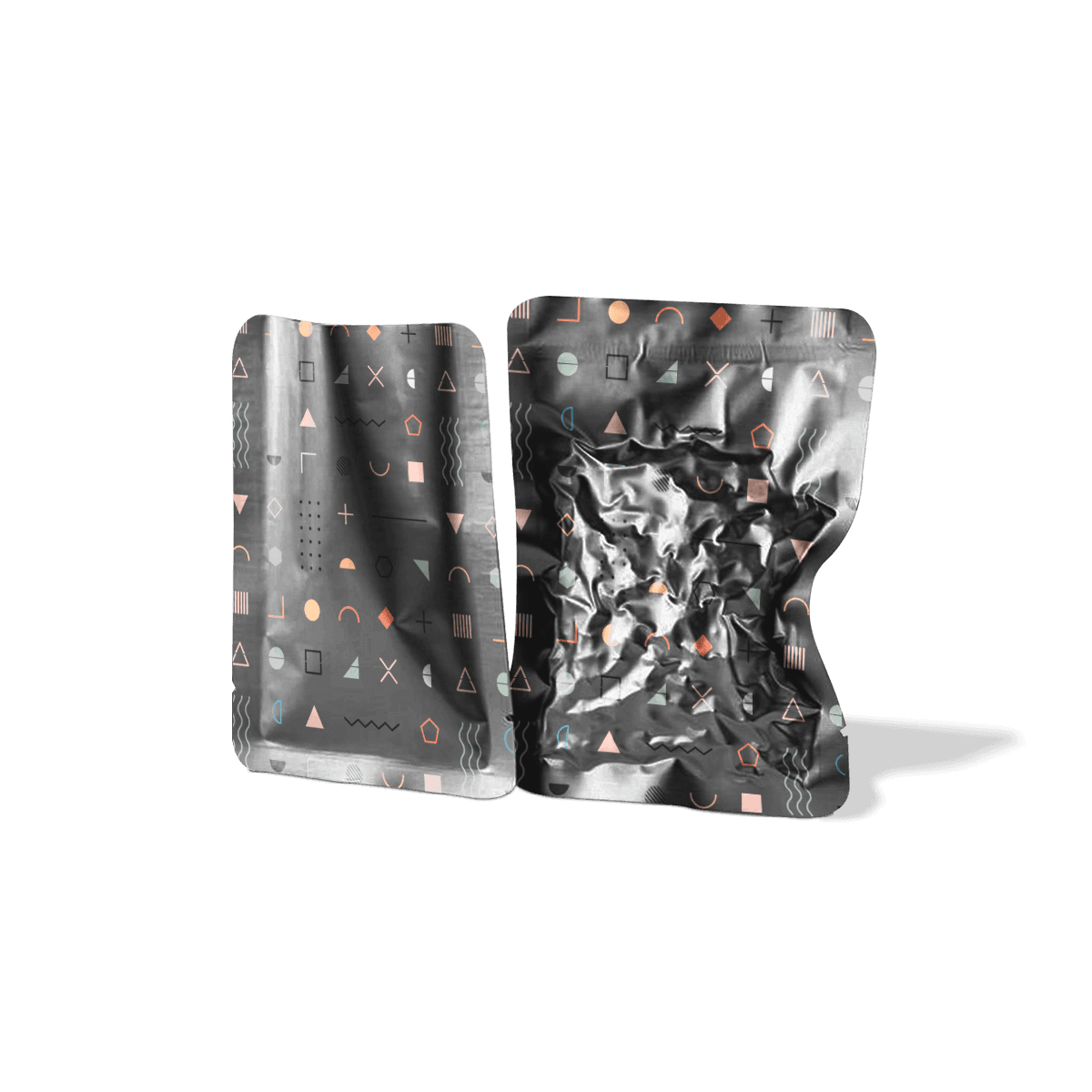
Removing air from a flexible pouch draws the film toward the contents. The resulting package follows the product's contours rather than retaining the shape of an empty bag.

That physical change is the defining characteristic of Custom Vacuum-Sealed Pouches.

For a firm product, the film may form a compact package that reduces unused internal space. For a delicate product, the same pressure difference can cause deformation or damage.

The pouch must therefore be specified around what happens during air removal, not simply how the product fits before the machine starts.

Vacuum packaging is used for selected food products, industrial components and other goods that benefit from reduced internal air and a sealed flexible enclosure.

Its suitability depends on the product, packaging material, vacuum equipment and intended storage conditions.

Firm Products

Products that tolerate close film contact are often practical candidates for vacuum packaging.

Their shape allows the film to conform without necessarily compromising the contents.

The required vacuum level still depends on the product's physical characteristics and the intended packaging outcome.

A firm item with smooth edges behaves differently from one with irregular projections.

The final construction must accommodate those differences.

Delicate Contents

Fragile products may lose their intended shape during air removal.

Soft baked goods, delicate food components and crush-sensitive products can deform if the applied pressure difference exceeds what they can tolerate.

A thicker film does not necessarily solve this problem.

The issue may be the vacuum level or the absence of structural support rather than insufficient packaging strength.

If the product requires a protective headspace to maintain its shape, a conventional vacuum-sealed pouch may be unsuitable.

Trapped Internal Air

Removing air from the pouch does not guarantee that every pocket of air inside the product disappears.

Irregular shapes, cavities and tightly grouped components can retain air even when the surrounding film appears closely fitted.

This matters when the packaging specification requires a particular residual oxygen level.

The vacuum process must be evaluated against the actual product arrangement rather than judged exclusively by the appearance of the finished pouch.
Food Safety Before Vacuum Settings

Vacuum packaging reduces oxygen in the package, but it does not sterilize food or make an unsafe product safe.

The reduced-oxygen environment can create additional hazards for certain foods.

The FDA's 2026 Food Code identifies Clostridium botulinum and Listeria monocytogenes as organisms of concern in reduced-oxygen packaging. It establishes controls for applicable food-establishment operations, including requirements that depend on the food and packaging process.

Food businesses must establish the appropriate processing, storage, hazard-control and regulatory requirements before selecting a vacuum pouch.

The applicable rules differ according to the food, business activity and regulatory jurisdiction. The FDA Food Code is a model for retail and food-service regulation, not a universal manufacturing authorization.

Refrigerated Products

Refrigeration does not automatically make vacuum packaging safe for every perishable food.

The product's formulation, processing history, water activity and other characteristics affect its hazards.

An appropriate food-safety assessment must establish the necessary controls, storage temperature and shelf life.

Those requirements should then inform the film and packaging process.

A supplier's ability to manufacture a vacuum-compatible pouch is not evidence that a particular refrigerated product is safe in reduced-oxygen packaging.

Fish and Seafood

Fish requires particular attention because of the hazards associated with reduced-oxygen packaging.

The FDA's seafood guidance discusses controls for C. botulinum in vacuum-packaged fish and identifies circumstances in which refrigeration alone is insufficient.

A food business should not assume that ordinary vacuum packaging is appropriate for fresh fish, smoked seafood or another refrigerated seafood product.

The required controls depend on the specific product, process and applicable rules.

Validated Shelf Life

Vacuum sealing may help reduce certain quality changes in suitable products, but it does not establish a particular shelf life.

A shelf-life claim must be supported by appropriate evidence for the finished product and packaging process.

That assessment may involve microbiological hazards, oxygen transmission, moisture exposure, storage temperature and changes in product quality.

For products intended for ambient storage, additional processing or product characteristics may be necessary to establish safety.

The pouch alone cannot establish shelf stability.

Machine Controls Film Selection

Vacuum equipment determines how air leaves the pouch.

This is one of the most important technical decisions because vacuum bags are not universally interchangeable between machine types.

A film construction that performs correctly in a chamber machine may not function as intended in an external-suction machine.

The packaging specification should identify the actual equipment before the material is selected.

Chamber Vacuum Machines

A chamber vacuum machine places the pouch inside a chamber and reduces pressure around the package during operation.

Smooth vacuum pouches are commonly used with compatible chamber equipment.

The machine's sealing system must work with the pouch's film construction and total material thickness.

The maximum usable bag dimensions also depend on the chamber, sealing-bar length and product arrangement.

If the pouch is too long, the excess film may interfere with positioning. If it is too wide, the opening may not fit the sealing bar.

External-Suction Machines

An external-suction machine generally removes air through the pouch opening while the main body remains outside the machine.

Many such machines require an embossed or textured film that maintains a path for air to travel toward the suction opening.

A smooth pouch can collapse around the suction area before the remaining air has been removed.

Some specialized external-suction systems support different film arrangements, so the equipment manufacturer's requirements remain authoritative.

Embossed construction should not be specified automatically for every vacuum application.

Automated Vacuum Lines

Higher-volume operations may use automated chamber systems or other specialized vacuum-packaging equipment.

These systems introduce additional requirements involving pouch presentation, film handling, filling position and sealing cycles.

The packaging must work with the machine's actual operating process.

A successful manual vacuum test does not establish compatibility with a faster production line.

Before commissioning custom production, establish whether the machine requires premade pouches, roll-fed material or another specific supply arrangement.

Flexible pouch construction affects how the product enters the package and how the final closure is made.

Film Under Vacuum Pressure

Vacuum packaging needs a material that can tolerate the intended air-removal process, conform appropriately to the product and retain the required seal.

No single film construction is suitable for every vacuum-packaging application.

The material decision depends on the product's shape, intended storage conditions, barrier requirements and equipment.

Nylon and Polyethylene

Polyamide, commonly known as nylon, and polyethylene are frequently combined in commercial vacuum-pouch constructions.

Nylon can contribute mechanical strength and puncture resistance, while a suitable polyethylene layer can serve as the heat-sealing surface.

The actual performance depends on the complete construction, including layer thickness and manufacturing method.

Other laminated and coextruded films may also be suitable.

The material specification should be based on the required performance rather than assuming that one familiar combination is always sufficient.

Puncture Resistance

The film is pulled closely against the product during air removal.

Sharp edges, rigid corners and protruding components can concentrate pressure on small areas.

For example, an irregular metal component may press against the film at a single point rather than distributing contact across a smooth surface.

Increasing the film thickness may help in some applications, but puncture resistance depends on more than thickness.

A protective inner sleeve, different product orientation or another packaging structure may be necessary.

The correct decision depends on the product's actual contact points.

Barrier Performance

A vacuum process removes air initially. The packaging film determines how gases and moisture can move through the material afterward.

Oxygen transmission rate (OTR) and water vapor transmission rate (WVTR) are relevant properties when the product requires barrier protection.

These properties should be evaluated against the intended contents and storage conditions.

A film selected primarily for mechanical strength may not meet a product's oxygen-barrier requirement.

Conversely, a material with suitable barrier properties still needs sufficient strength and compatible sealing behavior.

Where reduced oxygen must be maintained, the finished package requires an appropriate combination of material performance and seal integrity.

Temperature Requirements

The intended temperature conditions can affect film selection.

A product stored frozen may need a construction that retains suitable mechanical properties at low temperatures.

A product undergoing thermal processing may need entirely different material and sealing specifications.

Freezer compatibility does not establish suitability for boiling, retort processing or sous vide cooking.

These applications require materials assessed for their intended temperatures, contact conditions and processing methods.

Custom Packly should confirm the feasibility of any specialized temperature requirement before the material is approved.

Seal Integrity After Air Removal

The vacuum process depends on maintaining an effective closure after air has been removed.

An incomplete heat seal can allow air to re-enter the pouch.

Sealing performance depends on the film, sealing equipment, dwell time, pressure and condition of the sealing surfaces.

Clean Seal Area

Liquid, grease, powder or product fragments can interfere with heat sealing.

If the filling process deposits material on the inner film near the opening, the seal may become discontinuous.

The pouch should leave sufficient space between the product and the intended sealing area.

For wet products, the filling and handling process may need to control liquid movement before vacuum is applied.

A sample made with an empty pouch cannot establish how the sealing process will perform when the actual product is present.

Seal Width

The appropriate seal width depends on the film construction, equipment and expected handling conditions.

A narrow seal may be unsuitable for a demanding application if it cannot consistently achieve the required integrity.

Increasing the width is not a substitute for suitable sealing conditions.

The finished seal must remain compatible with the intended manufacturing process and product.

Liquid Movement

Reducing pressure can cause liquids to foam, expand or move toward the pouch opening.

This behavior depends on the product, its temperature and the vacuum conditions.

If liquid reaches the sealing area, it may interfere with the intended closure.

The producer may need to adjust its filling method, product temperature or equipment settings.

Any change must remain compatible with the applicable product-processing and food-safety requirements.

Dimensions After the Vacuum Cycle

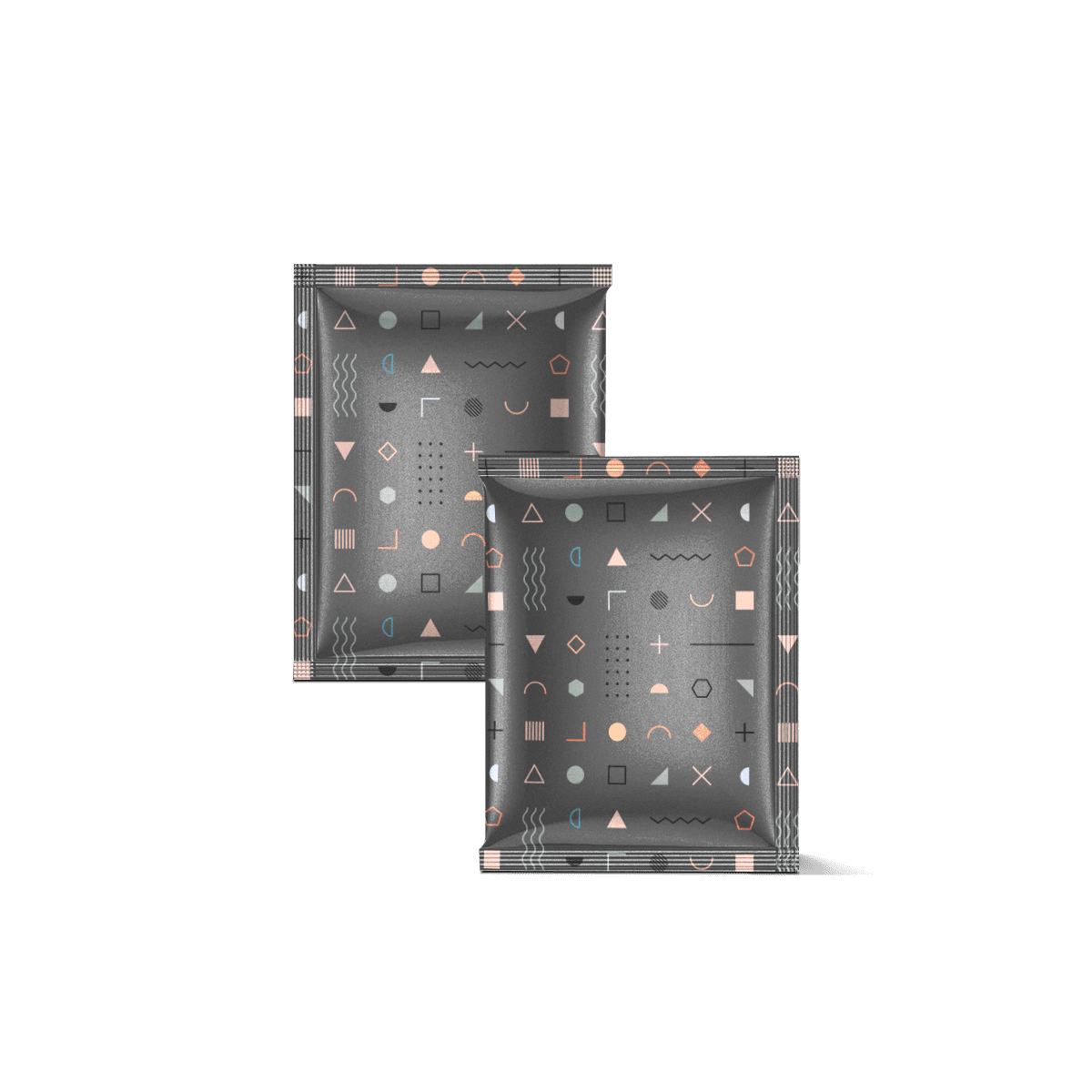
An empty pouch has a flat width and length. Once filled and vacuum-sealed, it adopts the shape of its contents.

That transformation changes the amount of film required.

The correct dimensions must accommodate the product before sealing while allowing the material to conform without excessive tension.

Product Thickness

A thick product requires additional film to wrap around its depth.

Selecting a pouch solely from the product's width and length can leave insufficient material for the finished package.

The product's maximum thickness, irregular projections and intended orientation should all be considered.

A rigid rectangular product may require more film around its corners than a similarly sized rounded item.

Custom sizing helps establish the appropriate footprint without introducing unnecessary unused material.

Mouth Clearance

The pouch must have enough length to accommodate the product and reach the sealing equipment.

If the contents extend too close to the opening, positioning the pouch correctly may become difficult.

The required allowance depends on the machine's sealing arrangement.

A suitable layout should let the operator position the product consistently without stretching the film or forcing it into the seal area.

The Collapsed Profile

The finished vacuum pack should be assessed after air removal.

Excess film may fold around the product, creating bulky corners or an irregular appearance.

Too little material can place unnecessary tension on the film and seals.

For irregular products, the orientation inside the pouch can change the finished profile substantially.

Where close packing is important, evaluate the filled dimensions rather than relying exclusively on the empty pouch's nominal size.

Branding on a Conforming Surface

Printed artwork behaves differently when vacuum film contracts around the product.

A graphic that appears centered and undistorted on an empty pouch may stretch visually across a corner or disappear into a fold after sealing.

The finished product shape should influence the artwork.

This is particularly important for branded food packaging where customers expect to see the product and read its identification clearly.

Printed Panel Position

The product's natural front face should determine the primary artwork position.

Place essential graphics where the film is expected to remain relatively stable.

Avoid positioning important text across sharply curved surfaces or areas likely to gather excess material.

For irregular products, a smaller printed area may remain more legible than artwork extending across the entire pouch.

Clear Film

Transparent film may be appropriate when customers need to inspect the packaged contents.

The product's appearance becomes a major part of the presentation.

However, clear film should only be selected when its protective performance is suitable for the application.

If the product requires stronger light protection or another material property, transparency may need to be reconsidered.

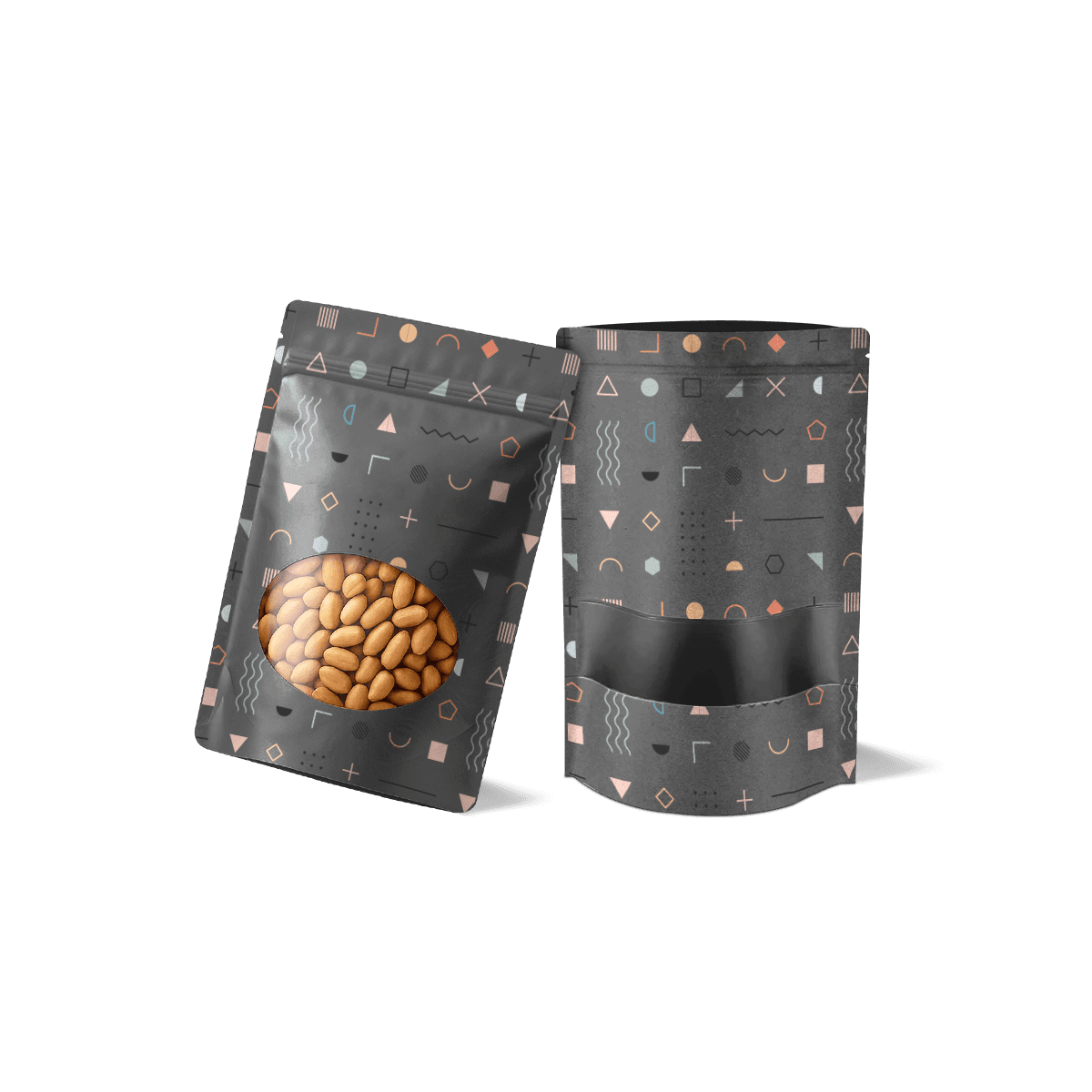
For products where retail visibility matters more than close film conformity, windowed Mylar pouches address a different presentation requirement.

Labeling Space

The finished package must accommodate its applicable labeling requirements.

For food products, these may include the product identity, net quantity, ingredients, allergen declarations, nutrition labeling, responsible business identification and required handling statements.

The exact requirements depend on the product and applicable regulations.

Important text must remain legible after vacuum sealing.

A flat digital proof confirms the artwork layout, but it does not establish how the printed film will appear around the finished product.

Custom Packly's free design and prepress support can help assess the proposed artwork. Free 3D mockups can assist with presentation planning, although the finished vacuum profile may require physical verification.

Distribution Changes the Load

Vacuum packaging can reduce unused internal space, but it does not automatically protect the contents against impact or compression.

The film conforms closely to the product, leaving little cushioning between the contents and the surrounding environment.

That distinction matters when the finished pack moves through storage, case packing or parcel distribution.

Compression During Stacking

The product may carry much of the load when vacuum packs are stacked.

This can be acceptable for suitable firm products but problematic for items that deform under pressure.

The intended case count and stacking arrangement should reflect the product's mechanical characteristics.

A compact finished pouch should not be mistaken for a package with structural load-bearing capability.

Sharp Contact Points

Repeated movement can cause an irregular product to rub against the film.

Corners or protrusions may gradually damage the material even if the pouch survives its initial vacuum cycle.

This is particularly relevant to selected industrial components and products with rigid edges.

For demanding distribution, the pouch may need a protective sleeve or an appropriately sized outer shipping carton.

Shipping boxes can add the external structural protection that flexible film cannot supply by itself.

Frozen Distribution

Freezing may change both the product and the way it interacts with the pouch.

The package must tolerate the intended storage temperature and handling conditions.

Frozen products may also have sharp edges, surface irregularities or other physical characteristics that affect puncture resistance.

A vacuum seal alone does not establish the safety or quality of a frozen food throughout distribution.

Establish the Manufacturing Specification

A commercial vacuum-pouch order needs a defined manufacturing route.

The machine type, product, film construction and sealing requirements determine what can be produced.

These decisions can also affect the applicable minimum quantity, printing method and production schedule.

A custom printed pouch may require a different production setup from a plain vacuum bag using an established film construction.

Equipment Compatibility

Identify the machine type and its relevant operating requirements.

For a chamber machine, the pouch dimensions and sealing material must suit the chamber and sealing bar.

For external-suction equipment, confirm whether the machine requires embossed film or supports another construction.

For automated operations, compatibility with the filling and sealing line is essential.

Machine specifications should be established before ordering custom packaging.

Production Quantity

The quantity should reflect the intended pouch dimensions, film specification and number of printed designs.

Different products may require different materials even when their outside dimensions are identical.

Combining those products into one production specification without assessing their requirements can create manufacturing and performance problems.

Custom Packly supports US production, free design assistance, free shipping and packaging-specific pricing.

The standard USA turnaround is 4–6 days after final specifications and artwork approval. Specialty films and vacuum-pouch constructions may require additional production time.

Once machine compatibility and material feasibility have been established, custom packaging pricing can be assessed for the proposed construction.

Opening the Finished Vacuum Pack

A vacuum pouch's opening method should reflect what happens to the product after the initial seal is broken.

Unlike a conventional multi-use pouch, the primary function is to establish and maintain the intended reduced-air condition until opening.

Removing the sealed edge ends that original packaging condition.

Controlled Opening

The opening should let the customer remove the product without unnecessarily damaging it.

A tear notch may be appropriate for selected constructions, provided it does not compromise the initial seal.

For larger or thicker products, scissors or another specified opening method may be more practical.

The correct method depends on the product and the film's tear behavior.

Subsequent Storage

Opening a vacuum-sealed pouch does not preserve the original reduced-oxygen condition.

A product that requires storage after opening may need a separate container or another appropriate storage method.

The applicable instructions depend on the product and its safety requirements.

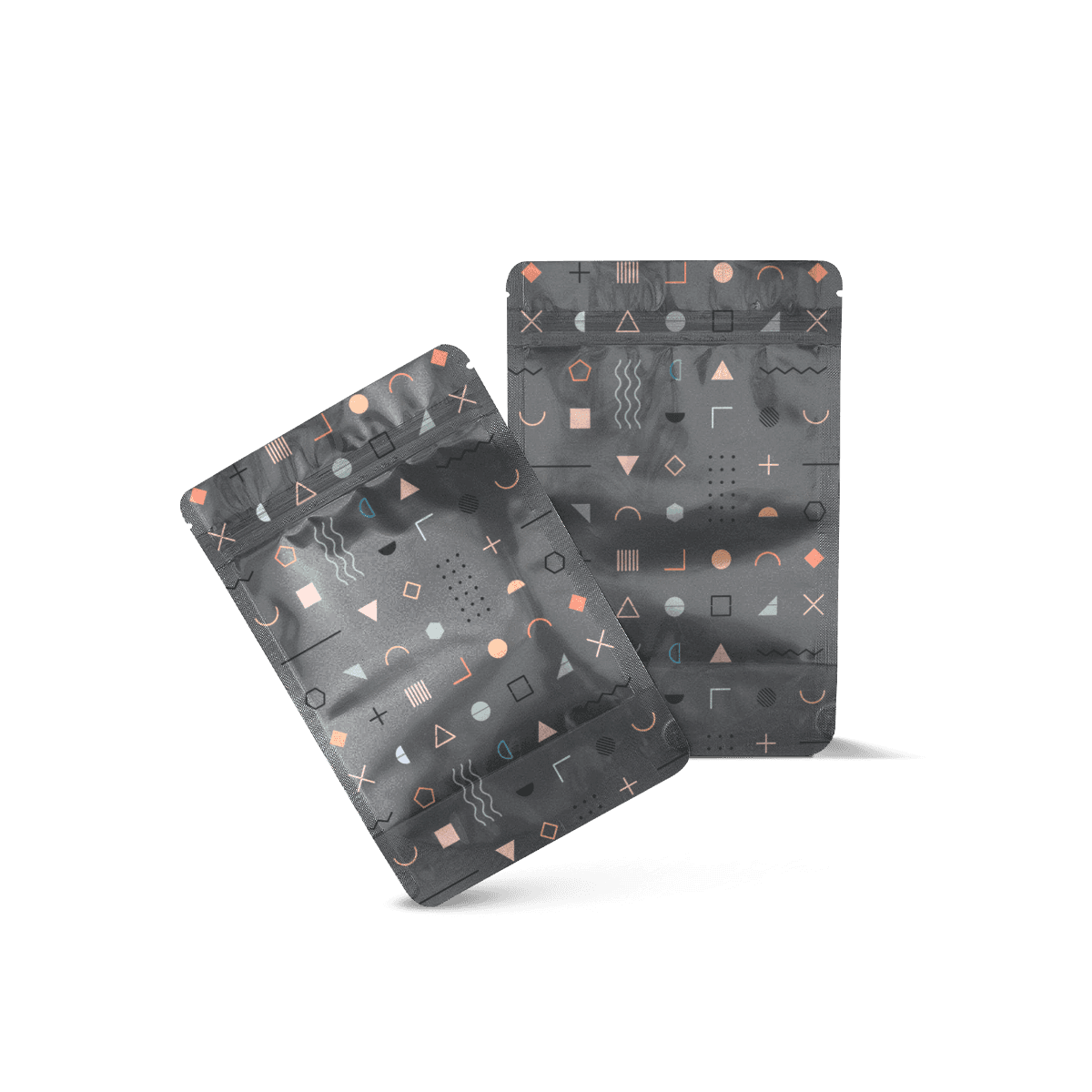
For products intended for frequent access, zipper pouches prioritize repeated opening and reclosing rather than maintaining the original vacuum.

The two constructions should not be treated as interchangeable.

Single-Use Packout

For products intended to remain sealed until use, individually portioned vacuum pouches may be a practical arrangement.

Each portion can be packed according to the established process and opened when needed.

The portion size, film construction and outer packaging should suit the intended handling and distribution requirements.

That final packing arrangement should determine the production specification, rather than adding a resealable feature or unnecessary packaging components to a product intended for one-time opening.

FAQs

They make the biggest difference when the product benefits from reduced oxygen exposure, less internal movement, or a more compact final pack for shipping and storage.

Vacuum-Sealed Pouches suit products with an established reduced-air packing process. Zipper Pouches suit products intended for repeated opening and closing.

No. Suitable non-food uses may include selected textiles and industrial components when the film and sealing process are compatible. Regulated medical uses require separate validation.

Vacuum removal, a suitable barrier film and consistent seals can reduce certain exposures, but any shelf-life claim needs product-specific validation.

Yes. Because the finished pack carries less excess air, it typically fits secondary packaging more neatly than looser flexible formats.

Process

How it works

Your Packaging Journey, From Idea to Production and Delivery

01

Tell Us Your Specs

Custom packaging boxes

Tell Us Your Specs

Provide size, quantity, printing, and finishes.

02

Get a Fast Quote

Custom packaging boxes

Get a Fast Quote

Instant transparent pricing, no hidden fees.

03

Design and Approval

Custom packaging boxes

Design and Approval

Artwork checks, revisions, and final sign-off.

04

Produce

Custom packaging boxes

Produce

Expert manufacturing to meet deadlines.

05

Ship to Your Door

Custom packaging boxes

Ship to Your Door

Hassle-free, flexible delivery options.

Get Your Quote for Custom Vacuum-Sealed Pouches

Share your product details, size, quantity and artwork needs. We’ll help choose the right packaging style and send a clear quote.