Skip to content
Details

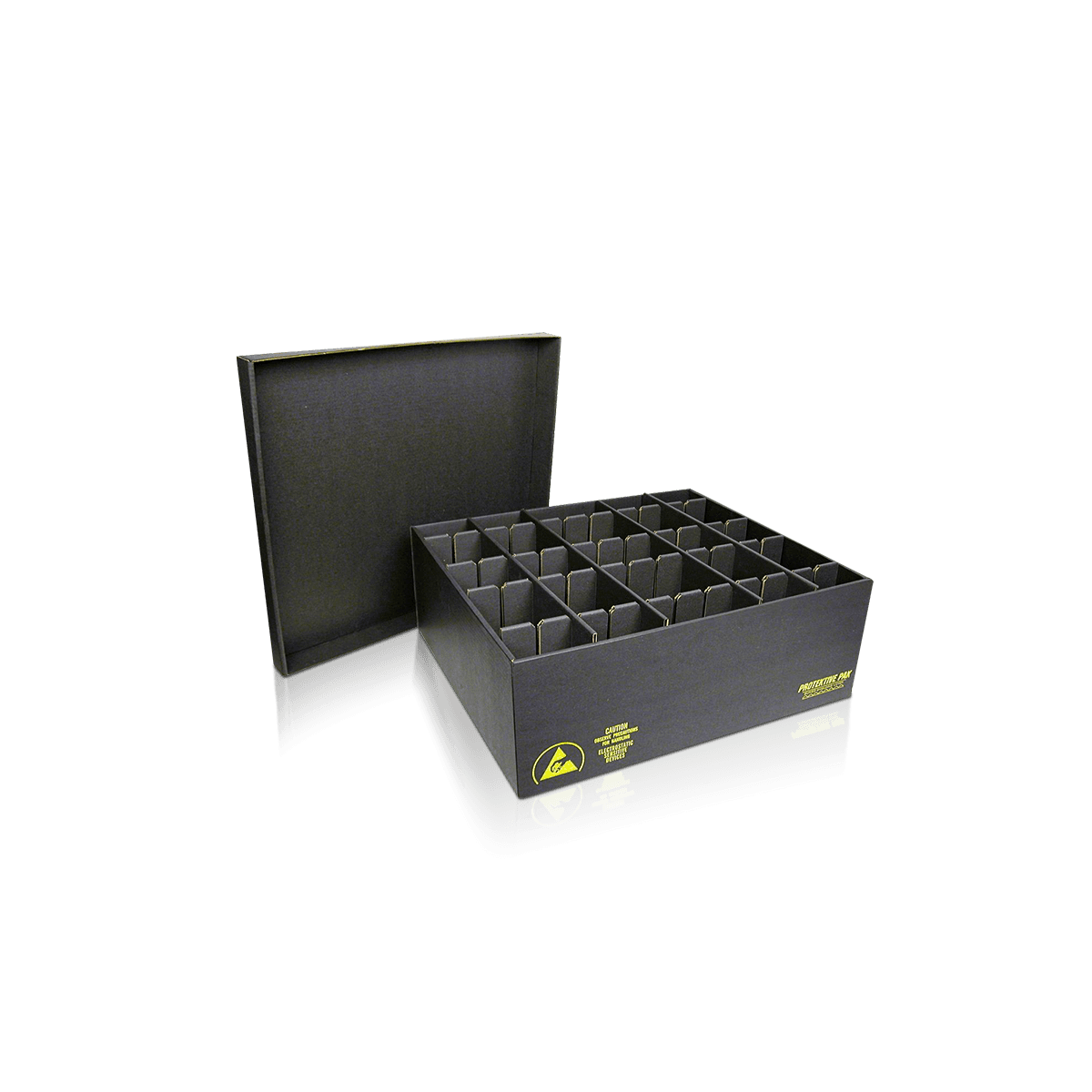
Custom Anti-Static Boxes

ESD-conscious service-part packaging for sensitive MRO components moving through stores, repair benches, field service and outbound maintenance shipments.

Service Parts Cross Control Zones

Maintenance electronics often leave one controlled handling environment and enter another. Custom Anti-Static Boxes for MRO service parts should be specified around that service route and the ESD control requirement already established for the component, not around packaging color or a generic “anti-static” label.

That distinction matters because “anti-static,” “static-dissipative,” “conductive” and “ESD protective” do not automatically describe the same performance.

The packaging decision starts with the component's status and where maintenance teams will handle it: component stores, repair benches, field-service inventory or outbound service shipments.

Ask:

  • Is the item confirmed to be ESD susceptible?
  • Will it remain inside an ESD protected area or leave that controlled environment?
  • Which packaging properties does the organization's ESD program require?
  • Does the component need shielding as well as low-charging or charge-dissipation behavior?
  • Which material will contact the component directly?
  • Does the pack also need cushioning or mechanical restraint?
  • Will it be single-use or returnable?

ANSI/ESD S541-2026 defines packaging properties for protecting ESDS items throughout production, transport and storage. The required configuration should come from the applicable ESD control requirement rather than from a generic request for a black box or pink foam.

For manufacturing and general electronics packaging centered on low-charging material behavior, Custom Anti-Static Boxes for electronics address that material-first use.
Anti-Static Is Not Shielding

A material that reduces charge generation does not automatically shield a component from an external electrostatic discharge.

That is one of the most important distinctions in ESD packaging.

Low-charging behavior addresses charge that can develop through contact and separation between materials. Dissipative or conductive properties address how charge moves through the specified material system. Discharge shielding is another function.

The exact combination depends on where the sensitive item will travel.

Inside a controlled ESD environment, the packaging requirements can differ from those needed once the item moves through ordinary warehouses, vehicles or carrier networks.

That means a simple “anti-static box” request is incomplete.

The packaging specification should state what electrical properties are actually required and how they will be verified.

If an ESDS item leaves an EPA, Custom ESD Protection Boxes are the better fit for a package that also needs discharge shielding under the applicable ESD program.

Every Layer Has a Role

ESD-sensitive packaging is often a system rather than one special outer box.

The component may interact with a protective bag, foam, tray, divider and corrugated outer container before the package is complete.

Each layer needs a defined job.

Direct-Contact Layer

The material touching the component deserves particular scrutiny.

If the item needs an ESD-safe contact surface, ordinary cushioning should not be substituted simply because it fits physically.

The electrical requirement and mechanical requirement both have to be satisfied.

Internal Restraint

The component still needs to remain where it belongs.

ESD protection does not stop a circuit board, module or sensor from sliding into a wall during handling. The interior may need properly specified foam, trays, partitions or another retention system.

Outer Structure

The outer box carries the physical load, closes the pack and creates space for identification and handling marks.

A strong corrugated shell cannot substitute for a missing ESD layer, just as an ESD-safe internal material cannot compensate for an outer carton that fails mechanically.

The complete package should be considered one system.

Ordinary Foam Can Be Wrong

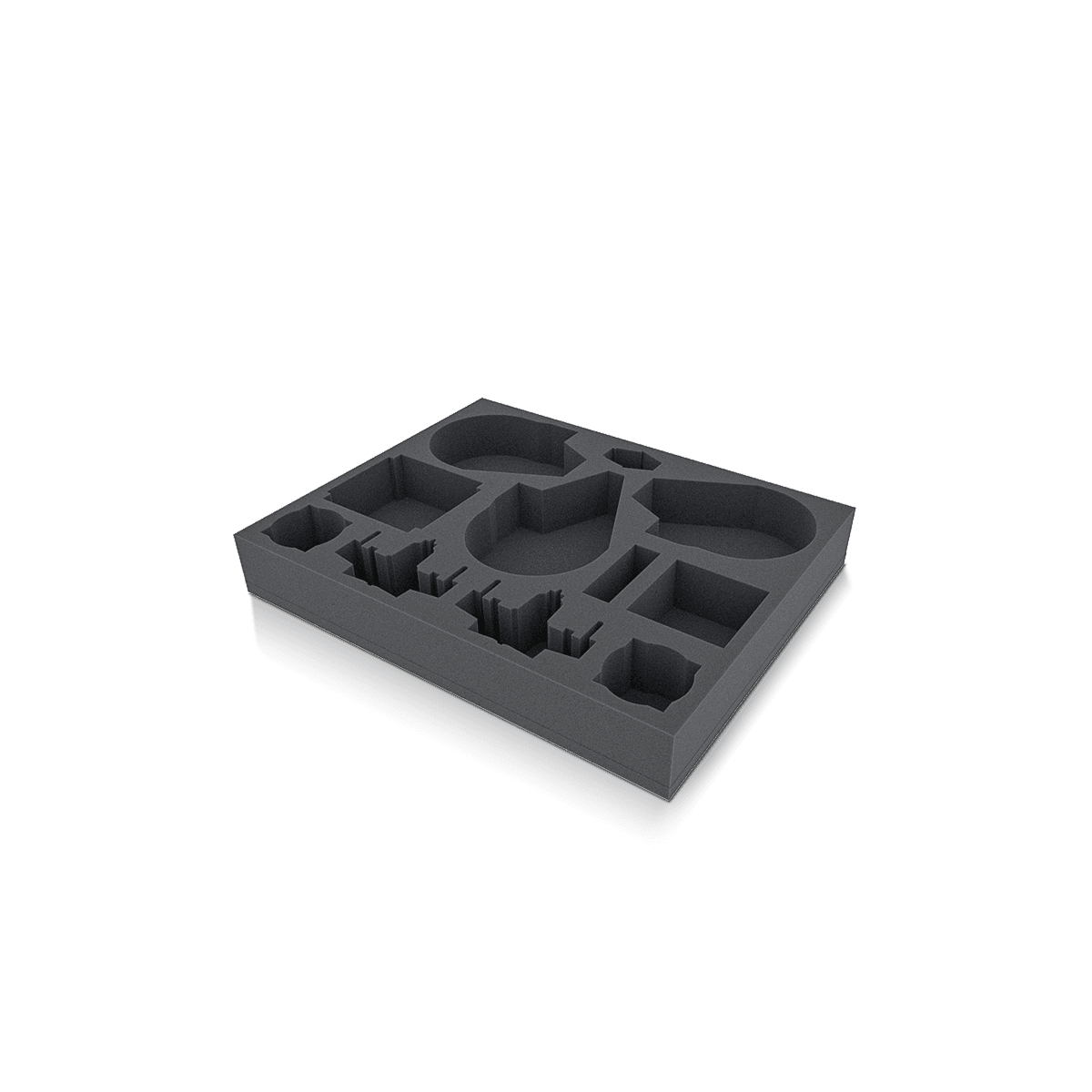
A shaped foam cavity may provide excellent mechanical fit while being unsuitable for an ESD-sensitive component if the required electrostatic properties have not been established.

That is why Foam Insert Boxes and Anti-Static Boxes should not be treated as interchangeable names for the same construction.

Foam Insert Boxes primarily solve mechanical restraint and cushioning.

Anti-Static Boxes own the additional electrostatic-control decision.

A sensitive control module may need close physical support and an ESD-compatible material system. A robust mechanical instrument may need shaped foam but have no ESD requirement at all.

Do not upgrade or downgrade between those directions based on material color.

If foam will contact an ESD-susceptible item, establish the required electrical properties for that exact foam rather than assuming that any insert marketed for electronics is sufficient.

Component Contact Needs Control

Sensitive electronics still have ordinary physical weak points.

Boards can flex. Connectors can bend. Pins can be damaged. Components mounted on a PCB can experience pressure even when the board itself appears well restrained.

The anti-static requirement should therefore sit alongside a mechanical contact map.

Board Edges

A PCB may be safer when supported at suitable edge areas instead of pressed directly against mounted components.

The cavity or slot geometry should follow the assembly, not just the outside board dimensions.

Connectors

Projecting connectors need clearance.

An ESD-safe insert that presses constantly against a delicate connector can solve one risk while creating another.

Pins and Contacts

Exposed pins should not become load-bearing features.

The box orientation and internal support need to keep them away from uncontrolled contact during storage and shipment.

Heavy Components

Transformers, housings, heat sinks or other dense elements can change the center of mass of an assembly.

The insert should control that mass so the board is not repeatedly loaded through a weaker area.

Electrical protection and physical fit have to coexist.

Workstation or Distribution?

The same component can require different packaging behavior at different stages.

Inside a controlled facility, a box may act as a reusable carrier between receiving, stores, assembly and repair benches.

Outside that environment, the component may pass through uncontrolled handling, carrier transport and storage locations where additional ESD protective properties are required by the applicable program.

That distinction should be made before choosing the material.

A returnable in-plant container may prioritize:

  • repeated opening
  • durable partitions
  • handling grips
  • shelf or cart fit
  • repeatable identification
  • compatibility with the site's ESD controls

An outbound pack may prioritize:

  • protective closure
  • physical cushioning
  • discharge-shielding requirements where applicable
  • carrier-facing strength
  • tamper control
  • destination identification

The box should follow the actual route.

Do not use a reusable plant tote specification as proof that an outbound shipping configuration is correct.

Mechanical Protection Still Applies

Electrostatic risk can distract attention from ordinary shipping damage.

A sensitive module can be perfectly matched to the required ESD material properties and still arrive damaged because it was free to move inside the package.

The same fit principles used for reducing shipping damage remain relevant once the ESD system has been established.

Check:

  • lateral movement
  • vertical lift
  • rotation
  • corner contact
  • pressure on connectors
  • insert movement inside the carton
  • box strength under stacking

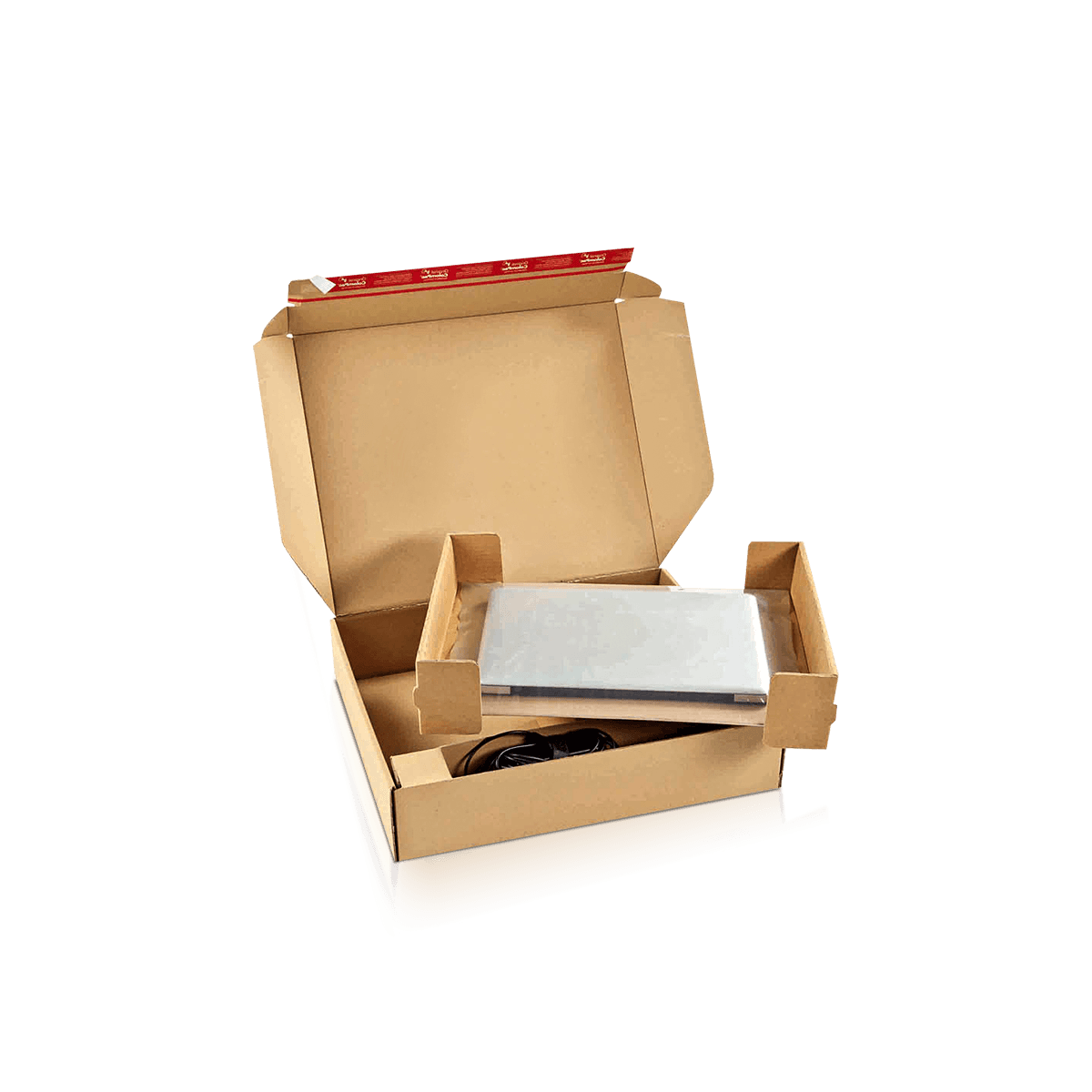
If the anti-static component box travels inside a separate shipping box, the outer shipper should be sized so the protected inner pack does not become another loose object.

The layers solve different problems, but they still need to work together physically.

Dividers Need the Same Discipline

Partitioning several sensitive components creates another ESD decision because the divider material may contact the products repeatedly.

Ordinary cardboard partitions should not automatically be introduced into an ESD-controlled interior.

The specified divider material must fit the electrostatic requirement of the system.

For non-sensitive components, Divider Boxes can focus on cell dimensions, collision prevention and count visibility.

For ESD-sensitive contents, cell geometry remains important but material performance becomes another gate.

A compartment that keeps two boards physically apart can still be the wrong compartment if the contacting materials do not meet the required ESD properties.

The reverse is also true.

A correctly specified ESD divider does not help if each cell is so oversized that assemblies bounce around during transport.

Separation, fit and electrostatic control all need independent attention.

Do Not Specify by Color

Color is a poor substitute for material verification.

Pink, black or another familiar ESD-associated color may be used on certain protective products, but visual appearance does not establish electrical performance.

Two materials that look similar can have different properties. Two materials with the required protective properties can also look different.

The procurement specification should therefore identify the actual material or required verified property rather than relying on phrases such as:

  • anti-static black foam
  • ESD-looking plastic
  • pink protective material
  • conductive-style box

Those descriptions are not test requirements.

For a controlled program, ask for the applicable material data, testing basis or other evidence required by your internal ESD process.

Custom Packly can build the box around a confirmed material requirement, but the customer-facing copy should not turn an unverified material option into a compliance claim.

Labels Need ESD Context

The outer print has an operational job: make sensitive contents recognizable before someone opens or mishandles the pack.

Depending on the facility and product, fields can include:

  • part number
  • assembly name
  • quantity
  • revision
  • work order
  • lot or batch identifier
  • destination
  • storage location
  • handling instructions
  • approved ESD markings where the program requires them

Do not add technical symbols simply because they make the package look industrial.

The markings should correspond to the actual protective system and the organization's handling procedures.

Placement matters too.

A critical handling mark on the top panel becomes much less useful when cartons are stacked. Identification on more than one exposed face may make sense when boxes change orientation through storage and distribution.

The strongest print hierarchy tells receiving and maintenance staff what the component is and how it should enter the next handling stage.

Returnables Change the Economics

Reusable ESD containers can make sense when sensitive components circulate repeatedly between defined locations.

That can include:

  • repair depots
  • electronics benches
  • component stores
  • assembly cells
  • service centers
  • refurbishment operations

A reusable system needs more than electrical performance.

It also needs closure durability, cleanable or maintainable materials where required, replaceable identification and an interior that survives repeated loading cycles.

Single-use ESD packaging has a different cost structure.

Paper-based or other disposable protective combinations may be more practical when components leave the controlled network permanently or return flow is unreliable.

Do not choose a returnable system simply because the same box could theoretically come back.

The actual reverse-logistics loop has to support it.

Variants Can Share Structure

Electronic and electrical spare-part programs often contain many closely related components.

Several assemblies may fit one outer footprint while differing in board shape, connector position or internal support.

A shared outer box can reduce packaging variation if the protective interior remains correct for every SKU.

This creates three possible strategies:

  1. same outer box and same interior for genuinely compatible components
  2. same outer box with different ESD-safe inserts
  3. separate structures where geometry differs too much

The second option can be practical for product families that share a common overall size.

It preserves a standard outer footprint while keeping the sensitive component properly restrained.

The mistake is creating one universal cavity simply to reduce packaging SKUs.

Extra clearance around a smaller board can increase movement, while a larger connector may collide with a support designed for another version.

Common structure is valuable only after the component envelope is checked.

Testing Must Match the Claim

A physical packaging test can answer mechanical questions, but ESD performance needs the appropriate electrical evaluation as well.

Those are separate approval tracks.

A pack can pass a shake test and still lack the required electrostatic properties. It can also use verified ESD materials and fail because the component moves excessively inside the box.

The physical checks in custom packaging testing can cover fit, structure and production behavior, while ESD-specific verification should follow the applicable material requirements and the organization's ESD control process.

For the physical package, inspect:

  • component fit
  • contact points
  • insert retention
  • closure
  • stacking
  • handling orientation
  • label visibility

For the ESD requirement, confirm the specified protective properties through the appropriate documentation or testing route.

Do not merge those two approvals into one vague statement that the box was “tested.”

Start With the Component Record

An Anti-Static Box quote becomes meaningful after the ESD and physical requirements are defined.

Prepare:

  • component name and part number
  • component dimensions
  • packed weight
  • photos or CAD geometry where possible
  • quantity per box
  • ESD susceptibility or internal packaging requirement
  • required packaging properties
  • direct-contact material requirements
  • foam, tray or divider needs
  • storage environment
  • in-plant or outbound use
  • returnable or single-use requirement
  • printed handling and identification fields
  • quantity by size or SKU

Custom Packly's USA MOQ starts from 100 boxes. Free design and dieline support can help coordinate the physical structure once the required protective material system is known, and free 3D mockups can show layout and component placement before production.

US production and free shipping support domestic orders. Standard turnaround is 4–6 days after final specifications and artwork approval. Specialty materials, testing requirements or more complex protective constructions can require additional time.

Free sample examples of previous Custom Packly work may be supplied. A fully custom physical sample can be arranged as a paid sample where exact fit or construction needs hands-on evaluation.

Once the ESD requirement, product geometry and quantity are established, request an instant custom packaging quote against the complete specification rather than asking for an unspecified “anti-static cardboard box.”

Approval Has Two Signatures

A Custom Anti-Static Box should not reach production because only the structure looks correct.

Two questions need separate answers.

First: does the physical package work?

The component should fit, remain supported, avoid damaging contact, stay identifiable and survive the handling conditions expected from the pack.

Second: does the specified material system satisfy the ESD requirement established for that component and handling route?

Neither answer replaces the other.

A well-cut ordinary foam insert is not an ESD specification. A verified protective material does not automatically create a good shipping structure.

Keeping those approvals separate is the cleanest way to prevent the phrase “anti-static box” from hiding several different technical decisions.

FAQs

Anti-Static Boxes are commonly used for circuit boards, semiconductors, sensors, wiring kits, adapters, test modules, and replacement electronic parts that can be affected by charge buildup or abrasive movement.

Yes. Properly specified ESD-compatible foam, trays or dividers can control physical movement without undermining the electrostatic requirement. The insert material and the mechanical fit should each be verified for the component.

Use the requirement from your ESD control program. Low-charging material alone is not enough to protect an ESDS item outside an EPA; ANSI/ESD S541-2026 also requires discharge shielding outside an EPA. Choose the package by the required properties and handling environment, not by the label.

Most buyers use the outer panels for part numbers, barcode labels, orientation marks, lot tracking, and pack instructions so teams can pick, verify, and replenish inventory with less confusion.

They do. Anti-Static Boxes are a practical fit for kitted repair parts, field-service assortments, and OEM replacement packs because they keep components separated, easier to identify, and safer to transport.

Process

How it works

Your Packaging Journey, From Idea to Production and Delivery

01

Tell Us Your Specs

Custom packaging boxes

Tell Us Your Specs

Provide size, quantity, printing, and finishes.

02

Get a Fast Quote

Custom packaging boxes

Get a Fast Quote

Instant transparent pricing, no hidden fees.

03

Design and Approval

Custom packaging boxes

Design and Approval

Artwork checks, revisions, and final sign-off.

04

Produce

Custom packaging boxes

Produce

Expert manufacturing to meet deadlines.

05

Ship to Your Door

Custom packaging boxes

Ship to Your Door

Hassle-free, flexible delivery options.

Get Your Quote for Custom Anti-Static Boxes

Share your product details, size, quantity and artwork needs. We’ll help choose the right packaging style and send a clear quote.