Skip to content
Details

Custom CBD Packaging Flexible Pouches

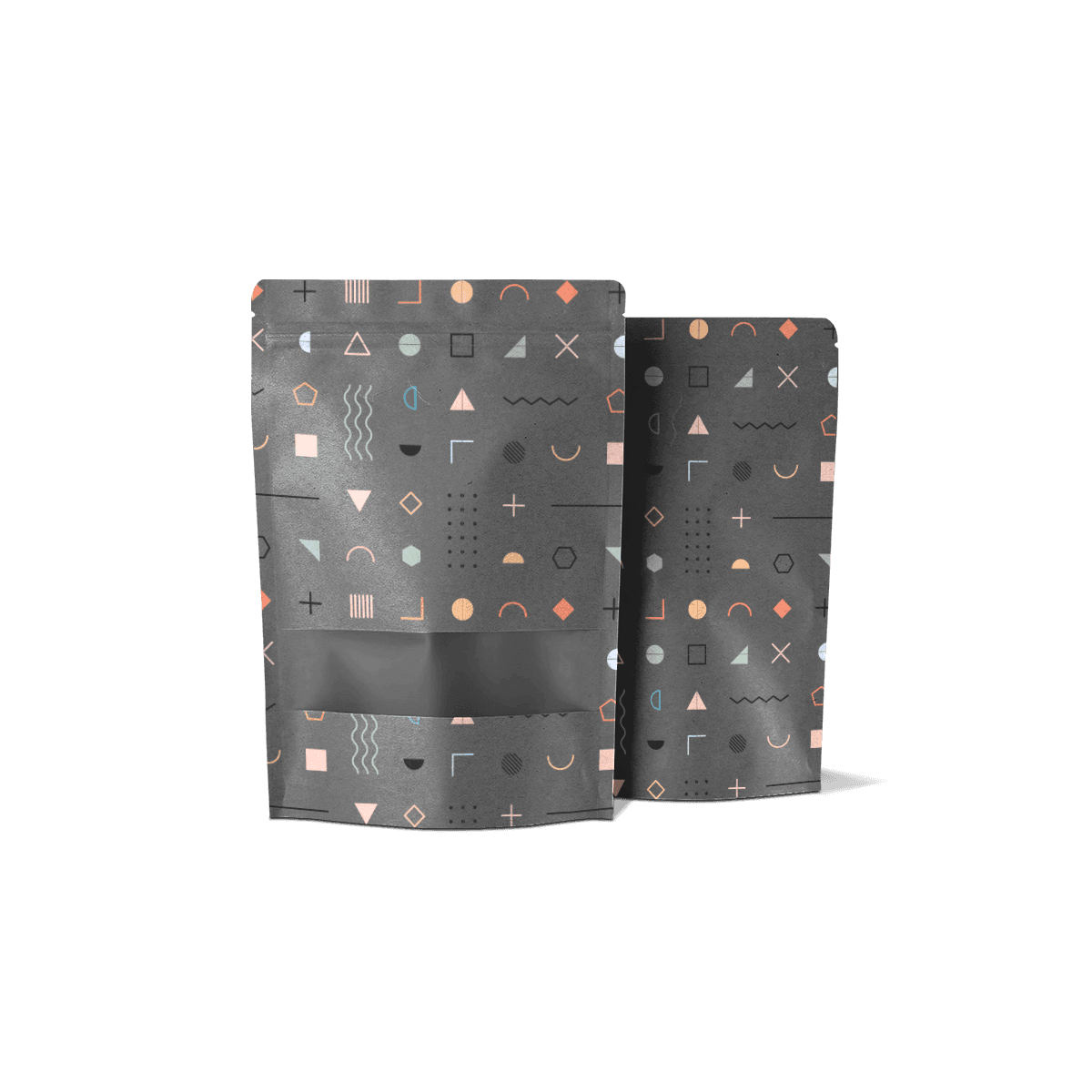
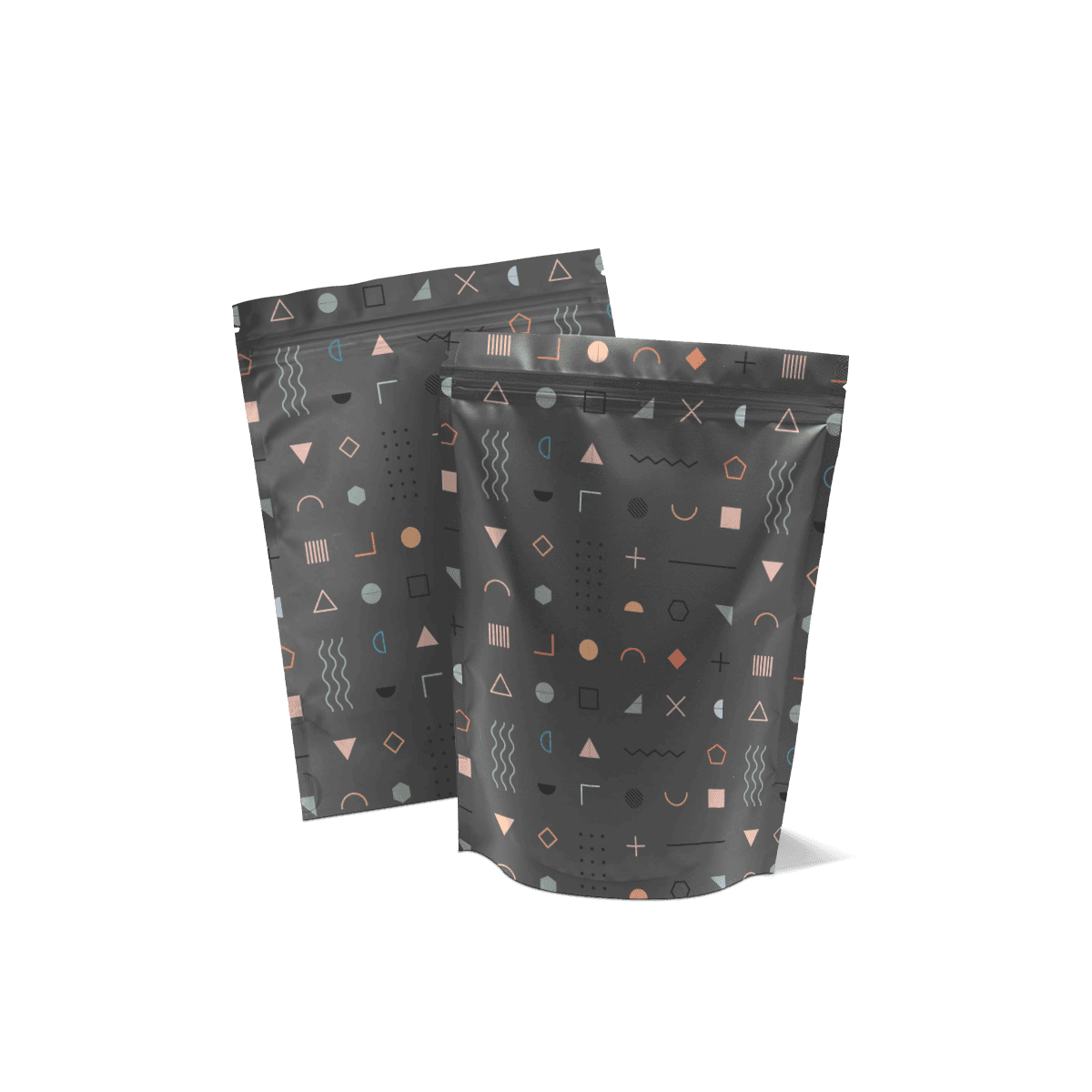
Custom flexible packaging for eligible CBD products, with product-compatible films, secure closures, protective barrier options and space for approved labeling.

Decide What the Film Touches

A CBD topical refill placed directly inside a pouch and a sealed topical CBD oil bottle packed inside a printed pouch have different packaging requirements.

The first places the formulation in contact with the flexible film. The second uses the pouch as secondary packaging around an existing container.

That distinction determines how Custom CBD Packaging Flexible Pouches should be specified.

For direct-contact packaging, the laminate, internal sealing surface and closure must be suitable for the actual formulation. A secondary pouch may instead focus on containing the existing product, carrying approved labeling and supporting retail presentation.

These are different jobs, even if the finished pouches have similar dimensions and artwork.

The product's legal status must also be established before the packaging is developed. A technically suitable pouch does not make the product inside lawful to sell.

Direct-Contact Packaging

A pouch used as the primary container must be compatible with the actual contents.

For a CBD topical, the formulation may contain oils, emulsifiers, fragrances or other ingredients that influence material selection.

The appropriate laminate depends on the complete formulation, its intended storage conditions and the duration of contact.

A film approved for one cosmetic product should not automatically be assumed suitable for another.

The product manufacturer must establish the required material compatibility and any applicable product-contact requirements.

Secondary Pouch Packaging

A sealed container may be placed inside a flexible pouch for presentation, organization or an additional protective layer.

The pouch must accommodate the finished primary container, including its cap, label and any protruding components.

A flexible outer pouch does not replace the bottle's closure or the container's existing barrier.

For an oil bottle, the main packaging decision may be whether the flexible outer pack adds enough value to justify its material and packing cost.

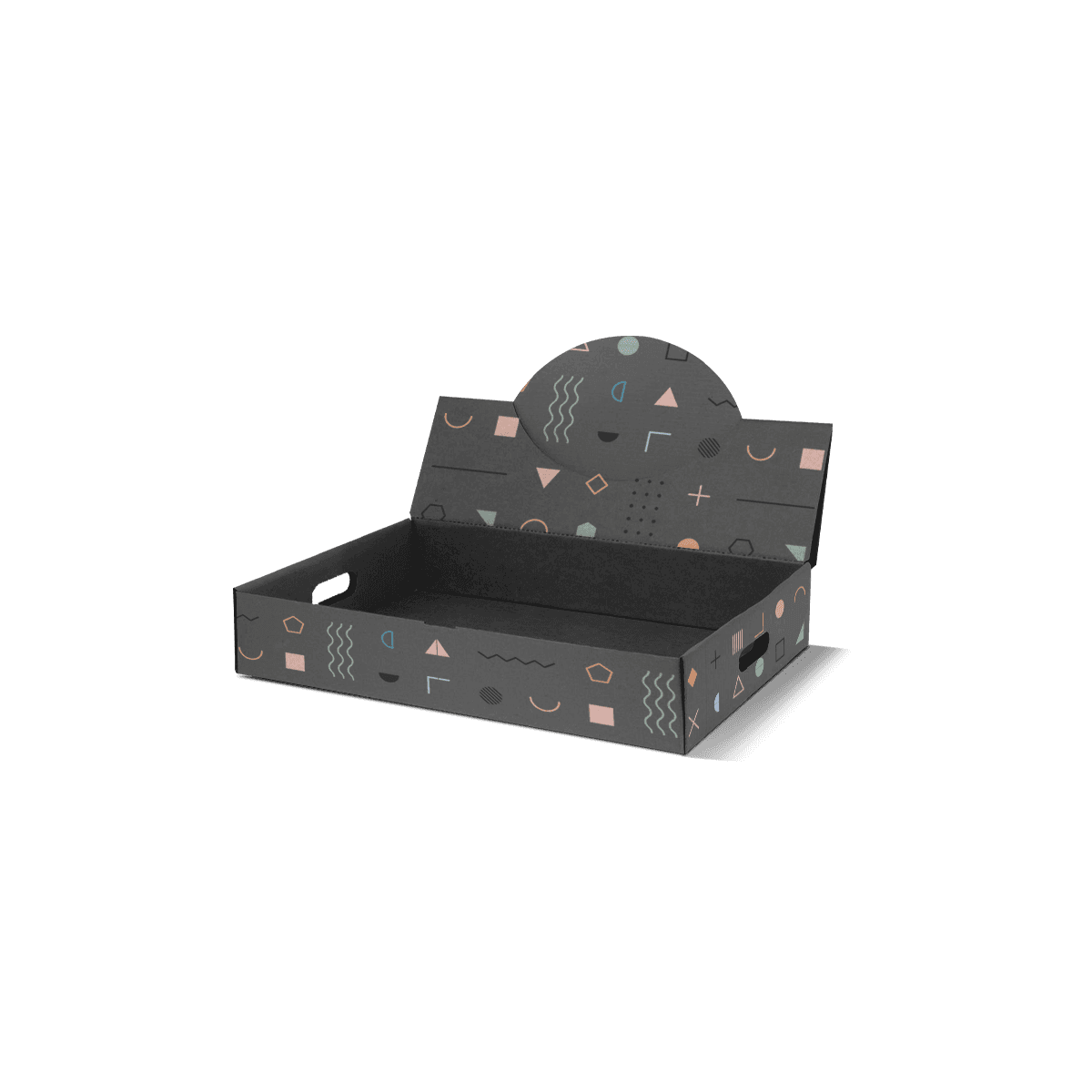
Where a rigid structure is needed to restrain the container, custom CBD packaging can use fitted cartons and other structures suited to the complete product.
Establish the Product's Legal Route

CBD packaging requirements in the United States depend on the product's classification, intended use, claims and applicable federal and state rules.

The FDA states that CBD is excluded from the federal dietary supplement definition and cannot be added to foods introduced into interstate commerce. State authorization does not automatically resolve these federal restrictions.

CBD cosmetics are subject to a different regulatory framework, provided their ingredients, labeling and claims satisfy applicable requirements. Products marketed with therapeutic claims may be regulated as drugs rather than cosmetics.

These distinctions affect the packaging brief.

Before approving a pouch, the brand should establish:

  • The product's legal classification and intended use.
  • The markets in which it will be sold.
  • The applicable labeling and warning requirements.
  • Any required tamper-evident or child-resistant features.
  • Whether the proposed formulation, claims and distribution are permitted.

Custom Packly can prepare packaging around approved structural, artwork and material specifications. The product manufacturer and its regulatory advisers remain responsible for product legality and the applicable compliance requirements.

Packaging artwork should follow those decisions rather than attempting to resolve them after the printed material has been produced.

Oil Compatibility at the Seal

CBD topical formulations may contain oils or other ingredients that affect how a flexible package performs.

The critical point is often the internal contact layer and the seal, rather than the appearance of the outer printed film.

A laminate may have sufficient stiffness and an attractive exterior but still be unsuitable for direct contact with a particular formulation.

The required construction must account for the product's composition, filling conditions and expected storage period.

Internal Sealant Selection

The inner sealing layer must support the intended sealing process and be suitable for contact with the formulation.

For oil-containing products, compatibility needs to be established for the complete laminate.

Potential concerns include interactions between the product and packaging, changes in seal performance and migration of substances.

A general statement that a pouch is suitable for CBD is not enough to establish these properties.

The material specification should be based on the actual formulation and appropriate compatibility evidence.

Contamination During Filling

Product residue can interfere with the sealing process.

A topical formulation that reaches the sealing area may prevent the intended bond from forming consistently.

The pouch dimensions and filling method should therefore allow the product to enter the package without unnecessarily coating the surfaces that must be sealed.

This is particularly important for thicker formulations and products that are difficult to dispense cleanly.

The filling team should establish the appropriate sealing process and evaluate finished seals using the actual contents.

A larger seal area is not a substitute for a contaminated or incompatible sealing surface.

Heat During Sealing

The sealing process exposes parts of the pouch to heat and pressure.

The film construction must suit the intended equipment, while the product must tolerate the conditions encountered during filling and sealing.

The appropriate settings depend on the laminate, seal geometry and filling process.

Custom Packly can review the intended pouch construction, but the product manufacturer and filling team must establish the conditions required for the actual formulation.

Barrier Film Without Assumptions

Barrier performance is a property of the specified film construction and completed package.

The word Mylar does not establish a particular level of oxygen protection, moisture resistance or light exclusion.

For eligible CBD products, the appropriate barrier depends on the formulation's documented sensitivity and intended shelf life.

Oxygen Exposure

Some formulations may require controlled oxygen exposure to maintain their established quality specifications.

Oxygen transmission rate, or OTR, characterizes the amount of oxygen passing through a material under specified test conditions.

A lower OTR indicates stronger oxygen resistance under those conditions, but the appropriate requirement depends on the product.

The completed pouch also includes seals, closures and potentially other components that affect its overall performance.

The film specification must therefore be considered alongside the finished packaging construction.

Light and Opacity

An opaque pouch can reduce light exposure, but its actual protective performance depends on the material.

Metallized and foil-containing laminates may be considered where their established properties suit the product's requirements.

A decorative metallic appearance is not proof of a particular barrier level.

For formulations with documented light sensitivity, the product manufacturer should specify the necessary protection.

Transparent windows require separate assessment because they change the amount of light reaching the contents.

Moisture and Storage

Water vapor transmission rate, or WVTR, is relevant when the contents require moisture protection.

The required level depends on the product's characteristics, storage conditions and expected shelf life.

A resealable closure also changes the package's exposure after its initial opening.

A zipper may improve storage convenience, but it should not be assumed to reproduce the barrier performance of the original factory seal.

For sensitive products, storage instructions and the intended use period must be established by the responsible manufacturer.

Closure Requirements Come Before Convenience

A standard zipper, tamper-evident seal and child-resistant closure perform different functions.

They should not be treated as interchangeable features.

A standard zipper primarily supports repeated access. A tamper-evident feature indicates interference or initial opening. A child-resistant closure is intended to restrict access according to the applicable requirements.

The correct combination depends on the product and the markets in which it will be distributed.

Initial Opening

A heat-sealed pouch may require the customer to remove the upper sealed portion before reaching the contents.

A tear notch can establish the opening position, but the final construction must suit the intended safety requirements.

Where tamper evidence is required, the selected feature must provide the necessary indication of interference.

A printed warning or ordinary tear notch should not be represented as a verified safety mechanism without appropriate evidence.

Controlled Access

Some products require packaging that restricts access by children.

Where that requirement applies, child-resistant pouches need an appropriate closure construction and supporting test documentation.

Testing must reflect the relevant complete packaging configuration.

For products subject to the Poison Prevention Packaging Act, the applicable certification requirements and test procedures must be addressed by the responsible party.

Customizing the pouch dimensions, closure or opening features should not be assumed to preserve the validity of testing performed on a different construction.

Repeated Adult Access

A closure must remain practical for its intended users.

An ordinary zipper pouch may be sufficient where convenient reclosure is the actual requirement and no additional access-control obligation applies.

Where a child-resistant closure is necessary, adult usability and the relevant performance requirements must be evaluated together.

The closure should also be appropriate for the contents.

Residue from creams, oils or other formulations may affect the practical use of a closure, depending on its construction.

The intended filling and dispensing method should minimize unnecessary contact with the closure mechanism.

Pouch Geometry by Product Form

CBD products do not automatically suit the same flexible packaging structure.

A pouch holding an individually sealed cosmetic wipe has different requirements from one used to contain a topical refill or a previously packed accessory.

The package should follow the physical behavior of the product.

Topical Wipes and Pads

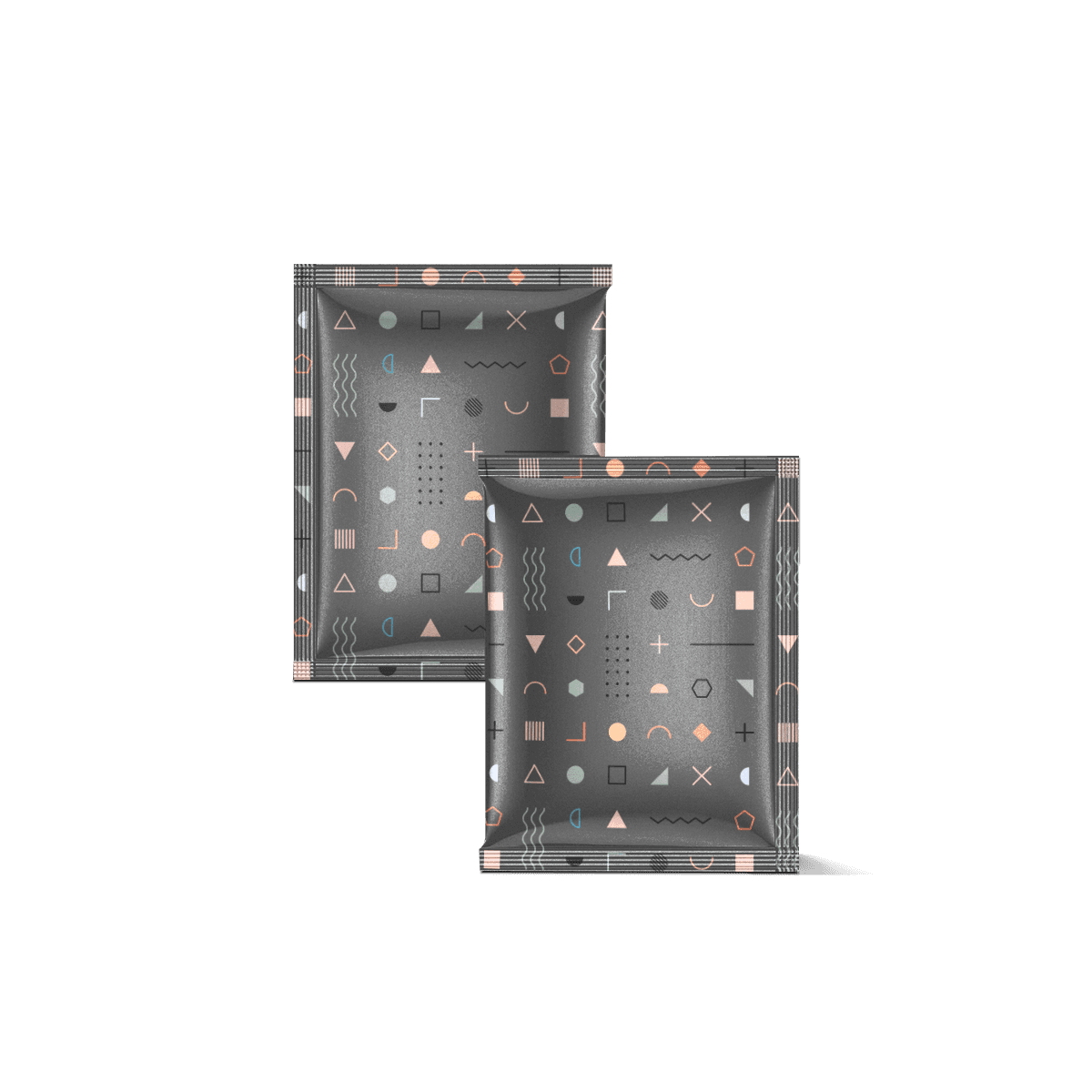
Individually packed topical wipes and pads may suit compact flat pouches, subject to the product's legal classification and material requirements.

The contents must fit without interfering with the perimeter seals.

For a folded wipe, the final folded thickness matters as much as its length and width.

The opening mechanism should also permit removal without tearing or unnecessarily contaminating the contents.

Where a formulation contains significant liquid, the laminate and seal construction must be compatible with that exposure.

The filling and packing team should establish the appropriate pouch geometry using the actual finished product.

Topical Refill Products

Eligible topical refills may benefit from flexible packaging when their formulations are compatible with the selected material.

The appropriate construction depends on the product's viscosity, fill volume and dispensing method.

A thick cream may be difficult to remove completely from a narrow pouch. A thin liquid may require a controlled dispensing opening to prevent spills.

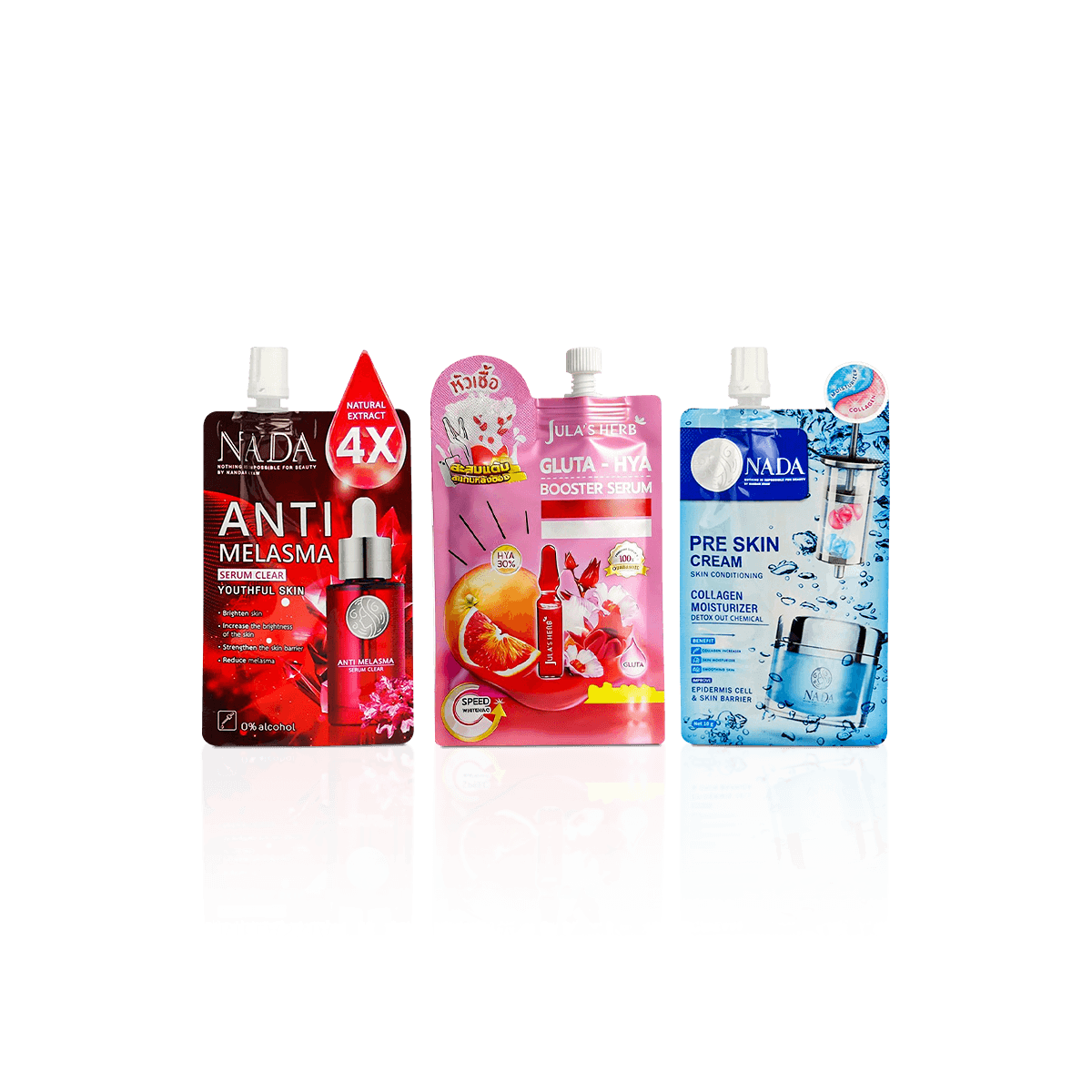
For compatible pourable products, spouted pouches can be considered when a directed outlet is more practical than a tear-open edge.

The spout and cap introduce additional material-contact and closure requirements. Their suitability must be established for the complete product.

Previously Packed Products

Flexible secondary packaging may also be appropriate for individually sealed accessories or products already enclosed in their approved primary containers.

In that situation, the pouch dimensions should follow the completed item.

A flat packet may need little additional depth. A rigid container may require a gusset or a different outer structure.

An outer pouch is generally a poor substitute for a fitted protective carton when the primary container is fragile or has a vulnerable closure.

The appropriate decision depends on the contents rather than the preference for a particular pouch shape.

The Filled Pack's Working Shape

The empty dimensions of a flexible pouch do not describe its final appearance.

Once filled, its front and rear panels move outward, the bottom may expand and the usable printed area can change.

The actual fill also affects how the package stands, hangs or lies inside an outer shipping carton.

Stable Retail Presentation

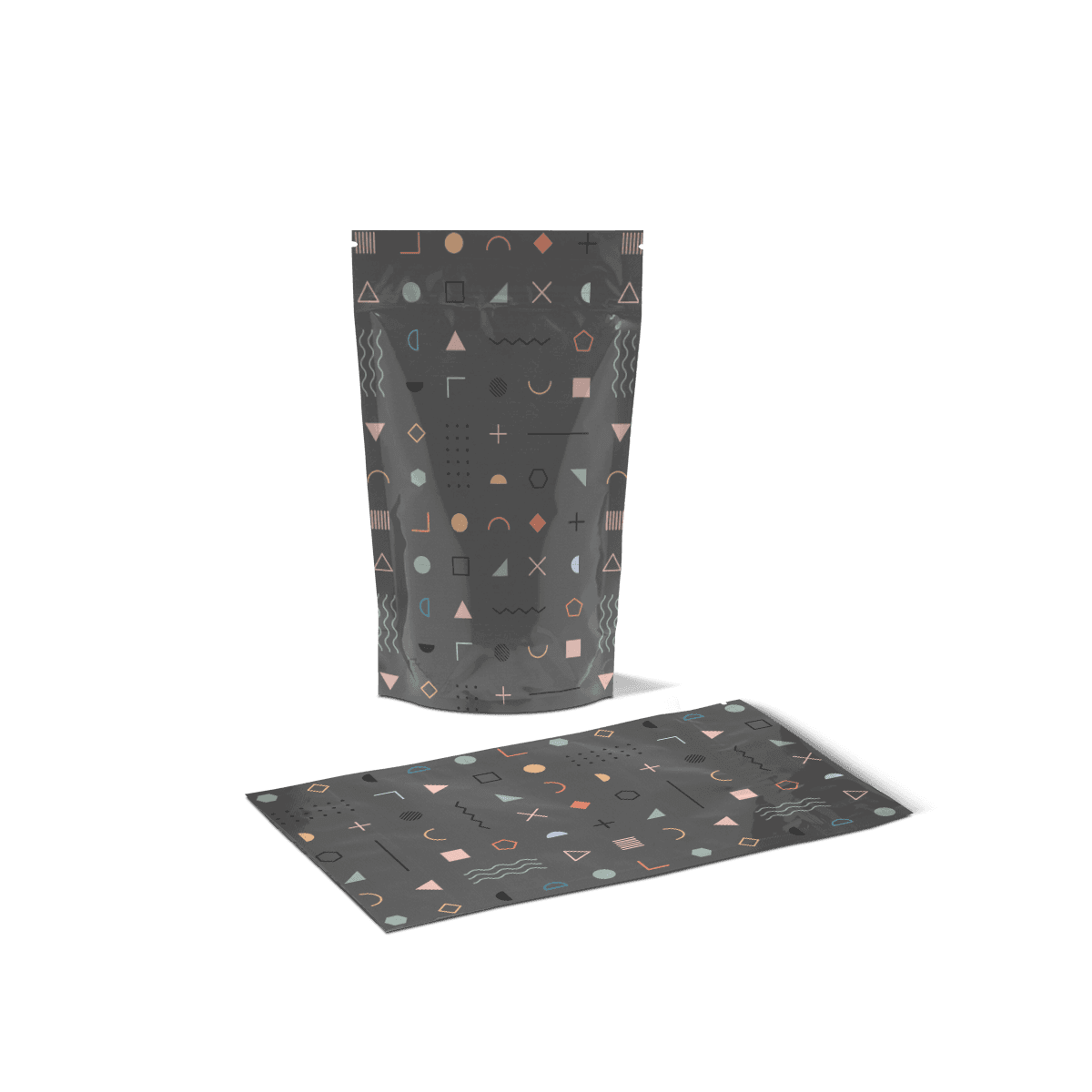
For a pouch intended to stand on a shelf, the bottom gusset must accommodate the contents and establish an appropriate resting position.

A low-weight packet may behave differently from a heavier refill.

The pouch should be assessed in its finished, filled condition rather than only as an empty printed sample.

Excessive height relative to the filled base can make a lightweight package unstable.

A package that leans or folds across its main printed panel may also reduce the readability of important product identification.

Functional Headspace

Headspace should reflect the filling process, closure construction and intended handling.

Too little space may interfere with sealing or make the package difficult to open.

Unnecessary empty volume can create a disproportionately large finished package.

For eligible liquid or semi-liquid products, the appropriate fill level must be established with the filling team.

The dimensions should also accommodate the specified seal and any required opening feature.

Hanging and Flat Display

Compact pouches may be presented on retail hooks or arranged in trays.

A hang hole needs an appropriate position that does not interfere with the closure or the intended sealed area.

The filled weight and film construction affect how the package hangs.

For a flat retail pouch, the product should remain appropriately positioned so the package does not develop an awkward or misleading presentation.

Label Space Across State Markets

CBD packaging artwork needs particular care because product classification and applicable requirements can differ between markets.

The brand must establish the approved wording for every intended sales jurisdiction before the pouch is printed.

A common visual identity does not automatically mean the same complete label can be used everywhere.

Product Identity and Warnings

Reserve appropriate space for the approved product identity, quantity, ingredient declarations, directions and required warnings.

The exact requirements depend on the product and its legal classification.

The front panel should communicate the product identity without relying on unsupported therapeutic claims.

Warnings and other mandatory text must remain readable after the pouch is filled.

FDA states that cosmetic labeling must satisfy applicable requirements and that therapeutic claims can affect whether a product is regulated as a drug.

Custom Packly can prepare the printing layout using approved copy, but the brand's responsible regulatory team must determine and authorize the final content.

Batch and Traceability

Where required, establish positions for lot identification, date coding and other traceability elements.

A printed batch field should remain accessible to the intended coding equipment.

Avoid placing variable codes directly across seams, zipper tracks or heavily distorted portions of the finished pouch.

A QR code may be appropriate for supplementary product documentation where permitted.

However, it should not be assumed to replace information that must appear on the physical packaging.

Any required certificate-of-analysis access or state-specific traceability system must be confirmed for the particular product and market.

Jurisdiction-Specific Artwork

A product sold in more than one state may require different approved artwork versions.

The commercial decision is whether the permitted markets can share a common printed pouch or require separate versions.

Common branding can be maintained while the required product text, warnings or other regulated elements differ.

The final print plan should identify each approved version separately.

A common artwork file should never be reused for a new market without checking the requirements applicable to that product.

Printing Around the Seams

Flexible packaging artwork must follow the final converting structure.

The finished pouch has seal areas, folds, a closure position and potentially a gusset that affects how the printed design appears.

These physical features should influence artwork placement.

Front-Panel Visibility

Place the main product identity on a portion of the front panel that remains visible when the pouch is filled.

Artwork positioned too close to the bottom gusset can become distorted as the package expands.

Large graphic elements may wrap around the side seams, but essential wording should stay clear of the sealed edges.

The finished pouch should be assessed in its expected retail position.

Approved Color Reproduction

The print method must suit the selected flexible substrate and production specification.

CMYK supports full-color graphics, while spot-color requirements can be evaluated where they are appropriate to the printing process.

Matte and gloss finishes may suit different visual treatments.

Any specialty coating or decorative effect must be compatible with the film and must not interfere with sealing or required labeling.

Custom Packly provides free design support, artwork review and digital proofing before production.

A free 3D mockup can help assess the intended package appearance, while a physical sample may be necessary when film behavior, closure access or the completed pouch's shape needs checking.

Free examples of previous work can help assess general print and finish quality. Fully custom physical samples may be paid.

Retail Pack or Parcel Pack

A flexible pouch can reduce the rigid volume associated with some secondary packaging, but it does not automatically provide sufficient protection during parcel shipping.

The actual distribution route determines whether additional packaging is necessary.

For retail presentation, the finished pouch needs an appropriate facing position, clear identification and a structure that supports the intended merchandising arrangement.

For ecommerce distribution, the package must also withstand the expected handling conditions.

A pouch containing a previously packed glass product may require a protective shipping carton. The flexible film alone does not provide the cushioning or structural restraint necessary to protect a fragile bottle.

A lightweight pouch containing a compatible soft product may have different transit requirements.

The outer packaging should follow the packed weight, potential puncture risks and vulnerability of the contents.

Where the product is intended for shipment in a mixed ecommerce order, contact between the pouch and other items should also be considered.

The protective arrangement must remain appropriate for the complete product, including any restrictions established by its manufacturer.

Cost Depends on the Assembly

The price of a custom CBD flexible pouch depends on the approved construction rather than its printed dimensions alone.

Material compatibility, laminate construction, closure type, film consumption, printing and converting requirements can all affect the production cost.

A basic secondary pouch around a sealed product may be substantially simpler than a direct-contact package requiring a specialist laminate and controlled dispensing feature.

The filling process can also change the commercial decision.

A pre-made pouch must work with the intended filling equipment or manual packing operation. A pouch with a specialist closure may require a different assembly or filling method.

Where several approved products use the same dimensions, the possibility of a common pouch construction can be evaluated.

However, a shared film should not be assumed suitable for different formulations simply because the products occupy similar volumes.

Custom Packly supports US production, free shipping and a standard 4–6 day turnaround after final artwork and specifications are approved. Complex constructions, specialty materials and additional validation requirements may affect the schedule.

The USA minimum starts at 100 boxes. Minimum quantities for a particular flexible pouch construction should be confirmed before planning the production order.

Once the required product-contact role, dimensions, film specification and closure are established, request custom pouch pricing for the intended production arrangement.

The approved product and material requirements should accompany the commercial brief so the resulting quotation reflects the actual package.

When a Pouch Is Unnecessary

A flexible pouch is not automatically the right outer package for every CBD product.

A small topical jar may already have a suitable primary container and enough space for its approved labeling.

Adding a decorative pouch can introduce material and packing cost without improving the product's protection or usability.

A fragile bottle may benefit more from a fitted carton than an unsupported flexible outer pack.

For a compatible topical refill, however, a correctly specified pouch may reduce the need for a second rigid container. The dispensing arrangement and product-contact requirements still determine whether that approach is practical.

The same decision applies to the end of the product's use.

A single-use pouch should permit the intended contents to be removed without unnecessary waste caused by an unsuitable opening.

A reusable pouch must retain its practical function after repeated handling. Its closure and intended storage conditions should suit that use.

Recyclable material options may be considered where they satisfy the product's protection requirements, but the complete laminate, closure and local recycling conditions determine whether the finished package can actually be recycled.

The packaging should earn its place by improving containment, handling, presentation or another established product requirement.

For Custom CBD Packaging Flexible Pouches, the finished construction must suit the legally marketable product, its actual contents and the way the customer will use it.

FAQs

Not every product follows the same rule set, but many buyers plan for child-resistant options early because product type and state requirements can shape the final pack choice. It is easier to build around that need from the start than to redesign later.

Stand-up pouches may suit larger legally marketed topical refills that need upright presentation. Flat or three-side-seal pouches may suit compact approved products. The choice depends on the actual contents, fill volume, required closure and approved labeling.

Pouches are often better when barrier performance, lighter outbound weight and resealable use matter most. Child-Resistant Boxes can make more sense when the product needs a rigid secondary pack, a premium unboxing feel or extra structure around inner containers.

More than many brands expect. CBD packs often need room for ingredient details, warnings, usage guidance, net contents, batch coding and scannable data, so panel planning should be part of the pouch layout from the beginning.

Sometimes, but not always. A window can help with product visibility, yet many brands prefer opaque or less transparent structures for discretion, light sensitivity or state-specific presentation needs.

Process

How it works

Your Packaging Journey, From Idea to Production and Delivery

01

Tell Us Your Specs

Custom packaging boxes

Tell Us Your Specs

Provide size, quantity, printing, and finishes.

02

Get a Fast Quote

Custom packaging boxes

Get a Fast Quote

Instant transparent pricing, no hidden fees.

03

Design and Approval

Custom packaging boxes

Design and Approval

Artwork checks, revisions, and final sign-off.

04

Produce

Custom packaging boxes

Produce

Expert manufacturing to meet deadlines.

05

Ship to Your Door

Custom packaging boxes

Ship to Your Door

Hassle-free, flexible delivery options.

Get Your Quote for Custom CBD Packaging Flexible Pouches

Share your product details, size, quantity and artwork needs. We’ll help choose the right packaging style and send a clear quote.