Skip to content
Details

Custom CBD Packaging

Packaging for legally marketed CBD products, built around the primary container, barrier duty, labeling space, opening controls and the route from retail shelf to shipment.

Start With the Product Form

Custom CBD Packaging has to follow the product inside, not the other way around. A dropper bottle, gummy pouch, balm jar, topical tube and multi-product kit create different fit, barrier, labeling and handling requirements even when they share the same brand.

The first decision is the product form and its primary container. The outer package should then solve a specific job such as shelf presentation, product restraint, extra labeling space, grouped merchandising or parcel protection.

CBD products that sit beside supplements and herbal goods can share brand rules with Custom Wellness Packaging, but the package still needs to be specified around the exact container and approved product claims.
Separate the Primary Pack From the Outer Pack

The bottle, jar, pouch or tube that directly contains the product usually carries the main barrier and closure duty. A folding carton, display box, rigid presentation box or mailer around it performs a different role.

That distinction prevents the outer carton from being credited with protection it does not actually create. A paperboard box can add print area and hold an insert, but it does not replace the seal, liner, closure or barrier built into the primary package.

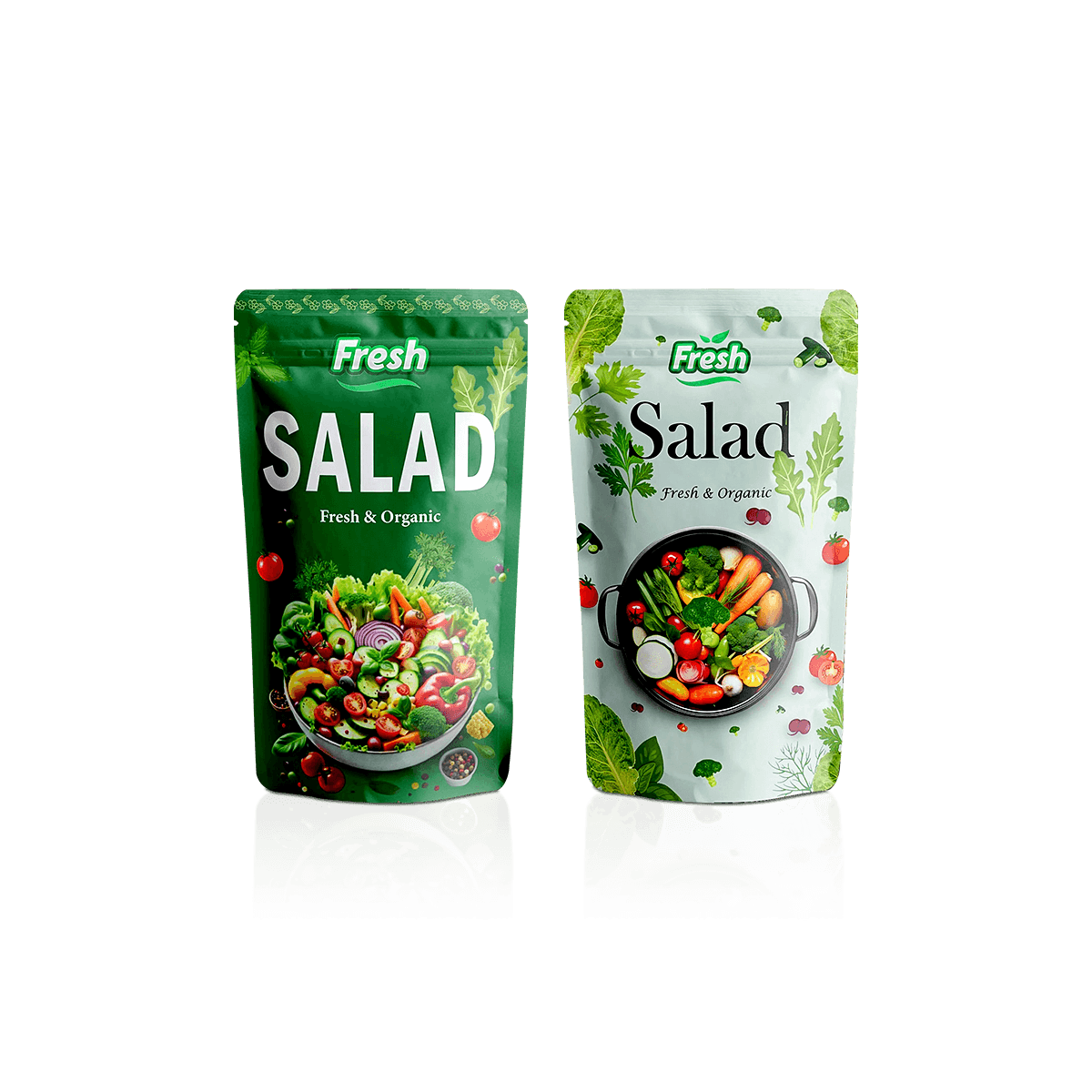
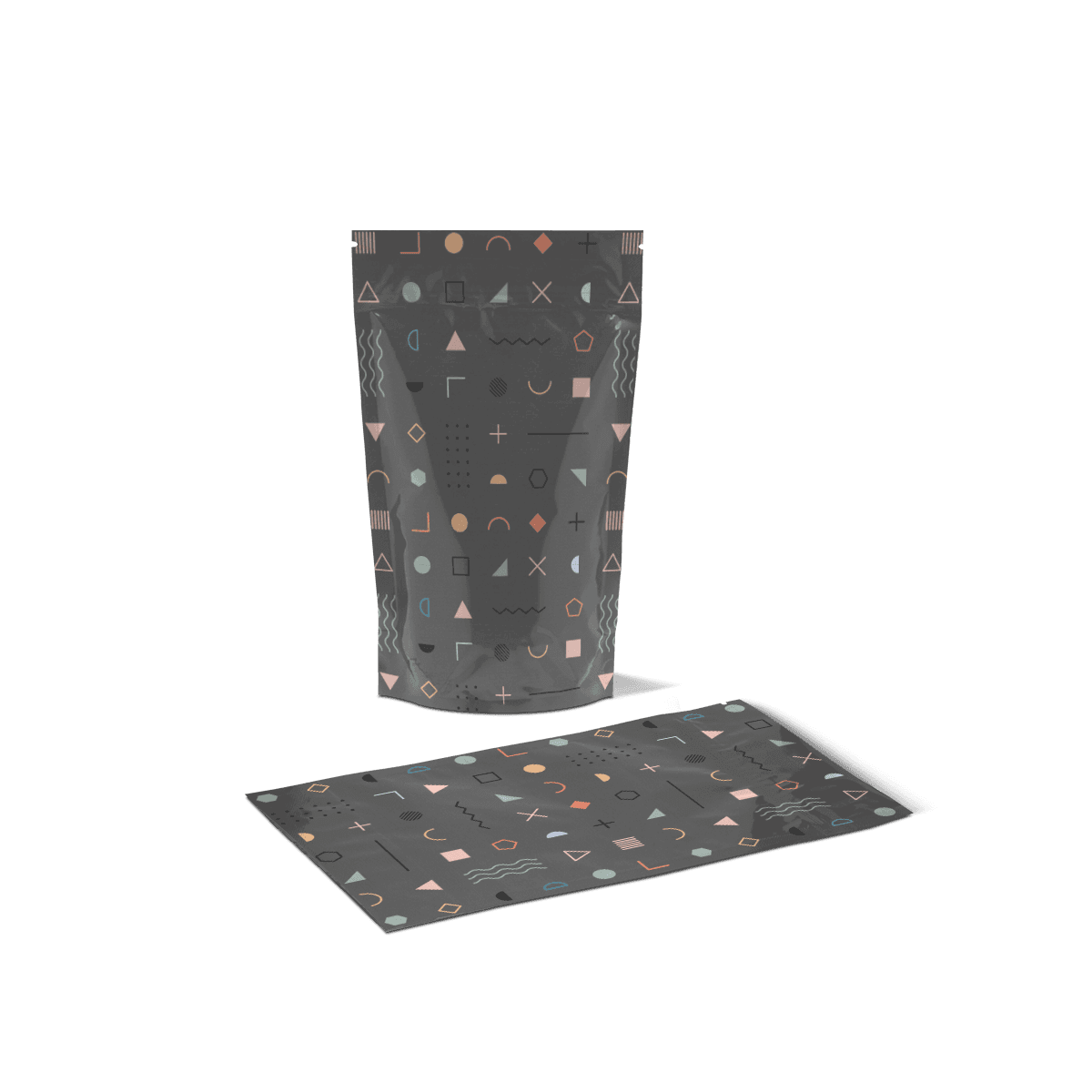
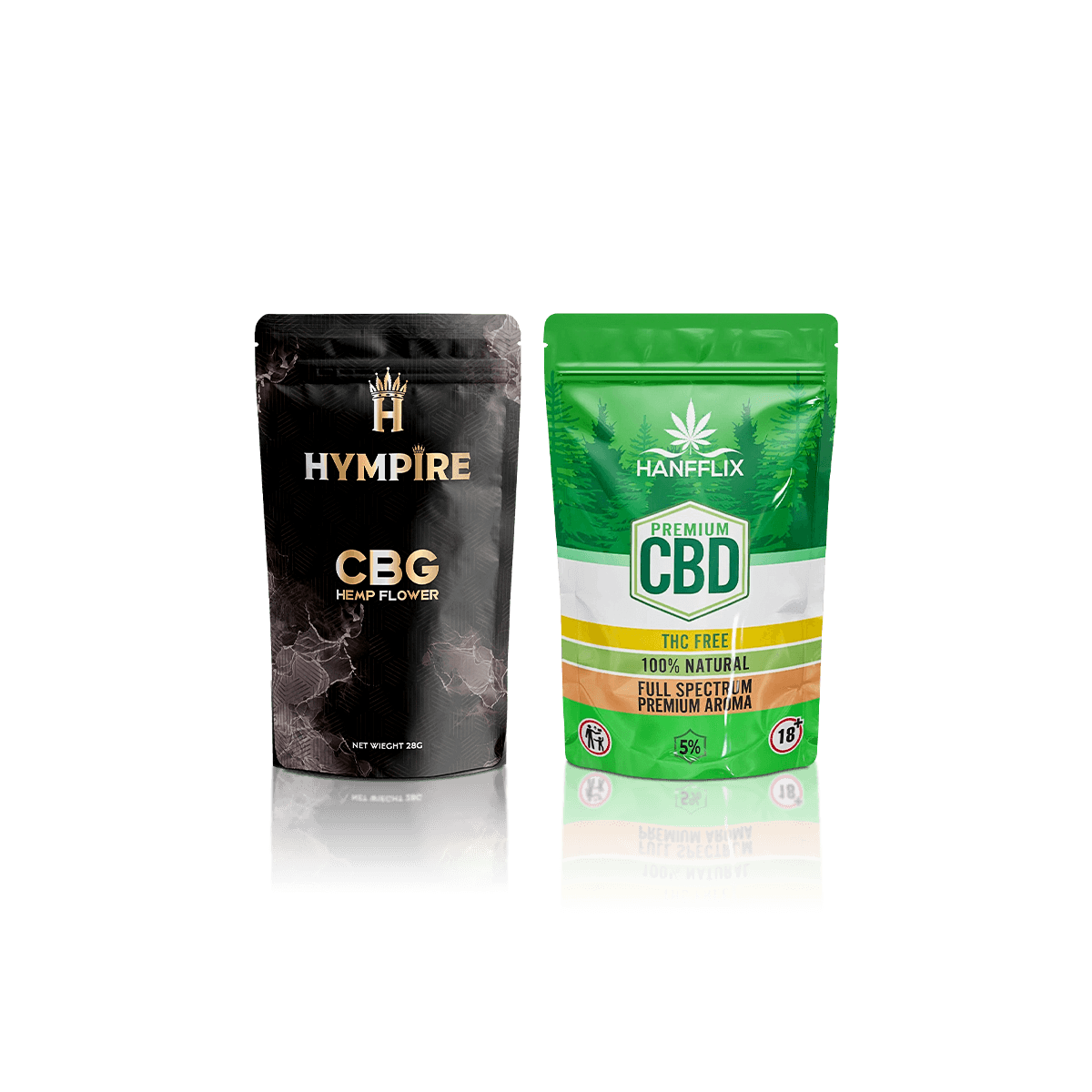
For gummies, powders and other flexible formats, Custom CBD Packaging Flexible Pouches put film structure and closure closer to the product itself.

Dropper Bottles Need Neck and Bulb Clearance

Tincture and oil packs often fail at the top rather than around the bottle body. The pipette cap, child-resistant closure where applicable, tamper ring or rubber bulb can be wider or taller than the glass container used for the initial measurement.

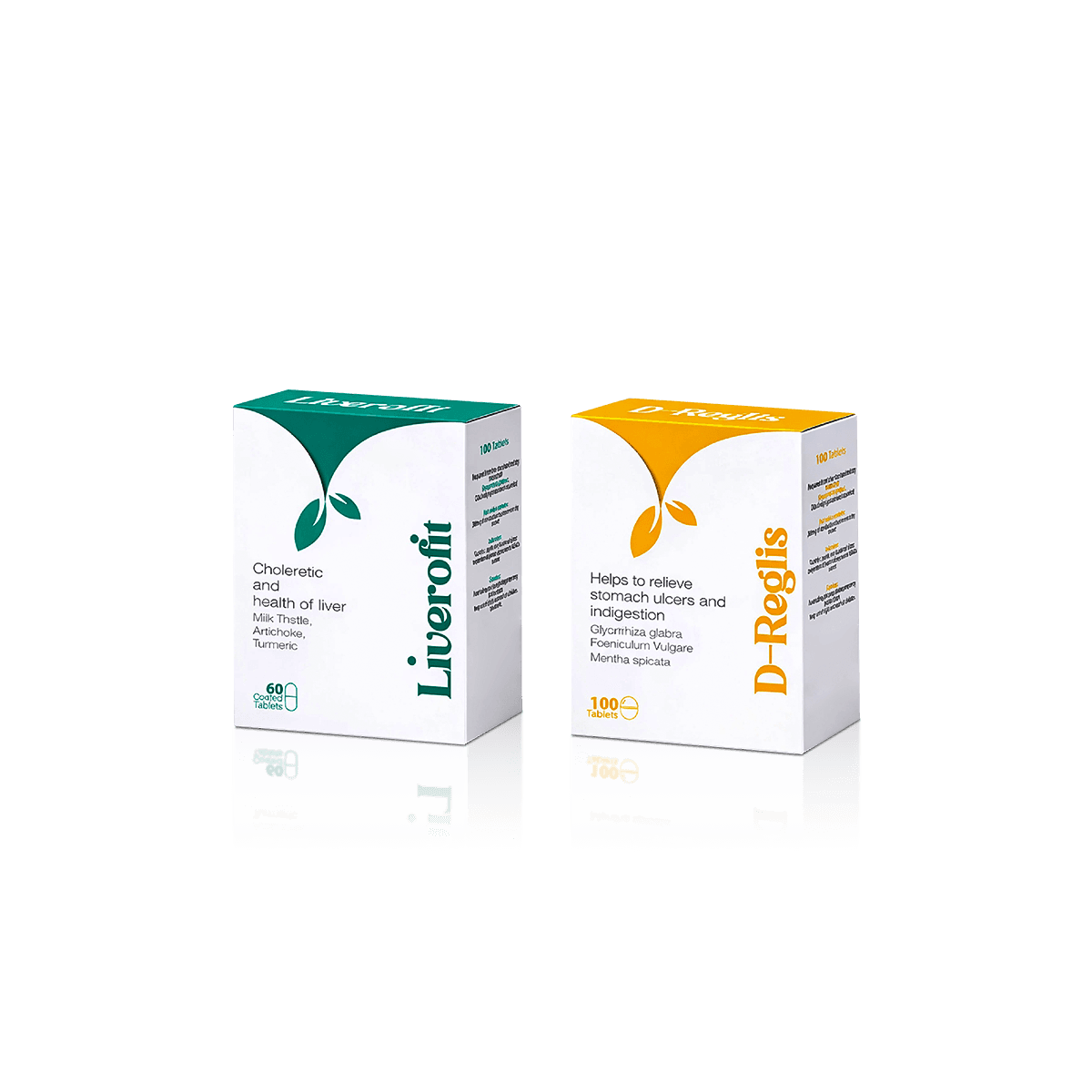
Measure the fully assembled sale unit. If an insert captures the bottle, support it at stable areas instead of forcing pressure onto the dropper assembly. The upper clearance should allow the carton to close without making the closure itself carry compressive load.

For a multi-bottle set, compare the tallest closure across the SKU group before fixing one common outer depth.

Bottle Closures Set the True Height

CBD oil and tincture cartons should be measured around the full bottle, including the dropper bulb, cap, pipette closure, tamper feature and label. The nominal glass body is often not the tallest or widest point.

A close-fit carton can improve shelf presentation, but it should not press on the dropper or force operators to push the bottle past a tight opening. If an insert is used, measure the bottle and insert as one packed unit.

When product movement is the main issue, foam, cardboard and molded-pulp inserts can help decide whether the need is retention, cushioning or presentation.

Barrier Belongs Closest to the Contents

Gummies, powders, capsules and similar products may be sensitive to moisture, oxygen, light or aroma loss. Those requirements should be handled by the primary pouch, bottle or liner that is actually protecting the contents.

Do not choose a metallic-looking film or kraft-style surface and assume it meets a barrier target. Ask for the material structure and confirm that it fits the product and intended storage conditions.

For boxed products, the outer paperboard can then be selected for stiffness, printing and merchandising rather than being asked to perform a barrier job it cannot prove.

Gummies Need Portion and Reclosure Decisions

A gummy product sold for repeated use creates a different opening pattern from a single-dose sample. The primary pouch or container may need reclosure, while the outer carton may be opened once and discarded or kept for instructions and presentation.

Do not add a zipper to an outer flexible pack if the inner container already performs the reclosure job. Conversely, a primary pouch intended to be opened over many servings should be sized so the zipper, tear area and remaining headspace continue to work as product level falls.

The useful package keeps each closure responsible for one clear job.

Child Resistance and Tamper Evidence Are Different

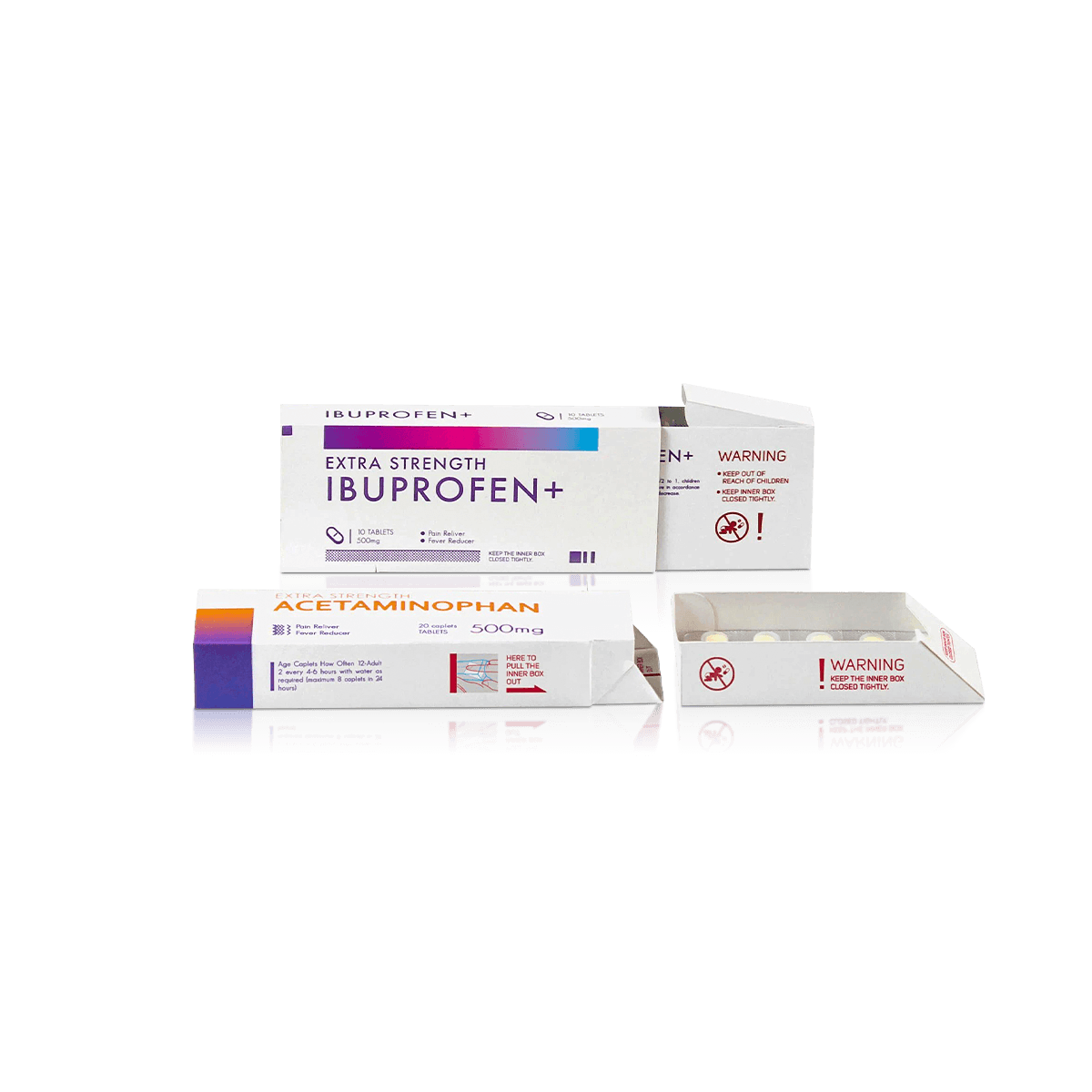
Child-resistant packaging and tamper-evident packaging solve different problems. One controls access according to a tested opening mechanism; the other shows whether a package may have been opened or interfered with.

The requirement may sit in the primary container, the pouch, the outer carton or a combination of components. It should be identified before the package is designed because the opening sequence can change dimensions, copy placement and user instructions.

When a controlled carton opening is needed, Custom Child-Resistant Boxes should be specified around the actual mechanism rather than a general safety claim.

Labeling Space Is a Design Constraint

CBD packaging often carries dense product information. Reserve enough panel space for the wording the brand has approved, including product identity, net quantity, ingredients or contents, directions, warnings, business details, codes and any market-specific statements that apply.

Custom Packly can organize supplied copy on the dieline and help keep small text away from folds, glue areas and finish boundaries. The brand remains responsible for confirming legal wording, claims and market requirements with the appropriate adviser.

Do not let foil, embossing or a large lifestyle image consume the area later needed for mandatory or operational copy.

Topicals Need Leak-Aware Secondary Fit

Balm jars, pump bottles and topical tubes can introduce residue or leakage risks that dry products do not. The outer carton should be easy to pack and clean, while the primary closure and seal remain responsible for containment.

Leave enough clearance around pumps, caps and crimped tube ends so the outer package does not trigger the dispenser or deform the container. A fitted insert can keep multiple components separated without squeezing vulnerable closures.

For ecommerce kits, consider how a leaked primary pack would affect neighboring products and printed inserts rather than assuming the presentation box is a liquid barrier.

Retail and Ecommerce Need Different Outer Layers

A lightweight retail carton can look correct on shelf and still be unsuitable as the only parcel package. Ecommerce adds carrier handling, label placement, stacking and movement that the retail carton may not be built to absorb.

For a single premium item, the retail carton can sit inside a right-sized Custom Mailer Box. Heavier or multi-item shipments may need Custom Shipping Boxes instead.

The useful packaging system keeps the retail layer focused on product presentation and the shipping layer focused on transit.

Displays Need a Refill Plan

Counter displays for small CBD products should be sized around the number of units that remain shoppable as stock is removed. A display that looks good only when full can collapse visually or physically halfway through the selling cycle.

Set facing count, product depth and front-wall height around real units. If different strengths or flavors share one display, give staff a replenishment method that keeps variants separated.

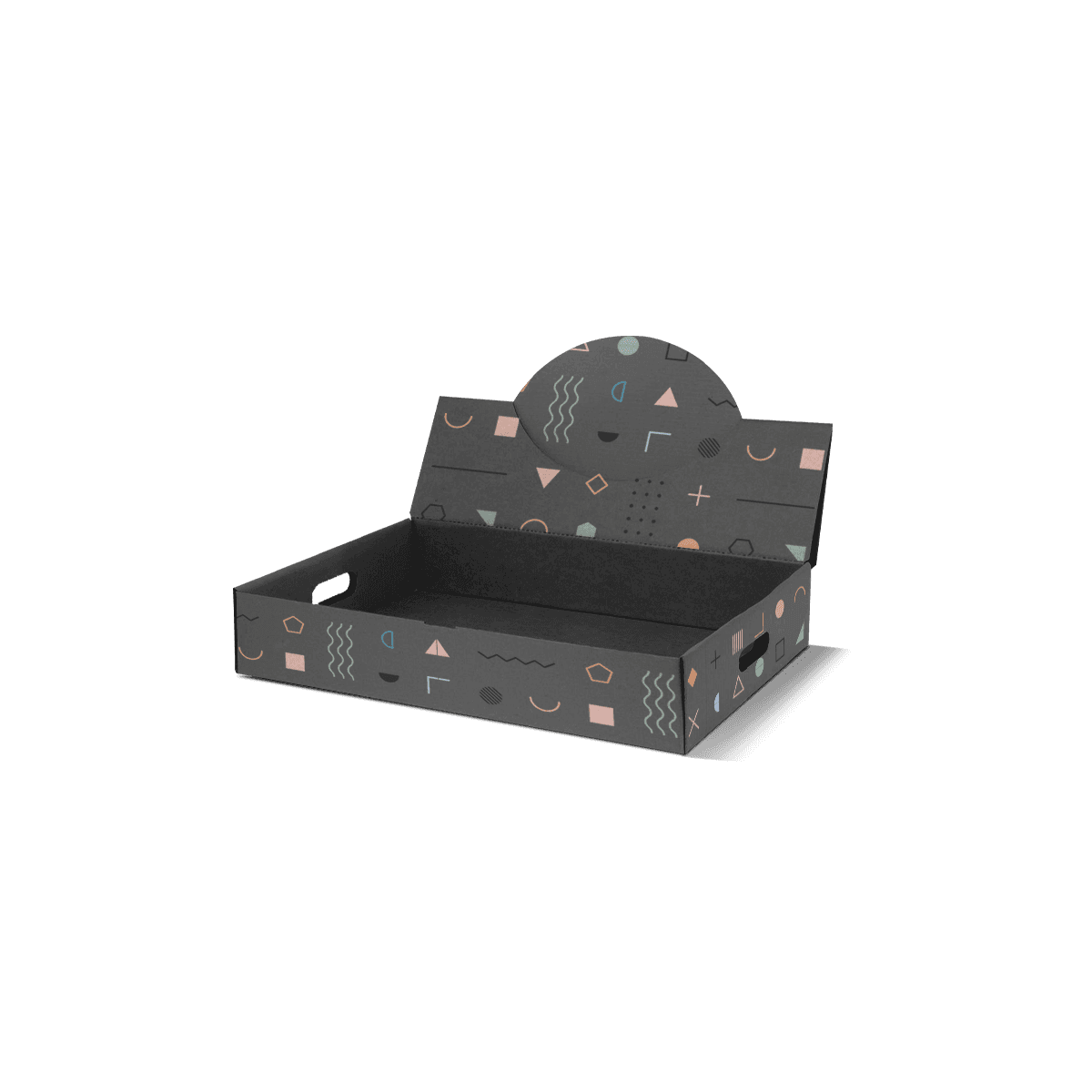
Custom Display Boxes can carry small bottles, cartons or pouches when counter access and refill behavior are part of the brief.

Claims Should Not Outrun the Approved Copy

Packaging design can make product information easier to find, but it should not create health, efficacy, certification or legal claims that the brand has not approved. Decorative badges and shorthand callouts can become claims just as easily as body copy.

Supply final approved wording before prepress where possible. If legal review is still open, reserve the necessary panel area and avoid building the visual hierarchy around provisional language that may later expand.

Custom Packly can check artwork mechanics and panel fit, but regulatory approval of CBD claims remains the responsibility of the brand and its qualified advisers.

SKU Growth Needs Version Control

CBD product lines often multiply by flavor, strength, count, size or format. The risk is not just ordering the wrong box size. Artwork and product information can drift across similar-looking SKUs.

Use a controlled naming system for dielines and artwork files. Keep one approved structural specification per size, then map each design version to it. A strength or flavor change should not silently change panel copy on another SKU.

When brand color is shared across many versions, CMYK and Pantone printing can help decide how color control should work across paperboard and flexible film.

Quantities Should Be Split by Artwork Version

A total order quantity is not enough when several designs are being printed. Ten SKUs of 500 units each create a different production plan from one design at 5,000 units even though the total volume is identical.

Share quantity by size and artwork version. That makes tooling, print method, finish setup and replenishment easier to price accurately.

Custom Packly's USA MOQ starts from 100 boxes. For larger repeat programs, warehousing and scheduled deliveries can support staged releases where a full production run would otherwise create a storage problem.

Proof the Panels Before Production

The dieline should be final before artwork is treated as final. Check cut and crease lines, bleed, safe areas, panel direction, barcode placement and any finish mask on the actual structure.

A digital proof and 3D mockup can catch panel errors before production. A paid custom physical sample can be useful when fit, opening control, unusual inserts or a tightly packed container needs a real-world check.

When artwork teams need the structural basics first, packaging dielines show how the flat file becomes the finished package.

Send the Product System for Pricing

A useful CBD packaging quote starts with the exact product form, primary container dimensions, quantity by SKU and the sales route. Add the preferred outer structure, material, print, finish and insert only where those choices are already known.

Custom Packly provides US production, free shipping, free design and dieline support and 3D mockups. Standard turnaround is 4–6 business days after final artwork and specifications are approved; complex structures, specialty materials or advanced finishes can require more time.

The objective is a package that fits the container, reserves the right information space and moves through packing, retail or ecommerce without asking one component to do a job it was never designed to perform.

One Brand May Need Several Packaging Layers

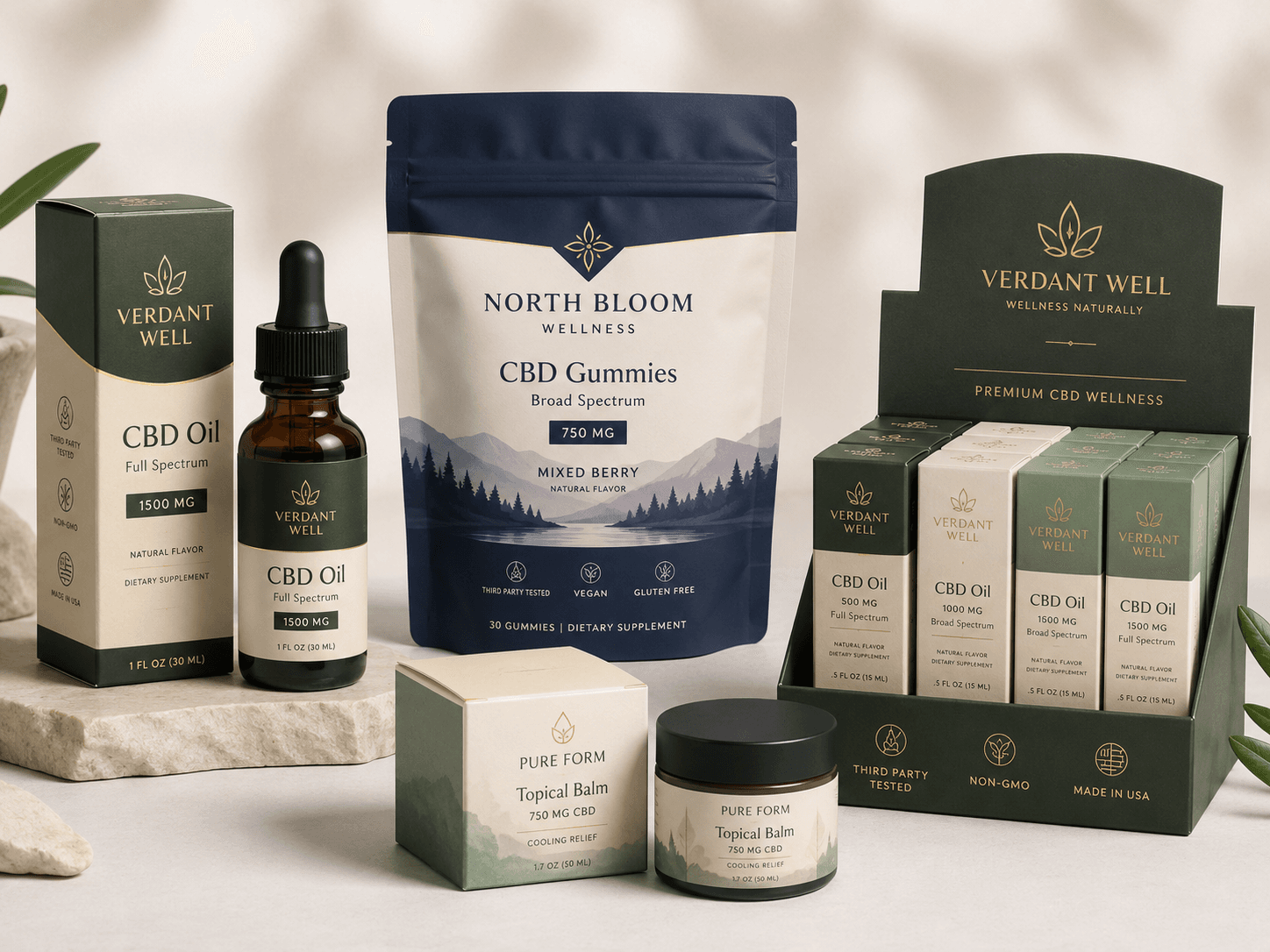
A CBD line can use folding cartons for bottles, flexible pouches for gummies, display boxes for retail and mailers for direct-to-consumer orders without looking fragmented. Consistency should come from color, typography, information hierarchy and repeat design rules rather than forcing every product into one structure.

Create a packaging system that identifies which elements must stay constant and which are allowed to change with the product form. A shared color block or type hierarchy can travel across paperboard and film even when dimensions and closures are different.

That approach makes future SKUs easier to add because the brand system is stable while the physical package continues to follow the product.

Folding Cartons and Rigid Boxes Signal Different Jobs

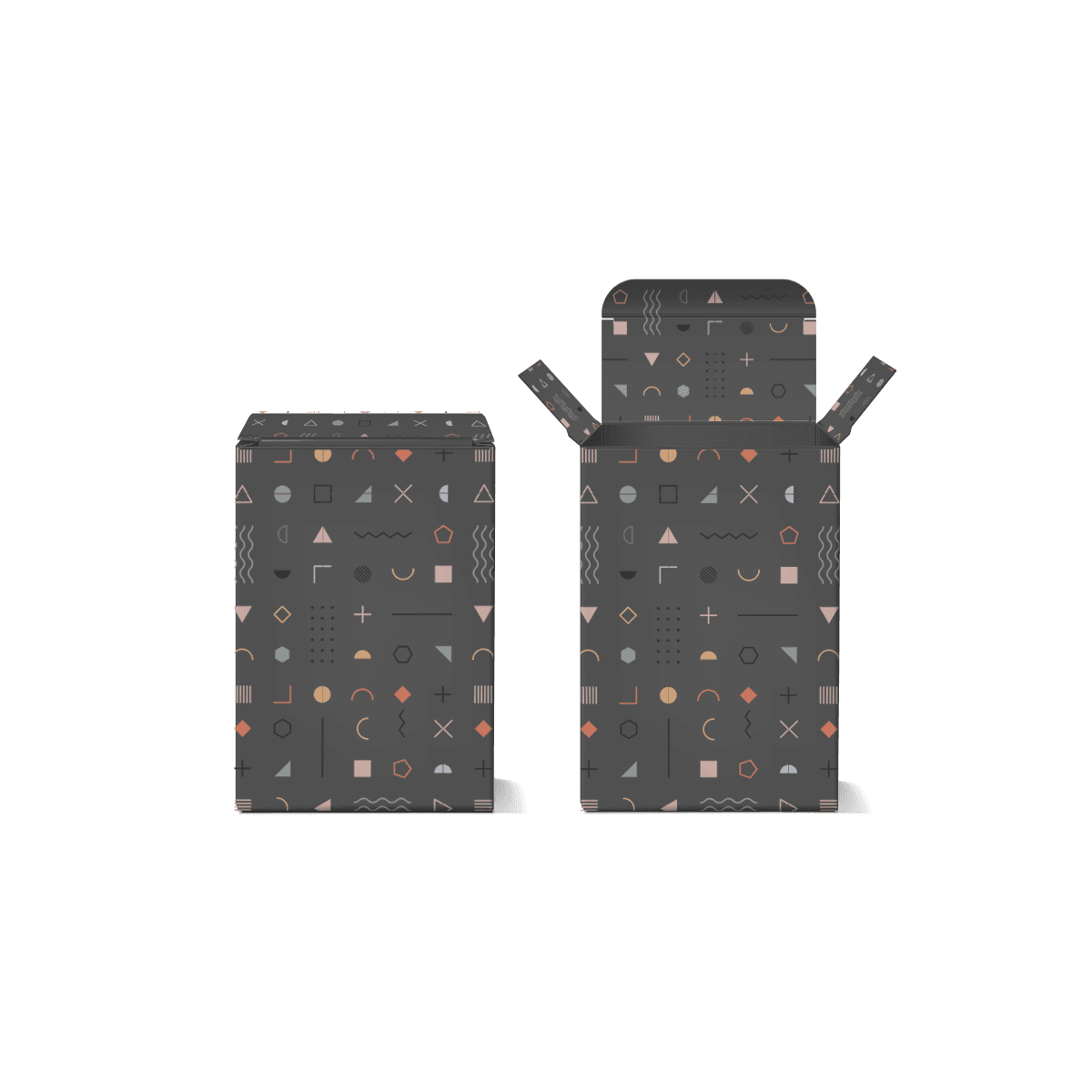
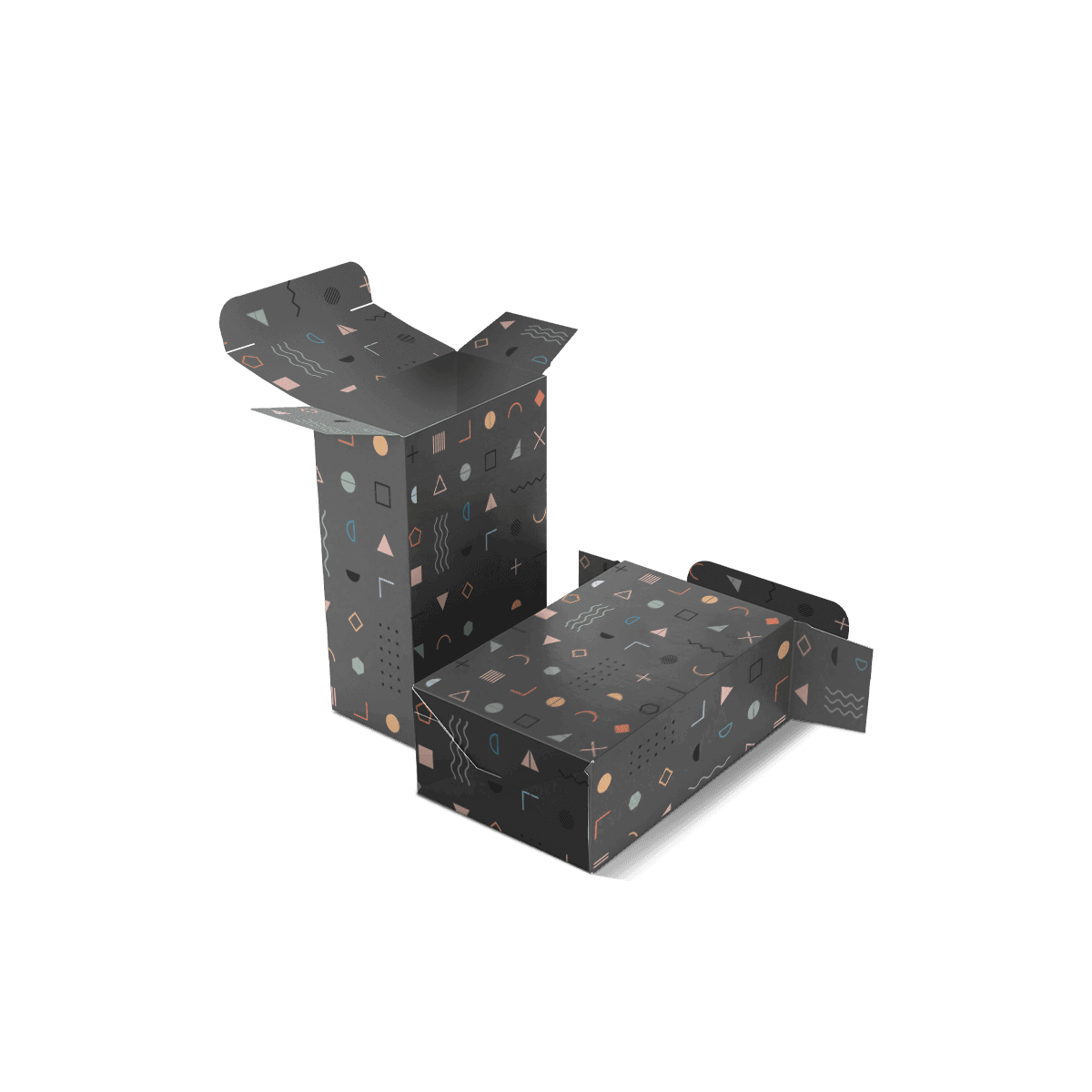
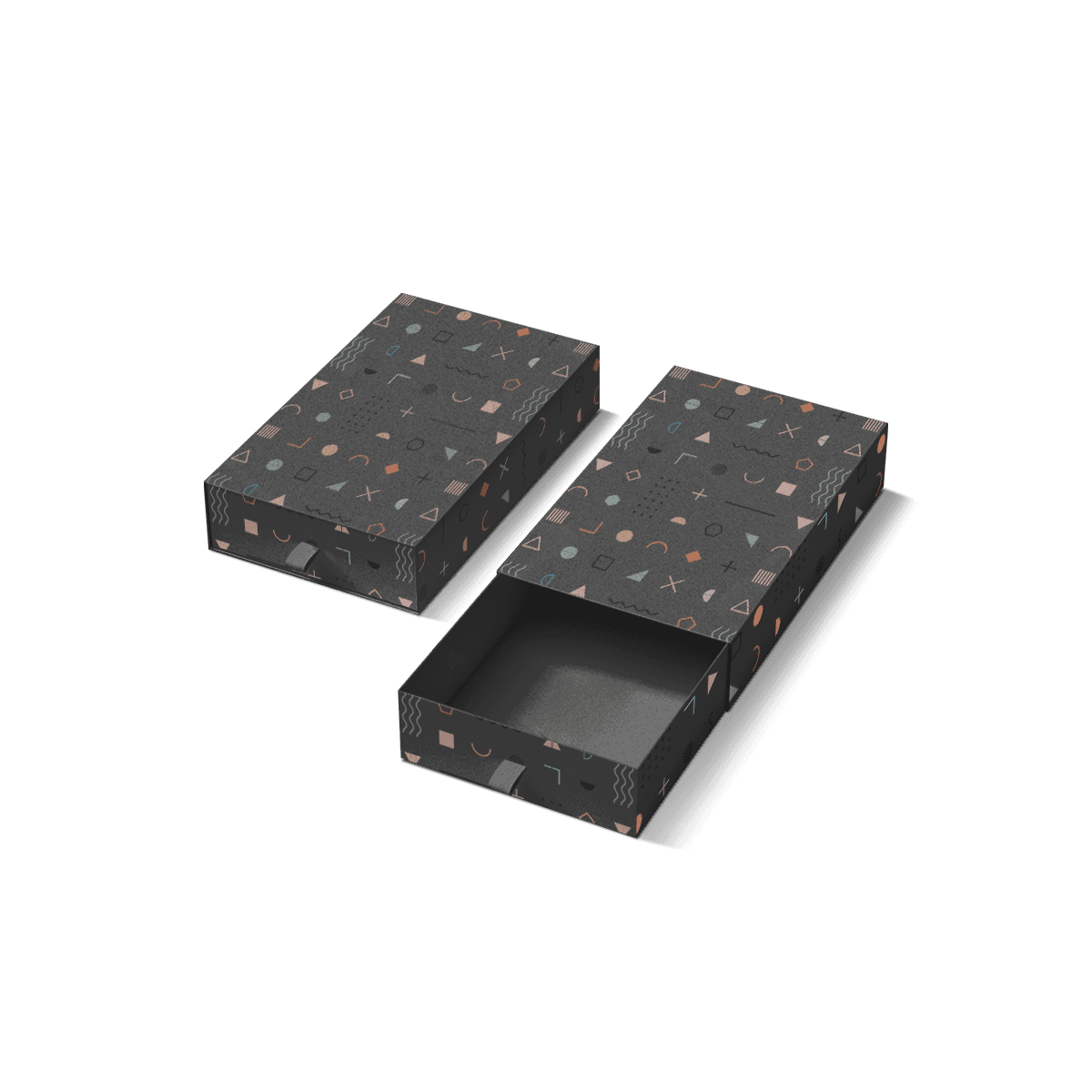
A paperboard folding carton is usually the efficient choice for a single bottle, jar or pouch that needs shelf graphics and information space. A rigid box makes more sense when the product is a premium set, the opening sequence is part of the value or several components need a fitted presentation tray.

The rigid option still needs an outer shipper for parcel delivery, and its higher material and assembly cost should fit the product's price architecture. Premium presentation is not automatically a reason to move every CBD SKU into a setup box.

Use the sales channel, product value and component count to decide which layer deserves the heavier structure.

Sampling Should Match the Risk

A digital proof and 3D mockup can confirm panel direction, artwork hierarchy and general structure. A physical custom sample becomes more valuable when the project has a tight bottle insert, an unusual child-resistant mechanism, a complex kit or a closure that must be tested with the real container.

Free sample examples of previous work can help evaluate general print and material quality, while fully custom pre-production samples are paid custom samples. Do not treat those two sample types as the same service.

The approval method should follow what can realistically fail. A simple printed carton may not need the same physical validation as a multi-component presentation pack.

Secondary Cases Need SKU Identification

When several strengths, flavors or formats ship in similar outer cartons, the corrugated case and warehouse label become part of version control. Staff should be able to identify the correct SKU without opening every case.

Keep case labels, carton counts and artwork-version names aligned with the production record. If different CBD products share one outer case size, the label system has to carry the distinction that the corrugated box itself no longer provides.

This is a simple operational control, but it matters more as the product line and reorder frequency grow.

Custom CBD Packaging FAQs

A fitted folding carton often works well for CBD oil bottles. Measure the full bottle with the dropper or cap in place. Add an insert when the bottle needs more support. It may use paperboard or corrugated stock.

Yes. The structure can fit a bottle, jar, tube, pouch or product set. Include the closure, insert and board thickness. Leave enough room for easy packing.

They can include controlled opening features when needed. The system may involve the primary closure, pouch or outer carton. Confirm the need before the structure is final.

Send the product type and full container size. Add the quantity per SKU, style and material. Include insert needs, print, finishes, art status, target date and shipping ZIP code.

Process

How it works

Your Packaging Journey, From Idea to Production and Delivery

01

Tell Us Your Specs

Custom packaging boxes

Tell Us Your Specs

Provide size, quantity, printing, and finishes.

02

Get a Fast Quote

Custom packaging boxes

Get a Fast Quote

Instant transparent pricing, no hidden fees.

03

Design and Approval

Custom packaging boxes

Design and Approval

Artwork checks, revisions, and final sign-off.

04

Produce

Custom packaging boxes

Produce

Expert manufacturing to meet deadlines.

05

Ship to Your Door

Custom packaging boxes

Ship to Your Door

Hassle-free, flexible delivery options.

Get Your Quote for Custom CBD Packaging

Share your product details, size, quantity and artwork needs. We’ll help choose the right packaging style and send a clear quote.