Skip to content
Details

Custom Lash Boxes

Packaging sized around the loaded lash tray, with clearance for curl height, controlled tray retention and clear presentation for strip lashes, clusters, magnetic sets and multi-pair collections.

The Curl Needs Space Above the Tray

Custom Lash Boxes can fit a tray perfectly around its edges and still damage the product if there is not enough space above the lashes.

The tray footprint controls length and width. The highest point of the installed lashes controls the minimum usable depth above it. Dramatic strips, dense styles and pronounced curls can rise considerably higher than the plastic or paperboard tray that carries them.

That makes vertical clearance one of the first structural decisions.

A lid, sleeve or clear window should not press against the fibers when the pack closes normally or when the tray shifts slightly during handling. The purpose of the box is to preserve the presentation the customer expects to see when it opens.

Measure the Loaded Tray

Do not size the packaging from an empty tray.

Install the actual lash style first, then measure the complete loaded presentation: tray length, width, maximum tray depth and the highest point reached by the lashes.

Two styles using the same tray can still need different internal height if one has more projection or a taller curl.

That difference matters when a brand moves from natural styles into fuller or more dramatic collections without changing its tray supplier.

Clearance Is Not Empty Waste

A small amount of deliberate headroom performs a job.

It prevents fibers from rubbing against the inside surface and gives the tray enough tolerance to sit correctly without making the carton unnecessarily deep.

Too much unused height creates a different problem. The pack becomes bulkier and the tray can look visually lost inside it.

The goal is controlled space around the lash, not maximum space.
Hold the Tray, Not the Fibers

Lashes are light, but the tray can still slide inside an oversized carton during handling.

That movement matters because the tray carries the presentation. If it rotates, shifts toward one wall or rises out of position, the lashes no longer appear centered through a window or when the box is opened.

Retention should therefore act on the tray or its supporting card.

Paperboard locating tabs, fitted cavities or a correctly sized sleeve can control the carrier without pressing directly against the lash fibers. A separate insert becomes more useful when the package includes several trays or accessories.

When several trays or accessories need separate positions, packaging inserts can control them without touching the lash fibers.

Finger Access Matters Too

A tray fitted so tightly that it cannot be removed easily is not a precise fit.

Leave enough access for a customer to lift or slide the tray without pulling on the lashes themselves. A finger notch, exposed tray edge or deliberate removal direction can make a small package much easier to use.

The retention system should secure the product during handling and release it cleanly when intended.

The Window Should Frame the Lash

False lashes are unusually visual products. Shape, density, length and arrangement can influence the purchase before the customer reads the supporting copy.

A window can therefore do meaningful work.

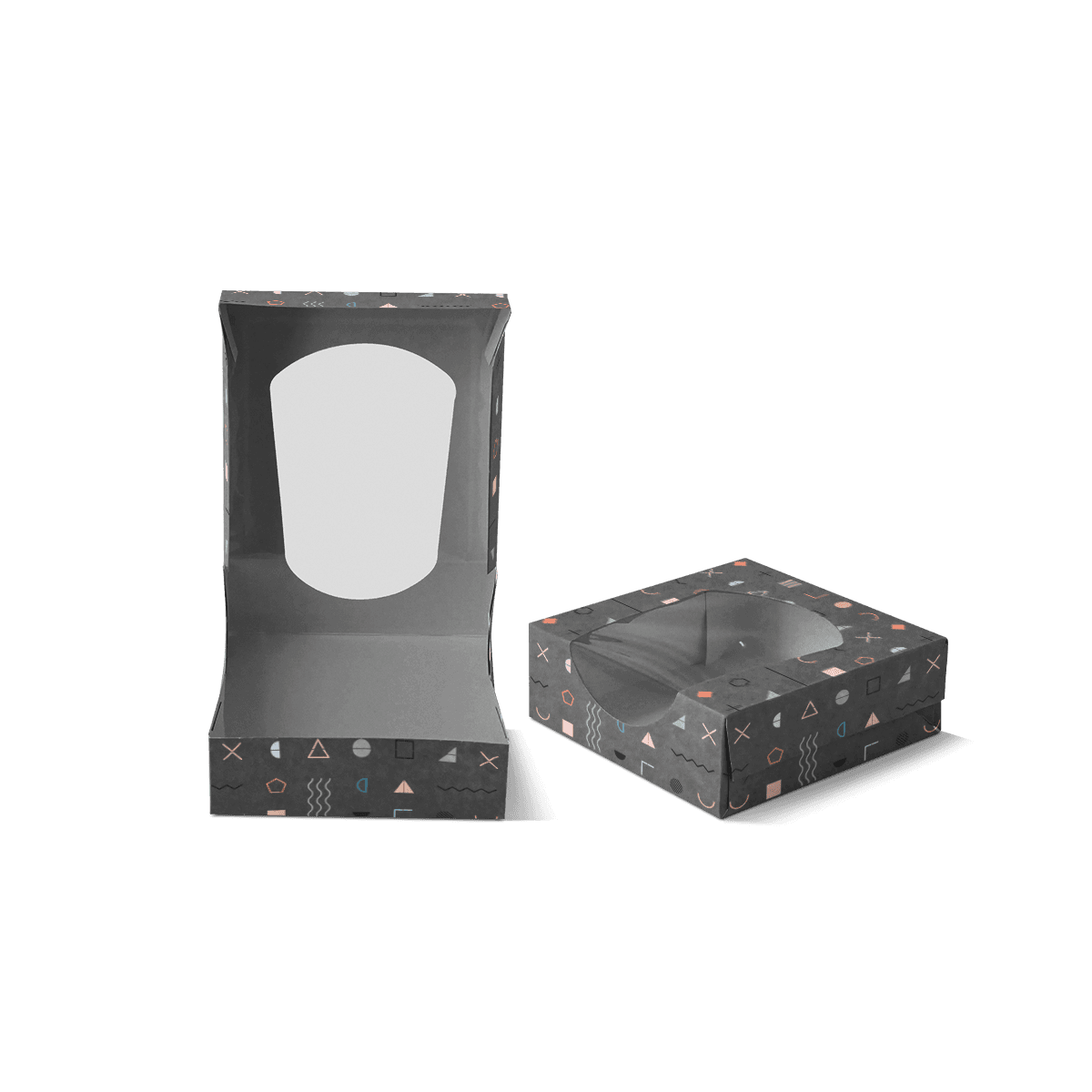
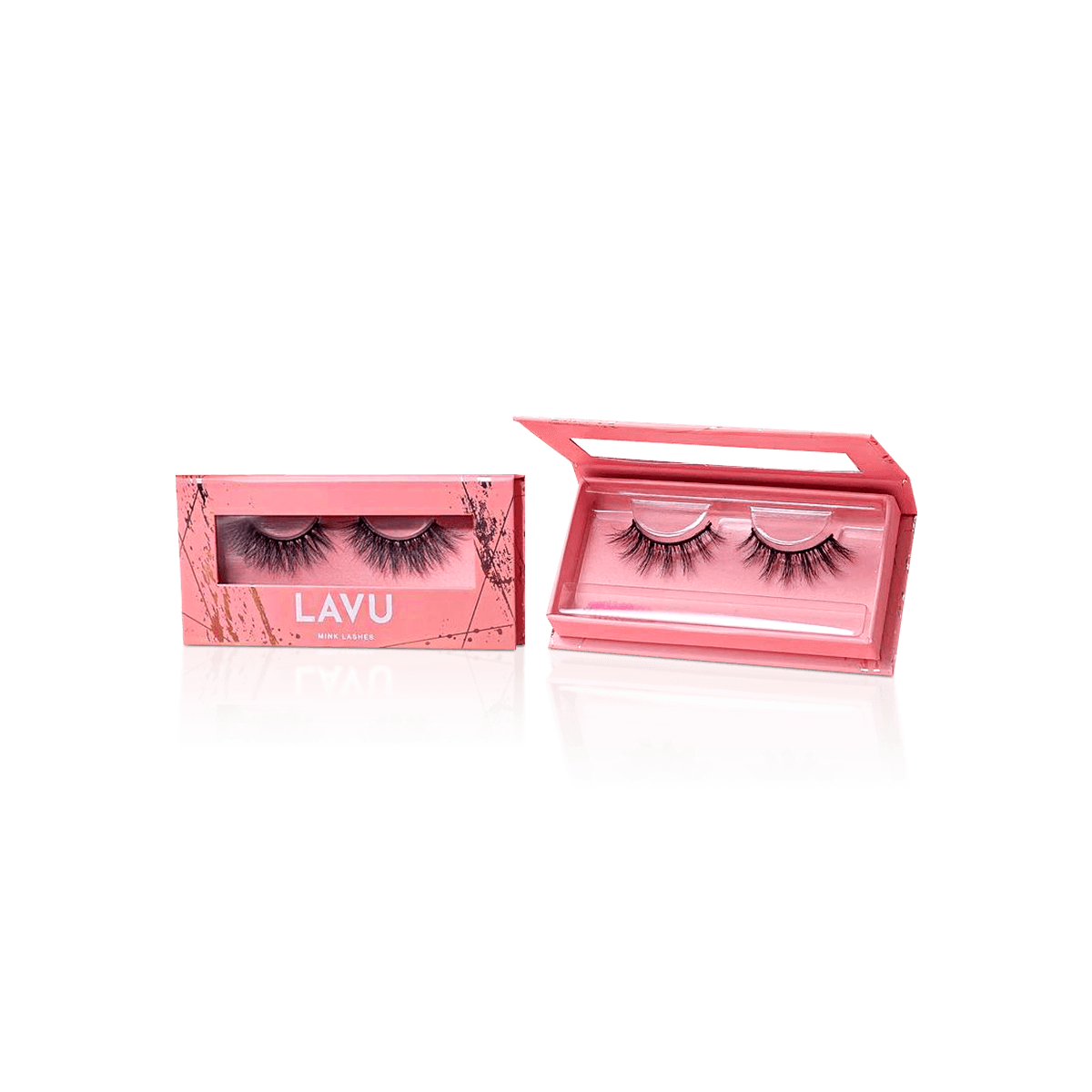
Windowed Folding Cartons while leaving enough surrounding paperboard for branding and SKU text.

But the opening should be based on the final tray position, not placed as a decorative shape first and fitted to the product later.

Show the Useful Area

A small opening that reveals mostly empty tray adds little.

The window should expose enough of the lash silhouette for the customer to understand the style. For a single pair, that may mean centering the opening around the complete curved arrangement. For clusters or several short segments, a broader opening may make the organization easier to read.

The window edge should not cover the outer tips simply because the artwork grid was developed before the tray.

Keep the Window Off the Curl

A clear patch or lid can still contact the product if the internal height is too shallow.

This is easy to miss in a flat artwork proof because the viewing panel looks correctly positioned from above.

A free 3D mockup can help confirm the relationship among the carton, opening and tray before production, while a physical pre-production sample becomes more useful when exact curl clearance needs to be checked by hand.

Custom Packly provides design and dieline support as part of that setup.

One Pair and Five Pairs Need Different Structures

Increasing pair count changes more than box width.

A single lash tray can sit in a compact folding carton with relatively little internal engineering. A three-pair or five-pair collection needs a clearer decision about how the trays are arranged and how the customer accesses them.

Placing several trays loosely into one oversized cavity usually creates a poorer presentation than designing around the collection from the start.

Single-Pair Retail Packs Stay Compact

For everyday retail lines, compact cartons help keep shelf footprint, shipping volume and material use under control.

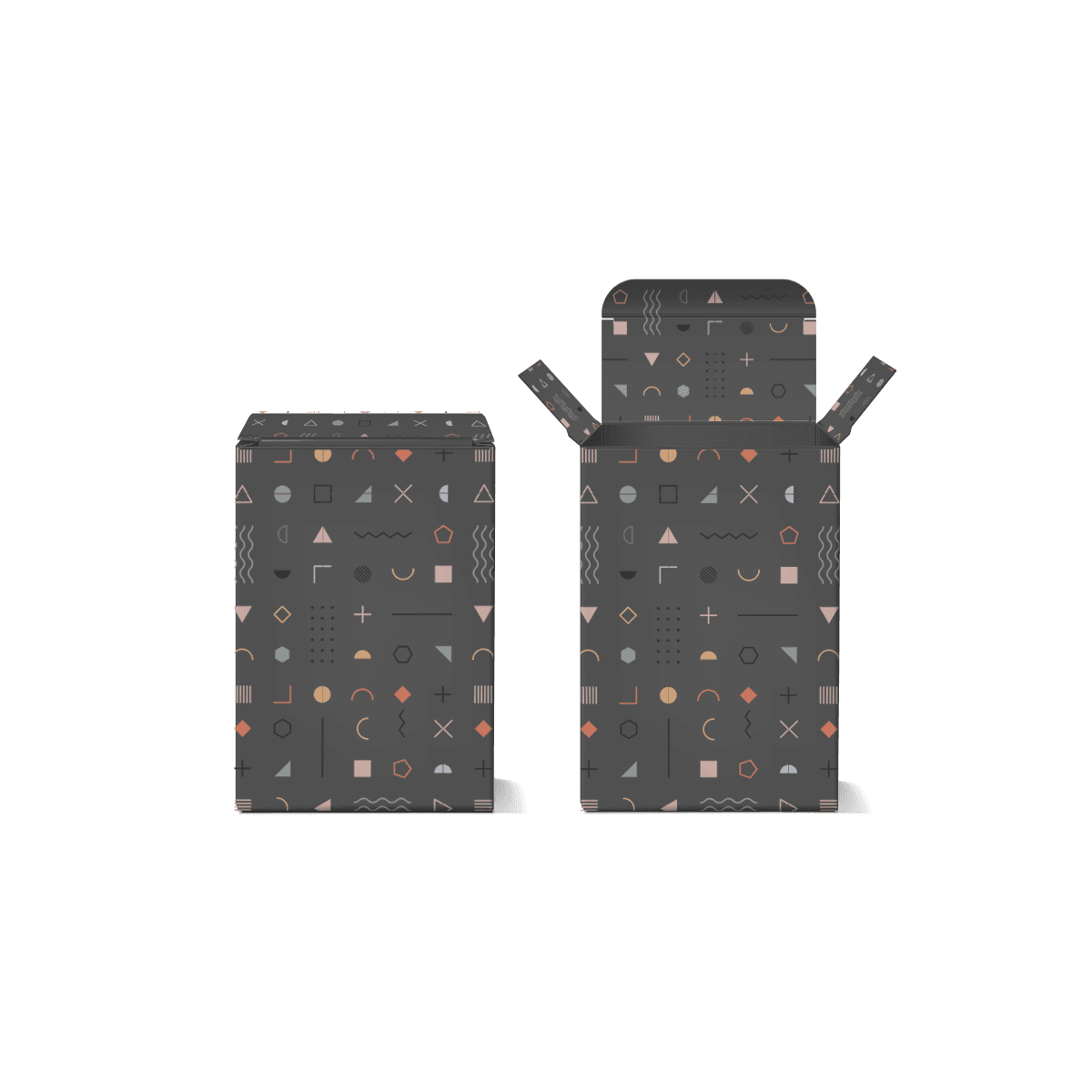
A tuck-style carton can provide enough structure around a fitted tray while leaving the primary panels available for branding, style identification and barcode placement.

This is often more practical than using rigid board on every repeat-purchase lash SKU.

Multi-Pair Sets Need Order

Several pairs can sit side by side, in layers or within a drawer-style arrangement.

The correct direction depends on whether the customer should see the complete assortment at once or discover it in stages.

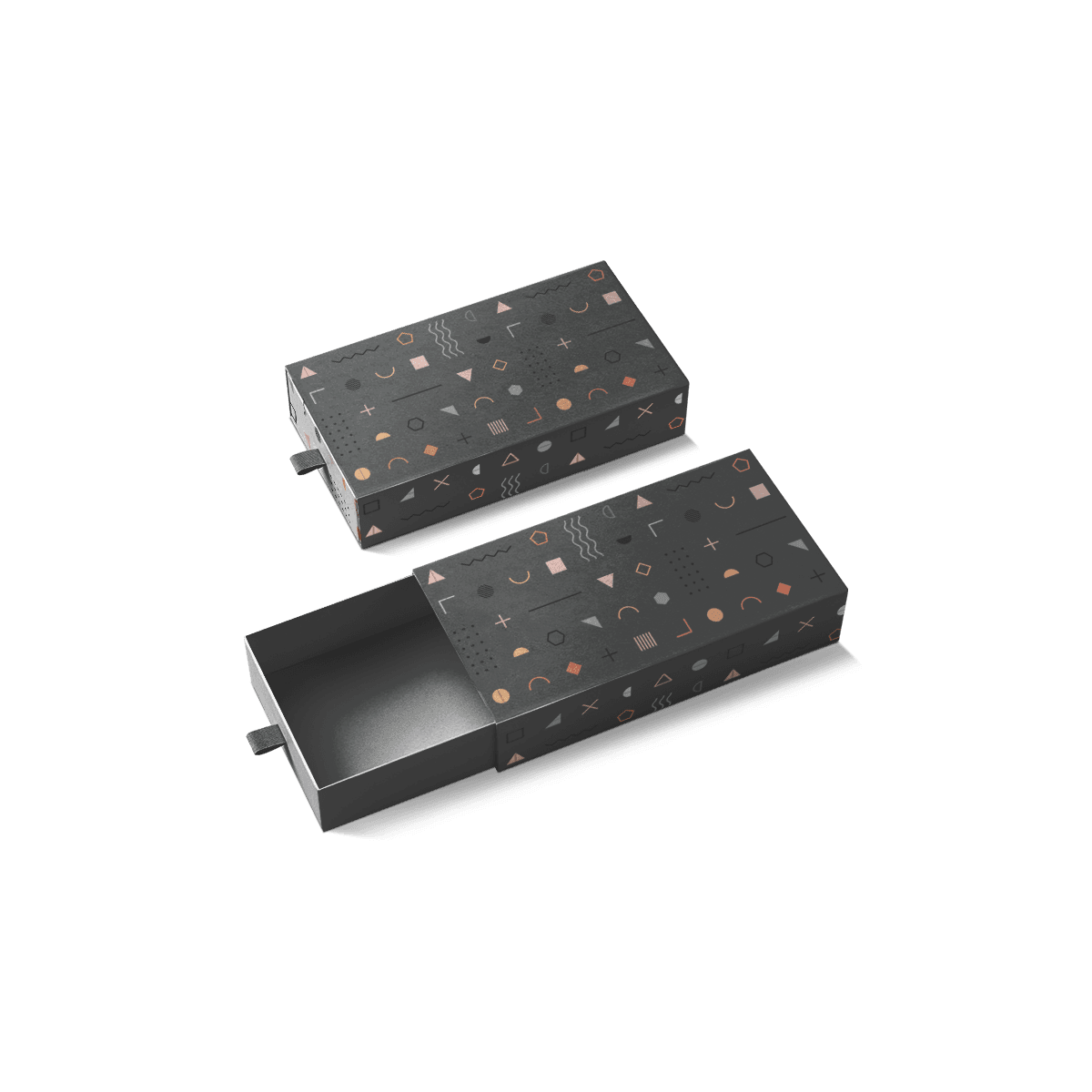
A Drawer-Style Rigid Box can create a slide-out reveal when a premium set needs several trays to stay in a fixed presentation.

The extra structure should solve an actual collection problem rather than simply making a small product box heavier.

Magnetic Lash Kits Need Accessory Separation

Magnetic lashes can turn a compact lash product into a small system.

Depending on the product line, the pack may contain lash pairs, an applicator, magnetic liner, tweezers, instructions or other components. Hard accessories should not be free to move across the lash tray.

The internal layout should establish separate positions before the outer box is selected.

A shallow accessory well can restrain an applicator. A longer cavity can hold a liner beside the tray. Printed instructions can sit beneath the lid or in a controlled recess rather than being folded randomly over the lashes.

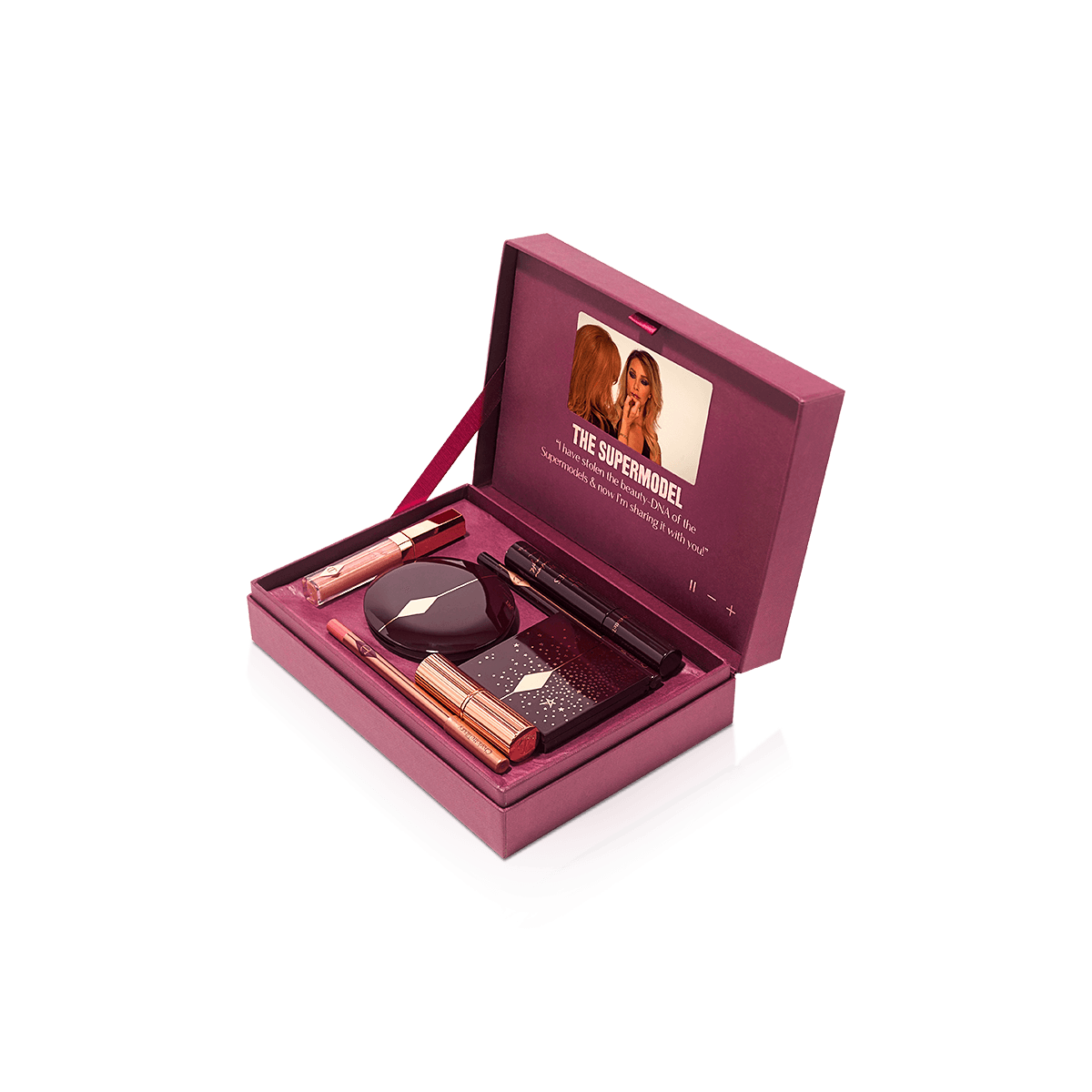
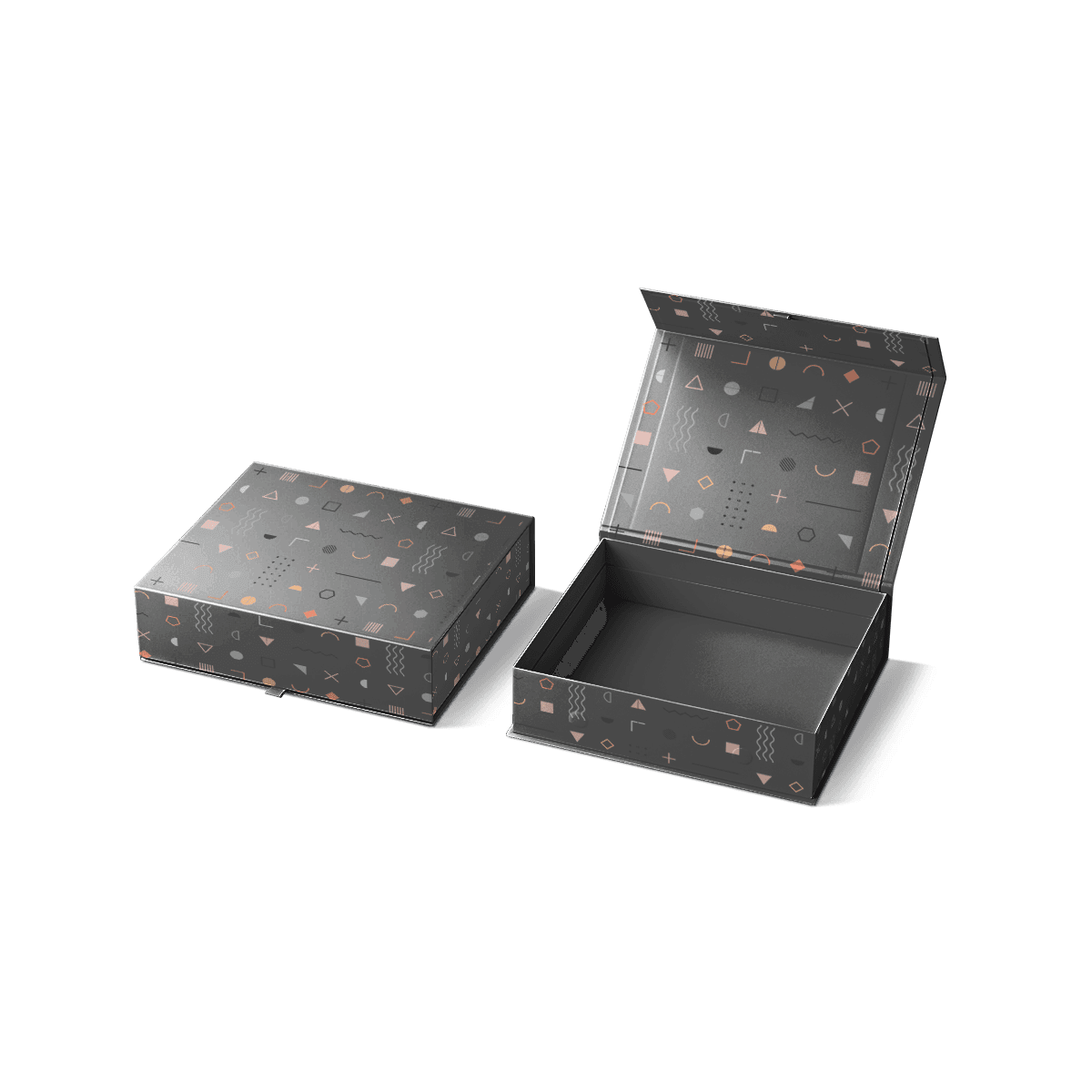
When the entire presentation needs a hinged premium enclosure, Magnetic Closure Rigid Boxes can house a fitted multi-component interior.

The word “magnetic” can describe both the lash technology and the box closure, so those two decisions should not be confused. Magnetic lashes do not automatically require a magnetic rigid box.

Style Identification Belongs on a Fixed Panel

Lash lines often use very similar packaging across many styles.

The visual differences inside the tray may be obvious to an experienced lash artist but harder to identify quickly when several SKUs are stocked together.

Give style information a consistent location.

Depending on the product line, that may include the lash name, style number, length, curl, density, pair count or other product-specific identification. Professional cluster or extension products may require a different notation system from consumer strip lashes.

The main point is consistency.

If one SKU puts its identifying information on the side panel and another moves it beneath the box, fulfillment and retail checks become slower than necessary.

For brands coordinating many cosmetic SKUs under one visual identity, custom printed boxes can keep color references, panel hierarchy and repeat artwork more controlled across production.

Premium offset printing is available where fine graphics, consistent branding and closely viewed retail artwork matter.

Small Boxes Make Finish Errors More Visible

Lash packaging is compact and usually viewed at close distance.

That means foil edges, fine type, registration and surface quality can attract more attention than they would on a large shipping package viewed from several feet away.

Decorative treatments should therefore be placed with restraint.

A foil logo can create a strong focal point on a small lid. Spot UV can emphasize selected graphics against a matte field. Embossing or debossing can add tactile detail where the panel has enough uninterrupted area to show it cleanly.

Trying to combine every available finish on a small lash carton can make the design harder to read.

The behavior of matte, gloss, foil, spot UV and embossed finishes should be considered alongside the actual panel dimensions rather than from a finish sample in isolation.

Retail Packs and Launch Kits Should Diverge

One lash brand may need two very different packaging levels at the same time.

Repeat retail SKUs benefit from efficient cartons that stack, hang or display cleanly. An influencer launch or limited collection may justify a rigid presentation with several lash styles and application tools together.

Trying to make one structure serve both purposes usually compromises one of them.

If lashes sit inside a larger makeup program, Custom Makeup Boxes can organize the full product set without forcing the lash tray to carry every component.

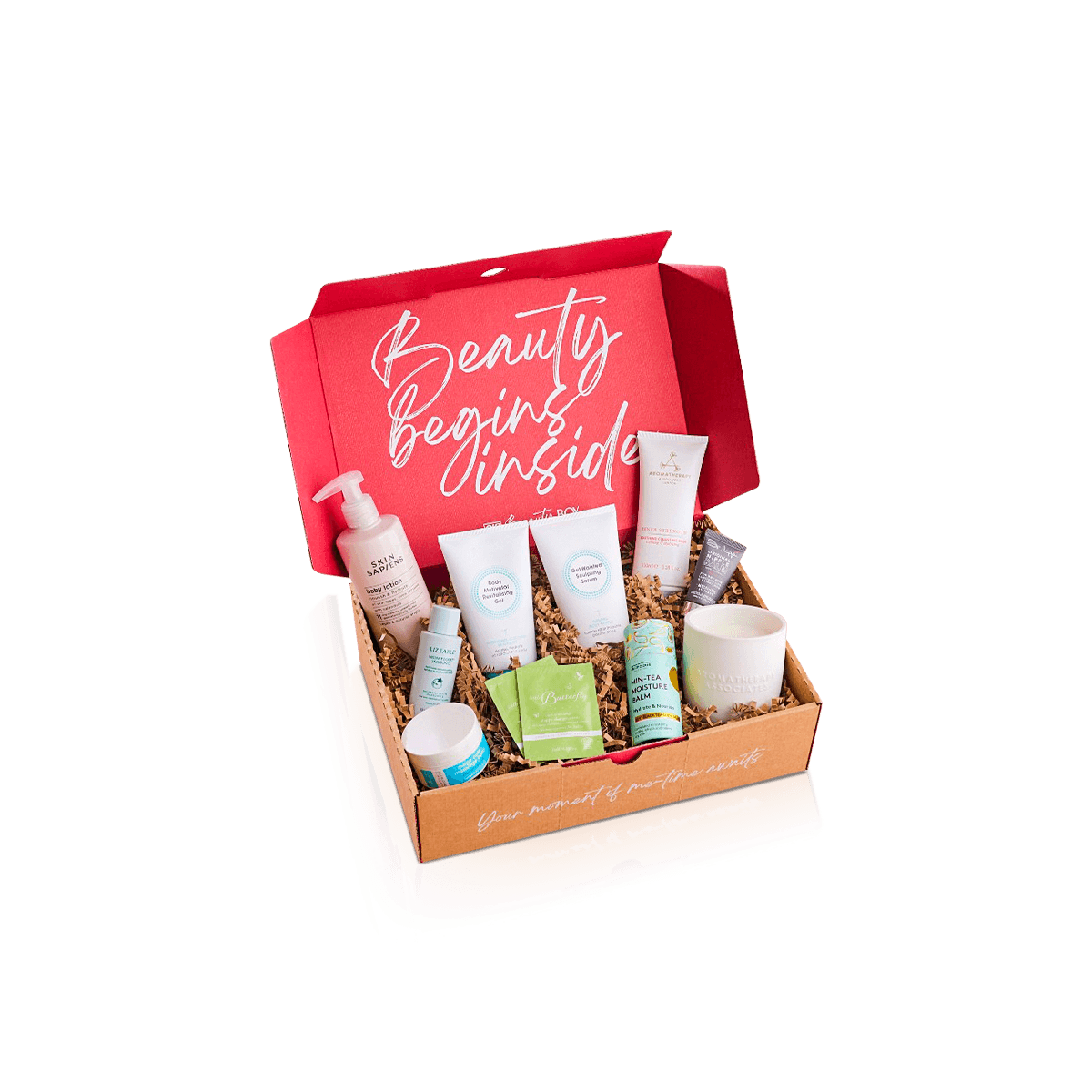
Likewise, Beauty Gift Boxes make more sense when the pack combines lashes with several beauty products into a gift presentation.

Lash Boxes should retain ownership of the lash tray itself: clearance, retention, visibility, pair organization and the information needed to identify the style.

A New Lash Style Can Break an Old Box

Reusing an established carton across a new collection looks efficient until the new lash changes the packed geometry.

A brand may reuse one tray and carton across several natural and medium-volume strip lashes, then add a dramatic style with the same tray footprint.

Length and width still fit perfectly.

The problem appears vertically. The fuller curl rises higher from the tray and begins brushing the clear viewing panel when the carton closes. The packaging dimensions appear unchanged on the SKU sheet, yet the product is now being compressed.

Adding a stronger tray would not solve that problem.

The practical choices are to increase usable internal height, lower the loaded tray position or assign the dramatic style to a deeper structural variant while preserving the same external branding system.

That is why tray footprint alone should never become the master sizing record.

The loaded lash profile belongs in the specification too.

Counter Displays Need Pack Consistency

Individual lash boxes often become part of a larger merchandising unit.

When several styles sit together on a counter, inconsistent carton dimensions or identification zones can make the display look disorganized even if each individual design works on its own.

A shared external footprint can be useful where the loaded products genuinely allow it. The style name or code can then change while the outer dimensions stay stable.

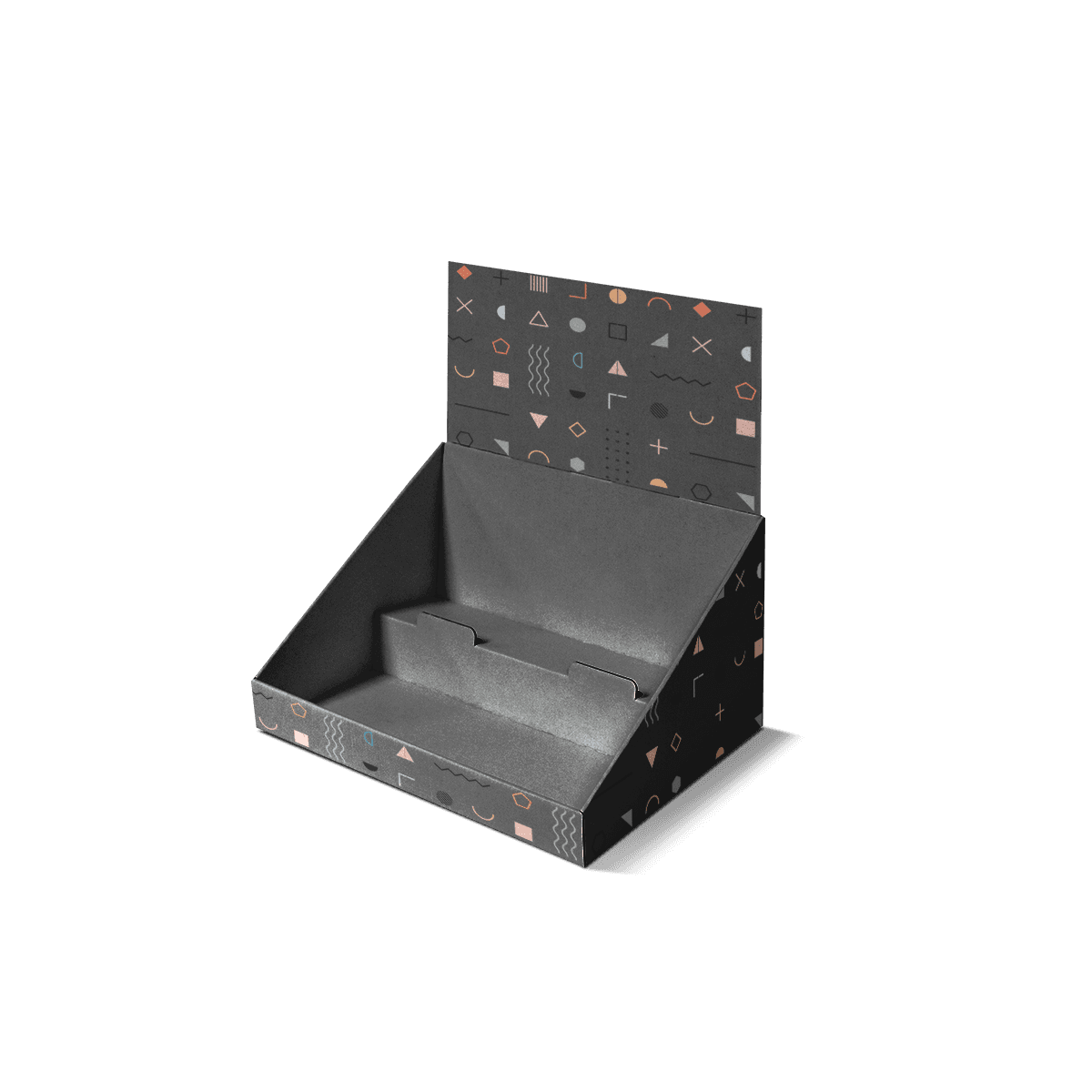
Counter-Top Display Boxes can organize multiple units where retail presentation depends on keeping compact products upright and easy to select.

Do not standardize the individual lash box merely to satisfy the display, however. A taller curl or larger collection still needs the internal clearance it requires.

The merchandising system should accommodate the product rather than compressing the product to fit a preselected display.

Parcel Shipping Needs an Outer Layer

A lightweight retail lash carton can protect and present the tray without being suitable for courier handling on its own.

Direct-to-customer orders may face compression, movement and contact with other items during fulfillment. A decorative window or premium carton surface should not be expected to handle every parcel condition.

The product box can remain compact while a separate custom mailer box handles the shipping environment.

Inside the parcel, the lash carton should not be able to move so freely that its corners or viewing panel repeatedly strike the outer walls.

This separation is particularly useful for small beauty products because the final parcel can protect several compact SKUs together without adding heavy structure to every individual retail carton.

Test the SKU System With Fewer Physical Sizes

A lash launch can involve more artwork versions than physical box structures.

Several styles may share one carton size while using different printed identifiers. A premium set may use another structure entirely. It is usually better to establish those groupings deliberately than to create a different physical box for every name in the collection.

USA orders start from 100 boxes, which can support an initial packaging specification before it expands across more lash styles.

Approve New Styles Against the Tallest Loaded Tray

A new lash SKU should be checked against the approved internal height before it inherits an existing box.

Keep the loaded tray that represents the tallest approved lash profile, along with the tray orientation, retention method and window position used for that structure.

If a future style sits higher than that reference, do not assume the old box still works because the tray footprint is unchanged.

Recheck lid or window clearance first. The new style may need a deeper carton, a lower tray position or its own structural variant.

For lash packaging, a repeatable box family depends on the relationship among tray, fibers and clearance. Artwork can change frequently. That physical relationship should not drift unnoticed.

FAQs

Inserts are usually the better option because they help the tray stay aligned and reduce movement. That matters more when the lashes are premium, the pack has a reveal opening or the box will be shipped directly to customers.

Drawer-style and magnetic formats are often chosen when the goal is a more elevated reveal and stronger perceived value. Slim folding cartons still work well for faster-moving retail SKUs where storage efficiency and unit cost matter more.

Enough for fast buying decisions and clean compliance support. Most brands need space for lash style name, material notes, wear cues, barcode placement and simple care or application guidance.

Yes when the pack is meant to sell a single lash product or a straightforward lash SKU. Beauty Gift Boxes make more sense when lashes are part of a broader set with tools, liners or add-on cosmetics.

Yes if the structure matches the fulfillment route. Many brands use lash cartons or stronger premium packs that protect the tray while still delivering a polished unboxing experience for repeat-purchase and D2C programs.

Process

How it works

Your Packaging Journey, From Idea to Production and Delivery

01

Tell Us Your Specs

Custom packaging boxes

Tell Us Your Specs

Provide size, quantity, printing, and finishes.

02

Get a Fast Quote

Custom packaging boxes

Get a Fast Quote

Instant transparent pricing, no hidden fees.

03

Design and Approval

Custom packaging boxes

Design and Approval

Artwork checks, revisions, and final sign-off.

04

Produce

Custom packaging boxes

Produce

Expert manufacturing to meet deadlines.

05

Ship to Your Door

Custom packaging boxes

Ship to Your Door

Hassle-free, flexible delivery options.

Get Your Quote for Custom Lash Boxes

Share your product details, size, quantity and artwork needs. We’ll help choose the right packaging style and send a clear quote.