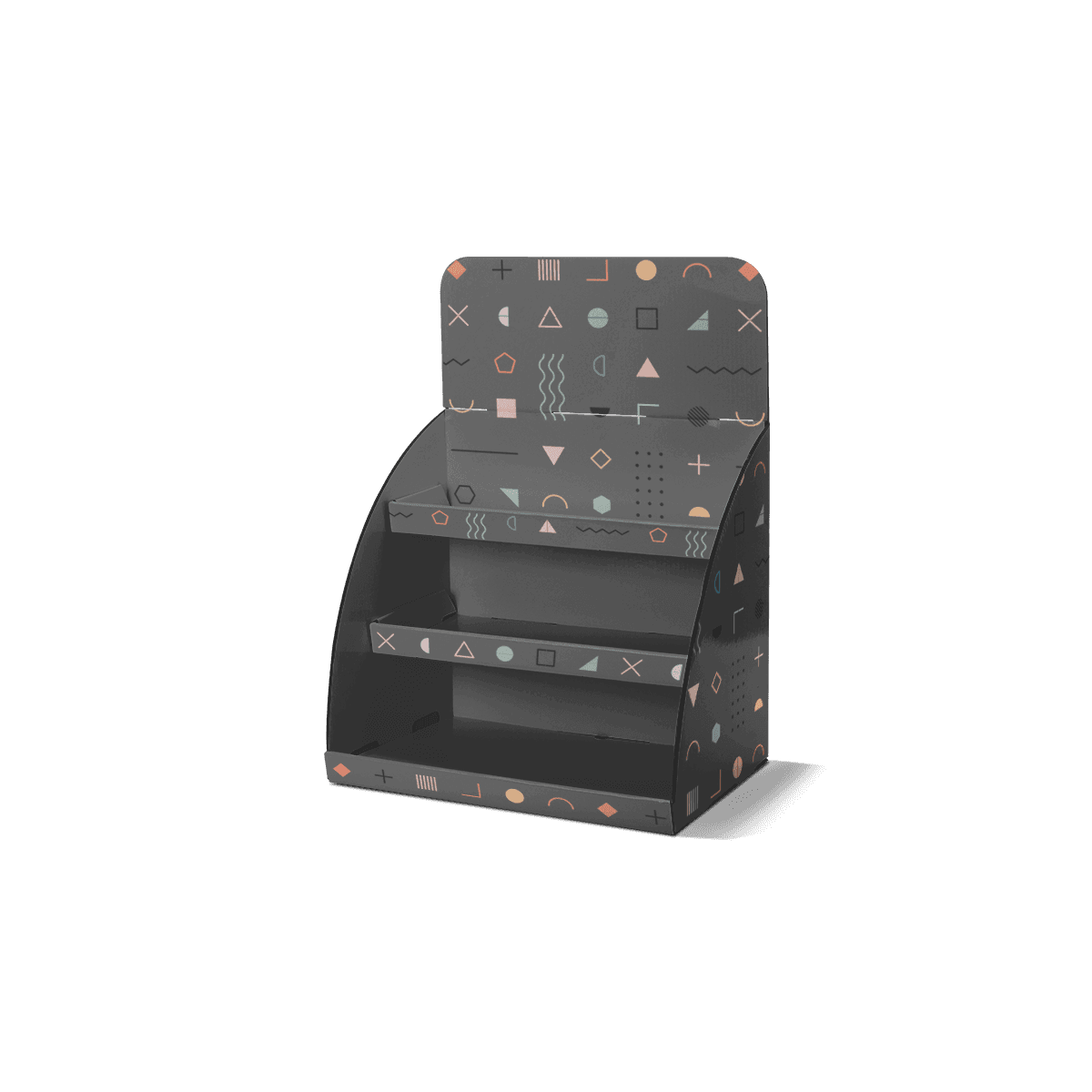
The Setup Is the Feature
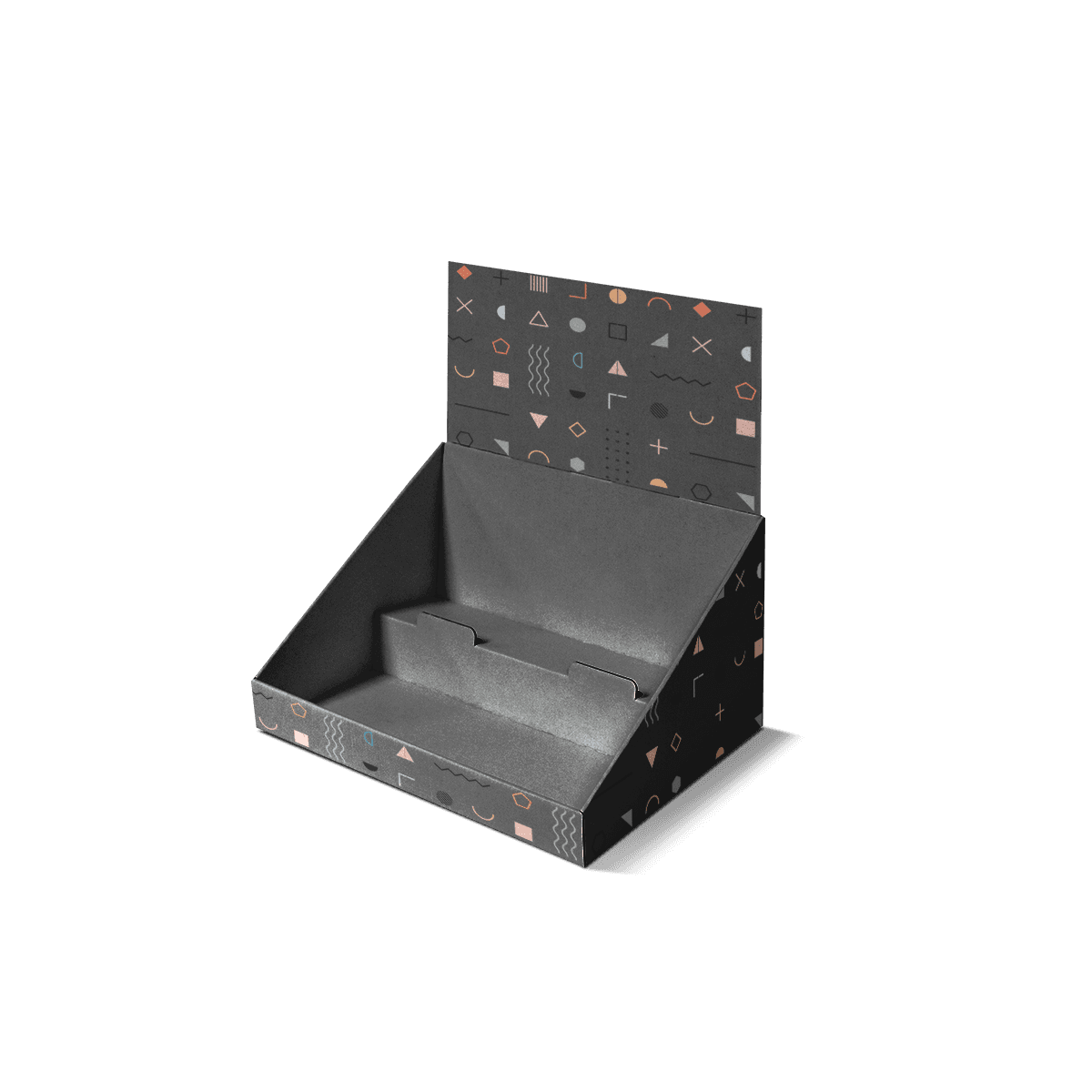
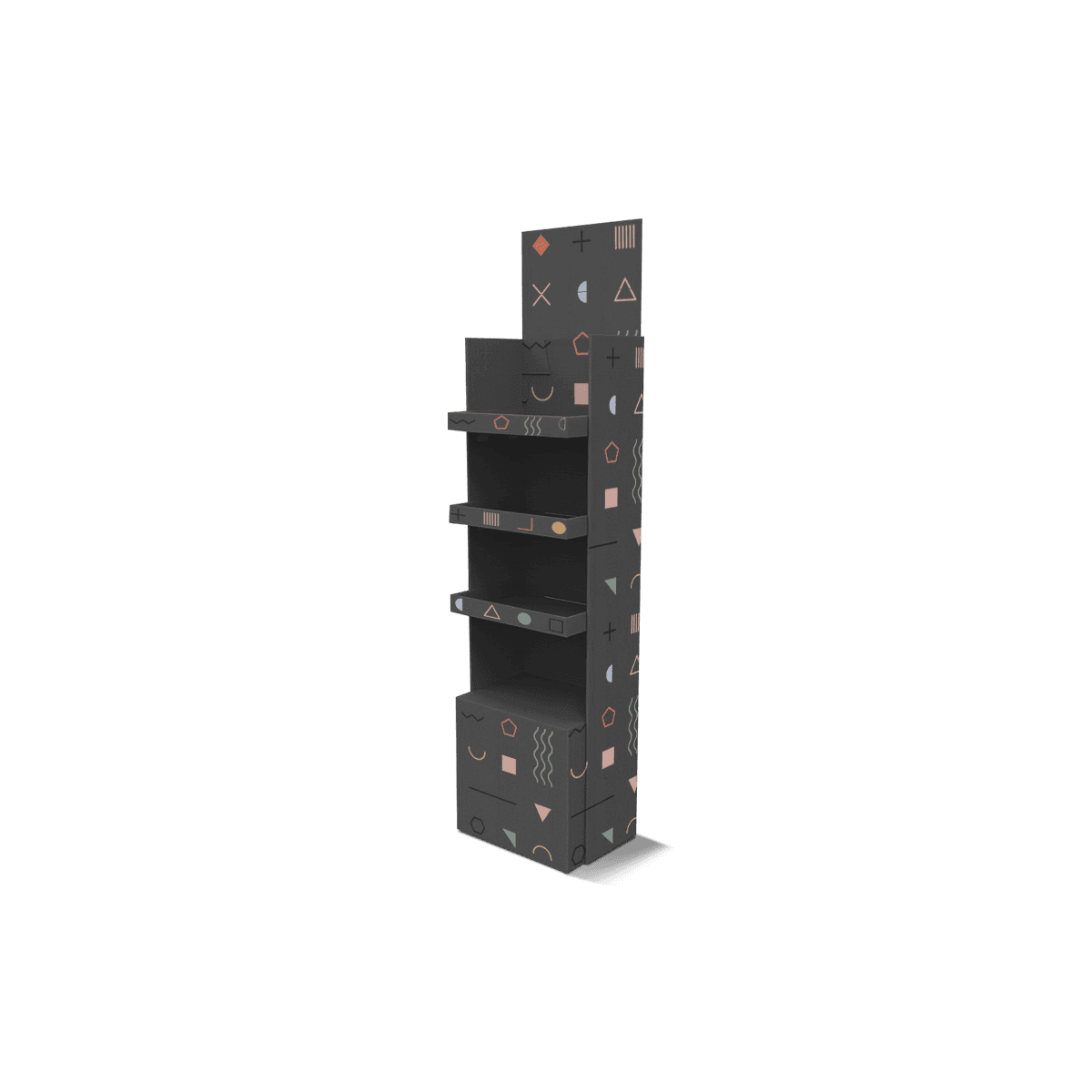
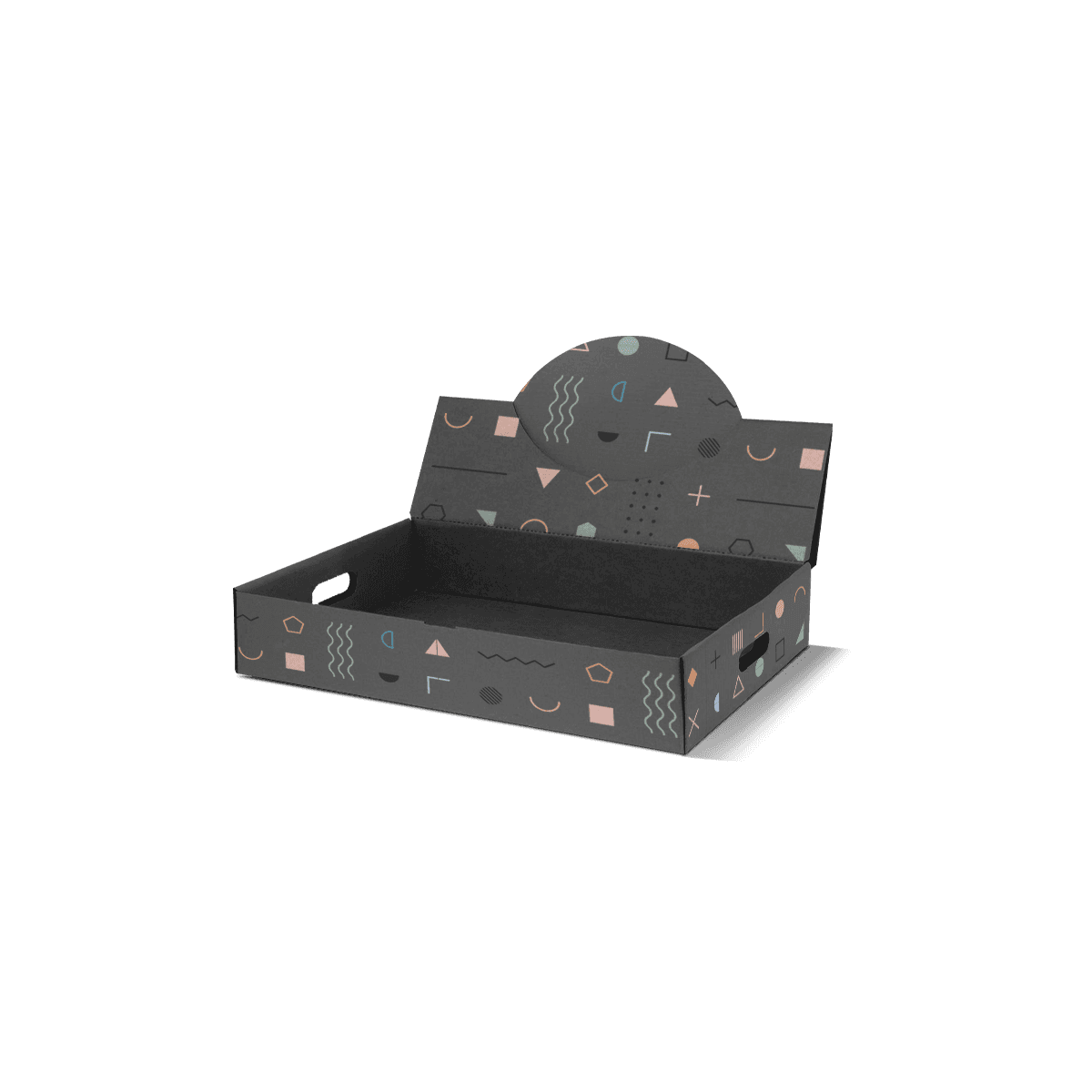
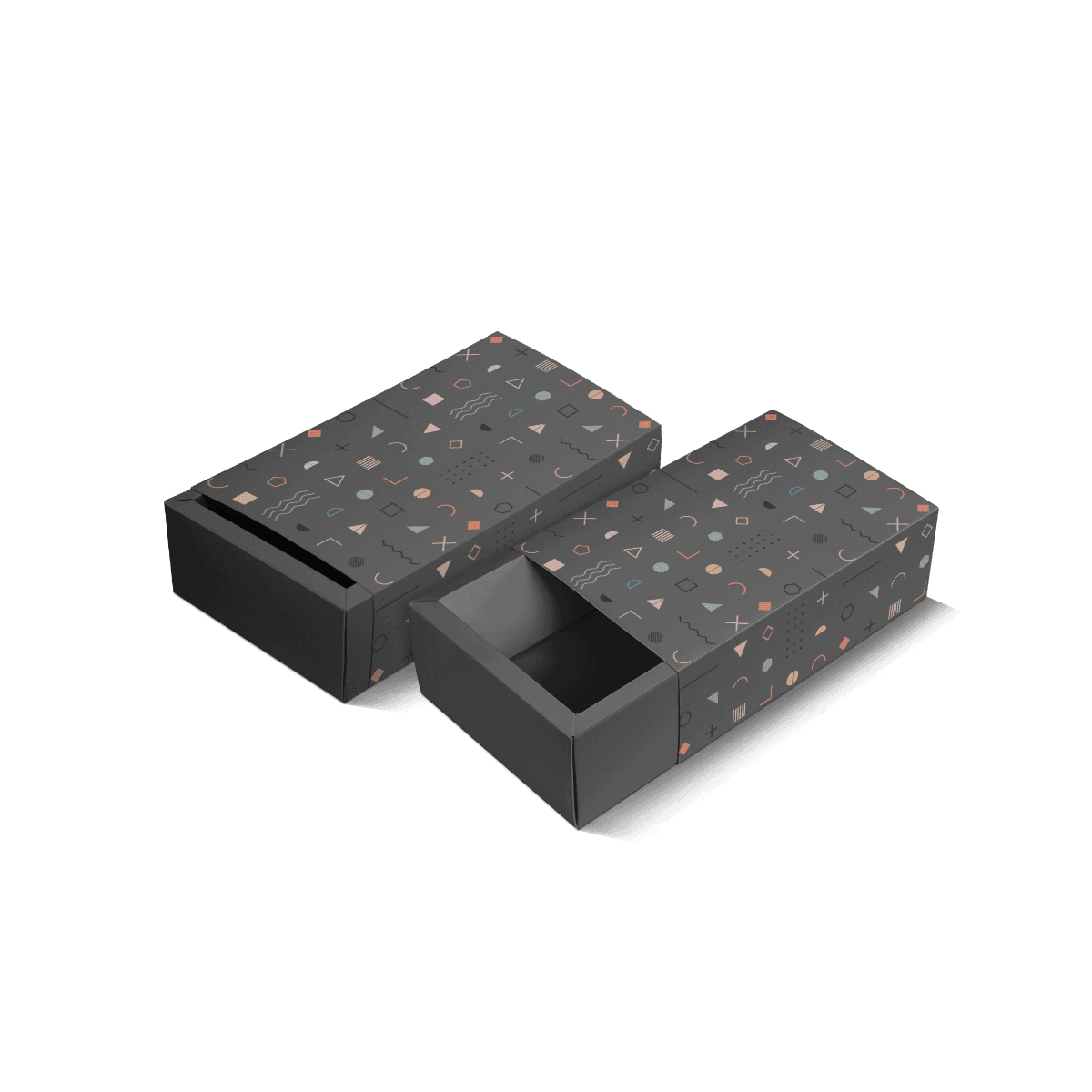
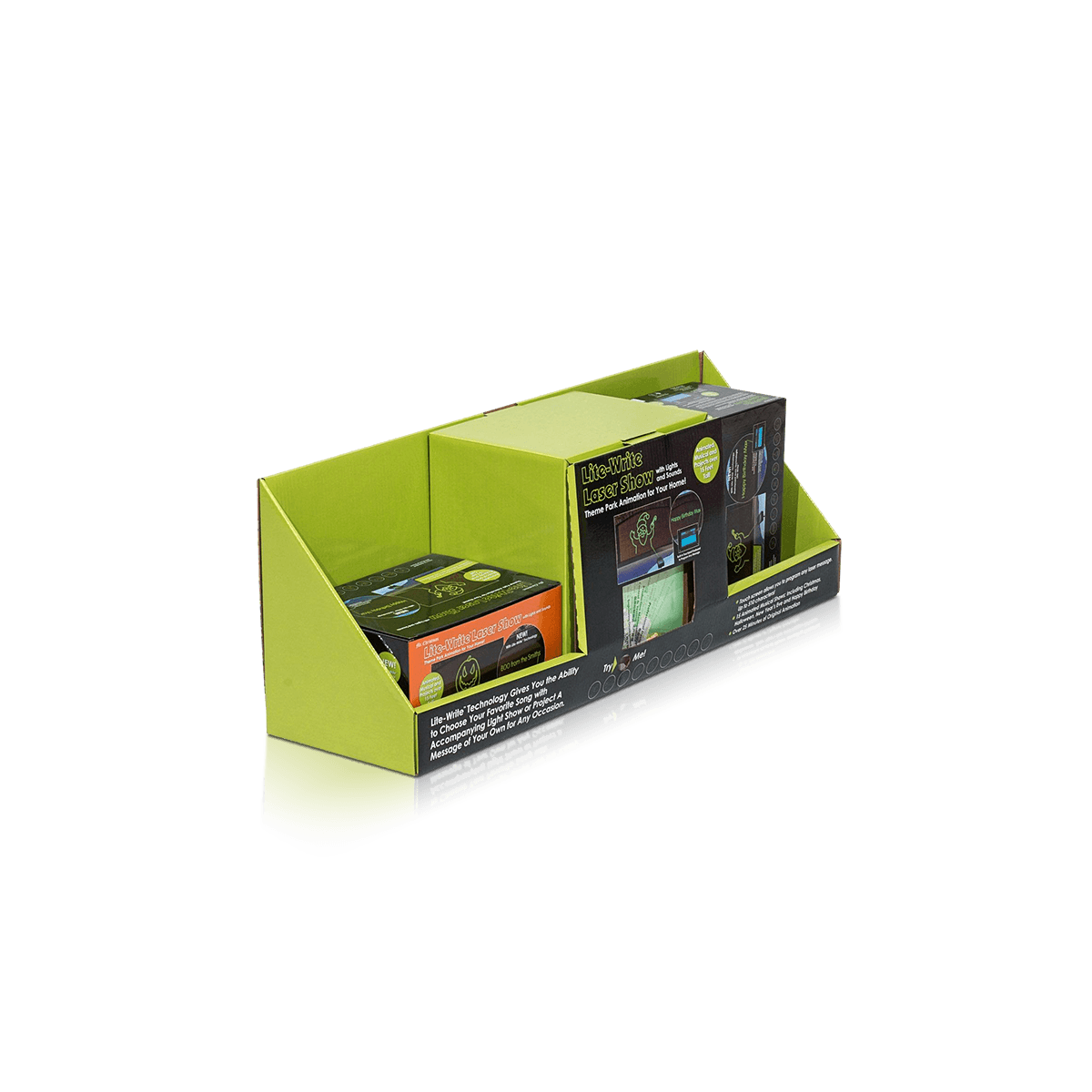
Custom Pop-Up Display Boxes fold into a compact form for transport and open into freestanding merchandising units with minimal setup. Depending on the construction, the body can be pre-glued, self-erecting or designed to open through a short sequence of integrated locking movements.
Their main purpose is to reduce the work between unpacking a display and putting merchandise in front of customers.
That makes them particularly relevant to product launches, traveling promotions, trade shows and temporary retail installations where staff cannot spend much time assembling packaging.
The distinction is the opening mechanism. An ordinary display may also ship flat, but it can require several separate folds, tabs and components before it is ready.
A pop-up construction reduces those operations through its structural design.
Self-Erecting or Quick-Assembly
A true self-erecting display uses an integrated mechanism that helps the structure assume its intended shape when released or opened.
That mechanism may involve pre-glued panels, elastic-assisted movement or another suitable construction.
A quick-assembly pop-up works differently. It unfolds into shape but may require a locking movement to secure its base, header or product-supporting components.
Both approaches can reduce setup work, but they should not be treated as mechanically identical.
A display that needs its base locked manually must not be described as fully self-erecting.
The final construction determines what staff actually need to do.
The Setup Sequence
For a promotional display, the ideal setup sequence is short enough to explain without a complicated instruction sheet.
The staff member should understand how to open the body, engage any required locks and position the merchandise.
Separate components should be limited to those that perform a necessary structural or merchandising function.
A launch kit that requires several minutes of folding and fitting at every location can create the same operational problems discussed in packaging that is not ready to scale.
Reducing assembly work is worthwhile when it produces a dependable structure rather than merely a faster first impression.