Skip to content
Details

Custom End Cap Display Boxes

Branded aisle-end displays with custom shelves, product trays and promotional graphics for retail launches, seasonal campaigns and high-visibility merchandising.

The Aisle-End Selling Position

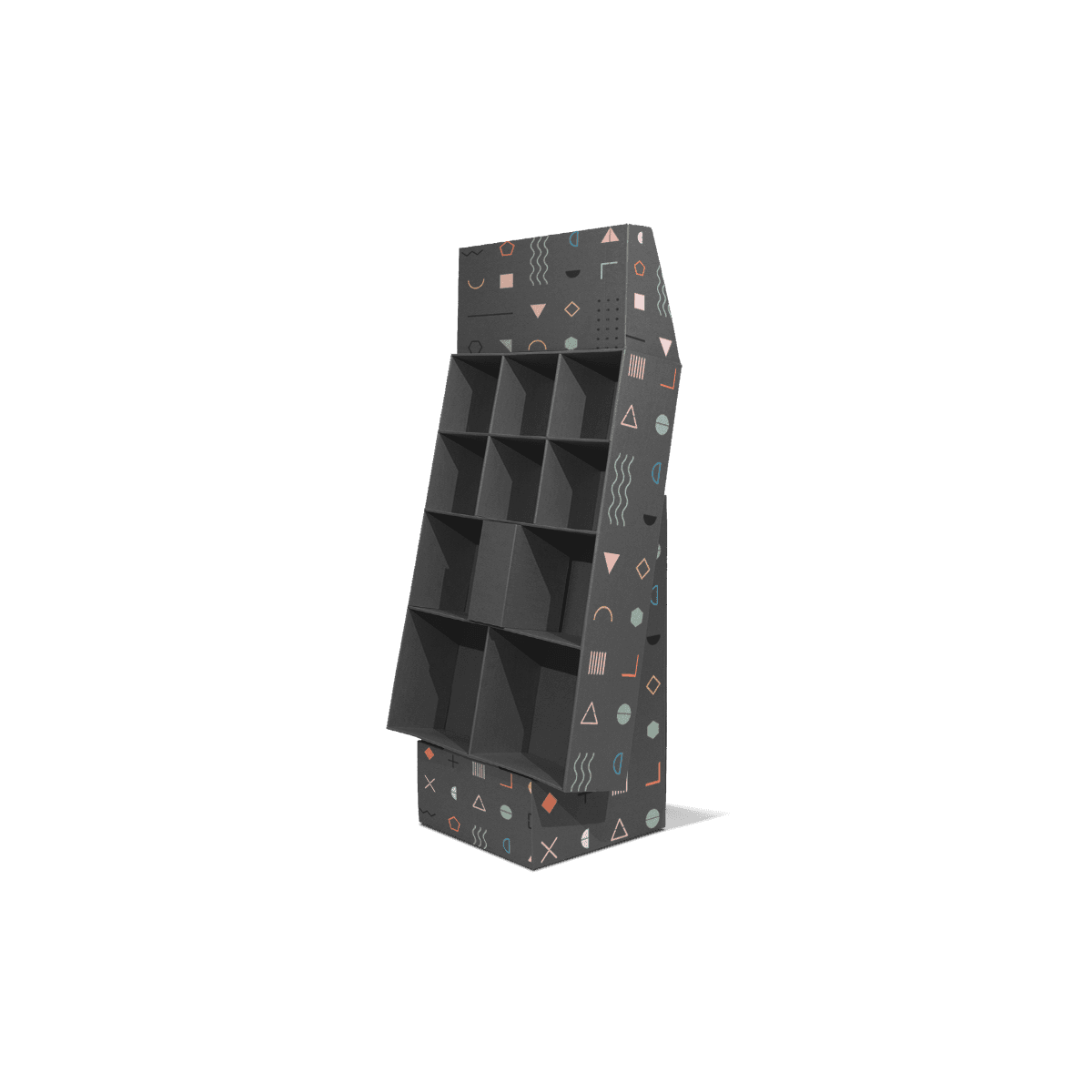
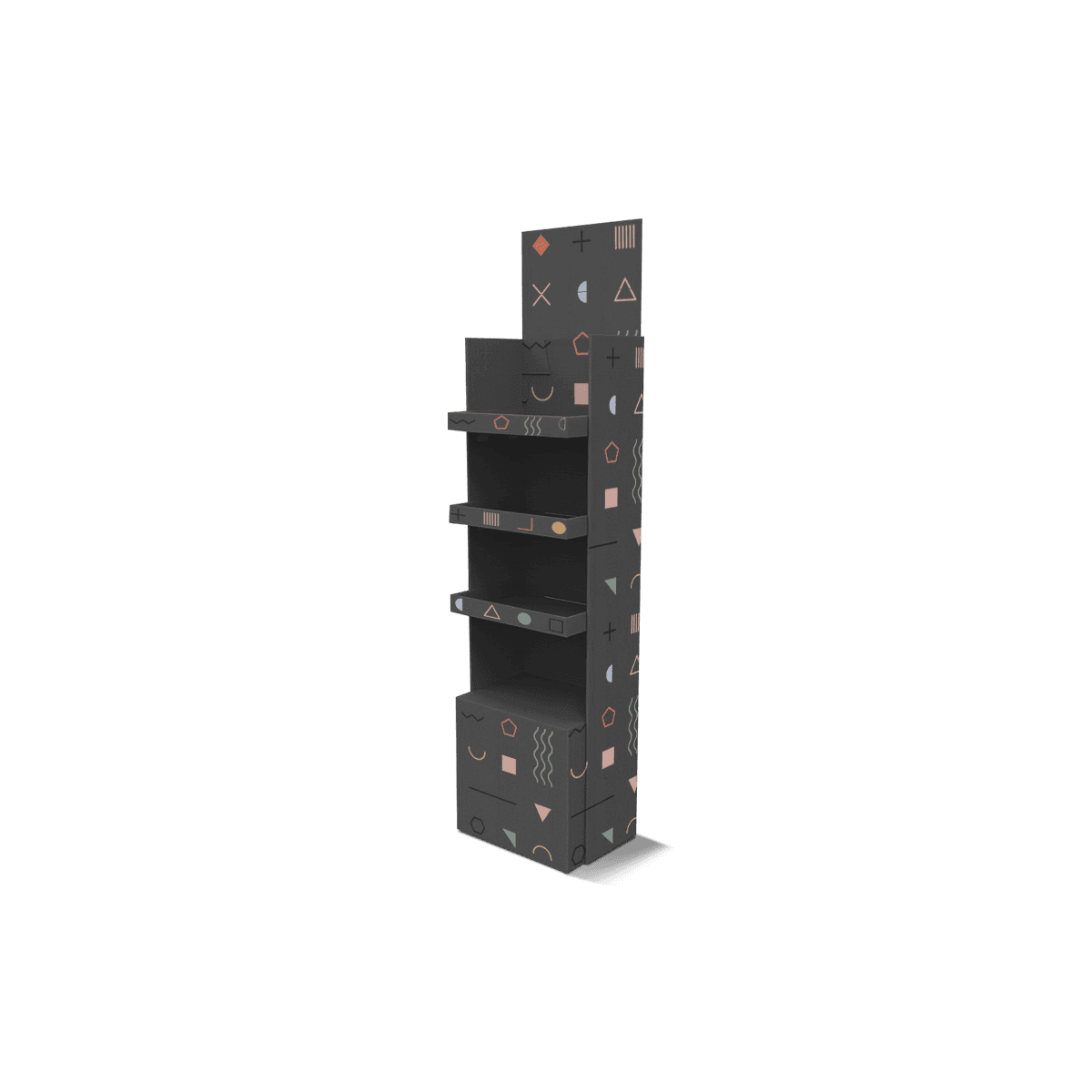
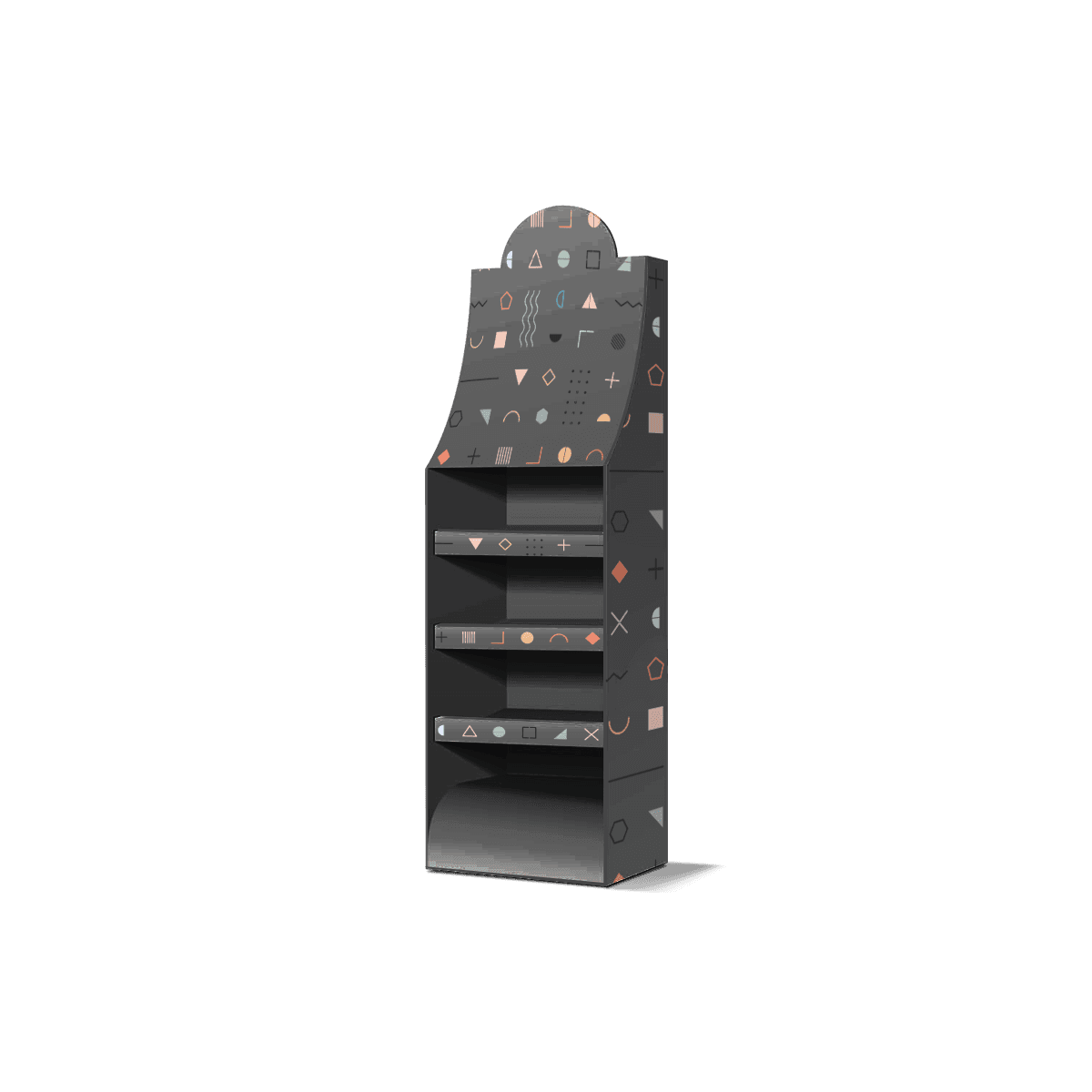
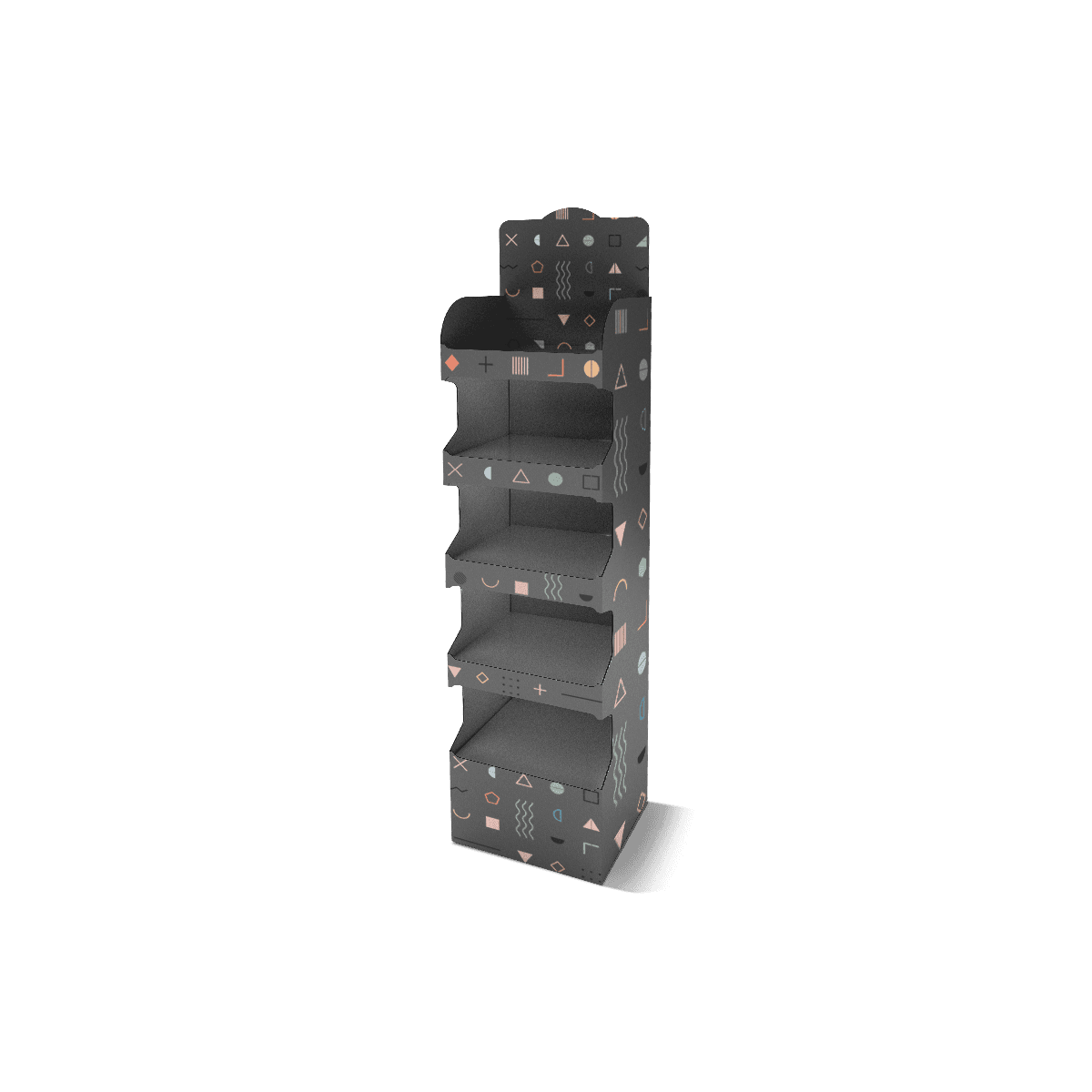
Custom end cap display boxes turn the end of a retail aisle into a dedicated promotional selling position. They use printed corrugated structures, shelf trays, headers or branded panels to present featured merchandise where shoppers can see it without entering the aisle.

An end cap can occupy the full end of an existing gondola fixture or take the form of a separate cardboard display positioned in an approved aisle-end location. The appropriate construction depends on the retailer's fixtures, merchandising rules and intended product assortment.

The primary purpose is to bring selected merchandise together in one prominent position.

A grocery promotion might group complementary products across several shelves. A personal care brand could present a new product line with coordinated packaging and printed campaign graphics. A seasonal promotion may need an entire aisle-end presentation that can be replaced after a few weeks.

These applications have different requirements, but they share one operational constraint: the display must fit the retailer's assigned position.

The available shelf width, traffic clearance, product count and installation method determine what can be manufactured.

Custom Packly develops custom printed end cap displays around those requirements, including corrugated construction, product compartments, shelf supports and campaign artwork.

The aim is to make the promotion easy to recognize, shop and replenish without requiring unnecessary changes to the surrounding retail fixtures.
The Retail Bay Comes First

An end cap display must fit the retailer's approved aisle-end position, including the dimensions of any existing gondola fixture, surrounding shelf hardware and permitted promotional signage.

The outside dimensions of a freestanding cardboard unit and the usable dimensions of an existing fixture are different measurements. They should not be treated as interchangeable.

Existing Fixture Dimensions

When the display uses an existing gondola end, establish the usable shelf width, depth and vertical clearance.

Record the position of fixed uprights, shelf brackets and other hardware that could interfere with printed panels or cardboard trays.

A decorative side panel may fit the overall fixture width but collide with a shelf support. Similarly, a header that fits the gondola body may extend beyond the retailer's permitted height.

For custom shelf trays, measure the usable space after accounting for the existing shelf structure.

The product-facing width may be smaller than the nominal fixture width, especially when the display includes side panels or compartment dividers.

Aisle and Cross-Aisle Clearance

End caps occupy positions where customers move between aisles.

The display's full installed footprint must respect the retailer's requirements for traffic clearance and accessibility.

Include projecting headers, shelf lips, promotional signs and merchandise that extends beyond the display body when checking dimensions.

A narrow cardboard extension may appear harmless in a design drawing but become an obstruction when attached to an existing fixture.

The retailer should confirm the intended location and installation limits before the structural design is approved.

If the store assigns a counter or another selling position instead, different display box structures may suit the merchandise without requiring an aisle-end installation.

Two Endcap Construction Methods

An aisle-end promotion can use printed components fitted to an existing retail fixture or a separate, self-supporting cardboard unit.

Both can create an endcap presentation, but their structural responsibilities are different.

Existing Gondola Fixtures

When the retailer supplies the shelving, the fixture can carry the primary merchandise load.

Printed corrugated components can then create the branded presentation.

These may include shelf trays, front panels, side wraps, headers and product dividers.

This arrangement is practical when the retailer wants to retain its permanent shelving but change the promotional appearance.

The cardboard components must fit the actual fixture and should not interfere with shelf adjustment, product removal or the retailer's approved attachment system.

An endcap designed around existing steel shelves should not be specified as though the cardboard trays must carry the entire load independently.

The fixture and the promotional components perform separate jobs.

Self-Supporting Cardboard Units

A separate corrugated endcap can be used when the retailer approves an independent merchandising structure for the assigned aisle-end position.

In this construction, the cardboard body carries the shelves and merchandise.

The base, vertical supports and internal reinforcements must maintain stability as the display is filled and emptied.

The structure may use folded corrugated side walls, integrated shelf supports, locking tabs and reinforced shelf panels.

Unlike a fixture-mounted arrangement, the complete cardboard unit needs its own stable load path.

A full-width endcap also has a different merchandising role from a narrow side-mounted unit. It occupies the primary selling face at the end of the aisle rather than a small attachment beside the existing shelves.

Where the retailer needs a more general promotional structure for several store positions, custom retail display boxes can accommodate different merchandising arrangements.

Capacity Begins With Facings

An endcap's selling capacity should be calculated from its shelf arrangement, product dimensions and replenishment requirements.

The number of products a display can physically hold is not necessarily the number the retailer should place on it.

Facings and Shelf Depth

A facing is the product position visible at the front of the display.

A shelf containing five facings with two units behind each facing has a theoretical capacity of ten units.

Across three identical shelves, that arrangement would accommodate thirty units.

This is an illustrative calculation, not a recommended capacity for every endcap.

The actual quantity depends on the products' dimensions, required clearance, shelf supports and permitted load.

Shelf depth deserves particular attention.

Increasing depth can create additional stock positions without improving the visibility of the products behind the front row.

For a campaign that receives frequent replenishment, a shallower shelf may make more operational sense than maximizing the initial quantity.

The Product Assortment

An endcap can carry one product or a coordinated assortment.

For a single-product promotion, identical shelf compartments can simplify filling and maintain consistent product presentation.

Mixed assortments require more deliberate allocation.

A retailer may want one shelf for the main promotional product and another for complementary items. Alternatively, each shelf may contain several flavors, sizes or variants.

The arrangement should reflect the intended sales mix rather than assuming that every SKU needs equal space.

Consider a hypothetical promotion containing three snack flavors.

If one flavor accounts for substantially more expected demand, assigning every flavor the same number of facings may leave the popular product empty while the others remain fully stocked.

The shelf arrangement can allocate more capacity to the expected high-demand product, provided the retailer approves the resulting planogram.

Removal Clearance

The usable shelf height must accommodate the movement required to pick up a product.

A carton that fits beneath the shelf immediately overhead may still be difficult to remove if the customer must tilt it.

For bottles, the cap or pump can increase the clearance required.

Front lips should retain products without hiding their primary branding or preventing removal.

The dimensions of the finished retail pack, rather than the bare product, should determine each compartment.

Replenishment Starts With Case Packs

The display and its replenishment cartons should work together.

An endcap may look organized immediately after installation but become difficult to maintain if store staff must repeatedly unpack, sort and rearrange merchandise.

The preferred replenishment method should be established before the shelf layout is finalized.

Shelf Quantities and Case Counts

A convenient arrangement allows store staff to replenish the assigned shelf without holding large quantities of loose products.

For example, if a shelf holds twelve units and the replenishment carton contains twelve units of the same SKU, the carton can refill one complete shelf when that shelf is empty.

This arrangement will not suit every campaign.

Mixed-product displays, different selling rates and partial replenishment may require smaller case quantities.

The important decision is how the store will move merchandise from the replenishment carton into the display.

If a carton contains several SKUs that belong on different shelves, clear carton identification and an organized packing arrangement become important.

Shelf-Ready Replenishment

For high-volume retail programs, individual products may be packed in smaller display trays.

The trays can be removed from their shipping cartons and positioned on the endcap, subject to the approved shelf arrangement.

This approach can reduce the amount of individual product handling required during replenishment.

It also introduces another dimensional requirement: the tray must fit the usable shelf space without interfering with adjacent trays or printed panels.

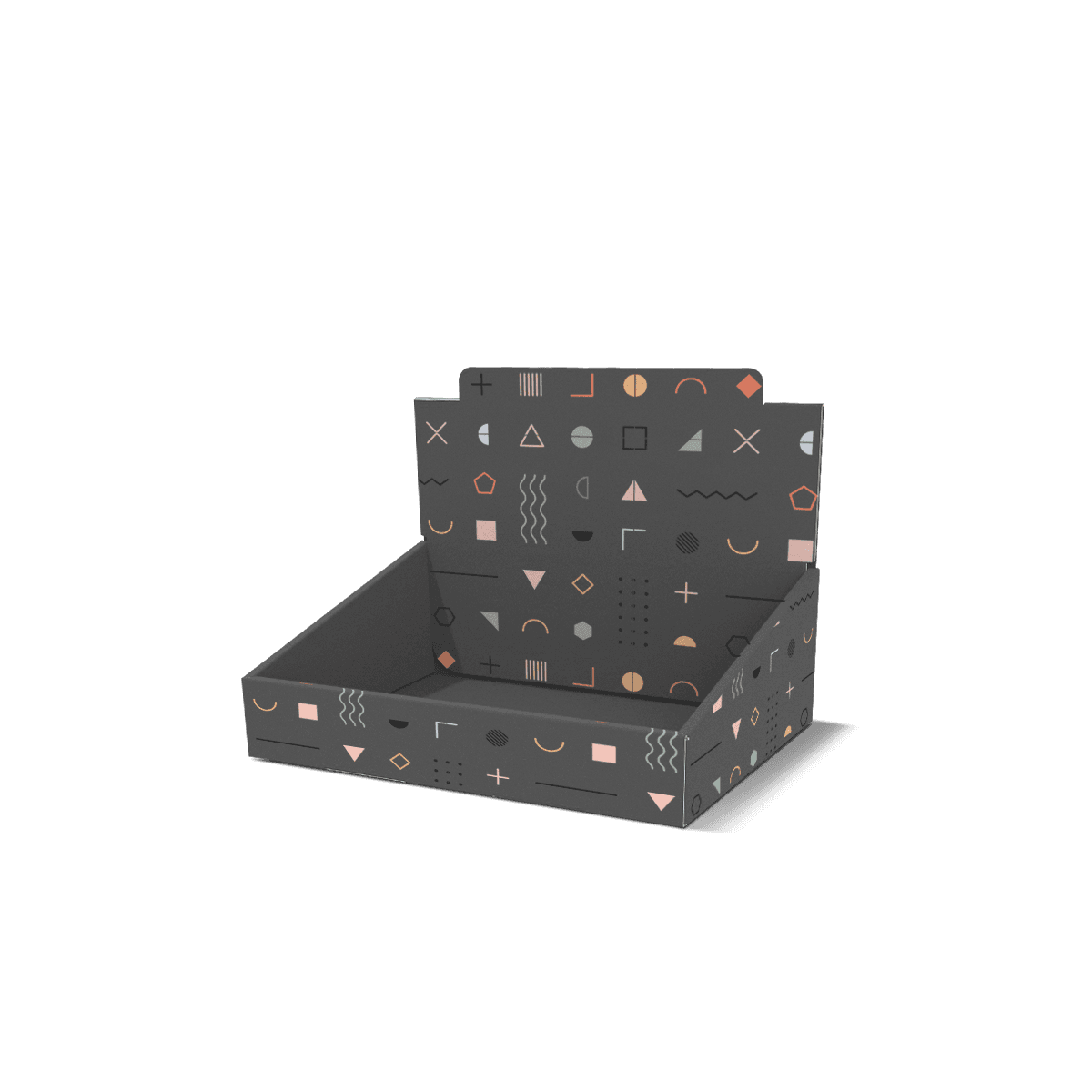
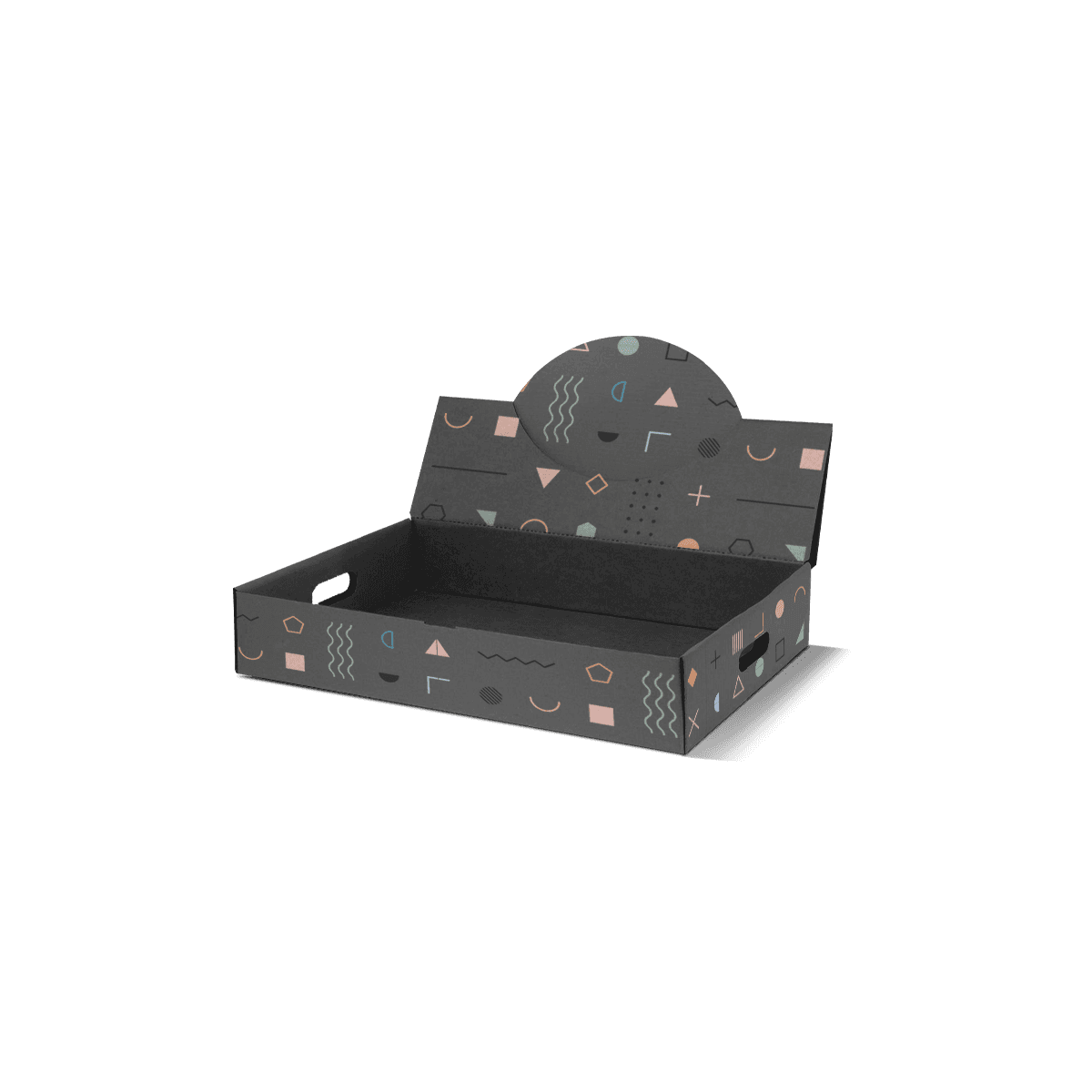
Where the shipping case itself should convert into the selling tray, counter-ready display boxes may be suitable as the replenishment unit.

For a dedicated endcap, these trays can become components of the overall merchandising arrangement rather than independent promotional stands.

The Half-Stocked Display

Merchandising should remain orderly as products sell.

A front row that loses its remaining units may expose an empty cardboard compartment or leave neighboring products leaning into the unused space.

Shelf dividers can help separate variants. Appropriate compartment depth and front-lip height can also improve the presentation of remaining stock.

The arrangement should not depend on every shelf being completely full.

For a promotional endcap, this is especially important because its main selling face remains visible even when staff have not yet replenished the merchandise.

Campaign Graphics From Multiple Directions

An aisle-end display has two important viewing situations: customers approaching along the cross aisle and those passing beside the main shelving.

The header, side panels and shelf fronts can communicate different parts of the promotion.

The Main Promotional Face

The front of the display should communicate the campaign quickly.

A recognizable product image, clear brand identity and one prominent promotional message are often more effective than repeating all the information printed on the individual packages.

The structure should also preserve enough open space for the actual merchandise to remain visible.

For a product launch, the header may identify the new product while the shelf fronts distinguish individual variants.

For a seasonal campaign, the header can carry the temporary message while the retail packs retain their normal branding.

This separation can simplify artwork changes between promotions.

Side-Panel Visibility

Printed side panels matter when the endcap can be seen from an approaching angle.

They can reinforce the main campaign through color, product imagery or a recognizable graphic.

However, large side panels should not extend into traffic areas or interfere with access to neighboring merchandise.

The printed structure must follow the retailer's approved installation dimensions.

Price and Promotional Labels

Price labels may be controlled by the retailer rather than the packaging supplier.

That makes it important to confirm whether prices will be printed directly on the display or added using the retailer's labeling system.

Retail-controlled prices should have an appropriate placement that does not obscure product names or interfere with shelf access.

For campaigns running across several retailers, using the same permanently printed price may be impractical.

A printed header with a replaceable price panel can offer more flexibility, subject to the approved construction.

Custom Packly's free design and dieline support can help establish the printable areas, folds and panel boundaries before artwork approval.

A free 3D mockup can also help assess how the header, side graphics and merchandise appear together.

Corrugated Strength and Print Quality

Corrugated board is a practical material for custom end cap displays because it can form folded structural components and support large printed surfaces.

The final specification depends on whether the cardboard is carrying merchandise or acting primarily as a printed covering for an existing fixture.

Different Loads, Different Components

The body of a self-supporting endcap may require a different construction from its header or decorative side panels.

Shelf strength depends on board grade, flute profile, span and the arrangement of structural supports.

A deep shelf carrying heavy merchandise may need reinforcement beneath the product-bearing surface.

Where an existing metal fixture supports the stock, the corrugated components may only need sufficient stiffness to maintain their shape and withstand normal handling.

Using the same heavy board specification throughout the entire display may add material without improving the components that actually carry the load.

Custom Packly's packaging capabilities can support the selection of corrugated construction, printed liners and reinforcement options for the intended display.

Assess the Actual Load

A completed display should be assessed using the intended merchandise and maximum expected shelf loads.

For self-supporting structures, the evaluation should account for the weight carried by each tier and the stability of the complete unit.

Shelf deflection, connection strength and the behavior of partially loaded compartments may require attention.

For a display fitted to an existing fixture, the retailer's shelf and attachment requirements remain controlling constraints.

The principles behind custom packaging testing can help establish which structural, print and production checks are appropriate before a larger campaign.

A paid custom physical sample may be appropriate when the project requires assessment of the exact structure with its intended merchandise.

Printing the Campaign

Full-color CMYK printing can reproduce product imagery, promotional graphics and multicolor branding.

Pantone spot colors may be considered when consistent brand colors are an important part of the campaign.

Premium offset printing can be appropriate for printed liners applied to corrugated display components, depending on the construction and order requirements.

Digital or flexographic printing may suit other production requirements.

The choice depends on artwork complexity, quantity, substrate and the frequency of artwork changes. The differences between digital, offset and flexographic printing matter when selecting a production method for corrugated displays.

Matte and gloss finishes can be considered for the visible panels. Additional coatings or specialty effects should be assessed against the intended handling conditions and production requirements.

Endcaps for Different Retail Promotions

The same aisle-end position can support several types of merchandise, but the display construction should follow the retail pack rather than the product's industry alone.

Grocery Promotions

Sealed snack packs, boxed confectionery and other packaged grocery products can be arranged in tiered endcap displays.

The primary product packaging must handle containment and any applicable food-contact requirements. The cardboard endcap performs the separate job of merchandising the packaged products.

For a promotion involving several flavors or pack sizes, printed shelf strips can help identify each group.

The display's shelf depth and case-pack arrangement should also support the retailer's intended replenishment method.

Beauty and Personal Care

A personal care promotion may combine boxed products, compact bottles and coordinating accessories.

Different products can require different compartment heights or shelf depths.

For cosmetics and personal care packaging, clear product identification is particularly important when multiple shades, formulas or sizes share a promotional display.

The endcap should retain that identification without concealing the individual product labels.

Pet Product Promotions

Pet treats, grooming accessories and packaged toys can be arranged in coordinated aisle-end promotions.

The display structure should account for the differences between lightweight pouches, rigid cartons and bulkier accessories.

A campaign featuring several pet product packaging styles may require separate trays or compartments so products do not lean against incompatible shapes.

Heavier merchandise should be assessed against the shelf capacity rather than placed according to visual preference alone.

Electronics and Accessories

Boxed chargers, cables, batteries and small accessories can be arranged by product type or compatibility.

For closely related products, clear shelf labels and visible primary packaging reduce the need for customers to remove several units before identifying the correct item.

Smaller accessories can use tray dividers, while hanging retail packs may require retailer-approved hooks and appropriate mounting components.

The display should not conceal essential product identification behind decorative graphics.

Production for a Retail Rollout

A single-store promotion and a coordinated multi-store campaign place different demands on endcap production.

For a larger rollout, the complete supply requirement should include the display components, merchandise arrangement and distribution method.

Display Quantity and Versions

The number of displays should reflect the stores participating in the campaign and any additional units required for approved replacements or other planned uses.

If several retailers have different fixture dimensions, one universal structure may not be appropriate.

The project may need separate sizes or mounting configurations.

Artwork can also vary by retailer or promotional period.

These variations should be identified before production because different structural dielines and artwork versions can change manufacturing and packing requirements.

Flat Kits or Preassembled Units

Flat-packed components can reduce the space occupied by unassembled cardboard displays.

This approach may suit campaigns where store employees or merchandising teams will assemble the units.

Preassembled displays can reduce store-level construction work, but their larger shipping volume and need for protective packing must be considered.

A display that is preloaded with merchandise needs a distribution arrangement appropriate to its loaded weight and structural design.

If the products are shipped separately, shipping boxes can protect merchandise during distribution before it is transferred to the promotional display.

The appropriate method depends on the retailer's receiving process and the amount of assembly it permits.

For brands using the same primary product packaging across retail and direct sales, retail versus ecommerce packaging can help distinguish merchandise presentation from the separate requirements of parcel shipping.

Pricing and Production Timing

Endcap pricing depends on the final dimensions, structural components, material specification, print coverage and quantity.

An existing-fixture arrangement using printed trays and panels may have different manufacturing requirements from a complete self-supporting cardboard unit.

Custom Packly's USA MOQ starts from 100 boxes. The applicable minimum for a multi-component endcap project should be confirmed against the approved construction.

Standard turnaround is 4–6 days after final specifications and artwork approval. Complex display structures, specialty materials and advanced finishes may require additional time.

USA production and free shipping are part of the current service.

When the retailer's requirements, display dimensions and expected quantities are established, request a custom endcap quote based on the intended merchandising construction.

For larger repeat programs, warehousing and scheduled deliveries can be arranged where appropriate.

The Store Reset Handoff

An endcap promotion is complete only when the store can install it, maintain the merchandise and replace the promotional components at the end of the campaign.

The handoff should be based on the approved installation method.

For an existing-fixture arrangement, store employees need to know which printed panels, shelf trays and headers attach to the permanent fixture.

The instructions should identify any required mounting components and establish the correct order of installation.

For a self-supporting cardboard endcap, the assembly instructions should show how the structural panels, supports and shelves connect.

Product placement should follow the retailer's approved merchandising arrangement.

For multi-store campaigns, a consistent installation package may include:

  • The approved assembled-display drawing.
  • Instructions for attaching or assembling the structure.
  • Identification of separate components.
  • The shelf arrangement and assigned product quantities.
  • Replenishment and promotional-label placement instructions.
  • The intended method for removing the temporary components.

The final point matters when the retailer plans to retain its permanent fixture for future campaigns.

A removable cardboard wrap or replaceable header may allow the next promotion to use the existing hardware without replacing the entire shelving arrangement.

If the complete display is temporary, its removal and material handling should follow the retailer's requirements.

The actual board, coatings, adhesives and attached components determine whether particular materials can enter local recycling streams. Recyclability should not be assumed from the presence of corrugated cardboard alone.

For ongoing retail campaigns, Custom Packly can maintain approved construction and artwork specifications so replacement components or additional displays are produced to the intended configuration.

The handoff should leave the retailer with a clear merchandising arrangement and a practical process for changing the promotion when the campaign ends.

FAQs

They create the most value in high-traffic aisle ends where brands want extra exposure for promotions, new launches, or cross-sell items. Endcaps are specifically used to increase visibility and influence purchase decisions at the moment shoppers are comparing options.

End Cap Display Boxes are usually better for bigger campaigns because they offer more display area, stronger billboard effect, and higher product capacity. Power Wing Display Boxes make more sense when the retailer only allows a side attachment on existing shelving and the program needs a narrower footprint.

Yes. Temporary POP displays are commonly made from cardboard and are often used for seasonal products, special promotions, and test campaigns because they are more affordable and easier to refresh than permanent fixtures.

The best approach is to keep product pickup simple while using die-cut headers, front lips, side graphics, and clear CMYK messaging to communicate price, flavor, benefit, or bundle offers. Good display design depends on visibility, accessibility, brand consistency, and structural integrity.

Yes, when the structure is engineered properly. Corrugated displays are widely used because they are durable, lightweight, and cost-effective, and paper-based retail displays are also used as longer-life “perceived permanent” options in demanding store environments.

Process

How it works

Your Packaging Journey, From Idea to Production and Delivery

01

Tell Us Your Specs

Custom packaging boxes

Tell Us Your Specs

Provide size, quantity, printing, and finishes.

02

Get a Fast Quote

Custom packaging boxes

Get a Fast Quote

Instant transparent pricing, no hidden fees.

03

Design and Approval

Custom packaging boxes

Design and Approval

Artwork checks, revisions, and final sign-off.

04

Produce

Custom packaging boxes

Produce

Expert manufacturing to meet deadlines.

05

Ship to Your Door

Custom packaging boxes

Ship to Your Door

Hassle-free, flexible delivery options.

Get Your Quote for Custom End Cap Display Boxes

Share your product details, size, quantity and artwork needs. We’ll help choose the right packaging style and send a clear quote.